Contents
Best Sumatra Coffee Beans (2026): Bold, Earthy, Worth It
TL;DR: The best Sumatra coffee beans are wet-hulled Mandheling or Gayo beans roasted medium-dark — they deliver the signature low-acid, full-body, earthy-sweet cup the region is famous for. Top picks: Volcanica Sumatra Mandheling, Peet’s Major Dickason’s Blend, and Death Wish Coffee. If you want single-origin Sumatran character without blends, go Volcanica or a specialty roaster sourcing from Aceh.
What Makes Sumatra Coffee Different?
Sumatran coffees are defined by their processing method as much as their origin. Wet-hulling (Giling Basah) — where the parchment is stripped while beans are still high-moisture — produces the thick body, low acidity, and earthy, sometimes funky complexity that makes Sumatra immediately identifiable in a blind tasting. No other major origin replicates this profile.
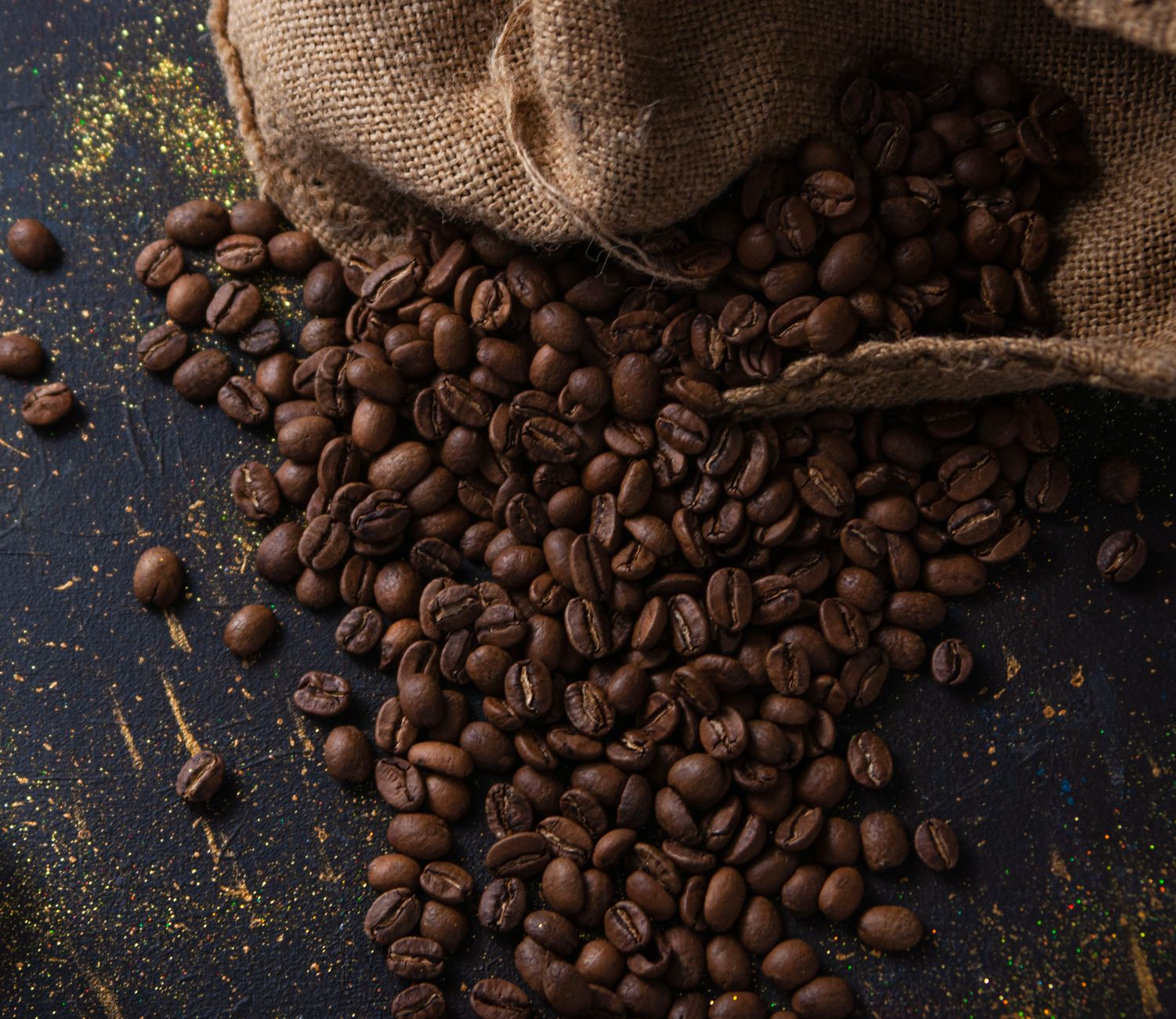
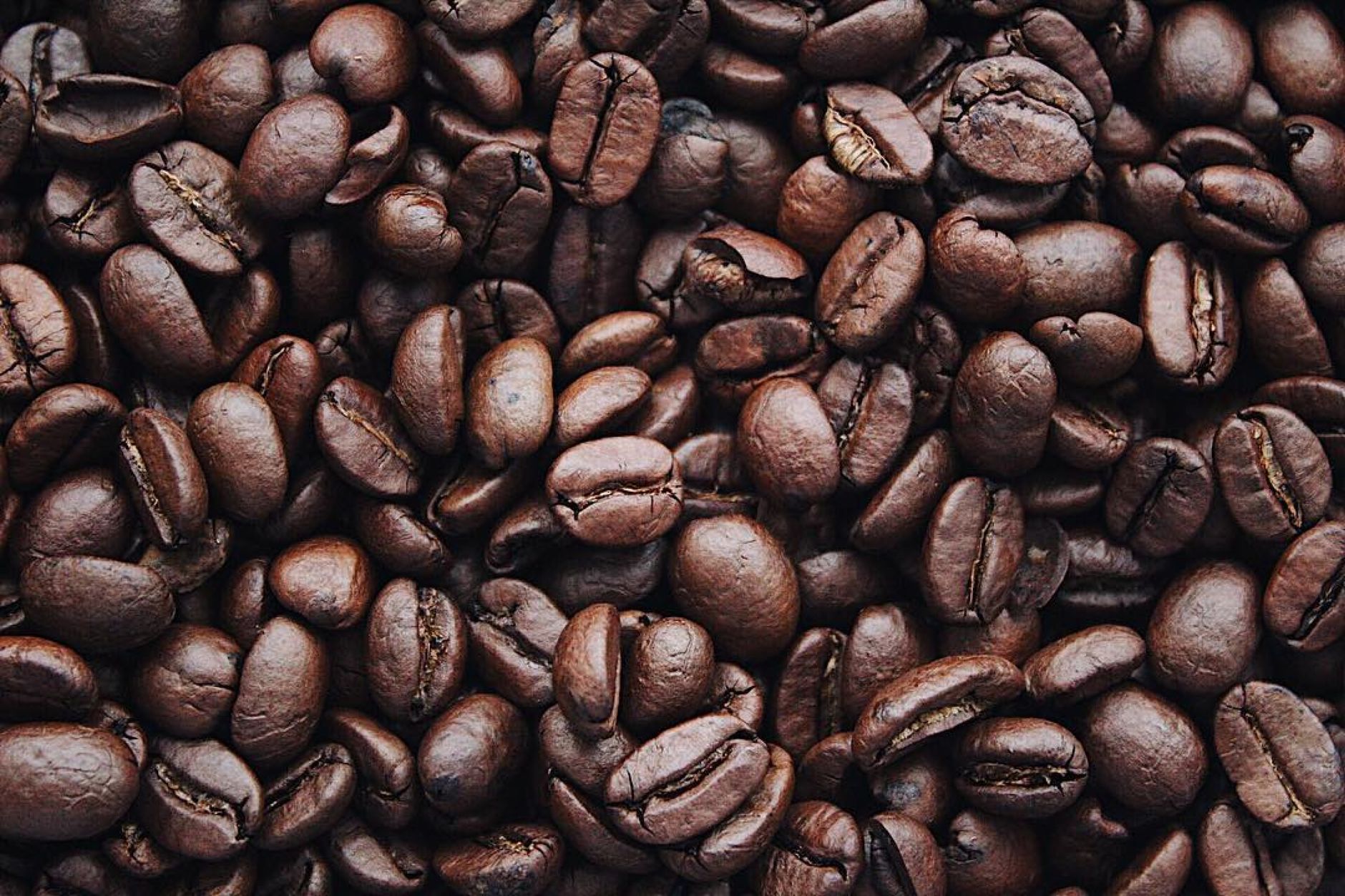 Photo: Igor Haritanovich via Pexels
Wet-hulling compresses drying time in Sumatra’s humid climate, but it leaves the bean more exposed to environmental influence. That’s why Sumatran cups often carry notes of dark chocolate, cedar, tobacco, and black earth alongside fruit — not a flaw, a feature.
Two growing regions dominate specialty Sumatra:
- Mandheling (North Sumatra): grown around Lake Toba and Sidikalang, the most widely exported Sumatran style — syrupy, low-acid, dark fruit
- Gayo / Aceh (Aceh province): higher altitude (1,200–1,750 MASL), cleaner profile, brighter stone fruit against the earthy base, increasingly sought by specialty roasters
Best Sumatra Coffee Beans: Top Picks
The best Sumatra coffees in 2026 come from roasters who source directly from Gayo or Mandheling co-ops, roast medium to medium-dark to preserve origin character without tipping into char, and ship fresh. The six below cover single-origin purists, espresso drinkers, and budget buyers equally.
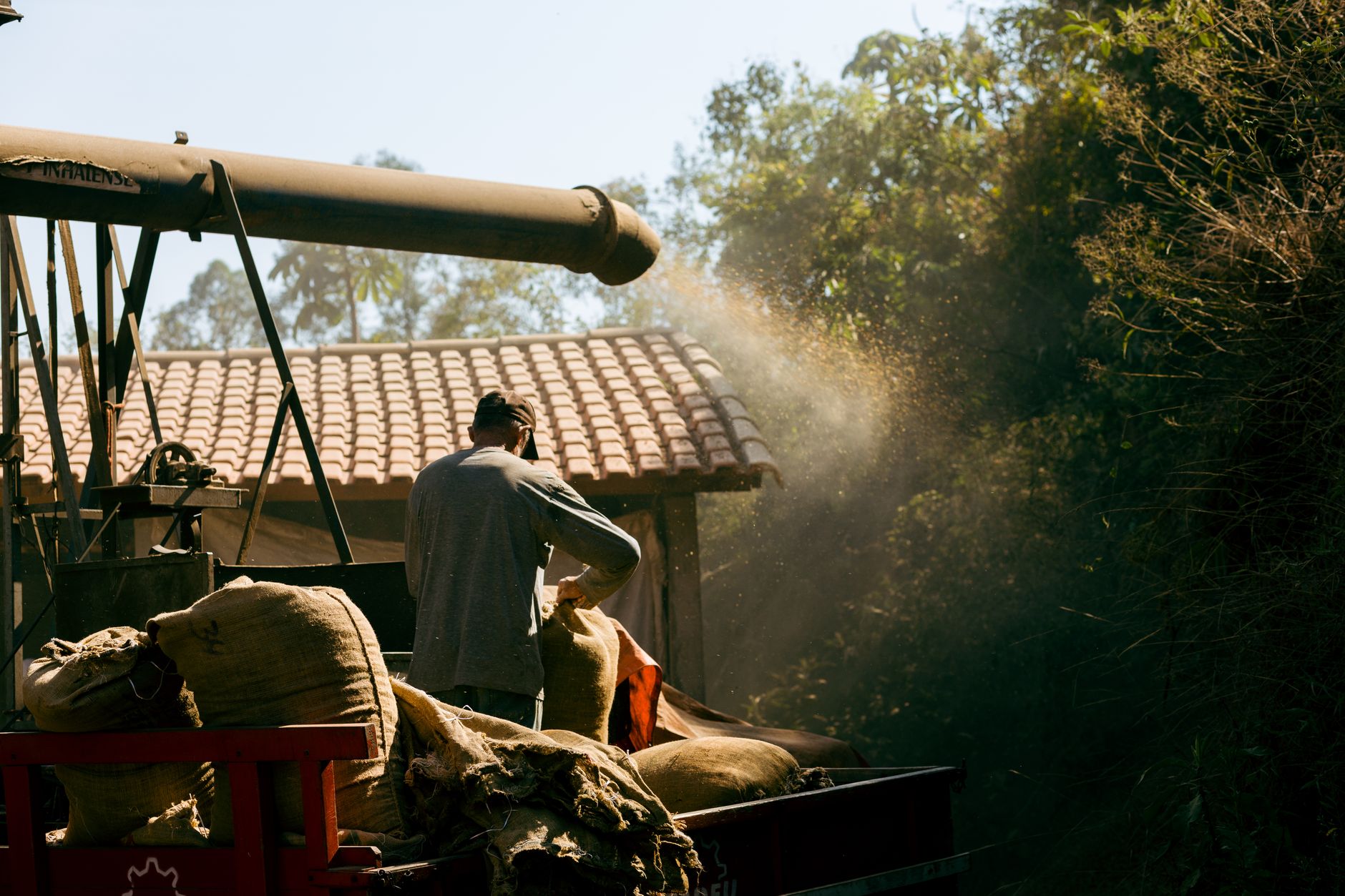
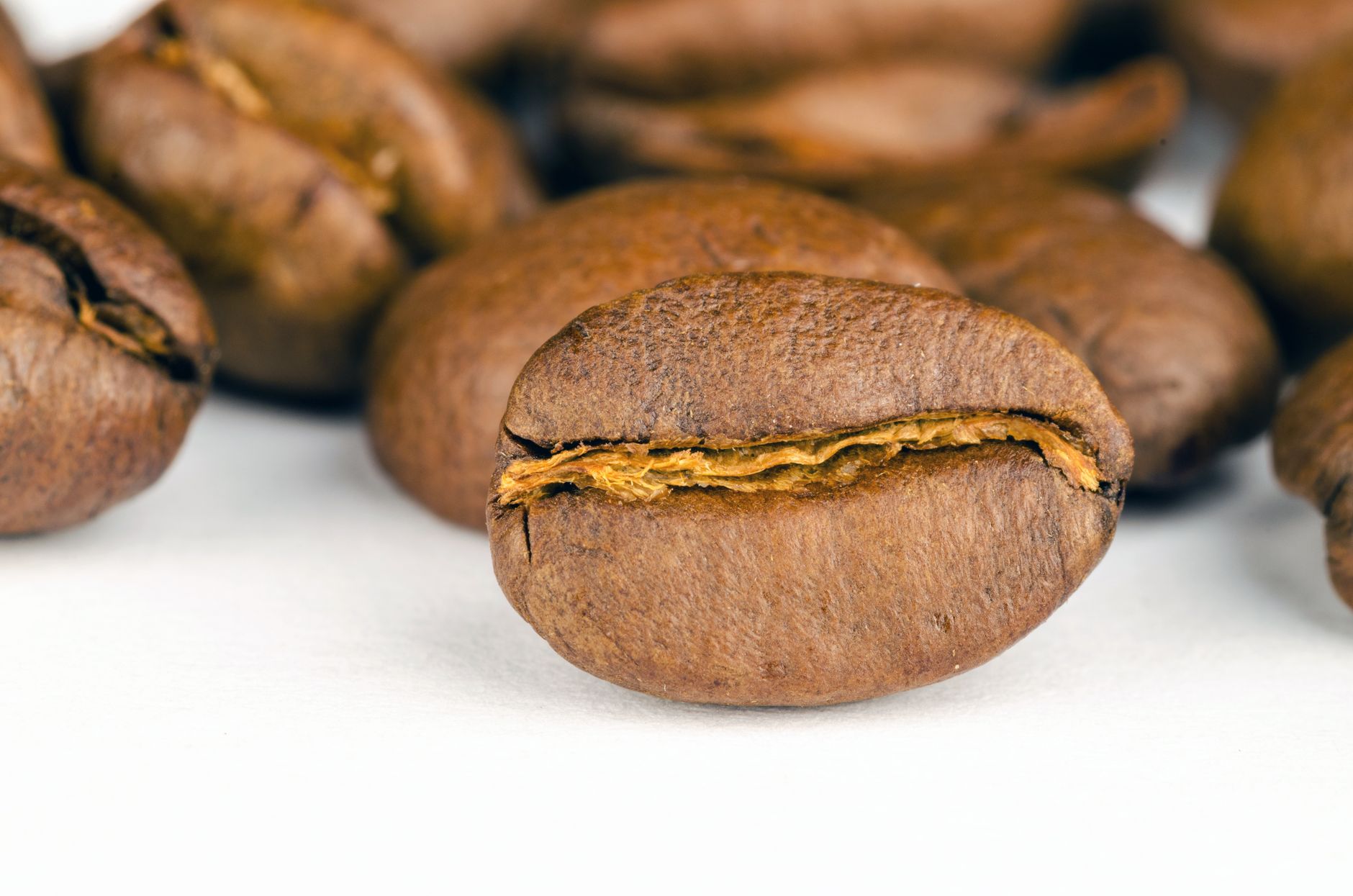 Photo: Lukas Blazek via Pexels
1. Volcanica Sumatra Mandheling
The benchmark for accessible single-origin Sumatra. Sourced from the Mandheling region, Grade 1 beans, medium-dark roast. Cup profile: cedar, dark chocolate, low acidity, thick body. Volcanica ships within days of roasting — rare for a brand at this price point.
- Roast: Medium-Dark
- Process: Wet-hulled
- Best for: Drip, French press, pour-over at a coarser grind
2. Peet’s Coffee Sumatra
Peet’s dark-roasts Sumatran beans harder than most, which smooths the earthy funkiness into something more approachable. You lose some terroir nuance but gain consistency — ideal if you’re new to Sumatra’s profile. Widely available in stores and online.
3. Death Wish Coffee Sumatra
High caffeine, dark roast, Sumatran base. The roast level obscures origin character, but the body is immense — works well as espresso or in a moka pot when you want the power without spending on specialty.
4. Lifeboost Single Origin Sumatra
Organic, low-acid certified, third-party tested. Medium roast that preserves more of the Gayo-style brightness than most Sumatran offerings. Premium price, but the sourcing transparency justifies it for health-conscious buyers.
5. Cooper’s Cask Sumatra Dark Roast
Aged in bourbon barrels before roasting. The vanilla and oak notes layer onto Sumatra’s cedar-tobacco base in a way that works surprisingly well. Niche product, but if you want something unusual, this delivers.
6. Mayorga Organics Café Cubano (Sumatra base)
A dark espresso roast built around Sumatran beans, cut with Latin-origin coffees for balance. Budget-friendly, USDA organic, and a crowd-pleaser for offices or households where espresso is the primary brew method.
Sumatra Coffee Comparison Table
| Brand | Roast | Process | Best For | Price Range |
|---|---|---|---|---|
| Volcanica Mandheling | Medium-Dark | Wet-hulled | Drip, French press | $$ |
| Peet’s Sumatra | Dark | Wet-hulled | Drip, beginners | $ |
| Death Wish Sumatra | Dark | Wet-hulled | Espresso, moka pot | $$ |
| Lifeboost Single Origin | Medium | Wet-hulled | Pour-over, health focus | $$$ |
| Cooper’s Cask | Dark | Wet-hulled + barrel-aged | Gifting, novelty | $$$ |
| Mayorga Café Cubano | Dark | Wet-hulled | Espresso, office | $ |
Coffee Module C — Beans & Origins: Sumatra
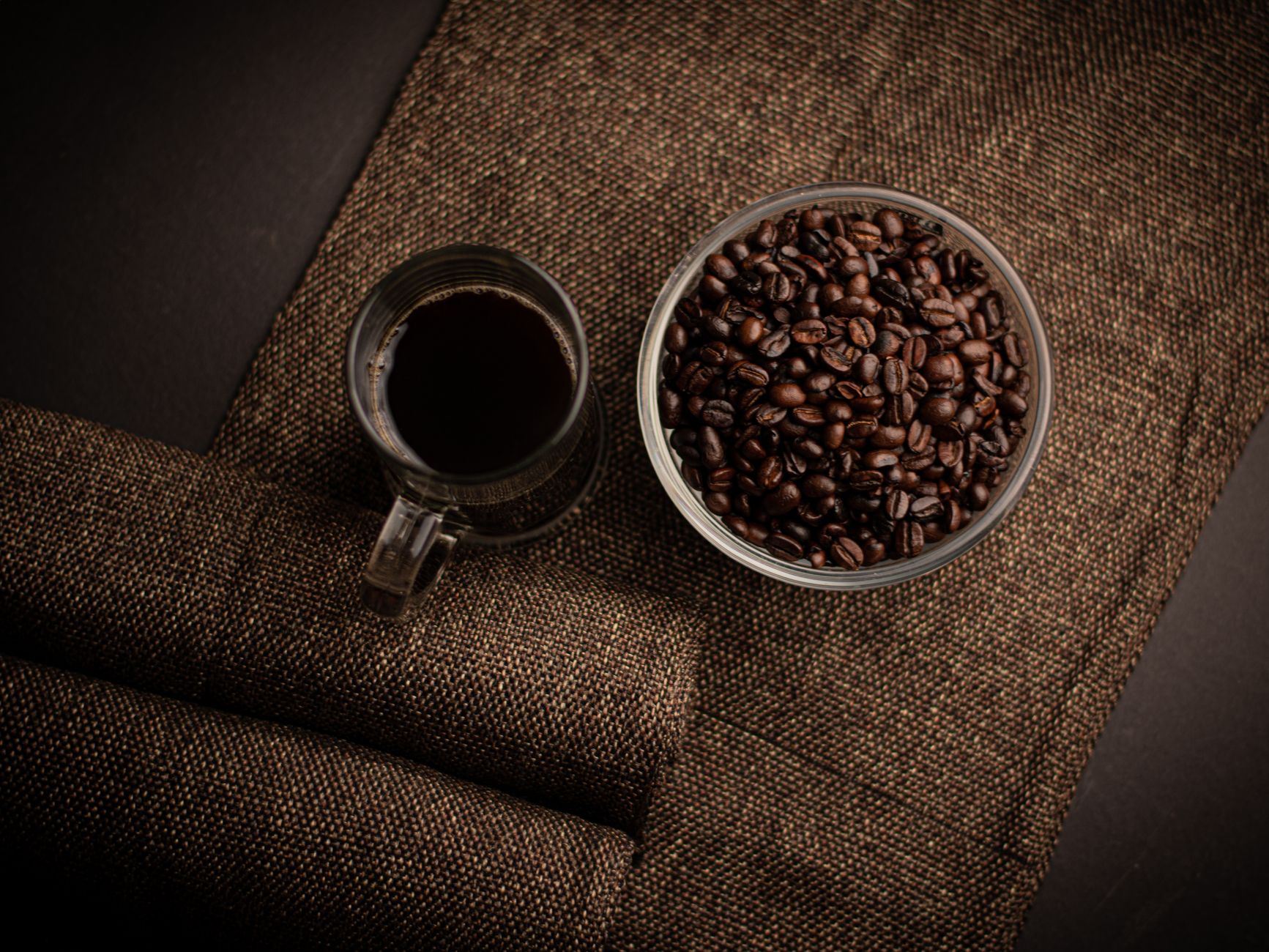
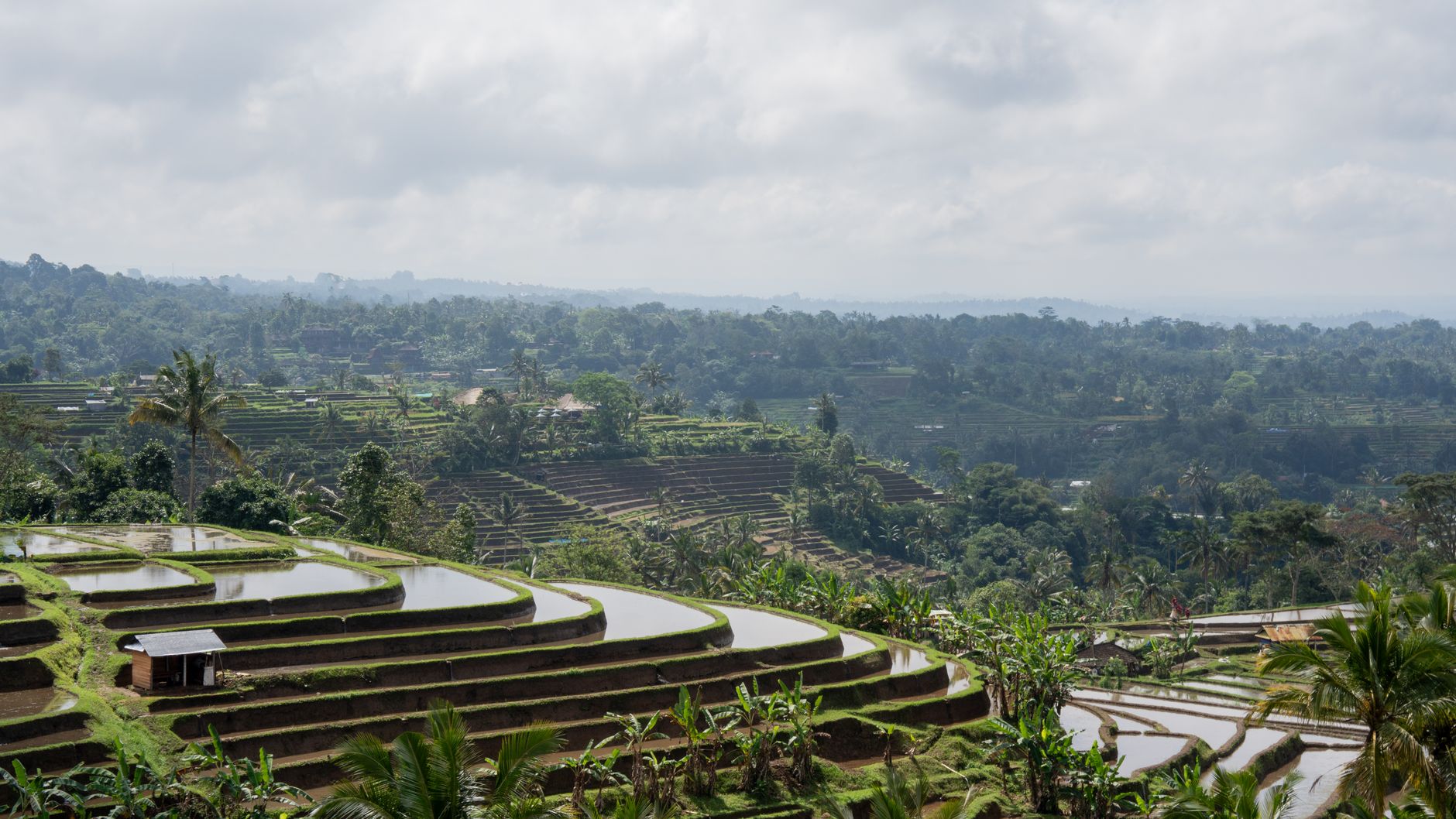 Photo: Tina P. via Pexels
Origin Table
| Region | Altitude (MASL) | Processing | Roast Range | Tasting Notes |
|---|---|---|---|---|
| Mandheling | 750–1,500 | Wet-hulled | Medium-Dark to Dark | Dark chocolate, cedar, earth, low acid |
| Gayo (Aceh) | 1,200–1,750 | Wet-hulled / Natural | Medium to Medium-Dark | Stone fruit, brown sugar, cedar, clean finish |
| Lintong | 1,400–1,600 | Wet-hulled | Medium-Dark | Herbal, citrus edge, full body |
| Flores (adjacent) | 1,000–1,800 | Natural / Wet-process | Medium | Floral, fruit-forward — less typical |
Brew Method Pairing
| Method | Notes |
|---|---|
| French press | Ideal — thick body amplified by full immersion, coarse grind (28g / 32g per 400ml) |
| Drip (flat-bottom) | Grind slightly coarser than standard; reduces over-extraction of earthy compounds |
| Pour-over (V60, Chemex) | Use medium grind, lower temp (90–92°C) to control bitterness |
| Espresso | Medium-dark Sumatra pulls sweet and syrupy at 18–19g dose; 93°C, 28–32s |
| Moka pot | Excellent — body and earthy notes shine, no filter to strip oils |
Espresso dial-in: Sumatran beans are dense and low-acid. Pull at 93°C (vs. 94–95°C standard); a slightly longer pre-infusion (3–4s) opens the bed evenly. Expect a longer extraction window before bitterness — 30–33s is safe territory.
Freshness Guide
| Stage | Timing |
|---|---|
| Degassing | 4–7 days post-roast (longer than washed coffees due to residual moisture) |
| Peak flavor window | Day 7 through Day 28 post-roast |
| Storage | Airtight container, room temperature, away from light — Sumatra’s oils make it more vulnerable to oxidation than washed origins |
| Shelf life after opening | 2–3 weeks at peak; drinkable to 6 weeks |
→ See Also
- Coffee Bean Guide: Origins, Roasts, and How to Choose
- Best Coffee Subscription Boxes (2026 Ranked)
- Trade Coffee Review (2026): Is It Worth It?
FAQ: Best Sumatra Coffee Beans
What does Sumatra coffee taste like? Sumatra coffee is known for its heavy body, low acidity, and complex earthy notes — dark chocolate, cedar, tobacco, and black soil are common descriptors. The wet-hulling process is the primary driver of this profile. Gayo-region beans tend to run cleaner and slightly fruitier than Mandheling.
Why is Sumatra coffee so dark and earthy? The wet-hulling process (Giling Basah) exposes beans to humidity and microbial activity during drying, creating the earthy, musty complexity unique to Sumatran coffees. This isn’t a defect — it’s the defining character of the origin. Roasters who over-roast it lose that complexity entirely.
Is Sumatra coffee good for espresso? Yes — Sumatran beans make excellent espresso. The low acidity and syrupy body produce a thick, chocolatey shot. Medium-dark roasts work best; very dark roasts push the earthy notes into bitter ash territory. Dial in at 93°C with an 18–19g dose for best results.
Is Sumatra coffee high in caffeine? Not inherently. Most Sumatran offerings use Arabica, which runs 1.2–1.5% caffeine — standard for the species. Death Wish’s Sumatran blend uses a Robusta mix to boost caffeine. The dark roast doesn’t meaningfully change caffeine levels despite the perception.
What’s the difference between Mandheling and Gayo coffee? Mandheling grows at lower altitudes around Lake Toba and tastes heavier and earthier. Gayo, from Aceh province at higher elevation, tends toward a cleaner, more complex cup with brighter stone fruit against the earthy base. Specialty roasters increasingly favor Gayo; Mandheling dominates supermarket and mass-market sourcing.
Should I grind Sumatra coffee differently? Yes — grind slightly coarser than you would for a washed Ethiopian or Colombian of the same roast level. Sumatran beans are dense but their low acidity means over-extraction happens faster than the bitterness will warn you. Coarser grinding keeps the cup sweet and balanced.
Editorial methodology: Assessments are based on manufacturer specifications, published user reviews, and editorial research. Physical hands-on testing is noted explicitly where it occurred. Rankings reflect our editorial judgment and are not influenced by affiliate commission rates. Full editorial policy · Affiliate disclosure