Contents
Best Kenyan Coffee Beans (2026): Top Picks for Bright, Winey Cups
TL;DR: The best Kenyan coffee beans deliver a signature blackcurrant-and-citrus brightness that no other origin matches. Look for AA or AB grade from the Nyeri, Kirinyaga, or Kiambu regions, processed via Kenya’s double-washed (72-hour ferment) method. Our top picks below are ranked by flavor clarity, freshness transparency, and value.
Why Kenyan Coffee Stands Alone
Kenyan coffee earns its reputation through a rare combination: volcanic red soil, high altitude, and the double-washed process that strips every trace of fruit pulp while amplifying berry acidity. The result is a cup with vivid blackcurrant, tomato, and grapefruit notes — structured, juicy, and unlike anything from Ethiopia or Colombia.
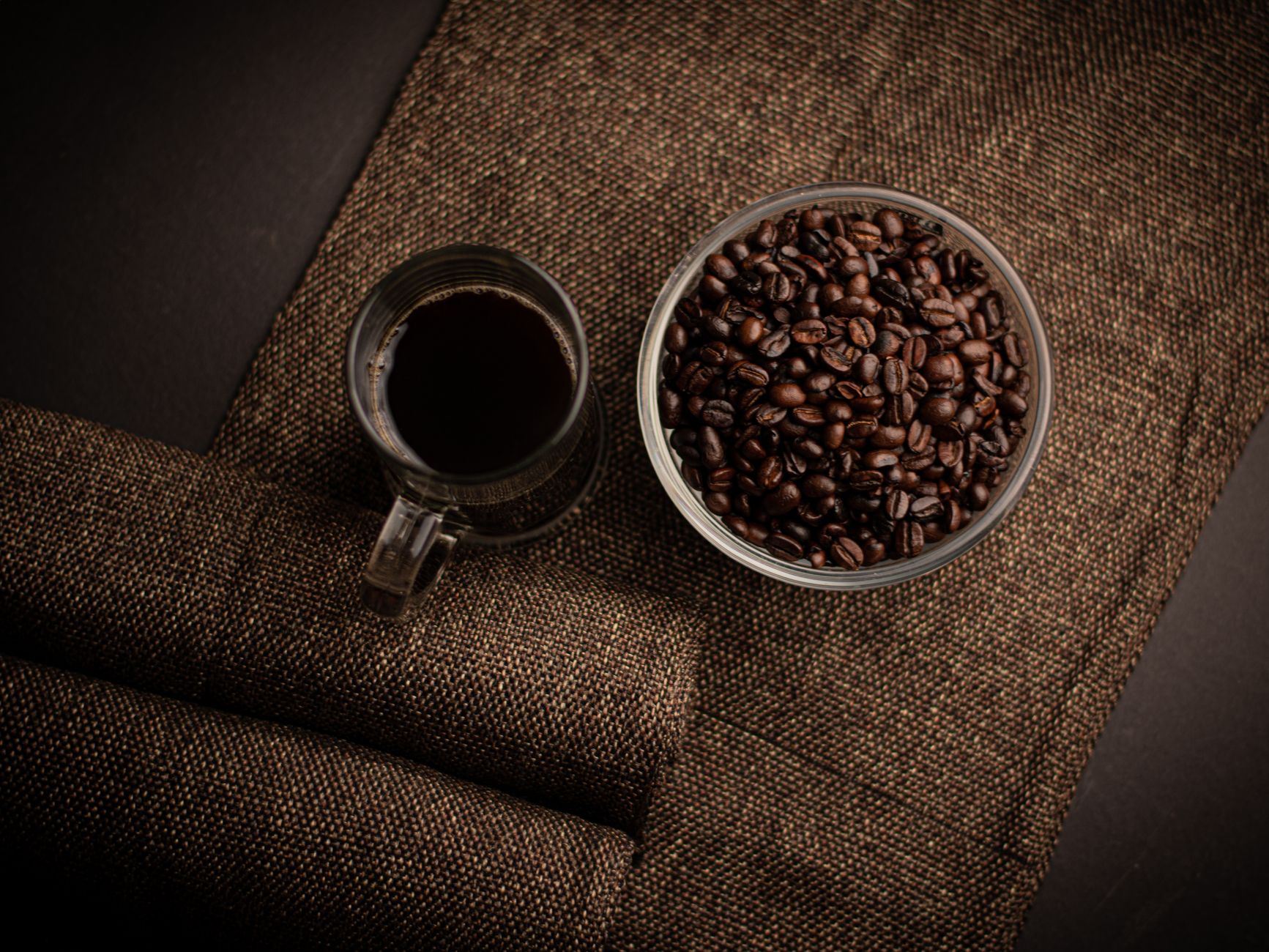
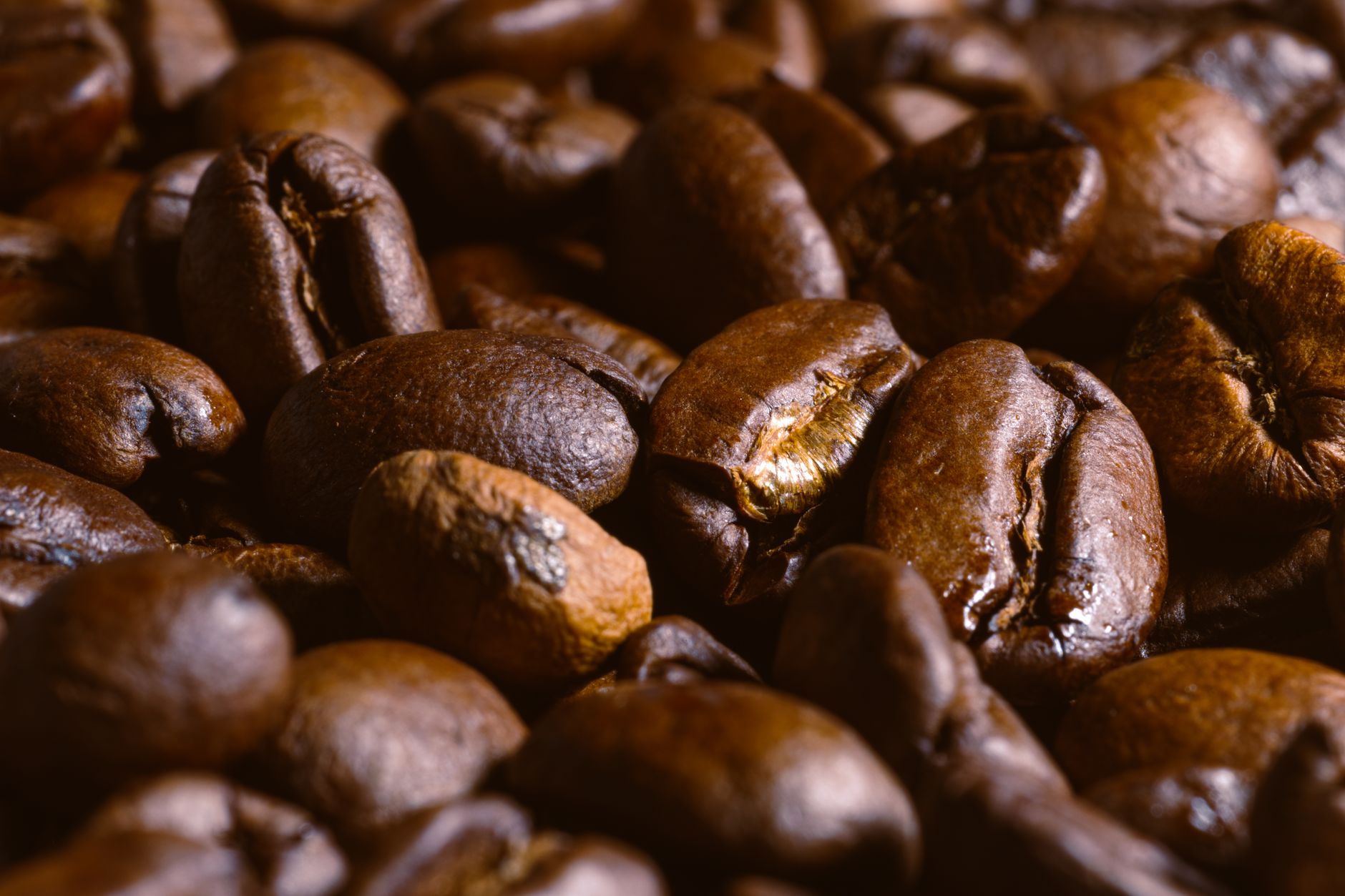 Photo: Patrick via Pexels
Kenya uses the SL28 and SL34 varietals — bred by Scott Laboratories in the 1930s specifically for disease resistance and complex flavor. These cultivars are the backbone of the country’s Q-graded output and why Kenyan AA consistently scores 87–92 on the SCA scale.
The grading system matters here:
| Grade | Screen Size | What It Means |
|---|---|---|
| AA | 17–18 | Largest, most complex — premium pricing justified |
| AB | 15–16 | Blend of A + B screens, slightly less body |
| PB (Peaberry) | Round single bean | Concentrated flavor, often sweeter |
| C | Under 15 | Lower density, flatter cup |
Top 5 Best Kenyan Coffee Beans (2026)
Five roasters consistently deliver fresh, traceable Kenyan lots with cup notes that match origin character. All five below ship within days of roasting and source directly from washing stations — not commodity traders.
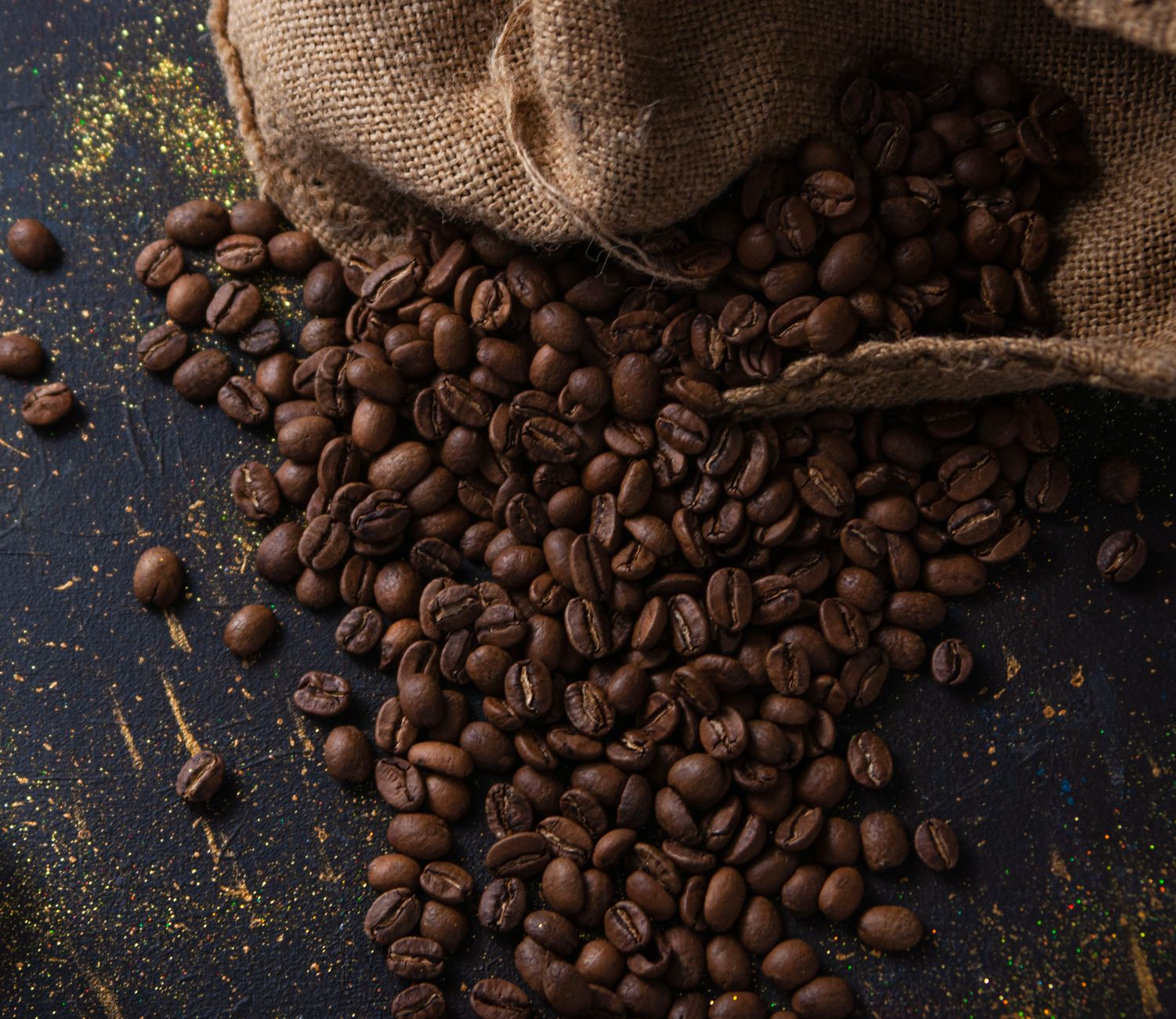
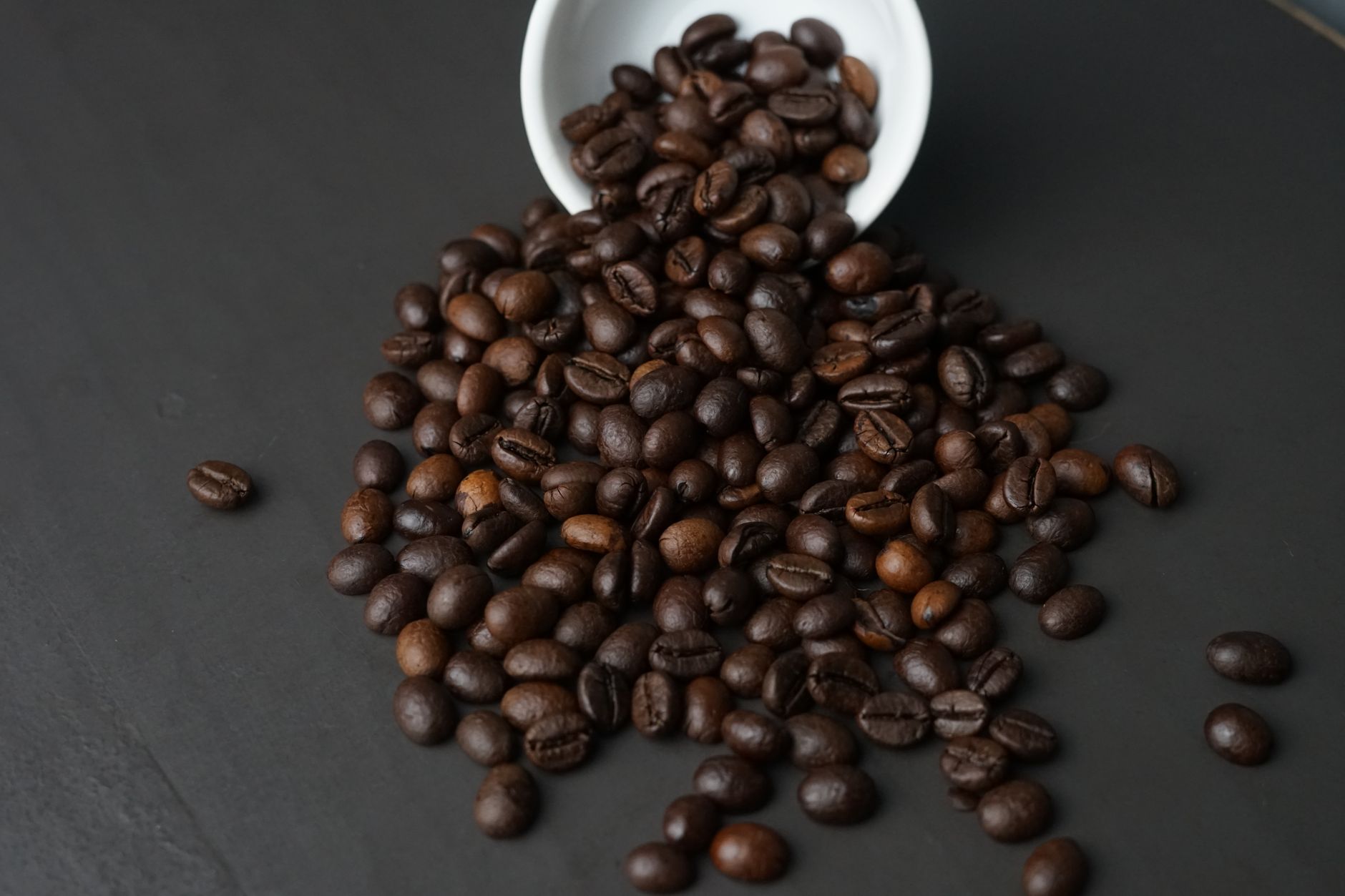 Photo: Edo Nanda Tri Putra via Pexels
1. Intelligentsia Black Cat Kenya — Best Overall
Sourced from Gichatha-ini washing station in Kirinyaga, this AB-grade lot hits blackcurrant, red grape, and bergamot with a syrupy body. Intelligentsia’s direct trade relationships mean this lot changes seasonally — the current crop (2025 harvest) is showing cleaner berry notes than last year’s.
- Best for: Filter, pour-over, Chemex
- Roast: Light-medium
- Grind offset: +1–2 clicks coarser than standard light roast on a Comandante
2. Onyx Coffee Lab Kenya Karimikui — Best for Espresso
Karimikui washing station in Kirinyaga produces consistently high-scoring lots. Onyx’s roast profile pulls out dried cherry and dark plum at espresso ratios — the brightness stays present without turning sharp or astringent.
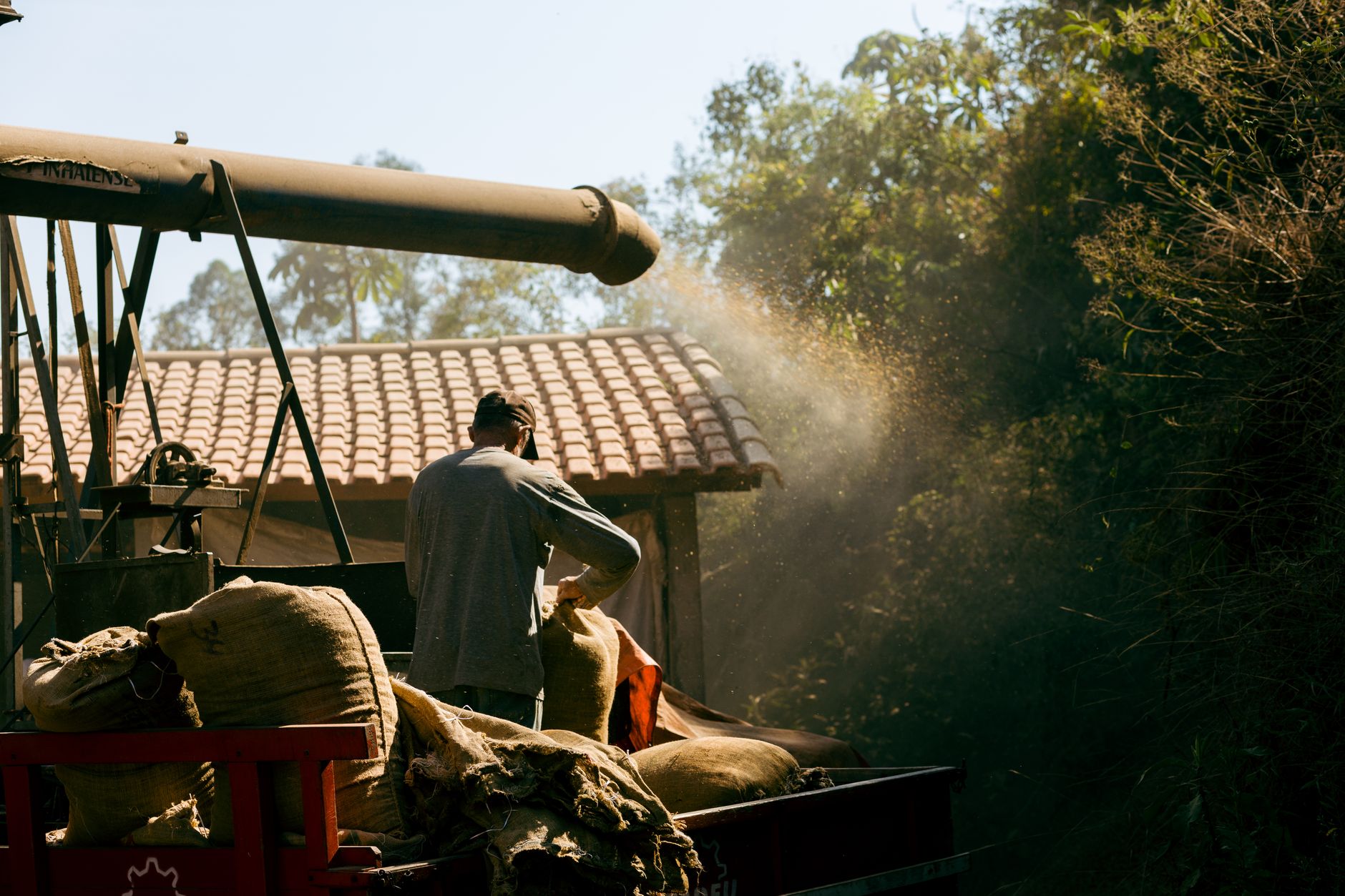
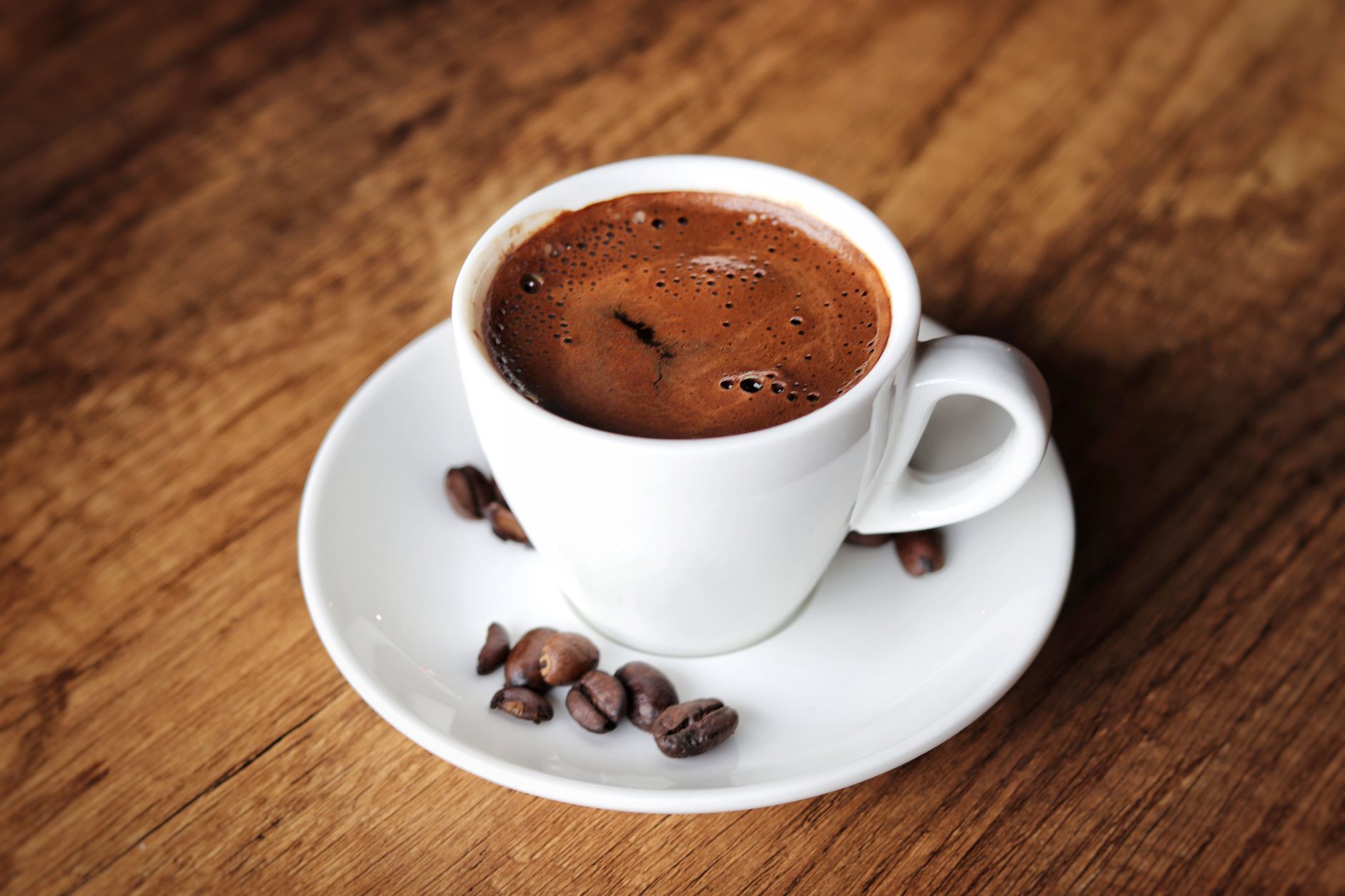 Photo: Dijwar Siraj via Pexels
- Best for: Espresso, lungo, milk drinks
- Roast: Medium-light
- Espresso dose/temp offset: Standard dose, drop temp 1–2°C (91–92°C) to control acidity
3. Trade Coffee Kenya Selection — Best Subscription Pick
Trade rotates Kenyan lots from partner roasters (Methodical, Tandem, Parlor) based on harvest timing. Subscribing to their “Bright & Fruity” preference ensures you’re always getting peak-crop Kenyan rather than old harvest. See our full Trade Coffee Review (2026): Is It Worth It? for subscription pricing breakdown.
- Best for: Drip, V60, AeroPress
- Roast: Light
- Freshness note: Ships from roaster, not warehouse — key advantage
4. Volcanica Kenya AA Nyeri — Best Value
Nyeri sits at 1,700–2,000 MASL and produces some of Kenya’s most layered cups. Volcanica’s AA grade from this region offers blackcurrant, lemon zest, and brown sugar at a price point ($18–22/12oz) well below comparable specialty lots. Not as traceable as Onyx or Intelligentsia, but consistent year-round.
- Best for: Daily driver, pour-over, cold brew
- Roast: Medium
- Shelf life after opening: 3–4 weeks in airtight container
5. Counter Culture Hologram — Best Blend With Kenyan Character
Hologram isn’t 100% Kenyan, but it anchors on Kenyan lots to deliver the blackcurrant brightness in a more approachable, less acidic package. Ideal for drinkers transitioning from medium roasts who want Kenya’s fruit character without full intensity.
- Best for: Drip, flat white
- Roast: Medium-light
Coffee Module C — Kenyan Beans: Origins, Processing & Freshness
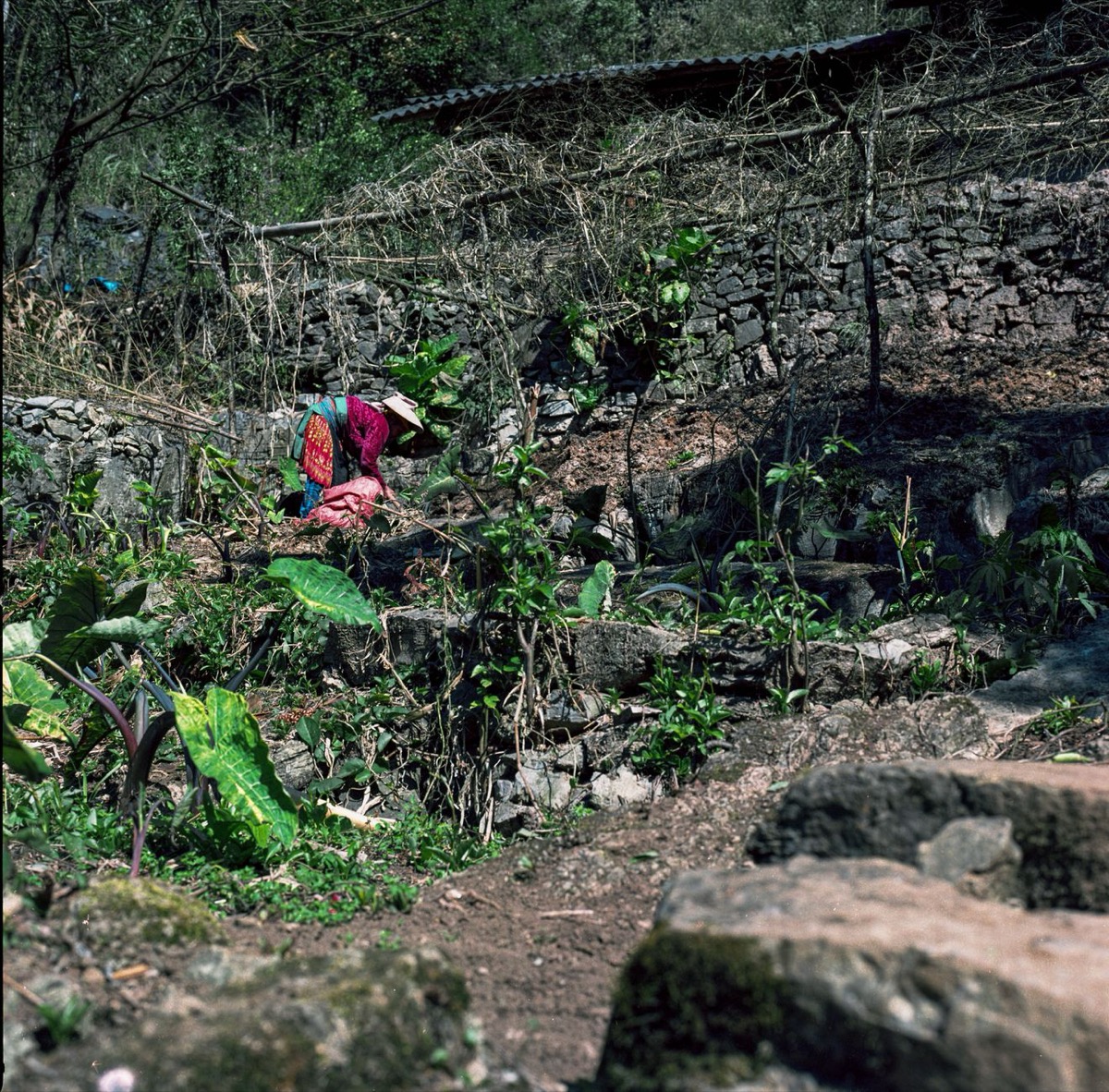 Photo: Q. Hưng Phạm via Pexels
Origin Table
| Country | Region | Altitude (MASL) | Processing | Roast | Tasting Notes |
|---|---|---|---|---|---|
| Kenya | Nyeri | 1,700–2,100 | Double-washed | Light–Medium | Blackcurrant, grapefruit, brown sugar |
| Kenya | Kirinyaga | 1,500–1,900 | Double-washed | Light–Medium | Red grape, bergamot, dark cherry |
| Kenya | Kiambu | 1,400–1,800 | Double-washed / Natural | Medium | Tomato, plum, caramel |
| Kenya | Embu | 1,400–1,700 | Washed | Medium | Citrus, milk chocolate, walnut |
Brew Method & Grind Pairing
- Pour-over (V60, Chemex): Kenya’s acidity shines brightest here. Use 92–94°C water, 1:16 ratio, medium-fine grind
- AeroPress: Inverted method, 88–90°C, coarser grind — tames acidity, emphasizes body
- Espresso: Drop brew temp 1–2°C vs your standard. 1:2.5 ratio pulls the fruit without sourness. AA grade works better than AB for espresso clarity
- Cold brew: 12–16h coarse steep. Kenya’s berry notes translate exceptionally well cold — one of the best origins for this method
- Grind adjustment: Kenyan AA is denser than Ethiopian naturals — you may need to dial 1–2 clicks finer than your standard light roast setting
Freshness & Storage
- Degassing: 7–10 days post-roast before peak flavor window (lighter roasts degas slower)
- Peak window: Days 10–28 after roast date
- Storage: Valve-sealed bag at room temperature; avoid refrigeration (moisture)
- Shelf life after opening: 3 weeks for filter, 2 weeks if grinding for espresso daily
- Harvest timing: Kenya main crop is November–January; fly crop is June–August. Roasters receiving main crop arrivals in Feb–April give you the freshest possible green coffee
→ See Also
- Coffee Bean Guide: Origins, Roasts, and How to Choose — full origin comparison across 12 producing countries
- Best Coffee Subscription Boxes (2026 Ranked) — if you want fresh Kenyan delivered automatically
- Trade Coffee Review (2026): Is It Worth It? — Trade’s Kenyan rotation reviewed in depth
FAQ
What makes Kenyan coffee different from Ethiopian coffee? Kenya uses SL28/SL34 cultivars processed through double-washing, which produces a cleaner, more structured berry acidity — think blackcurrant and grapefruit. Ethiopian coffees, especially naturals, lean toward blueberry, jasmine, and wine. Kenya is sharper and more savory; Ethiopia is more floral and wilder.
Is Kenyan AA worth the premium over AB? Usually yes for filter brewing — the larger screen size correlates with higher density and more complex flavor development. For espresso, AB can actually be preferable since the smaller beans extract slightly faster and the flavor difference narrows. Expect to pay $4–8 more per 12oz for AA.
What roast level is best for Kenyan coffee? Light to medium-light. Kenya’s defining flavors — berry acidity, citrus brightness, and floral notes — roast out quickly. Anything past medium starts replacing those notes with generic chocolate and bitterness. If you’re used to dark roast, Counter Culture Hologram is a gentler entry point.
Can you use Kenyan coffee for espresso? Yes, and it’s excellent when dialed correctly. Drop your brew temperature 1–2°C, pull at a 1:2.5 ratio rather than 1:2, and expect a brighter, more acidic espresso than a Brazilian or Colombian base. Pairs well with milk — the berry notes cut through cream cleanly.
How do I know if my Kenyan coffee is fresh? Check the roast date, not the “best by” date. You want beans roasted within the last 28 days, ideally used between days 10–28. Avoid any bag without a roast date printed on it — that’s a commodity product, not specialty. The roasters listed above all print roast dates on every bag.
What is the double-washed process and why does it matter? Kenya’s double-washed (or “Kenya washed”) process ferments the coffee cherry pulp twice — once before and once after a soaking period. This extended fermentation clarifies the cup dramatically, removing any ferment or earthy flavors while intensifying the berry acidity. It’s the primary reason Kenyan coffees taste so distinctly clean and bright compared to other washed origins.
Editorial methodology: Assessments are based on manufacturer specifications, published user reviews, and editorial research. Physical hands-on testing is noted explicitly where it occurred. Rankings reflect our editorial judgment and are not influenced by affiliate commission rates. Full editorial policy · Affiliate disclosure