Contents
Ethiopia vs Colombia Coffee: Which Should You Brew?
TL;DR: Ethiopia and Colombia coffee are two of the most popular origins in specialty coffee — and they taste almost nothing alike. Ethiopian coffees lean floral and fruity (jasmine, blueberry, bergamot); Colombian coffees are balanced and sweet (caramel, red apple, mild citrus). Choose Ethiopia for complexity and brightness; Colombia for everyday drinkability and versatility.
What Does Ethiopia vs Colombia Coffee Actually Taste Like?
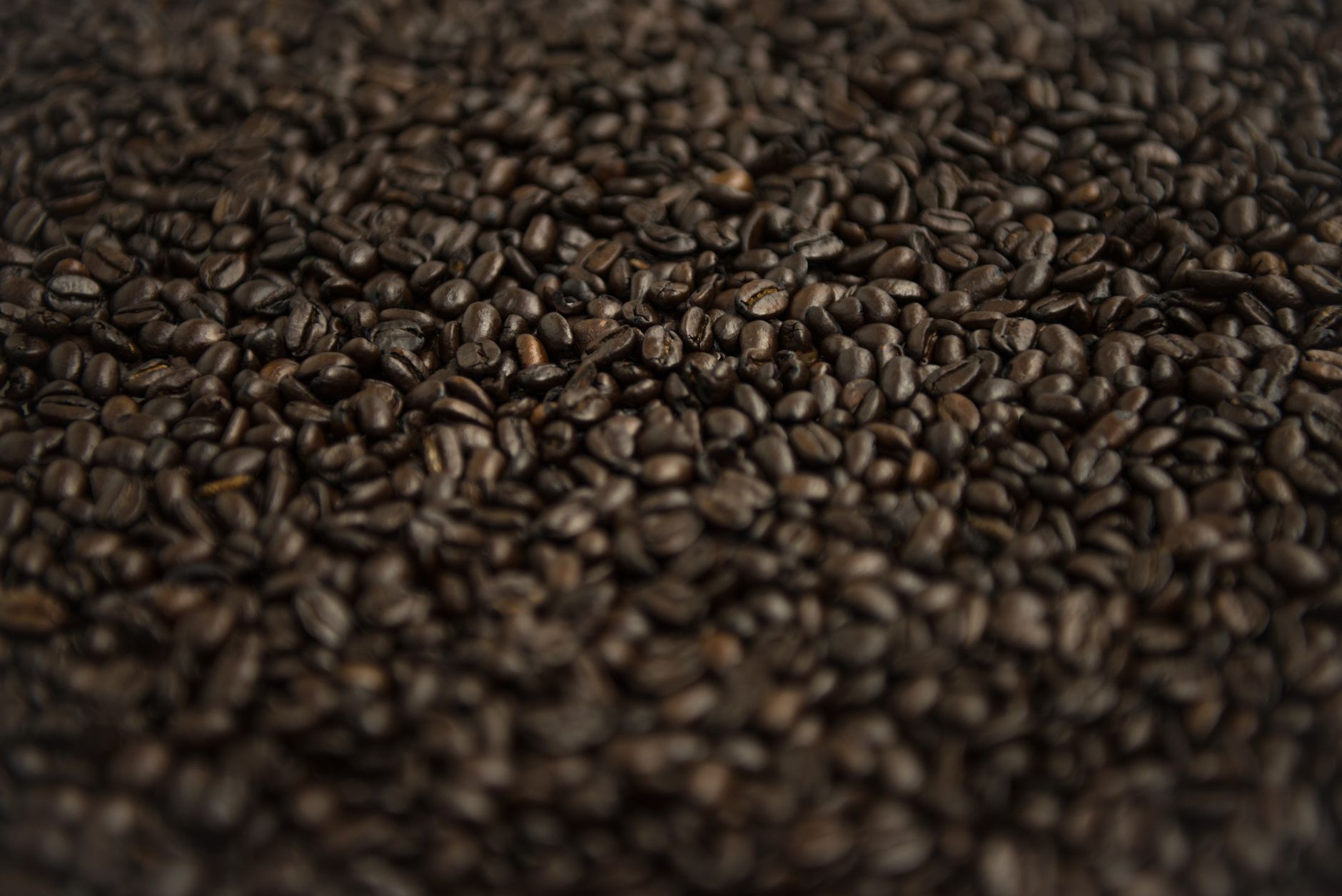
Ethiopian coffee is the fruit-forward, high-complexity origin. Expect jasmine, blueberry, peach, and bergamot — especially in natural-processed lots. Colombian coffee delivers clean sweetness: caramel, red apple, mild citrus, and chocolate, with a balanced body that works in nearly any brew method. If Ethiopia is a Burgundy, Colombia is a reliable Côtes du Rhône.
 Photo: Quang Nguyen Vinh via Pexels
The difference starts in the plant itself. Ethiopia is the birthplace of Arabica — wild heirloom cultivars grow there that exist nowhere else, producing aromatic compounds responsible for that distinctive jasmine-and-blueberry profile. Colombia grows Caturra, Castillo, and Colombia varietals — selected for disease resistance and yield, bred toward balance rather than extremes.
Processing amplifies the gap. Ethiopian naturals (dried whole cherry) push the fruit notes to maximum intensity; Colombian lots are almost exclusively washed, which strips the fruit pulp early and produces cleaner, brighter cups with less ferment character.
Origin Deep Dive: Ethiopia
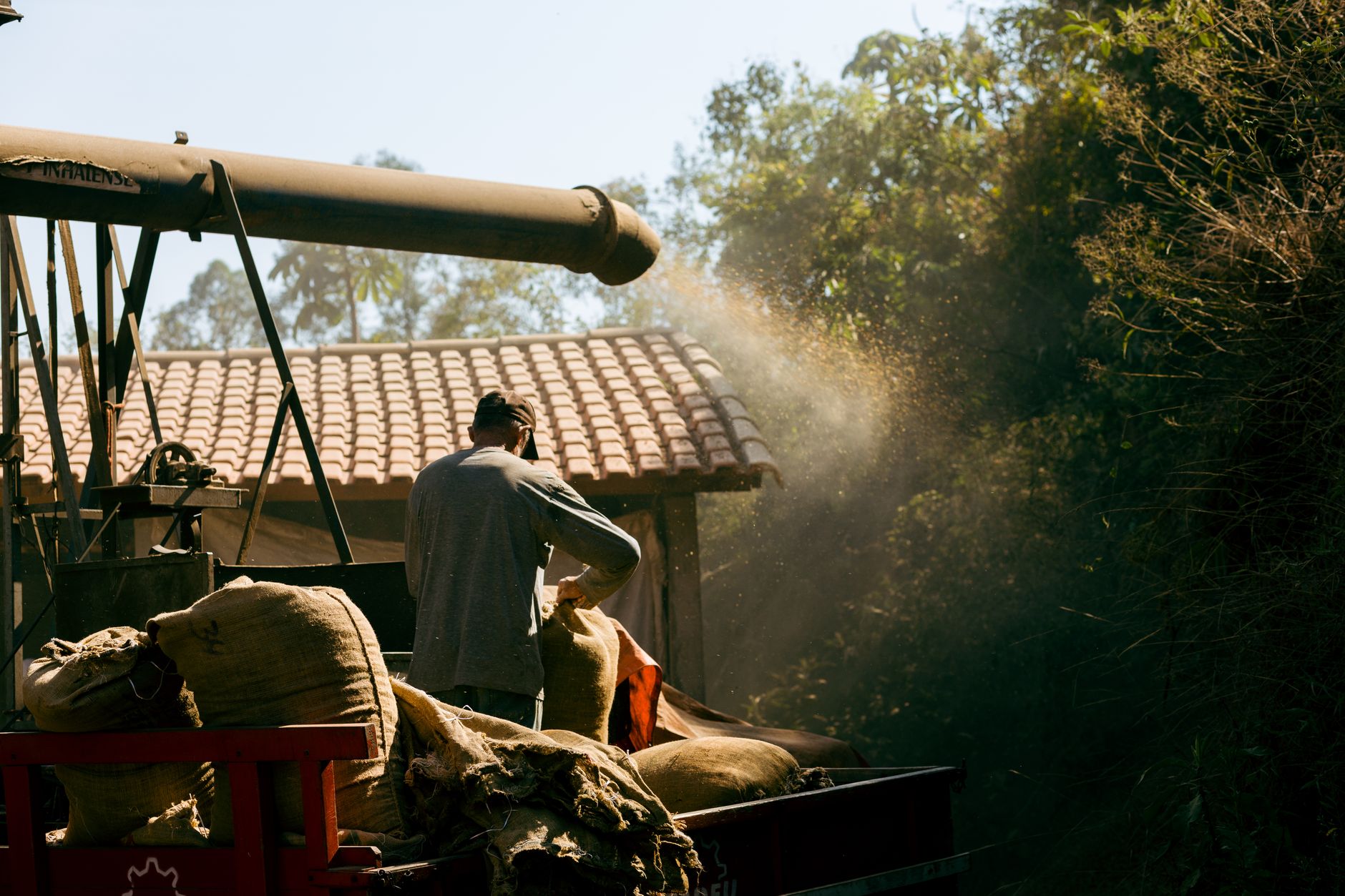
Ethiopia produces some of the world’s most distinctive coffees — Yirgacheffe, Sidama, Harrar, and Guji are the flagship regions. Altitude ranges from 1,700 to 2,200 MASL, among the highest of any origin. Processing ranges from meticulous natural to fully washed, producing wildly different cups from the same country.
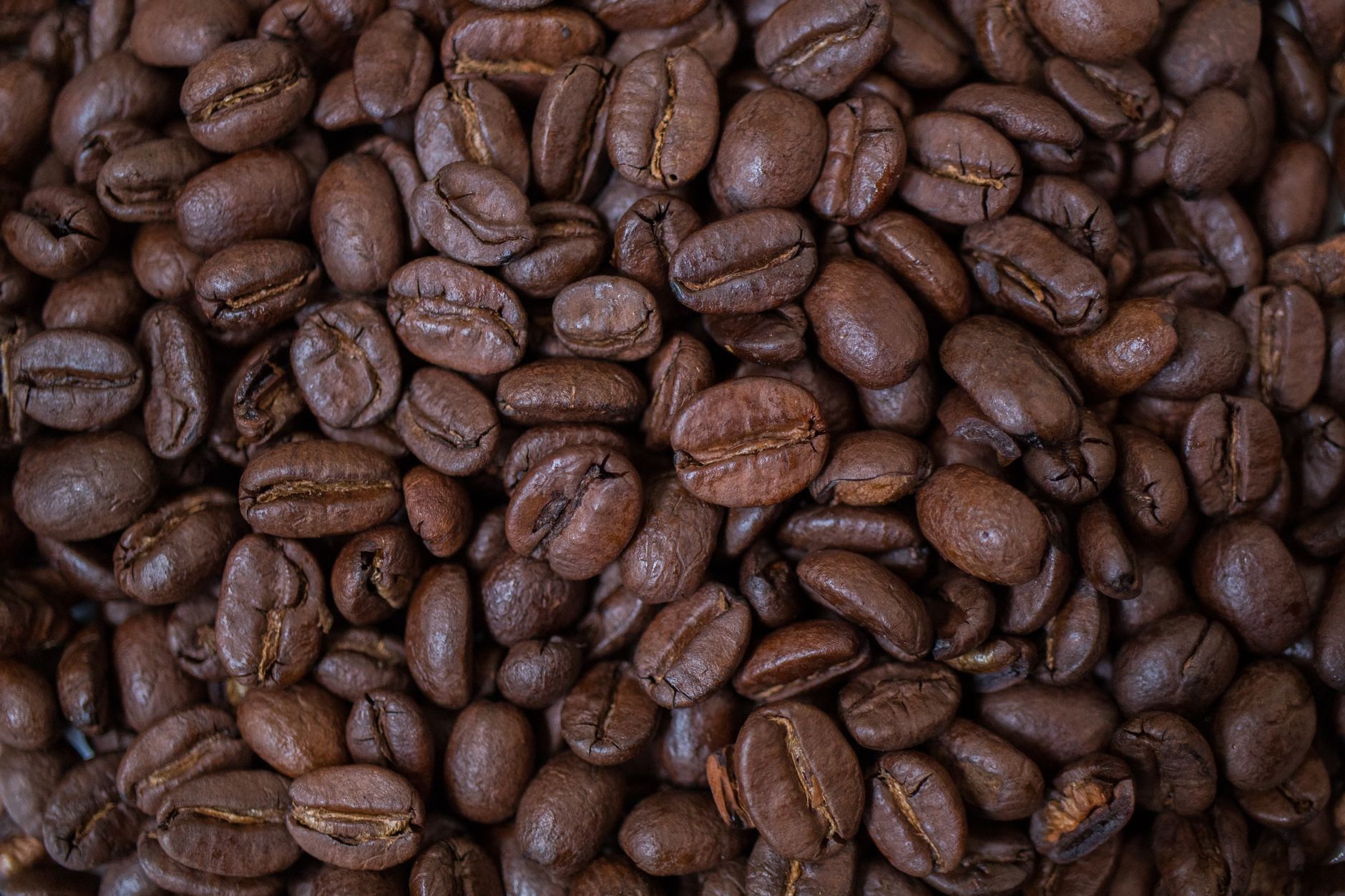 Photo: Vero Andrade via Pexels
| Country | Altitude (MASL) | Processing | Roast | Tasting Notes |
|---|---|---|---|---|
| Ethiopia (Yirgacheffe) | 1,800–2,200 | Washed | Light | Jasmine, bergamot, lemon, green tea |
| Ethiopia (Sidama) | 1,500–2,200 | Washed / Natural | Light–Medium | Peach, apricot, brown sugar |
| Ethiopia (Harrar) | 1,500–2,100 | Natural | Medium | Blueberry, dark chocolate, wine |
| Ethiopia (Guji) | 1,800–2,100 | Natural / Anaerobic | Light | Tropical fruit, floral, strawberry |
Brew method pairing: Washed Yirgacheffe shines in pour-over (V60, Chemex) where clarity amplifies the floral notes. Natural Harrar handles espresso surprisingly well — the berry character cuts through milk. Sidama works in both.
Grind adjustment: Ethiopian washed coffees are dense and fast-extracting — grind slightly coarser than your baseline for filter, 1–2 clicks coarser on the Comandante. Naturals are more soluble; you can go slightly finer.
Espresso dose/temp offset: Pull Ethiopian washed at 92–93°C; the lower temp preserves delicate florals. Naturals tolerate 93–94°C. Dose standard (18–19g in/36–38g out); ristretto ratios (1:1.5) amplify sweetness.
Freshness: Natural-processed Ethiopian needs 10–14 days degassing post-roast before peak flavor. Washed: 7–10 days. After opening, store in an airtight valve bag away from light — best within 4–6 weeks.
Origin Deep Dive: Colombia
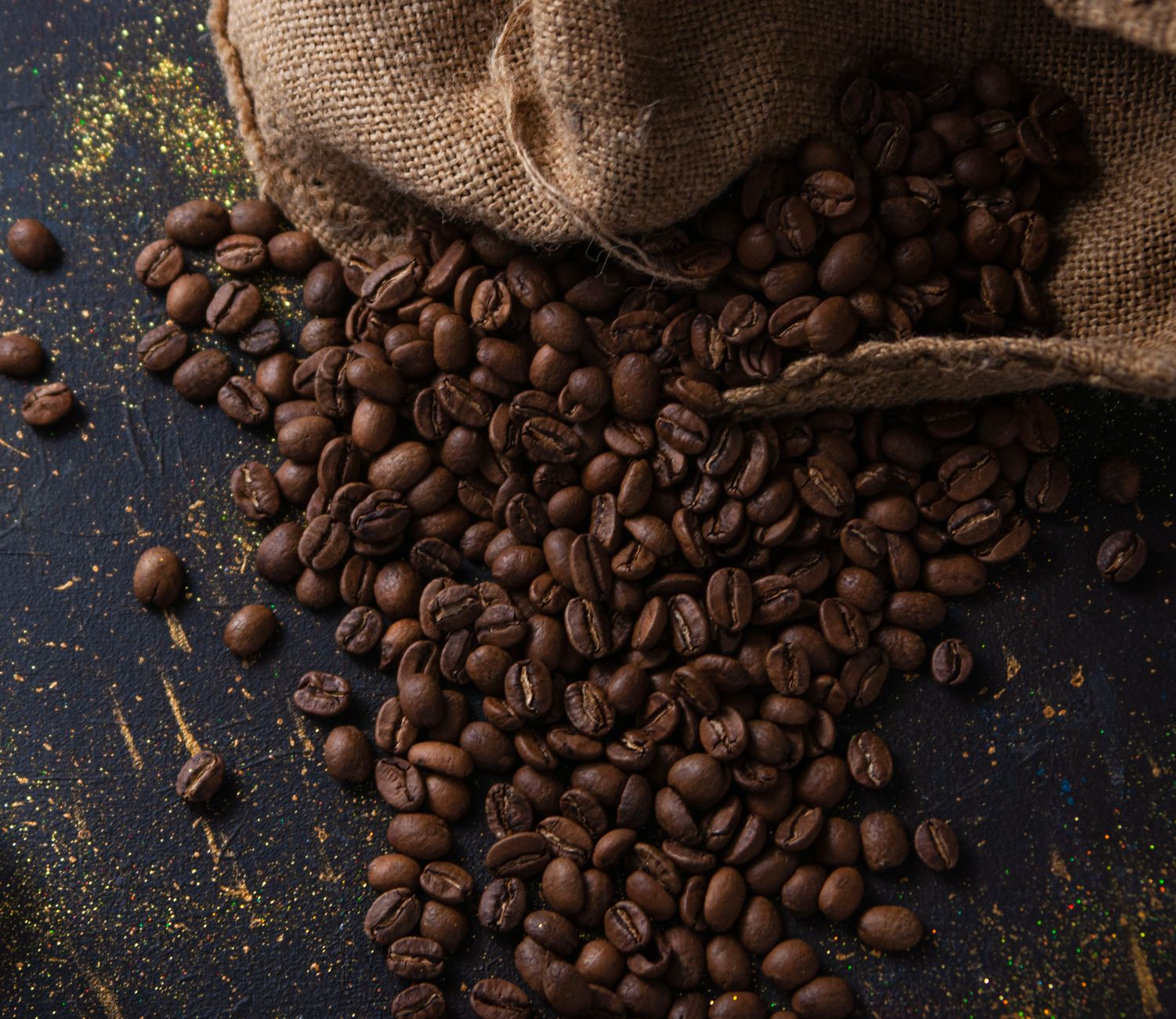
Colombian coffee is the great equalizer. Grown across three mountain ranges (Andes cordilleras) at 1,200–2,000 MASL, it’s almost universally washed, producing clean, sweet, balanced cups that work in every brew method. It’s not boring — it’s reliably excellent, which is harder to achieve.
 Photo: Quang Nguyen Vinh via Pexels
| Country | Altitude (MASL) | Processing | Roast | Tasting Notes |
|---|---|---|---|---|
| Colombia (Huila) | 1,500–2,000 | Washed | Light–Medium | Red apple, caramel, mild citrus, chocolate |
| Colombia (Nariño) | 1,700–2,300 | Washed | Light | Bright acidity, peach, brown sugar |
| Colombia (Antioquia) | 1,200–1,800 | Washed | Medium | Chocolate, hazelnut, dried fruit |
| Colombia (Cauca) | 1,700–2,000 | Washed | Light–Medium | Lemon, honey, floral, clean |
Brew method pairing: Colombian coffees are the most versatile origin — genuinely good in everything: pour-over, French press, espresso, moka pot, cold brew. Huila is the go-to espresso base; Nariño rewards careful pour-over work.
Grind adjustment: Consistent bean density means Colombian responds predictably — calibrate to your standard baseline. No unusual adjustments needed, which is part of the appeal for dialing in espresso.
Espresso dose/temp offset: 93–94°C works well for most Colombian lots. Standard dose (18–19g in/36–38g out). Huila pulls beautifully as a medium ratio (1:2 to 1:2.2) — longer than Ethiopian for fuller body.
Freshness: Washed Colombian degasses in 7–10 days. Less volatile than Ethiopian naturals, so it holds quality slightly longer after opening — 5–7 weeks in good storage before noticeable decline.
Side-by-Side Comparison
 Photo: Padli Pradana via Pexels
| Factor | Ethiopia | Colombia |
|---|---|---|
| Flavor profile | Floral, fruity, complex | Balanced, sweet, clean |
| Acidity | High (bright, wine-like) | Medium (citric, gentle) |
| Body | Light to medium | Medium |
| Processing | Natural and washed | Mostly washed |
| Best brew method | Pour-over, espresso (ristretto) | Everything — especially espresso |
| Roast range | Light to medium-light | Light to medium-dark |
| Beginner-friendly | Less so | Yes |
| Price point | Higher (specialty lots) | Mid-range to specialty |
| Consistency | Variable by region | Very consistent |
Which to Choose for Espresso?
Colombian wins on consistency and milk compatibility. Ethiopian wins on complexity and uniqueness as a straight shot.
If you’re pulling espresso through milk drinks — flat white, cortado, latte — Colombian Huila is the safer choice. The caramel-chocolate notes don’t disappear under milk the way floral Ethiopian notes do. For a well-extracted straight Ethiopian shot though, there’s nothing quite like it: bergamot and stone fruit in a 30ml ristretto is the closest thing coffee gets to perfection.
The 1Zpresso JX-Pro
Which to Choose for Subscriptions
Most specialty coffee subscriptions let you filter by origin. If you want to explore Ethiopia vs Colombia coffee systematically, a rotating subscription beats buying individual bags.
→ See also:
- Coffee Bean Guide: Origins, Roasts, and How to Choose
- Best Coffee Subscription Boxes (2026 Ranked)
- Trade Coffee Review (2026): Is It Worth It?
FAQ
Is Ethiopian coffee stronger than Colombian? “Stronger” is ambiguous — Ethiopian coffee isn’t higher in caffeine, but it hits harder in flavor intensity. The fruity, floral aromatics are more pronounced and unusual than Colombian’s balanced profile. If you mean caffeine, both are Arabica and similar.
Why does Ethiopian coffee taste like blueberries? Natural-processed Ethiopian coffees (dried in the whole cherry) develop fruit esters during fermentation that produce blueberry, strawberry, and wine notes. It’s not added flavor — it’s what happens when the fruit sugars ferment into the seed. Washed Ethiopians don’t have this; they taste cleaner and more floral.
Can I use Ethiopian coffee for espresso? Yes, but it requires precise extraction. Ethiopian washed coffees extract fast and can turn sour quickly — grind coarser than you’d expect and pull shorter (1:1.5 to 1:1.8 ratio). Ethiopian naturals are more forgiving and produce spectacular berry-forward shots.
Is Colombian coffee good for beginners? Colombian is one of the best entry-point origins. It’s balanced, rarely harsh, works across brew methods without fussy adjustments, and the familiar caramel-chocolate profile is accessible without being boring. It’s the reason it became the default “good coffee” reference point globally.
What’s the difference between Colombian Huila and Nariño? Huila sits at 1,500–2,000 MASL and produces sweeter, fuller cups — caramel, red apple, mild chocolate. Nariño reaches 2,300 MASL (among Colombia’s highest) and produces brighter, more acidic cups with stone fruit and clean citrus. Both are excellent; Huila for espresso, Nariño for pour-over.
Does processing matter more than origin for flavor? For Ethiopia specifically, yes — the gap between a natural-processed Harrar and a washed Yirgacheffe is bigger than the gap between a washed Ethiopian and a washed Colombian. Processing method is the single highest-leverage variable in cup character, more than roast level or even varietal in most cases.
Editorial methodology: Assessments are based on manufacturer specifications, published user reviews, and editorial research. Physical hands-on testing is noted explicitly where it occurred. Rankings reflect our editorial judgment and are not influenced by affiliate commission rates. Full editorial policy · Affiliate disclosure