Contents
What Is Peaberry Coffee? (Smaller Bean, Better Flavor?)
TL;DR: A peaberry is a single oval-shaped bean that forms when only one seed develops inside a coffee cherry instead of the usual two. Because nutrients flow to one bean instead of splitting between two, many roasters believe peaberries taste sweeter and more concentrated — but the science is debated. They’re rarer, typically hand-sorted, and cost more as a result.
What Makes a Peaberry Different from a Regular Coffee Bean?
A normal coffee cherry contains two flat-sided seeds pressed face-to-face. Roughly 5–10% of the time, one seed doesn’t fertilize — the remaining seed develops alone, curls into a rounded oval, and becomes a peaberry. The shape isn’t a defect; it’s an anatomical quirk with real roasting consequences.
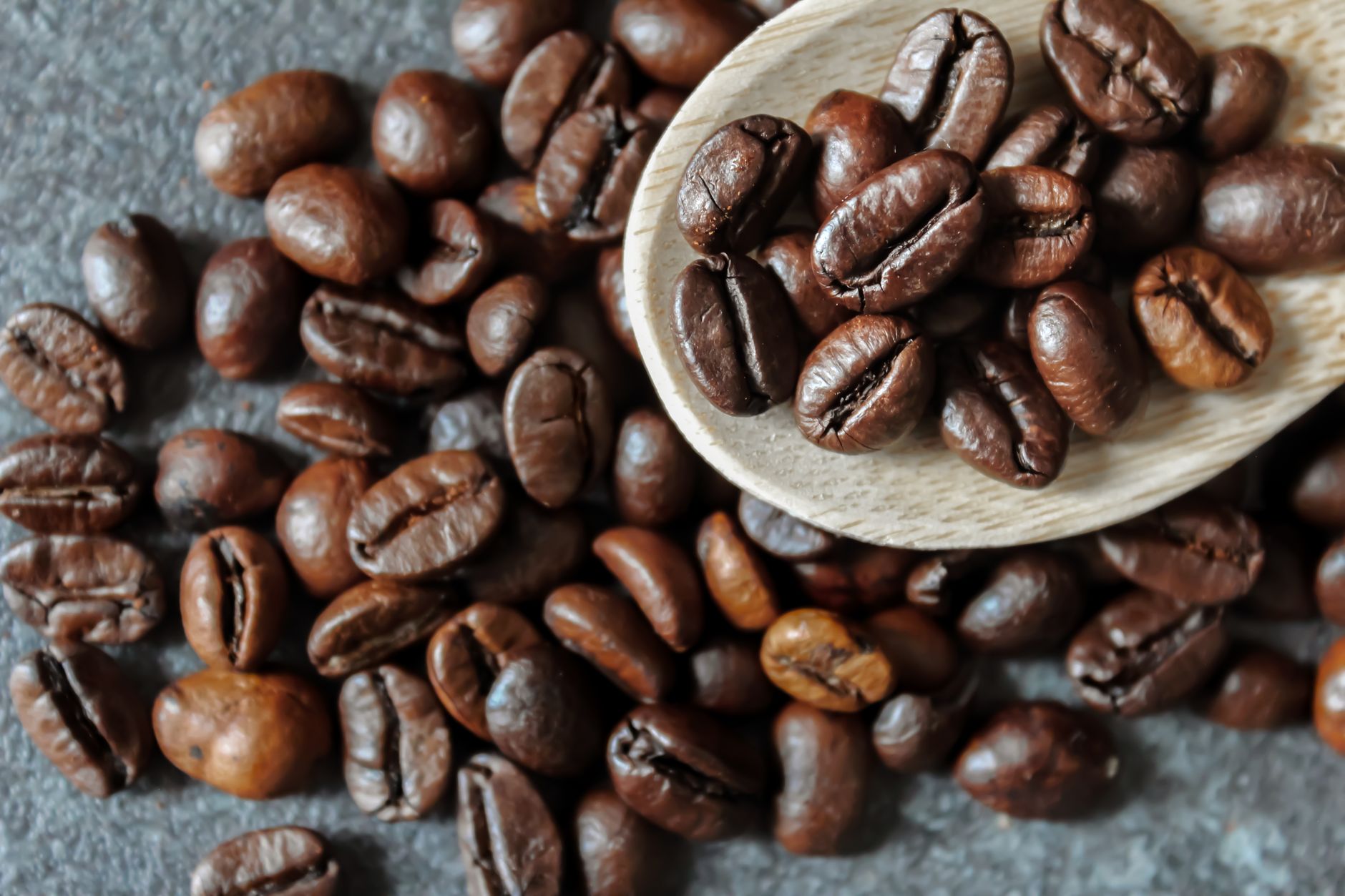
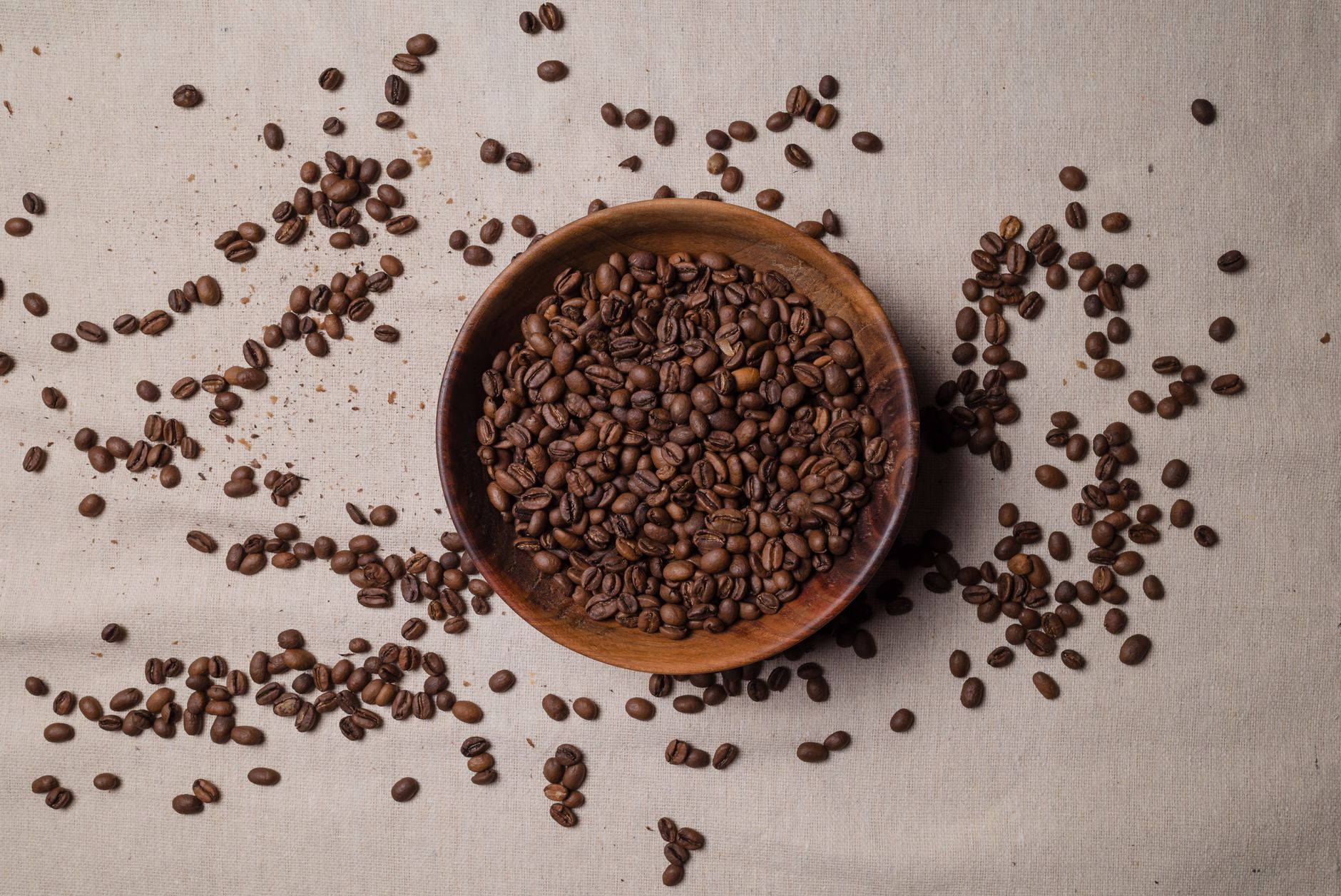 Photo: K via Pexels
Regular (flat) beans have one curved side and one flat side. Peaberries are fully round — like a small pebble. That roundness matters inside a drum roaster: they roll more evenly, which means more uniform heat exposure across the entire surface.
Most peaberries are separated from the flat-bean lot by density sorting or hand-sorting, then sold as a distinct SKU at a premium.
Do Peaberries Actually Taste Better?
The concentrated-nutrient theory is plausible but unproven. What’s demonstrable: peaberries roast more evenly, and a more even roast produces a cleaner, sweeter cup. Whether the flavor advantage is baked into the bean or achieved during roasting is genuinely unclear — but in practice, most peaberry lots are high-quality origins to begin with.
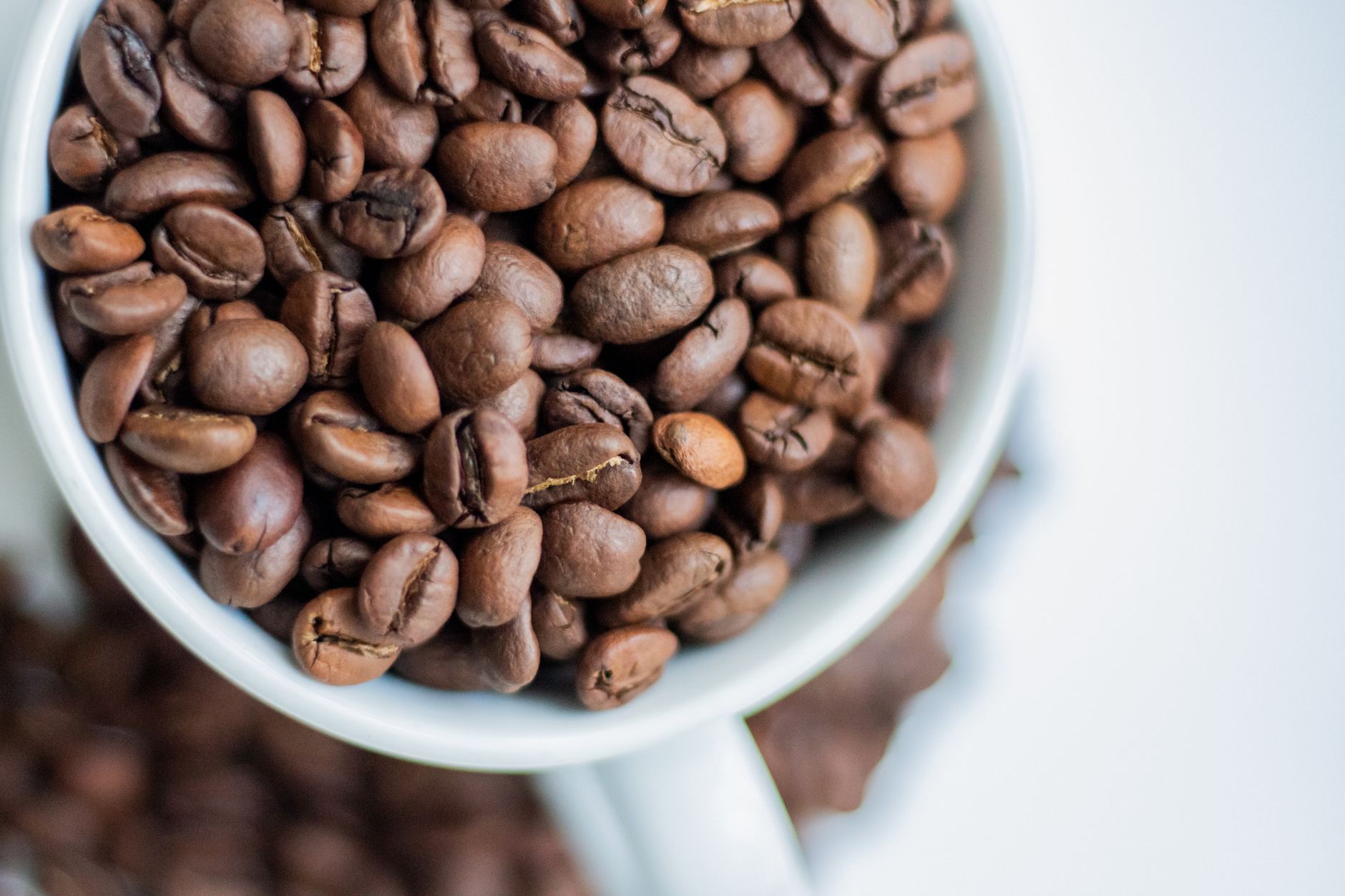 Photo: Sedanur Kunuk via Pexels
The most famous example is Tanzanian Peaberry , which is widely cited for bright acidity, medium body, and berry-forward sweetness. Kona Peaberry from Hawaii leans nuttier and more complex. These origins happen to produce exceptional coffee — so isolating “peaberry effect” from “great terroir” is nearly impossible.
If you’re tasting a peaberry blind against the flat-bean lot from the same farm, the differences are subtle. Expectations almost certainly amplify the perceived difference.
Coffee Module C — Beans & Origins
Origin Reference: Notable Peaberry Coffees
| Country | Altitude (MASL) | Processing | Roast | Tasting Notes |
|---|---|---|---|---|
| Tanzania | 1,400–1,800 | Washed | Light–Medium | Black tea, lemon, brown sugar |
| Kenya | 1,500–2,100 | Washed | Light | Red currant, tomato, syrupy body |
| Hawaii (Kona) | 600–900 | Washed | Medium | Macadamia, milk chocolate, gentle acidity |
| Colombia | 1,700–2,100 | Washed/Natural | Light–Medium | Stone fruit, caramel, balanced |
| Ethiopia | 1,800–2,300 | Natural | Light | Blueberry, jasmine, wine-like |
Brew & Grind Recommendations
Peaberries’ denser, rounder structure means they can handle slightly coarser grind settings than their flat-bean counterparts at the same roast level — they extract a touch slower.
- Pour-over / V60: Grind 1–2 clicks coarser than your flat-bean baseline; the even shape rewards slow, controlled pours
- AeroPress: Standard inverted method works well; peaberries respond to lower brew temps (91–93°C) without tasting thin
- Espresso: Dose standard (18–20g for a double); reduce shot time by 2–3 seconds or open up the grind slightly — the even roast means less under-extraction risk
Espresso offset: If your flat-bean espresso dials in at 94°C, start peaberry at 93°C.
Freshness & Storage
| Stage | Guideline |
|---|---|
| Degassing | 5–10 days post-roast for washed origins; 10–14 days for natural-processed |
| Peak window | Day 10 – Day 28 post-roast |
| Storage | Airtight valve bag, room temp, away from light |
| Shelf life after opening | 2–3 weeks before noticeable staleness |
 Photo: Arti Kh via Pexels
Why Do Peaberries Cost More?
Sorting is labor-intensive. Because peaberries are round where flat beans are not, they must be separated either by density sorting machines or by hand — both add cost. On a 100 lb lot, only 5–10 lbs will be peaberries. That scarcity, plus the sorting premium, pushes price up 20–40% over the base lot.
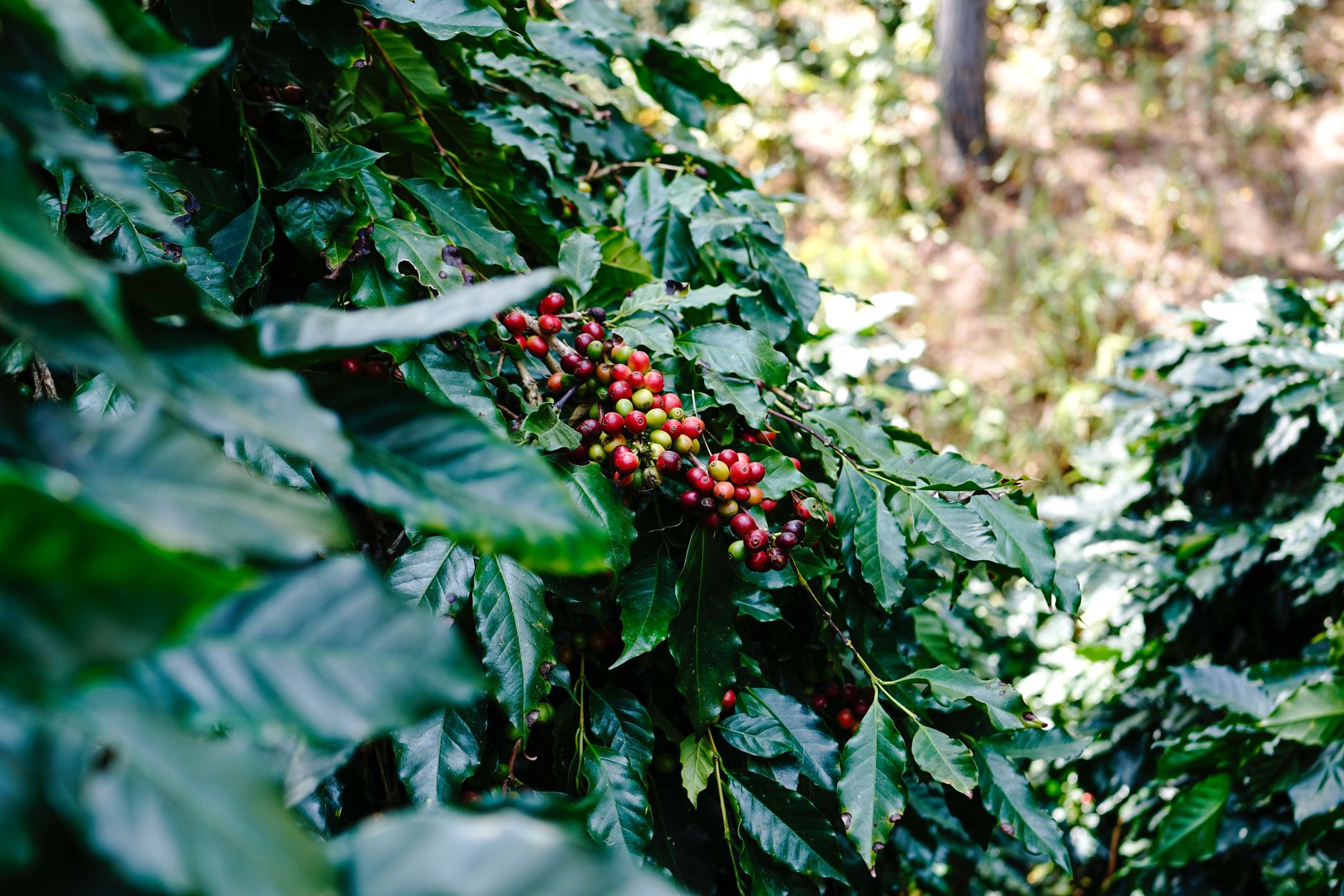 Photo: 1500m Coffee via Pexels
Some producers deliberately market their peaberry lot as a premium SKU even when the underlying farm quality doesn’t justify it. A mediocre coffee doesn’t improve because it’s a peaberry. Look for peaberry lots from named farms or co-ops, not just the word “peaberry” on a generic commodity bag.
→ See Also
- Coffee Bean Guide: Origins, Roasts, and How to Choose
- Best Coffee Subscription Boxes (2026 Ranked)
- Trade Coffee Review (2026): Is It Worth It?
FAQ
What is peaberry coffee, exactly? A peaberry is a coffee bean that develops alone inside a cherry instead of as one of two flat seeds. The solo development causes the seed to curl into a rounded, oval shape. They make up roughly 5–10% of any harvest and are sorted out separately.
Does peaberry coffee taste stronger? Not stronger in the sense of more caffeine or intensity — but many people describe it as brighter, sweeter, and cleaner. The flavor difference is likely due to more even roasting (the round shape rolls uniformly in the drum) rather than any chemical change in the seed itself.
Is Tanzanian peaberry the best peaberry coffee? It’s the most recognized. Tanzania’s high-altitude washed peaberries consistently produce bright, tea-like cups with good sweetness, and the country has built a strong export identity around the variety. Kona peaberry and Ethiopian peaberry lots from quality producers are equally worth seeking out.
How should I brew peaberry coffee differently? Mostly the same as you’d brew any quality single-origin — but open your grind slightly (1–2 clicks coarser) and drop brew temperature by 1–2°C compared to your flat-bean baseline. The even roast and denser shape extract a touch more efficiently, so you’re adjusting to avoid over-extraction.
Are peaberries a different species or variety? No. A peaberry isn’t a cultivar or a processing style — it’s a naturally occurring mutation that can happen in any Arabica or Robusta plant. You can have a Bourbon peaberry, a SL28 peaberry, or a Geisha peaberry; the term describes bean geometry, not genetics.
Are peaberries worth the extra cost? If you’re buying from a quality roaster who sources well, a peaberry lot can be a noticeably clean, even cup — and worth a small premium. If you’re seeing a generic “peaberry blend” without origin details, the price bump probably isn’t justified by quality.
Editorial methodology: Assessments are based on manufacturer specifications, published user reviews, and editorial research. Physical hands-on testing is noted explicitly where it occurred. Rankings reflect our editorial judgment and are not influenced by affiliate commission rates. Full editorial policy · Affiliate disclosure