Contents
What Is Geisha Coffee? Price, Taste, and Whether It’s Worth It
Geisha coffee is a rare Ethiopian-origin variety grown mainly in Panama that produces floral, tea-like cups with jasmine, bergamot, and stone fruit notes. It’s the most expensive commercially traded coffee in the world — bottles routinely sell for $50–$100 per 50g — because of extreme scarcity, difficult cultivation, and consistently exceptional cup scores. Whether it’s worth it depends on what you’re chasing.
What Geisha Coffee Actually Is
Geisha (also spelled “Gesha”) is an Arabica variety originally collected in the Gori Gesha forest of Ethiopia in the 1930s. It was planted experimentally at Panama’s Hacienda La Esmeralda in 2004, where it earned record auction prices and permanently changed what specialty coffee buyers expected from a single variety. Today it’s grown in Panama, Ethiopia, Colombia, and Costa Rica.
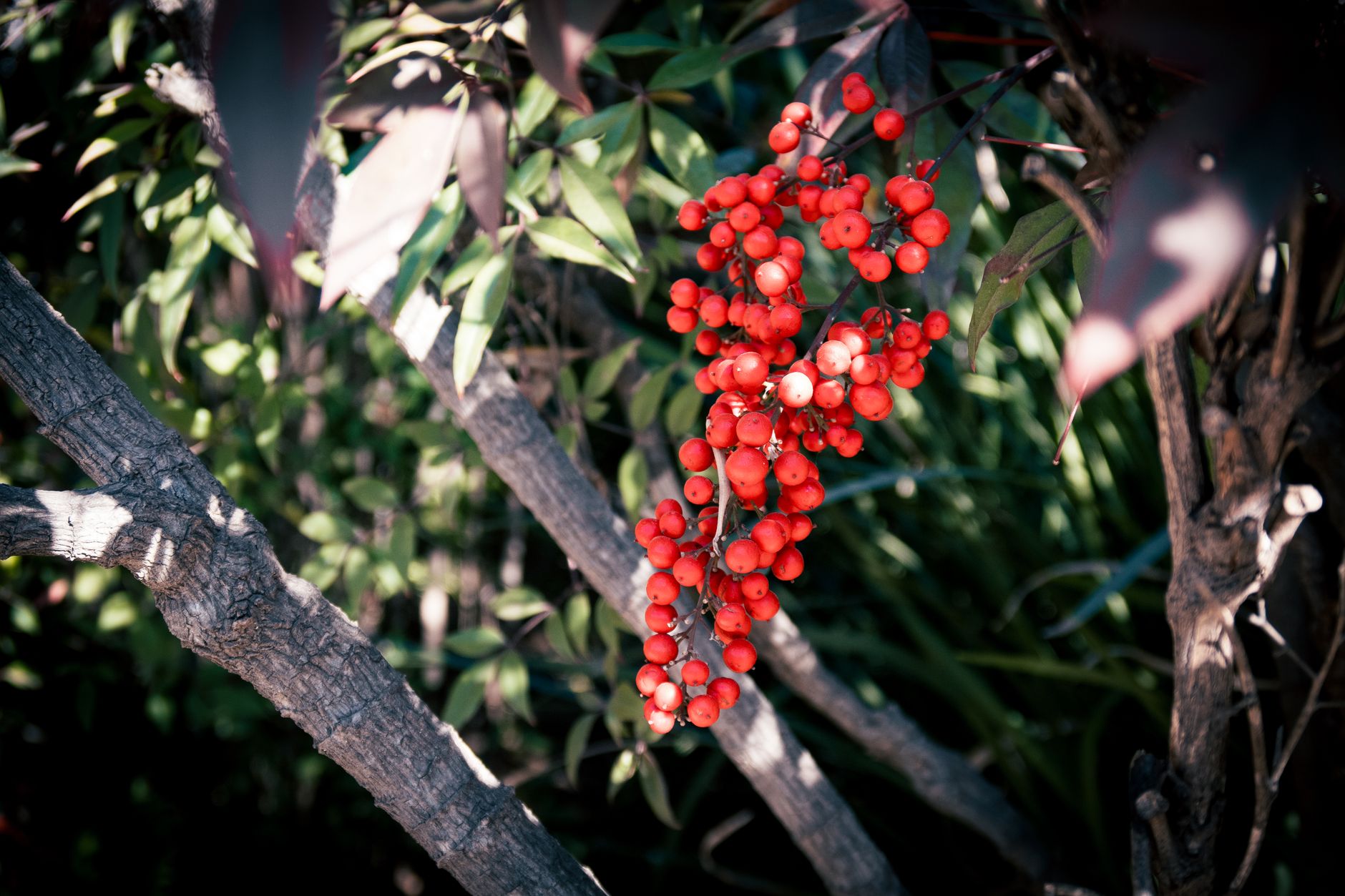 Photo: Magda Ehlers via Pexels
The variety has a distinctively narrow leaf and bean, low yield per tree, and sensitivity to growing conditions — all of which make it expensive to farm. The flavor profile is unlike most coffee: light-bodied, bright, intensely floral, with the clarity of a fine tea. When badly processed or under-roasted, it tastes thin and disappointing. When everything goes right, nothing else tastes like it.
Geisha vs. Gesha — Is There a Difference?
Both spellings refer to the same variety. “Gesha” is the more geographically accurate spelling (after the Ethiopian forest), used by most producers who want to distance the coffee from associations with Japanese geisha. “Geisha” became entrenched through early Panamanian marketing and is still the dominant commercial spelling. When you see either, assume identical genetics unless the producer explicitly differentiates.
What Geisha Coffee Tastes Like
Expect jasmine, bergamot, peach, apricot, and sometimes passionfruit — the same aromatic register as Earl Grey tea. The body is light to medium, acidity is bright and citric, and the finish is long and floral. This profile holds most clearly in washed-process lots; natural-process Geisha reads fruitier and fuller.
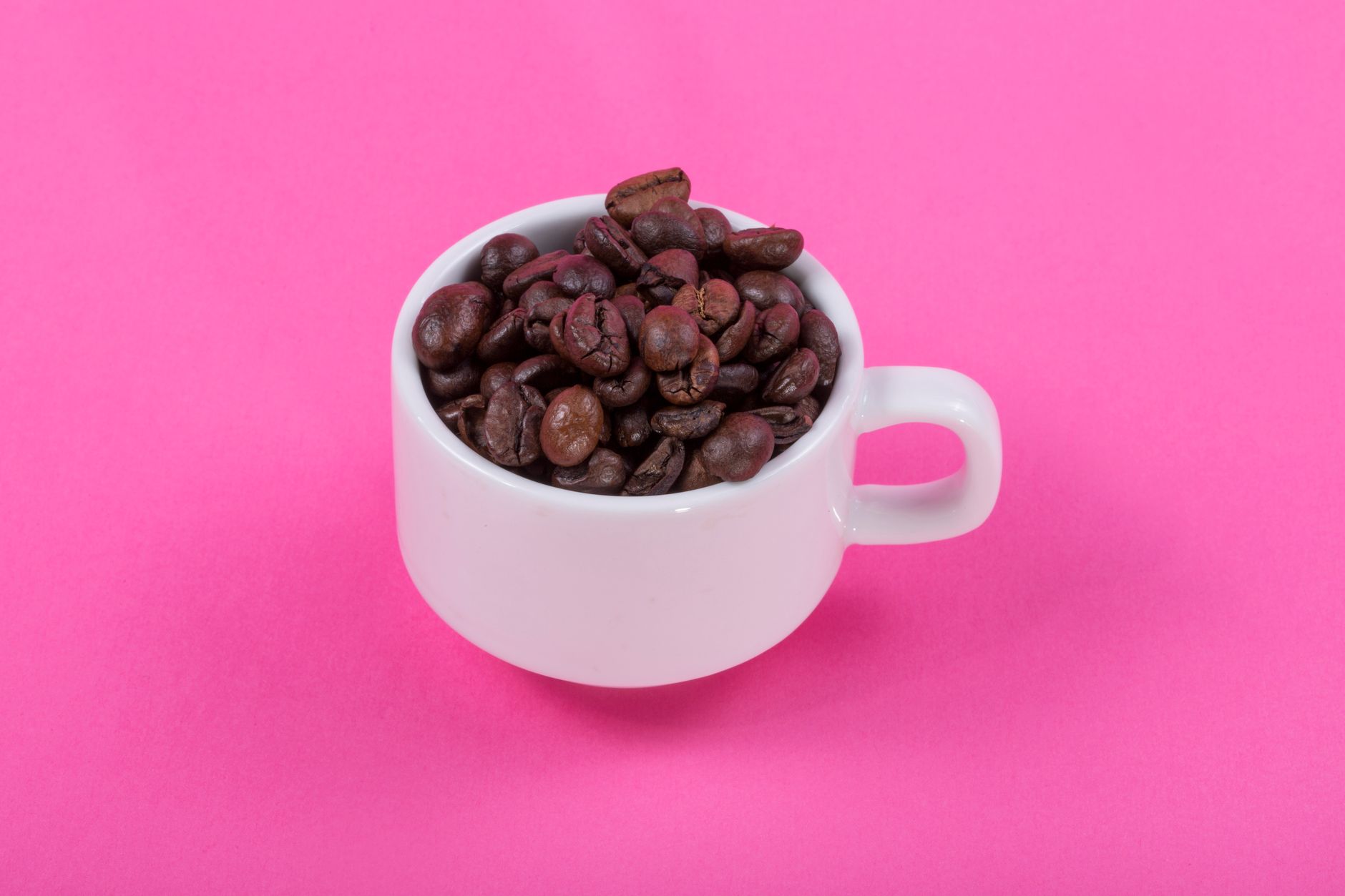 Photo: Valentin Ivantsov via Pexels
The flavor is polarizing. Espresso drinkers accustomed to chocolate, caramel, and nut notes often find Geisha unexpectedly delicate. Filter drinkers who prize clarity and aromatic complexity tend to consider it the best cup they’ve ever had.
Key tasting notes by processing method:
| Processing | Primary Notes | Body | Acidity |
|---|---|---|---|
| Washed | Jasmine, bergamot, peach | Light | Bright, citric |
| Natural | Blueberry, tropical fruit, rose | Medium | Softer, winey |
| Honey | Stone fruit, floral, brown sugar | Light-medium | Balanced |
Where Geisha Coffee Comes From
Panama produces the most celebrated Geisha, but the variety now grows across multiple origins. Panamanian Geisha from Boquete or Volcán commands the highest prices; Ethiopian Gesha Village lots are the closest to the genetic source and offer a distinct terroir; Colombian and Costa Rican Geisha tend to be more accessible in price without sacrificing cup quality.
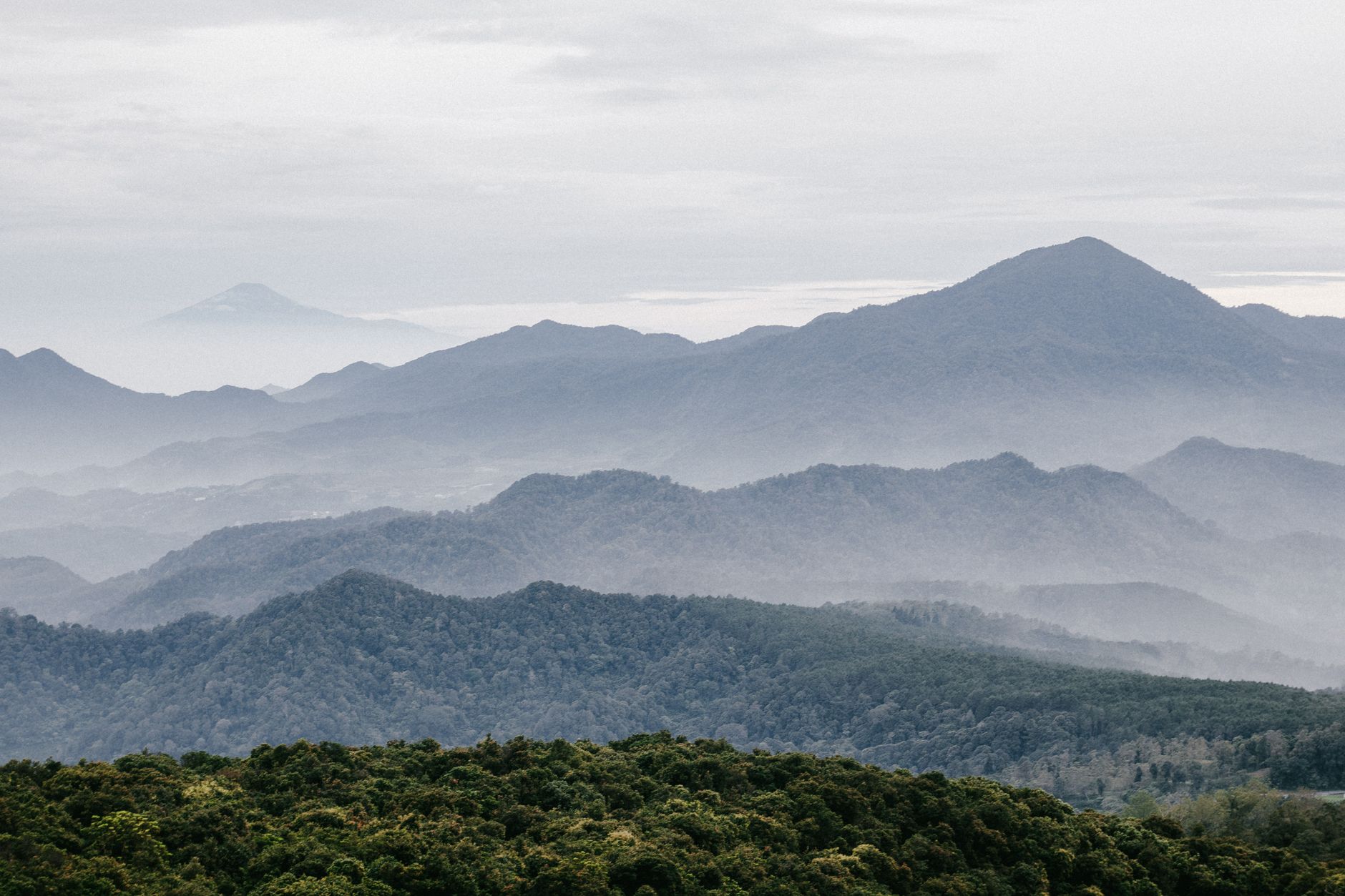 Photo: selpa okta prima tysmayer via Pexels
| Country | Altitude (MASL) | Processing | Roast | Tasting Notes |
|---|---|---|---|---|
| Panama (Chiriquí) | 1,600–1,900 | Washed, Natural | Light | Jasmine, peach, bergamot |
| Ethiopia (Bench Sheko) | 1,900–2,100 | Washed | Light | Floral, lemon verbena, tea |
| Colombia (Huila) | 1,700–2,000 | Washed, Honey | Light | Stone fruit, orange blossom |
| Costa Rica | 1,400–1,800 | Honey, Natural | Light–Medium | Apricot, caramel, rose |
Brew method pairing: Geisha performs best in filter formats — V60, Chemex, Kalita Wave. The clarity of pour-over lets the aromatics open fully. Aeropress works well for travelers; espresso is viable but requires precision (under-extraction kills the florals fast).
Grind and dose adjustments for espresso: Grind slightly coarser than your standard espresso baseline, dose 17–18g, pull at 91–92°C (lower than typical), target 28–32 seconds. The variety is less forgiving of heat than most Arabica.
Freshness: Geisha degasses faster than denser varietals. Aim to brew 5–10 days after roast for filter, 10–14 days for espresso. Once open, use within 3 weeks; store in an airtight valve bag away from light. Shelf life after opening: 4–6 weeks before noticeable flavor degradation.
How Much Does Geisha Coffee Cost?
Entry-level Geisha from Colombia or Costa Rica runs $25–$45 per 100g from specialty roasters. Panamanian Geisha from top farms — Hacienda La Esmeralda, Lamastus Family Estates — starts at $50–$80 per 50g retail. Auction lots from the Best of Panama competition have sold for over $1,000 per pound. For day-to-day drinking, Colombian and Ethiopian Geisha offer the most value.
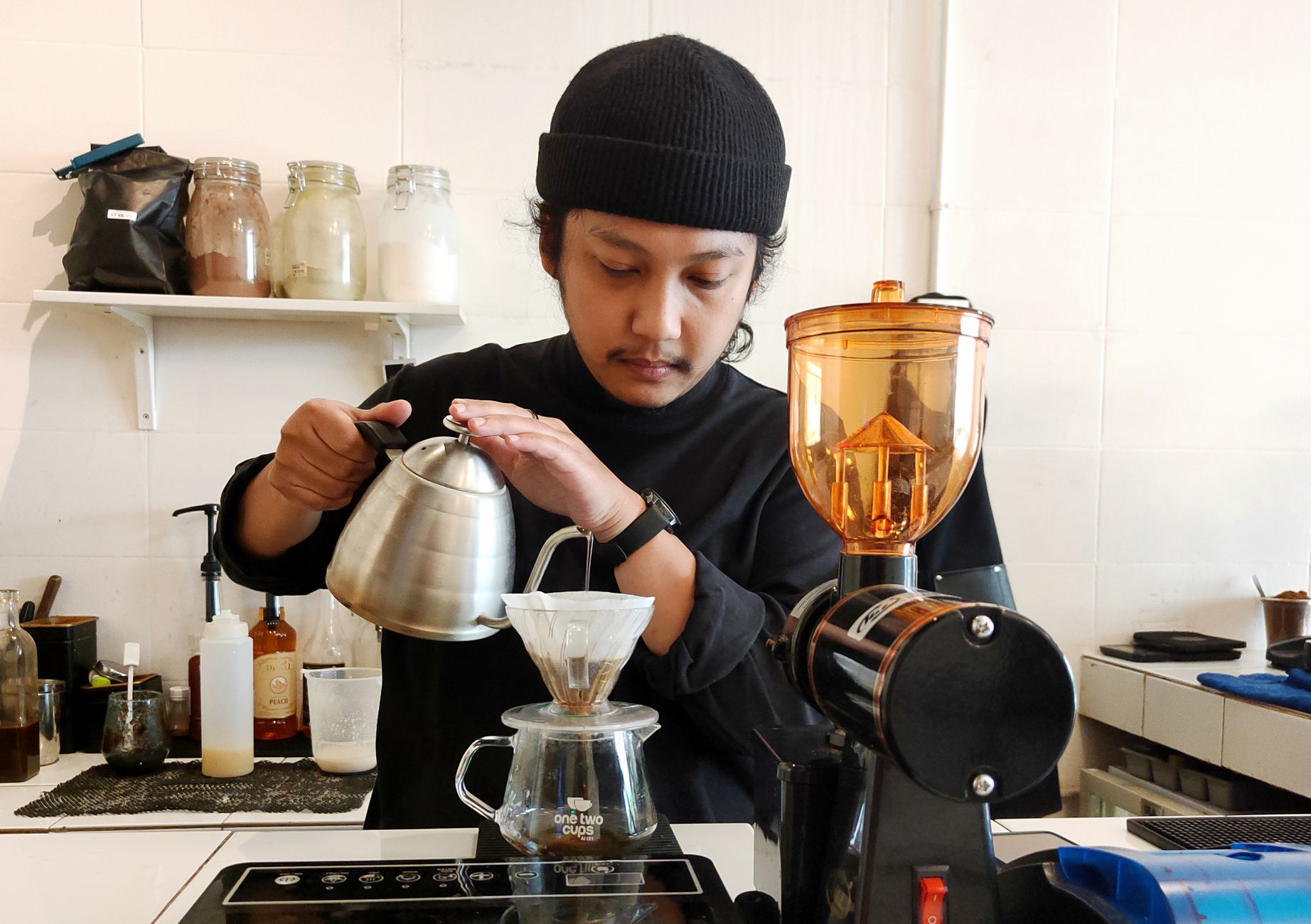 Photo: Noel Snpr via Pexels
Prices have risen sharply since 2020 as demand outpaced supply. The variety accounts for a fraction of a percent of global coffee production, and top farms deliberately limit output to protect quality and prices.
Is Geisha Coffee Worth the Price?
For a special occasion or as a reference experience for what coffee can taste like at its ceiling — yes. As a daily driver — almost certainly not. The price-to-pleasure ratio makes sense once or twice a year, or as a gift for someone serious about specialty coffee.
The honest comparison: a $40 bag of Colombian Geisha from a respected roaster versus a $40 bag of a well-sourced Ethiopia natural. The Geisha will probably be more complex. It will also disappear faster, leave less room for error in brewing, and cost three times more per gram once you normalize for bag weight.
If you’re buying Geisha for the first time, start with a Colombian or Costa Rican lot from a specialty roaster rather than chasing Panamanian provenance. The gap in quality is smaller than the gap in price suggests.
→ See also:
- Coffee Bean Guide: Origins, Roasts, and How to Choose
- Best Coffee Subscription Boxes (2026 Ranked)
- Trade Coffee Review (2026): Is It Worth It?
FAQ
What makes Geisha coffee so expensive? Three factors: low yield per tree, extreme sensitivity to growing conditions (only specific high-altitude microclimates produce the full flavor profile), and concentrated demand from specialty buyers worldwide. Hacienda La Esmeralda’s 2004 auction broke every price record at the time and established Geisha as a prestige category, which locked in premium pricing across the supply chain.
Does Geisha coffee have more caffeine? No — caffeine content is determined primarily by species (Arabica vs. Robusta) and roast level, not variety. Geisha is an Arabica with standard caffeine levels, roughly 1.2–1.4% by dry weight. Light roasts (where Geisha is almost always sold) retain marginally more caffeine than dark roasts, but the difference is negligible in a brewed cup.
What’s the best way to brew Geisha coffee? A clean filter method — V60, Chemex, or Kalita Wave — using water at 93–95°C for washed lots, 91–93°C for naturals. A ratio of 1:15 to 1:16 (coffee:water) works well. Avoid dark roasting and heavy milk additions; both erase the floral character that justifies the price.
Can you use Geisha coffee for espresso? Yes, but it requires dialing in carefully. Pull at 91–92°C with a slightly longer pre-infusion (5–8 seconds) and aim for a 1:2.5 ratio to preserve brightness. The result is unusual for espresso — more bergamot and stone fruit than traditional caramel/chocolate — and genuinely excellent when dialed right. Don’t expect a traditional shot.
How do I know if Geisha coffee is authentic? Reputable specialty roasters will list the farm, region, processing method, and lot details on the bag or product page. Verified provenance from known farms (Esmeralda, Lamastus, Ninety Plus, Gesha Village) is the clearest signal. “Geisha blend” or vague origin labeling is a warning sign — the variety’s value comes entirely from specific sourcing.
Editorial methodology: Assessments are based on manufacturer specifications, published user reviews, and editorial research. Physical hands-on testing is noted explicitly where it occurred. Rankings reflect our editorial judgment and are not influenced by affiliate commission rates. Full editorial policy · Affiliate disclosure