Contents
How to Choose a Coffee Subscription (Buyer’s Guide)
TL;DR: To choose a coffee subscription, match the roast frequency to your brew rate, pick a service that sources beans relevant to your preferred origin or flavor profile, and confirm grind options before committing. The best subscription is the one calibrated to your setup — not the one with the most marketing.
What Actually Matters When Choosing a Coffee Subscription
Direct Answer: Freshness cadence, bean sourcing transparency, and flexibility to pause or swap roasters are the three variables that separate a great subscription from a drawer full of stale bags. Everything else — branding, packaging, loyalty points — is secondary.
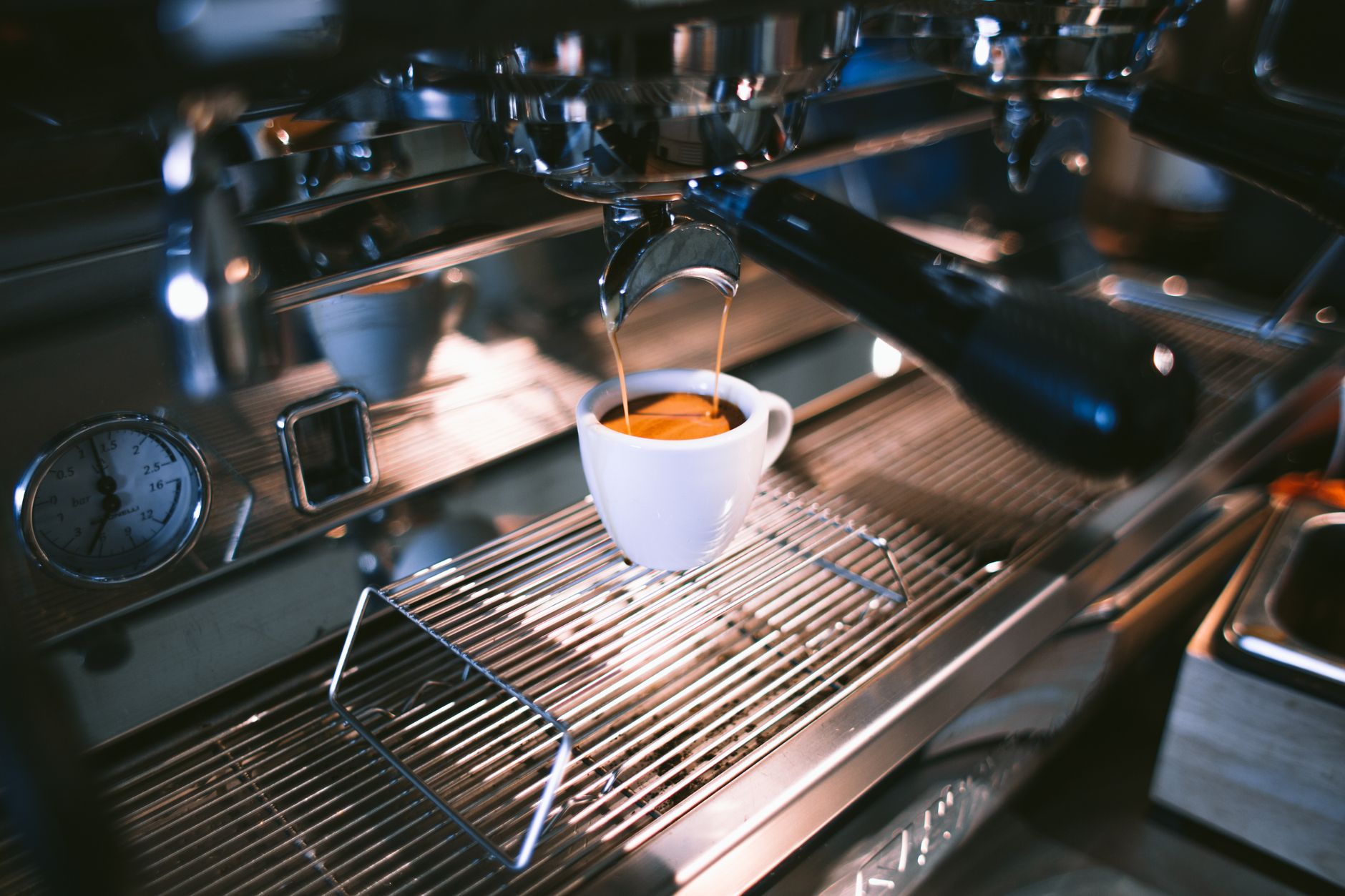
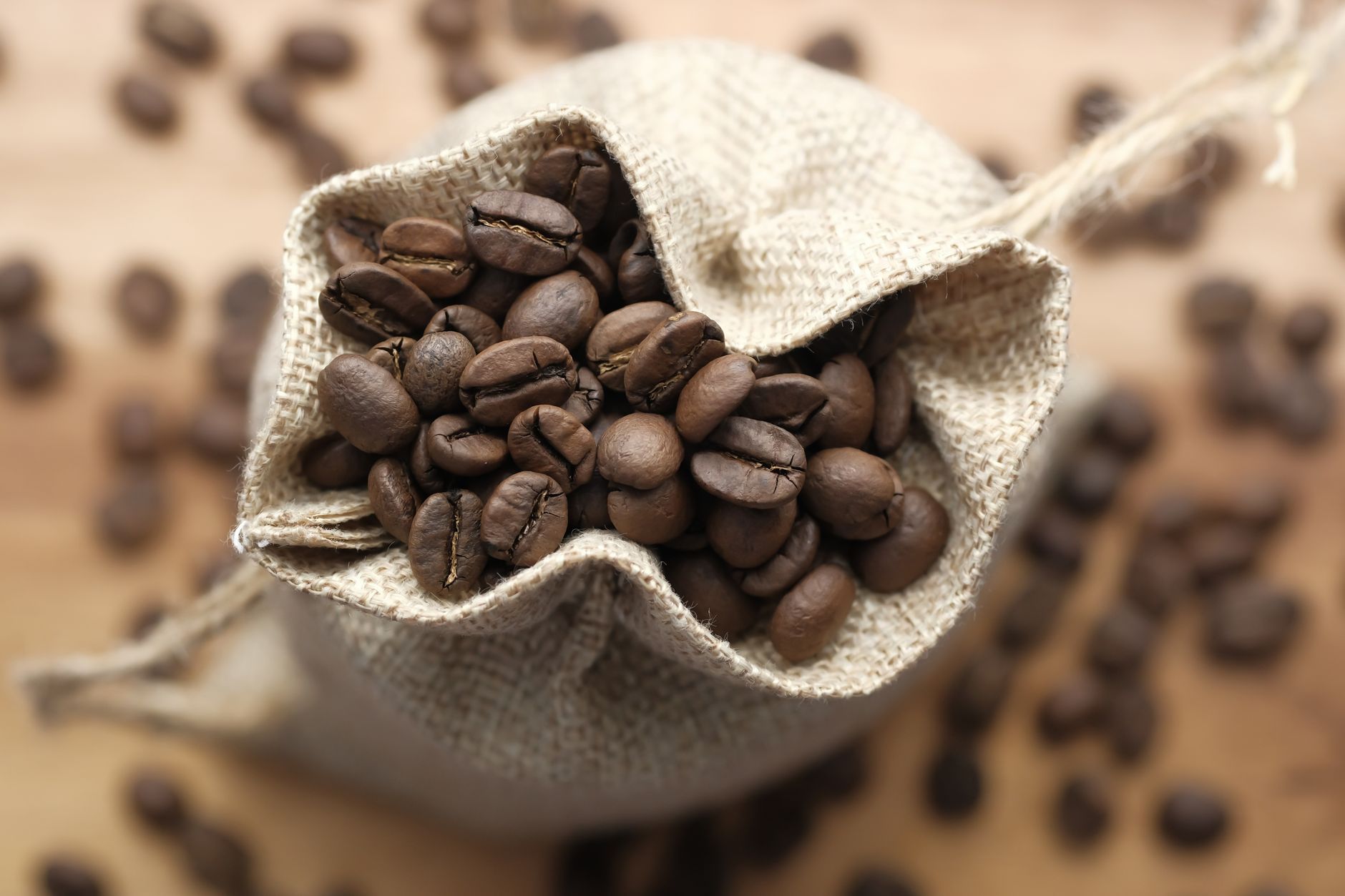 Photo: Towfiqu barbhuiya via Pexels
Most subscriptions fall into one of two models: curated roaster rotation (a service picks from a rotating roster of partner roasters) or single-roaster subscriptions (you subscribe directly to one roaster’s output). Neither is universally better. A rotation model exposes you to more origins and processing styles; a single-roaster model builds consistency and lets you track a producer’s seasonal offerings year over year.
Freshness: The Number That Actually Matters
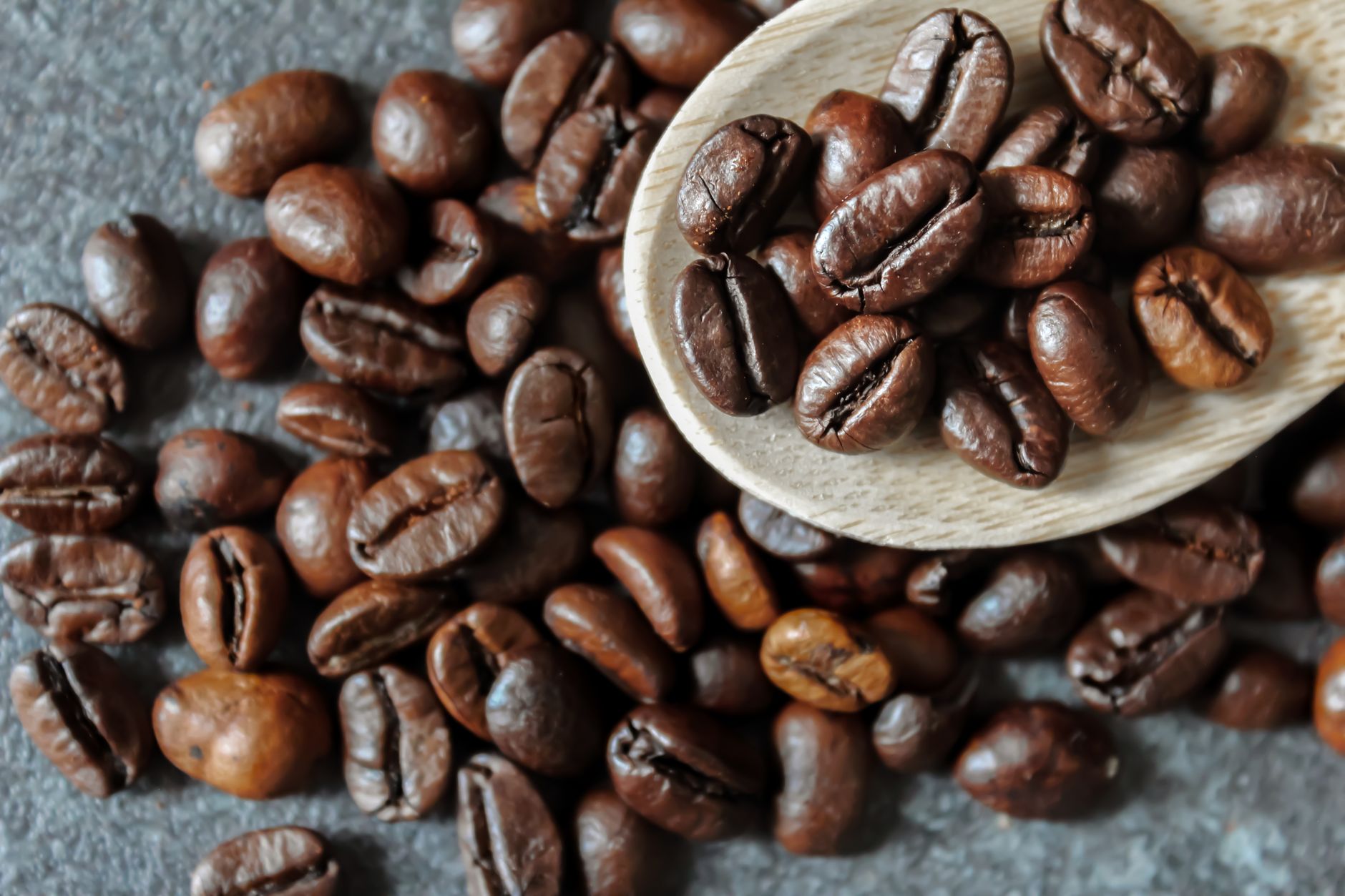
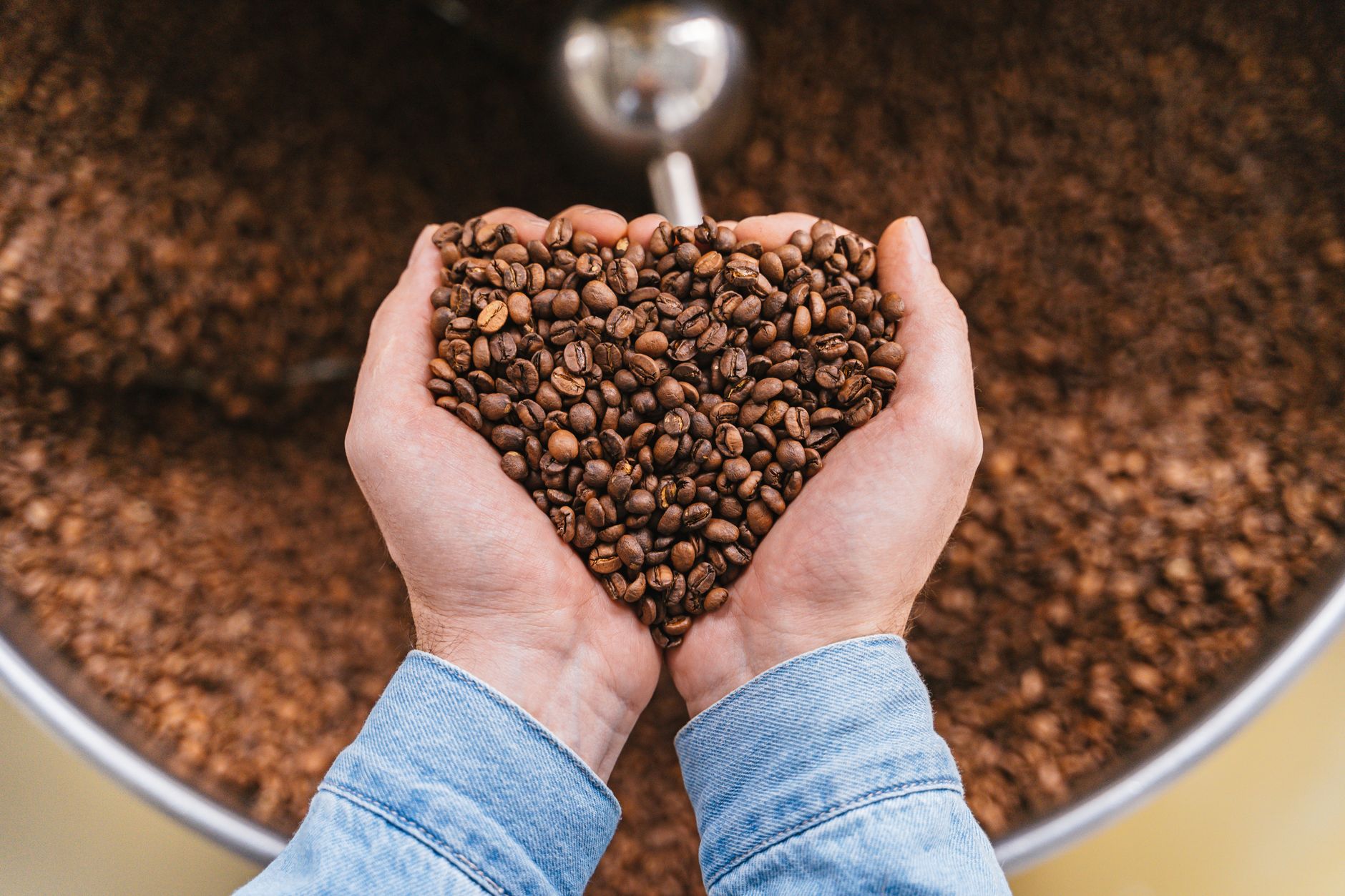 Photo: Adventure Studio via Pexels
Check the roast date policy before anything else. A subscription should ship within 2–5 days of roasting. If a service can’t tell you when beans were roasted — only when they were “packaged” or “shipped” — that’s a red flag. Specialty roasters stamp a roast date; commodity services stamp a best-by date, which tells you nothing useful.
For espresso, most single-origin beans need 5–10 days of degassing post-roast before they pull cleanly. For filter, 2–5 days is usually enough. A subscription that ships the day after roasting isn’t a bonus — it requires you to plan around the degassing window.
Matching the Subscription to Your Brew Method
Direct Answer: Your brew method dictates grind size, dose, and how forgiving the beans need to be. An espresso drinker needs a different subscription than a pour-over brewer — and most services accommodate both if you ask the right questions during sign-up.
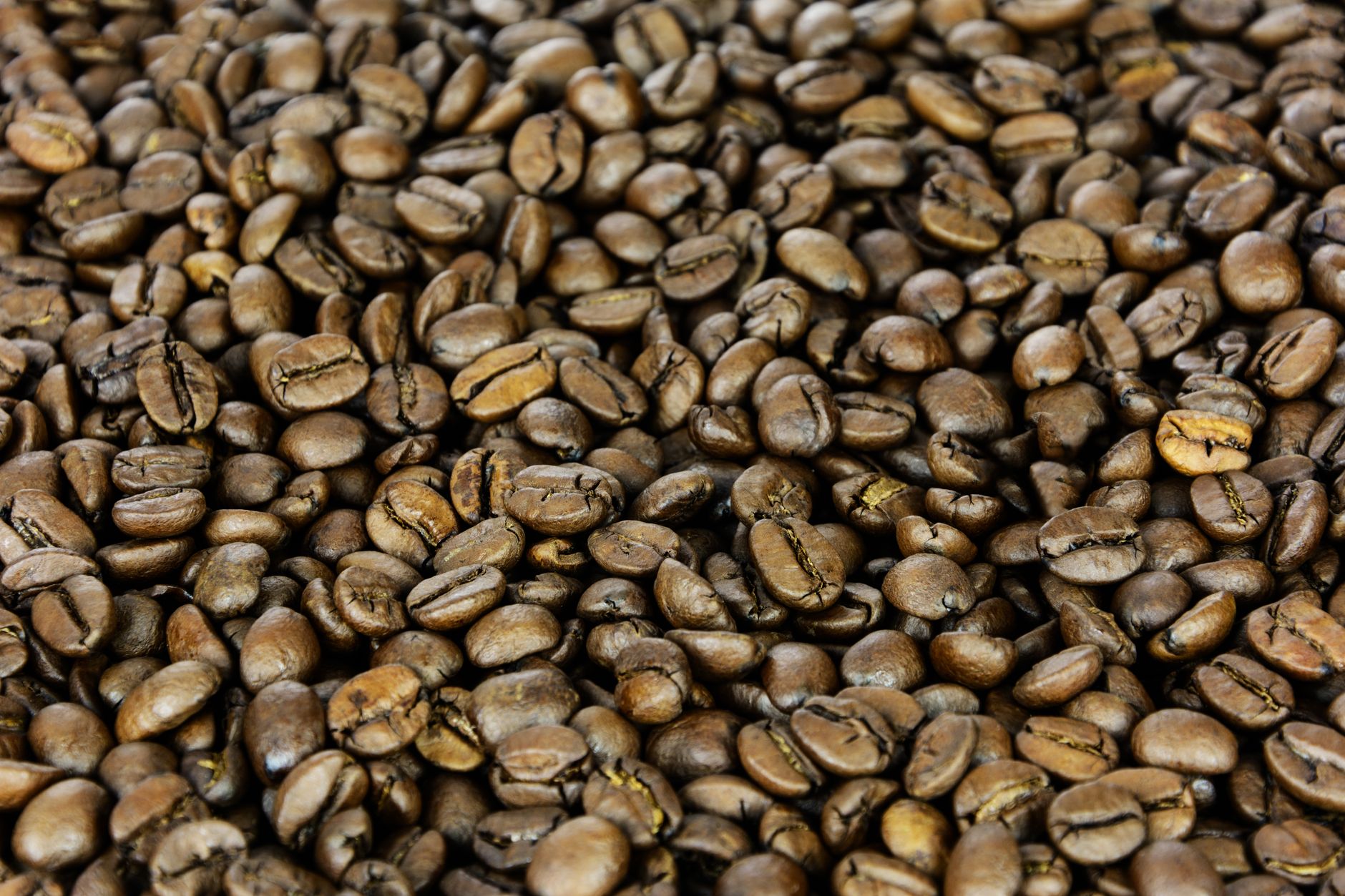
 Photo: Beyzanur K. via Pexels
| Brew Method | Ideal Roast Level | Grind Option Needed | Freshness Sensitivity |
|---|---|---|---|
| Espresso | Medium–dark, or light if you dial well | Fine, often pre-ground optional | High — 5–14 days post-roast |
| Pour-over / V60 | Light–medium | Medium-fine | High — 2–5 days post-roast |
| French Press | Medium–dark | Coarse | Medium |
| AeroPress | Medium | Medium-fine to fine | Medium |
| Cold brew | Medium–dark | Extra coarse | Low |
If you own a good grinder, always order whole bean — pre-ground starts staling within 15–20 minutes of grinding. If you’re ordering pre-ground, use it within the week.
Grind Settings and What to Ask
Many services offer grind-to-order. Ask specifically: “What grinder does your team calibrate to?” A roaster dialing in a Baratza Encore
Roast Profile and Origin Transparency
Direct Answer: A trustworthy subscription tells you the farm or cooperative name, country, altitude, and processing method — not just “single origin Ethiopia.” Opacity around sourcing usually means commodity lots or blends marketed as specialty.
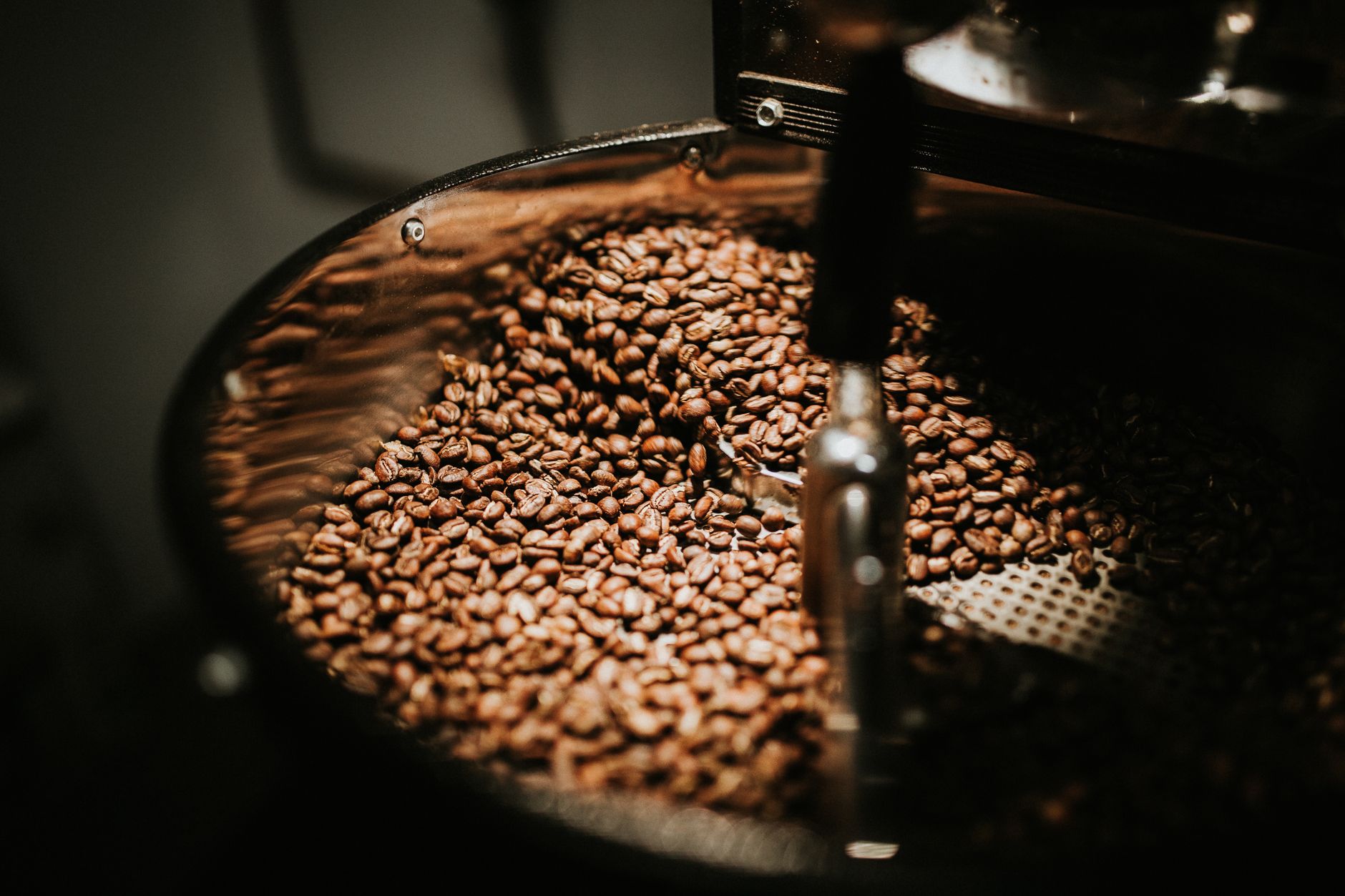
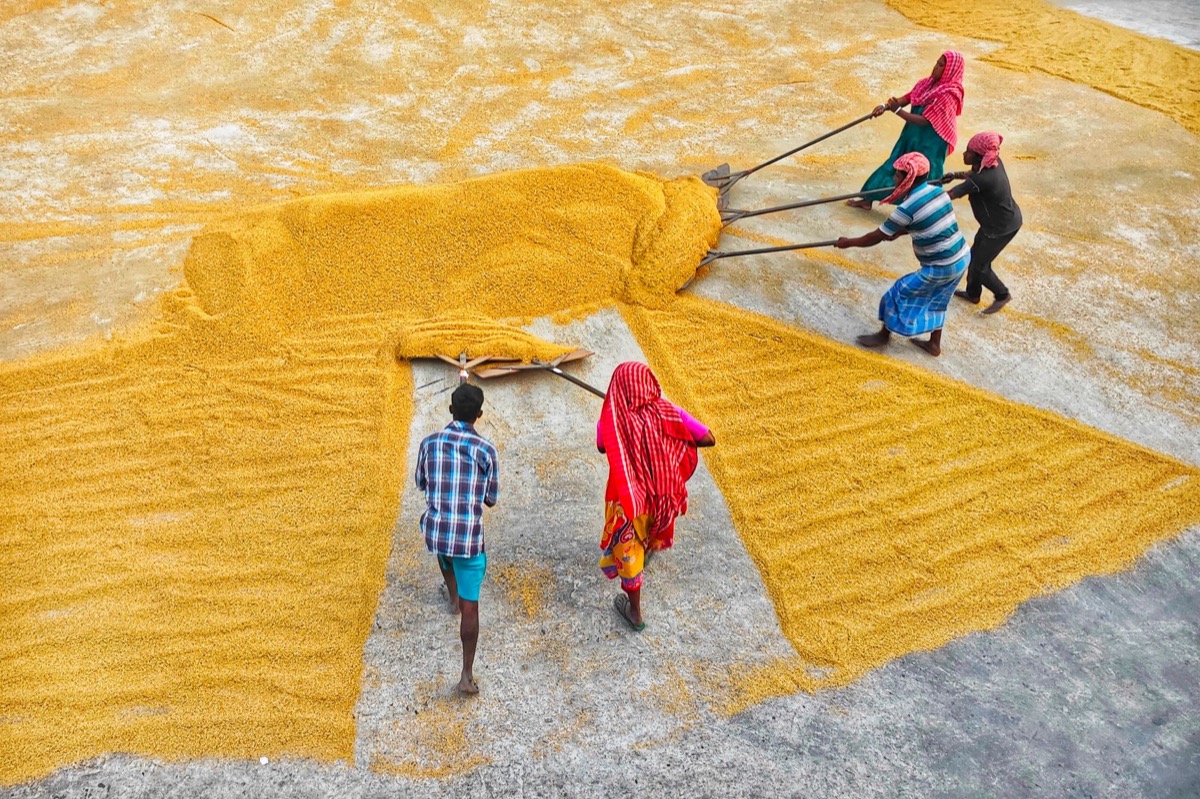 Photo: Dibakar Roy via Pexels
Coffee Module C — Beans & Origins
Origin Table
| Country | Altitude (MASL) | Processing | Roast | Tasting Notes |
|---|---|---|---|---|
| Ethiopia (Yirgacheffe) | 1,800–2,200 | Washed | Light | Jasmine, bergamot, lemon zest |
| Colombia (Huila) | 1,700–2,000 | Washed / Natural | Medium-light | Red apple, caramel, milk chocolate |
| Guatemala (Antigua) | 1,500–1,700 | Washed | Medium | Brown sugar, almond, light citrus |
| Kenya (Nyeri) | 1,700–2,100 | Washed (72hr) | Light–medium | Blackcurrant, tomato, grapefruit |
| Brazil (Cerrado) | 900–1,200 | Natural / Pulped natural | Medium–dark | Peanut butter, dark chocolate, low acidity |
Pairing — Brew Methods, Grind, Espresso Adjustments
- Ethiopia Yirgacheffe: Best as pour-over or Chemex. For espresso, pull at 90–91°C, extend ratio to 1:2.5 to tame acidity, grind finer than your baseline.
- Colombia Huila: Versatile across all methods. Espresso at 92–93°C, 1:2 ratio, standard dose.
- Kenya Nyeri: Pour-over at 94–96°C to preserve winey acidity. Difficult to dial as espresso — expect a learning curve.
- Brazil Cerrado: Ideal for espresso blends or French press. Forgiving at 92–94°C, pulls sweet with short ratio (1:1.8–2).
Freshness & Storage
| Stage | Guideline |
|---|---|
| Degassing after roast | 2–10 days (filter); 5–14 days (espresso) |
| Peak flavor window | Days 7–21 post-roast |
| Storage method | Airtight container, room temp, out of light |
| Shelf life after opening | 2–3 weeks for optimal flavor; 4 weeks acceptable |
| Freezing | Acceptable in sealed original bag, one thaw only |
Subscription Flexibility and Logistics
Direct Answer: Pause, skip, and swap features matter more than price per bag. A subscription you can’t pause when you travel — or that locks you to one bag size — will generate waste and frustration faster than any roast quality benefit.
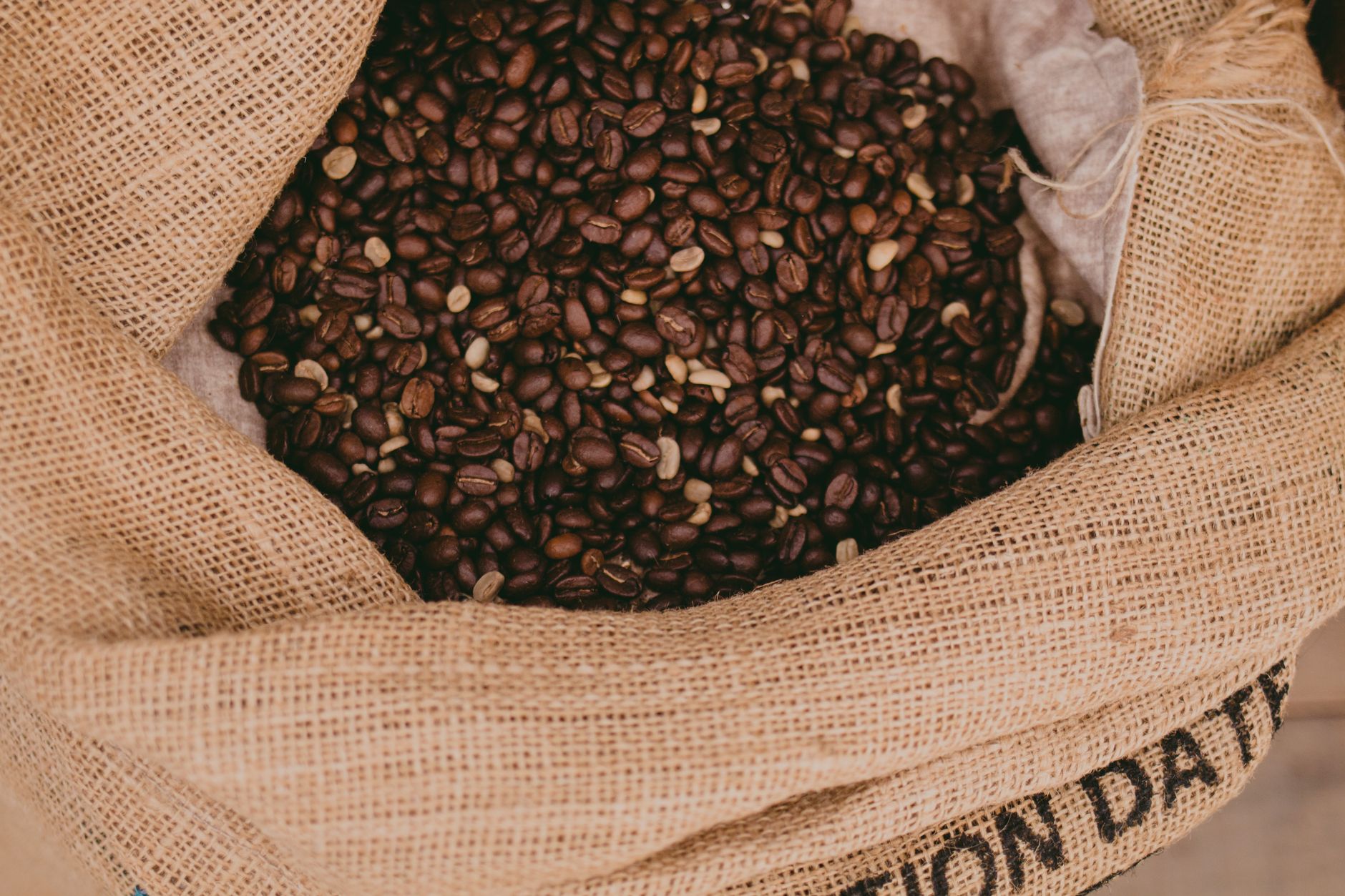 Photo: Maria Tyutina via Pexels
Checklist before you commit:
- Can you pause without canceling?
- Is there a skip-a-week option?
- Can you swap roasters or origins mid-subscription?
- Are bag sizes flexible (200g vs 340g vs 1kg)?
- Is the roast date printed on the bag?
- Do they ship to your location with tracking?
- What’s the cancellation policy — monthly rolling or annual lock-in?
Services like Trade Coffee use a preference algorithm to match you with roasters from their network. Atlas Coffee Club leans into origin storytelling and geography. Onyx Coffee Lab and Counter Culture are direct single-roaster subscriptions with competition-grade sourcing and transparent farm data.
Price vs. Value — What You’re Actually Paying For
| Tier | Price Range (per 250g) | What You Get |
|---|---|---|
| Commodity / supermarket | $8–12 | Unknown roast date, blends, mass-market |
| Entry specialty | $14–18 | Roast date printed, traceable origin, decent freshness |
| Mid-tier specialty | $18–24 | Farm-level sourcing, skilled roasting, flexible subscription |
| Top-tier / micro-roaster | $24–40+ | Competition lots, natural experiments, direct-trade premiums |
For most home brewers, mid-tier specialty is the sweet spot — quality that rewards a good grinder and brew technique without requiring competition-level dialing.
→ See Also
- Coffee Bean Guide: Origins, Roasts, and How to Choose
- Best Coffee Subscription Boxes (2026 Ranked)
- Trade Coffee Review (2026): Is It Worth It?
FAQ
What’s the most important factor when choosing a coffee subscription? Freshness cadence — specifically, how many days between roast date and your doorstep. Aim for 2–5 days post-roast shipping. Everything else is secondary if the beans arrive two weeks old.
Is a curated multi-roaster subscription better than subscribing directly to one roaster? Depends on your goal. Multi-roaster services like Trade Coffee offer variety and discovery; single-roaster subscriptions build familiarity with a roaster’s sourcing philosophy and let you track seasonal lots across years. If you’re still exploring origins and roast levels, start with curation.
How often should a coffee subscription ship? Match shipment frequency to your brew rate. A typical home brewer consuming one cup per day needs roughly 250g every 10–14 days. Most services offer weekly, bi-weekly, or monthly cadences — weekly is usually only worth it if you’re brewing for multiple people or running a small office setup.
Can I get a coffee subscription for espresso specifically? Yes, but confirm two things: the roast profile (medium or medium-dark tends to be more forgiving for espresso) and whether they account for degassing time in their shipping schedule. Some roasters specifically label bags “espresso-recommended” and ship them slightly later post-roast to arrive in the optimal 7–14 day window.
What grind setting should I choose if I don’t have a grinder? Order pre-ground matched to your brew method (coarse for French press, medium for drip, fine for AeroPress, extra-fine for moka pot). Use it within 5–7 days of opening. Pre-ground is a workable short-term option, but a decent burr grinder like the Baratza Encore
Are coffee subscriptions worth it compared to buying locally? If your local roaster roasts on-site and sells fresh, buying local often wins on freshness and the ability to ask questions. Subscriptions win on variety, convenience, and access to roasters not available in your region — particularly for specialty lots from Ethiopia, Kenya, or Panama.
Editorial methodology: Assessments are based on manufacturer specifications, published user reviews, and editorial research. Physical hands-on testing is noted explicitly where it occurred. Rankings reflect our editorial judgment and are not influenced by affiliate commission rates. Full editorial policy · Affiliate disclosure