Contents
Coffee Subscription vs Buying Local: What’s Better?
TL;DR: For most specialty coffee drinkers, a coffee subscription wins on freshness, variety, and value — roasters ship within 24–48 hours of roasting. Buying local wins when you need coffee today, want to support a neighborhood roaster, or prefer tasting before committing. The best setup is often both.
Which Is Actually Fresher: Subscription or Local?
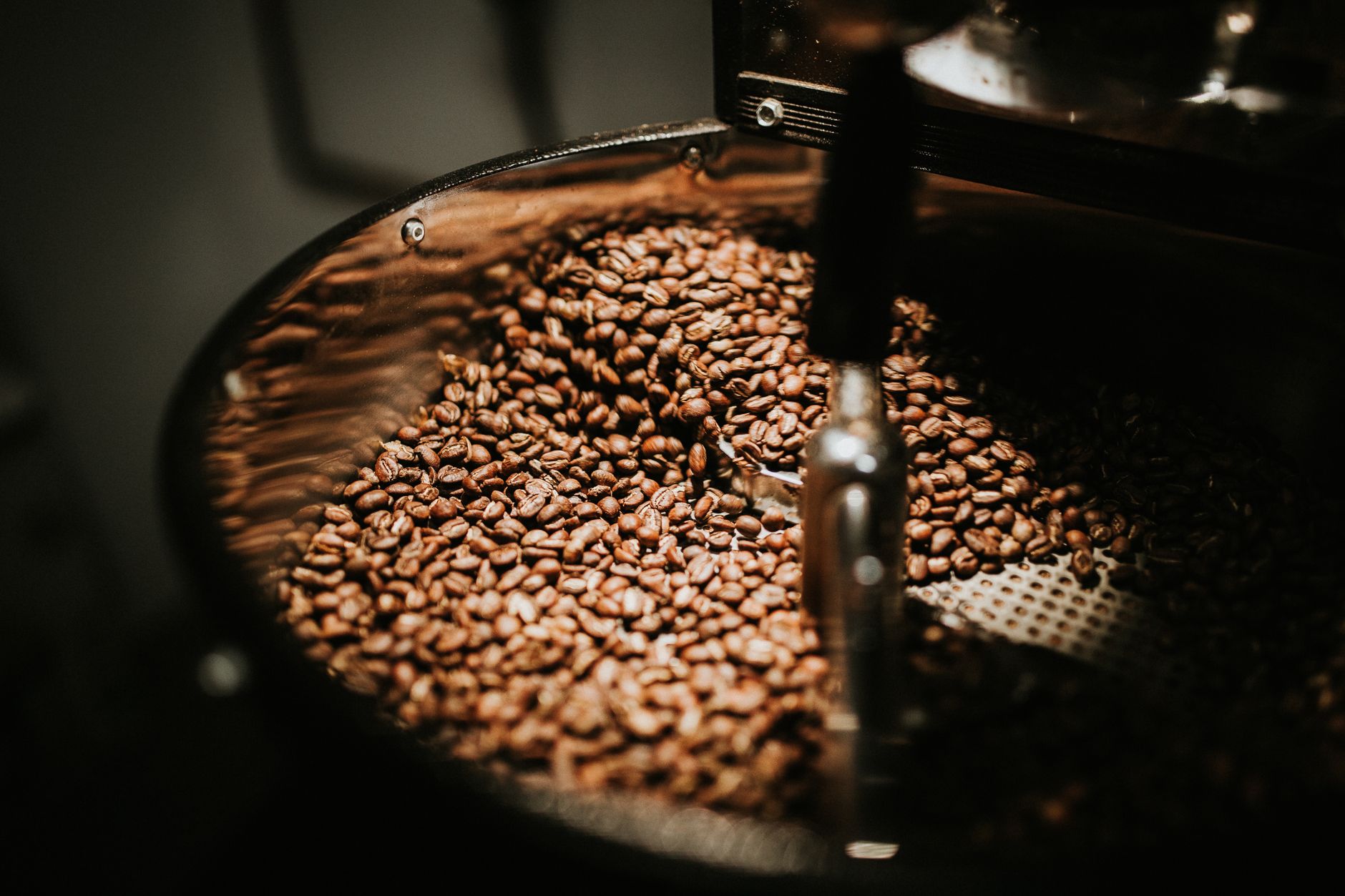
Subscriptions from direct-to-consumer roasters typically deliver fresher coffee than local retail. Most subscription roasters ship within 24–48 hours of roasting, with a roast date printed on every bag. Local cafés and grocery stores often stock coffee that’s 2–6 weeks post-roast — sometimes longer on supermarket shelves.
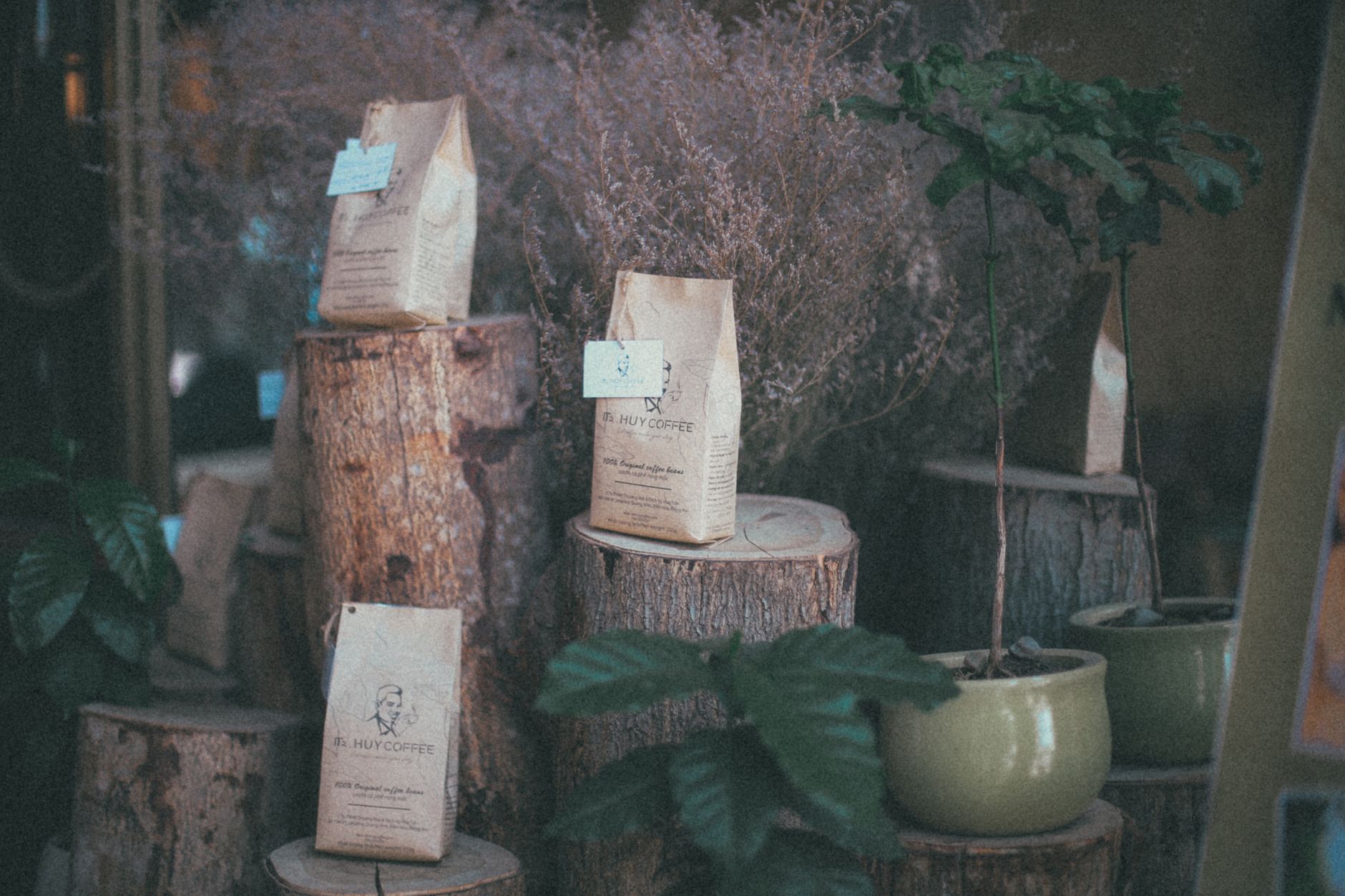 Photo: Nguyễn Khanh via Pexels
“Fresh” in coffee means gases are still escaping the bean (CO₂ off-gassing), flavor compounds are intact, and oils haven’t oxidized. Peak flavor window for most specialty coffee is 7–21 days post-roast, with espresso often benefiting from 10–14 days of rest. A bag sitting on a café shelf for three weeks before you buy it has already passed that window.
The caveat: a great local roaster who roasts in-house and turns inventory fast can match or beat any subscription. If your local shop roasts on-site and dates their bags, they’re competitive.
What to Look For on a Bag
Check the roast date, not the “best by” date. Best-by dates are marketing; roast dates are data. If a bag doesn’t have a roast date, walk away — that’s a red flag regardless of the channel.
Variety and Discovery: Where Subscriptions Dominate
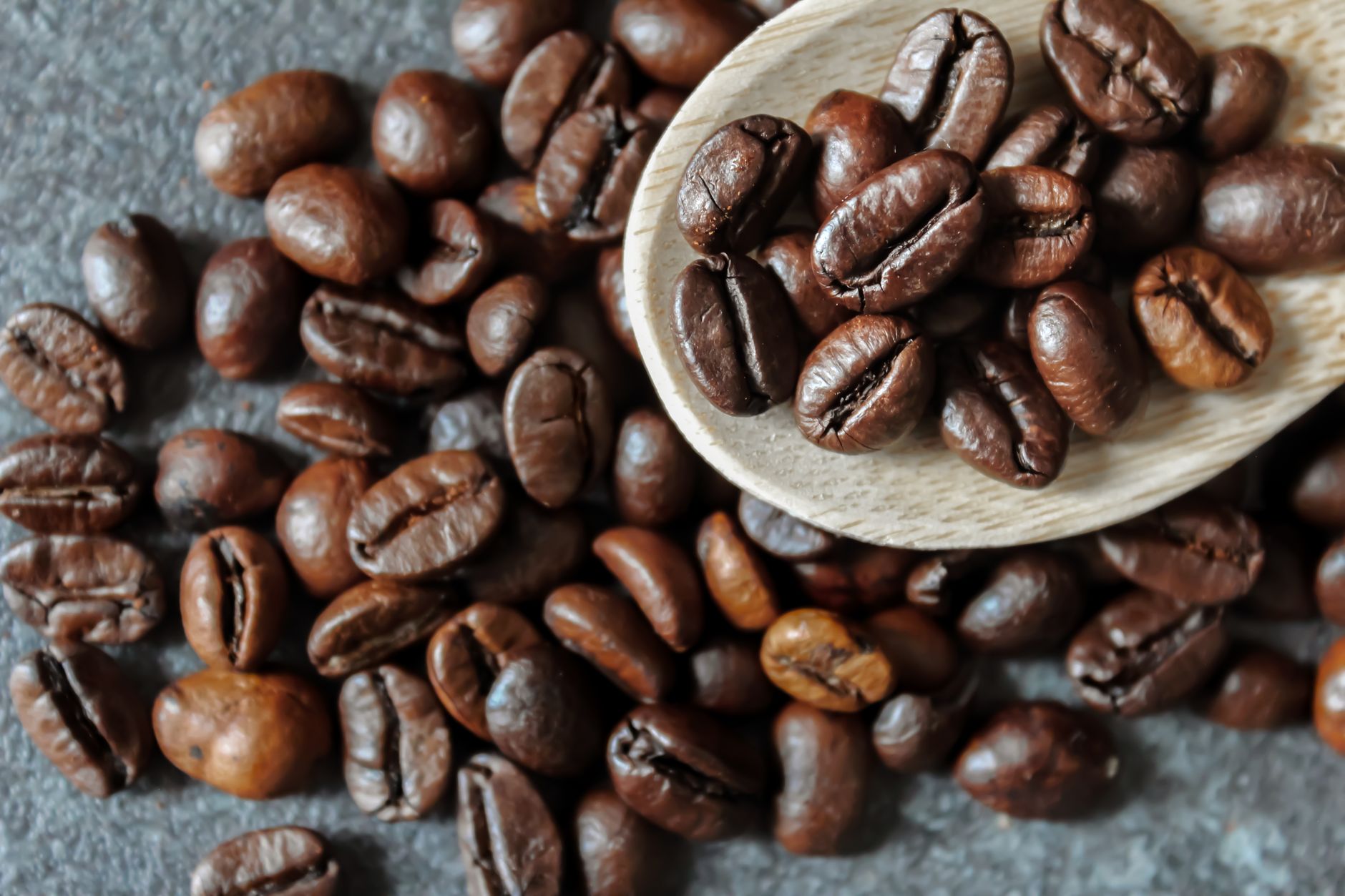
No local shop can match the geographic range of a curated subscription. Services like Trade Coffee and Atlas Coffee Club pull from dozens of roasters across the country, giving you access to micro-lots, seasonal harvests, and processing experiments that never reach retail shelves.
 Photo: Nothing Ahead via Pexels
Local roasters typically carry 4–12 SKUs. A subscription platform may have 400+. If you’re the type who gets bored drinking the same bag twice, a subscription is the obvious answer.
Where local wins on variety: the conversation. A knowledgeable barista can narrow down exactly what you want based on your brewing setup, flavor preferences, and grind capability in two minutes. No algorithm does that as well yet.
Coffee Module C — Beans & Origins
Single-Origin Spotlight: What Subscriptions Actually Send You
| Country | Altitude (MASL) | Processing | Roast | Tasting Notes |
|---|---|---|---|---|
| Ethiopia (Yirgacheffe) | 1,800–2,200 | Washed | Light | Jasmine, lemon curd, bergamot |
| Colombia (Huila) | 1,600–2,000 | Washed | Light–Medium | Red apple, brown sugar, milk chocolate |
| Guatemala (Huehuetenango) | 1,500–1,900 | Washed | Medium | Peach, almond, caramel |
| Kenya (Kirinyaga) | 1,700–2,000 | Washed | Light | Blackcurrant, tomato, grapefruit |
| Brazil (Cerrado) | 900–1,100 | Natural | Medium–Dark | Peanut butter, dark chocolate, low acidity |
Ideal brew methods by origin:
- Ethiopia/Kenya: pour-over (V60, Chemex), coarser grind, 92–94°C
- Colombia/Guatemala: versatile — pour-over, AeroPress, espresso
- Brazil: espresso, moka pot; espresso dose offset +0.5g, temp 90–92°C to avoid bitterness
Freshness protocol:
- Degassing: 5–7 days for filter, 10–14 days for espresso
- Storage: airtight valve bag or ceramic canister, away from light and heat
- Shelf life after opening: 2–3 weeks at peak; 4–5 weeks acceptable
Price Per Cup: The Real Math
Local specialty coffee typically runs $18–$22 per 250g bag. Subscriptions average $15–$20 per 250g with volume discounts, and many include free shipping. Factoring in shipping, subscriptions are roughly price-neutral to local — sometimes cheaper, rarely more expensive.
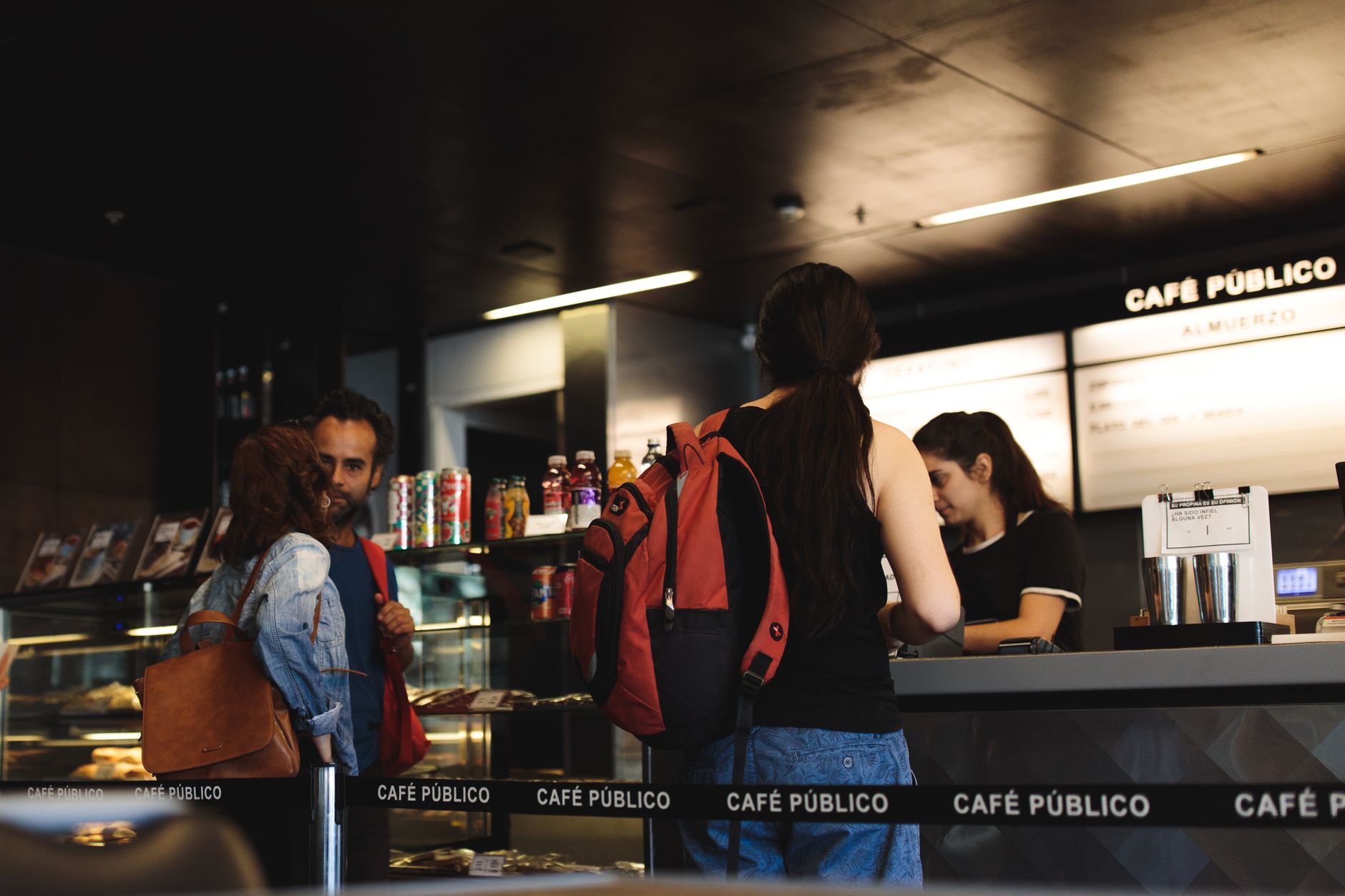 Photo: Claudio Olivares Medina via Pexels
The real cost comparison:
| Channel | Bag Price (250g) | Shipping | Effective Cost/Cup (15g dose) |
|---|---|---|---|
| Local specialty café | $18–$22 | $0 | $1.08–$1.32 |
| Local grocery (mid-tier) | $12–$16 | $0 | $0.72–$0.96 |
| Direct subscription | $15–$20 | Free–$5 | $0.90–$1.50 |
| Subscription with plan discount | $13–$17 | Free | $0.78–$1.02 |
Subscriptions win on value only if you actually drink through the bag before it goes stale. A 250g bag every two weeks matches most home espresso users. If you’re a once-a-week brewer, a monthly 250g bag may be stale before you finish it — local and buying smaller quantities wins there.
Convenience and Flexibility
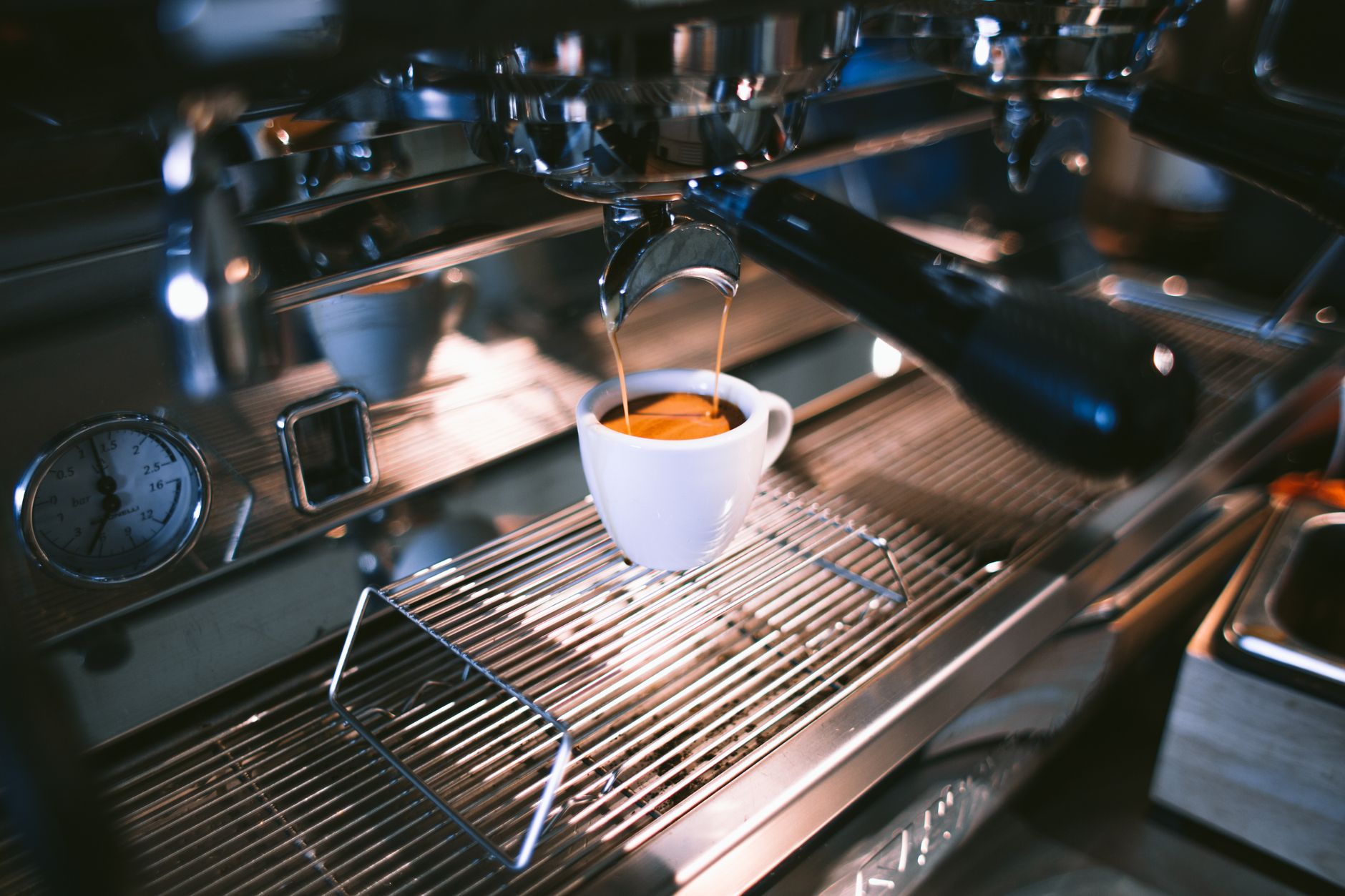
Local wins on immediacy; subscriptions win on automation. If you ran out of coffee this morning, local is the only answer. If you want to never run out again without thinking about it, a subscription solves the problem permanently.
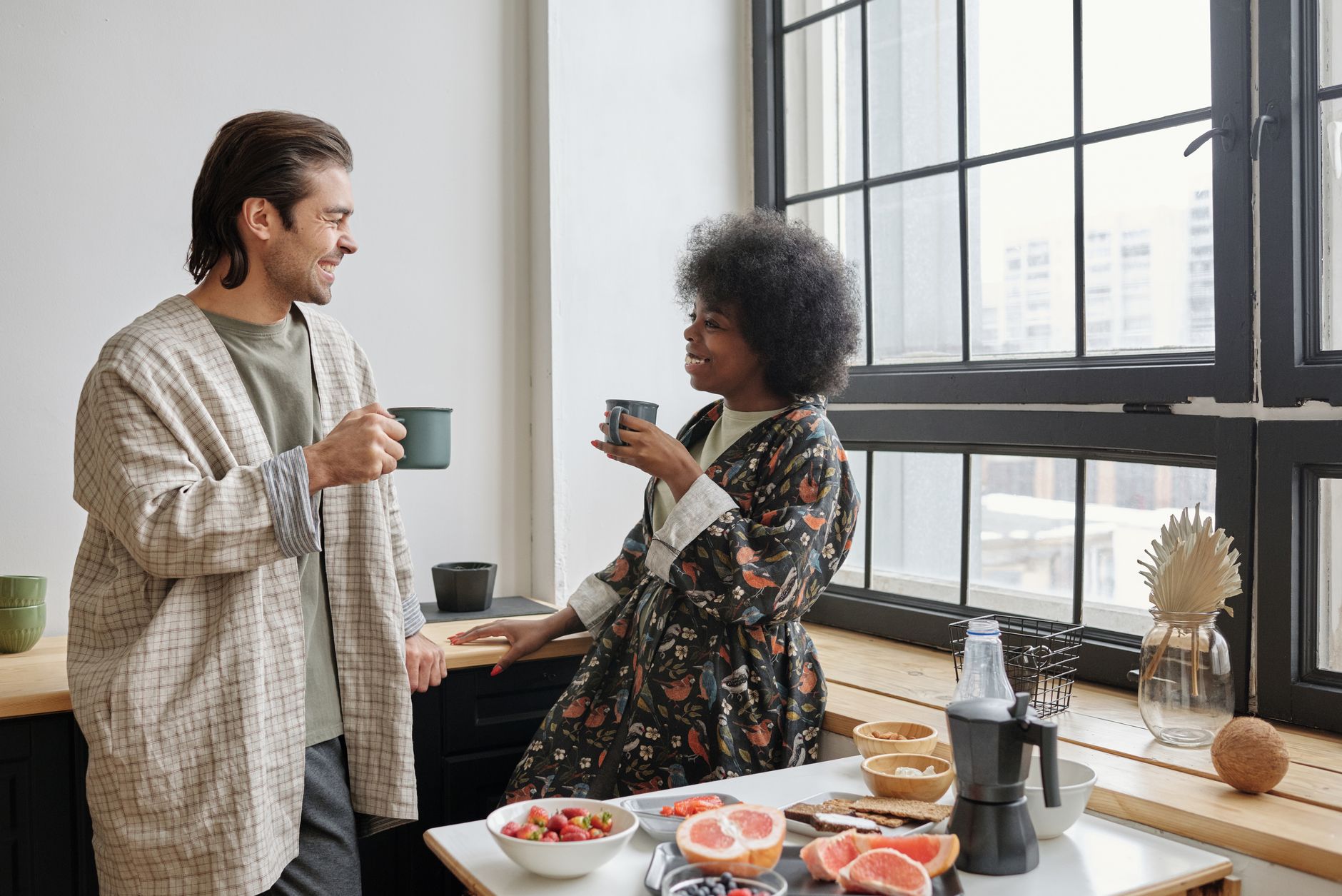 Photo: Jack Sparrow via Pexels
Most subscriptions now offer:
- Grind-to-order (whole bean or ground to your spec)
- Adjustable frequency (every 1–4 weeks)
- Easy pause/skip for travel
- Preference quizzes that improve recommendations over time
Where subscriptions frustrate: inflexibility on bag size, occasional duplicate roasters in curated plans, and the 3–5 day shipping window that requires planning ahead.
→ See also
- Coffee Bean Guide: Origins, Roasts, and How to Choose
- Best Coffee Subscription Boxes (2026 Ranked)
- Trade Coffee Review (2026): Is It Worth It?
FAQ
Is subscription coffee always fresher than local coffee? Not always — it depends on your local roaster’s inventory turnover. A subscription from a direct-to-consumer roaster that ships within 48 hours of roasting will be fresher than a bag sitting on a café shelf for three weeks. But an in-house roaster with fast turnover can match that freshness without a subscription.
Can I get good espresso beans from a coffee subscription? Yes, but specify it. Most subscription platforms let you filter for espresso-optimized roasts or medium-dark profiles. For espresso, you want beans that have had 10–14 days of degassing post-roast — ask the platform whether they account for rest time before shipping.
What’s the minimum commitment for most coffee subscriptions? Most reputable subscriptions (Trade, Atlas, Onyx, Counter Culture) have no minimum commitment — you can cancel after the first bag. Watch for annual prepay discounts that lock you in; these usually save 10–15% but require 12 months upfront.
Should I grind before or after receiving a subscription bag? Buy whole bean and grind at home if you have a grinder. Pre-ground coffee loses 60–70% of volatile aromatics within 15 minutes of grinding. Even an entry-level burr grinder
What if I don’t like the coffee in my subscription box? Most platforms have a satisfaction guarantee or offer credit toward a replacement bag. Trade Coffee and Atlas both have explicit “not for you” policies where they’ll send a different bag. Local wins here purely on immediacy — you taste before you buy, or return the same day.
Is buying local better for small coffee roasters? Purchasing directly from a local roaster gives them the highest margin — no platform fee (typically 15–25%), no shipping cost. If supporting your local coffee economy matters to you, buying in-person or directly from a roaster’s own website beats any aggregator platform.
Editorial methodology: Assessments are based on manufacturer specifications, published user reviews, and editorial research. Physical hands-on testing is noted explicitly where it occurred. Rankings reflect our editorial judgment and are not influenced by affiliate commission rates. Full editorial policy · Affiliate disclosure