Contents
Sweet Maria’s Green Coffee: Honest 2026 Review
TL;DR: Sweet Maria’s is the top-rated source for green (unroasted) coffee beans for home roasters — wide origin selection, transparent cupping notes, and consistent quality. If you home roast, it’s the first place to shop. The main tradeoffs are minimum order sizes and occasional stock-out on popular lots.
What Is Sweet Maria’s and Who Is It For?
Sweet Maria’s sells green, unroasted coffee beans directly to home roasters. Founded in 1997, it’s the longest-running specialty green coffee retailer in the US, and the benchmark against which every competitor gets measured. If you’re buying green beans for a home roaster, this is the reference point.
 Photo: the northern lense via Pexels
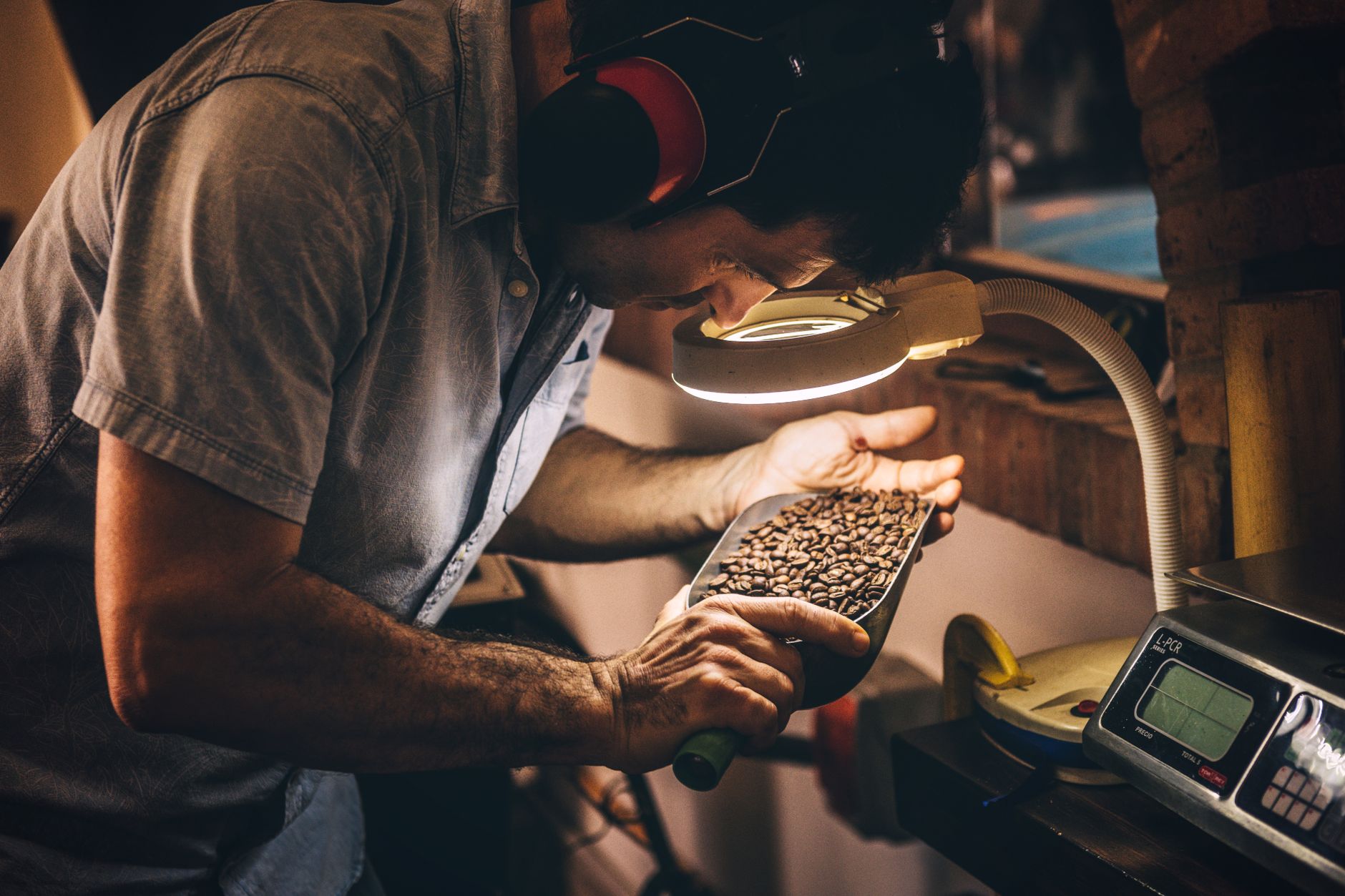
Sweet Maria’s targets the serious home roaster — someone who owns a drum roaster, fluid bed machine, or even a modified popcorn popper and wants direct access to single-origin, traceable green coffee. The site doubles as a free educational library: hundreds of articles, roast logs, and origin profiles written by founders Tom Owen and Maria Maloney since the late 1990s.
This isn’t a marketplace for blended commodity coffee. Every lot is cupped and scored in-house before listing, with detailed tasting notes, processing info, and recommended roast levels published for each offering.
Green Coffee Selection and Origins
Sweet Maria’s carries 60–100 green coffee offerings at any given time, spanning Ethiopia, Colombia, Guatemala, Yemen, Kenya, and beyond. Lots rotate seasonally as harvests arrive — Ethiopian naturals land in spring, Central Americans in winter. Selection is deep enough that most home roasters never need a second supplier.
 Photo: Quang Nguyen Vinh via Pexels
Origin Coverage
| Country | Altitude (MASL) | Processing | Roast Range | Tasting Notes |
|---|---|---|---|---|
| Ethiopia (Yirgacheffe) | 1,800–2,200 | Washed, Natural | City to Full City | Jasmine, bergamot, blueberry |
| Colombia (Huila) | 1,600–2,000 | Washed | City+ to Full City+ | Caramel, red apple, mild acidity |
| Guatemala (Huehuetenango) | 1,500–2,000 | Washed | Full City to Vienna | Brown sugar, cocoa, stone fruit |
| Yemen (Mokha) | 1,500–2,500 | Natural (dry) | City to Full City | Wine, dried fig, wild ferment |
| Kenya (AB/AA) | 1,700–2,100 | Washed (72-hr) | City+ to Full City | Blackcurrant, tomato, bright acid |
| Brazil (Cerrado) | 900–1,200 | Natural, Pulped Natural | Full City+ to French | Chocolate, low acid, nutty |
Brewing and Roasting Compatibility
- Espresso dose/temp: Ethiopian naturals pull well at 93°C, 18–19g in; Kenya AB benefits from 94°C and slightly lower extraction (20–22s) to tame the acid
- Grind adjustment: High-altitude washed coffees (Kenya, Yirgacheffe) are denser — expect to dial finer than a Brazil at equivalent roast level
- Ideal brew methods: Yemen naturals shine in French press and moka pot; Guatemala and Colombia translate cleanly to drip, pour-over, and espresso
Freshness and Storage
- Degassing: Green beans don’t degas — roast-date degassing begins post-roast (24–72 hrs before brewing)
- Green shelf life: 6–12 months in a sealed container at cool, dry, dark conditions; up to 24 months vacuum-sealed
- Post-roast: Use within 2–3 weeks for peak flavor; freeze in airtight portions for longer storage
Pricing and Value
Green beans at Sweet Maria’s run $6–$14/lb, averaging around $8–$9 for workhorse lots. That’s 30–50% cheaper than buying comparable roasted specialty coffee, which is the entire economic argument for home roasting. A 5 lb green order typically yields about 4 lbs roasted.
 Photo: Sedanur Kunuk via Pexels
Sweet Maria’s sells in 1 lb increments with a typical minimum purchase of 5 lbs. Shipping is flat-rate via USPS — free on orders over $50, which a 5–6 lb order easily clears.
Compared to competitors like Burman Coffee Traders, Genuine Origin, or Coffee Bean Corral, Sweet Maria’s sits in the middle on price but higher on curation. You’re paying a small premium for in-house cupping scores and the depth of origin documentation — which matters when you’re learning to identify how origin and processing affect flavor in the cup.
Website, UX, and Educational Resources
The Sweet Maria’s website is famously dense — in the best way. Each coffee listing includes cupping notes, roast recommendations, origin maps, and comparative context. The learning library has guides on every aspect of home roasting, from first crack timing to drum loading ratios. No other green coffee retailer publishes this depth of free information.
The storefront itself shows its age: the interface is functional but not sleek. Stock levels are visible, lot identifiers are clear, and the cupping score breakdowns are genuinely useful. Inventory turns over fast — popular Ethiopian lots sell out in days during peak season.
One real friction point: no subscription or recurring order option. You place manual orders each time, which means tracking restocks yourself if you want a specific lot.
What Sweet Maria’s Doesn’t Do Well
- No subscriptions: Manual ordering only, which is inconvenient if you roast weekly
- Stock availability: Popular lots go fast; the site doesn’t offer waitlists or back-order
- International shipping: Limited outside the US — Canadian and European home roasters have better local options
- Sample sizes: Minimum 1 lb per SKU; no true sample packs for first-time buyers to try 3–4 origins before committing
Sweet Maria’s vs. Competitors
| Supplier | Selection | Price/lb | Cupping Notes | Min Order | Ships Internationally |
|---|---|---|---|---|---|
| Sweet Maria’s | 60–100 lots | $6–$14 | Detailed, in-house | 1 lb (5 lb min) | US only |
| Burman Coffee Traders | 80–120 lots | $5–$12 | Basic | 1 lb | Limited |
| Genuine Origin | 30–50 lots | $8–$15 | Detailed | 10 lb bags | US/EU |
| Coffee Bean Corral | 100+ lots | $5–$11 | Minimal | 1 lb | US only |
| Bodhi Leaf | 40–60 lots | $7–$13 | Good | 1 lb | US only |
For most home roasters, Sweet Maria’s wins on curation quality and educational depth. Burman is worth checking for lower-priced volume lots. Genuine Origin suits buyers who want pre-analyzed blending lots and don’t mind larger minimums.
 Photo: MART PRODUCTION via Pexels
→ See also
- Home Coffee Roasting: The Complete Beginner’s Guide
- Best Home Coffee Roasters (2026 Reviewed)
- Fresh Roast SR800 Review: Best Entry-Level Roaster?
FAQ
Is Sweet Maria’s green coffee worth it for beginners? Yes — the detailed roast recommendations and tasting notes make it easier to learn. Beginners benefit from the educational library as much as the coffee itself. Start with a washed Colombian or Guatemalan lot, which are forgiving and consistent.
How much green coffee should I order at first? Start with 5–10 lbs across 2–3 origins. Green beans store well for months, so there’s no rush to use them quickly. Ordering a mix lets you compare how origin and processing affect flavor without committing to large quantities of any single lot.
Does Sweet Maria’s sell roasted coffee? No. Sweet Maria’s sells green (unroasted) beans exclusively. If you want roasted coffee from comparable specialty origins, look at direct-trade roasters — but the entire value proposition of Sweet Maria’s is that you roast it yourself at a fraction of the cost.
How does Sweet Maria’s sourcing compare to specialty roasters? Sweet Maria’s sources traceable, single-origin lots at similar quality levels to what specialty roasters buy — and publishes more origin transparency than most roasters do. The difference is you’re doing the roasting yourself, which means the final cup quality depends on your equipment and technique.
Can I use Sweet Maria’s green coffee for espresso? Yes. Many lots are explicitly recommended for espresso in the tasting notes. Ethiopian naturals, Kenya AA, and Colombia Huila all perform well as espresso at Full City to Full City+ roast levels. The key is roasting to the right development and resting 24–48 hours before pulling shots.
Editorial methodology: Assessments are based on manufacturer specifications, published user reviews, and editorial research. Physical hands-on testing is noted explicitly where it occurred. Rankings reflect our editorial judgment and are not influenced by affiliate commission rates. Full editorial policy · Affiliate disclosure