Contents
Drum Roaster vs Fluid Bed Roaster: Which Is Better for Home?
TL;DR: For most home roasters, a fluid bed roaster is easier to start with — fast roasts, visual feedback, and lower cost. A drum roaster produces fuller body and more consistent batch-to-batch results, making it the better long-term choice once you understand the basics of drum roaster vs fluid bed roaster differences.
What’s the Core Difference?
A drum roaster tumbles beans inside a rotating metal cylinder heated by convection and conduction. A fluid bed roaster suspends beans in a column of hot forced air. Both roast coffee — they just apply heat differently, which changes flavor development, control, and cost significantly.
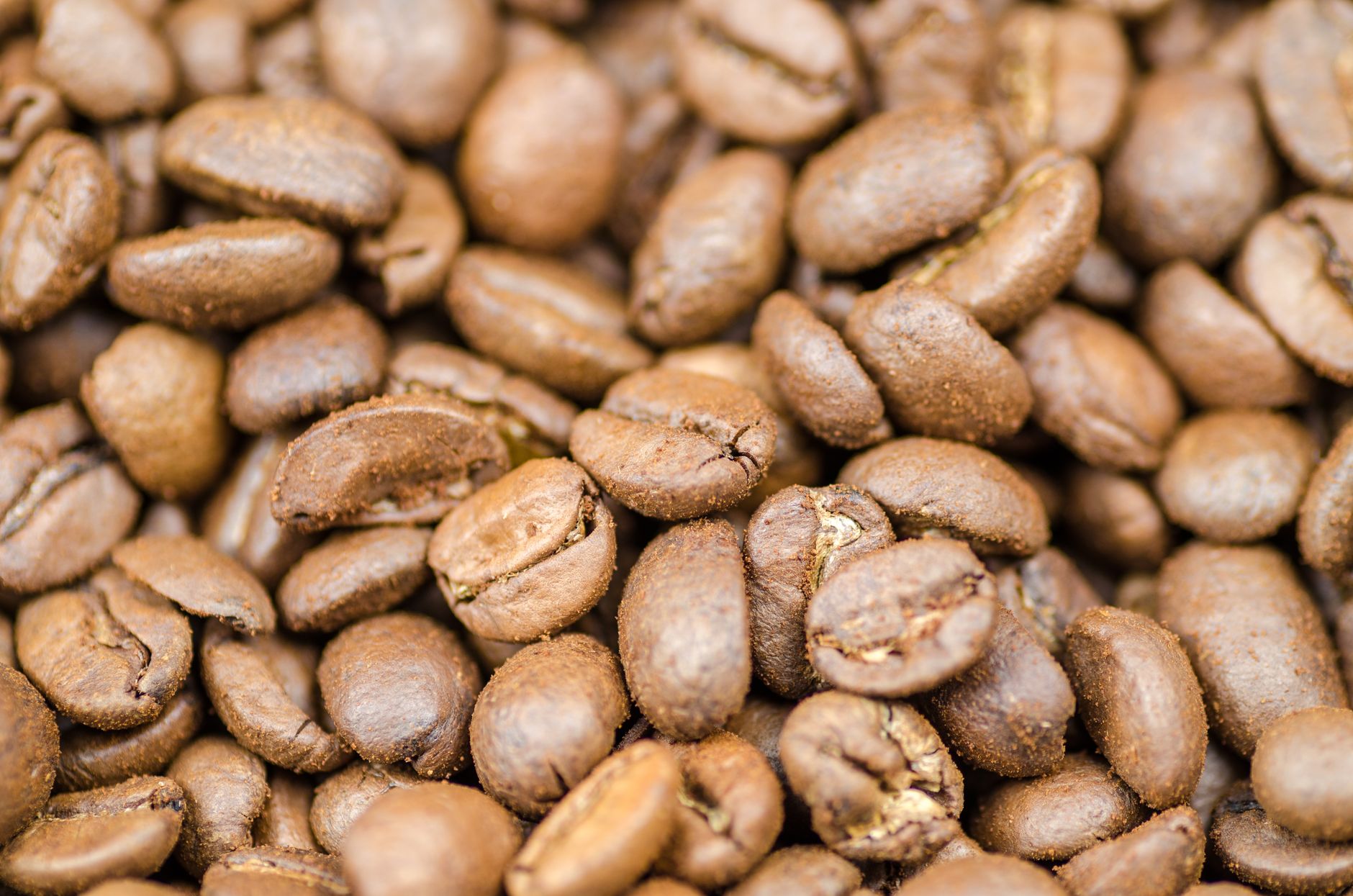
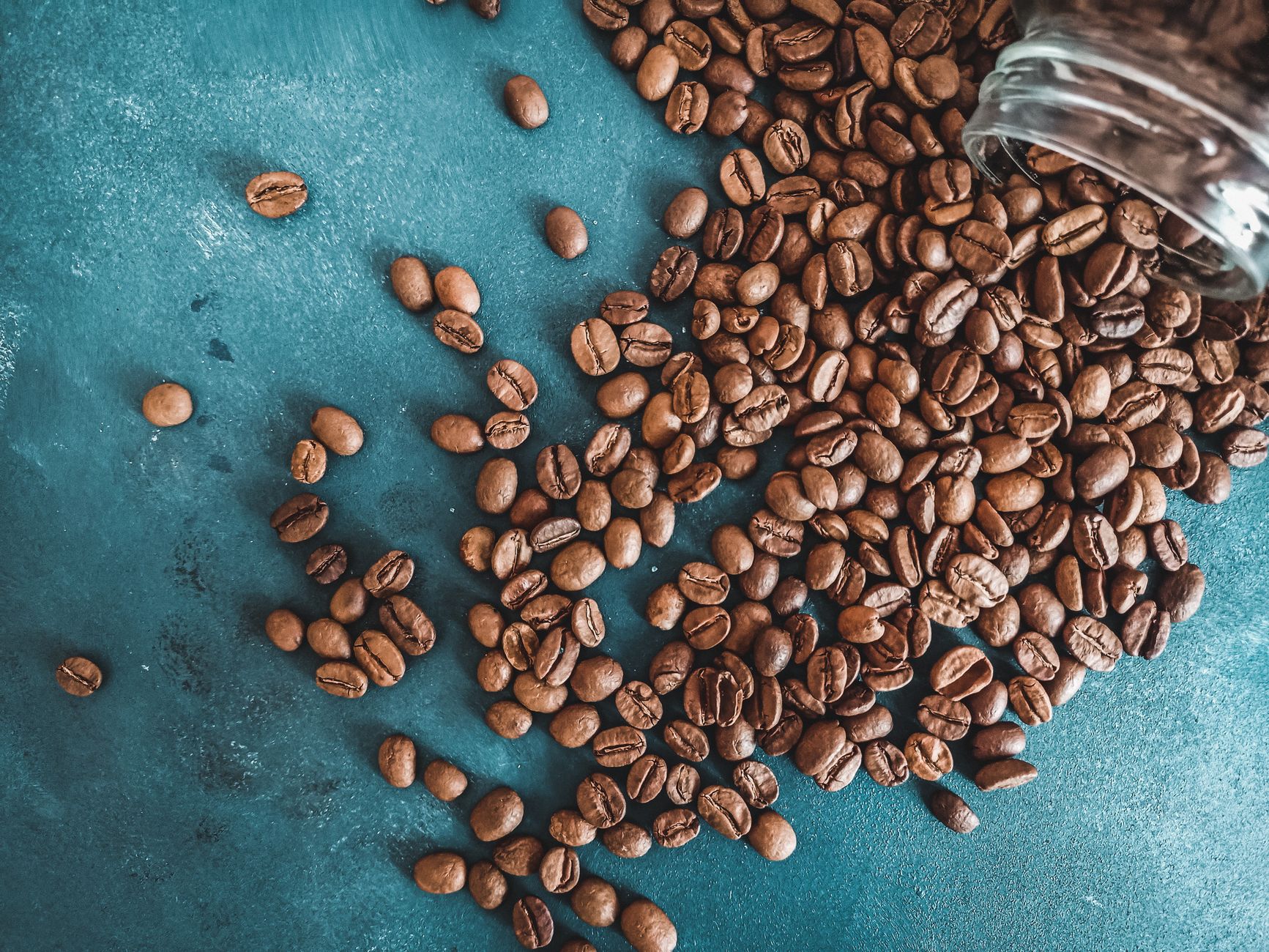 Photo: hello aesthe via Pexels
Drum roasters use a combination of conduction (bean contact with the drum wall) and convection (hot air circulating inside). That conduction component is where drum roasters earn their reputation for body and complexity — the Maillard reaction runs deeper when beans sit against hot metal.
Fluid bed roasters (also called air roasters) use only convection. Beans float and tumble in a stream of heated air, which means no scorching, fast heat transfer, and a roast profile that leans bright and clean.
Roast Quality: Drum vs Air
Drum roasters produce rounder, fuller-bodied coffee with more developed sweetness. Fluid bed roasters tend toward higher acidity, clarity, and origin brightness. Neither is universally better — it depends on the beans and what you want in the cup.
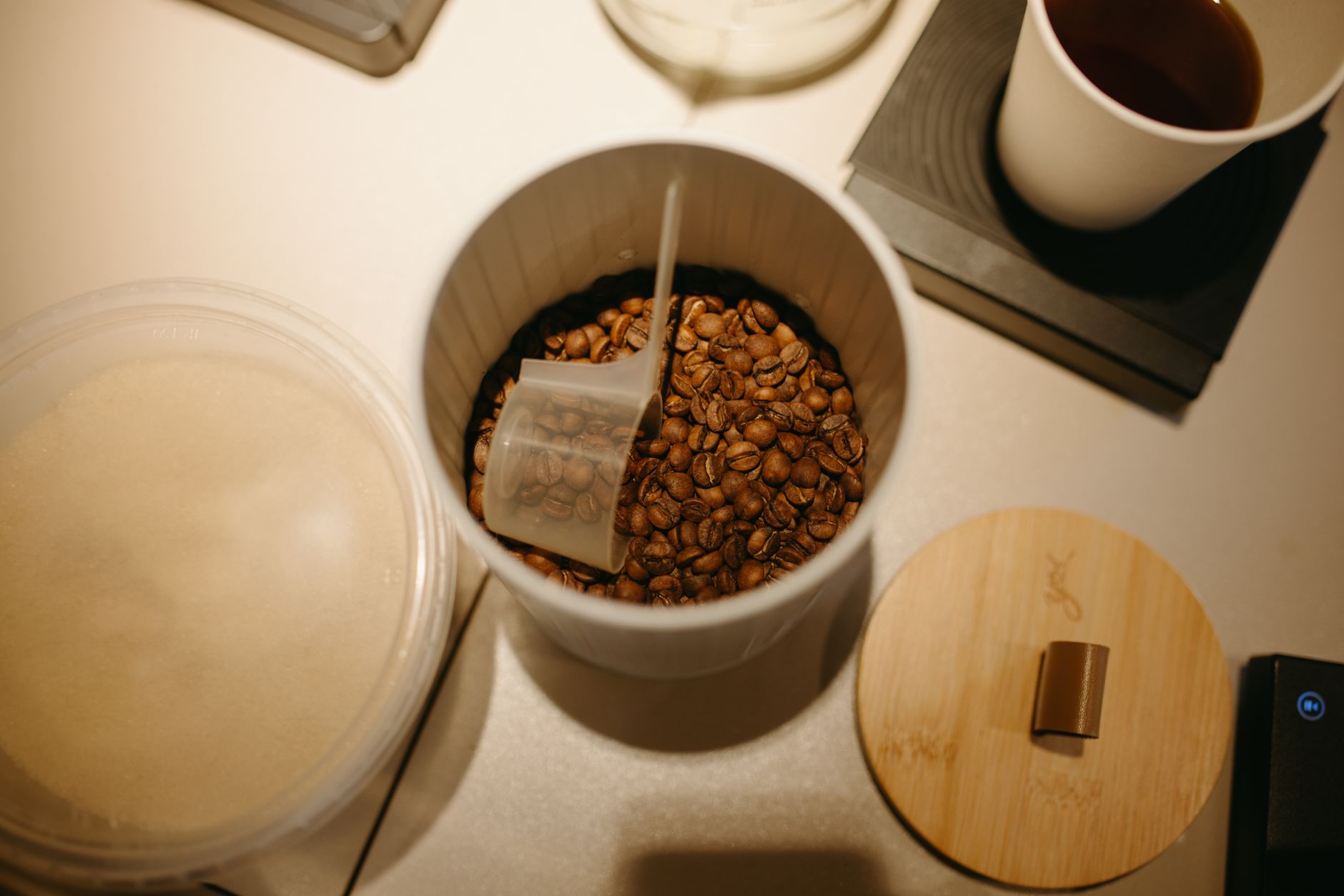 Photo: Jonathan Borba via Pexels
Flavor Development
Drum roasters excel with medium to dark roasts. The slower heat transfer gives sugars time to caramelize, and the drum’s thermal mass smooths out spikes that would otherwise cause uneven development. Central American and Brazilian naturals shine here.
Fluid bed roasters are better matched to light-roasted single origins — Ethiopian naturals, Kenyan SLs, anything where you want fruit and acidity to lead. The fast, clean heat preserves volatiles that drum roasting can bake off.
Consistency
Drum roasters win on repeatability once dialed in. Thermal mass means the drum absorbs heat variability, so ambient temperature changes don’t whipsaw your roast curve. For a home roaster who wants to nail the same profile every Sunday morning, that stability matters.
Air roasters are more sensitive to ambient conditions. A cold garage in January roasts differently than a warm kitchen in July — the airflow and heating element respond to everything.
Control and Learning Curve
Drum roasters give you more variables to manage — drum speed, heat, airflow — which is both their strength and their barrier to entry. Air roasters have fewer knobs, which makes learning faster but limits your ceiling.
 Photo: mali maeder via Pexels
Most entry-level drum roasters, like the Kaldi Home or the Aillio Bullet R1 V2 , log data and integrate with roast profiling software. If you want to build real craft skills — adjusting rate-of-rise, managing development time ratio — a drum roaster is the right classroom.
The Fresh Roast SR800 and Behmor 1600+ sit closer to the air roaster end of the dial. The SR800 is a pure fluid bed machine with manual fan and heat controls; the Behmor uses drum-style tumbling but simplifies the interface. Both are genuinely learnable in an afternoon.
First Crack Visibility
With a fluid bed roaster, you can see your beans through the glass chamber — color change is visible in real time, and first crack is audible above the fan noise. Drum roasters require opening the door or using a trier, which takes practice.
Batch Size and Practical Use
Fluid bed roasters cap out around 250g per batch for most home units. Drum roasters scale higher — 500g to 1kg batches are common — which matters if you drink a lot or roast for others.
| Feature | Drum Roaster | Fluid Bed Roaster |
|---|---|---|
| Typical batch size | 250g – 1kg | 120g – 250g |
| Roast time | 12–18 min | 8–12 min |
| Flavor profile | Full body, sweetness | Bright, clean, origin-forward |
| Heat source | Conduction + convection | Convection only |
| Consistency | High (stable thermal mass) | Moderate (ambient-sensitive) |
| Entry price | $300–$600 (Kaldi, Gene Café) | $100–$300 (SR800, Nuvo) |
| Pro-grade ceiling | Very high (Aillio, Huky) | Moderate |
| Smoke output | Higher | Lower |
| Learning curve | Steep | Gentle |
Smoke, Chaff, and Home Practicality
Fluid bed roasters handle chaff better — it’s blown into a collection chamber by the same airflow that roasts the bean. Drum roasters collect chaff in a tray that needs cleaning and produce more smoke overall, which matters a lot in a small kitchen.
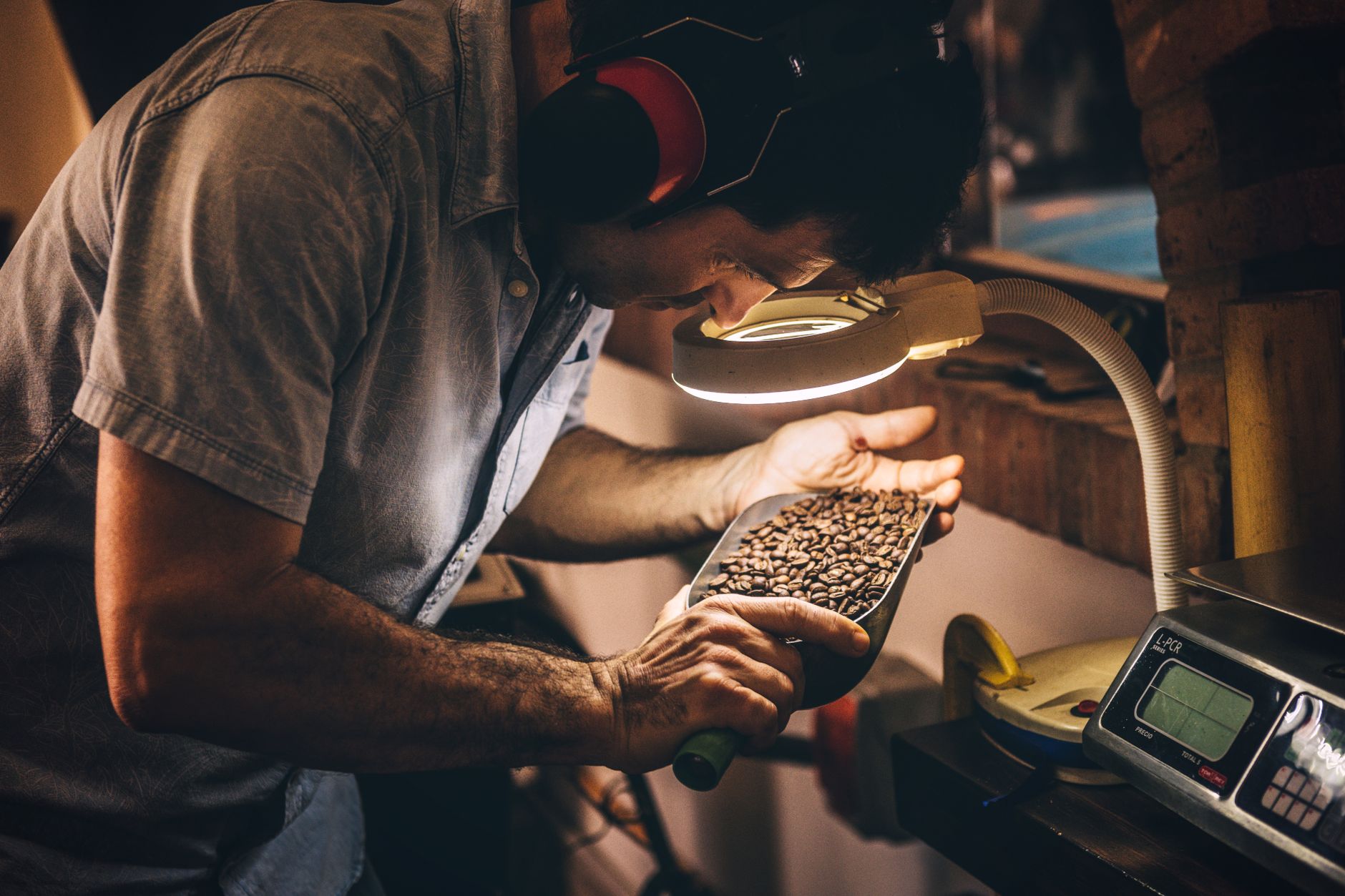
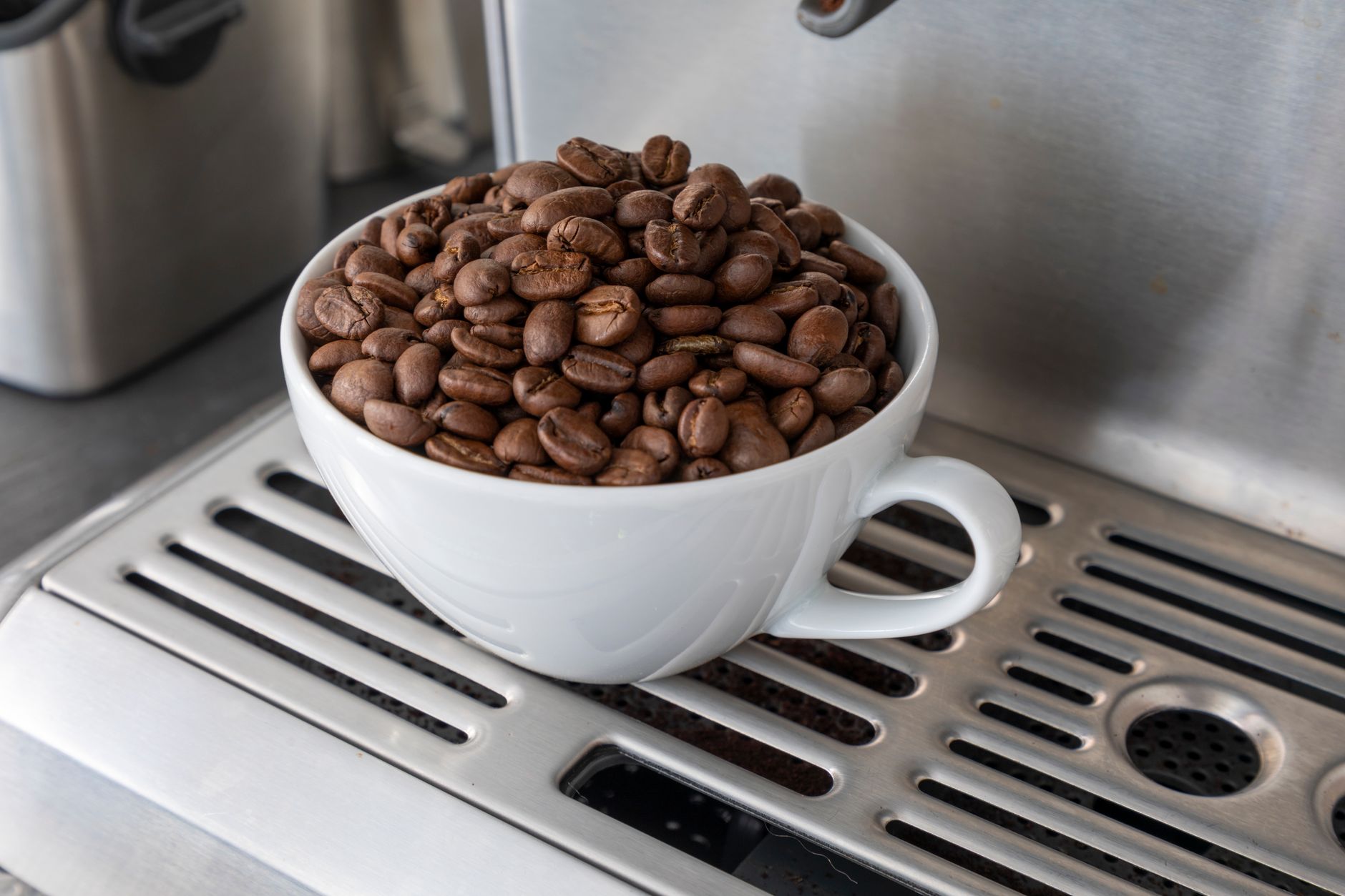 Photo: Elizabeth Iris via Pexels
If you’re roasting indoors without a dedicated exhaust, an air roaster is the more practical choice. The Gene Café CBR-101 and similar drum-adjacent machines add chaff collection, but they still generate smoke that benefits from a window or range hood.
For outdoor roasting or a garage setup, smoke becomes a non-issue and the drum roaster’s advantages are fully accessible.
Price and Value at Each Level
Under $300, fluid bed roasters are the better value. Over $500, drum roasters offer capabilities that justify the premium — data logging, larger batches, commercial-grade build quality.
The Fresh Roast SR800 at ~$170 is the benchmark entry point for air roasting. It’s genuinely capable of excellent light roasts with some practice.
For drum roasters under $400, the Kaldi Motorize is the most credible option — Korean-made, solid build, and a real drum mechanism. Above that, the Aillio Bullet R1 V2 at ~$2,000 is the machine that home roasters upgrade to when they’re serious. It has full data logging, real-time profiling via Roast.World software, and a 1kg capacity.
Which Should You Buy?
- Buy a fluid bed roaster if: you’re new to home roasting, you roast indoors without ventilation, you favor light-roasted single origins, or you want to spend under $250.
- Buy a drum roaster if: you roast 500g+ per session, you want to develop craft skills over years, you prefer medium-to-dark roasts, or you’re ready to invest $400+.
Coffee Module C — Beans & Origins
The drum vs fluid bed decision intersects with your bean selection. Neither roaster is equally good at everything.
| Country | Altitude (MASL) | Processing | Roast | Tasting Notes |
|---|---|---|---|---|
| Ethiopia (Yirgacheffe) | 1,800–2,200 | Washed | Light | Jasmine, lemon, bergamot |
| Colombia (Huila) | 1,500–2,000 | Washed | Light–Medium | Red fruit, caramel, walnut |
| Brazil (Cerrado) | 900–1,200 | Natural | Medium–Dark | Chocolate, peanut, low acid |
| Guatemala (Antigua) | 1,500–1,700 | Washed | Medium | Brown sugar, apple, mild citrus |
| Indonesia (Sumatra) | 1,200–1,500 | Wet-hulled | Dark | Cedar, dark chocolate, earth |
Pairing notes:
- Ethiopian and Kenyan high-altitude washed coffees roast best in a fluid bed — keep development time short, target light roast, and grind finer for pour-over or AeroPress.
- Brazilian naturals and Indonesian wet-hulled beans suit drum roasting — medium-to-dark development, expect degassing of 3–5 days before espresso use.
- Espresso dose/temp offset: drum-roasted medium-dark → 93°C, 18g in / 36g out. Fluid-bed light → 90–92°C, 16–17g in / 34g out (higher solubility from lighter roast).
Freshness:
- Light roasts: degas 5–10 days before brewing; peak window 10–21 days post-roast.
- Dark roasts: degas 3–5 days; use within 14 days for espresso.
- Storage: airtight valve bag or Airscape-style canister, away from light. Avoid freezing unless vacuum-sealed in single-session portions.
→ See also:
- Home Coffee Roasting: The Complete Beginner’s Guide
- Best Home Coffee Roasters (2026 Reviewed)
- Fresh Roast SR800 Review: Best Entry-Level Roaster?
FAQ
Is a drum roaster better than a fluid bed roaster for espresso? Generally yes — drum roasters develop the body and sweetness that pull better as espresso, especially at medium to medium-dark roasts. That said, fluid-bed light roasts can work well as espresso when dialed in with lower temperature and a finer grind.
Can I roast dark roast in a fluid bed roaster? You can, but it’s harder to control. Fluid bed roasters move fast, and dark roast development requires holding beans at high temperature longer — easy to tip into a baked or ashy result. Drum roasters handle dark roast more reliably due to slower heat transfer.
How long does a home drum roaster last? A well-built machine like the Aillio Bullet or Hottop will last 10+ years with basic maintenance — cleaning chaff, lubricating drum bearings annually. Budget drum roasters under $400 have shorter lifespans, typically 3–5 years with regular use.
Do fluid bed roasters produce less smoke? Yes, notably. The forced hot air burns off some chaff and the roast runs shorter, which reduces smoke. It’s not smoke-free — Maillard and caramelization reactions produce smoke regardless — but it’s manageable with a window cracked open.
What’s the minimum I should spend on a home roaster? $150–$200 gets you a capable fluid bed roaster (Fresh Roast SR800) that produces genuinely good coffee. Below that, you’re buying a popcorn maker retrofit or a toy with poor temperature control. For a drum roaster, $350 is the practical floor for something worth learning on.
Can I roast green coffee in any order, or does roast level depend on the machine? Any green bean can be roasted on either machine type — the constraint is your roast target. High-altitude washed coffees benefit from the precision of either machine at light roast. Dense naturals and low-grown beans are more forgiving and develop well across both types.
Editorial methodology: Assessments are based on manufacturer specifications, published user reviews, and editorial research. Physical hands-on testing is noted explicitly where it occurred. Rankings reflect our editorial judgment and are not influenced by affiliate commission rates. Full editorial policy · Affiliate disclosure