Contents
Home Roasting on a Stovetop or Oven: Is It Possible?
TL;DR: Yes — roasting coffee at home without roaster is possible using a stovetop pan or oven. Results are uneven compared to drum roasters, but with technique they’re drinkable and often delicious. Expect smoke, chaff, and a 10–20 minute active process. Total cost: the price of green beans.
Can You Really Roast Coffee Without a Roaster?
Yes, and people have been doing it for centuries. A cast iron skillet, a whisk, and good ventilation are all you need. The tradeoff is consistency — without a drum, airflow, and temperature control, roast evenness suffers. But for experimenting with origins or cutting your teeth before buying equipment, stovetop and oven roasting deliver real results.
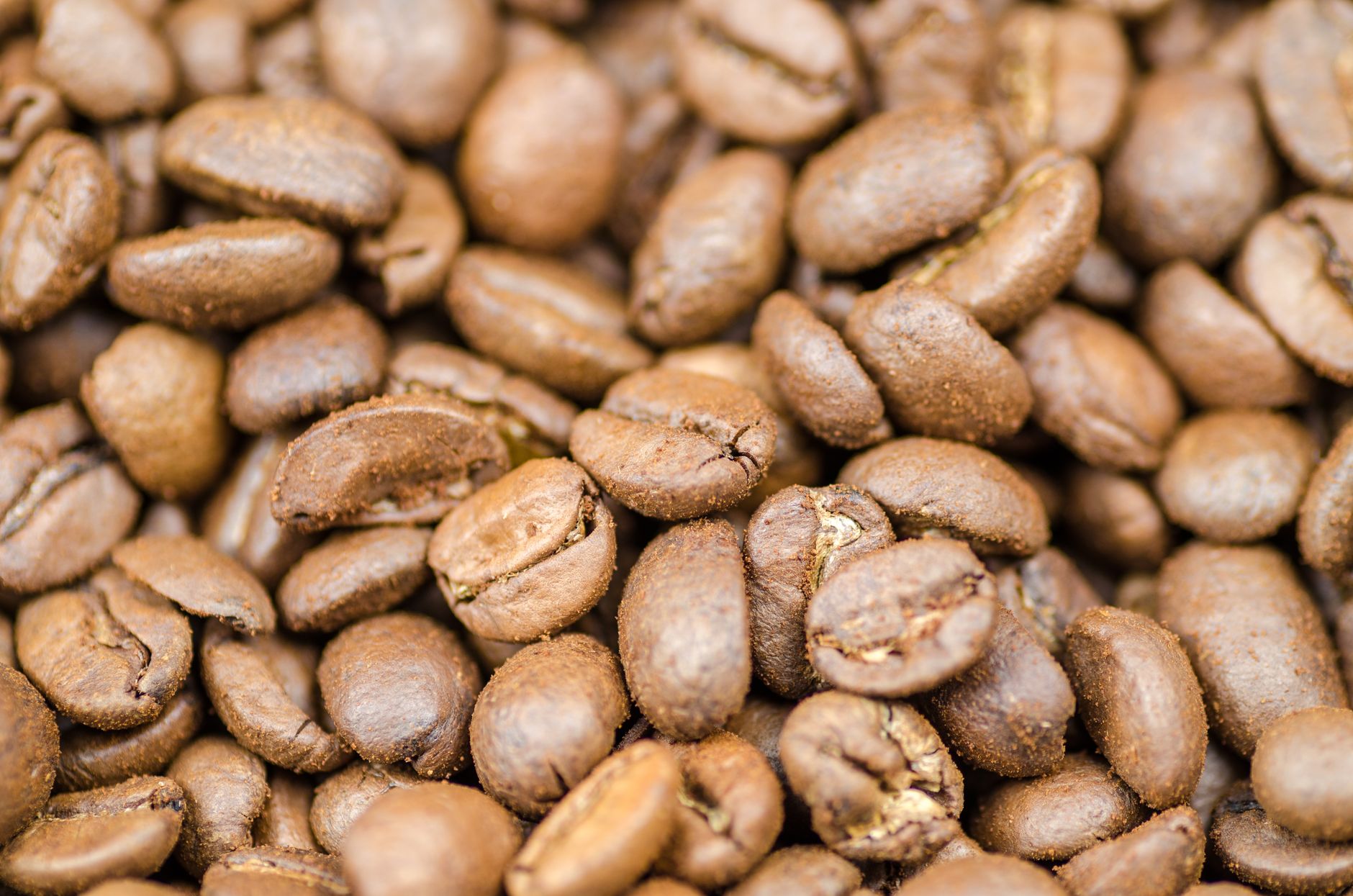
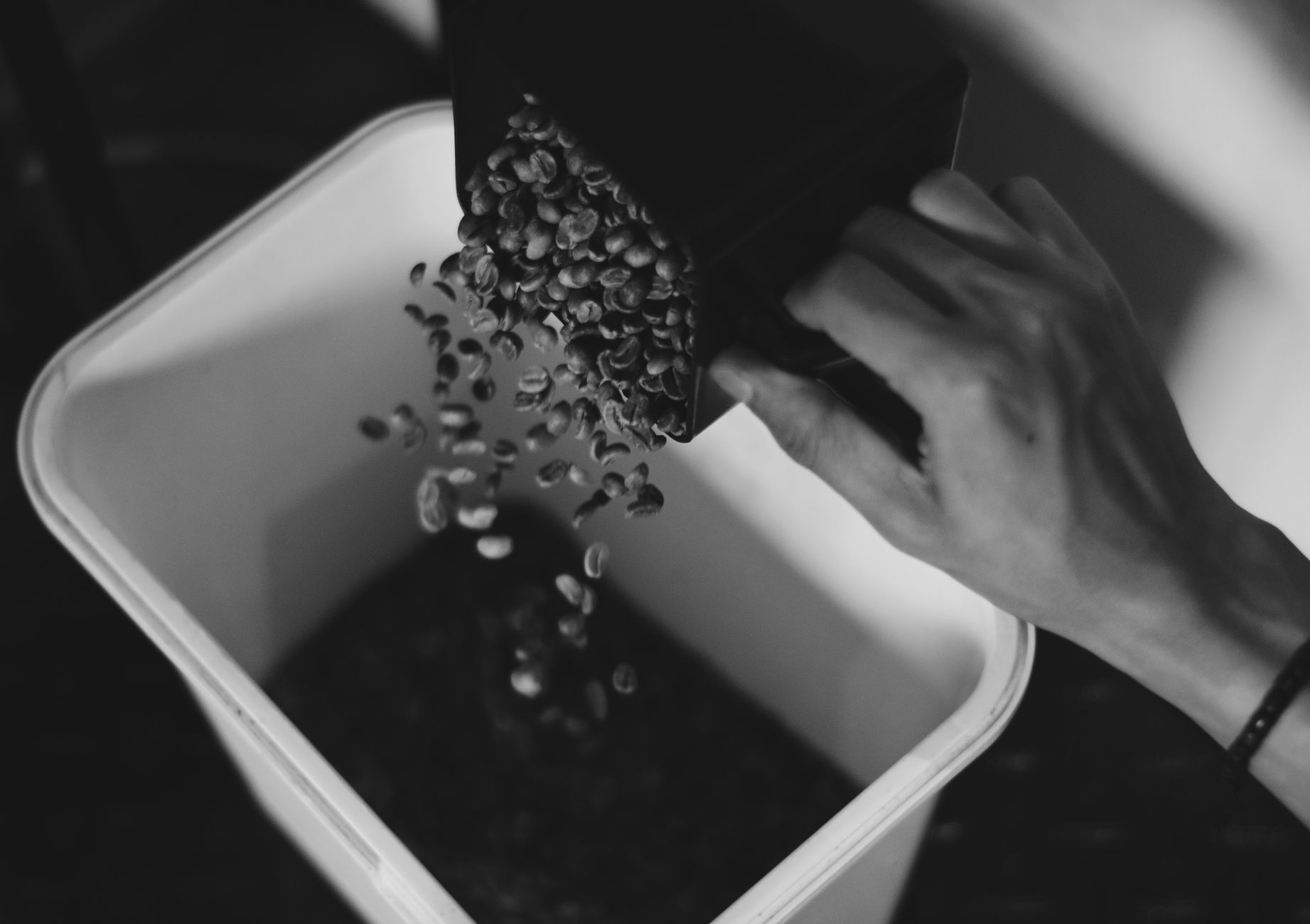 Photo: Fuad Muzakki via Pexels
Stovetop roasting dates to Ethiopian coffee ceremony traditions. The technique is direct, tactile, and teaches you to read the roast by color, smell, and sound rather than relying on a probe thermometer. Oven roasting is more hands-off but slower to react — useful for small batch experimentation.
Both methods produce chaff (silverskin), significant smoke, and coffee that needs 12–24 hours of degassing before it tastes its best. Open windows, use your range hood, and don’t wear your good shirt.
Stovetop Pan Roasting: Step-by-Step
A heavy pan (cast iron or carbon steel) over medium-high heat is the most controllable method. Constant stirring compensates for the lack of drum rotation. Target: first crack at 8–12 minutes, pull at your desired roast level. Yield loss is 15–20% by weight.
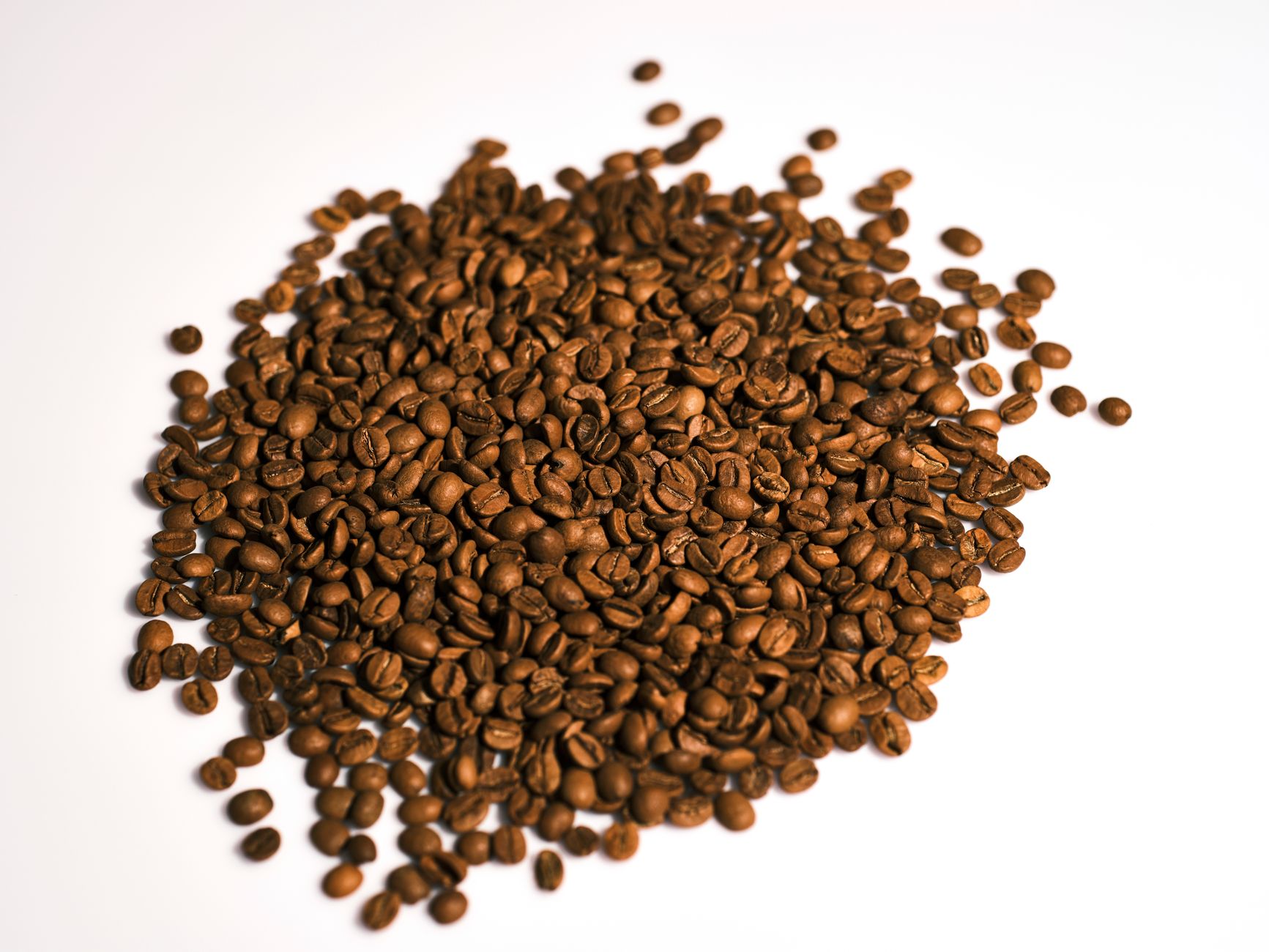 Photo: Engin Akyurt via Pexels
What You Need
- Cast iron skillet or carbon steel pan (minimum 10-inch)
- Wooden spoon or whisk for constant agitation
- Colander and baking sheet for cooling
- Timer
- Kitchen thermometer (optional but helpful)
The Process
- Preheat the dry pan over medium-high heat for 3–4 minutes. No oil.
- Add green beans — 100–150g is the sweet spot for a 10-inch pan. Crowding kills evenness.
- Stir constantly — every second, every direction. Think popcorn, not sauté.
- Listen for first crack around minutes 8–12: a loud popping sound, like small twigs snapping. This is City roast (light-medium).
- Continue to second crack (minutes 13–16) for darker profiles — a quieter, more papery crackling. Don’t go past it unless you want French roast.
- Pull immediately and pour into a colander. Toss between two colanders outdoors or in front of a fan to cool fast and blow off chaff.
Temperature Reference
| Roast Level | Internal Bean Temp | Visual Cue |
|---|---|---|
| Light (City) | 196–205°C | Tan-brown, dry surface |
| Medium (City+) | 210–220°C | Medium brown, slight sheen |
| Medium-Dark (Full City) | 225–230°C | Dark brown, oil starting |
| Dark (French/Italian) | 235–245°C | Very dark, oily surface |
Oven Roasting: The Slower Method
Spread green beans in a single layer on a perforated baking sheet or old colander set on a foil-lined tray. Roast at 230–250°C (450–480°F) with convection on if available. Stir every 5 minutes. Expect 15–20 minutes total — oven roasting runs slower than stovetop.
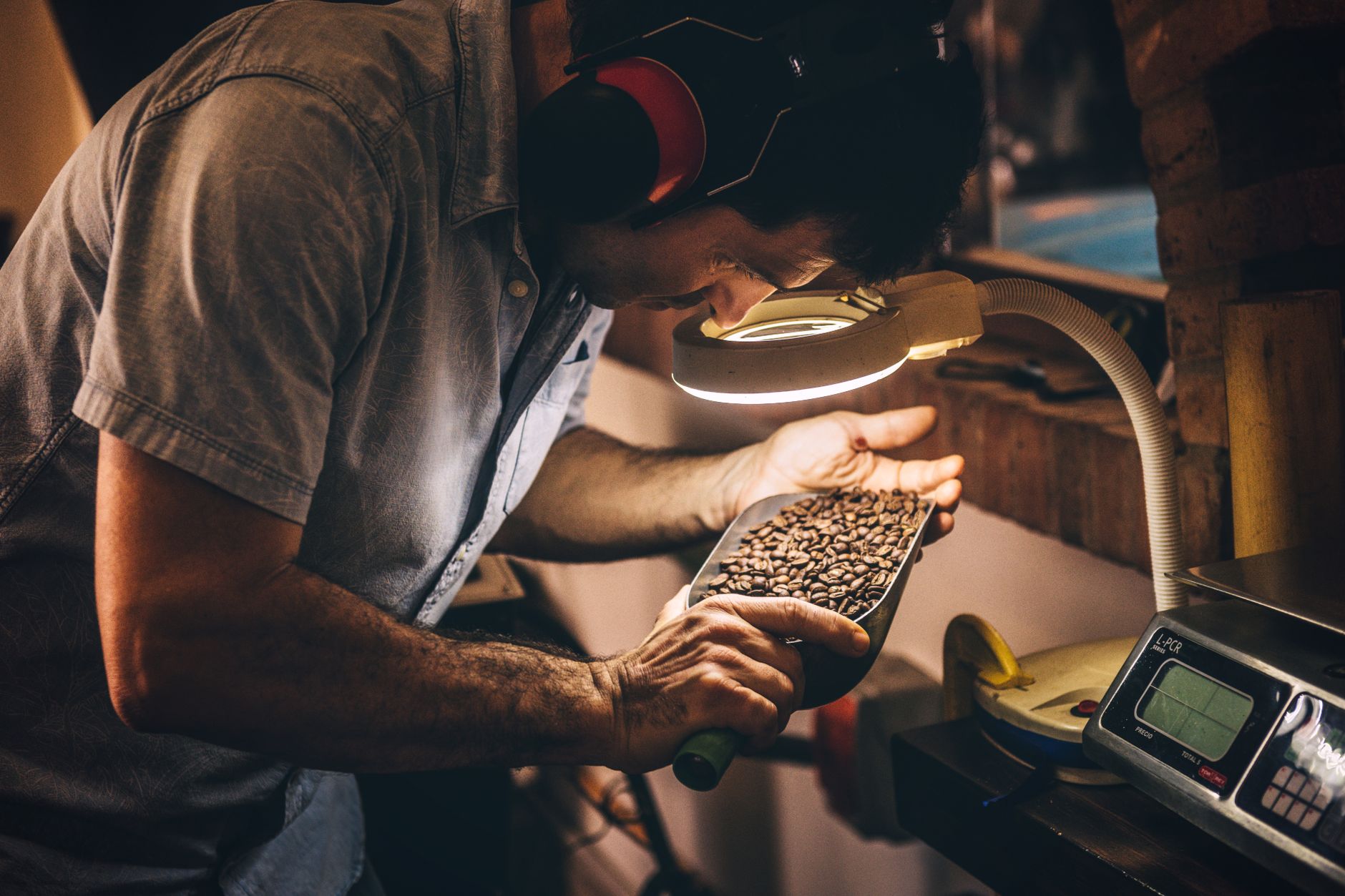
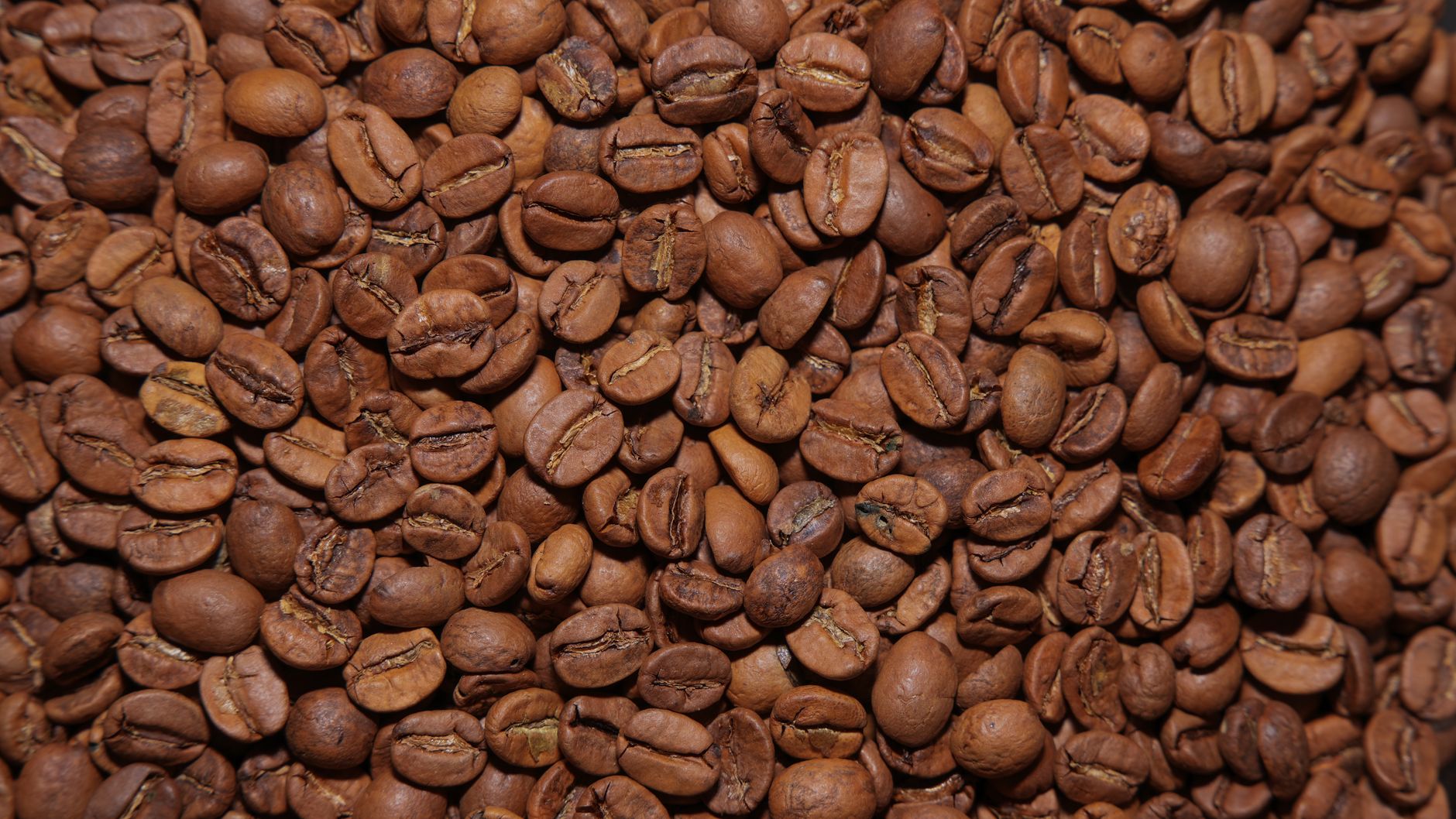 Photo: Art via Pexels
The oven method is less interactive and harder to react to quickly — once you hear first crack, the door-open-and-stir loop is too slow for precision. It suits people who want a set-and-monitor approach, and it handles larger batches (up to 250g) more gracefully than a small pan.
Oven roasting tips:
- Use convection — static air creates drastically uneven roasts
- A pizza stone in the oven stabilizes temperature
- Leave the oven door cracked 1–2cm to vent steam and chaff
- Cool immediately on a metal tray with a fan
Roasting Coffee at Home Without Roaster: Origins That Work Best
Light-to-medium roast profiles benefit most from these methods. High-density beans from Ethiopia, Colombia, and Guatemala have enough structure to survive uneven heat. Avoid delicate naturals for your first few batches — save those for a drum roaster.
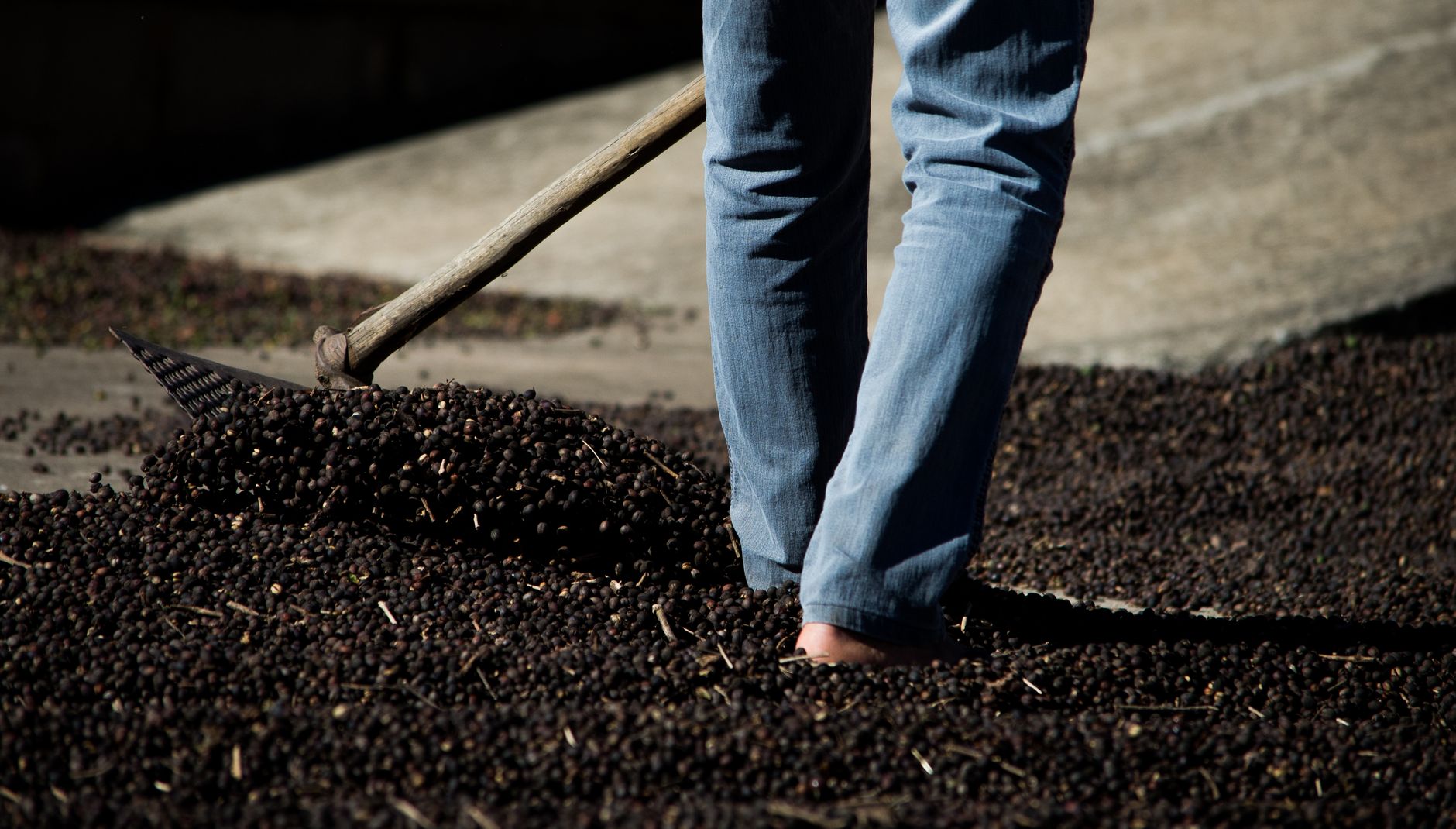 Photo: Marcelo Fenolio via Pexels
| Country | Altitude (MASL) | Processing | Roast | Tasting Notes |
|---|---|---|---|---|
| Ethiopia (Yirgacheffe) | 1,800–2,200 | Washed | Light | Bergamot, lemon, jasmine |
| Colombia (Huila) | 1,600–2,000 | Washed | Medium | Red apple, caramel, mild cocoa |
| Guatemala (Antigua) | 1,500–1,700 | Washed | Medium | Brown sugar, almond, mild spice |
| Brazil (Cerrado) | 900–1,200 | Natural | Medium-Dark | Peanut, chocolate, low acid |
| Honduras (Copán) | 1,200–1,600 | Washed | Medium | Citrus, toffee, balanced |
Brew and Grind Notes
- Pour-over / AeroPress: Best for light-medium pan-roasted beans. Let degas 18–24 hours minimum before brewing.
- Espresso: Possible but requires 3–5 days of rest and coarser grind than commercial roasts — pan roasts off-gas aggressively.
- French Press: Forgiving of uneven roasts — coarse grind masks inconsistency in color.
- Grind offset: Pan-roasted beans often roast lighter than they look. Grind slightly coarser than you’d expect for the color.
Freshness Timeline
| Stage | Notes |
|---|---|
| 0–12 hrs post-roast | Off-gassing peak, CO₂ dominates extraction |
| 12–48 hrs | Drinkable, flavors still developing |
| 3–7 days | Peak flavor window |
| 7–14 days | Acceptable, lighter notes fading |
| 14+ days | Staling — grind fine, use for espresso |
Store in an opaque airtight container at room temperature. Avoid the fridge — condensation accelerates staling. A mason jar with a loose lid for first 24 hours, then sealed, works fine.
Common Problems and Fixes
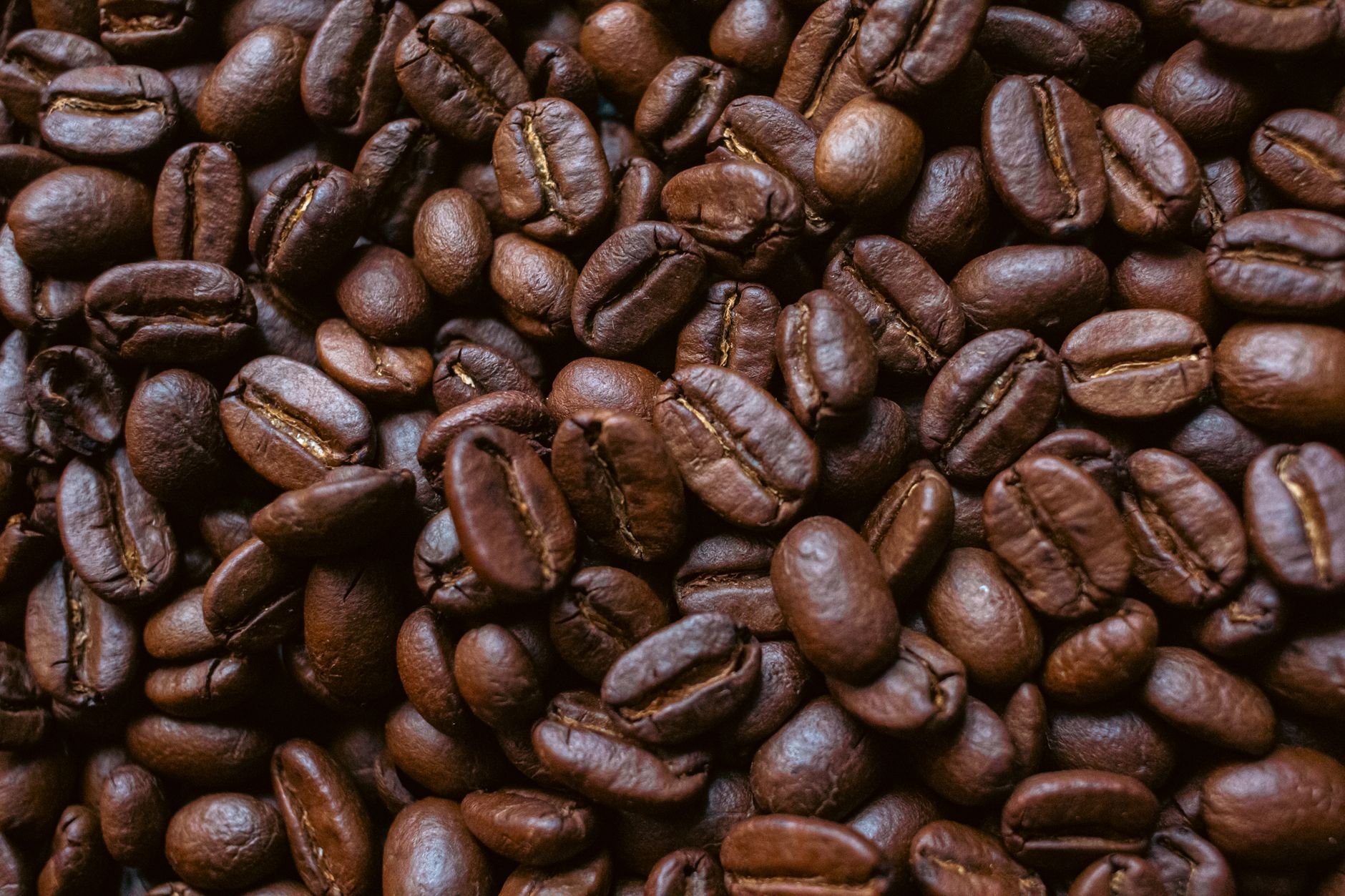 Photo: indra projects via Pexels
| Problem | Cause | Fix |
|---|---|---|
| Uneven color (light + dark beans mixed) | Not stirring fast enough | Stir every second without stopping |
| Grassy/vegetal taste | Underdeveloped — pulled too early | Push past first crack by 2+ minutes |
| Flat, thin flavor | Overdeveloped without developing time | Slower preheat, longer between yellow and first crack |
| Excessive smoke | Heat too high | Medium-high not high — reduce by 20% |
| Beans taste burnt but look medium | Pan hot spots | Preheat longer, use thicker pan |
→ See also:
- Home Coffee Roasting: The Complete Beginner’s Guide
- Best Home Coffee Roasters (2026 Reviewed)
- Fresh Roast SR800 Review: Best Entry-Level Roaster?
FAQ
Can I use a regular nonstick pan to roast coffee? Avoid it. The high heat required for roasting (230°C+) exceeds the safe operating range of PTFE-coated pans and can release harmful fumes. Cast iron and carbon steel are the only safe options for stovetop roasting.
How much smoke should I expect roasting coffee at home without a roaster? Significant. First crack generates a visible plume; pushing toward second crack fills a kitchen in minutes. Run your range hood on high, open windows, and consider doing it outdoors on a propane burner for anything above a medium roast.
Why does my stovetop-roasted coffee taste sour? Sourness typically means underdevelopment — not enough heat or time before first crack. Aim for a slow, gradual yellow phase (4–6 minutes) before the rapid browning stage. Rushing produces sour, grassy cups.
How long should I wait before brewing pan-roasted coffee? At minimum 12 hours, ideally 24–48 hours. Freshly roasted beans are saturated with CO₂ that causes bloom overflow and sour extraction. Resting lets gases escape and lets sugars stabilize.
Is oven or stovetop better for roasting coffee at home without a roaster? Stovetop gives you more control and faster heat response — you can react to first crack immediately. Oven suits larger batches and a more passive approach, but it’s harder to pull the roast quickly. For your first attempt, start with stovetop.
Can I roast coffee in an air fryer? Yes, and it works better than an oven for small batches (50–80g). Set to 200°C, shake the basket every 2–3 minutes, expect first crack around 10–12 minutes. Ventilate well — air fryers concentrate the smoke output.
Editorial methodology: Assessments are based on manufacturer specifications, published user reviews, and editorial research. Physical hands-on testing is noted explicitly where it occurred. Rankings reflect our editorial judgment and are not influenced by affiliate commission rates. Full editorial policy · Affiliate disclosure