Contents
How Long to Rest Coffee After Roasting?
TL;DR: Most coffee needs 5–14 days of rest after roasting before it tastes its best. Espresso benefits from the longer end (7–14 days); filter brews peak earlier (3–7 days). Skipping the rest means you’ll fight CO₂-driven sour, hollow flavors — not a roast flaw, just impatience.
Why Resting Matters After Roasting
Direct Answer: Freshly roasted coffee releases CO₂ for days after leaving the roaster. Brew too soon and that gas disrupts extraction — you get uneven contact between water and grounds, leading to sour, gassy, underdeveloped cups. Resting allows degassing to stabilize so soluble compounds extract evenly and flavors fully express.
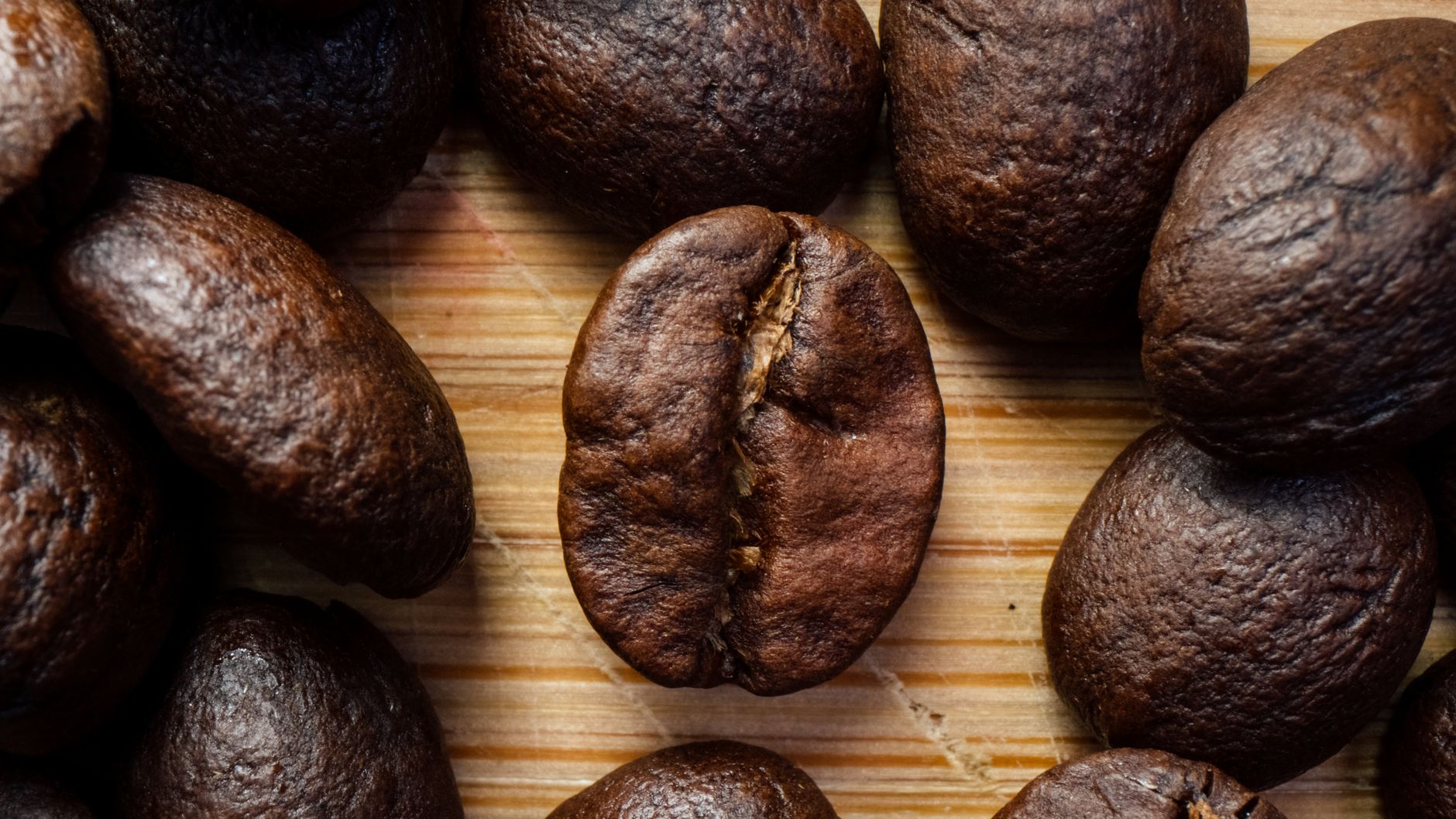 Photo: K via Pexels
During roasting, cellular structure breaks down and CO₂ forms as a byproduct of the Maillard reaction and caramelization. Specialty roasters call the post-roast window the degassing phase — lighter roasts produce less CO₂ but retain more volatile aromatics, meaning they degas more slowly. Darker roasts off-gas faster, often peaking within 24–48 hours, then dropping quickly.
The practical upshot: brewing during peak degassing causes channeling in espresso and bloom disruption in filter. You’re extracting unevenly, not because your technique is wrong but because the coffee itself is still venting.
How Long to Rest Coffee After Roasting by Brew Method
Direct Answer: Filter coffee (pour-over, AeroPress, French press) hits its window at 3–7 days post-roast. Espresso needs 7–14 days minimum — some naturals and heavily processed beans want 21 days. Cold brew is the exception: use beans at 7–21 days, since CO₂ is irrelevant but flavor complexity still develops.
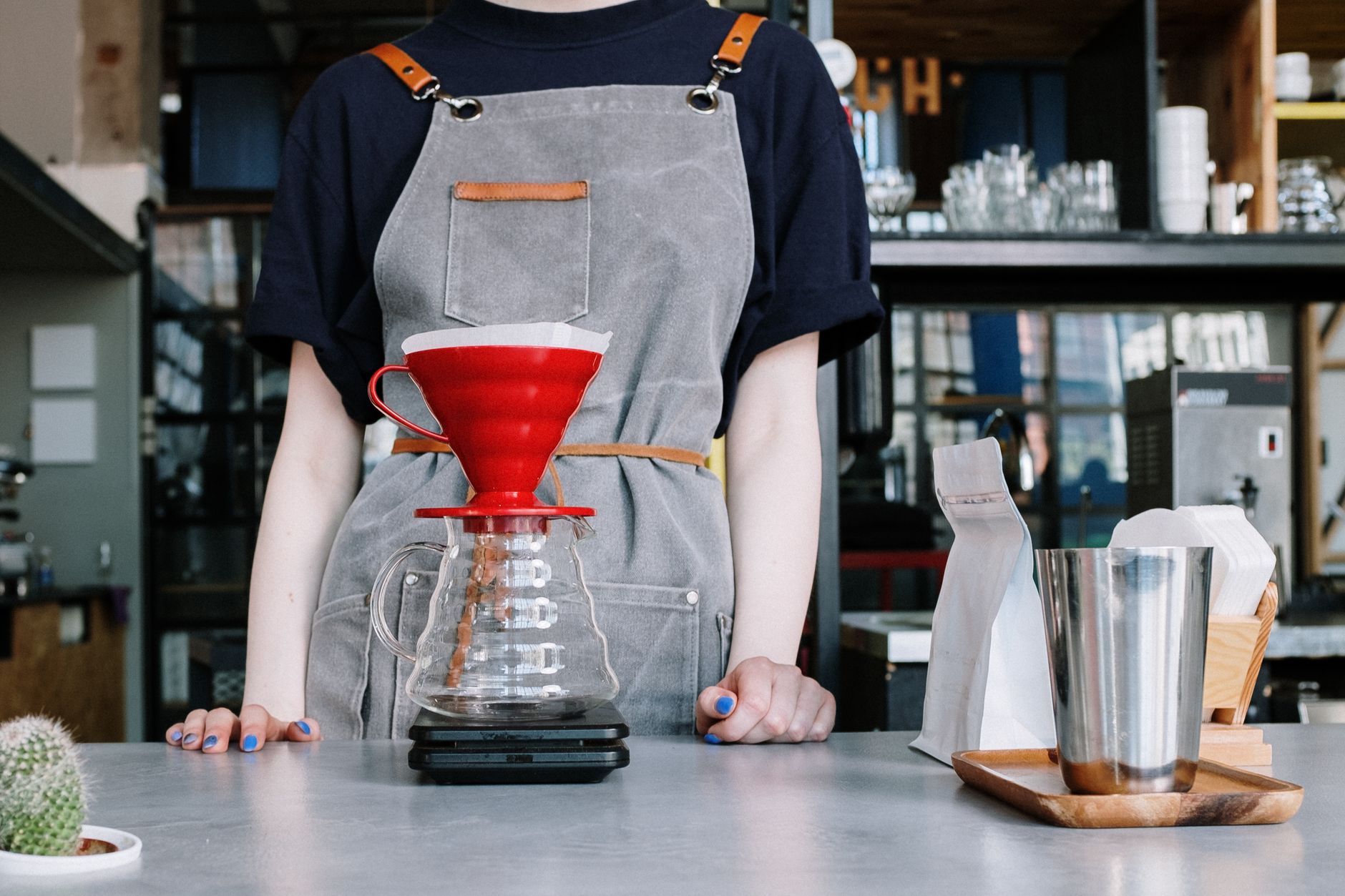 Photo: cottonbro studio via Pexels
Espresso
Espresso is the most sensitive to degassing state. High pressure extracts CO₂ directly into the shot, creating instability in the puck and a harsh, acrid note on the palate that’s often mistaken for over-extraction.
| Days Post-Roast | Espresso Result |
|---|---|
| 0–3 | Gassy, sour, hollow — undrinkable for most palates |
| 4–6 | Improving but unpredictable; high channeling risk |
| 7–14 | Sweet spot for most washed/natural single-origins |
| 14–21 | Optimal for dense naturals, dark roasts, blends |
| 21–42 | Still good if stored correctly; peak window closing |
Filter Brewing
Pour-over and immersion brews tolerate younger coffee better. The bloom releases surface CO₂ before main extraction begins, giving you a short workaround — but it’s not a complete fix.
- Washed light roasts: 3–5 days
- Natural/honey processed: 5–8 days
- Medium-dark and blends: 4–7 days
AeroPress and Moka Pot
AeroPress sits between filter and espresso in pressure, so aim for 5–10 days. Moka pot behaves similarly to espresso under pressure — 7+ days is a safe floor.
Does Origin and Process Affect Rest Time?
Direct Answer: Yes, significantly. Dense, high-altitude washed coffees degas slowly and need more rest. Low-altitude naturals with high fruit density degas faster but benefit from extended rest to let fermentation notes integrate. Processing method is often a better predictor of rest time than roast level alone.
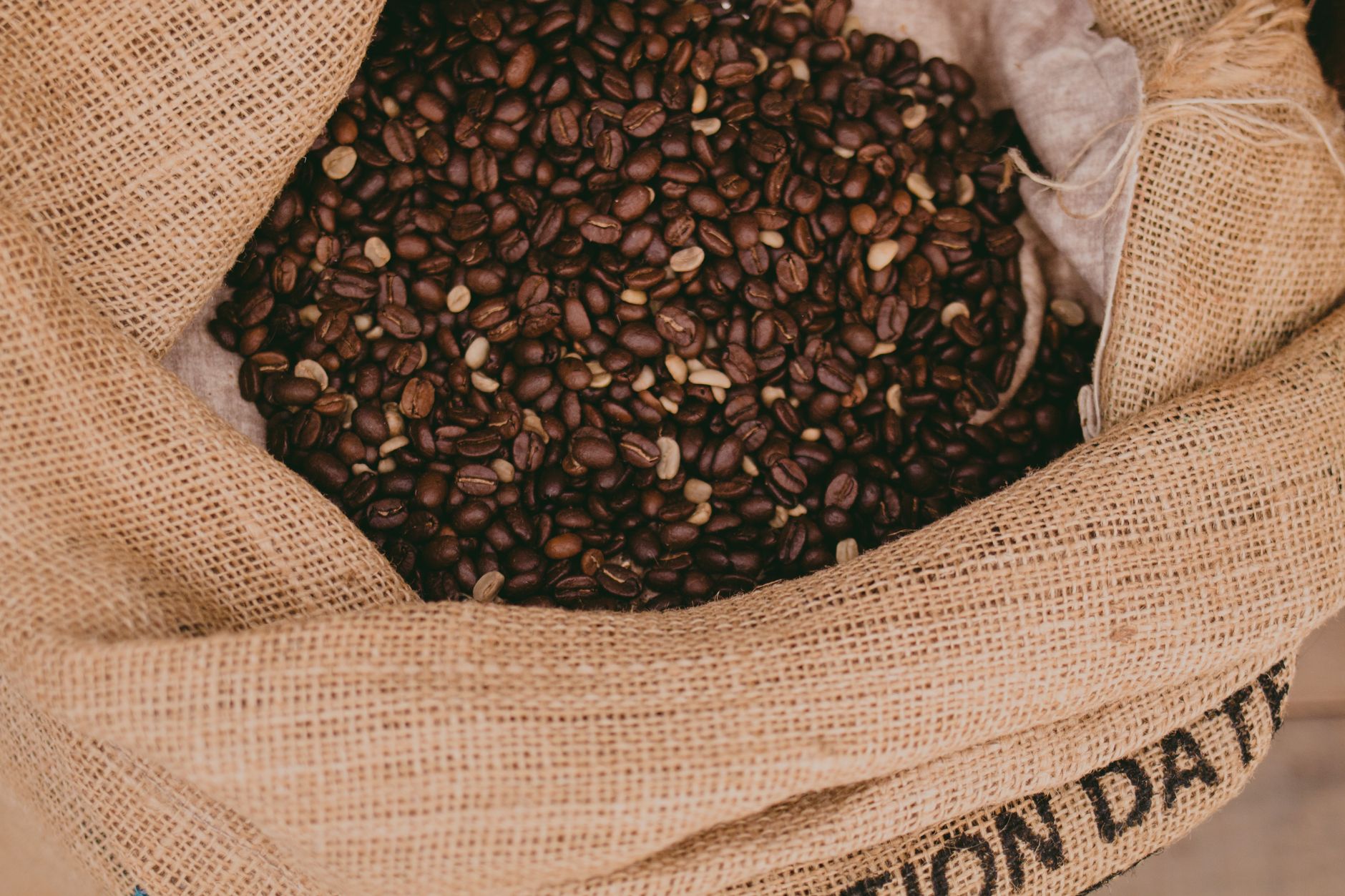 Photo: Maria Tyutina via Pexels
| Origin Profile | Processing | Suggested Rest (Espresso) | Suggested Rest (Filter) |
|---|---|---|---|
| Ethiopia Yirgacheffe | Washed | 10–14 days | 4–6 days |
| Brazil Sul de Minas | Natural | 14–21 days | 5–8 days |
| Colombia Huila | Honey | 10–16 days | 4–7 days |
| Guatemala Antigua | Washed | 8–12 days | 3–5 days |
| Sumatra Mandheling | Wet-hulled | 7–10 days | 3–5 days |
Altitude (MASL) and bean density also matter: coffees grown above 1,800 MASL tend to be denser and hold CO₂ longer. If you’re home-roasting a high-grown Ethiopian, plan for the longer end.
Home Roasting: Rest Time After Your Roast
Direct Answer: Home-roasted coffee follows the same rules as commercial — sometimes longer. Home roasters often underdevelop or roast unevenly, which can extend the time needed before a cup reads cleanly. Budget an extra 2–3 days beyond commercial timelines as a starting baseline.
 Photo: Pranjall Kumar via Pexels
A few practical notes for home roasters:
- Cool completely before sealing. Storing warm beans traps heat and accelerates staling while the CO₂ release phase is still active.
- Use a one-way valve bag. A sealed Mason jar works but creates pressure buildup in the first 48 hours — crack the lid once daily or use a degassing valve.
- Log your rest windows. Roast date, variety, process method, and the day it tasted best. After 5–6 batches you’ll have a reliable rest chart for your palate and equipment.
Storage during rest: Room temperature (60–70°F), away from light and humidity. Don’t refrigerate during the rest phase — condensation damages the bean’s surface and disrupts the degassing rate. Move to airtight storage (Airscape, Fellow Atmos ) after day 4–5 when active degassing slows.
→ See also
- Home Coffee Roasting: The Complete Beginner’s Guide
- Best Home Coffee Roasters (2026 Reviewed)
- Fresh Roast SR800 Review: Best Entry-Level Roaster?
FAQ
How long to rest coffee after roasting for espresso? Most espresso benefits from 7–14 days of rest post-roast. Naturals and high-density washed beans can need up to 21 days before shots pull cleanly and taste balanced. Rushing it results in sour, gassy shots — not a technique problem.
Can you drink coffee the same day it’s roasted? Yes, but you won’t enjoy it much. Same-day roasted coffee is aggressively gassy, often tastes hollow or astringent, and extracts inconsistently. Some dark roasts become tolerable within 24–48 hours; light roasts need several days minimum.
Does resting coffee make it go stale? Resting and staling are different processes. Resting (degassing) improves flavor by letting CO₂ dissipate. Staling happens when oxygen degrades volatile aromatics — typically after 4–6 weeks post-roast even in sealed storage. Proper airtight storage slows staling without interrupting the rest.
Why does my fresh coffee taste sour? Sourness in fresh coffee is almost always CO₂ interference during extraction. The gas creates channeling and uneven contact, which mimics under-extraction. Rest the beans another 3–5 days before diagnosing technique. If sourness persists past day 14, the issue shifts to grind size, dose, or water temperature.
Do lighter roasts need more rest than darker roasts? Generally yes. Light roasts are denser and degas more slowly than dark roasts. A dark roast might be ready for espresso in 5–7 days; a light washed Ethiopian single-origin may want 10–14 days. The slower the degas, the longer the rest window — but also the longer the flavor complexity holds.
Editorial methodology: Assessments are based on manufacturer specifications, published user reviews, and editorial research. Physical hands-on testing is noted explicitly where it occurred. Rankings reflect our editorial judgment and are not influenced by affiliate commission rates. Full editorial policy · Affiliate disclosure