Contents
Stovetop Espresso vs Real Espresso: Key Differences
TL;DR: Stovetop espresso (moka pot) and real espresso are fundamentally different drinks. Real espresso uses 9 bars of pressure to extract a concentrated shot with crema; a moka pot tops out at 1–2 bars, producing strong coffee — not espresso. The flavor, texture, and extraction chemistry are distinct enough that you can’t substitute one for the other in milk drinks or recipes without noticing.
What Actually Makes Espresso “Real” Espresso
Direct Answer: Real espresso is defined by pressure — specifically 8–10 bars forcing near-boiling water through finely-ground, tightly-packed coffee in 25–35 seconds. That pressure dissolves oils and emulsifies them into crema. A moka pot operates at roughly 1–2 bars, which is enough to brew strong coffee but nowhere near enough to replicate espresso’s extraction chemistry or mouthfeel.
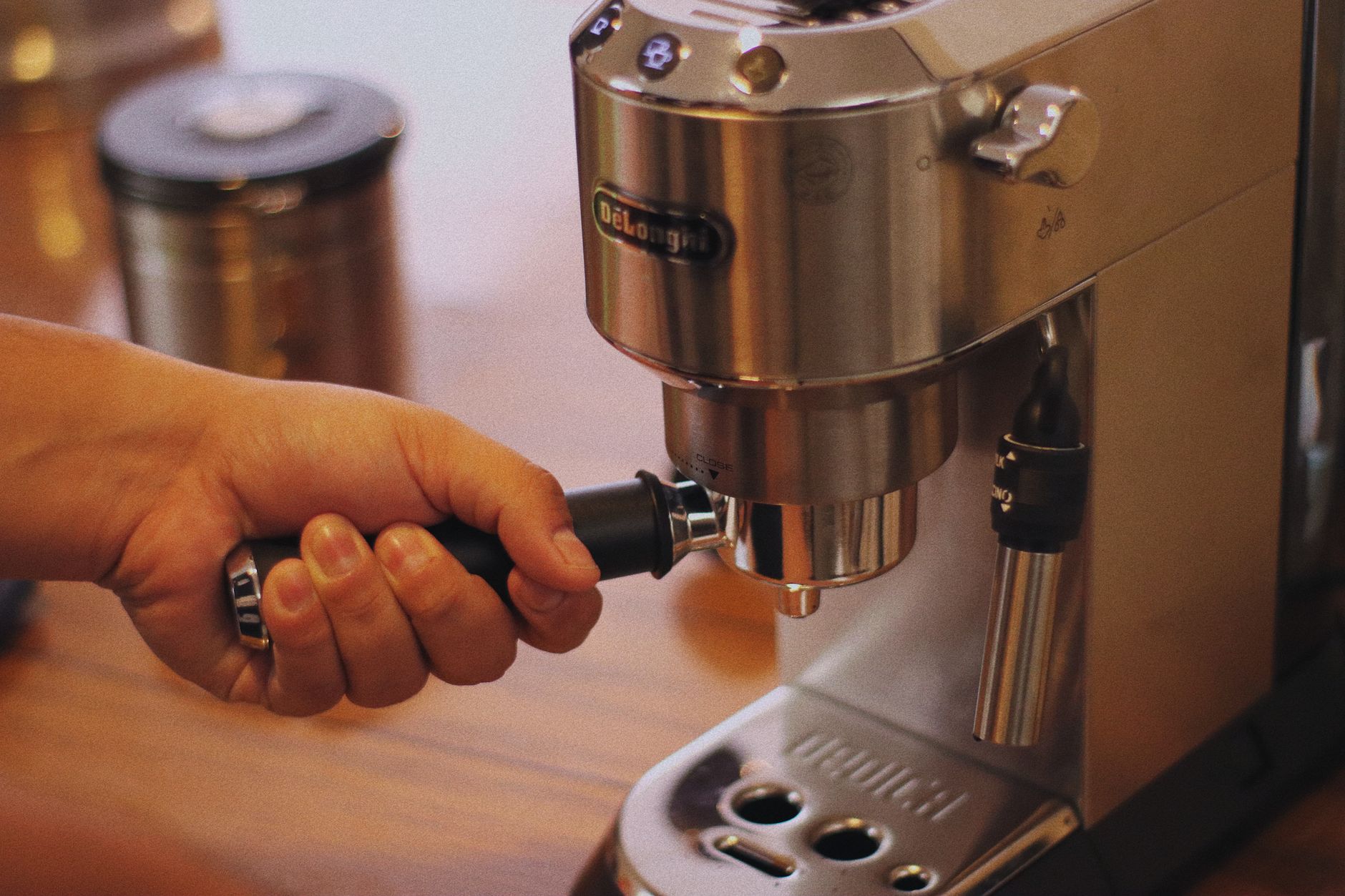
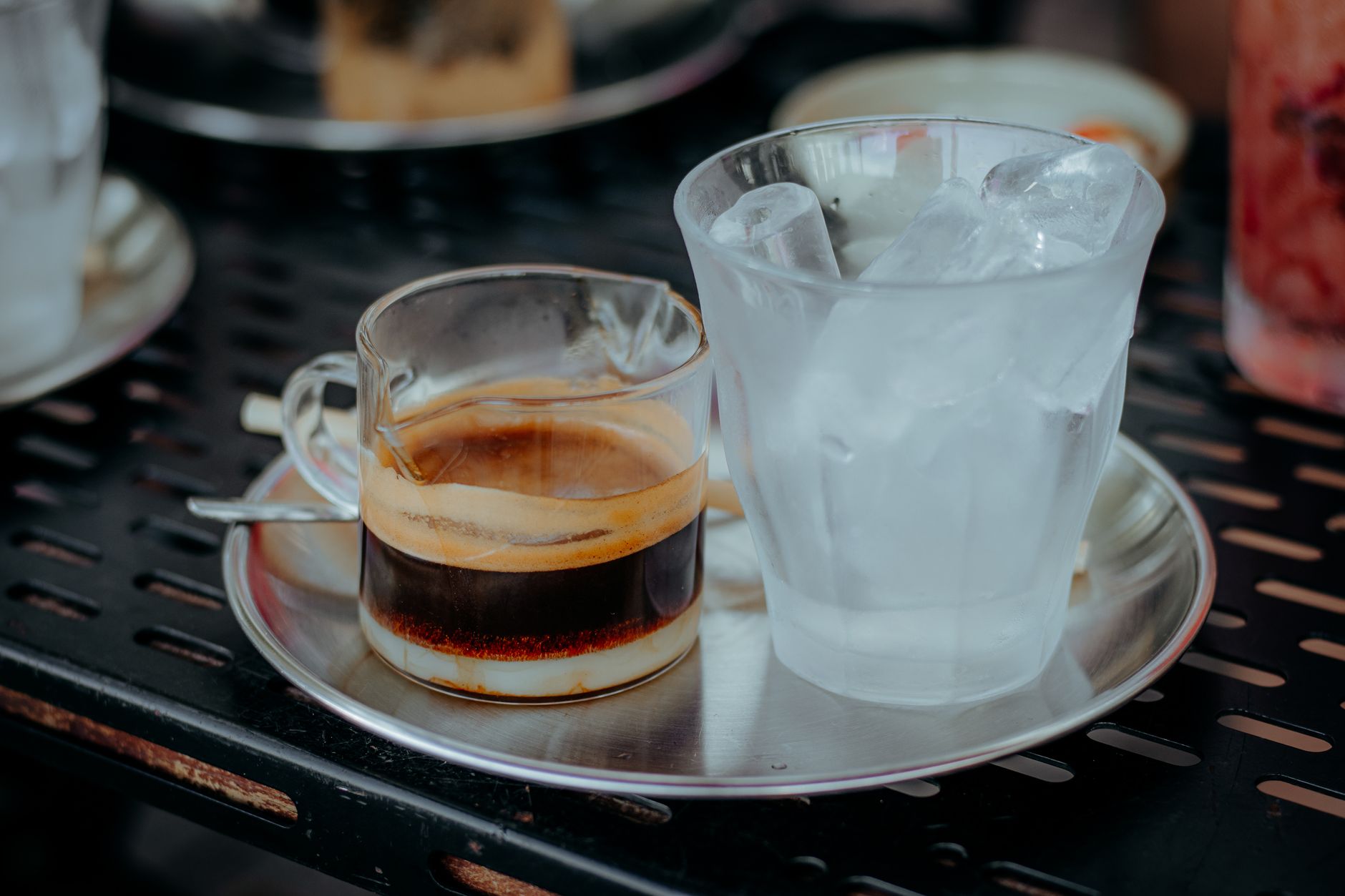 Photo: 🇻🇳🇻🇳Nguyễn Tiến Thịnh 🇻🇳🇻🇳 via Pexels
The word “espresso” has a pressure floor. The Specialty Coffee Association defines it as extraction between 8–10 bars; most commercial machines run 9 bars. That pressure threshold isn’t arbitrary — it’s what drives the Maillard-derived volatile compounds and lipid emulsification that create crema and espresso’s characteristic body.
A moka pot uses steam pressure generated in its sealed lower chamber. The physics cap it well below 2 bars. The result is a dark, intense brew — sometimes called “stovetop espresso” colloquially — but by any technical definition, it’s strong brewed coffee.
Pressure: The Core Variable
| Parameter | Real Espresso | Moka Pot |
|---|---|---|
| Brew pressure | 8–10 bar | 1–2 bar |
| Extraction time | 25–35 sec | 4–8 min |
| Grind size | Fine (200–400 µm) | Medium-fine |
| Crema | Yes | No |
| TDS (typical) | 8–12% | 2–4% |
| Yield ratio | 1:1.5 – 1:3 | 1:4 – 1:6 |
Flavor and Texture: How Different Are They?
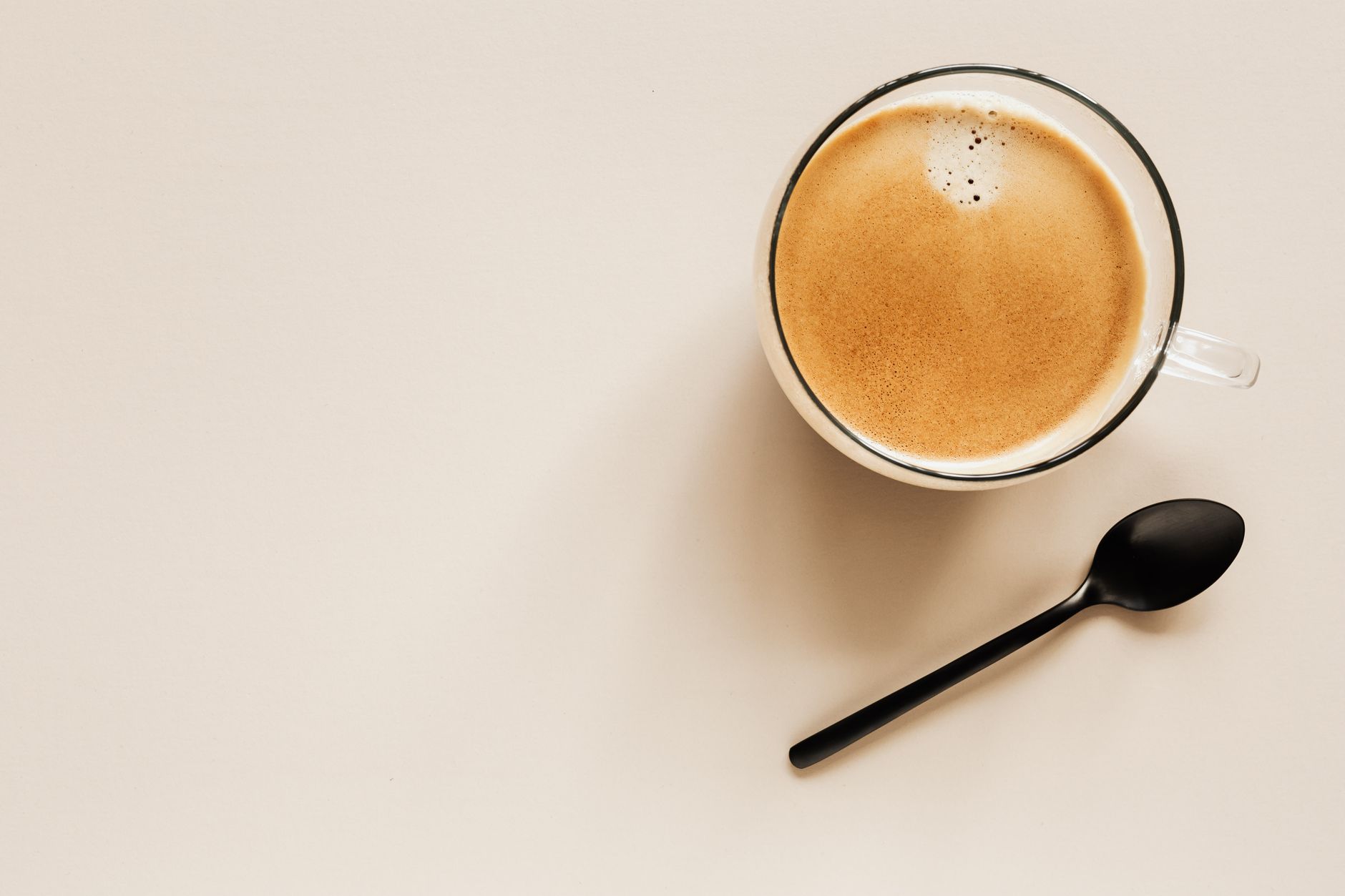
Direct Answer: Real espresso is syrupy, layered, and coated with crema — a golden-brown foam of emulsified oils and CO₂. Moka pot coffee is bold and slightly bitter with a thinner body and no crema. They share roast-forward intensity but diverge sharply in acidity expression, sweetness, and aftertaste.
 Photo: Lars Mai via Pexels
Espresso’s high pressure extracts more soluble solids per gram of coffee, and more importantly, extracts them in a compressed window that favors sweetness and acidity before bitterness climbs. Moka pot brewing’s longer contact time and lower pressure extracts differently — pulling more of the bitter phenolics that pressure-based espresso leaves behind.
This matters for milk drinks. A flat white or latte depends on espresso’s density and fat emulsification to survive dilution. Moka pot coffee, poured into the same volume of milk, tastes washed out — it lacks the TDS to cut through.
Crema: What It Is and Why Moka Pots Don’t Have It
Crema forms when dissolved CO₂ nucleates out of solution under pressure drop — the same physics as opening a carbonated drink, but with oil droplets stabilizing the foam. You need extraction pressure above roughly 6 bar to generate it. A moka pot can’t get there.
Some moka pot users shake the pot before pouring to create surface foam. That’s aerated coffee, not crema — it collapses in seconds and adds no flavor.
Brewing Guide: Real Espresso at Home
Extraction Parameters
| Parameter | Target |
|---|---|
| Dose | 18–20 g |
| Yield | 36–40 g |
| Ratio | 1:2 |
| Time | 27–32 sec |
| Temperature | 93–96°C (199–205°F) |
| Pressure | 9 bar |
Puck Prep
- WDT: Stir grounds with a thin needle tool after dosing to break up clumps before distribution
- Leveling: Tap the portafilter lightly on a surface, then level flush with a straight edge or distribution tool
- Tamping: 15–20 kg even pressure, perfectly level — tilt channeling starts here
- Channeling prevention: Consistent grind, even distribution, level tamp; inspect puck post-shot for uneven wet patches
- Pre-infusion: 3–8 sec at 2–4 bar before full ramp saturates the puck and reduces channeling spikes
Troubleshooting
| Symptom | Likely Cause | Fix |
|---|---|---|
| Shot runs fast (<20 sec) | Grind too coarse / under-dosed | Grind finer; increase dose 0.5 g |
| Shot runs slow (>40 sec) | Grind too fine / over-dosed | Grind coarser; reduce dose |
| Bitter, dark flavor | Over-extracted | Shorter time or coarser grind |
| Sour, sharp finish | Under-extracted | Finer grind or higher temp |
| Uneven extraction streams | Channeling | Improve WDT and tamp level |
| No crema | Stale beans or insufficient pressure | Use beans under 3 weeks off roast; check machine pressure |
Brewing Guide: Moka Pot
Parameters
| Parameter | Target |
|---|---|
| Dose | Fill basket level (no tamp) |
| Water | Fill to below safety valve |
| Grind | Medium-fine |
| Heat | Medium-low |
| Time | 4–8 min total |
 Photo: FOX ^.ᆽ.^= ∫ via Pexels
Technique
- Use pre-heated water in the lower chamber to reduce heat exposure time on grounds — this cuts bitterness
- Never tamp the basket; packing the grounds restricts flow and overbuilds pressure
- Remove from heat when you hear a hissing/gurgling sound — that’s steam vapor pushing through and scorching the last liquid
- Stir the output before pouring; concentration varies top to bottom
Troubleshooting
| Symptom | Likely Cause | Fix |
|---|---|---|
| Bitter, harsh taste | Heat too high / over-extracted | Lower heat; remove earlier |
| Weak, thin output | Grind too coarse | Grind finer |
| Grounds in cup | Filter gasket worn or basket overfilled | Replace gasket; fill basket level |
| Slow drip or no flow | Grind too fine / grounds tamped | Grind coarser; never tamp |
Which Should You Buy?
If you want espresso — real espresso, with crema, capable of pulling a proper flat white or cortado — you need a machine with a pump that hits 9 bar. Entry-level options that actually achieve this start around $200–300.
If you want strong, concentrated coffee at low cost and minimal setup, a moka pot delivers that reliably for under $40. It won’t make espresso, but it makes its own thing well.
The honest answer: calling moka pot output “stovetop espresso” is a marketing fiction that leads to frustration. Buy a moka pot knowing what it produces; buy an espresso machine knowing what it costs to do it right.
→ See also:
- How to Brew Coffee at Home: Complete Method Guide
- French Press Coffee: Complete Brewing Guide (Ratios + Technique)
- French Press Coffee-to-Water Ratio Calculator
FAQ
Can you make espresso with a moka pot? Not technically. A moka pot brews at 1–2 bar; real espresso requires 8–10 bar. The result is strong coffee, not espresso — it lacks crema, has different dissolved solids, and behaves differently in milk drinks. Call it moka coffee and appreciate it for what it is.
Why doesn’t my moka pot produce crema? Crema requires extraction pressure above roughly 6 bar to emulsify coffee oils and nucleate dissolved CO₂. Moka pots can’t reach that pressure physically. Surface foam from stirring or pouring isn’t crema — it collapses immediately and contributes nothing to flavor.
Is moka pot coffee stronger than espresso? By volume it’s concentrated, but espresso has higher TDS (8–12% vs 2–4%) and more dissolved solids per ml. Moka pot coffee tastes strong because of bitterness and roast intensity, not because it has more extracted material. Espresso is denser and more complex.
What grind size should I use for a moka pot? Medium-fine — coarser than espresso, finer than drip. The exact setting depends on your grinder, but you’re aiming for grounds that flow freely without clumping. Never tamp. If flow is restricted, go coarser; if the output is weak and fast, go finer.
Can I use moka pot coffee in lattes or cappuccinos? You can, but the result won’t hold up the way espresso does. Moka output is too low in TDS to cut through a standard 150–180 ml milk drink — it tastes diluted. If you want moka-based milk drinks, use a smaller volume of milk (60–80 ml max) and accept a different flavor profile than espresso-based drinks.
Does water temperature matter in a moka pot? Yes. Starting with cold water means the grounds sit over heat longer while the water heats, over-extracting the bottom layers. Pre-heating water to around 70°C before filling the lower chamber reduces total heat exposure on the grounds and measurably cuts bitterness.
Editorial methodology: Assessments are based on manufacturer specifications, published user reviews, and editorial research. Physical hands-on testing is noted explicitly where it occurred. Rankings reflect our editorial judgment and are not influenced by affiliate commission rates. Full editorial policy · Affiliate disclosure