Contents
10 Best AeroPress Recipes That Actually Taste Good
TL;DR: The best AeroPress recipes share one trait — they’re repeatable. Whether you want a clean cup, a pseudo-espresso, or cold brew in minutes, the AeroPress delivers when you control dose, steep time, and water temperature. This list covers 10 tested recipes from classic to competition-style, with extraction parameters for each.
Why the AeroPress Rewards Experimentation
The AeroPress is the most forgiving brewer in specialty coffee — and the most abused. A wide pressure range, short contact times, and tolerance for temperature swings mean the margin between a mediocre cup and an outstanding one comes down to technique, not equipment. Master the variables once and every recipe below clicks into place.
 Photo: Miguel Á. Padriñán via Pexels
The recipes below cover the full spectrum: light roast clarity, dark roast body, cold brew speed, and espresso-style concentration. Each has been tested with a standard AeroPress and a quality burr grinder.
The 10 Best AeroPress Recipes
1. The Classic Upright (Standard Method)
Dose: 17 g | Yield: 220 ml | Ratio: 1:13 | Time: 1:30 total | Temp: 85°C / 185°F | Pressure: Steady medium
The default entry point. Coarse-medium grind (sea salt texture), bloom 30 seconds with 40 ml, add remaining water, press slowly from 1:00–1:30. Clean, bright, no bitterness.
2. Inverted Method (More Body, Less Channeling)
Dose: 18 g | Yield: 240 ml | Ratio: 1:13 | Time: 2:00 total | Temp: 88°C / 190°F | Pressure: Steady medium
 Photo: Quang Nguyen Vinh via Pexels
Flip the AeroPress upside down before adding coffee. Fill to the top of chamber 4, steep 1:30, flip onto your cup, press for 30 seconds. The inverted position eliminates drip-through during steep — more consistent extraction, slightly heavier mouthfeel.
Puck prep:
- WDT not required at this dose; gentle shake to level
- No tamping — the plunger acts as the lid
- Pre-infusion built in via bloom at start of steep
Troubleshooting:
| Symptom | Likely Cause | Fix |
|---|---|---|
| Sour, thin cup | Underextracted | Finer grind or raise temp to 91°C |
| Bitter finish | Overextracted | Coarser grind or reduce steep time |
| Gritty texture | Grind too fine | Step coarser; check filter for tears |
| Fast plunge (no resistance) | Grind too coarse | Step finer |
3. The James Hoffmann “Ultimate” Recipe
Dose: 11 g | Yield: 200 ml | Ratio: 1:18 | Time: 2:30 total | Temp: 100°C / 212°F | Pressure: Very slow
 Photo: Mikhail Nilov via Pexels
Coarse grind (coarser than you think). Add all water at once — yes, boiling. Stir at 1:00, place cap and filter, flip at 2:00, press slowly until 2:30. High temperature with coarse grind avoids bitterness. Produces the cleanest, brightest cup in this list.
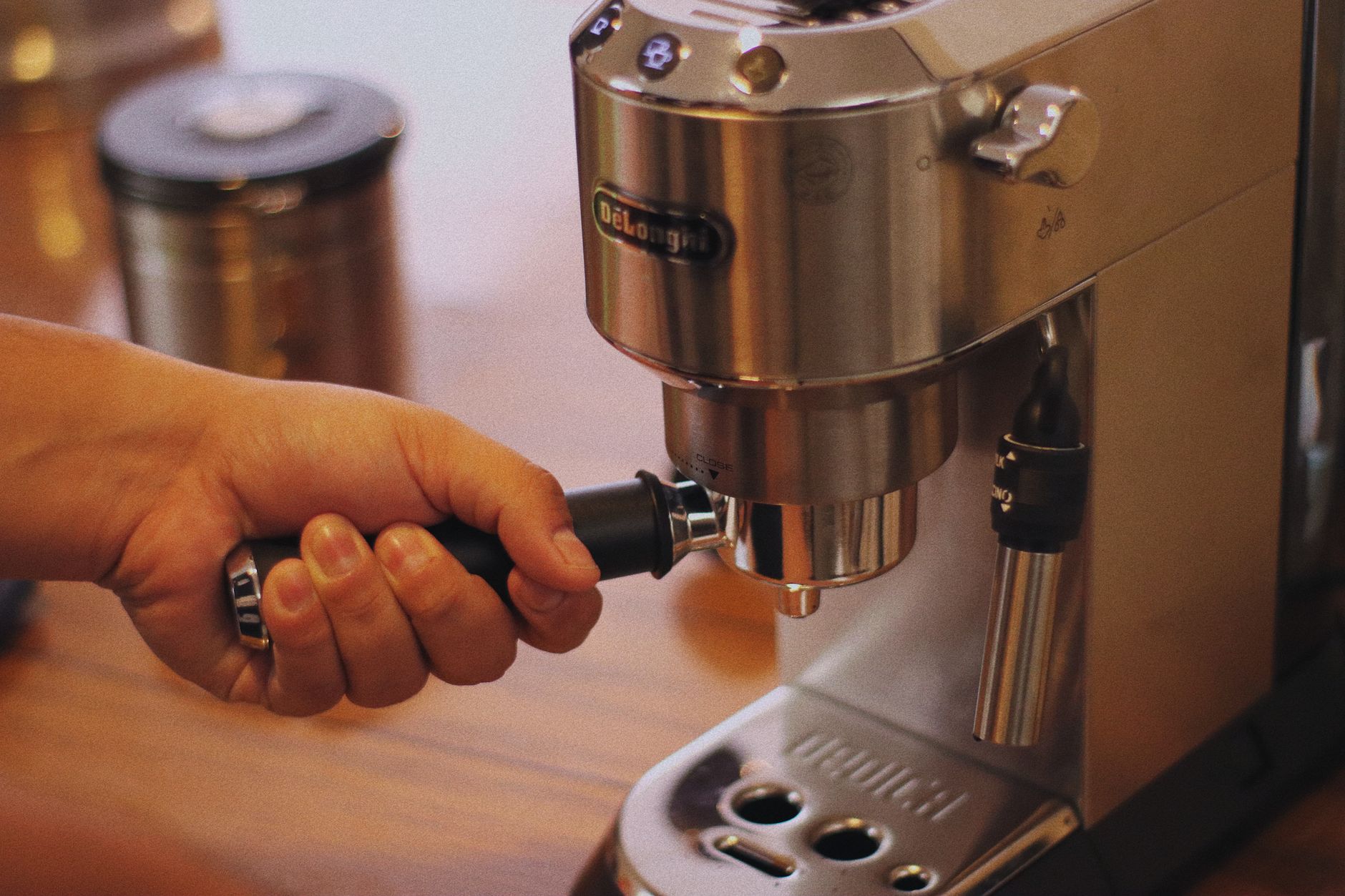
4. AeroPress “Espresso-Style” Concentrate
Dose: 20 g | Yield: 40 ml | Ratio: 1:2 | Time: 1:00 total | Temp: 93°C / 200°F | Pressure: Heavy, fast
Medium-fine grind (between espresso and pour-over). Steep 30 seconds, press hard for 30 seconds. This will not produce true espresso — no pump, no 9 bar — but the concentrate pulls well over milk for a flat white or Americano base. Add 150 ml hot or cold water to taste.
Puck prep:
- Tamp lightly — 5–8 lbs, not espresso-level 30 lbs
- Single paper filter + metal filter stacked reduces fines in cup
- WDT recommended at this dose to prevent channeling
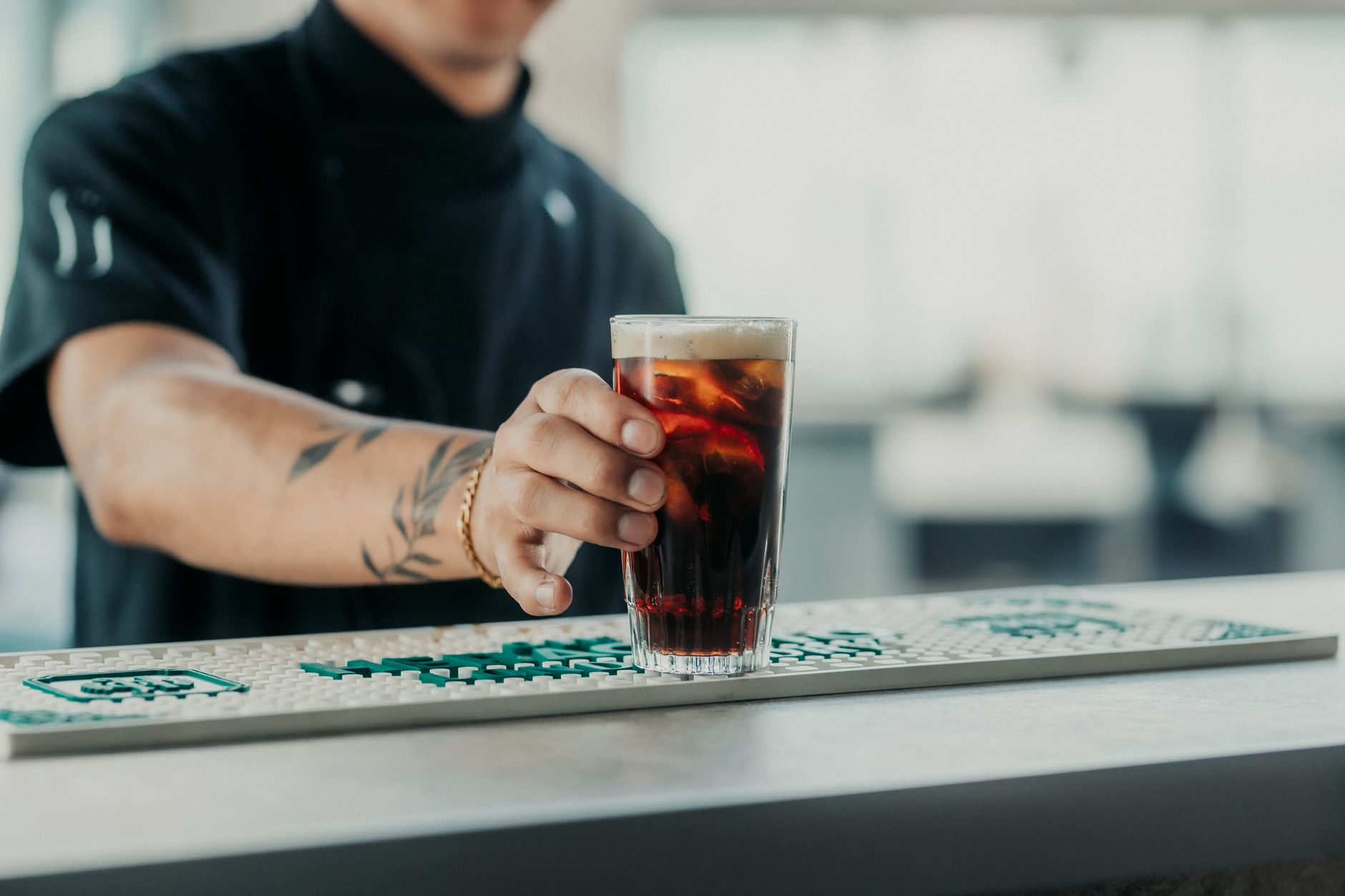
5. Cold Brew AeroPress (12-Minute Version)
Dose: 25 g | Yield: 100 ml concentrate | Ratio: 1:4 | Time: 12 min room temp | Temp: Room temperature / 20°C | Pressure: Slow, 45 seconds
 Photo: Ketut Subiyanto via Pexels
Fine-medium grind. Add room temperature water, stir thoroughly, cap and leave on counter for 10–12 minutes. Press slowly into a glass of ice. The result is cold brew concentrate in a fraction of the time — round, low-acid, chocolate-forward with dark roast beans. Dilute 1:1 with cold water or milk.
6. Ethiopian Light Roast (Clarity Focus)
Dose: 15 g | Yield: 225 ml | Ratio: 1:15 | Time: 1:45 total | Temp: 82°C / 180°F | Pressure: Slow medium
Lower temperature preserves the floral and citrus character of washed Ethiopian beans. Medium grind. Bloom 45 seconds, steep to 1:15, press gently. The fruit notes collapse above 88°C with this roast level — temperature is the single biggest lever here.
7. The “Fellow” Bypass Recipe (Diluted After Press)
Dose: 22 g | Yield: 60 ml pressed → dilute to 300 ml | Ratio: Final 1:14 | Time: 1:15 total | Temp: 91°C / 196°F | Pressure: Medium-fast
Press a concentrated puck into a small amount of water, then top up with an additional 240 ml off-boil water. Bypass brewing separates extraction from dilution — you get espresso-level extraction efficiency at filter coffee strength. Great for medium-dark roasts where you want body without bitterness.
8. Steeped Lungo (Travel Coffee)
Dose: 16 g | Yield: 300 ml | Ratio: 1:19 | Time: 3:00 total | Temp: 95°C / 203°F | Pressure: Slow, 45 seconds
 Photo: Ketut Subiyanto via Pexels
For hotel kettles and minimal gear. Coarse grind. Fill to the max line, steep 2:15, press fully over 45 seconds into a travel mug. Longer steep and high temp compensates for grind inconsistency. Not the most nuanced cup — the best cup you can pull with no scale and imprecise water.
9. Competition-Style Agitation Recipe
Dose: 13 g | Yield: 200 ml | Ratio: 1:15 | Time: 1:30 total | Temp: 80°C / 176°F | Pressure: Medium, even
Medium-coarse grind. Add 200 ml water, stir 10 times clockwise, 10 times counter-clockwise at 0:15. Cap at 0:45, flip at 1:00, press for 30 seconds. Agitation-heavy techniques extract more from lighter roasts at lower temperatures by maximizing surface contact. Expect a complex, sweet cup.
10. Overnight Cold Steep (Hands-Off Method)
Dose: 30 g | Yield: 250 ml concentrate | Ratio: 1:8 | Time: 8–12 hours, refrigerator | Temp: 4°C / 39°F | Pressure: Slow, 60 seconds
Coarse grind. Assemble standard upright, fill with cold filtered water, cap, and place in fridge. In the morning, press slowly over the sink. The result is a thick, syrupy concentrate — dilute 1:2 for a cold glass, 1:3 over ice. This is true cold brew in an AeroPress, not the 12-minute cheat, and the cup clarity difference is significant.
Gear That Improves Every Recipe
A consistent grind matters more than the recipe. A quality hand grinder
Metal filters add body and pass more oils than paper — useful for recipes 4, 5, and 10 where a heavier mouthfeel is the goal. Paper filters produce a cleaner, brighter cup.
Choosing Your Recipe: Quick Reference
| Recipe | Roast Level | Cup Style | Difficulty |
|---|---|---|---|
| Classic Upright | Medium | Balanced, clean | Beginner |
| Inverted Method | Any | Full-bodied, consistent | Beginner |
| Hoffmann “Ultimate” | Light–Medium | Bright, clarity | Intermediate |
| Espresso-Style | Medium–Dark | Concentrated | Intermediate |
| Cold Brew (12 min) | Dark | Cold, low-acid | Beginner |
| Ethiopian Light Roast | Light | Floral, citrus | Intermediate |
| Fellow Bypass | Medium–Dark | Balanced, body | Intermediate |
| Steeped Lungo | Any | Large volume, forgiving | Beginner |
| Competition Agitation | Light | Complex, sweet | Advanced |
| Overnight Cold Steep | Dark | Concentrated, smooth | Beginner |
→ See also:
- How to Brew Coffee at Home: Complete Method Guide
- French Press Coffee: Complete Brewing Guide (Ratios + Technique)
- French Press Coffee-to-Water Ratio Calculator
FAQ
What is the best AeroPress recipe for beginners? The Classic Upright with 17 g of coffee at 85°C and a 1:30 steep is the most forgiving starting point. It tolerates grind inconsistency and minor temperature swings better than inverted or competition-style methods. Get this dialed in before experimenting.
What grind size should I use for AeroPress recipes? Most recipes land in the medium to medium-coarse range — similar to drip coffee or slightly coarser. Finer grinds increase extraction and pressure resistance; use them for concentrate recipes. Coarser grinds reduce bitterness and work well at higher temperatures, like the Hoffmann method.
Can you make espresso with an AeroPress? Not true espresso — real espresso requires 9 bar of pressure, which the AeroPress cannot generate. The concentrate recipe (Recipe 4) produces a strong, espresso-like shot that works over milk or diluted as an Americano, but the flavor profile and crema are fundamentally different from a machine-pulled shot.
Why does my AeroPress coffee taste bitter? Bitterness almost always means overextraction: grind too fine, water too hot, or steep time too long. Adjust one variable at a time — start by coarsening the grind by one step or dropping temperature by 3–4°C. The inverted method with a 1:30 steep at 88°C is a reliable baseline if you’re troubleshooting from scratch.
How do I get more body from an AeroPress? Use a metal filter instead of paper, increase dose slightly, and try the inverted method. Recipes 4, 5, and 10 are specifically designed for heavier body. Dark roasts at medium-coarse grind with a metal disk filter produce the fullest, most chocolate-forward cup.
Does water temperature matter that much for AeroPress? More than most brewers. The AeroPress’s short contact time means temperature has an outsized effect — a 10°C swing changes extraction character noticeably. Light roasts bloom at lower temps (80–85°C) to preserve acidity; dark roasts extract cleanly at 88–93°C. Use a thermometer or let boiled water sit 1–2 minutes before brewing.
Editorial methodology: Assessments are based on manufacturer specifications, published user reviews, and editorial research. Physical hands-on testing is noted explicitly where it occurred. Rankings reflect our editorial judgment and are not influenced by affiliate commission rates. Full editorial policy · Affiliate disclosure