Contents
AeroPress Cold Brew Recipe: Concentrate in Under 5 Minutes
TL;DR: An aeropress cold brew recipe skips the 12–24 hour steep. Press coffee through cold water, brew concentrated, dilute 1:1. You get clean, low-acid cold brew in 3–5 minutes flat.
What Makes AeroPress Cold Brew Different
The AeroPress uses pressure and agitation to extract cold brew in minutes instead of hours. Grind medium-coarse, use cold or room-temperature water, press slow. You get a clean, sweet concentrate without bitterness — none of the overnight wait.
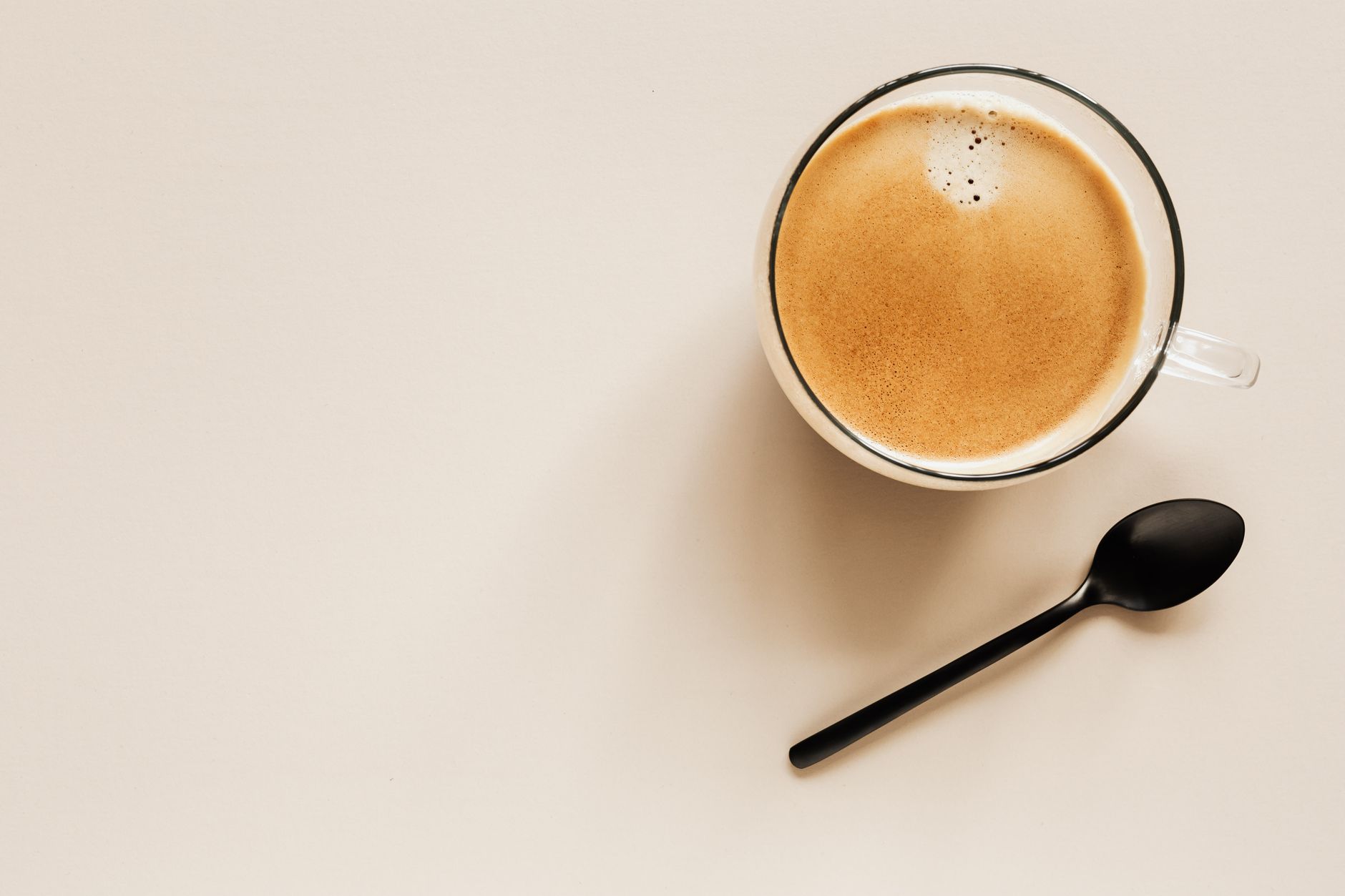
 Photo: 🇻🇳🇻🇳 Việt Anh Nguyễn 🇻🇳🇻🇳 via Pexels
Cold brew’s low acidity comes from temperature, not time — cold water simply extracts fewer acidic compounds. The AeroPress accelerates this by applying pressure, which forces water through the grounds faster than passive immersion. You lose nothing in cup quality; you gain an hour of your morning back.
Traditional cold brew sits 12–24 hours because gravity and diffusion are doing all the work. Pressure changes the physics.
AeroPress Cold Brew Recipe: The Method
Use 15–20g of medium-coarse coffee, 100–150ml cold water, press in 60–90 seconds. Dilute the concentrate with cold water or pour over ice. That’s the whole recipe.
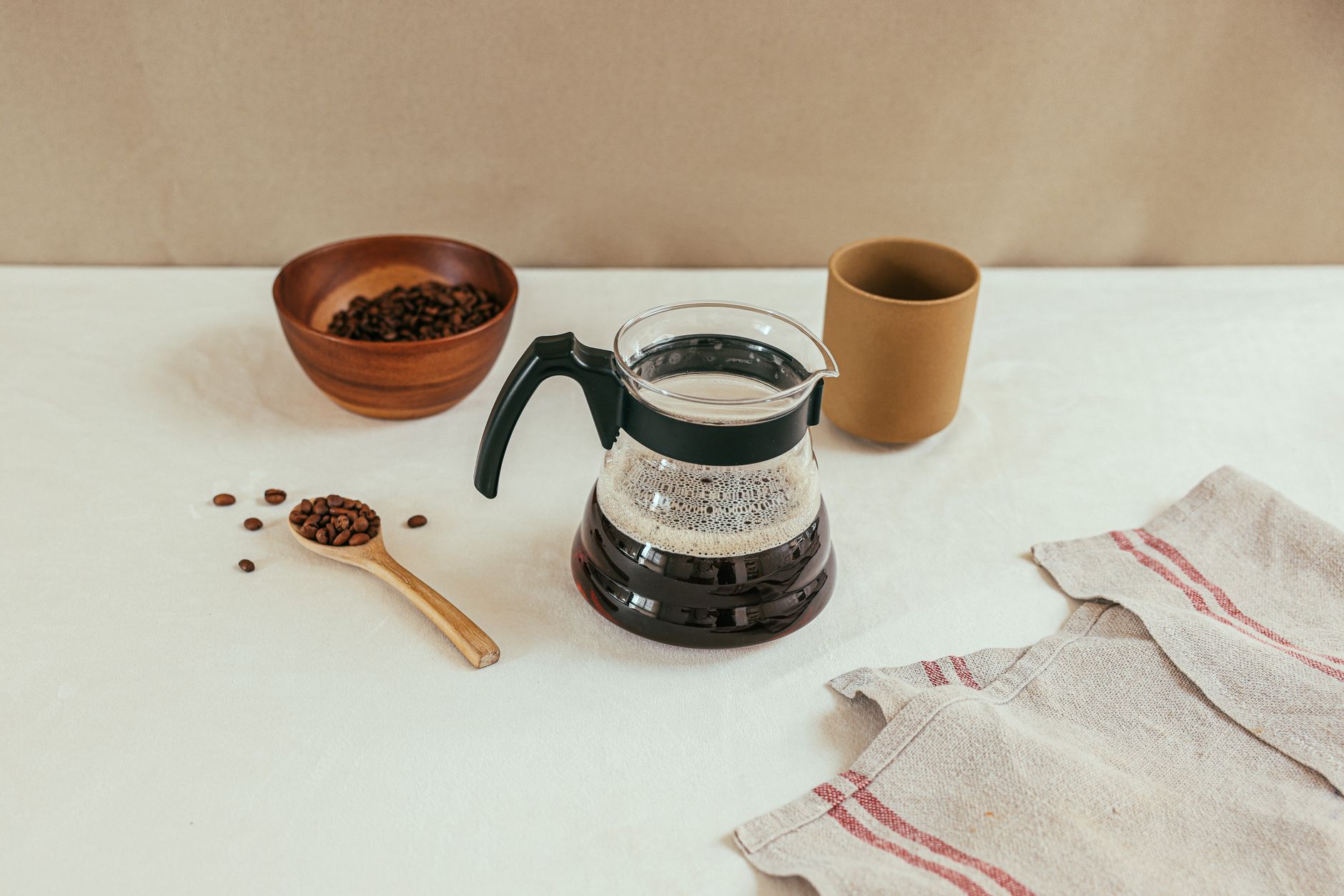
 Photo: Beyzanur K. via Pexels
Gear You Need
- AeroPress (original or Go)
- Burr grinder set to medium-coarse
- Filtered cold water or water just off ice
- Scale (optional but recommended)
- Ice
Step-by-Step
- Grind 18g coffee at medium-coarse — similar to pour-over, slightly coarser than drip.
- Assemble AeroPress in inverted position, plunger pulled to the 4 mark.
- Add grounds to the chamber.
- Pour 120ml of cold filtered water (around 10–15°C / 50–60°F). Hot water is not required.
- Stir 10–15 times with the AeroPress paddle. Full saturation, no dry pockets.
- Wait 2–3 minutes. For stronger concentrate, push to 4 minutes.
- Flip carefully onto a glass or carafe, attach filter cap.
- Press slowly over 30–45 seconds. Steady, even pressure. Stop before you hear air.
- Dilute concentrate 1:1 with cold water, or pour directly over ice.
Extraction Parameters
| Parameter | Value |
|---|---|
| Dose | 18g |
| Yield (concentrate) | ~90–100ml |
| Ratio (concentrate) | 1:6 (coffee:water) |
| Ratio (final drink) | 1:12 diluted |
| Steep time | 2–4 min |
| Water temperature | 10–15°C (50–60°F) |
| Pressure | Manual press, 30–45 sec |
Puck Prep and Technique
Grind consistency matters more in cold brew than hot — cold water doesn’t forgive uneven extraction the way heat does. A quality burr grinder is non-negotiable here.
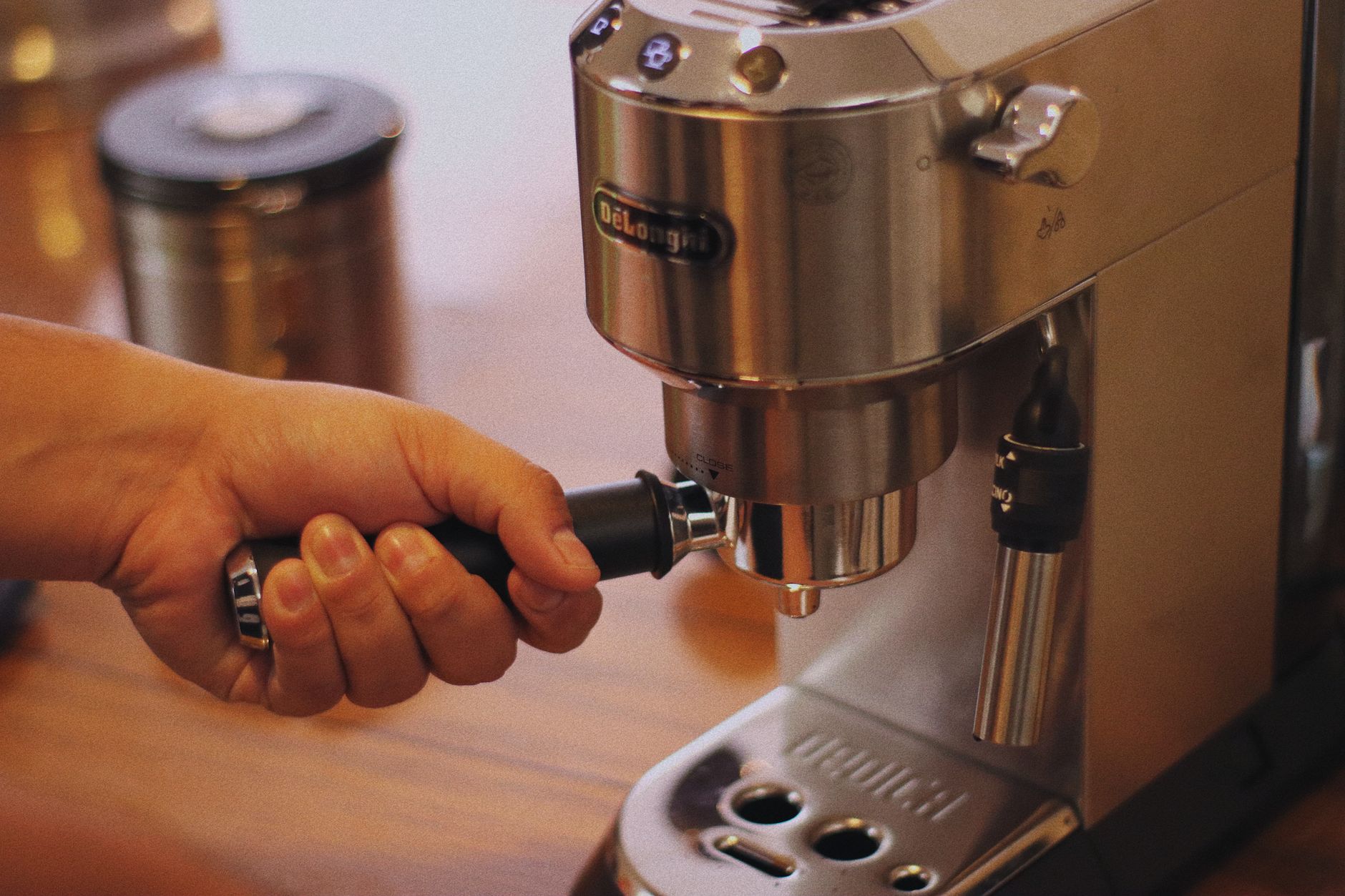
 Photo: Chevanon Photography via Pexels
- WDT / Distribution: Stir grounds after adding to chamber. Cold water moves slowly — dry clumps will under-extract.
- Leveling: Tap the AeroPress gently to settle grounds before pouring water.
- Saturation: Pour water in a slow circular motion. Ensure every gram of coffee contacts water.
- Pre-infusion: Not applicable — the full steep IS your pre-infusion equivalent.
- Channeling prevention: Press at a steady, low force. Rushing creates channels; channels create bitter, uneven extraction.
Troubleshooting
| Symptom | Likely Cause | Fix |
|---|---|---|
| Sour, thin flavor | Under-extracted | Grind finer or extend steep 1–2 min |
| Bitter, harsh taste | Over-extracted or too fine | Grind coarser, reduce steep time |
| Watery concentrate | Too little coffee | Increase dose to 20–22g |
| Grounds in cup | Filter clogged or torn | Rinse filter before use; double-filter for clarity |
| Hard to press | Grind too fine | Coarsen grind one notch; press more slowly |
| Flat, no sweetness | Water too warm | Use colder water; add ice directly to chamber |
Scaling Up: Batch Cold Brew
The AeroPress brews one serving at a time — roughly 250ml finished drink per press. For a batch:
- Run 3–4 consecutive presses into the same container.
- Concentrate keeps refrigerated for 7–10 days.
- Label the container with the brew date.
For higher volume without multiple presses, a dedicated cold brew maker like the OXO Cold Brew Coffee Maker holds 400g of coffee and 2L of water, but you’re back to overnight steeps.
AeroPress vs. Traditional Cold Brew: Quick Comparison
| Factor | AeroPress Cold Brew | Traditional Immersion |
|---|---|---|
| Brew time | 3–5 min | 12–24 hours |
| Yield per batch | ~250ml | 1–2L |
| Equipment cost | Low | Low–Medium |
| Grind tolerance | Medium-coarse | Coarse |
| Acidity | Very low | Very low |
| Clarity | High (paper filter) | Medium–High |
| Convenience | High | Low |
 Photo: Gneil Weng via Pexels
→ See also
- How to Brew Coffee at Home: Complete Method Guide
- French Press Coffee: Complete Brewing Guide (Ratios + Technique)
- French Press Coffee-to-Water Ratio Calculator
FAQ
Can you use hot water for AeroPress cold brew? No — using hot water makes AeroPress iced coffee, not cold brew. Cold brew’s defining characteristic is cold-water extraction, which reduces acidity and produces a sweeter, rounder cup. If you use hot water and pour over ice, you get a perfectly good iced coffee, but the chemistry is different.
What grind size is best for AeroPress cold brew? Medium-coarse, comparable to a standard pour-over grind. Too fine and the press becomes difficult and over-extracts; too coarse and cold water can’t extract enough in 3–4 minutes. If you’re using a Timemore C3 or similar hand grinder, clicks 20–24 (out of 40) are a reliable starting point.
How long does AeroPress cold brew keep? Up to 7–10 days refrigerated in a sealed container. Store undiluted concentrate for maximum shelf life — dilute only what you’re drinking. After 10 days, flavor becomes flat and the concentrate may develop off-notes.
Is AeroPress cold brew less acidic than hot AeroPress coffee? Yes, meaningfully so. Cold water extracts fewer chlorogenic acids than hot water regardless of brew method. If stomach sensitivity is the reason you’re trying cold brew, the AeroPress cold method delivers the same low-acid result as any cold brew — just faster.
Do you need the inverted method for cold brew? It’s strongly recommended. Standard orientation lets water drip through before extraction is complete, wasting yield and producing a weaker concentrate. Inverted keeps everything in contact for the full steep time.
Schema
Editorial methodology: Assessments are based on manufacturer specifications, published user reviews, and editorial research. Physical hands-on testing is noted explicitly where it occurred. Rankings reflect our editorial judgment and are not influenced by affiliate commission rates. Full editorial policy · Affiliate disclosure