Contents
The Specialty Coffee Association (SCA) Explained
TL;DR: The Specialty Coffee Association (SCA) is the global trade body that sets the standards, education, and competitions defining what “specialty coffee” means — from 80-point scoring scales to barista certifications. If you’ve ever ordered a pour-over at a third-wave café, SCA’s framework shaped how it was grown, graded, and brewed.
What Is the Specialty Coffee Association?
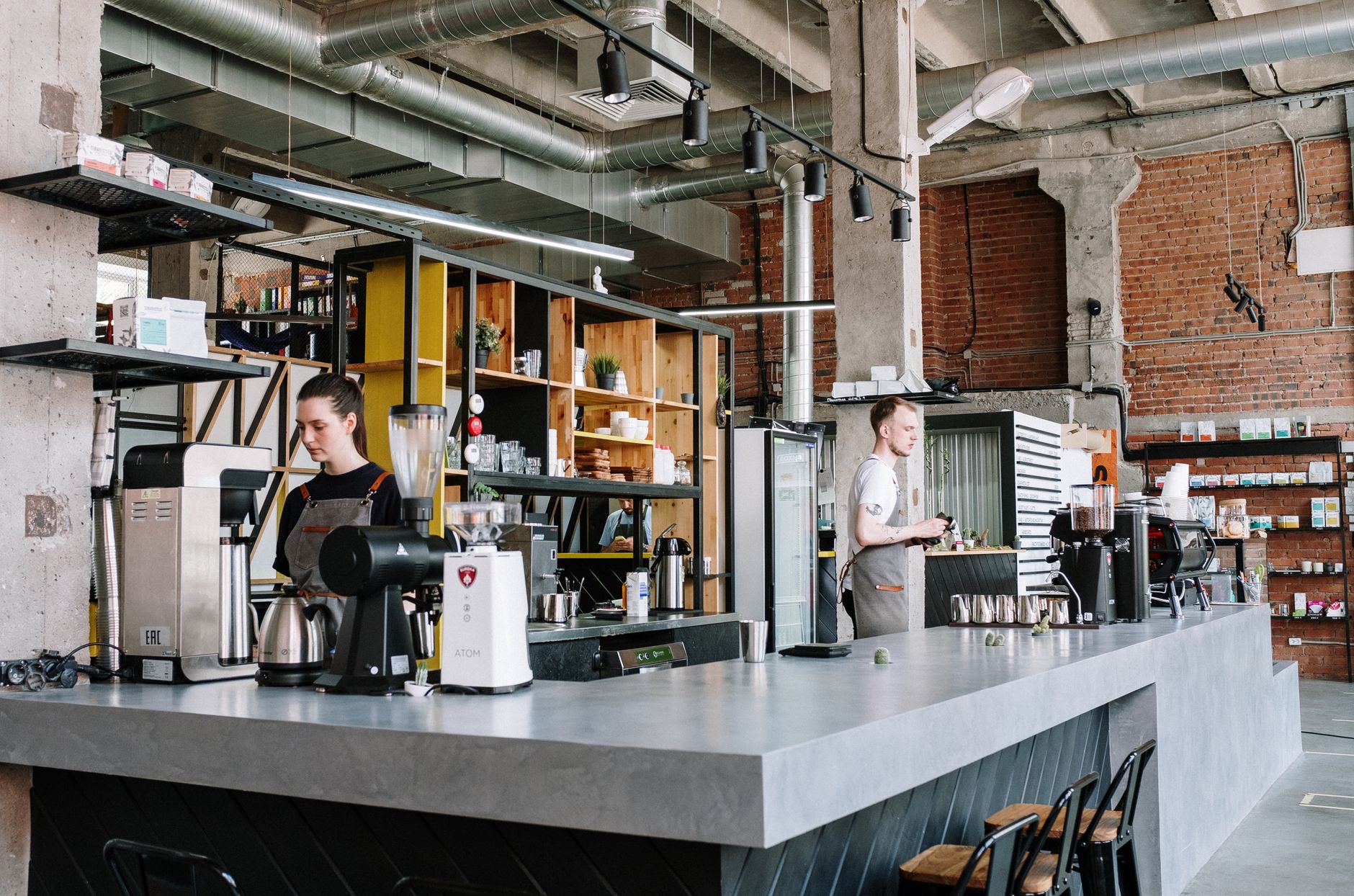
The SCA is a non-profit membership organization founded in 2017 through the merger of the Specialty Coffee Association of America (SCAA) and the Specialty Coffee Association of Europe (SCAE). It sets the global technical standards for coffee quality, runs the world’s largest coffee trade show (SCA Expo), and administers the Coffee Skills Program — the most widely recognized barista and roasting certification pathway in the industry.
 Photo: dlxmedia.hu via Pexels
The merger united two previously competing organizations into a single body representing over 10,000 members across more than 100 countries. Today the SCA functions as part standards body, part trade association, part professional development machine.
Its headquarters are split between Irvine, California and Wiltshire, UK, and it publishes technical research, hosts regional events, and runs the World Coffee Championships — the Olympics of espresso and brewing.
How Does the SCA Define “Specialty Coffee”?
Specialty coffee, by SCA definition, scores 80 points or above on a 100-point cupping scale. Below 80 is commodity or commercial grade. Scores above 90 are exceptional. The scale evaluates fragrance, aroma, flavor, aftertaste, acidity, body, balance, uniformity, clean cup, and sweetness — each scored by a licensed Q Grader.
 Photo: Katya Wolf via Pexels
The 80-point threshold isn’t arbitrary — it emerged from decades of sensory science work by the SCA and its predecessor organizations. A Q Grader (licensed by the Coffee Quality Institute, a sister body) evaluates green and roasted coffee against this rubric.
This scoring system is why a bag of washed Ethiopian Yirgacheffe from a micro-lot can command $25–$40/lb at retail while commodity Robusta trades near $1/lb. The SCA scale created the vocabulary and the credibility that made that price differential legible to consumers.
The SCA Cupping Protocol
The SCA’s cupping protocol standardizes how tasting evaluations happen: 8.25g of coffee per 150ml water, ground to a specific coarseness, water at 93°C, evaluated at 11 minutes. This consistency means a score from a cupper in Seoul and a cupper in São Paulo are genuinely comparable.
 Photo: cottonbro studio via Pexels
Deviating from the protocol invalidates the score. This rigidity is the point — it removes the variables that would otherwise make scores meaningless across geographies and evaluators.
The Coffee Skills Program: SCA’s Certification Ladder
The Coffee Skills Program (CSP) is the SCA’s modular certification framework. It covers five pathways — Introduction to Coffee, Barista Skills, Brewing, Green Coffee, and Roasting — each with Foundation, Intermediate, and Professional levels. Accumulate enough credits across modules and you earn the SCA Diploma, the most recognized credential in specialty coffee.
 Photo: Ubeydulah Beşir KÖROĞLU via Pexels
Each module is delivered through licensed SCA Authorized Trainers (ASTs) and Premier Training Partners worldwide. Costs vary by location and level, but expect:
| Module | Foundation | Intermediate | Professional |
|---|---|---|---|
| Barista Skills | ~$200–$300 | ~$400–$600 | ~$800–$1,200 |
| Brewing | ~$200–$300 | ~$400–$600 | ~$800–$1,200 |
| Roasting | ~$300–$400 | ~$500–$700 | ~$1,000–$1,500 |
| Green Coffee | ~$300–$400 | ~$500–$800 | ~$1,000–$1,500 |
The SCA Diploma requires 100 credits total — Foundation modules are worth 5 credits each, Intermediate 10, Professional 25. It’s a multi-year investment for most working professionals.
SCA Competitions: From Regional Heats to World Stage
The SCA administers the World Coffee Championships (WCC) — a series of international competitions including the World Barista Championship (WBC), World Brewers Cup, World Latte Art Championship, and seven others. National champions from member countries compete annually, and a WBC win is the closest thing specialty coffee has to a Michelin three-star.
The World Barista Championship requires competitors to serve four espressos, four milk drinks, and four signature beverages in 15 minutes — all evaluated against the SCA’s sensory and technical standards. Past champions like James Hoffmann (2007) and Sasa Sestic (2015) went on to reshape how the industry thinks about varietals, processing, and equipment.
These competitions function as an innovation engine. The 2015 WBC saw Sestic introduce carbonic maceration processing to specialty coffee on the world stage — a technique now standard in high-end lots.
SCA Research and Standards Publications
The SCA publishes technical research through its 25 Magazine and the Specialty Coffee Transaction Guide — an annual price benchmark used by roasters and importers to establish fair-trade pricing above commodity rates.
Its Water Quality Handbook set the industry standard for brewing water mineral content: 150 ppm total dissolved solids, 68 ppm calcium hardness, 10 ppm sodium, near-zero chlorine. Every serious espresso machine manufacturer designs to these parameters.
Who Should Join the SCA?
Membership tiers run from individual ($50/year) to corporate, and include access to SCA research, discounted Expo registration, and networking within the trade. It’s most valuable for:
- Working baristas pursuing the CSP certification pathway
- Roasters who sell to specialty accounts and need to speak the quality language
- Green coffee buyers and importers operating in the specialty tier
- Café owners building staff training programs around recognized credentials
Hobbyists and enthusiasts can audit many SCA resources without membership, but the CSP coursework requires enrollment through a licensed trainer regardless.
→ See also:
- The Third Wave Coffee Movement: A Complete Guide
- Best Coffee Cities in the US (2026 Guide)
- New York City Specialty Coffee Guide: 20 Best Cafés
FAQ
What is the SCA’s role in setting coffee quality standards? The SCA defines specialty coffee as scoring 80+ on its 100-point cupping scale and publishes the protocols — water temperature, coffee-to-water ratio, grind coarseness — that make those scores consistent worldwide. Its standards are used by importers, roasters, and cafés to establish quality tiers and pricing.
Is SCA certification worth it for baristas? For baristas working in or aiming for specialty coffee, SCA Barista Skills certification signals credible training to employers and provides a structured skill ladder from Foundation to Professional. It’s less essential for someone working in a high-volume commercial environment where SCA standards aren’t the operating framework.
What’s the difference between SCA and the Coffee Quality Institute (CQI)? The SCA sets trade standards and runs education and competitions; the CQI is a sister organization focused specifically on Q Grader licensing — the credentialed cuppers who score coffee on the SCA’s 100-point scale. They work in parallel: SCA defines the scale, CQI trains and licenses the people who apply it.
How do I find an SCA-authorized training center? The SCA maintains a directory of Authorized Training Providers (ATPs) and Premier Training Partners on its website, searchable by country and module. Prices and course availability vary significantly by region, so compare multiple providers before enrolling — the curriculum is standardized, the instruction quality is not.
What happens at the SCA Expo? The SCA Expo is the largest specialty coffee trade show in the world, held annually in the US (and periodically in other markets). It combines equipment exhibitions, green coffee sourcing, the US Coffee Championships, and professional development sessions. It’s where roasters find new importers, equipment brands launch products, and the industry sets its agenda for the year.