Contents
Japanese Coffee Culture: Your Complete Kissaten Guide
TL;DR: Japanese coffee culture spans three distinct worlds — the kissaten (喫茶店) retro coffee house, obsessive third-wave pour-over technique, and ubiquitous canned coffee from vending machines. Understanding all three gives you the full japanese coffee culture guide: precision, ritual, and everyday convenience coexisting without contradiction.
What Is a Kissaten?
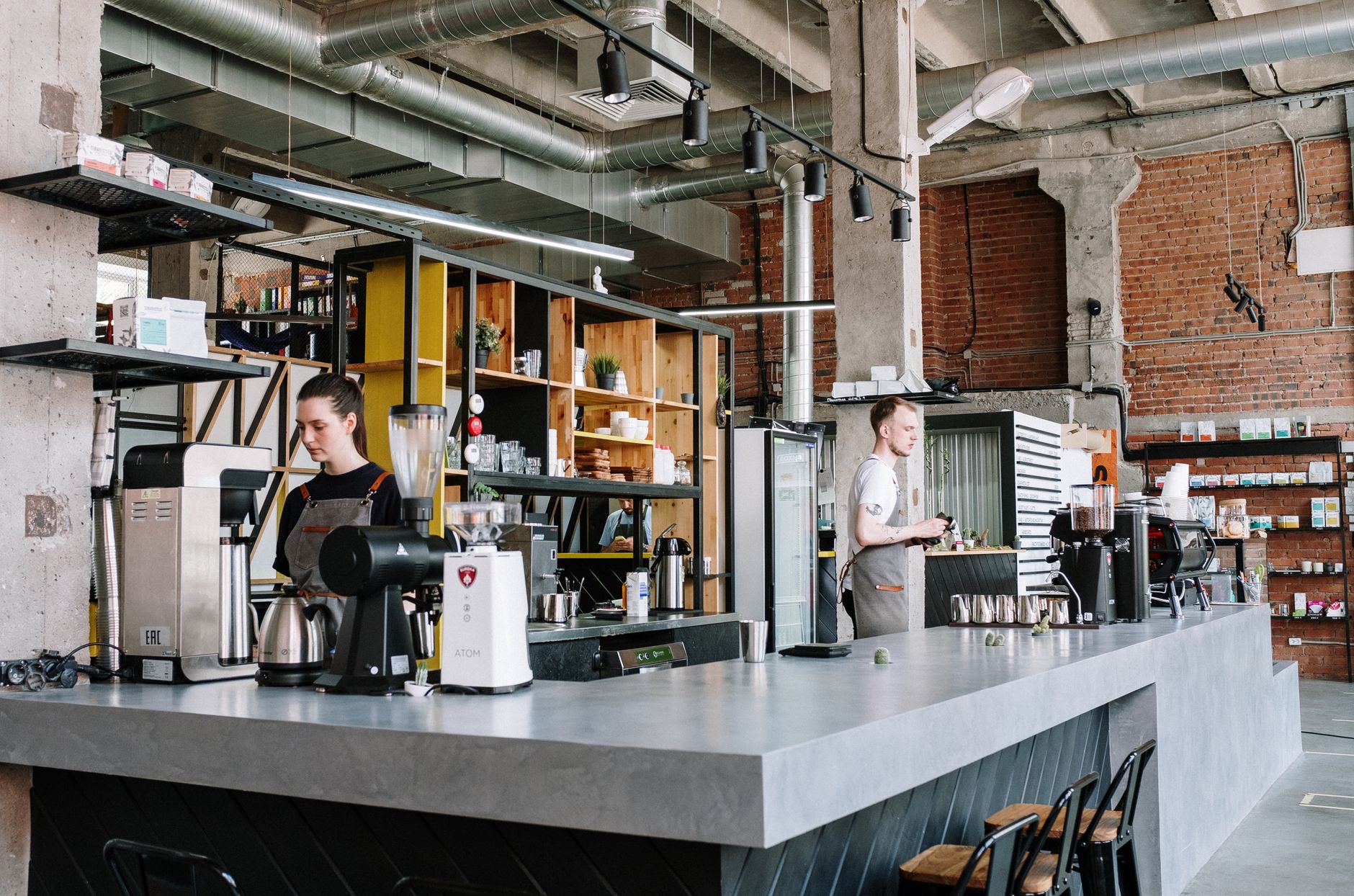
The kissaten is Japan’s original specialty coffee space — a mid-20th century coffee house where master roasters aged into legend. Unlike modern cafés, the kissaten prioritizes the craft of the host: slow drip, hand grind, absolute silence. You order, you wait, you receive perfection.
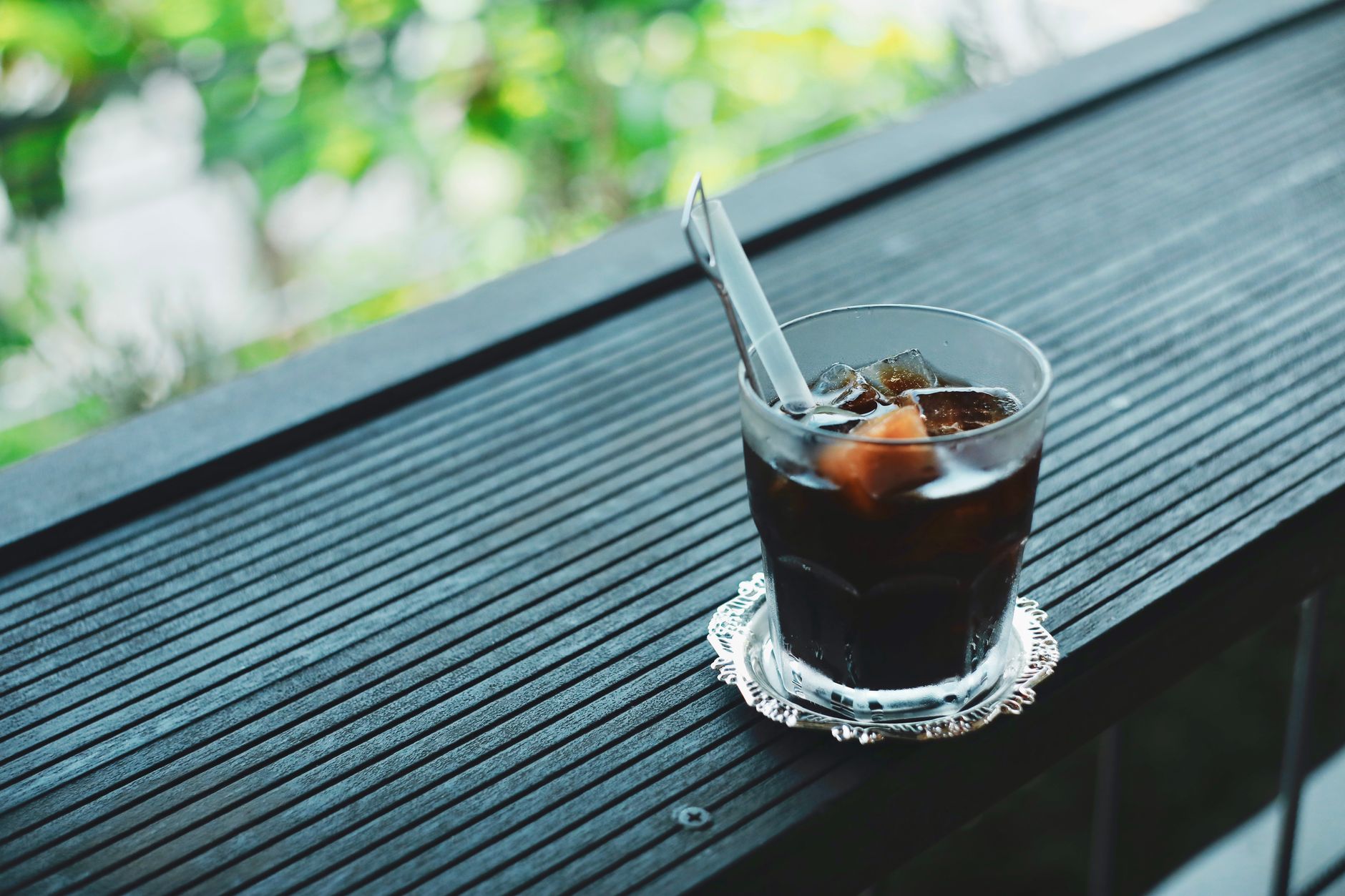 Photo: 🇻🇳🇻🇳Nguyễn Tiến Thịnh 🇻🇳🇻🇳 via Pexels
Kissaten culture emerged in the 1930s and peaked in the 1970s and 80s, when Japan had over 150,000 of these establishments. Today roughly 60,000 survive — more than McDonald’s locations in the country — many run by proprietors who have been pulling the same lever on the same Fuji Royal roaster for thirty years.
The defining ritual is the neru drip (flannel filter) or slow siphon brew, served in porcelain with meticulous timing. No Wi-Fi passwords on chalkboards. No oat milk. The kissaten is about the coffee, and the comfortable silence that frames it.
What to Order in a Kissaten
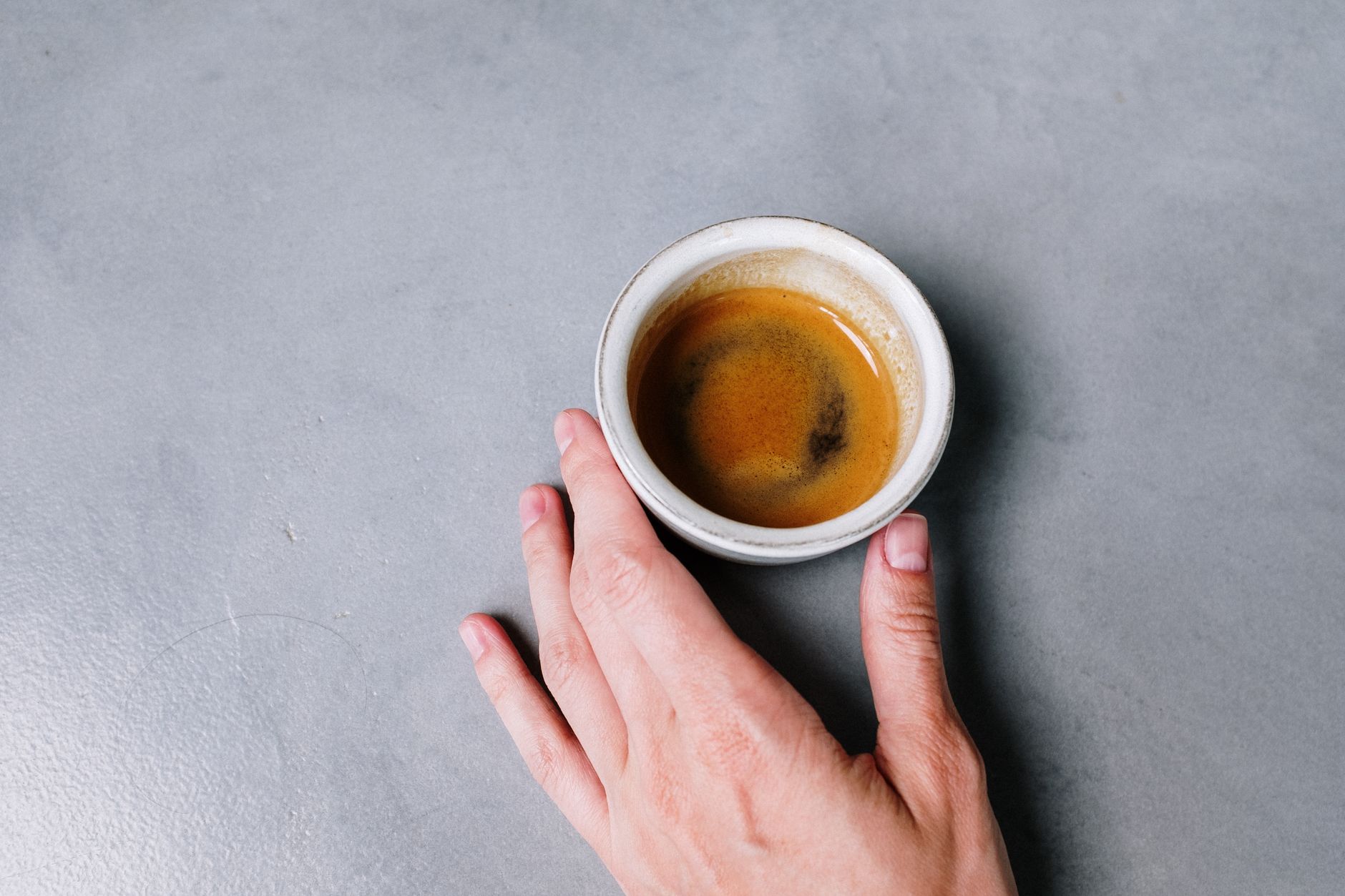
Most menus run a tight repertoire: blend coffee (burendō kōhī), hot or iced, plus a morning set (mōningu setto) — toast and egg included at no extra charge before 11am. In Nagoya, that morning set is a civic institution; locals nurse one coffee and a stack of toast for an hour.
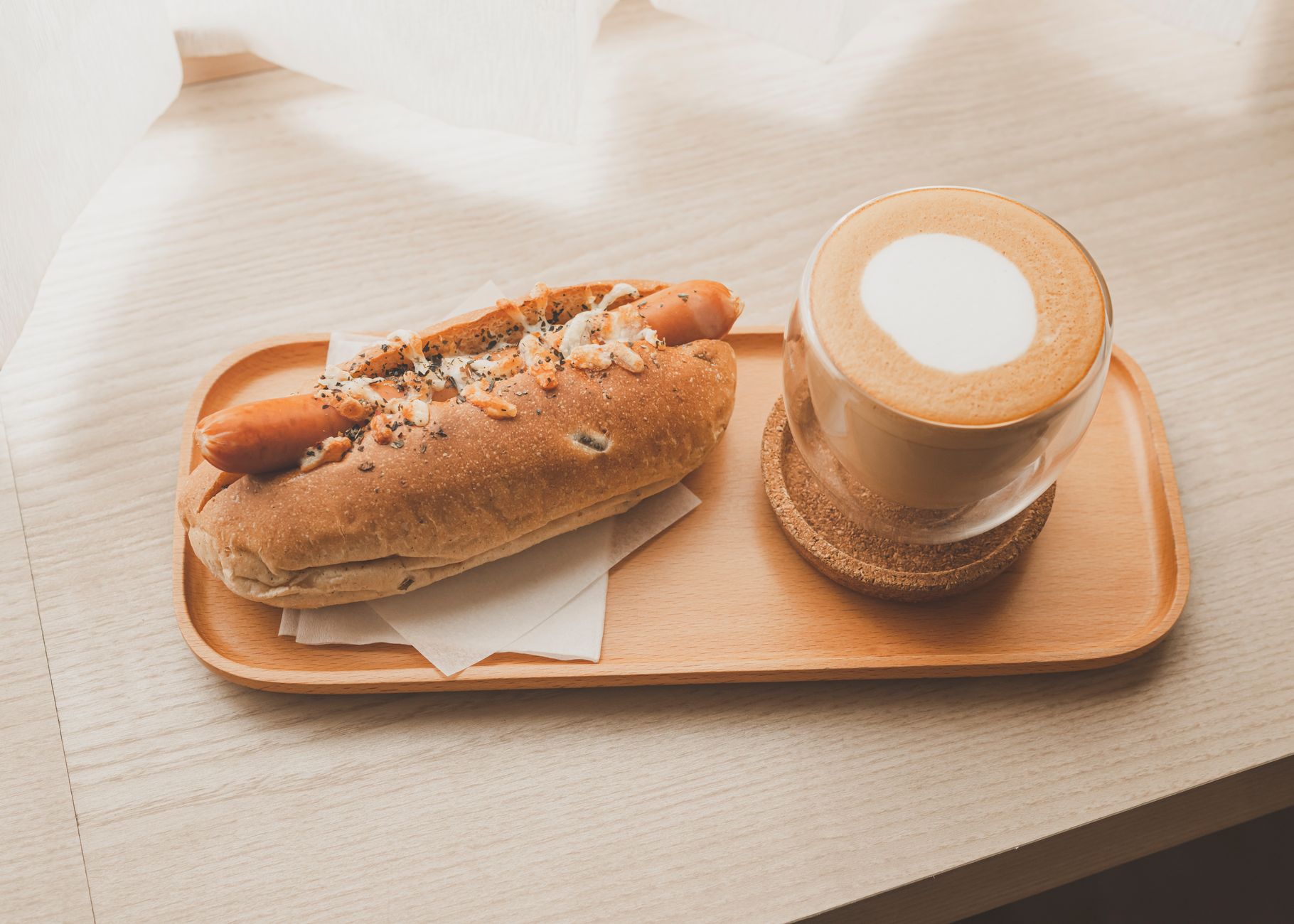 Photo: SpotwizardLee via Pexels
Specialty drinks to look for:
- Iced coffee — Japan pioneered flash-chilling hot brew over ice. This is not cold brew; it’s sharper, brighter, served in tall glasses
- Siphon coffee — theatrical, technically precise, produces a clean cup unlike any other method
- Cream soda — off-menu at Western cafés, standard in kissaten: melon soda with a scoop of vanilla ice cream
Japanese Pour-Over: Why It’s Different
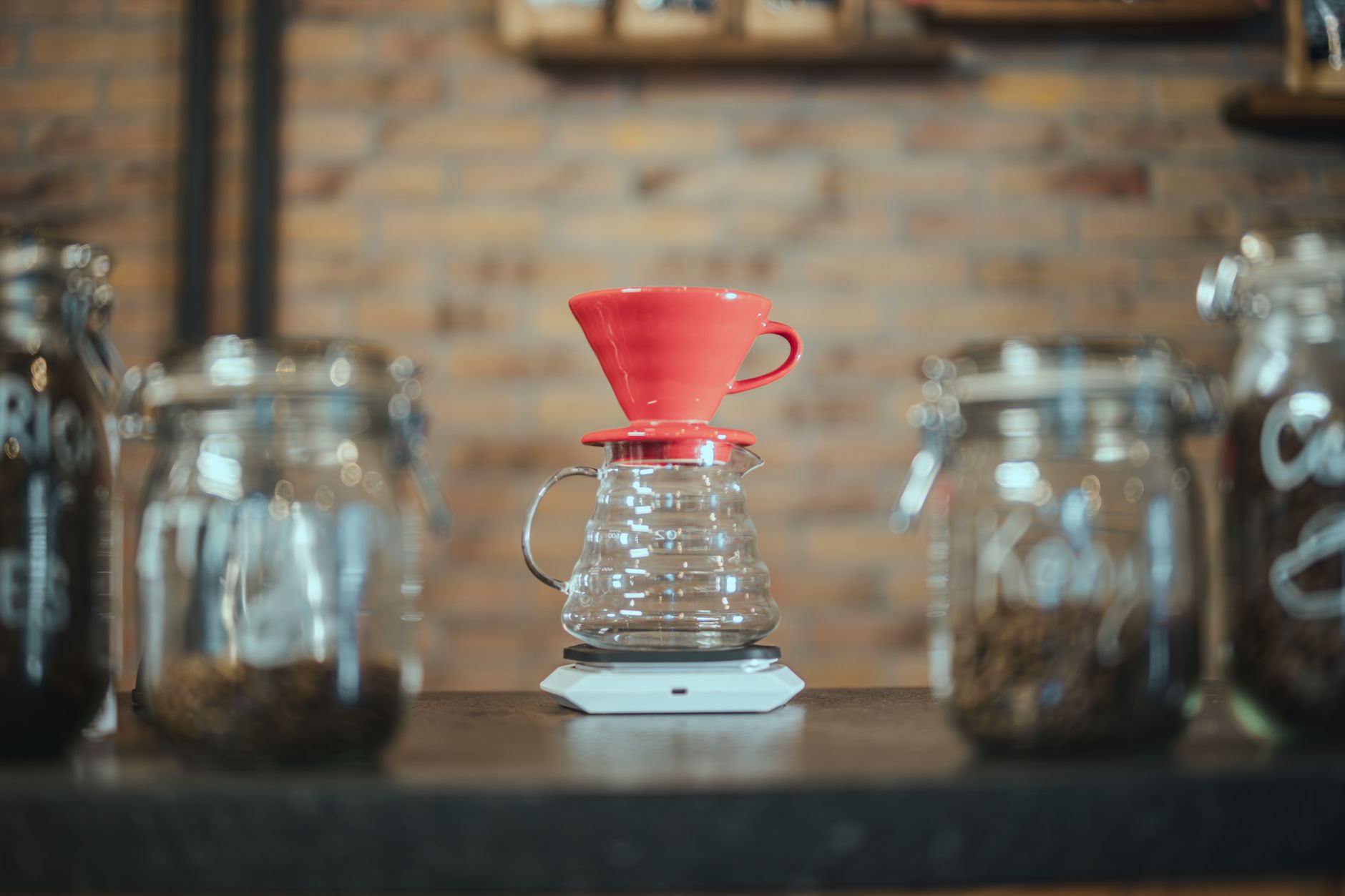
Japan didn’t just adopt pour-over — it built the technique from scratch. The Hario V60 and Kalita Wave were engineered here. Japanese barista competition culture demands sub-gram dose consistency and water temperature control to ±1°C. The result is a cup style that prioritizes clarity and sweetness over body.
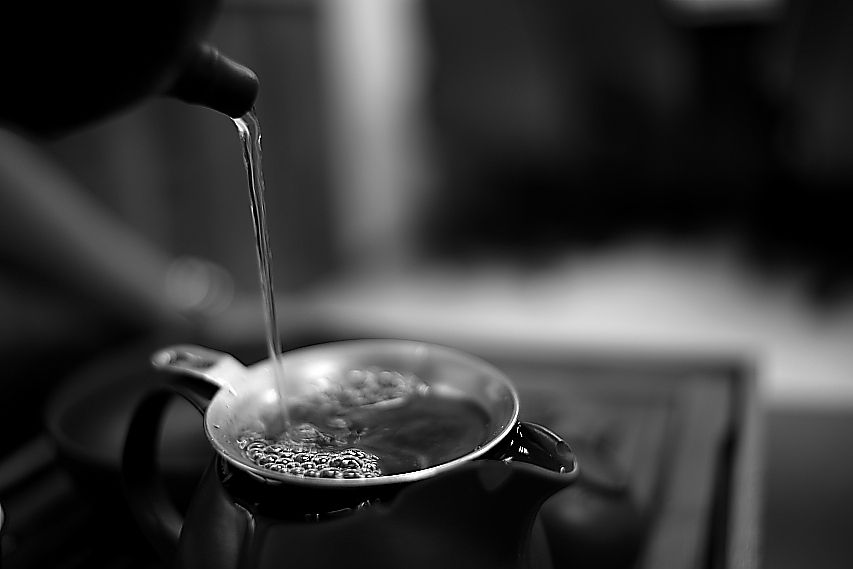 Photo: Flickr via Pexels
The foundational figure is Yukihiro Adachi, but the pour-over gospel spread through competing camps: the Ueshima Coffee school, the various regional champions who placed at WBC. What unifies them is the bloom — a 30–45 second pre-infusion to degas the CO₂ and ensure even extraction — and a controlled spiral pour that never touches the filter walls.
Key Equipment From Japan
| Equipment | What It Does | Why It Matters |
|---|---|---|
| Hario V60 | Conical dripper, spiral ribs | Fast drain, high clarity in cup |
| Kalita Wave | Flat-bottom dripper, wave filter | More forgiving, consistent extraction |
| Timemore C2 / 1Zpresso JX-Pro |
Japanese pour-over culture also normalized the hand grinder as a serious tool, not a camping compromise. The 1Zpresso and Timemore lines proved that a $70–$150 hand grinder outperforms many $200 electric models on grind consistency.
Canned Coffee: Japan’s Overlooked Masterpiece
Canned coffee in Japan is not a compromise — it’s a 50-year-old industry segment with dedicated blending labs, seasonal releases, and its own taste culture. Boss Coffee (by Suntory) and Georgia (by Coca-Cola Japan) dominate, but the range spans espresso-style to sweetened milk coffee to unsweetened black. All served hot or cold from vending machines on every corner.
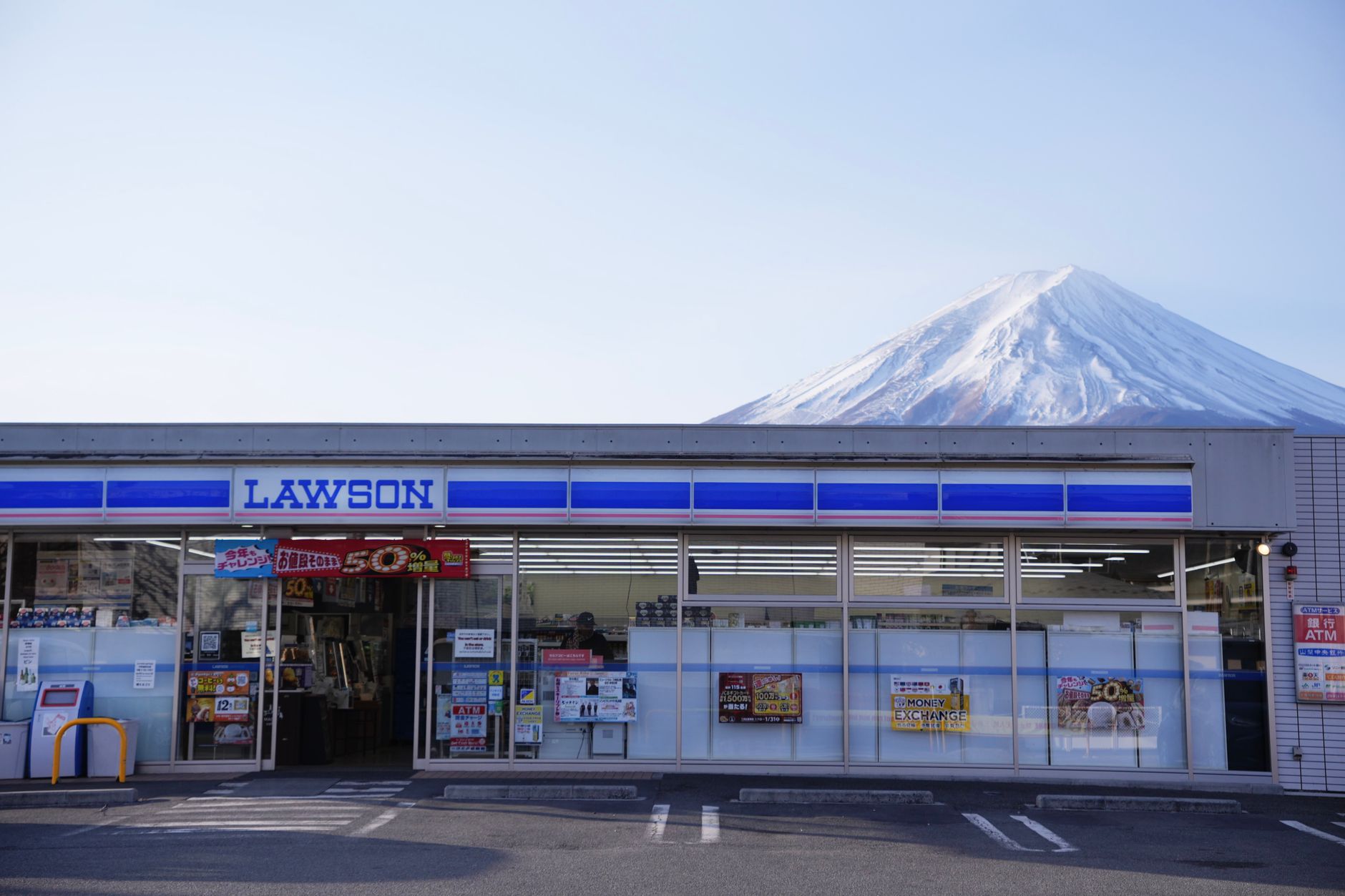 Photo: Kent Chin via Pexels
The format was invented in 1969 by UCC Ueshima Coffee. The cans are small — 185ml to 250ml — and priced around ¥120. The hot-can technology (vending machines hold cans at 55°C year-round) is distinctly Japanese; you will not find this in most of the world.
Boss Coffee’s branding — a pipe-smoking man modeled loosely on a 1950s American worker — became an accidental icon. The range now includes dozens of SKUs, and the “Rainbow Mountain Blend” (lightly sweetened, canned) has outsold most café drinks in Japan by volume.
Canned Coffee Styles at a Glance
| Style | Flavor Profile | Best For |
|---|---|---|
| Black (無糖, mutō) | Bitter, roasty, no additives | Daily commute |
| Café au lait (微糖, bisatō) | Lightly sweet, milky | Afternoon pick-up |
| Milk coffee | Sweet, soft, dessert-adjacent | First-timers |
| Espresso style | Concentrated, 100–120ml | Maximum caffeine |
How These Three Worlds Connect
Kissaten culture built the demand for quality. Pour-over technique gave Japan global barista credibility. Canned coffee made the category accessible to 125 million people daily. They’re not in tension — they’re the same national obsession at different price points and social contexts.
The through-line is attention to process. A kissaten master filtering through flannel for 40 years and an engineer at UCC calibrating a canned blend for shelf stability are doing the same thing: controlling variables to hit a repeatable result.
→ See also:
- The Third Wave Coffee Movement: A Complete Guide — how Japan’s precision culture influenced specialty coffee worldwide
- Best Coffee Cities in the US (2026 Guide) — which US cities took direct influence from Japanese café culture
- New York City Specialty Coffee Guide: 20 Best Cafés — several NY shops trace their lineage directly to Japanese training
FAQ
What is a kissaten and how is it different from a modern café? A kissaten (喫茶店) is a traditional Japanese coffee house, typically independent, focused on hand-brewed filter coffee served by a single proprietor. Unlike modern specialty cafés, kissaten rarely offer espresso-based drinks, plant milks, or food beyond simple breakfast sets. The emphasis is on the brewer’s technique and a quiet, unhurried atmosphere.
Why is Japanese pour-over technique considered the gold standard? Japan produced both the dominant hardware (Hario V60, Kalita Wave) and a rigorous competition culture that codified precise variables — grind size, bloom time, water temperature, pour rate. Japanese competitors consistently place at the World Brewers Cup, and their published recipes became the starting point for specialty shops worldwide.
Is canned coffee actually good, or is it a novelty? It depends on which you try. Unsweetened black canned coffee (無糖) from Boss or Georgia is a legitimate daily-driver — clean, consistent, reasonably extracted. The sweetened milk-coffee variants are more of an acquired taste. For anyone interested in Japanese coffee culture, trying both categories from a vending machine is genuinely worth doing.
Can I recreate kissaten coffee at home? Yes. You need flannel filter (neru) or a Hario V60, a medium-dark roast (Japanese kissaten tend toward longer, darker roasts than third-wave), and the patience for a slow, controlled pour at around 90°C. The cup will be fuller-bodied and slightly less acidic than most third-wave recipes target — that’s intentional.
What roast level does Japanese coffee culture prefer? Kissaten traditionally favor medium-dark to dark roasts, producing a bittersweet, low-acid cup. Third-wave Japanese roasters have embraced lighter roasts for single-origin work, but the cultural baseline is darker than Scandinavian or US West Coast specialty norms. Canned coffee is typically medium-dark, engineered for shelf stability and mass-market palatability.