
Contents
Australian Coffee Culture Explained: Why Flat Whites Win
TL;DR: Australian coffee culture is built on espresso precision, milk-forward drinks, and a hospitality-first café mindset that produced the flat white and refined the long black into global staples. Understanding australian coffee culture explained means knowing why Australians rejected the American coffee-shop template entirely — and why the world followed.
What Makes Australian Coffee Culture Different?
Australian cafés treat espresso as the baseline, not the premium tier. Every barista is trained to extract properly, every milk drink is textured to order, and every menu is stripped of the syrup-laden complexity that defines American chains. The result: a higher floor and a tighter range.
 Photo: Solehuddin Din via Pexels
Australia never had a dominant filter-coffee tradition. When espresso machines arrived via Italian and Greek immigrants in the 1950s, they landed in cities already accustomed to strong, dark tea — a culture that wanted intensity and clarity, not volume. That immigrant coffee heritage fused with a relaxed outdoor lifestyle and a hospitality industry that attracted skilled, curious people. Specialty coffee, when it arrived in the 1990s and 2000s, didn’t need to fight against a watery drip-coffee norm. It just refined what was already there.
The café is also a genuine community anchor in Australian cities. A local café — called a “local” — functions more like a neighborhood pub than a transactional grab-and-go stop. Regulars have their order remembered. Seating spills onto footpaths. The barista is a professional, not a minimum-wage stepping stone.
The Flat White: Australia’s Signature Contribution
A flat white is a double ristretto in a 150–165ml ceramic cup, topped with velvety microfoam — not froth, not latte foam, but steamed milk with a silky texture throughout. The ratio is tight: roughly 1:2.5 espresso to milk. This is not a small latte. It is a different drink.
 Photo: Letícia Alvares via Pexels
The flat white emerged in Sydney and Melbourne in the 1980s — both cities claim invention, neither can prove it, and neither really cares. What mattered was the problem it solved: lattes were too milky, cappuccinos too foamy, and short blacks too small for those who wanted milk. The flat white threaded that needle.
Its defining feature is the microfoam. Properly steamed milk has no visible bubbles, pours like paint, and integrates fully with the espresso rather than sitting on top. When a flat white is made correctly, the milk amplifies the espresso’s sweetness without diluting its character. When it’s made wrong — overheated, coarsely foamed, poorly extracted — you get a weak, slightly rubbery drink that explains why flat whites outside Australia often disappoint.
The Latte Art Connection
Flat whites pushed Australian baristas to master latte art not as decoration but as proof of technique. A rosetta or tulip requires the microfoam to be textured correctly — if the pour holds a pattern, the steaming was right. This created a feedback loop: customers learned to read art quality as a proxy for drink quality, which pushed baristas to maintain standards, which raised the floor across the industry.
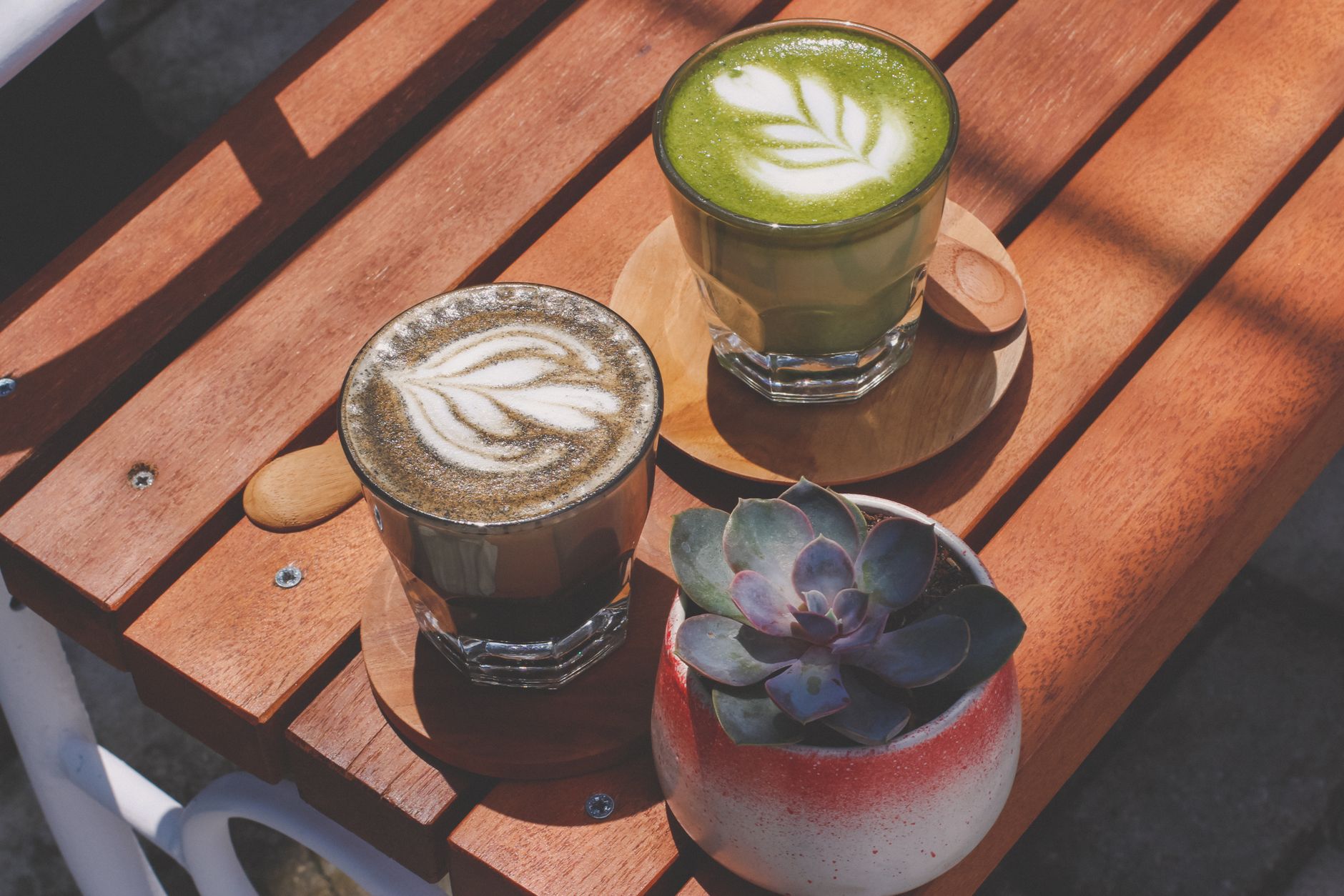 Photo: destiawan nur agustra via Pexels
The Long Black: Espresso Without Compromise
A long black is hot water in a prewarmed cup, with a double espresso poured over it — in that order. This preserves the crema. It is not an Americano. The inversion matters: espresso over water keeps the oils and aromatic compounds intact, producing a layered drink where crema floats undisturbed.
The long black is the drink that separates cafés that understand extraction from cafés that don’t. A properly made long black with quality beans — ideally single origin, well-roasted — reveals everything: acidity, sweetness, body, finish. There is nowhere to hide. Australians drink them black, without sugar, as a normal morning choice.
| Drink | Espresso | Water/Milk | Cup Size | Crema |
|---|---|---|---|---|
| Long Black | Double | 100ml hot water | 200–220ml | Preserved |
| Americano | Single/Double | 120–150ml added after | 250–300ml | Broken |
| Short Black | Single | None | 30ml | Full |
| Flat White | Double ristretto | ~120ml steamed milk | 150–165ml | Integrated |
Melbourne vs. Sydney: A Genuine Rivalry
Melbourne is considered Australia’s coffee capital — higher café density, stronger specialty scene, more third-wave roasters per capita. Sydney has excellent coffee but a broader range of quality. Ask an Australian which city has better coffee and you will start an argument that has no diplomatic resolution.
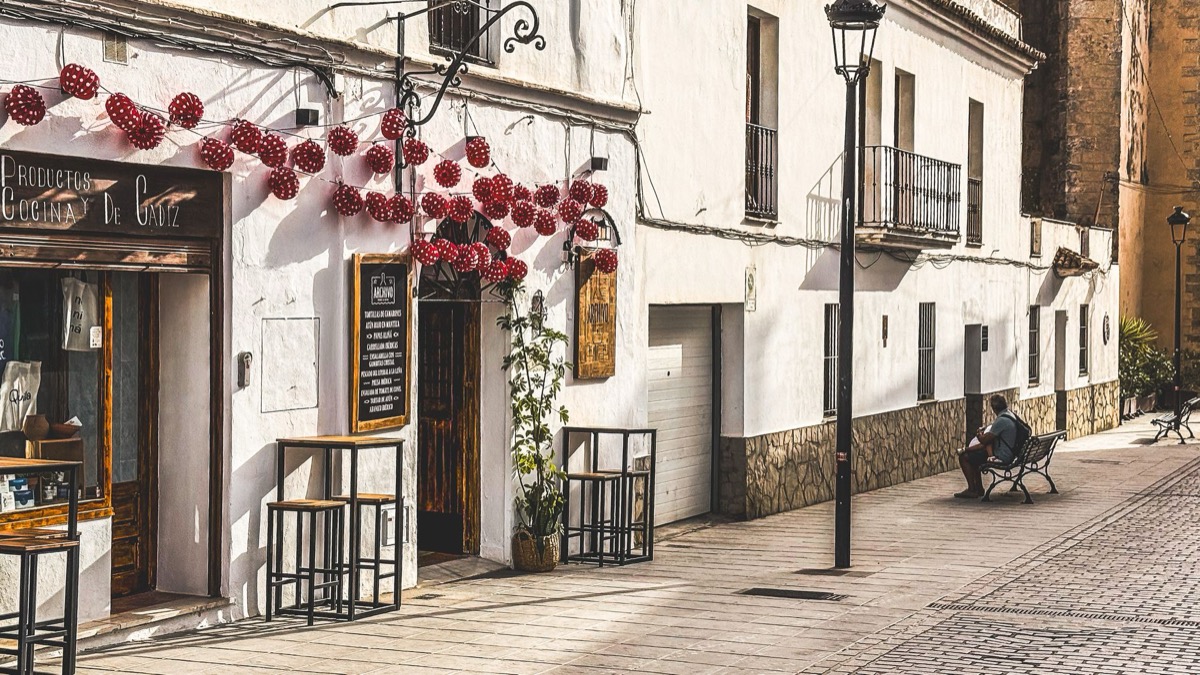 Photo: José Antonio Otegui Auzmendi via Pexels
Melbourne’s café culture concentrates in its CBD laneways and inner suburbs — Fitzroy, Collingwood, Brunswick. The city has more independent roasters than any comparable population center outside Nordic countries. Names like St. Ali, Market Lane, and Proud Mary trained baristas who went on to open shops globally.
Sydney counters with Surry Hills, Newtown, and Redfern, plus a coffee culture that absorbed more international influence earlier — particularly from Japanese precision brewing, which shows up in the meticulous pour-over programs at Sydney’s top specialty shops.
Both cities agree on one thing: coffee from a chain is a last resort, not a default.
Why Australian Coffee Culture Spread Globally
Australian and New Zealand café owners opened shops in London, New York, and Los Angeles in the 2000s and 2010s, introducing flat whites and long blacks to markets dominated by either filter coffee or over-milked espresso drinks. The timing aligned with the third-wave coffee movement — see The Third Wave Coffee Movement: A Complete Guide — which had primed specialty consumers to care about origin, extraction, and craft.
The flat white hit Starbucks’ global menu in 2015. That single decision confirmed what the specialty industry already knew: the Australian approach had become the aspirational benchmark for espresso milk drinks worldwide.
→ See also:
- Best Coffee Cities in the US (2026 Guide)
- New York City Specialty Coffee Guide: 20 Best Cafés
- The Third Wave Coffee Movement: A Complete Guide
FAQ
What is Australian coffee culture known for? Australia is known for precision espresso, a high baseline of barista skill, and drinks like the flat white and long black that prioritize extraction quality over volume or sweetness. The café functions as a community space, and filter coffee is largely absent from the mainstream.
Is a flat white Australian or New Zealand? Both countries claim it. The most-cited origin stories place it in Sydney and Auckland in the early-to-mid 1980s, with neither able to provide definitive documentary proof. In practice, both countries developed it independently and simultaneously, which is why the claim remains contested and both sides are correct enough.
Why do Australians drink long blacks instead of Americanos? The method differs: a long black pours espresso over hot water, preserving the crema and the aromatic oils on the surface. An Americano adds water to espresso after extraction, breaking the crema. The long black tastes cleaner, richer, and more layered — the difference is audible to anyone who drinks them side by side.
What coffee do Australians actually drink most? Flat whites and lattes are the volume leaders, followed by long blacks and cappuccinos. Short blacks (single espresso) are common as a quick hit. Cold brew and batch filter are growing in specialty shops but remain niche compared to espresso-based orders.
Is Australian coffee culture the same as specialty coffee? Not exactly. Australian coffee culture predates the specialty movement and developed from a different origin — immigrant espresso tradition rather than the American reaction against commodity filter coffee. The two overlap significantly now, but a standard suburban Australian café operates at a quality level that would qualify as specialty in many US markets, without the specialty-shop signaling or price premium.