Contents
Shakerato Recipe: Italian Iced Espresso Done Right
TL;DR: A shakerato recipe is two shots of espresso, a sweetener, and ice shaken in a cocktail shaker until frothy, then strained into a chilled glass. No milk, no fuss — just cold, aerated espresso with a light foam cap. It takes under two minutes and is the Italian summer default.
What Is a Shakerato?
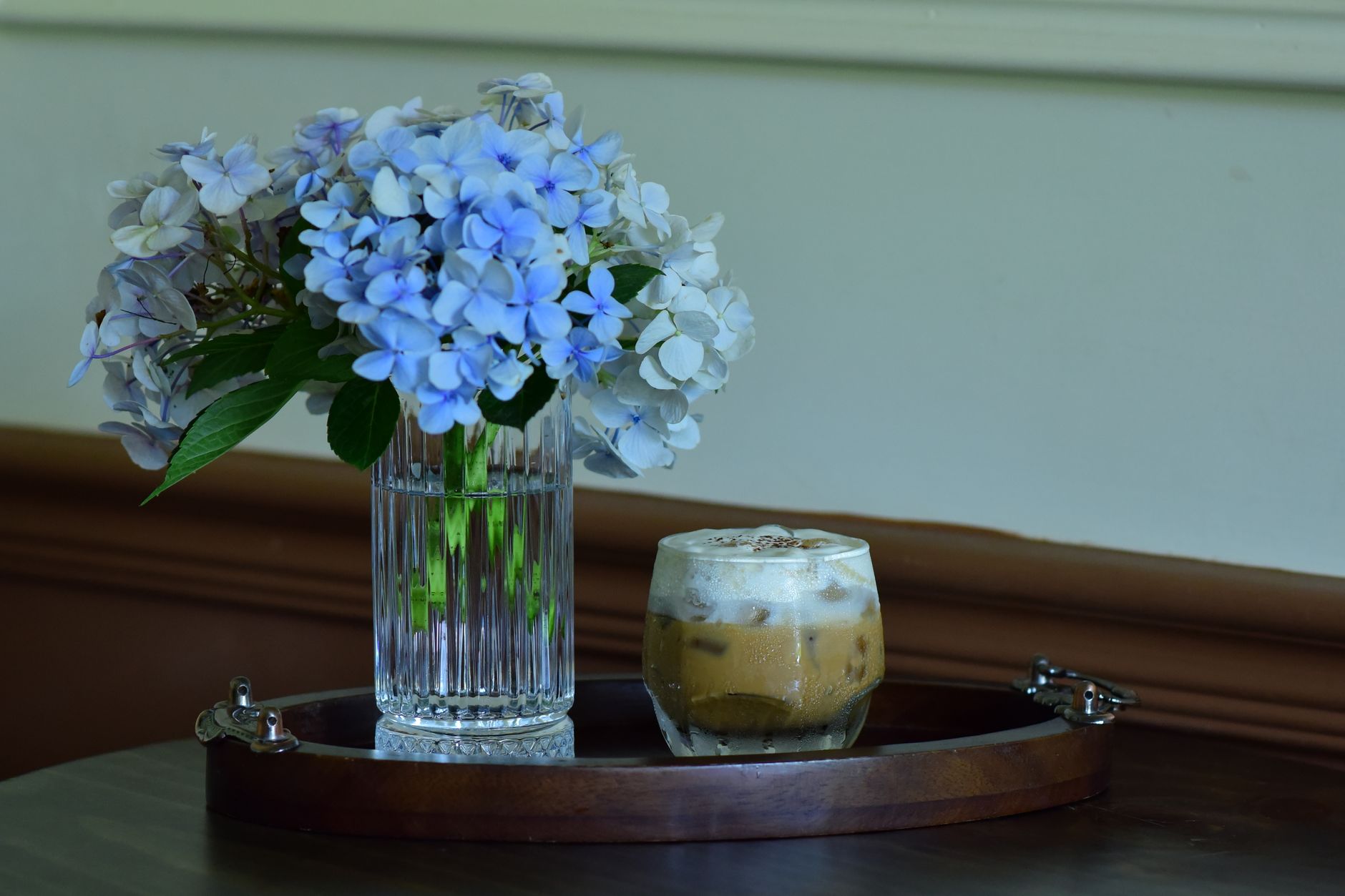
A shakerato is espresso shaken over ice to create a cold, frothy drink. The vigorous shaking chills the coffee instantly and whips the espresso’s natural oils and proteins into a thin, persistent foam layer. It’s served straight — no milk, no water, no dilution beyond the melt from the ice during shaking.
 Photo: Samuel Weirich via Pexels
The drink comes from Italian bars, where a barista pulls a double shot, drops it into a shaker with sugar and ice, gives it 10–15 hard shakes, and strains it into a coupe or martini glass. What lands in the glass is silky, slightly sweet, intensely coffee, and cold enough to drink immediately.
It differs from iced coffee in a critical way: the ice never enters the glass. You shake to chill, then strain. The result has no dilution from melting ice sitting in the drink — just dense, cold espresso topped with micro-foam.
Shakerato Recipe: What You Need
Two ingredients, one tool. The shakerato recipe requires fresh espresso, a sweetener, and a cocktail shaker with ice. Coupe glasses or martini glasses are traditional — the wide rim shows off the foam — but any chilled glass works. Quality espresso is the single biggest variable.
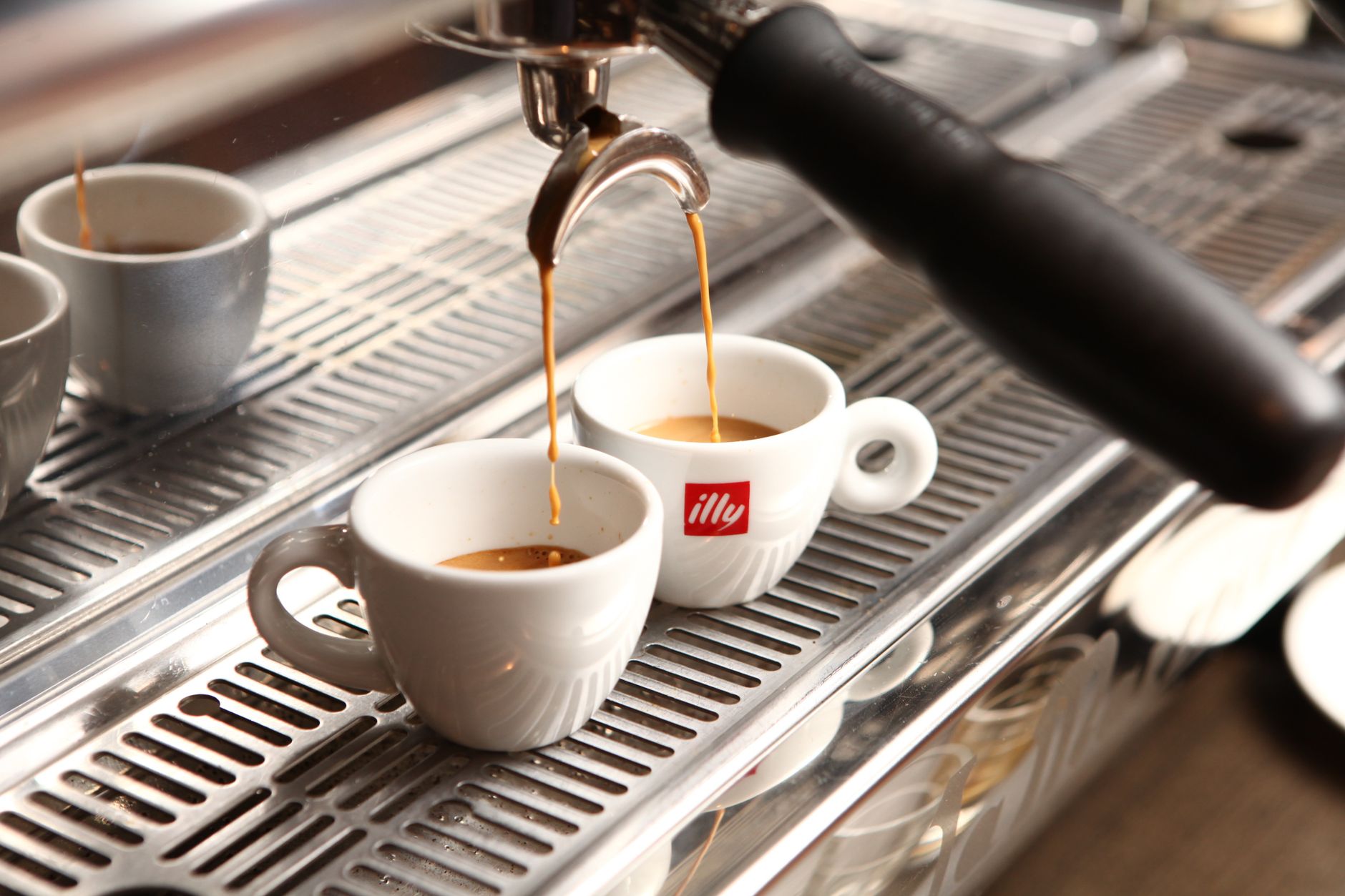 Photo: Pixabay via Pexels
Ingredients (1 serving)
| Ingredient | Amount | Notes |
|---|---|---|
| Espresso | 60 ml (double shot) | Hot, freshly pulled |
| Simple syrup | 10–15 ml | Or 1 tsp white sugar |
| Ice | 4–6 large cubes | For shaking only |
Equipment
- Cocktail shaker (Boston or Cobbler)
- Fine strainer or hawthorne strainer
- Chilled coupe or martini glass
How to Make a Shakerato — Step by Step
Pull your double shot, add sweetener to the shaker first, add ice, pour the hot espresso directly over the ice, seal, and shake hard for 10–15 seconds. Strain immediately into a chilled glass. The whole process runs under 90 seconds.
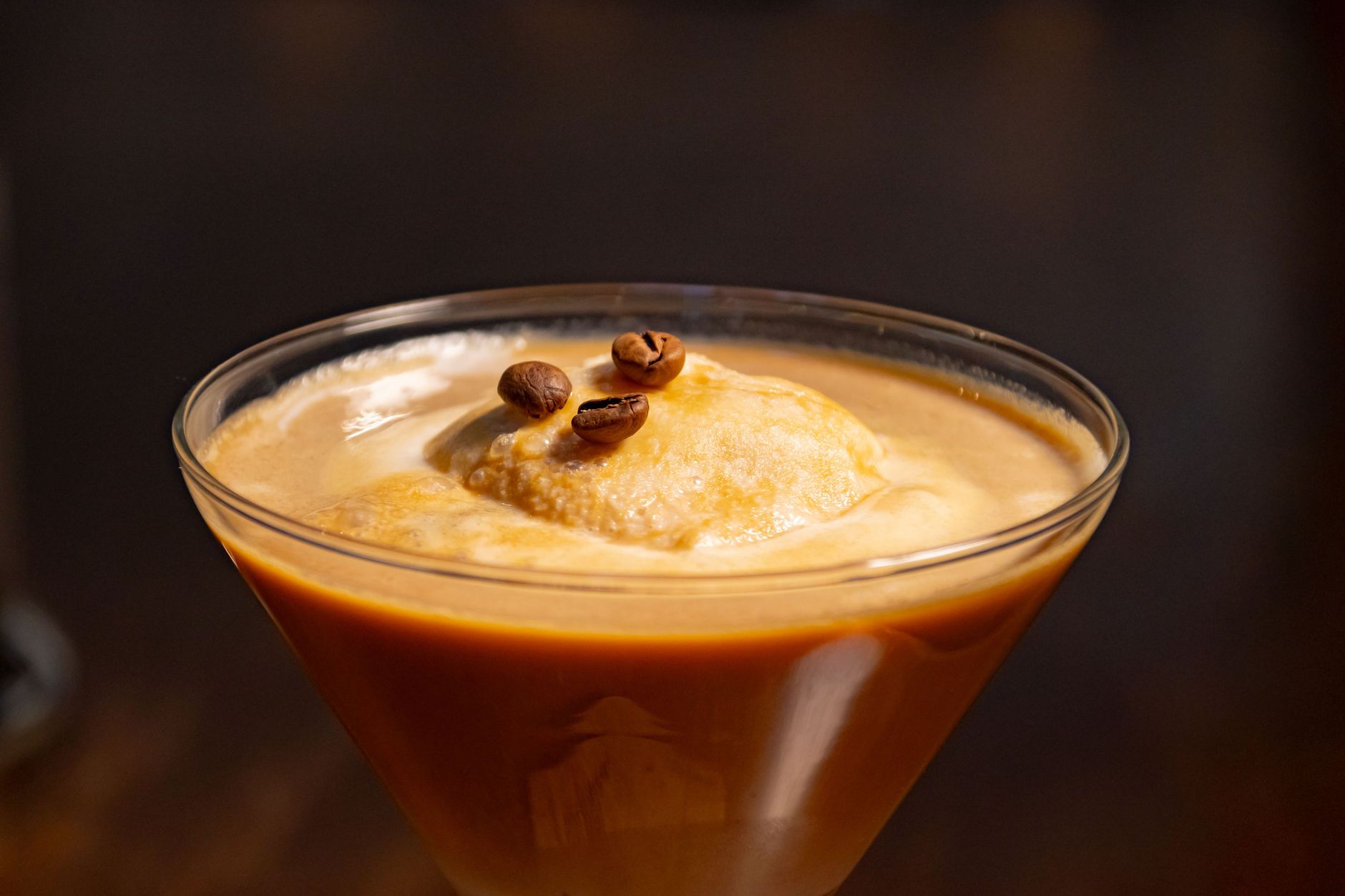 Photo: Blanca Isela via Pexels
- Chill your glass — stick it in the freezer for a few minutes, or fill with ice water while you prep.
- Add sweetener to the shaker — simple syrup dissolves faster than granulated sugar; 10 ml is a good starting point.
- Pull your double shot — aim for 25–30 seconds, 1:2 ratio. A ristretto (1:1.5) gives a more intense result.
- Pour the hot espresso over the ice immediately.
- Seal and shake hard — 12–15 firm shakes. You want the shaker to feel cold and frost up on the outside.
- Strain into the chilled glass — use a fine strainer to catch ice chips and get a clean foam layer.
- Serve immediately — the foam starts to dissipate within a couple of minutes.
The Shaking Technique
Don’t be gentle. You’re trying to aerate, not just chill. A few half-hearted shakes gives you cold espresso; a full 15-second hard shake gives you the foam cap that defines the drink. The ice in the shaker should rattle violently.
Variations Worth Trying
The base shakerato recipe takes additions well. Vanilla syrup, a strip of orange peel, or a few drops of orange bitters all work without fighting the espresso. For a richer version, 15 ml of cream shaken in makes a shakerato cremoso — closer to a Dalgona in texture, still Italian in spirit.
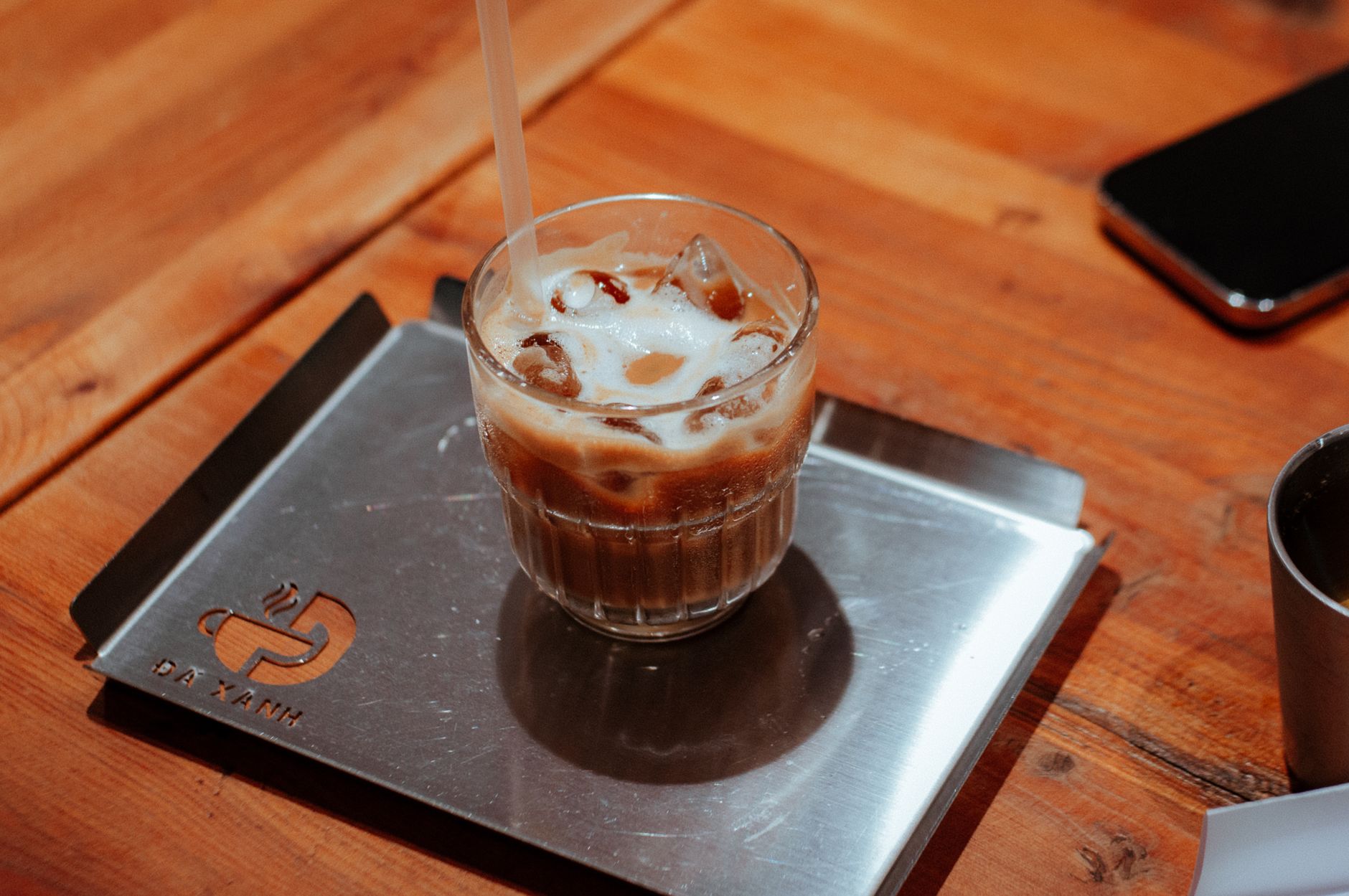 Photo: 🇻🇳🇻🇳Nguyễn Tiến Thịnh 🇻🇳🇻🇳 via Pexels
| Variation | What to Add | Effect |
|---|---|---|
| Shakerato Cremoso | 15 ml heavy cream | Richer, thicker foam |
| Vanilla Shakerato | Vanilla syrup instead of plain | Softer, dessert-leaning |
| Bitter Shakerato | 2 dashes orange bitters | Citrus contrast, adult-leaning |
| Ristretto Shakerato | Ristretto instead of doppio | More concentrated, sweeter naturally |
Espresso Quality Matters More Here
Because there’s nowhere to hide in a shakerato — no milk, no dilution — the espresso does all the work. A sour or flat shot produces a sour or flat shakerato, amplified.
Use beans roasted within 2–4 weeks. Medium or medium-dark roasts shake up better; very light roasts can taste sharp when cold. Dial your grinder for a 25–30 second extraction before you start.
→ See also
- Espresso Drinks: The Complete Guide to Every Type
- What Is a Cortado? (And How It Differs From a Macchiato)
- Cortado vs Flat White vs Macchiato: Full Comparison
FAQ
Can I make a shakerato without a cocktail shaker? A mason jar with a tight lid works — shake over a folded towel for grip. You lose some control straining, but the result is the same. A French press plunger won’t aerate the way a sealed shaker does; the tumbling action is what builds foam.
Does a shakerato need sugar? No, but espresso served cold tastes more bitter than hot — cold suppresses sweetness perception. Most people find 10–15 ml of simple syrup balances it without making it taste sweet. If you use a naturally sweet medium roast, you can often drop to 5 ml.
What glass should I use for a shakerato? A coupe or small martini glass is traditional — the wide opening shows the foam layer and keeps the drink cold. If you don’t have one, any small, wide-mouthed glass works. Chill it first regardless.
Can I use cold brew or moka pot instead of espresso? Moka pot works and is common in Italian homes — use a ristretto-style pull and expect a slightly rougher foam. Cold brew concentrate won’t shake up the same foam because it lacks the hot-extracted oils and crema proteins that create the froth. Espresso or moka pot is the right tool here.
Editorial methodology: Assessments are based on manufacturer specifications, published user reviews, and editorial research. Physical hands-on testing is noted explicitly where it occurred. Rankings reflect our editorial judgment and are not influenced by affiliate commission rates. Full editorial policy · Affiliate disclosure