Contents
Sage Barista Express Impress Review (2026)
TL;DR: The Sage Barista Express Impress is the best all-in-one espresso machine under $1,000 for home baristas who want grind-to-shot integration without a separate grinder. It pulls genuinely good espresso — sharp crema, consistent extraction — and the new Impress tamping system eliminates the biggest beginner mistake. Not for milk-drink obsessives on a tight budget.
 Photo: Thirdman via Pexels
What Is the Sage Barista Express Impress?
The Barista Express Impress (BES876) is Sage’s mid-range integrated grinder-espresso machine, updating the original Express with a built-in Impress Puck System: a dosing funnel plus a spring-loaded tamper that delivers consistent 10kg pressure every time. Street price is £699–£749 / ~$850 USD. It sits between the entry-level Barista Express and the dual-boiler Barista Pro.
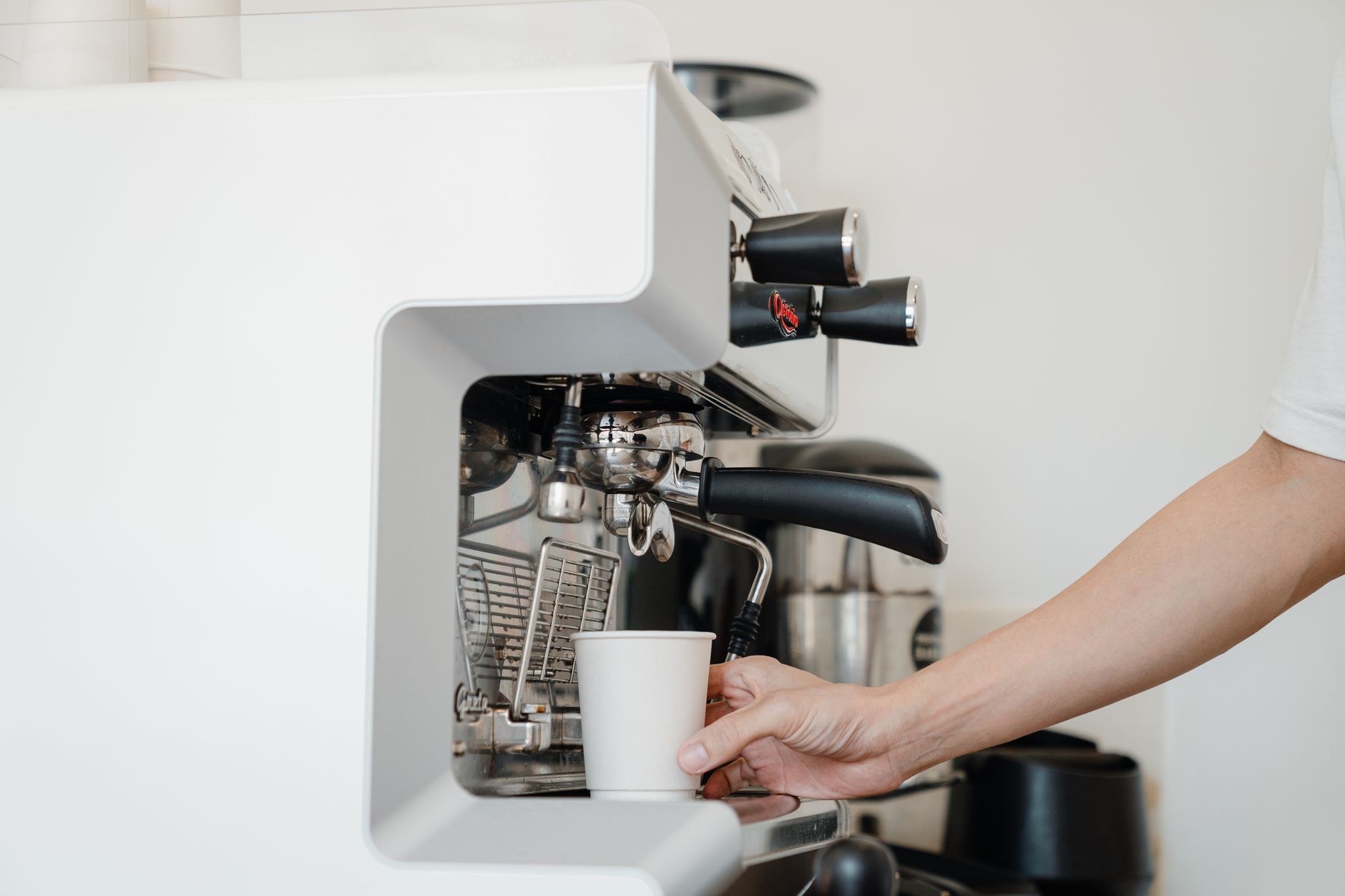 Photo: Ketut Subiyanto via Pexels
The core pitch is eliminating two of the three biggest failure points for home espresso: inconsistent grind dose and inconsistent tamp pressure. The third — water temperature — is handled by a thermocoil system with digital PID.
Who Built It and Why It Matters
Sage (Breville in the US and Australia) has owned the sub-$1,000 prosumer segment since the Barista Express launched in 2013. The Impress variant launched in 2022 and has had steady firmware and cosmetic updates since. The 2026 unit shipping now includes a revised steam wand with improved swivel range — a small but real upgrade for milk work.
Sage Barista Express Impress Specs
| Spec | Detail |
|---|---|
| Boiler type | Single thermocoil (stainless steel) |
| Portafilter size | 54mm |
| PID | Yes — digital temperature control |
| Pump type | 15-bar Italian vibratory (OPV-limited to 9 bar) |
| Burr size | 38mm conical steel |
| Grind settings | 30 stepped |
| Steam wand | Single-hole, manual |
| Water tank | 2L removable |
| Dimensions (W×D×H) | 320 × 375 × 400mm |
| Weight | 9.9kg |
| Colour options | Stainless, Black Truffle, Brushed Stainless |
The Impress Puck System: Does It Actually Help?
Yes — meaningfully. The integrated dosing funnel channels ground coffee directly into the portafilter basket without scatter, and the spring-loaded tamper clicks at 10kg every time. For anyone who has ever tamped at 6kg on a Monday and 18kg on a Friday, this removes a real variable. Espresso consistency improves noticeably within the first week.
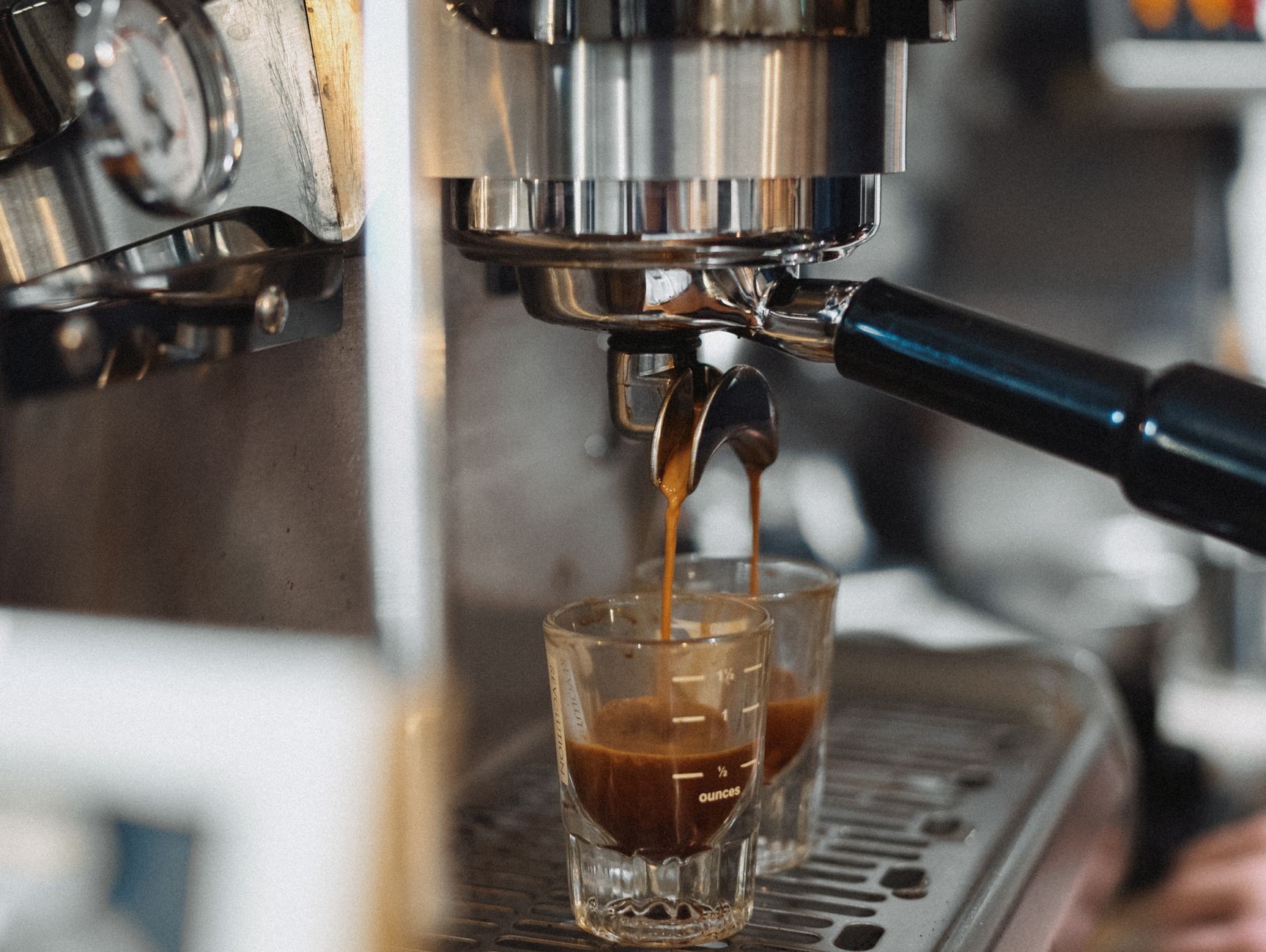 Photo: Gu Ko via Pexels
The funnel collapses into the grinder exit, so it doesn’t add footprint or a separate workflow step. The tamper is fixed to the machine body — you lower the portafilter onto it, not the other way round. Muscle memory forms fast.
What it doesn’t fix: channelling caused by uneven distribution. If you’re pulling shots with visible blonding streaks, you still need a distribution tool or WDT. The Impress tamps level, but it doesn’t stir.
Grinder Performance
The 38mm conical is the weakest link and always has been. It produces a grind that’s workable for espresso — adequate particle distribution, reasonable shot-to-shot consistency — but it generates fines that can cause over-extraction at finer settings. It’s not in the same league as a Niche Zero or even a Eureka Mignon Silenzio.
That said, it’s better than any standalone grinder under £200, which is the real comparison here. If you’re buying the Express Impress, you’re not buying a separate grinder. At that system price, the grinder earns its place.
Espresso Quality: Real-World Shots
Dialed in, the Barista Express Impress pulls espresso in the specialty range: 9-bar extraction pressure, 93°C brew temp, 25–30 second shot time. Crema is thick and persistent. Flavour clarity is good for a single-boiler machine — light roasts require patience on grind calibration, but medium and dark roasts are immediately rewarding.
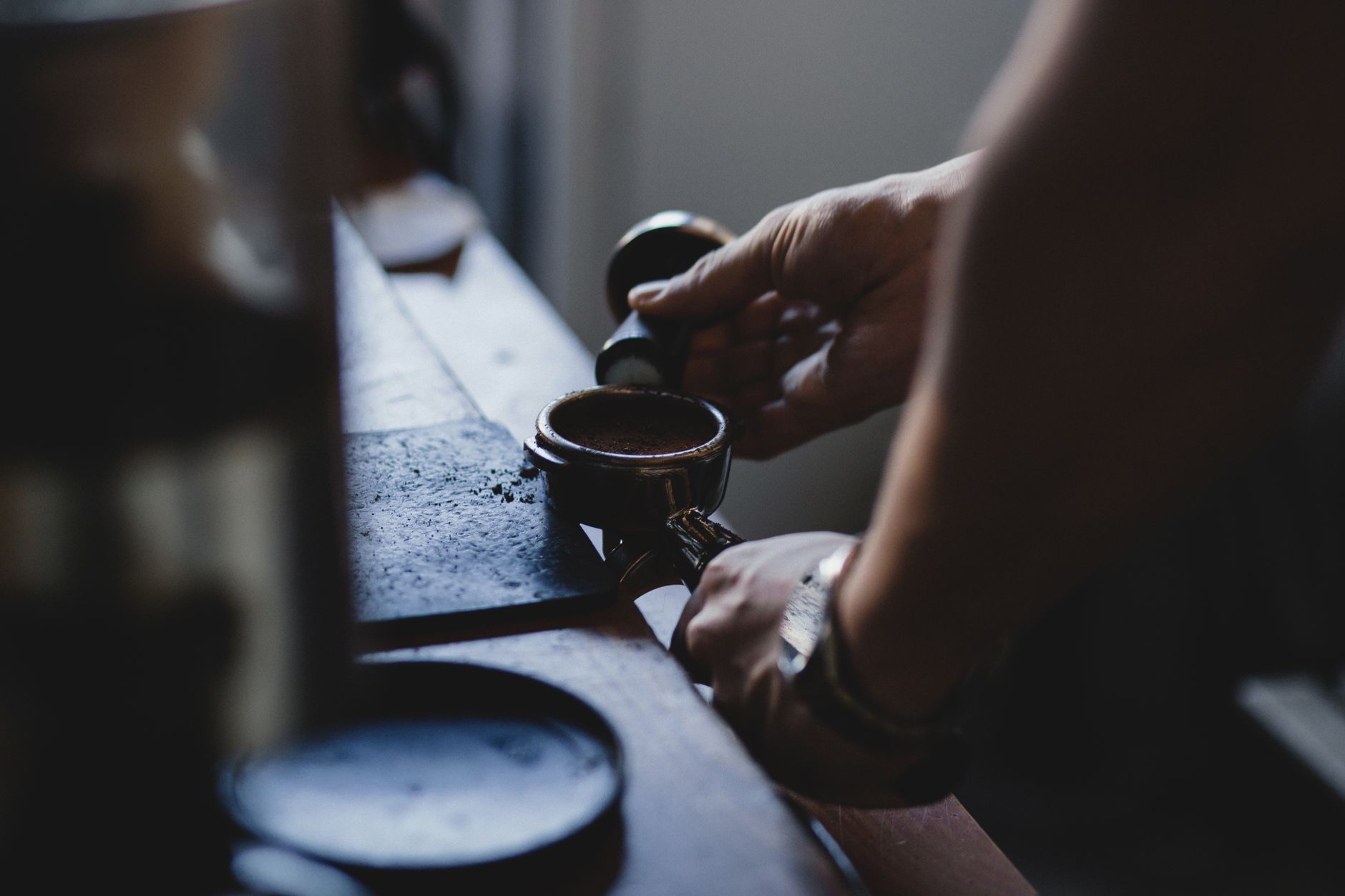 Photo: freestocks.org via Pexels
Thermocoil recovery between shots is fast — roughly 30 seconds back to temp, which is practical for back-to-back doubles. The PID holds temperature within ±1°C, which is verified with puck temperature strips if you want to test it.
The 54mm portafilter is a genuine limitation vs. 58mm prosumer machines: less basket volume, less room for error on dose, and fewer compatible aftermarket accessories. You can use VST or IMS baskets, but the selection is narrower.
Milk Steaming
Single-boiler means you wait between pulling a shot and steaming milk — typically 10–15 seconds for the machine to switch modes. For a cappuccino or flat white workflow this is a slight friction point, not a deal-breaker.
The revised 2026 steam wand has better range of motion and the single hole produces enough velocity for microfoam if your technique is solid. It’s not the three-hole wand on the Barista Pro, but it’s sufficient for latte art at home level.
Comparison: Barista Express Impress vs. the Competition
| Machine | Price (UK) | Boiler | Portafilter | PID | Grinder | Best For |
|---|---|---|---|---|---|---|
| Sage Barista Express Impress | £699–£749 | Single thermocoil | 54mm | Yes | 38mm conical (built-in) | All-in-one espresso |
| Sage Barista Pro | £899 | Single thermocoil | 54mm | Yes | 38mm conical (built-in) | Faster workflow, OLED |
| Sage Barista Touch Impress | £1,099 | Single thermocoil | 54mm | Yes | 38mm conical (built-in) | Touchscreen convenience |
| De’Longhi La Specialista Arte | £499 | Single thermocoil | 51mm | Partial | Steel disc (built-in) | Budget all-in-one |
| Breville Barista Express Impress (US) | $899 | Single thermocoil | 54mm | Yes | 38mm conical (built-in) | US equivalent |
| Rancilio Silvia + Eureka Mignon | ~£850 combo | Single boiler | 58mm | No (add-on) | Dedicated flat burr | Upgradeable espresso path |
The Rancilio Silvia comparison is instructive: for similar money you get a 58mm portafilter and a better standalone grinder, but you lose the integrated workflow and gain a steeper learning curve with no PID standard.
Verdict by User Archetype
Espresso purist: Buy it if grind-to-cup integration matters to you and you’re not ready to spend £1,500+ on a dual boiler + dedicated grinder setup. Upgrade the baskets (IMS competition basket, £40) immediately — the stock double basket under-performs what the machine can do.
Milk drink drinker: Viable, but the single-boiler workflow adds friction. If you’re pulling 4+ milk drinks a day, the Barista Pro’s faster transition is worth the £150 premium. The Barista Touch Impress is the ceiling of this line if you want touchscreen profiles.
Convenience-first: This is your machine. The Impress system genuinely reduces the skill floor. You’ll be pulling consistent espresso within a week without any barista training. The learning curve is real but the guardrails are good.
→ See Also
- The Complete Guide to Espresso Machines (2026)
- Best Espresso Machine Under $500 (2026)
- Best Espresso Machine Under $200 (2026)
FAQ
Is the Sage Barista Express Impress worth it in 2026? Yes, for most home espresso setups under £800 it remains the benchmark all-in-one. The built-in Impress tamping system and PID temperature control close the gap between home and café quality more effectively than anything at the price. If your budget stretches to £1,000+, consider a dedicated grinder and separate machine for a better upgrade path.
What is the difference between the Barista Express and the Barista Express Impress? The Impress adds the integrated dosing funnel and spring-loaded tamper that delivers consistent 10kg tamp pressure. The underlying machine — boiler, pump, grinder, portafilter — is identical. The Impress costs roughly £100 more and is worth it for anyone who hasn’t already developed a reliable manual tamp.
Can the Sage Barista Express Impress use pre-ground coffee? Yes. There’s a dedicated pre-ground slot that bypasses the grinder and doses directly into the portafilter. It works, but you lose the Impress funnel benefit and have to tamp manually. It’s a useful fallback for espresso blends you buy pre-ground, not a primary workflow.
How long does the Barista Express Impress last? With descaling every 2–3 months and group head cleaning weekly, these machines commonly run 7–10 years. Sage’s UK warranty is 2 years; extended warranties to 5 years are available. The most common failure point is the solenoid valve, which is user-replaceable and costs around £25 in parts.
Does the Sage Barista Express Impress work with aftermarket baskets? Yes. The 54mm portafilter accepts IMS, VST, and Pullman baskets. The IMS competition double basket (58g, ~£40) is the single best upgrade for the machine — it improves shot clarity noticeably and is the first thing experienced users buy.
Editorial methodology: Assessments are based on manufacturer specifications, published user reviews, and editorial research. Physical hands-on testing is noted explicitly where it occurred. Rankings reflect our editorial judgment and are not influenced by affiliate commission rates. Full editorial policy · Affiliate disclosure