Contents
Percolator vs Drip Coffee: Which Makes Better Coffee?
TL;DR: Drip coffee makers produce more consistent, cleaner cups with better temperature control and less bitterness. Percolators brew faster and make stronger coffee, but their continuous recirculation over-extracts easily, producing harsh, bitter results. For daily drinking, a drip machine wins the percolator vs drip coffee matchup on cup quality — percolators earn their place for camping and nostalgia.
What’s the Real Difference Between Percolator and Drip Coffee?
Percolators cycle the same water through the grounds repeatedly as it heats, while drip machines pass fresh hot water through grounds exactly once. That single-pass design is why drip coffee is cleaner and more predictable — the percolator’s recirculation loop is the source of both its strength and its bitterness problem.
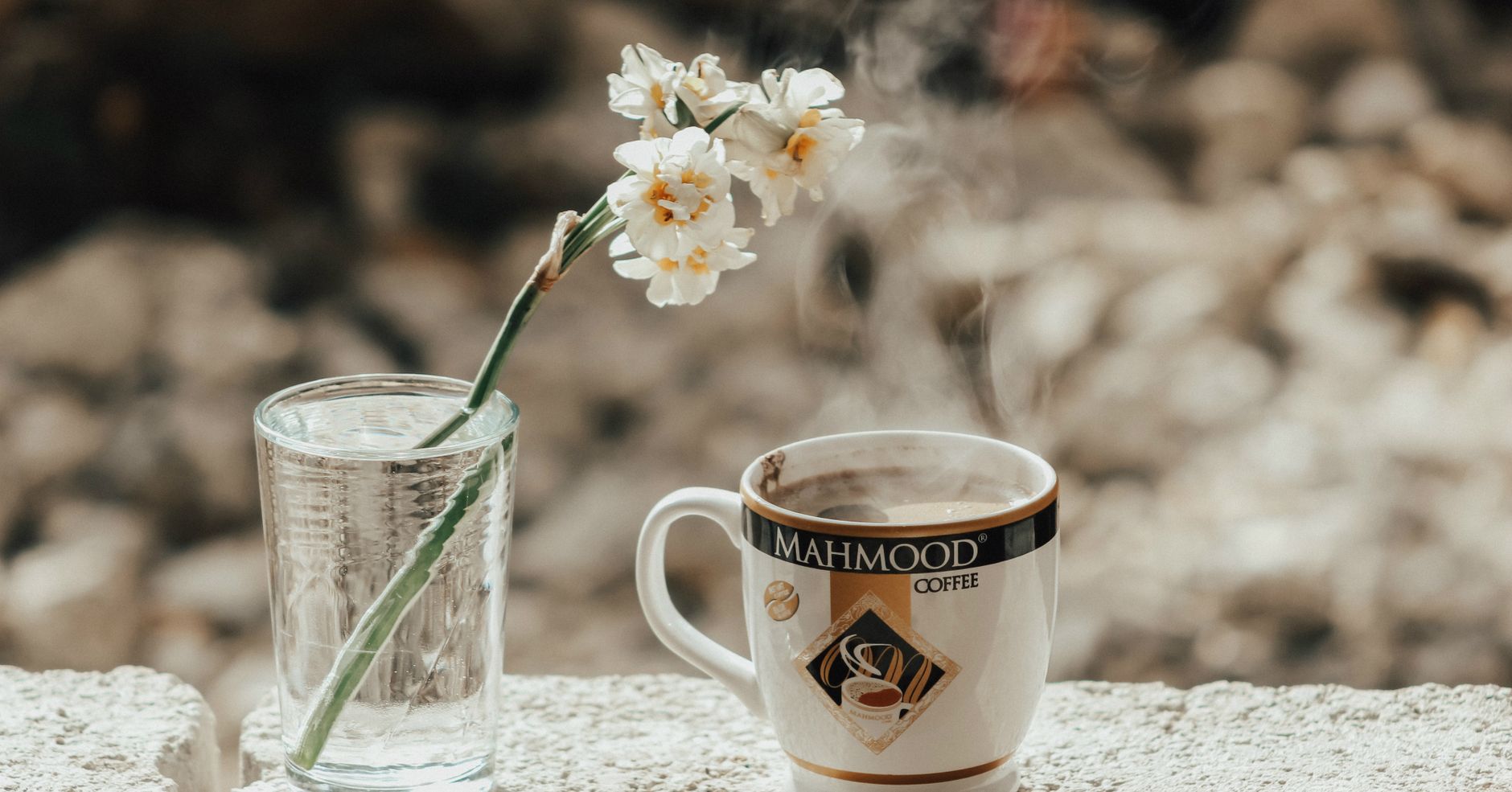
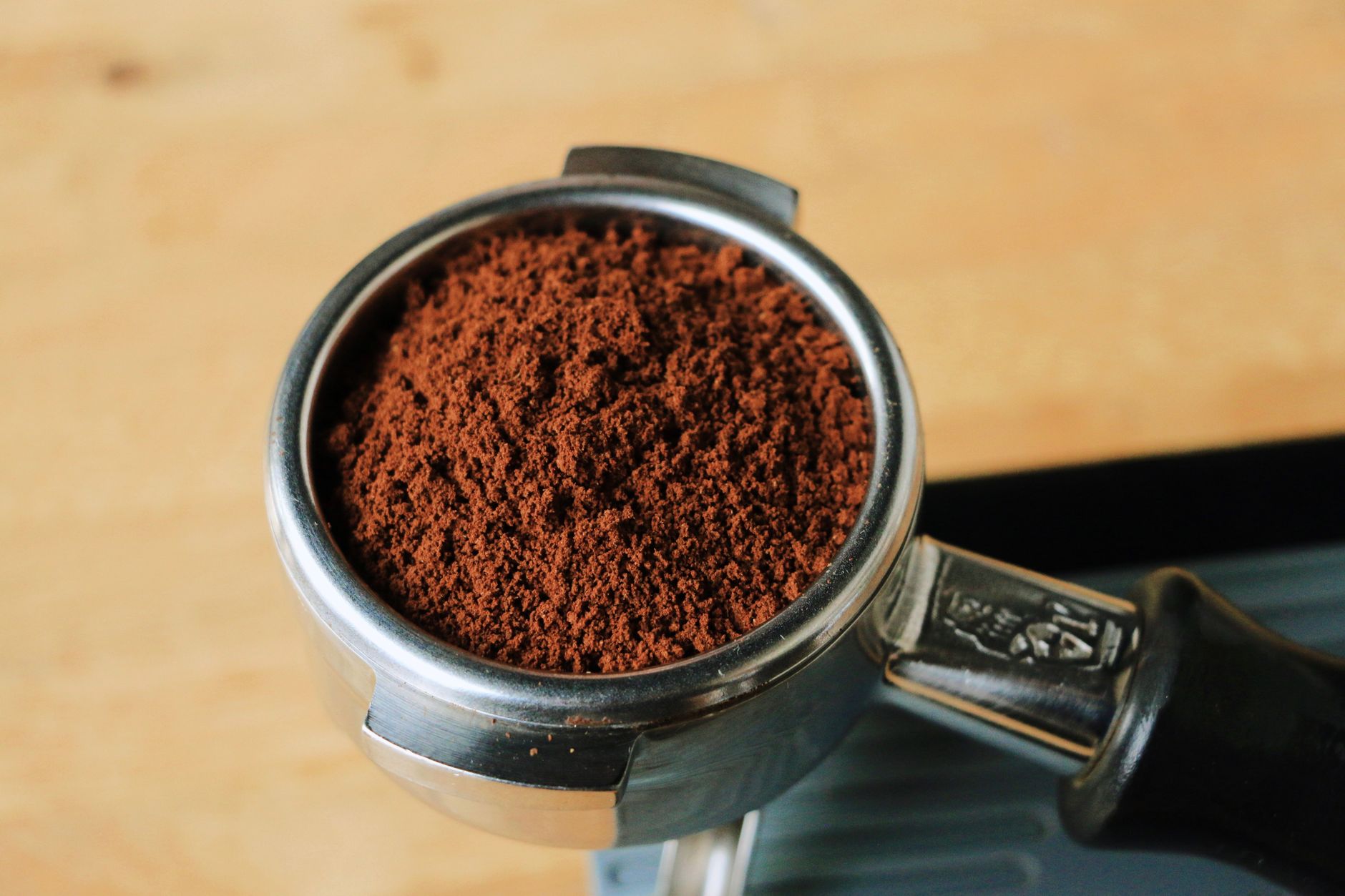 Photo: Maksim Goncharenok via Pexels
The mechanics split at first principles. A percolator uses a boiling chamber connected to a vertical tube: as water heats, it’s pushed up through the tube, sprays over the coffee basket, and drips back into the boiling water to be reheated and cycled again. The water temperature at the grounds regularly exceeds 96°C (205°F) — sometimes reaching a full boil — and repeats that extraction loop for the entire brew time.
A drip machine heats water once to a target temperature (ideally 90–96°C / 195–205°F) and lets gravity pull it through the grounds into a carafe below. No recirculation. The spent grounds are done after one pass.
This distinction explains everything: extraction control, flavor clarity, and why drip machines dominate modern kitchens.
Flavor Comparison: Percolator vs Drip Coffee
Drip coffee tastes cleaner, brighter, and more balanced. Percolator coffee is bolder and stronger but frequently bitter — not because it’s “more coffee,” but because repeated boiling extracts tannins and chlorogenic acids that a single-pass brew leaves behind.
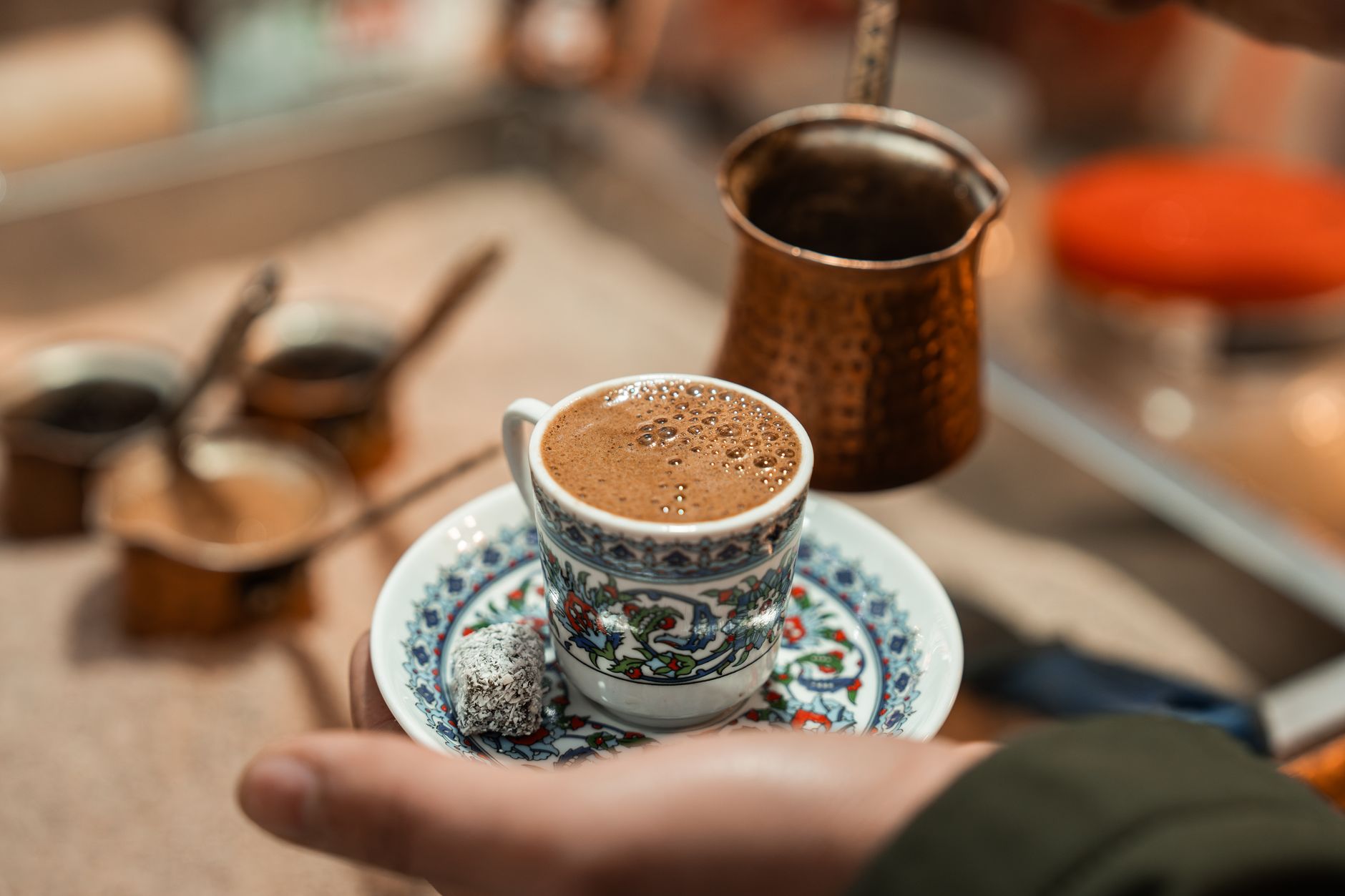
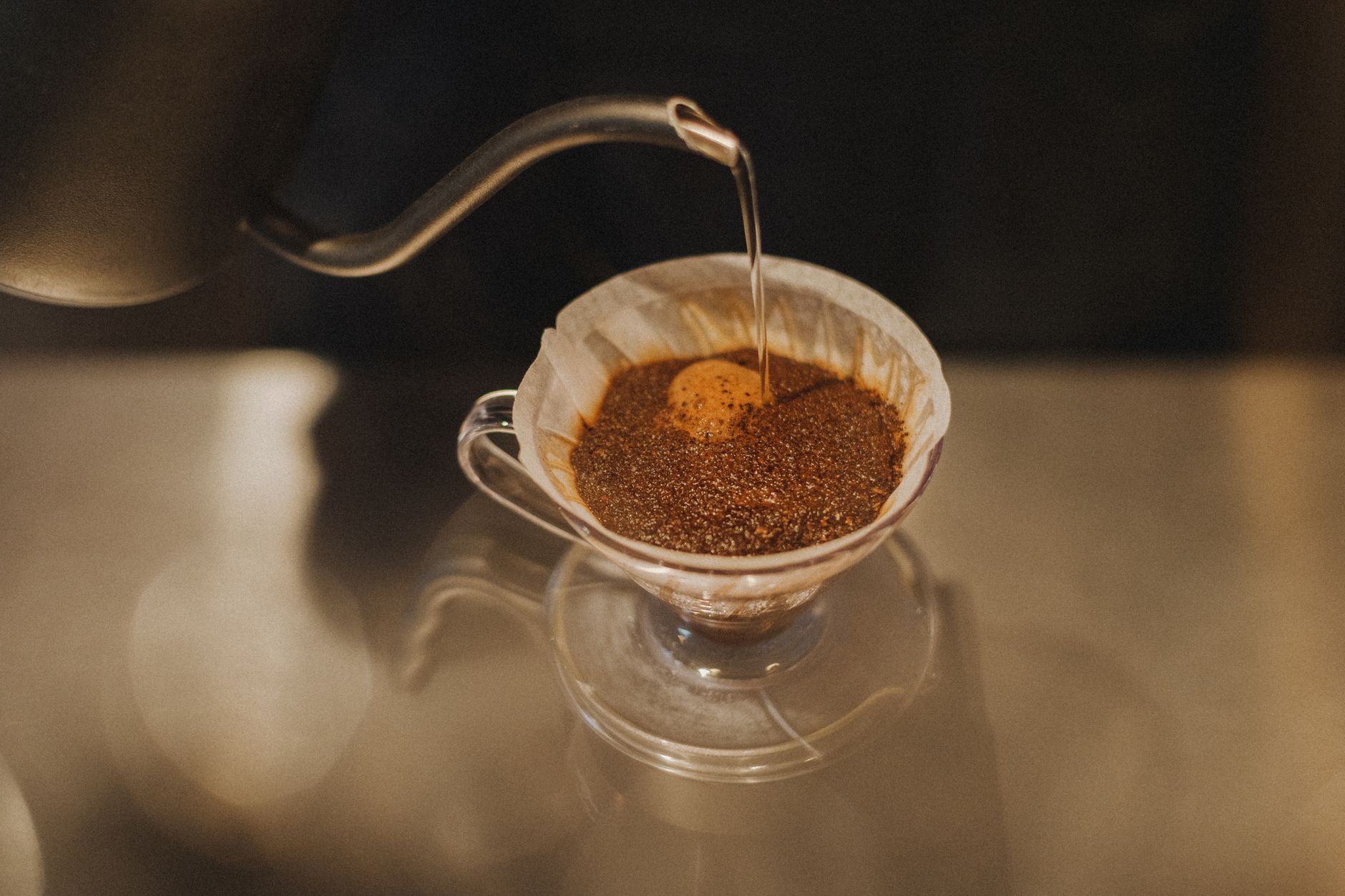 Photo: Gu Ko via Pexels
| Factor | Percolator | Drip Coffee Maker |
|---|---|---|
| Clarity | Cloudy, some sediment | Clear, clean |
| Strength | High | Medium (adjustable) |
| Bitterness | Often high | Low to moderate |
| Acidity | Dulled by heat | Preserved |
| Aroma | Muted (volatiles cooked off) | Brighter |
| Consistency | Variable | Repeatable |
Percolators cook off aromatic compounds — those volatile esters responsible for the first-sniff brightness of a freshly brewed cup. By the time the coffee is ready, you’ve got strength without complexity. Specialty roasts lose the most: fruity Ethiopians and floral Kenyas turn muddy. A dark, forgiving blend fares better.
Drip machines preserve nuance. A well-calibrated machine like the Technivorm Moccamaster hits the SCAA’s Golden Cup standard reliably — 93°C, full saturation, proper bloom — producing cups that actually reflect what the roaster intended.
Brewing Speed and Convenience
Percolators brew faster. A stovetop percolator produces a full pot in 7–10 minutes; a drip machine typically takes 8–12 minutes. The gap narrows significantly for quality drip machines with pre-infusion, and the faster brew isn’t worth much if the cup needs doctoring.
A stovetop percolator requires active attention — you must monitor heat and pull it at the right moment before the coffee crosses from strong to burnt. Electric percolators add automatic shutoff but still recirculate.
Drip machines are genuinely hands-off. Load, press, walk away. For households brewing multiple cups daily, that workflow matters more than a two-minute head start.
Which Is Better for Camping and Outdoors?
Percolators win outdoors. No electricity required, mechanically simple, nearly indestructible — a stovetop or campfire percolator is the practical choice when you’re 20 miles from a power outlet.
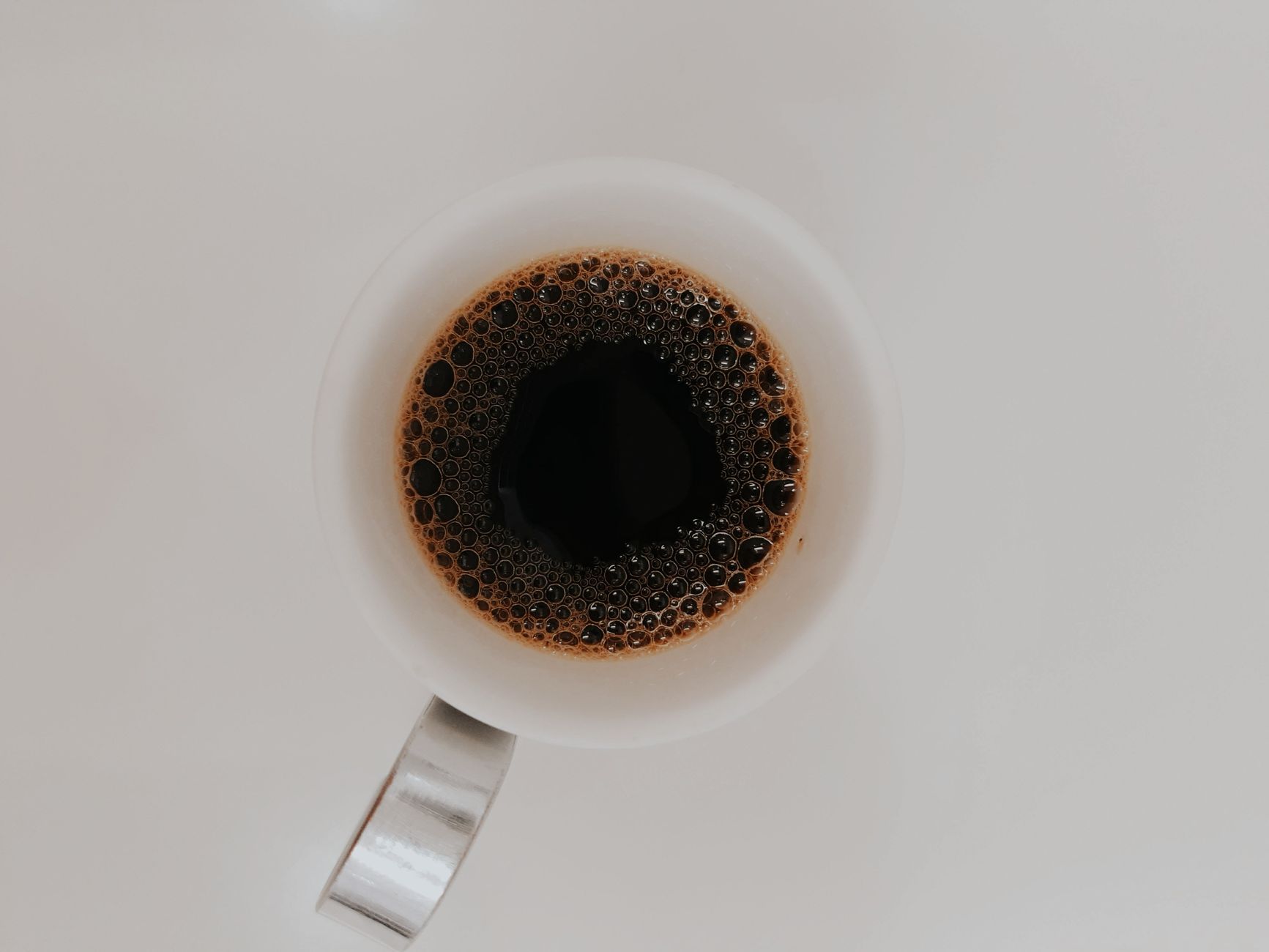
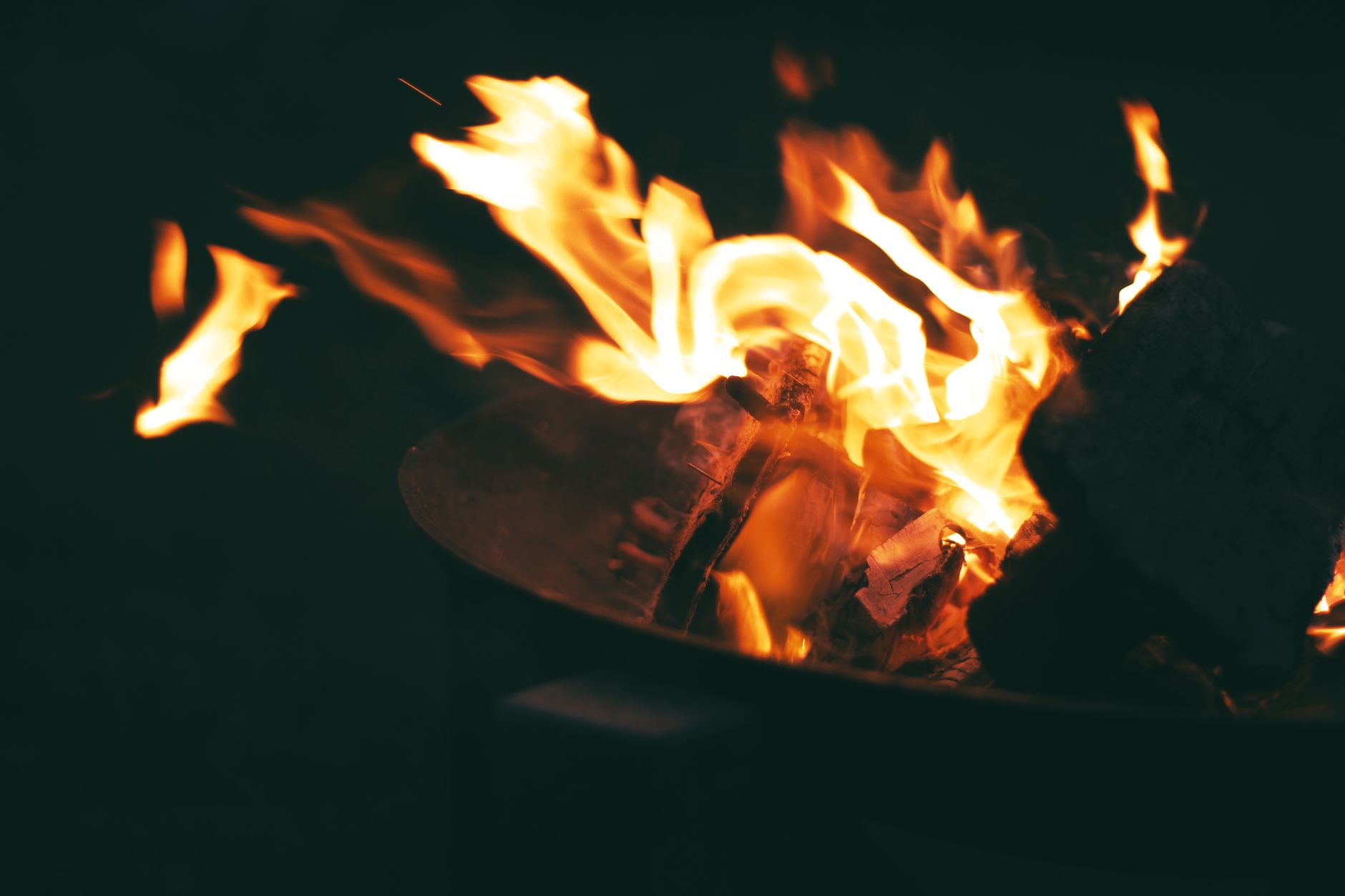 Photo: Tom Swinnen via Pexels
A Coleman camping percolator or stainless steel stovetop unit handles a camp stove, open flame, or backpacking burner equally well. The recirculation flaw matters less when your alternative is instant coffee or cold brew you forgot to make.
For car camping with a generator or RV power, a compact drip machine reclaims the quality advantage.
Cost and Maintenance
| Percolator | Drip Coffee Maker | |
|---|---|---|
| Entry price | $15–$45 (stovetop) | $25–$350+ |
| Quality floor | Low | Low |
| Quality ceiling | Moderate | High |
| Moving parts | Minimal | Pump, heating element, valve |
| Lifespan | Decades | 3–7 years typical |
| Cleaning | Rinse + occasional descale | Filter basket + carafe + descale |
A stainless percolator bought in 1980 still works. That durability argument is real. But a $30 drip machine already outperforms a percolator on cup quality, so the longevity advantage doesn’t justify choosing one for home use — it just makes percolators excellent emergency or camping equipment.
Brewing Guide: Getting the Best From Each Method
Drip Coffee Maker — Extraction Parameters
| Parameter | Target |
|---|---|
| Dose | 60g per litre (≈1g per 16ml) |
| Yield | 1:15–1:17 ratio |
| Water temp | 90–96°C (195–205°F) |
| Brew time | 4–8 minutes depending on batch size |
| Grind size | Medium (sea salt texture) |
| Filter | Bleached paper or clean metal |
Puck prep (drip): Pre-wet paper filters to remove papery taste. Use a gooseneck or ensure even water distribution across the bed — uneven saturation causes channeling even in auto machines. Medium grind; too fine clogs, too coarse under-extracts.
Troubleshooting — Drip:
| Symptom | Likely Cause | Fix |
|---|---|---|
| Bitter, harsh cup | Water too hot / brew too long | Adjust temp down; use coarser grind |
| Weak, watery | Too coarse / under-dosed | Grind finer; increase dose to 1:15 |
| Sour, thin | Under-extracted | Grind finer; check water temperature |
| Papery taste | Unrinsed filter | Pre-wet filter before brewing |
| Inconsistent cups | Uneven saturation | Pre-wet grounds 30s before full brew |
Stovetop Percolator — Extraction Parameters
| Parameter | Target |
|---|---|
| Dose | 1 tbsp per 180ml water (coarser than drip) |
| Grind size | Coarse (French press texture or coarser) |
| Heat | Medium — never full boil |
| Brew time | 7–10 minutes after first perk |
| Watch for | Slow, steady perk — not rapid bubbling |
Technique notes: Use the coarsest grind you have — percolator brewing demands it. Fine grounds accelerate over-extraction and clog the basket. Start on medium heat, reduce to low once perking begins, and pull off heat the moment you hit your target strength. Every extra minute adds bitterness exponentially.
Troubleshooting — Percolator:
| Symptom | Likely Cause | Fix |
|---|---|---|
| Bitter, burnt taste | Too long / heat too high | Pull earlier; reduce heat |
| Weak coffee | Grind too coarse / under-dosed | Add more coffee, not finer grind |
| Grounds in cup | Grind too fine / basket overfilled | Grind coarser; fill to max line only |
| Muddy, cloudy cup | Normal for percolators | Accept or switch methods |
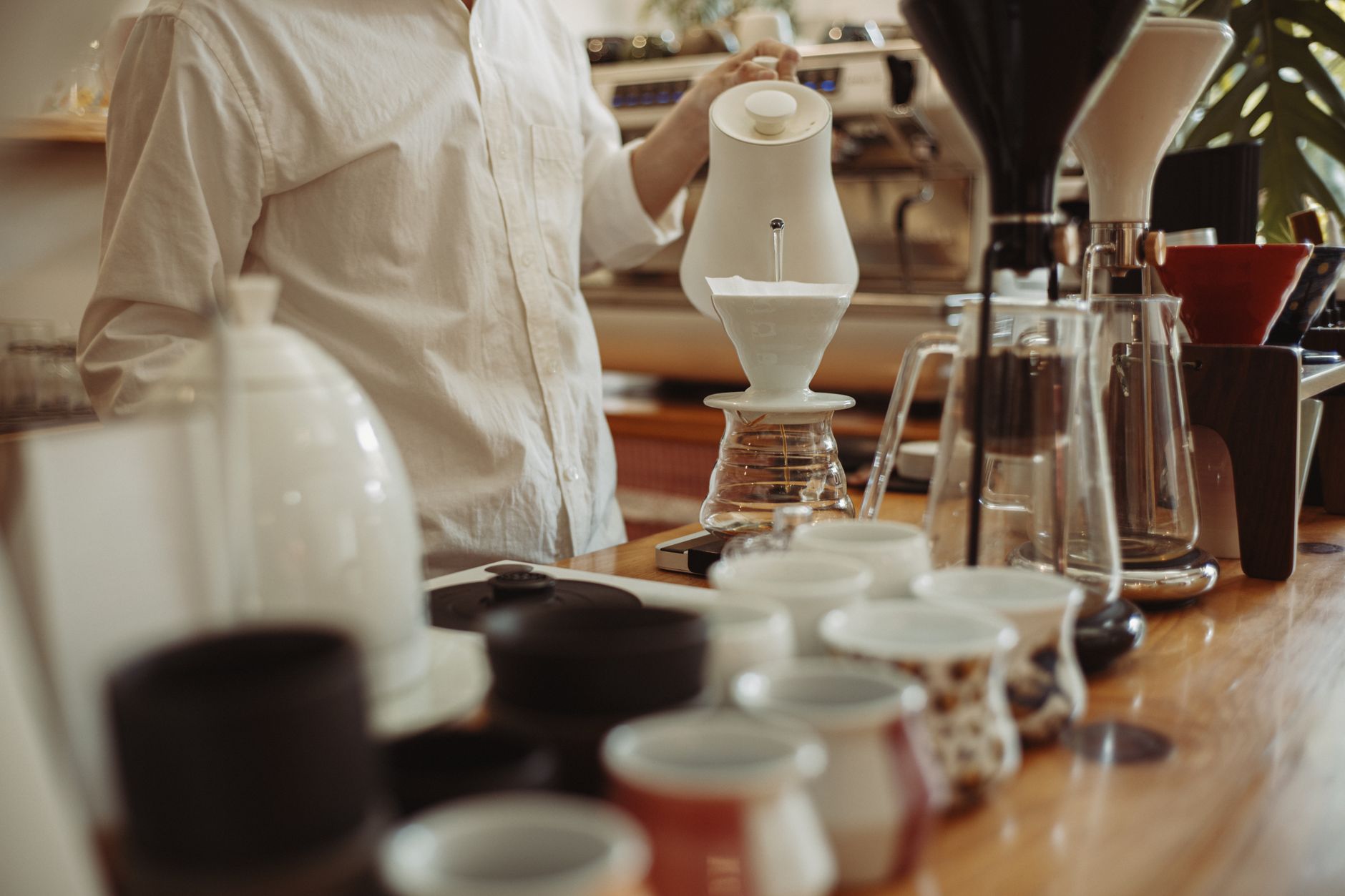
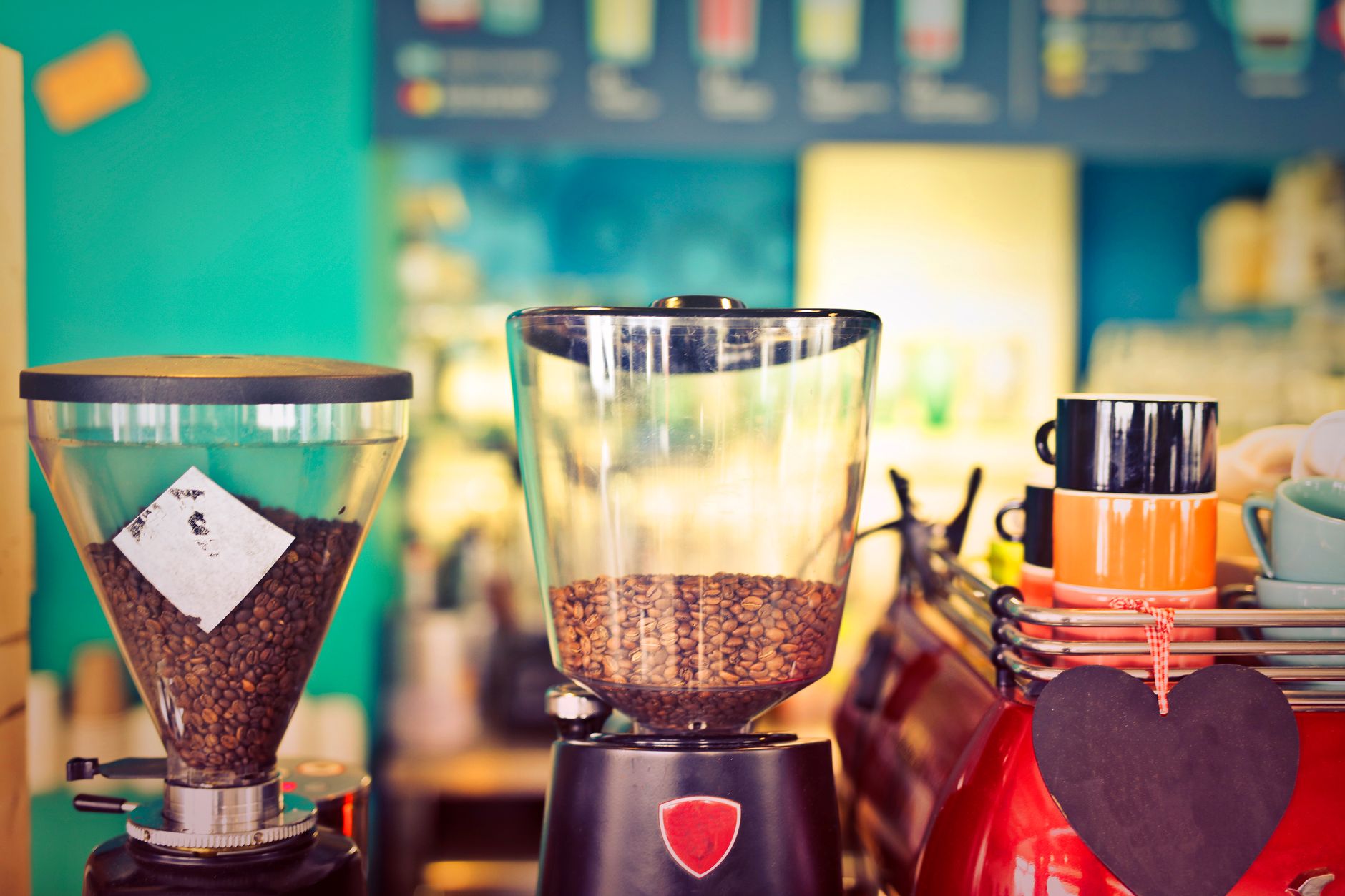 Photo: Andrea Piacquadio via Pexels
→ See Also
- How to Brew Coffee at Home: Complete Method Guide
- French Press Coffee: Complete Brewing Guide (Ratios + Technique)
- French Press Coffee-to-Water Ratio Calculator
FAQ
Does percolator coffee have more caffeine than drip? Yes, typically. Percolators brew stronger coffee through repeated extraction, which concentrates caffeine along with bitter compounds. A standard cup of percolator coffee can run 30–50% higher in caffeine than a comparable drip cup, though this varies significantly with grind size, dose, and brew time.
Can you use regular drip coffee grounds in a percolator? You can, but the results suffer. Drip-grind coffee is too fine for percolators — it over-extracts rapidly under repeated heat cycling and will produce bitter, sometimes gritty coffee. Use a coarse grind, equivalent to French press or coarser, for best percolator results.
Why does percolator coffee taste burnt? Because the brew water repeatedly reaches or exceeds boiling point (100°C / 212°F), well above the optimal extraction range of 90–96°C. At these temperatures, chlorogenic acids break down into bitter quinic acid and phenylindanes. Using lower heat and shorter brew times reduces but doesn’t eliminate this.
Is a percolator better than a drip coffee maker for large groups? For sheer volume, percolators scale easily — large electric percolators hold 30–100 cups and are common at events. But if cup quality matters, a large-batch drip machine or pour-over setup serves crowds better. The size advantage is real; the quality tradeoff is equally real.
Are percolators coming back in style? Somewhat. Stovetop percolators have found a niche with camping enthusiasts, minimalists, and off-grid households. They’re not experiencing a specialty coffee renaissance — that space belongs to pour-over, AeroPress, and espresso — but durable, no-electricity brewing has genuine appeal outside the café mindset.
What’s the best grind size for a drip coffee maker? Medium grind — roughly the texture of coarse sand or sea salt. This gives the water enough surface area for full extraction during the 4–8 minute brew window without clogging the filter or rushing through under-extracted. Adjust one step coarser if your cup tastes bitter; one step finer if it tastes thin or sour.
Editorial methodology: Assessments are based on manufacturer specifications, published user reviews, and editorial research. Physical hands-on testing is noted explicitly where it occurred. Rankings reflect our editorial judgment and are not influenced by affiliate commission rates. Full editorial policy · Affiliate disclosure