Contents
How to Make an Oat Milk Latte at Home
TL;DR: An oat milk latte recipe at home takes 2 shots of espresso and 6–8 oz of steamed (or heated and frothed) oat milk. The whole process takes under 5 minutes. You don’t need a steam wand — a French press or handheld frother works fine.
What You Need Before You Start
You need espresso or strong coffee, oat milk, and something to froth with. That’s it. A $15 handheld frother and a stovetop moka pot will get you 90% of the way to a café result.
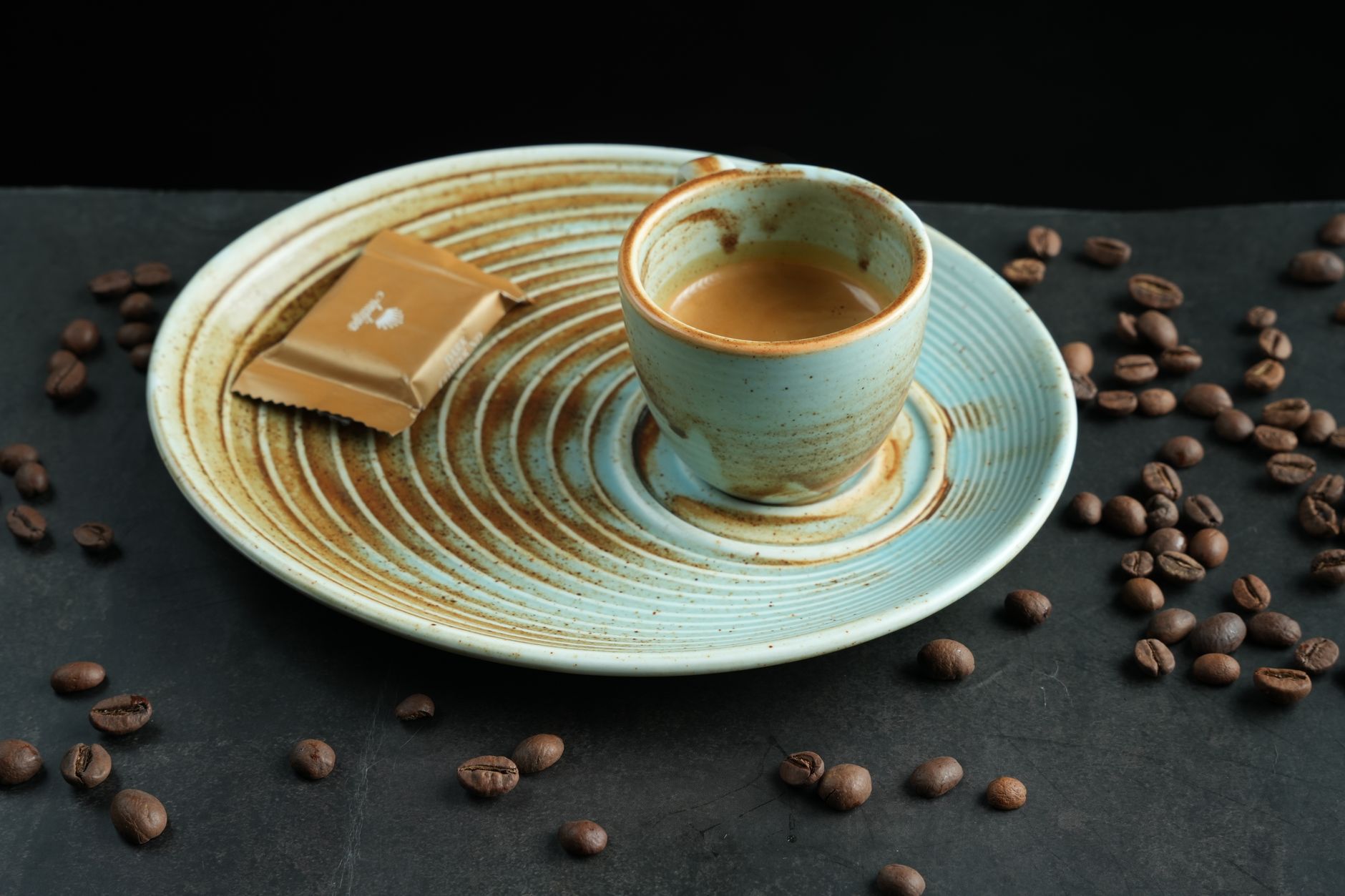 Photo: Dextar Studio ™ via Pexels
| Method | Equipment needed | Result |
|---|---|---|
| Best | Espresso machine + steam wand | Microfoam, café-quality |
| Good | Espresso machine + handheld frother | Smooth, slightly coarser foam |
| Budget | Moka pot + French press frother | Rich, rustic, excellent |
| Quick | Strong drip/Nespresso + milk frother | Light, still delicious |
For oat milk specifically, use a barista-edition oat milk (Oatly Barista, Minor Figures, or Califia Farms Barista Blend). Regular oat milk separates under heat and produces thin, watery foam.
The Oat Milk Latte Recipe (Step by Step)
Pull 2 shots of espresso into a 10–12 oz cup. Steam or heat 6–8 oz of barista oat milk to 140–150°F (60–65°C) — never above 160°F or it scorches. Pour steamed milk over espresso, holding back the foam briefly, then top with the foam.
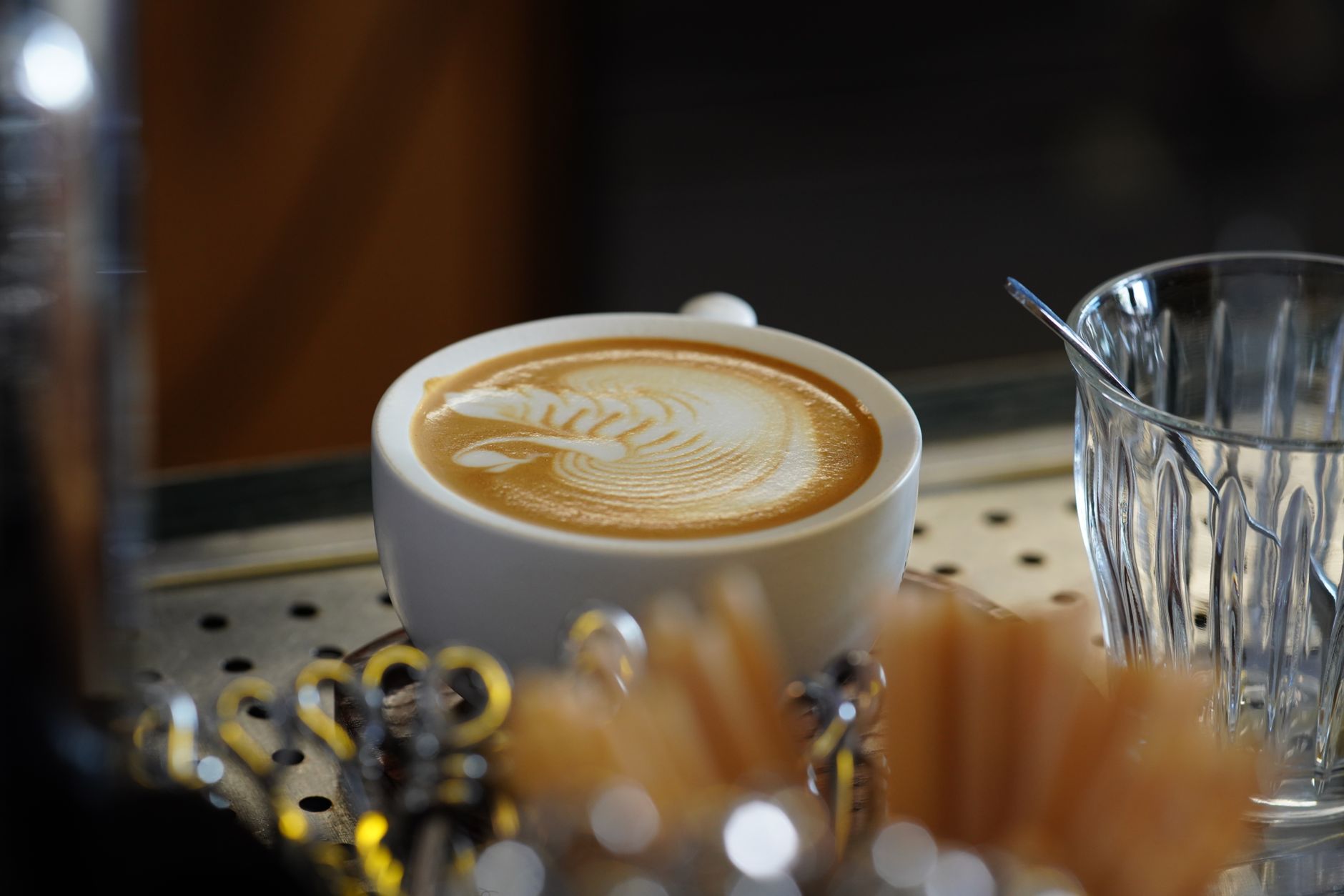 Photo: Đan Thy Nguyễn Mai via Pexels
Step 1: Pull Your Espresso
- Dose 18–20g of ground coffee into a double basket
- Target: 36–40g of espresso out in 25–30 seconds
- No espresso machine? Fill a moka pot to the valve line; it brews in about 4 minutes on medium heat
If your espresso tastes sour, grind finer. Bitter? Go coarser. The espresso base is everything — weak coffee makes a weak latte regardless of what you do with the milk.
Step 2: Steam the Oat Milk
With a steam wand:
- Fill your pitcher to just below the spout (about 6 oz of milk produces 8 oz after steaming)
- Submerge the wand tip just below the surface — you should hear a gentle hiss, not a scream
- Stretch for 3–4 seconds (introduce air), then drop the wand deeper to spin and heat
- Stop at 150°F; tap the pitcher on the counter and swirl to integrate
Without a steam wand:
- Heat oat milk in a small saucepan over medium-low to 140–150°F (use a thermometer or go by feel — just past warm, not simmering)
- Froth with a handheld frother for 20–30 seconds, moving it up and down
- Pour into a French press and pump 10–15 times for denser foam
 Photo: Raymond Petrik via Pexels
Step 3: Combine
- Pour espresso into your cup first
- Add steamed oat milk at a slight angle, starting from 2–3 inches above the cup
- Pour slowly — the milk merges under the crema rather than punching through it
- Spoon the foam on top
For a simple latte art heart: fill the cup 80% with the milk pour, then wiggle the pitcher slightly and pull through. It takes practice, but oat milk’s body makes it more forgiving than dairy.
Iced Oat Milk Latte
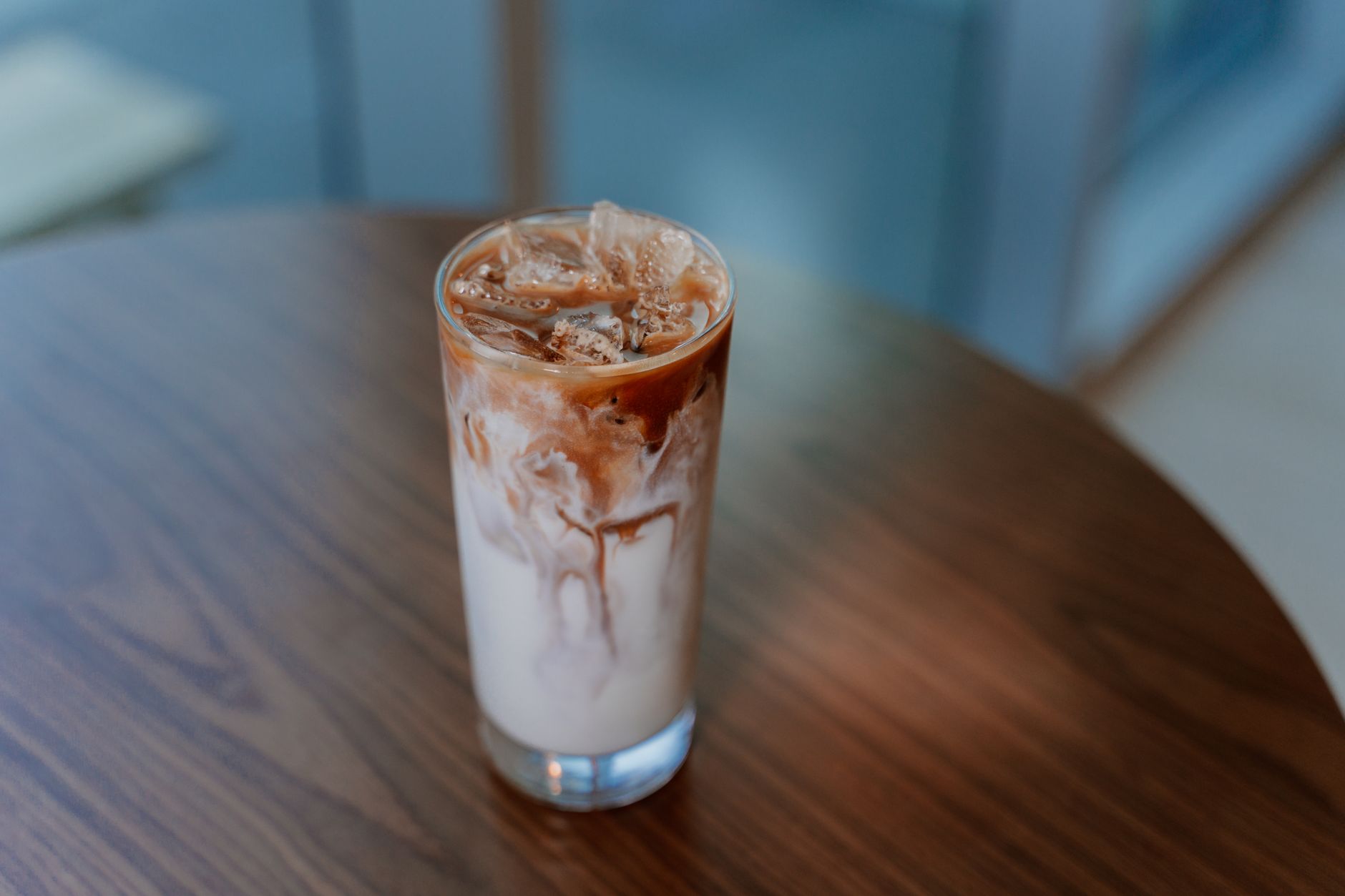
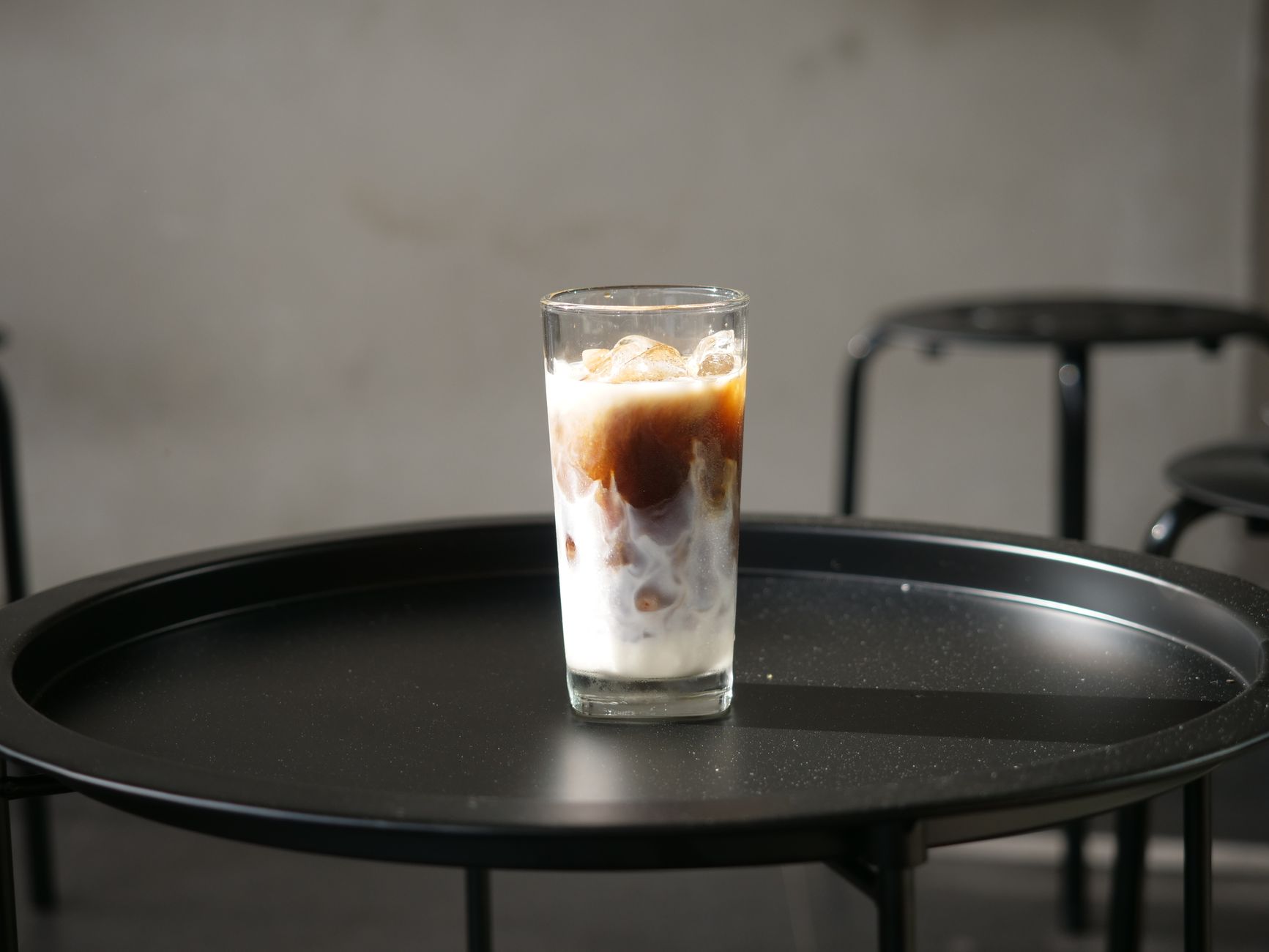
Fill a glass with ice, pour in 2 shots of espresso, add cold oat milk. Done. Do not shake — stirring once is enough. The espresso layering on top looks better and tastes the same.
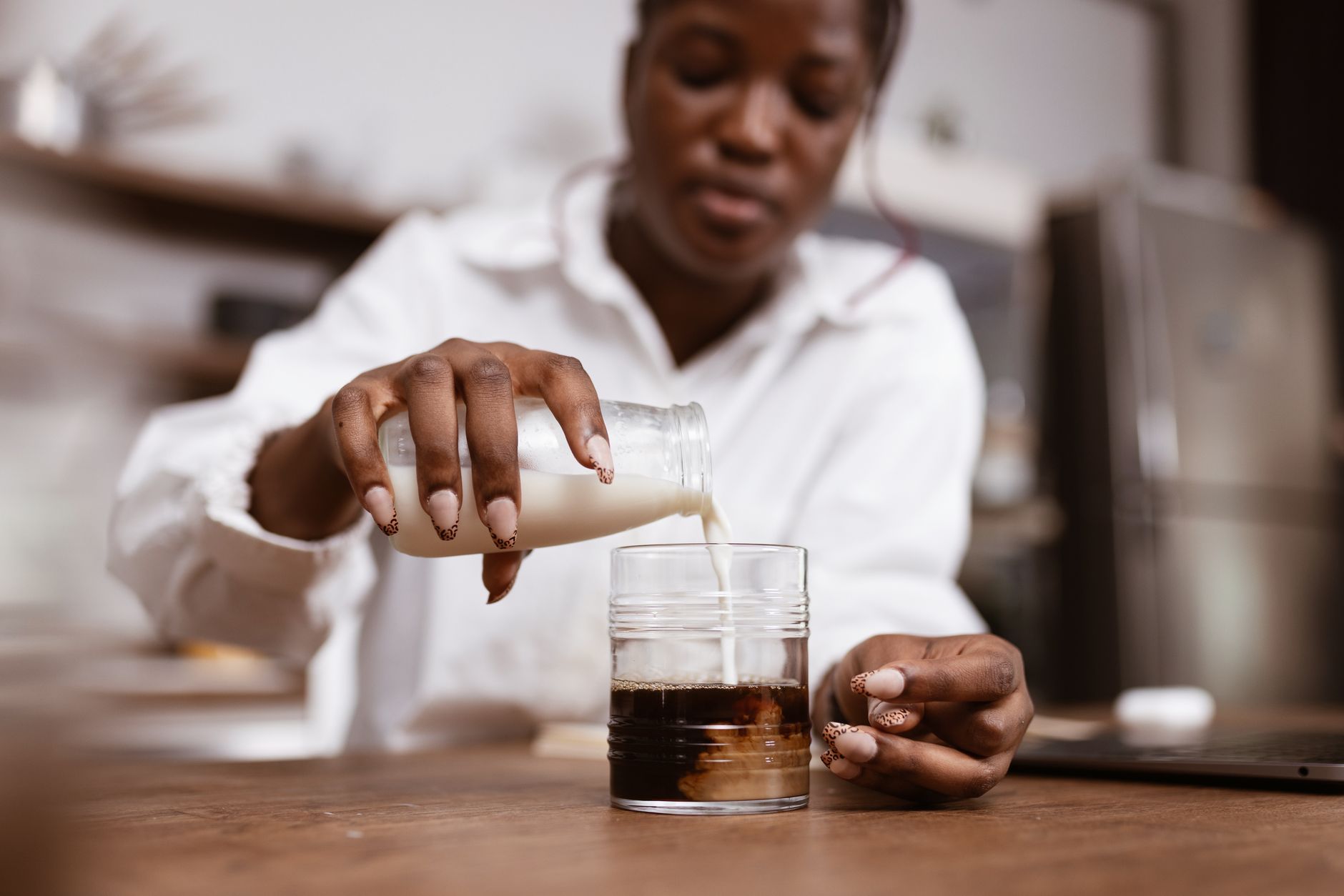 Photo: Kübra Arslaner via Pexels
For a sweeter iced version, stir in simple syrup, vanilla extract, or a shot of caramel sauce before adding the milk. Brown sugar syrup (equal parts brown sugar and hot water) is the most popular variation and takes 2 minutes to make.
Common Problems and Fixes
| Problem | Likely cause | Fix |
|---|---|---|
| Watery, flat foam | Regular oat milk | Switch to barista edition |
| Milk separates | Overheated (>160°F) | Keep temperature under 155°F |
| Bitter latte | Over-extracted espresso | Grind coarser or shorten shot time |
| Sour latte | Under-extracted espresso | Grind finer or extend shot time |
| Foam disappears fast | Not integrated during steaming | Swirl pitcher for 15 sec before pouring |
Flavor Variations
- Vanilla oat latte — Add ½ tsp vanilla extract or 1 pump vanilla syrup to the cup before espresso
- Hazelnut oat latte — 1 tbsp hazelnut syrup
- Dirty chai oat latte — Replace half the oat milk with spiced chai concentrate
- Brown sugar oat latte — 1 tbsp brown sugar syrup + a pinch of cinnamon on top
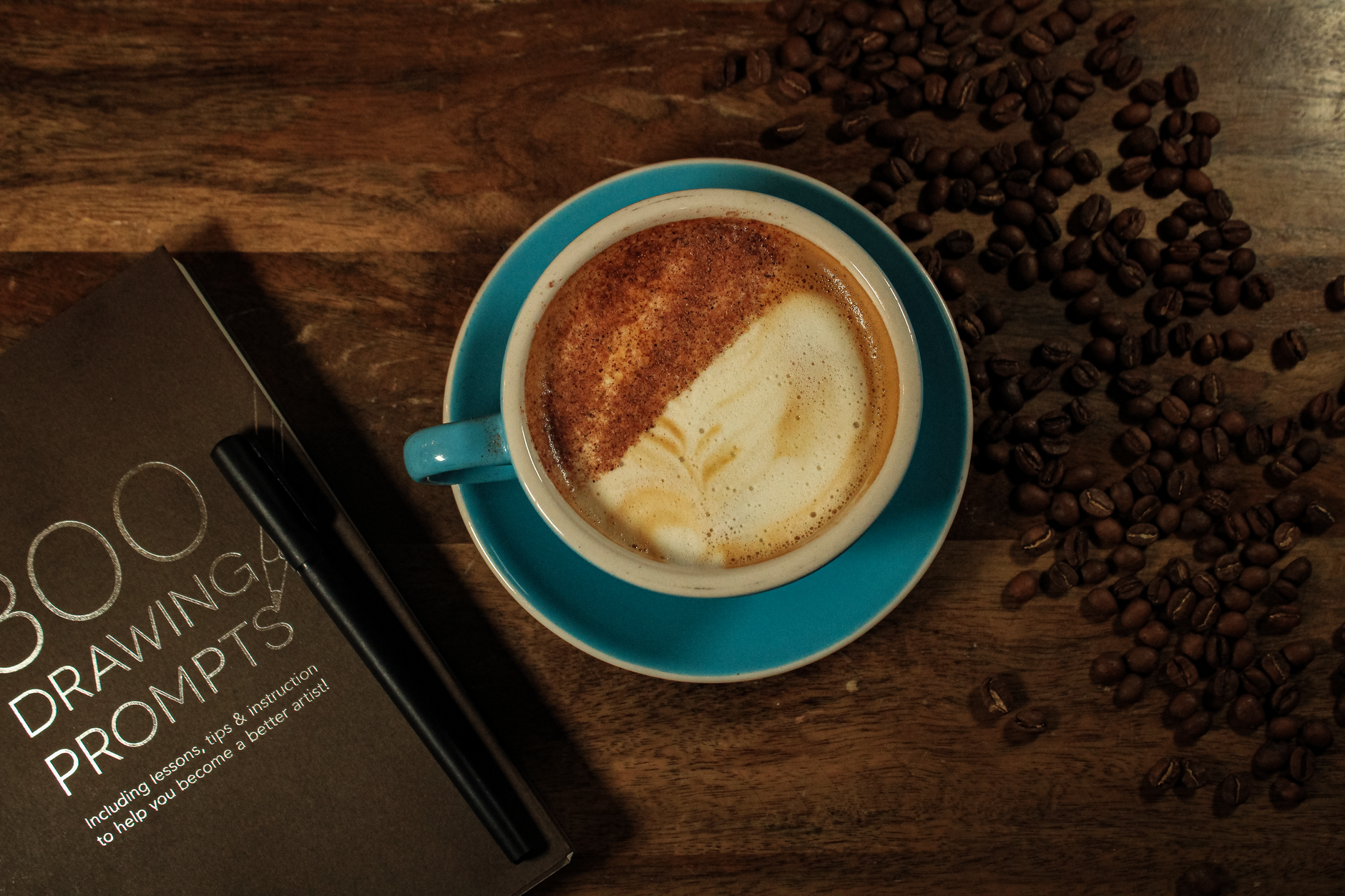 Photo: Vietro Manone via Pexels
→ See also:
- Espresso Drinks: The Complete Guide to Every Type
- What Is a Cortado? (And How It Differs From a Macchiato)
- Cortado vs Flat White vs Macchiato: Full Comparison
FAQ
Can you make an oat milk latte without an espresso machine? Yes. A moka pot produces strong, espresso-style coffee that works well in lattes. Nespresso capsule machines are another practical option. The key is using a concentrated brew — drip coffee diluted with 8 oz of milk will taste thin.
Why does oat milk curdle in coffee? Regular oat milk curdles when it hits hot, acidic espresso. Barista-edition oat milks contain added emulsifiers and stabilizers that prevent separation. Temperature matters too — overheated oat milk (above 160°F) is more prone to breaking, regardless of the formula.
What’s the best oat milk for lattes? Oatly Barista Edition, Minor Figures, and Califia Farms Barista Blend are the top performers for home use. All three steam well, produce stable microfoam, and don’t overwhelm the espresso flavor. Oatly is creamier; Minor Figures is more neutral.
How many calories is an oat milk latte? A standard 12 oz oat milk latte (2 shots espresso, 8 oz barista oat milk, no sweetener) is roughly 120–140 calories. Add 50–80 calories per pump of flavored syrup.
Can I cold froth oat milk for an iced latte? Yes. Use cold barista oat milk and a handheld frother for 30 seconds directly in the glass or pitcher. The foam won’t be as dense as steamed, but it adds texture to an iced drink. Alternatively, just pour cold oat milk straight — iced lattes don’t need foam.
How do I make the oat milk latte sweeter without syrup? Use oat milk with a higher natural sweetness level (check the sugar content — some brands have 7–9g per serving versus 2–3g). You can also add a small amount of maple syrup, which blends well with oat milk’s flavor profile without tasting artificial.
Editorial methodology: Assessments are based on manufacturer specifications, published user reviews, and editorial research. Physical hands-on testing is noted explicitly where it occurred. Rankings reflect our editorial judgment and are not influenced by affiliate commission rates. Full editorial policy · Affiliate disclosure