Contents
Monin vs Torani: Which Coffee Syrup Brand Wins?
TL;DR: For specialty coffee drinks, Monin edges out Torani — its flavor quality and consistency are noticeably better, especially in milk-based espresso drinks. Torani holds its own for budget-conscious buyers and classic flavors like vanilla and hazelnut. The best monin vs torani coffee syrup pick depends on how much the flavor nuance matters to you.
Monin vs Torani Coffee Syrup: The Core Difference
Monin uses higher-quality natural flavoring and a cleaner ingredient profile, which shows in complex flavors like lavender, rose, or salted caramel. Torani is more affordable, widely available, and perfectly adequate for everyday staples. If you’re building a home espresso bar and care about what goes into your cup, Monin is worth the extra dollar per bottle.
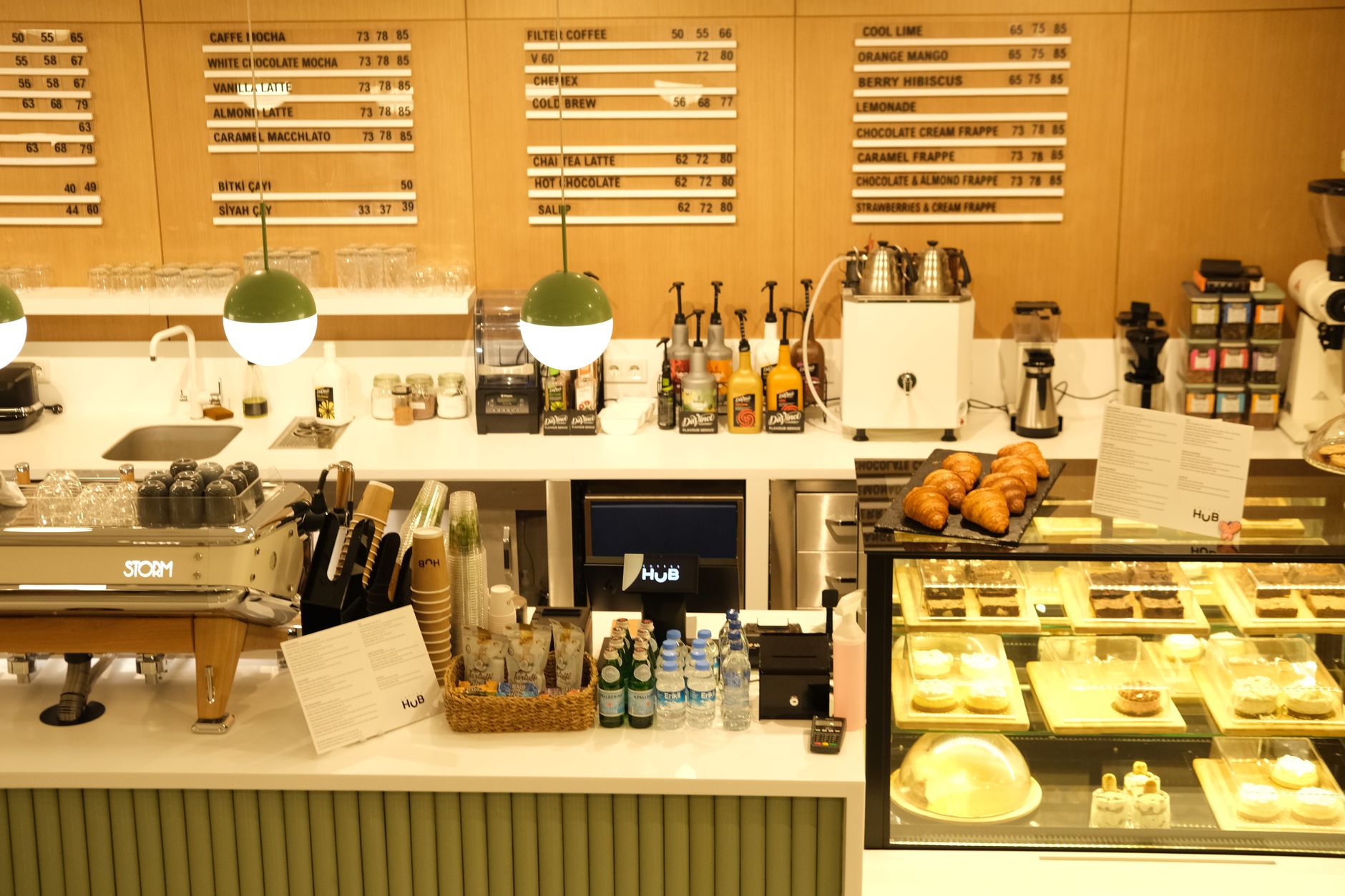 Photo: Beyzaa Yurtkuran via Pexels
Both brands have been around for decades — Torani since 1925 in San Francisco, Monin since 1912 in France. That history matters less than what’s actually in the bottle, but it explains why both brands dominate café supply chains globally.
Ingredient Quality
Torani’s standard line uses cane sugar and artificial or natural flavors depending on the SKU. Monin’s standard line leans on natural flavors across most SKUs and has a noticeably cleaner aftertaste — this becomes obvious in subtler flavors like elderflower or cucumber mint. In vanilla or caramel? The gap is smaller.
Both brands offer sugar-free lines (sweetened with sucralose). Monin also has a Pure Cane line and a Organic line. Torani has a “Puremade” sub-range that closes the gap with Monin’s standard quality.
Flavor Range Comparison
Monin carries 200+ flavors worldwide; Torani sits around 150. That gap matters if you want niche or seasonal flavors — Monin’s exotic range (yuzu, lychee, passion fruit, Thai tea) has no Torani equivalent. For the 20 flavors most cafés actually pour, both brands cover the ground.
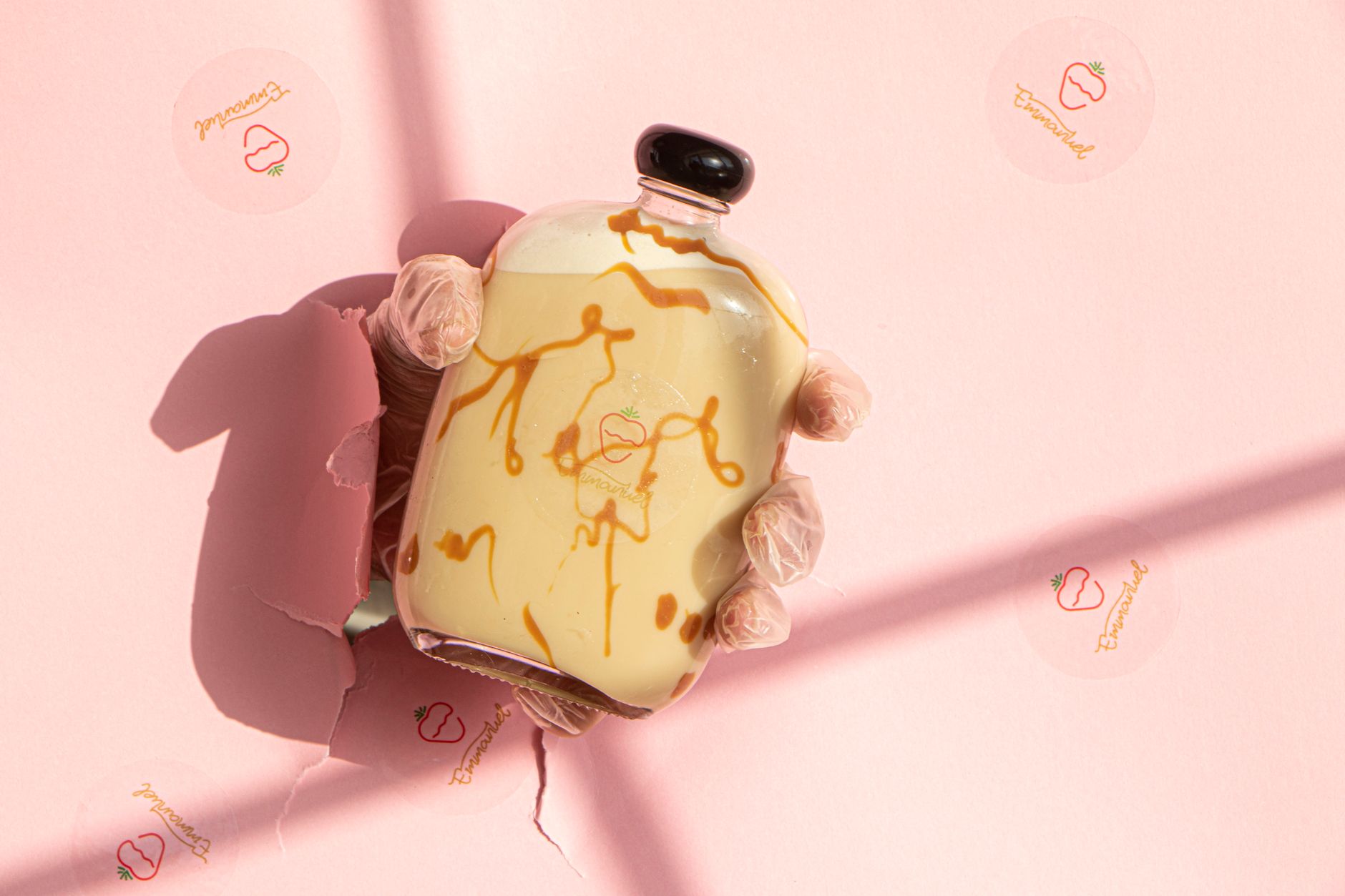 Photo: Тимур Слугин via Pexels
| Category | Monin | Torani |
|---|---|---|
| Classic (vanilla, caramel, hazelnut) | ✓ Excellent | ✓ Excellent |
| Fruit / Exotic | ✓ 60+ options | Limited |
| Seasonal / Limited | ✓ Rotating | ✓ Rotating |
| Sugar-free | ✓ Wide range | ✓ Wide range |
| Organic | ✓ Yes | ✗ No |
| Puremade / Premium sub-line | ✓ (standard) | ✓ Puremade |
Torani’s Puremade Vanilla is arguably the best vanilla syrup for lattes on the market — richer and less cloying than their standard line. Monin’s Vanilla Syrup is the benchmark most baristas train on.
Price and Value
Torani is consistently cheaper — roughly 15–25% less per bottle at retail. A 750ml Torani vanilla runs around $9–11; Monin of the same size runs $11–14. At volume, that gap compounds. For home use with one bottle a month, it’s negligible.
{{IMG:coffee syrup price comparison retail shelf}
| Monin (750ml) | Torani (750ml) | |
|---|---|---|
| Standard line | ~$12–14 | ~$9–11 |
| Sugar-free | ~$13–15 | ~$10–12 |
| Premium/Organic | ~$15–18 | ~$13–15 (Puremade) |
| Bottle sizes available | 250ml, 750ml, 1L | 375ml, 750ml, 1L |
For cafés buying by the case, Torani’s cost advantage is real. For home baristas making one flavored latte a day, the difference is under $3/month.
Which Performs Better in Espresso Drinks?
In milk-heavy drinks — lattes, cappuccinos, cortados — Monin’s flavor holds up more consistently through steamed milk. Torani can taste slightly muted or one-dimensional when diluted. In cold brew, iced coffee, and sodas, the gap narrows considerably and Torani often wins on value.
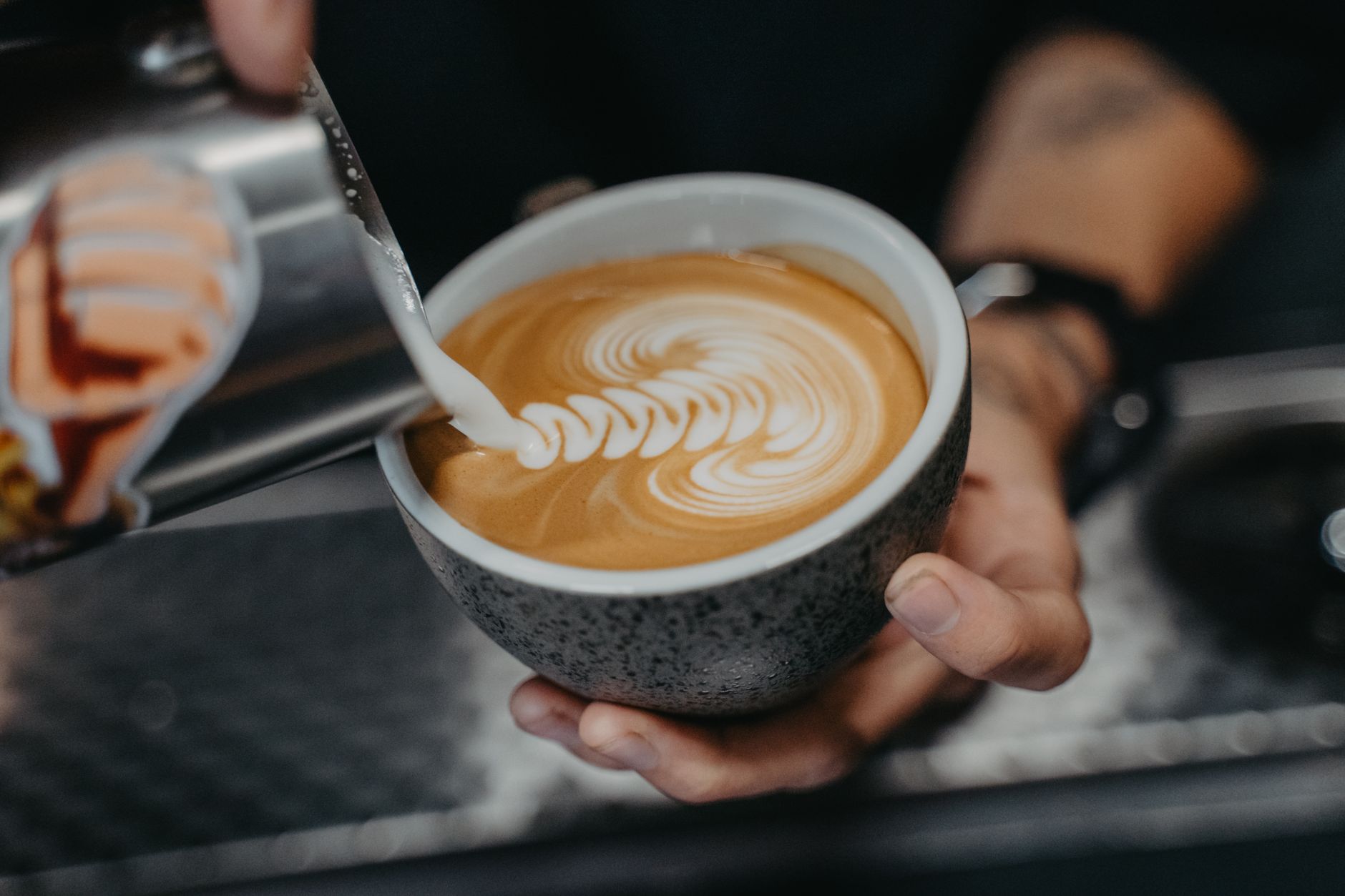 Photo: Anna Tarazevich via Pexels
For Lattes and Cappuccinos
Monin wins. The natural flavor base integrates better with fat and heat. Monin’s Caramel Syrup in a cortado is noticeably rounder than Torani’s equivalent.
For Cold Brew and Iced Coffee
Torani holds up well. Cold applications don’t expose the flavoring quality gap as much — Torani’s Classic Hazelnut over cold brew is an easy, affordable win.
For Cocktails and Mocktails
Monin. Its exotic and herb-forward flavors (lavender, elderflower, hibiscus) have no Torani match, and the flavor intensity is better calibrated for cocktail work.
Sugar-Free: Which Brand Tastes Less Artificial?
Both use sucralose. Monin’s sugar-free line is slightly better — the sweetness curve is more gradual and the aftertaste shorter. Torani sugar-free is perfectly drinkable, especially in iced applications where cold temperatures suppress aftertaste.
Neither brand uses stevia or monk fruit in their main sugar-free lines — if that matters to you, check specialty brands like Jordan’s Skinny Syrups.
→ See also
- Espresso Drinks: The Complete Guide to Every Type
- What Is a Cortado? (And How It Differs From a Macchiato)
- Cortado vs Flat White vs Macchiato: Full Comparison
FAQ
Is Monin better than Torani for coffee? For specialty espresso drinks, yes — Monin’s natural flavor base integrates better with steamed milk and holds up in complex flavors. For everyday vanilla lattes and cold brew, Torani is a solid, more affordable alternative.
Why do most coffee shops use Torani? Cost and distribution. Torani has deep wholesale relationships with restaurant supply chains in North America, and their standard flavors — vanilla, caramel, hazelnut — meet the quality bar most café menus require at a lower case price.
Can you substitute Monin for Torani in a recipe? Yes, 1:1 by volume. Both syrups are water-sugar-flavor based with similar sweetness levels. Monin flavors are sometimes slightly more concentrated, so start with the same amount and adjust to taste.
Does Monin syrup have more sugar than Torani? They’re roughly equivalent — both standard lines average 18–20g of sugar per 30ml pump. Check individual SKUs for exact figures, as flavored and fruit varieties can vary. Sugar-free versions of both drop to near zero.
Which brand has better sugar-free syrups? Monin’s sugar-free line has a cleaner aftertaste, but the gap is small. Both use sucralose. For iced drinks where cold suppresses bitterness, Torani sugar-free is comparable. For hot lattes, Monin’s is more pleasant.
What is the pump-to-drink ratio for Monin and Torani? Standard is one 10ml pump per 6–8oz drink for light sweetness, two pumps for moderate. Both brands sell compatible 750ml bottle pumps that deliver ~10ml per press. Monin flavors occasionally run slightly stronger, so taste as you go when switching brands.
Editorial methodology: Assessments are based on manufacturer specifications, published user reviews, and editorial research. Physical hands-on testing is noted explicitly where it occurred. Rankings reflect our editorial judgment and are not influenced by affiliate commission rates. Full editorial policy · Affiliate disclosure