Contents
Light Roast vs Dark Roast: The Chemistry of Coffee Roasting
TL;DR: Light roast preserves more of the bean’s original acids, sugars, and aromatic compounds — giving you brighter, more complex flavors. Dark roast drives off those compounds through Maillard reactions and pyrolysis, trading origin character for bitter, smoky, caramelized notes. Neither is better; they’re chemically different products from the same green bean.
What Actually Happens Inside a Roasting Drum
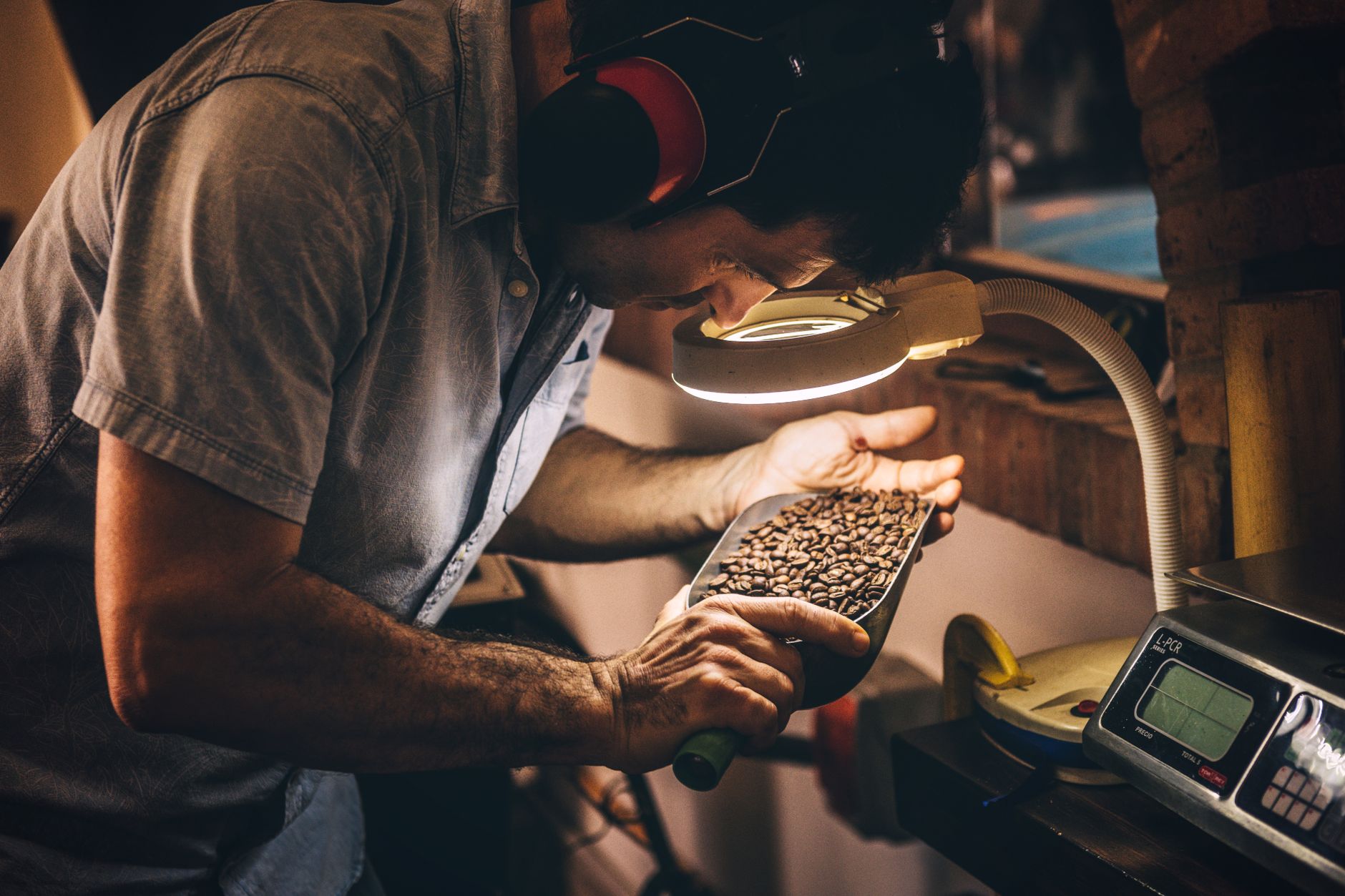
Direct Answer: Green coffee beans are mostly starch, water, and chlorogenic acids. Heat triggers a chain of chemical reactions — first drying, then Maillard browning, then caramelization, then pyrolysis — and where you stop that chain determines whether you get a light or dark roast. The roaster’s job is to decide when to pull the beans off heat.
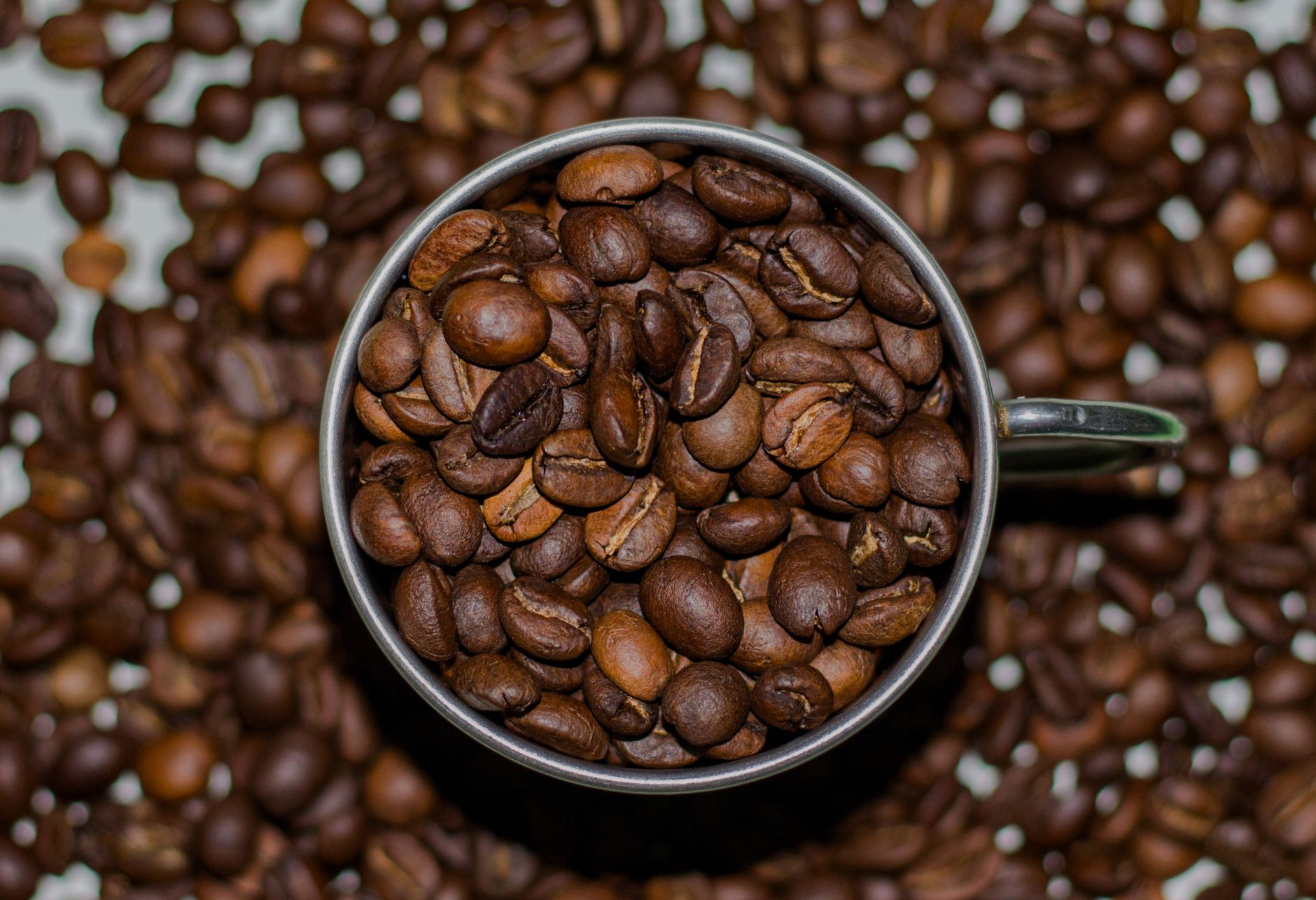 Photo: shafi mahammad via Pexels
Coffee roasting follows a predictable thermal sequence:
- Drying phase (up to ~160°C / 320°F): Free moisture evaporates. Beans turn yellow, smell like toast or hay. No flavor development yet.
- Maillard reaction (~160–190°C / 320–374°F): Amino acids react with reducing sugars. Brown color develops. Hundreds of aromatic compounds form — this is where most of the flavor diversity comes from.
- First crack (~196°C / 385°F): CO₂ and steam build up and fracture the bean. An audible pop. The bean doubles in size and drops in density. This is the entry point for light roasts.
- Development phase (post-first crack): Roast master controls time and temperature. A short development = light; extended = medium; push past second crack = dark.
- Second crack (~224°C / 435°F): Cell walls fracture again. Oils migrate to the surface. Pyrolysis dominates — organic compounds break down into simpler, harsher ones.
Light roast coffee stops shortly after first crack. Dark roast coffee continues through and past second crack. Everything else is a consequence of that timing.
The Chemistry: What Changes at Each Roast Level
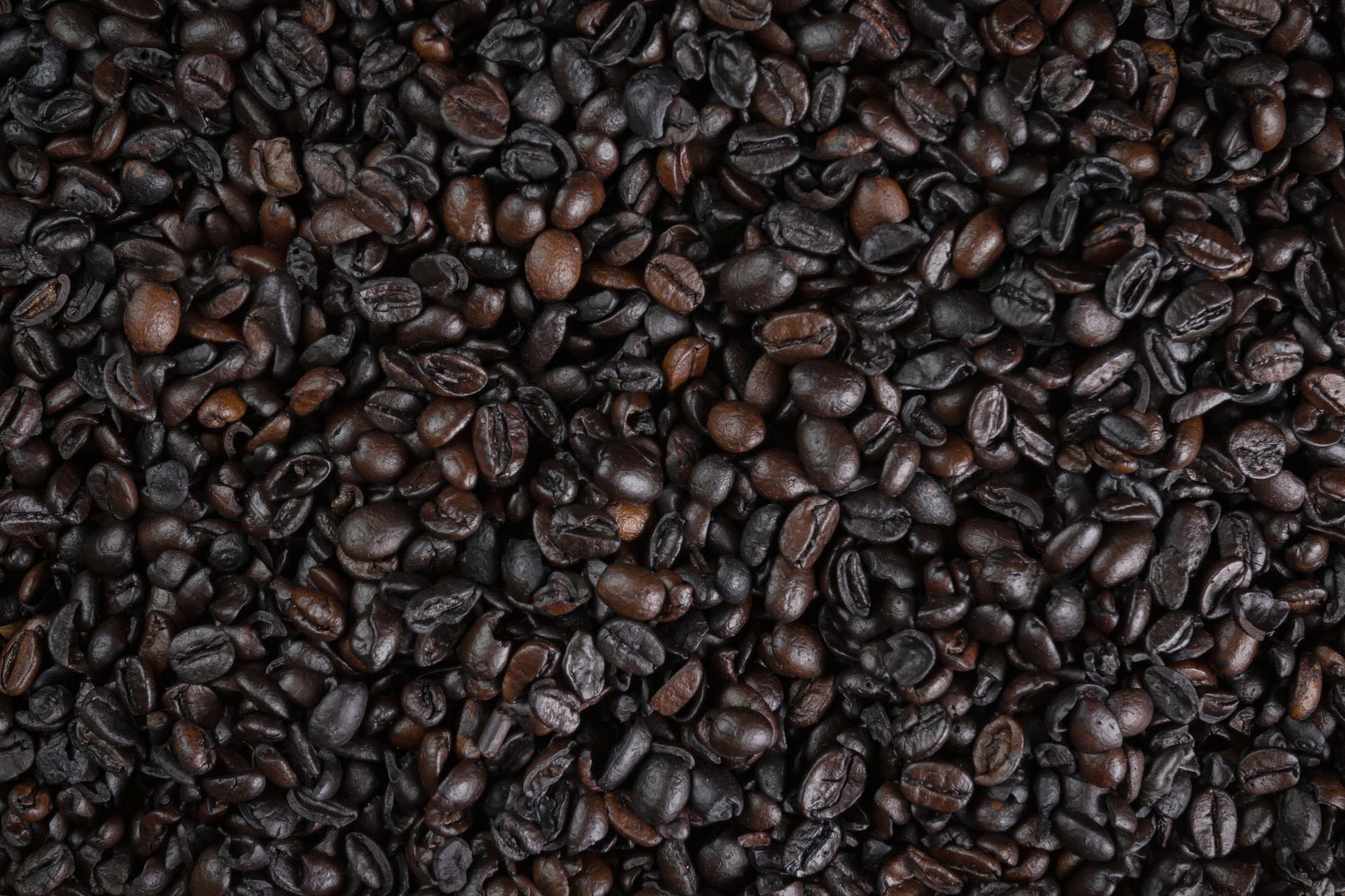
Direct Answer: Three chemical processes define the light vs dark roast difference — chlorogenic acid degradation, Maillard-derived aroma loss, and sucrose conversion. Light roasts retain more of all three; dark roasts destroy them and generate new pyrolysis byproducts in their place.
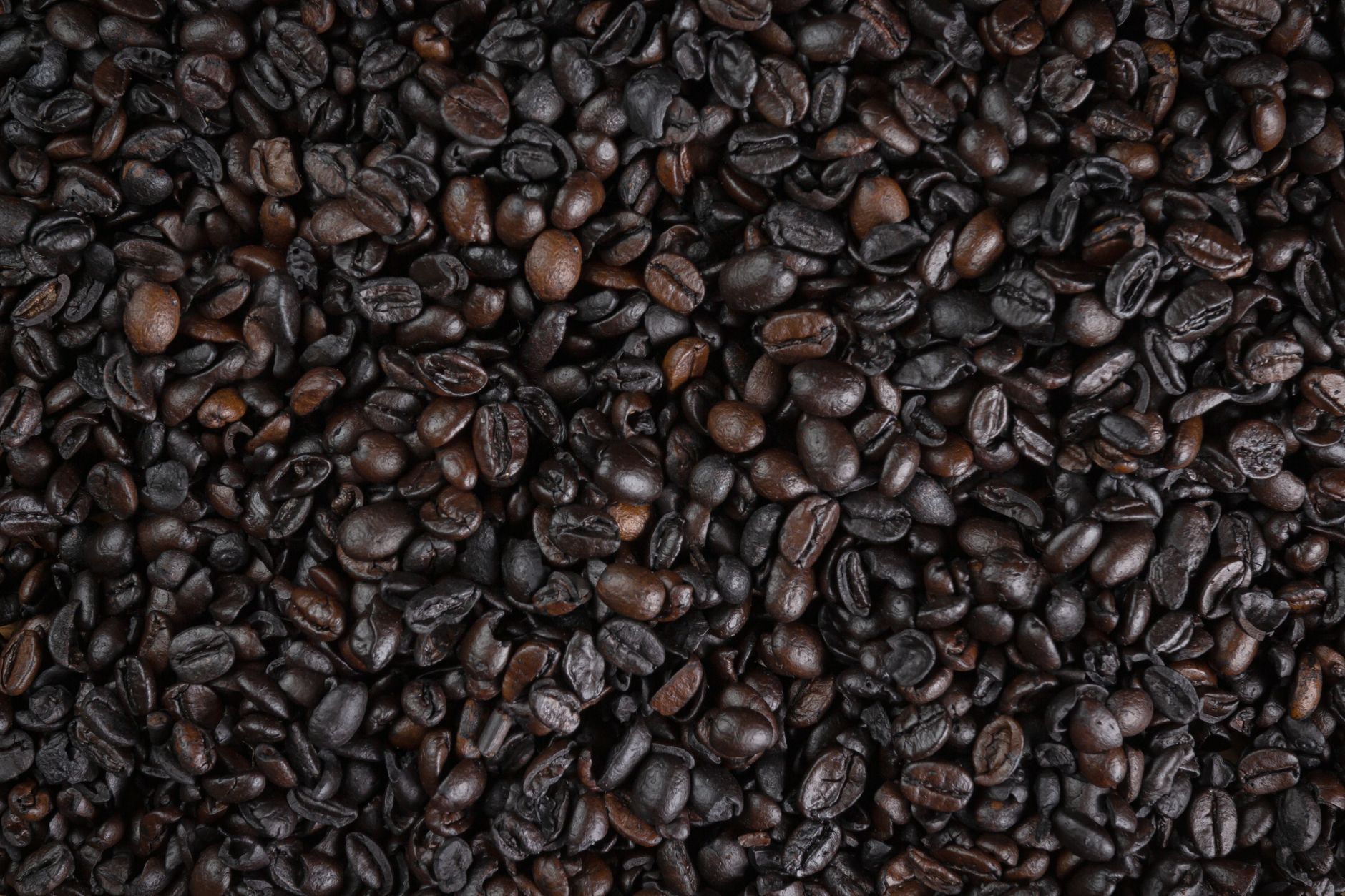 Photo: Márcio Carvalho via Pexels
Chlorogenic Acids (CGAs)
Green coffee contains 6–10% chlorogenic acids by dry weight — the dominant source of perceived acidity and a significant antioxidant. During roasting:
- Light roast retains ~50–70% of CGAs
- Medium roast retains ~30–50%
- Dark roast retains ~10–20%
CGAs degrade into caffeic acid and quinic acid. At dark roast temperatures, quinic acid lactones form — these taste bitter and astringent. That distinctive dark roast bitterness is largely quinic acid lactone chemistry, not caffeine (a common misconception — caffeine is heat-stable and doesn’t degrade meaningfully across roast levels).
Maillard Reaction Products
The Maillard reaction between ~160–190°C generates thousands of volatile aromatic compounds: pyrazines (nutty, earthy), furans (caramel, sweet), aldehydes (fruity, floral). Light roast locks in more of these complex volatiles.
As temperature climbs toward dark roast, these same compounds degrade further. The lighter, volatile flavor molecules evaporate or polymerize into larger, less aromatic molecules. What’s left is a narrower, simpler aromatic profile — dominated by guaiacol (smoky) and phenol derivatives.
Sucrose and Caramelization
Green coffee is roughly 8% sucrose. Caramelization begins around 170°C. By dark roast, virtually all sucrose is gone — either converted to caramel-type compounds or burned off entirely. This is why dark roasts taste less sweet and why adding milk to dark roast coffee doesn’t amplify sweetness the way it does with medium or light.
| Compound | Green Bean | Light Roast | Dark Roast |
|---|---|---|---|
| Chlorogenic acids | ~8% dry weight | ~5% | ~1–2% |
| Sucrose | ~8% dry weight | ~2–4% | ~0% |
| Trigonelline | High | Moderate | Low (converts to niacin) |
| Caffeine | 1.2–2.4% | ~1.2–2.4% | ~1.2–2.4% |
| CO₂ (off-gassing) | Low | High | Very high |
Flavor Profile Differences: What You Taste and Why
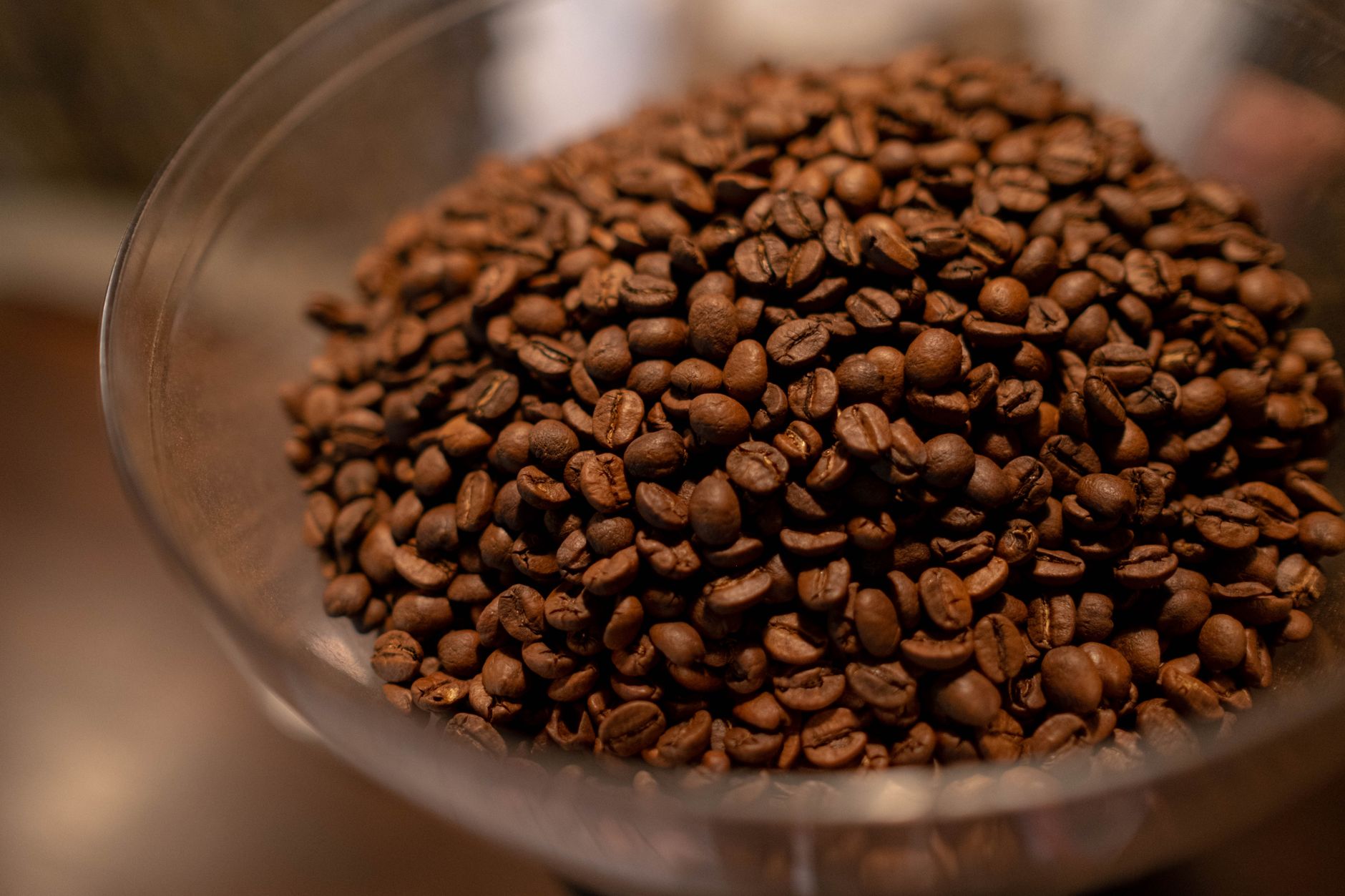
Direct Answer: Light roasts taste brighter, fruitier, and more acidic because origin-derived organic acids and Maillard volatiles are intact. Dark roasts taste bitter, smoky, and full-bodied because pyrolysis byproducts dominate and original compounds are degraded. Body is a textural perception driven by soluble solids and oils — dark roast has more surface oil, but light roast often has more soluble total dissolved solids at equivalent extraction.
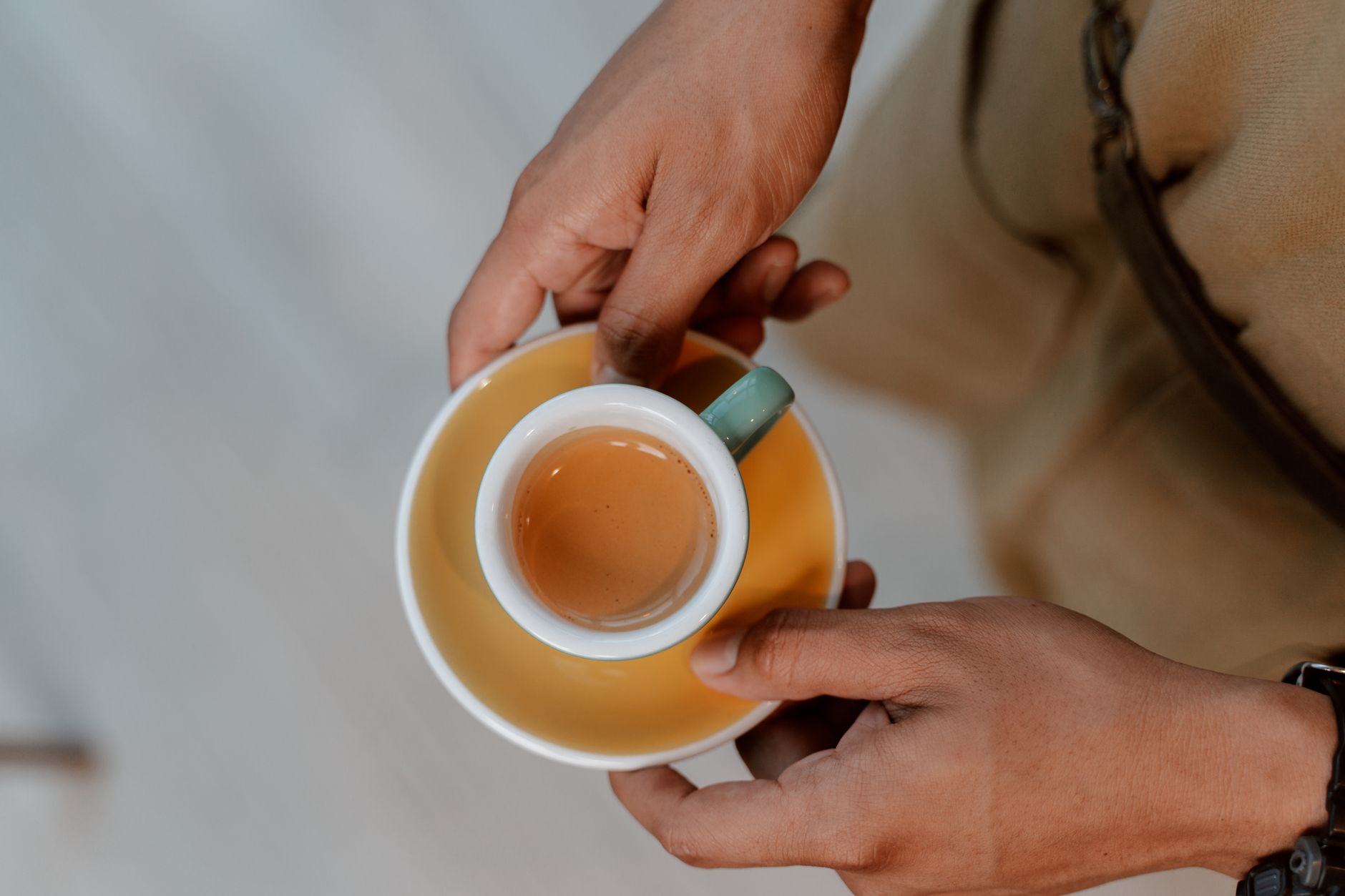 Photo: RDNE Stock project via Pexels
Light Roast Flavor Chemistry
- Acidity: Malic, citric, and residual chlorogenic acids → bright, fruit-forward tartness
- Florals/Fruit: Linalool, geraniol, and other terpenes from the origin survive — a washed Ethiopian Yirgacheffe’s jasmine and bergamot notes exist in the green bean and are only accessible at light roast
- Sweetness: Residual sucrose and early caramelization → clean sweetness
- Lower body: Less melanoidin development, fewer oils on the surface
Dark Roast Flavor Chemistry
- Bitterness: Quinic acid lactones, chlorogenic acid degradation products, diketopiperazines
- Smoke/Char: Guaiacol, syringol — phenolic pyrolysis byproducts
- Chocolate/Roasted: Advanced Maillard melanoidins polymerize → dark, heavy, complex-in-a-different-way
- Heavy body: Oils forced to surface, higher fat content in the cup
Neither profile is chemically superior. They’re optimized for different things: light roast for terroir expression; dark roast for consistency, blend masking, and milk-drink compatibility.
Coffee Module C — Beans & Origins
How Roast Level Interacts with Origin
| Origin | Altitude (MASL) | Processing | Best Roast Level | Tasting Notes |
|---|---|---|---|---|
| Ethiopia (Yirgacheffe) | 1,800–2,200 | Washed / Natural | Light | Jasmine, blueberry, bergamot, lemon |
| Colombia (Huila) | 1,700–2,100 | Washed | Light–Medium | Red apple, caramel, milk chocolate |
| Brazil (Cerrado) | 800–1,200 | Natural / Pulped | Medium–Dark | Hazelnut, chocolate, low acidity |
| Sumatra (Mandheling) | 1,000–1,500 | Wet-hulled (Giling Basah) | Medium–Dark | Earthy, cedar, dark chocolate, syrupy body |
| Guatemala (Antigua) | 1,500–1,700 | Washed | Medium | Brown sugar, citrus, almond |
Brew method pairing:
- Light roast: pour-over (V60, Chemex), AeroPress at lower brew temp (88–92°C) — preserves volatile aromatics; coarser grind compensates for slower solubility
- Dark roast: espresso, Moka pot, French press — benefits from higher extraction temps and pressure to pull through heavy melanoidins; standard espresso dose (18–20g) with normal brew temp (93–96°C)
Grind adjustment by roast: Light roast beans are denser — grind finer than you’d expect for equivalent extraction. Dark roast is more porous and extracts faster — go coarser, especially for espresso, to avoid over-extraction bitterness on top of roast bitterness.
Freshness:
- Light roast: off-gas CO₂ for 3–7 days post-roast before brewing (especially for espresso); peak flavor window 7–21 days
- Dark roast: CO₂ releases faster — 1–3 days rest, peak window 5–14 days; surface oils go stale faster
- Storage: airtight valve bag, room temperature, away from light; once opened, use within 2–3 weeks
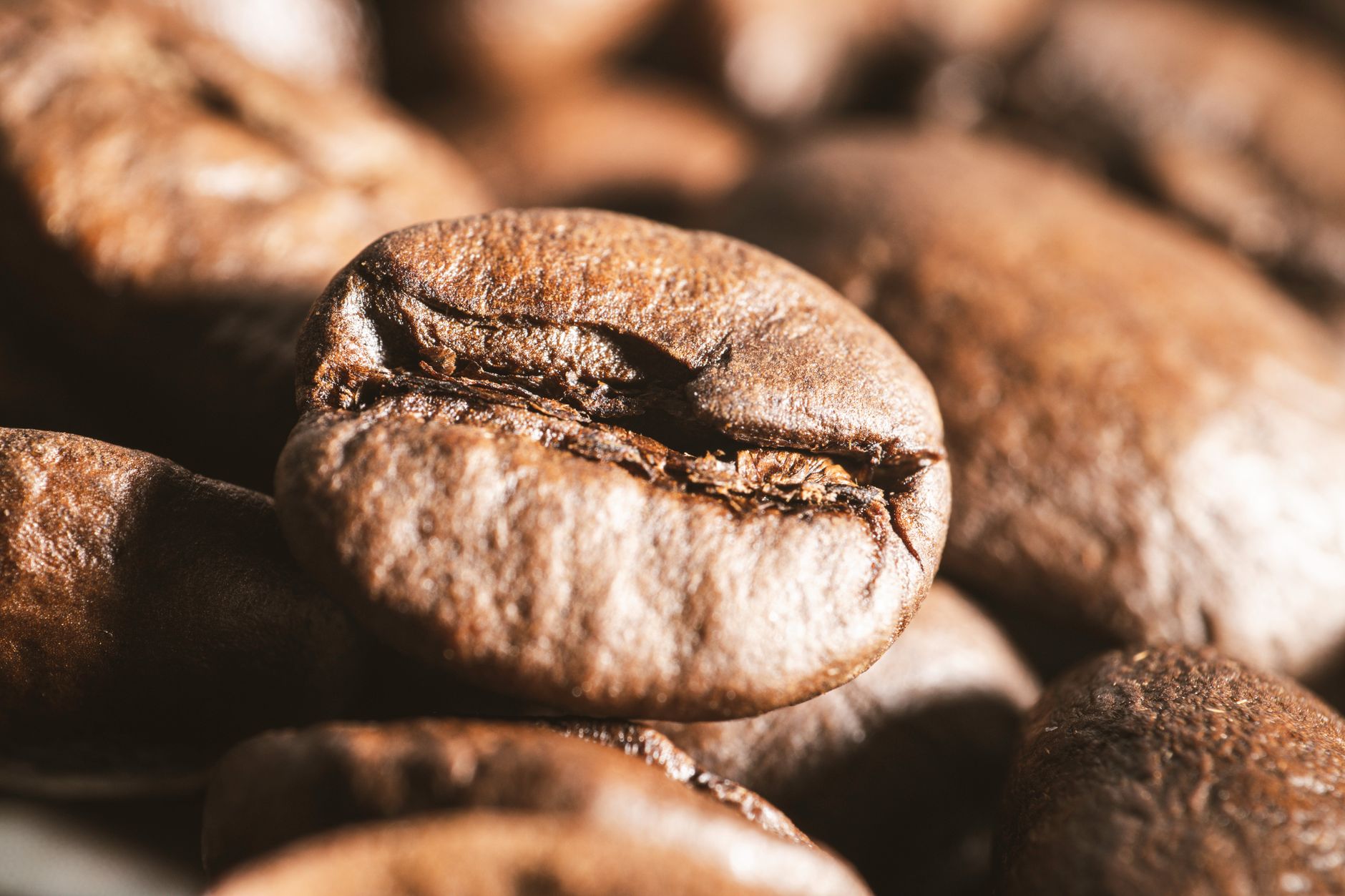
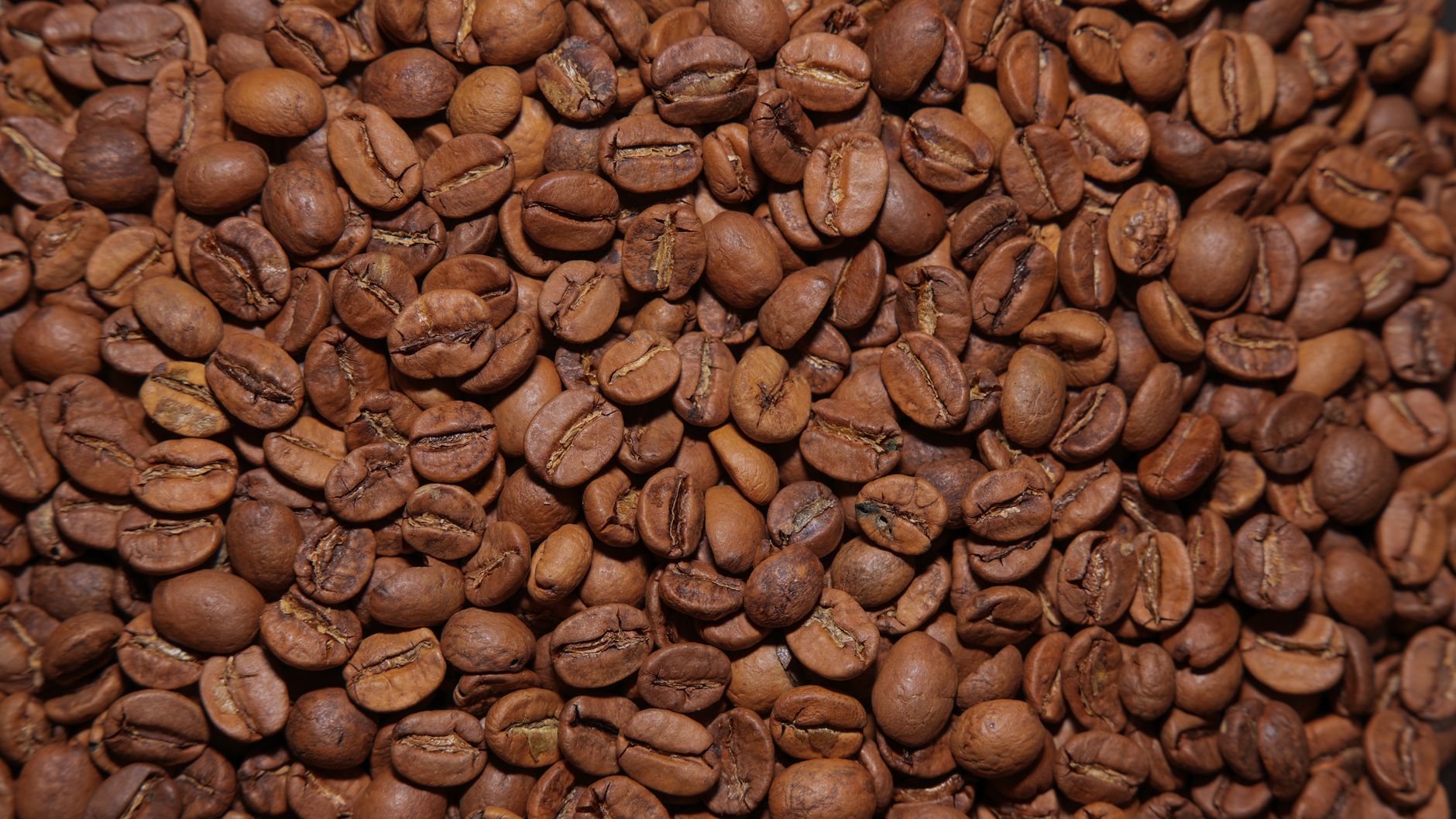 Photo: Art via Pexels
Roasting at Home: Applying the Chemistry
Direct Answer: Home roasters — from popcorn poppers to drum roasters — can replicate commercial light-to-dark roast profiles once you understand the thermal milestones. The variable to control is time-in-development (post-first crack), not just temperature.
 Photo: Gunnar Hoffmann via Pexels
A practical home roasting framework based on first crack timing:
| Roast Target | First Crack to Drop | Result |
|---|---|---|
| City (Light) | 30–60 sec after start of 1C | Bright, acidic, origin-forward |
| City+ (Light-Medium) | 60–90 sec | Balanced, some sweetness developing |
| Full City (Medium) | 90–120 sec | Caramel, lower acidity, more body |
| Full City+ (Medium-Dark) | 120 sec to near-2C | Chocolate, reduced brightness |
| French / Italian (Dark) | Into or through 2C | Bittersweet, heavy, oil on surface |
The key insight: you can’t “add” light-roast character back once you’ve gone dark. Pyrolysis is irreversible. If your beans taste smoky and you wanted fruit, the fix is pulling earlier next roast — not adjusting brew parameters.
→ See also:
- Home Coffee Roasting: The Complete Beginner’s Guide
- Best Home Coffee Roasters (2026 Reviewed)
- Fresh Roast SR800 Review: Best Entry-Level Roaster?
FAQ
Does dark roast have more caffeine than light roast? No — this is one of the most persistent coffee myths. Caffeine is a thermally stable alkaloid that doesn’t degrade meaningfully at roasting temperatures. By weight, light and dark roast have nearly identical caffeine content. By volume (scoop), light roast beans are denser, so a tablespoon of light roast actually delivers slightly more caffeine than dark.
Why does dark roast taste bitter if it has less chlorogenic acid? The bitterness in dark roast comes from pyrolysis byproducts — primarily quinic acid lactones and diketopiperazines — not from chlorogenic acids themselves. These compounds form because CGAs and other molecules break down at high temperatures. Removing acidity doesn’t mean removing bitterness; it often increases it as different chemical pathways activate.
Is light roast better for you than dark roast? Light roast retains more chlorogenic acids, which have antioxidant and anti-inflammatory properties in lab studies. Dark roast contains more melanoidins, which also show antioxidant activity. Neither is dramatically healthier in a real-world drinking context. If you take your coffee black, light roast may offer a modest antioxidant edge; if you’re adding sugar and cream, the difference is irrelevant.
Why do dark roast beans look oily? The oils are always present inside the bean — they’re forced to the surface when pyrolysis ruptures cell walls during second crack. This surface oil is mostly cafestol and kahweol (diterpenes). It goes rancid faster than oil inside the bean, which is why dark roast coffee has a shorter shelf life than light roast once the bag is opened.
Can I brew light roast coffee in an espresso machine? Yes, but dial-in is more demanding. Light roast is denser and less soluble than dark roast at standard espresso temperatures. Typical adjustments: finer grind, higher brew temperature (94–96°C), longer pre-infusion, slightly longer shot time. Expect a lighter-bodied, more acidic espresso — not everyone prefers it, but it’s technically sound and increasingly common in specialty shops.
Editorial methodology: Assessments are based on manufacturer specifications, published user reviews, and editorial research. Physical hands-on testing is noted explicitly where it occurred. Rankings reflect our editorial judgment and are not influenced by affiliate commission rates. Full editorial policy · Affiliate disclosure