Contents
Lavender Latte Recipe (Homemade Syrup + Steps)
TL;DR: A lavender latte recipe combines a double espresso with homemade lavender simple syrup and steamed milk. Make the syrup by simmering equal parts sugar, water, and dried culinary lavender for 10 minutes, then strain. Pull your shot, add 1–2 teaspoons of syrup, and top with 6 oz steamed milk.
How to Make Lavender Simple Syrup
Direct Answer: Combine 1 cup water, 1 cup sugar, and 2 tablespoons dried culinary lavender in a saucepan. Bring to a simmer over medium heat, stir until sugar dissolves, then steep off-heat for 10 minutes. Strain through a fine-mesh sieve. Refrigerate for up to two weeks. Yield: ~1.5 cups.**
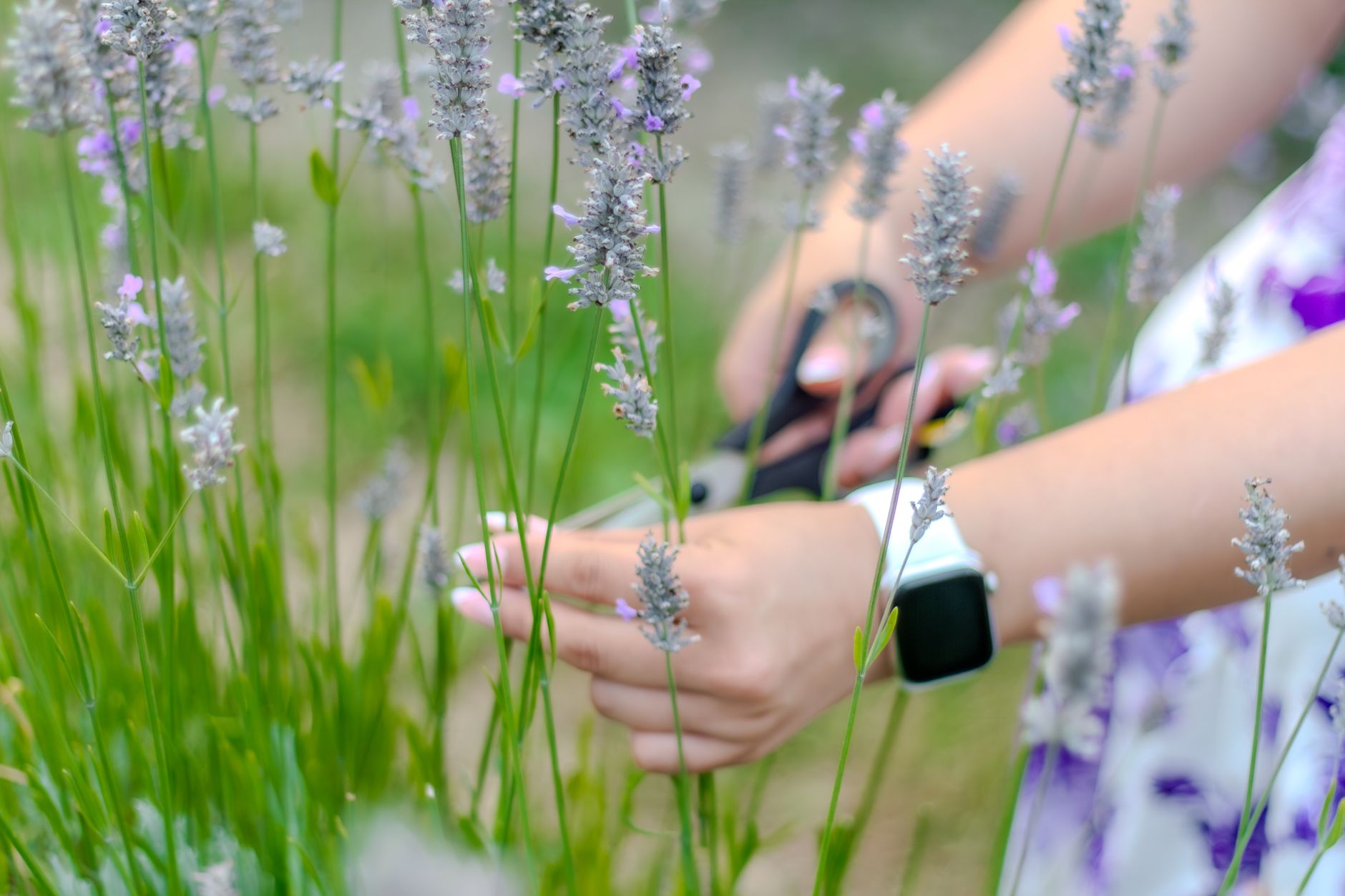 Photo: Cord Allman via Pexels
A few things matter here more than the recipe suggests:
Lavender variety: Use culinary-grade dried lavender — Lavandula angustifolia (English lavender) specifically. French or Spanish lavender varieties can taste soapy and medicinal. If you’re buying from a grocery store, check that it’s labeled culinary or food-grade.
Steep time: 10 minutes off heat gives you a floral, balanced syrup. Leave it longer and it tips toward perfume. If you accidentally over-steeped, cut it with a little extra simple syrup.
Ratio: The 1:1 sugar-to-water ratio makes a standard simple syrup. If you want a thicker, more concentrated syrup (better for cold drinks), use a 2:1 ratio.
The Lavender Latte Recipe: Full Method
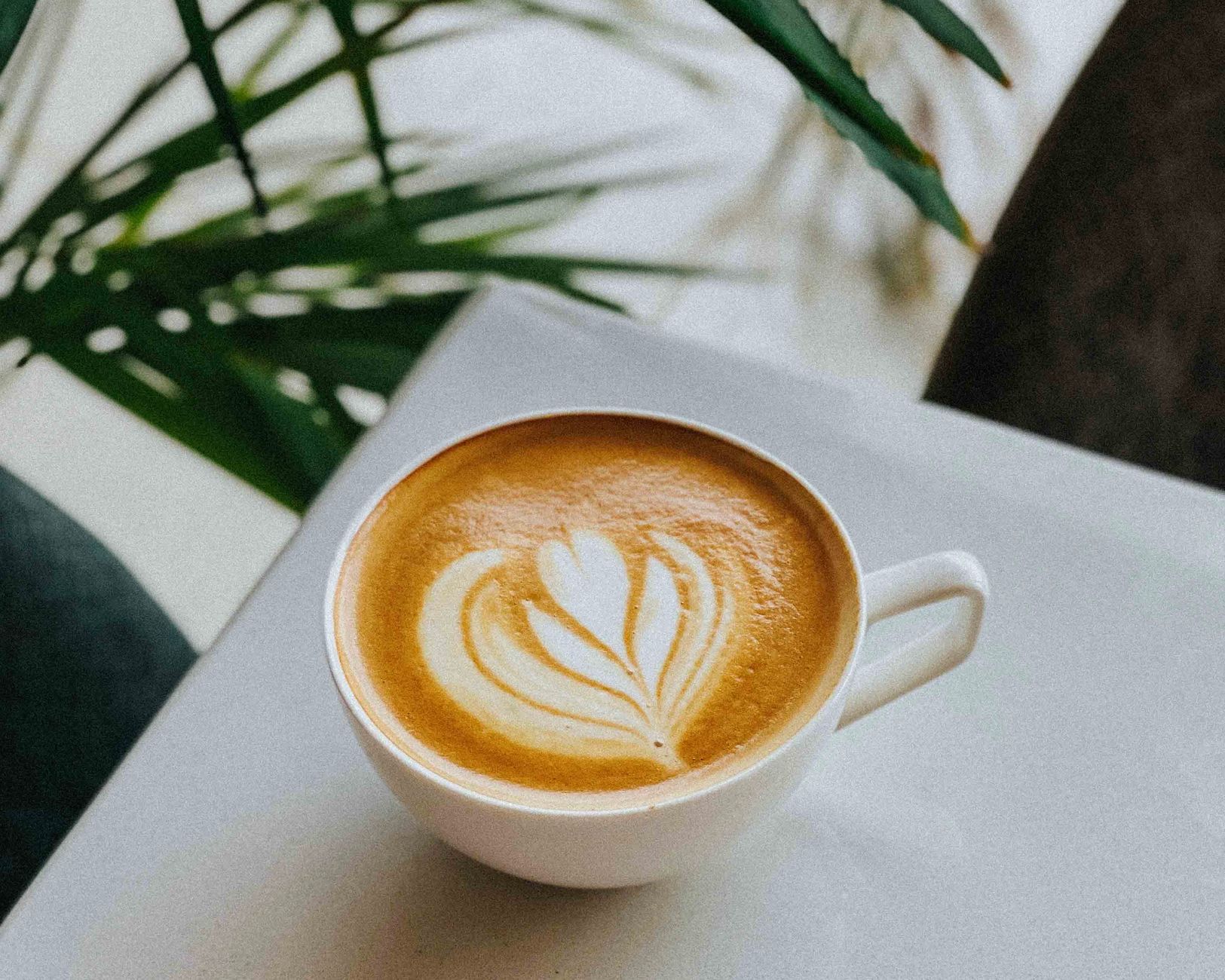
Direct Answer: Pull a double espresso (18g in, ~36g out, 25–30 seconds). Add 1–2 teaspoons lavender syrup to your cup first. Pour espresso over it, stir briefly, then add 6 oz steamed whole milk, holding back the foam to pour it over the top. Adjust syrup to taste.**
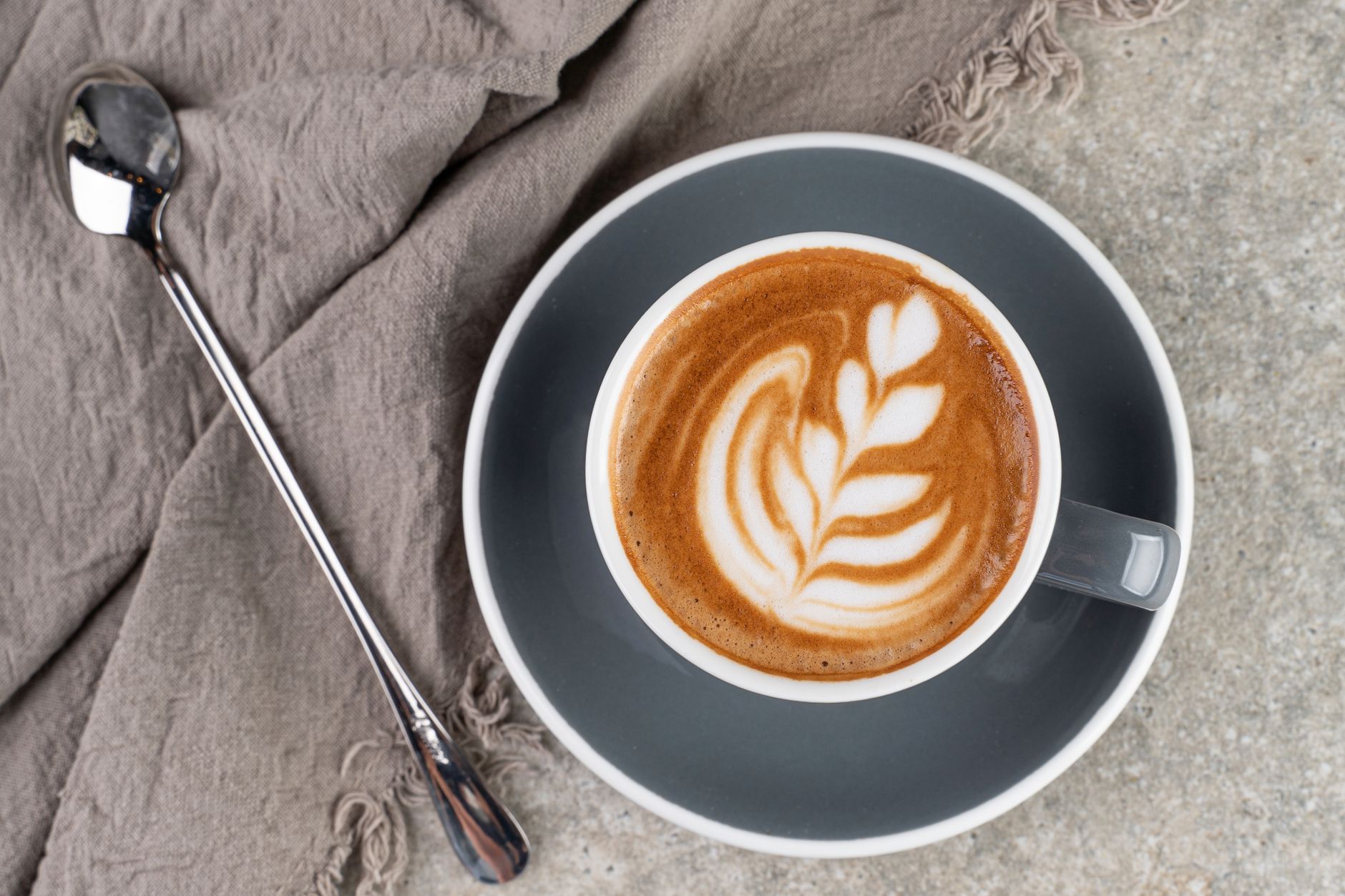 Photo: Denys Gromov via Pexels
Equipment You’ll Need
You don’t need a lot, but the espresso machine matters:
| Item | Notes |
|---|---|
| Espresso machine | Semi-automatic gives best control |
| Milk steaming wand | Built-in to any espresso machine |
| Fine-mesh strainer | For the lavender syrup |
| Small saucepan | For making syrup |
| Kitchen scale | Optional but useful for espresso dose |
For home espresso, the Breville Barista Express
Milk Steaming for a Lavender Latte
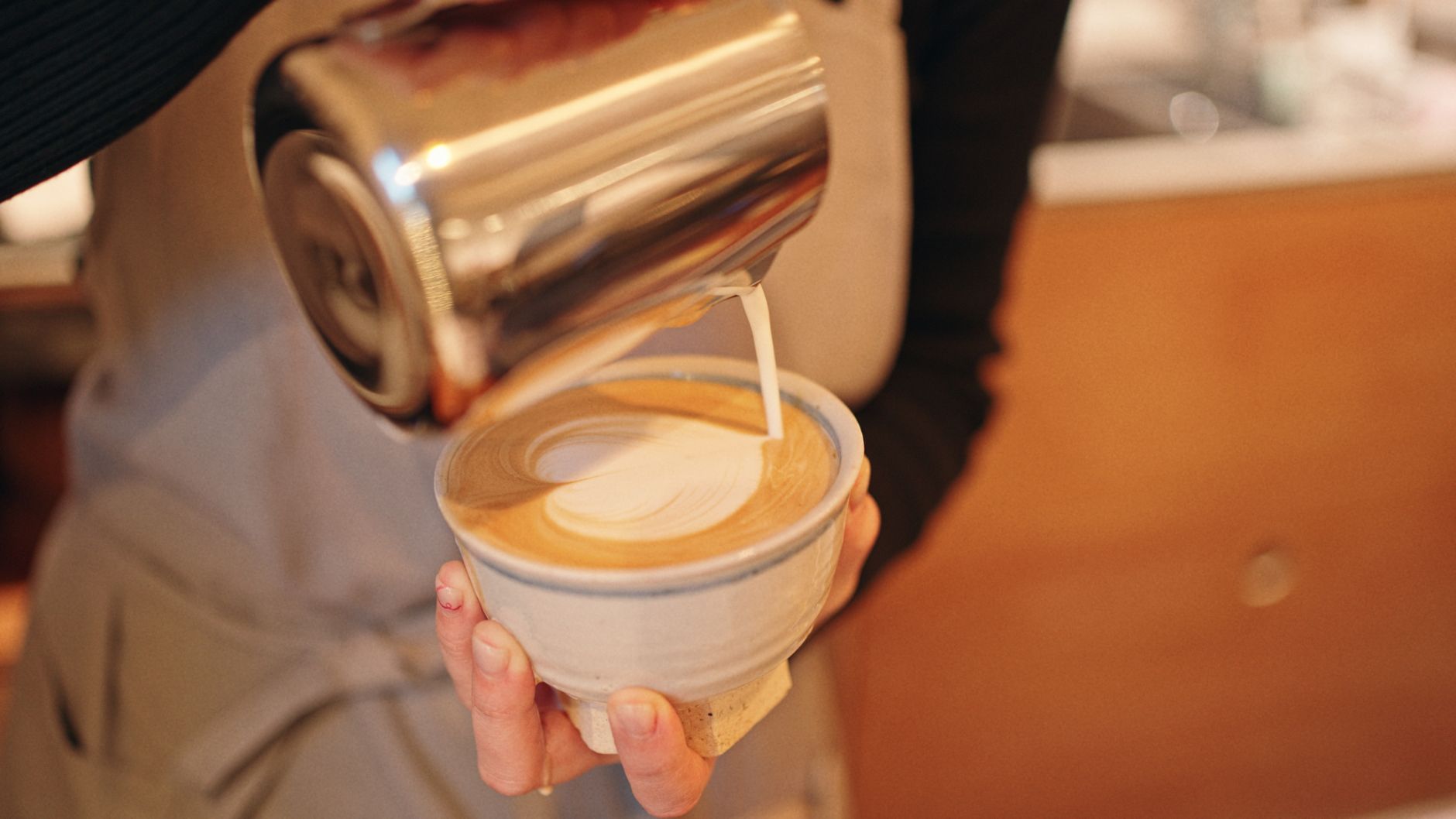 Photo: Gu Ko via Pexels
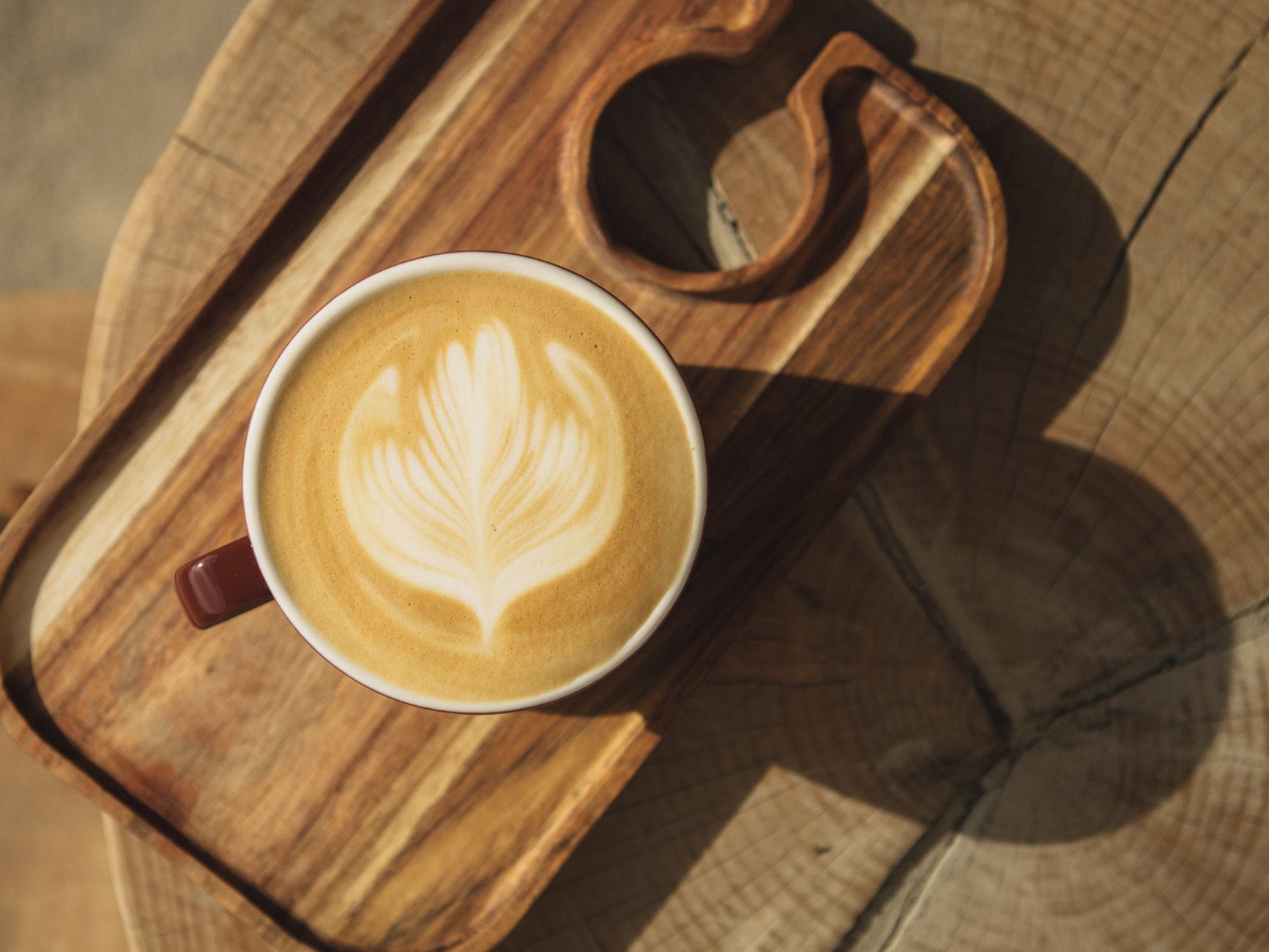
You want microfoam, not stiff cappuccino foam. The goal is a silky, paint-like texture that integrates with the espresso rather than sitting on top as a separate layer.
- Fill your pitcher to just below the spout
- Submerge the wand tip just below the milk surface
- Open steam fully — introduce a small amount of air in the first 2–3 seconds
- Drop the tip slightly deeper and heat to 140–150°F (60–65°C)
- Tap the pitcher on the counter and swirl to integrate any larger bubbles
Whole milk gives the sweetest, most integrated result. Oat milk is the best non-dairy option for this drink — its natural sweetness complements lavender without fighting it.
Iced Lavender Latte
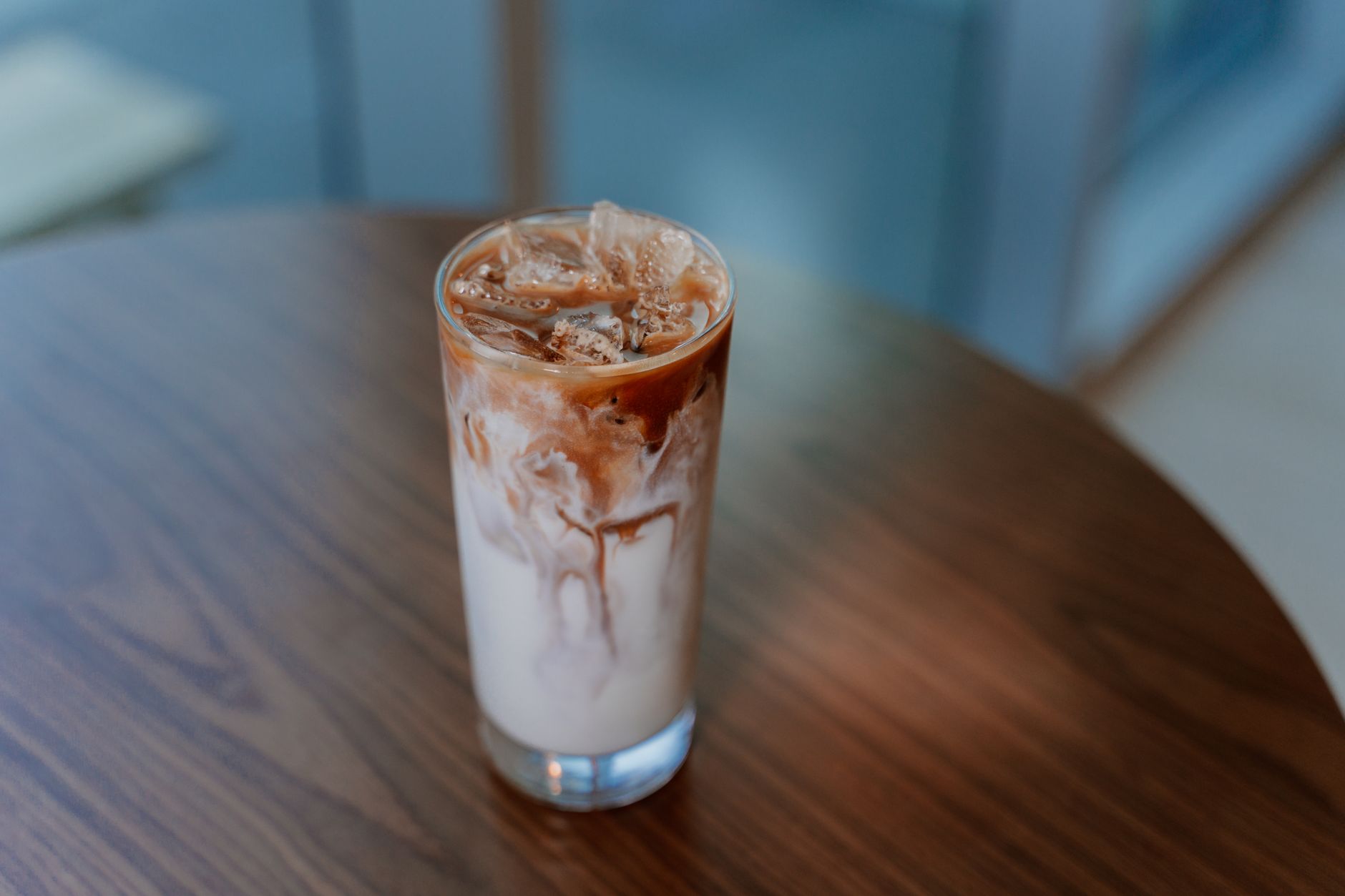
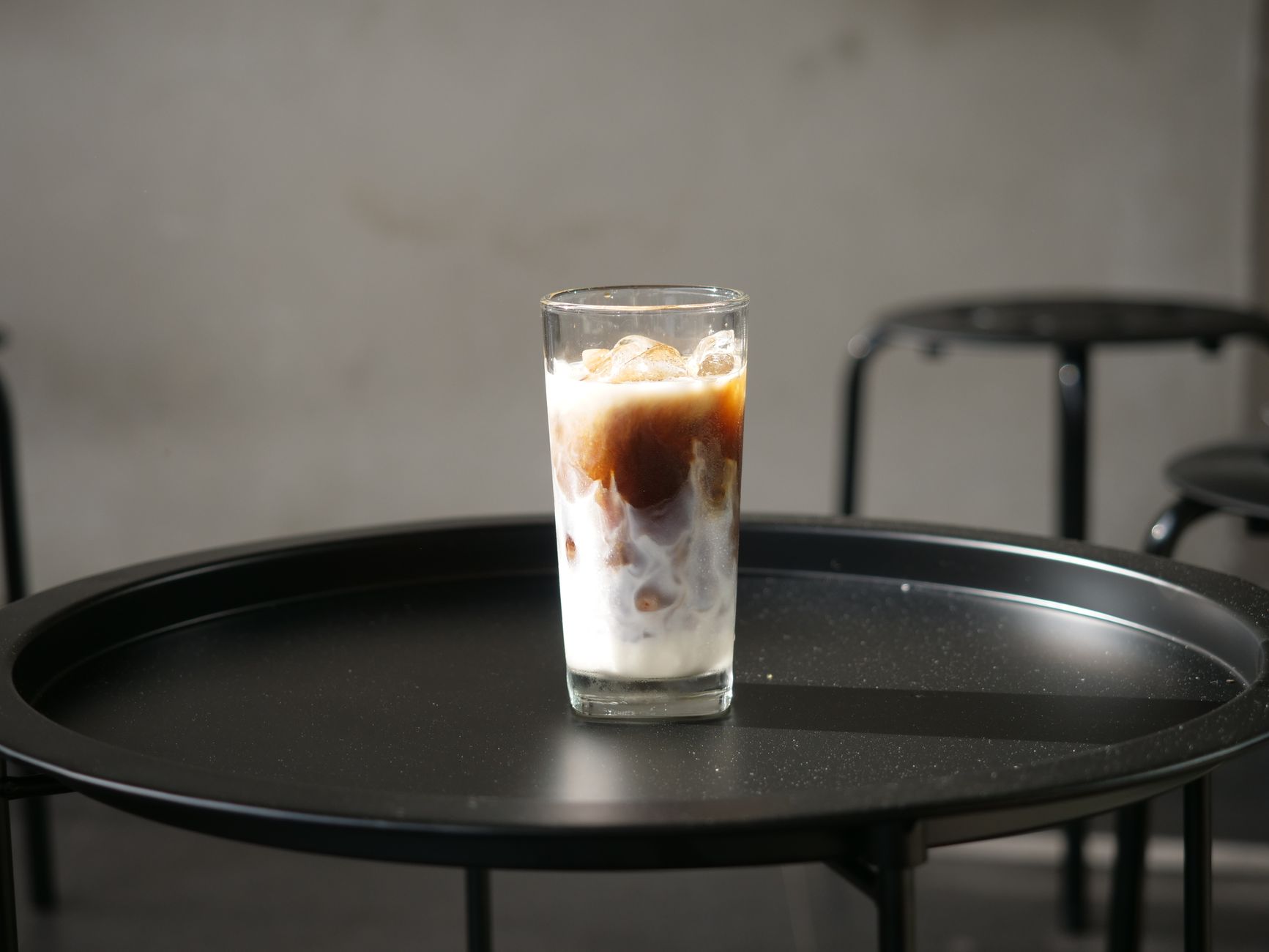
Direct Answer: Fill a glass with ice, add 1–2 teaspoons lavender syrup, pour a double espresso or 2 oz of strong cold brew concentrate over the ice, then top with 6 oz cold oat or whole milk. Stir gently. The syrup mixes better when added before the espresso.**
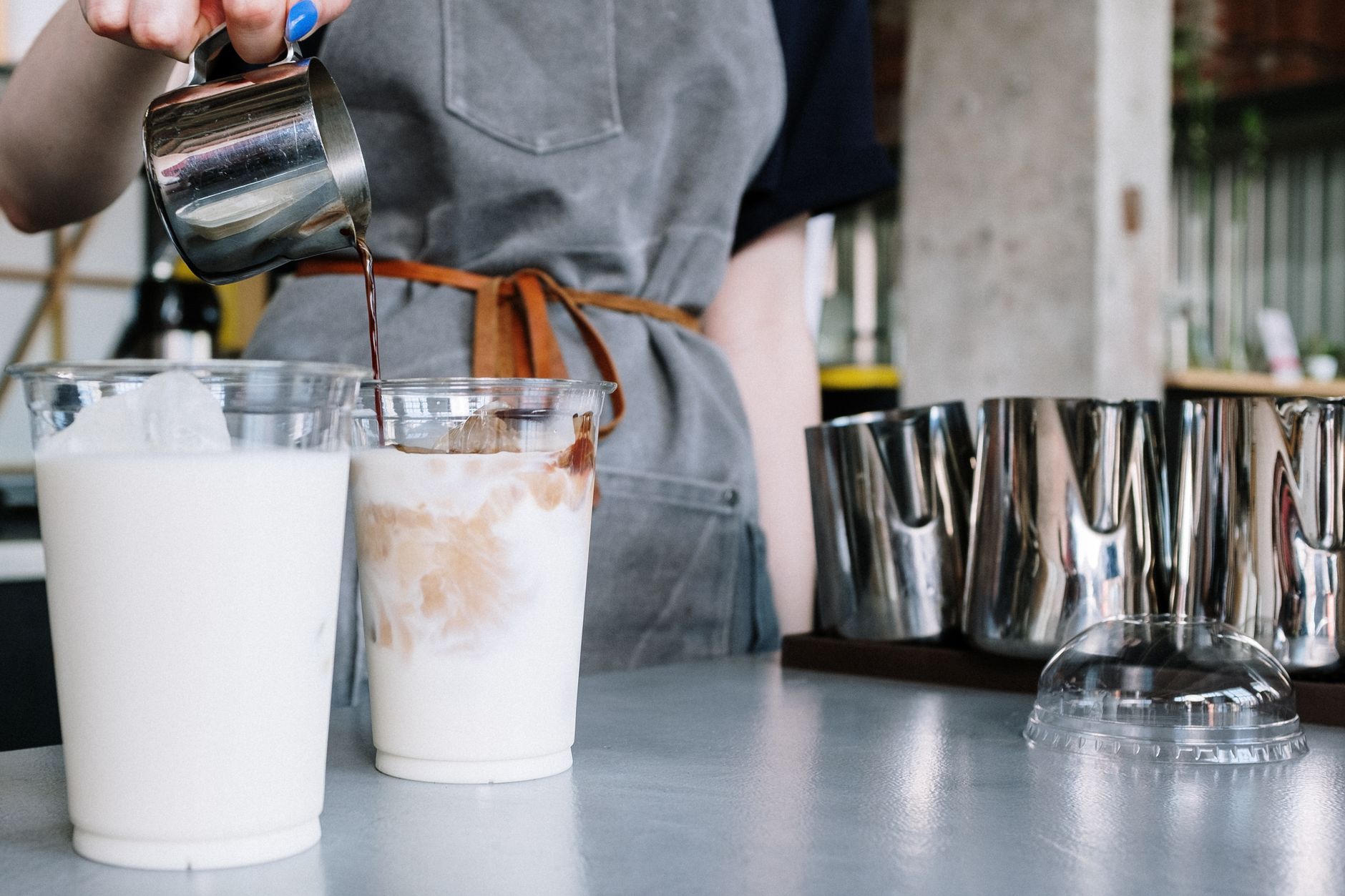 Photo: cottonbro studio via Pexels
The iced version is forgiving — you don’t need an espresso machine. A Moka pot, Aeropress, or even strong filter coffee (double concentration) works fine when served over ice with the syrup. The cold dilutes the bitterness that would be more noticeable hot.
Variation — Lavender Vanilla Latte: Add half a teaspoon of vanilla extract or vanilla simple syrup alongside the lavender. The vanilla rounds out any sharp floral edges and makes the drink more accessible if you’re serving it to guests unfamiliar with lavender coffee.
Common Mistakes and Fixes
| Problem | Cause | Fix |
|---|---|---|
| Syrup tastes soapy | Wrong lavender variety or too long | Use English lavender, steep ≤10 min |
| Flavor disappears in milk | Too little syrup, or added after milk | Add syrup to cup first, use 2 tsp |
| Bitter and floral clash | Over-extracted espresso | Dial in espresso to 25–30 sec extraction |
| Foam too stiff | Too much air introduced | Less air early in the steam process |
→ See also:
- Espresso Drinks: The Complete Guide to Every Type
- What Is a Cortado? (And How It Differs From a Macchiato)
- Cortado vs Flat White vs Macchiato: Full Comparison
FAQ
How much lavender syrup should I use in a latte? Start with 1 teaspoon (5ml) and taste before adding more. Most people land at 1–2 teaspoons for a 6 oz milk drink. The strength of homemade syrup varies depending on how long you steeped the lavender, so calibrate by taste rather than measuring by the recipe.
Can I use fresh lavender instead of dried? Yes, but use roughly twice the volume — fresh lavender has higher water content and a less concentrated flavor. Steep for the same 10 minutes. The risk with fresh lavender is more variability in flavor intensity, since maturity and variety affect potency significantly.
Is lavender in coffee safe to eat? Culinary-grade dried lavender is completely safe. The key word is culinary — lavender sold for sachets, potpourri, or floral arrangements is often treated with pesticides or fragrance oils not intended for consumption. Buy from a spice or culinary supplier.
Why does my lavender latte taste like soap? Two likely causes: the wrong lavender variety (anything other than Lavandula angustifolia), or steeping too long. Lavender contains linalool and linalyl acetate — the same compounds in soap — and they become overwhelming with over-extraction or the wrong species. Strain at 10 minutes, use English lavender.
Can I make a lavender latte without an espresso machine? Yes. A Moka pot or Aeropress produces a concentrate concentrated enough to hold up against milk. Brew at double the normal strength (half the water, same coffee dose), then proceed with the same syrup and milk steps. The result isn’t espresso, but it’s a good lavender latte.
Editorial methodology: Assessments are based on manufacturer specifications, published user reviews, and editorial research. Physical hands-on testing is noted explicitly where it occurred. Rankings reflect our editorial judgment and are not influenced by affiliate commission rates. Full editorial policy · Affiliate disclosure