Contents
Kalita Wave Brew Guide (Complete Method)
TL;DR: The Kalita Wave brew guide covers a flat-bed pour-over that forgives uneven pours through its three-hole base and wavy filter design. Use a 1:16 ratio, 93°C water, and a controlled pulse pour for a clean, sweet, balanced cup with excellent clarity.
What Is the Kalita Wave and Why Does It Brew Differently?
The Kalita Wave is a flat-bed dripper with three small drainage holes and proprietary wave filters. Unlike conical drippers, the flat bed creates an even extraction plane — water contacts the entire puck simultaneously, reducing the channeling risk that punishes uneven pours on V60-style cones.
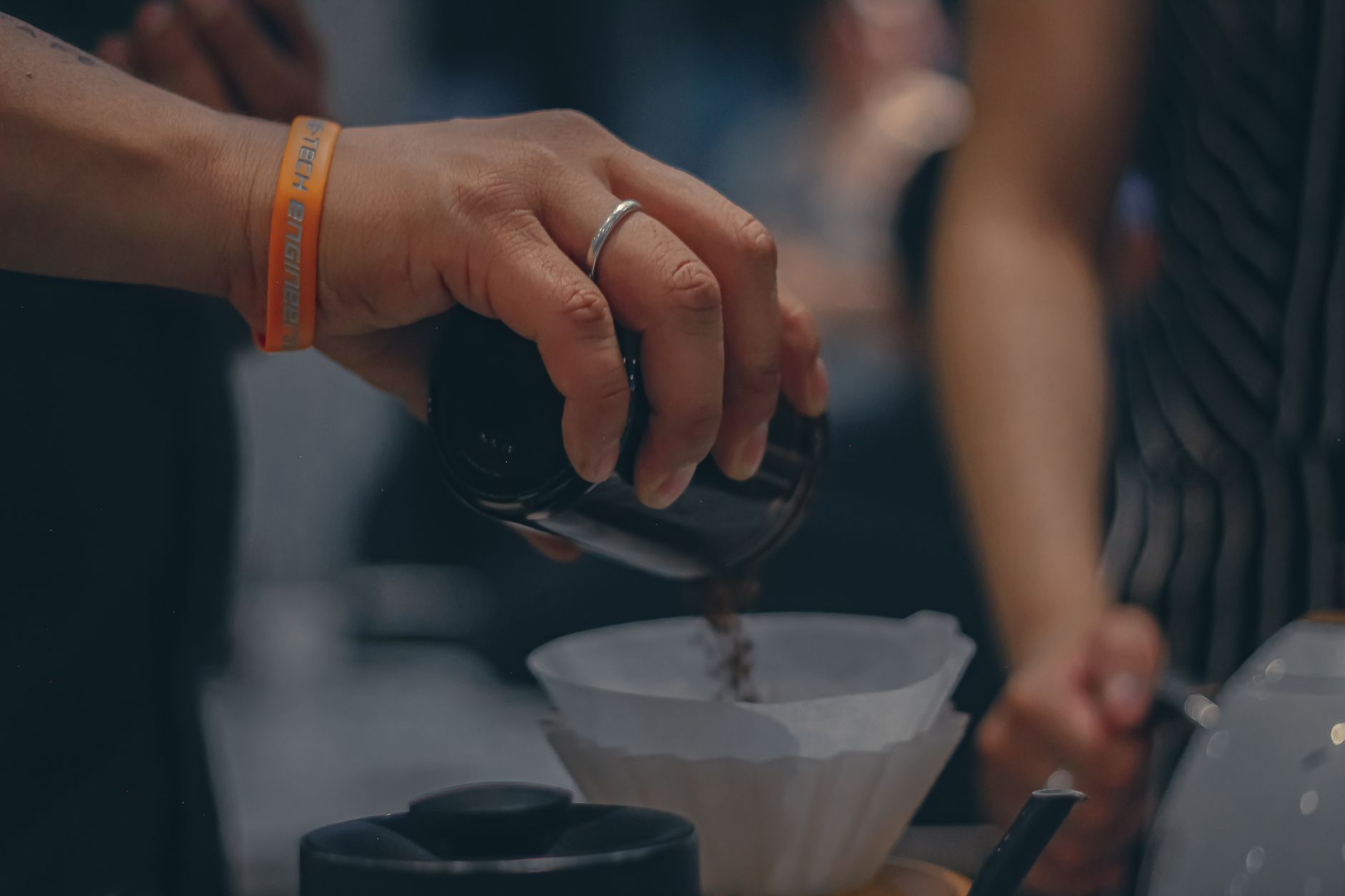
 Photo: cottonbro studio via Pexels
The wave filter adds a second layer of protection. Its ridged, corrugated walls keep the paper off the dripper walls, preventing suction that would slow extraction unpredictably. The result is a more consistent brew-to-brew even when your pour technique isn’t perfect.
This makes the Wave an excellent choice for brewing light roasts where over-extraction kills sweetness, and for anyone transitioning from immersion methods who wants more clarity without the steep learning curve of the Hario V60.
The trade-off: the flat bed retains heat less efficiently than a ceramic cone, and the smaller holes mean a slightly longer total brew time. Preheat the brewer thoroughly — skip this step and your first 30 seconds drain into a cold vessel.
Kalita Wave Brew Guide: Core Parameters
Nail these numbers before worrying about technique. Most Kalita Wave problems — astringency, weak body, flat flavor — trace back to wrong ratio or temperature, not pour technique.
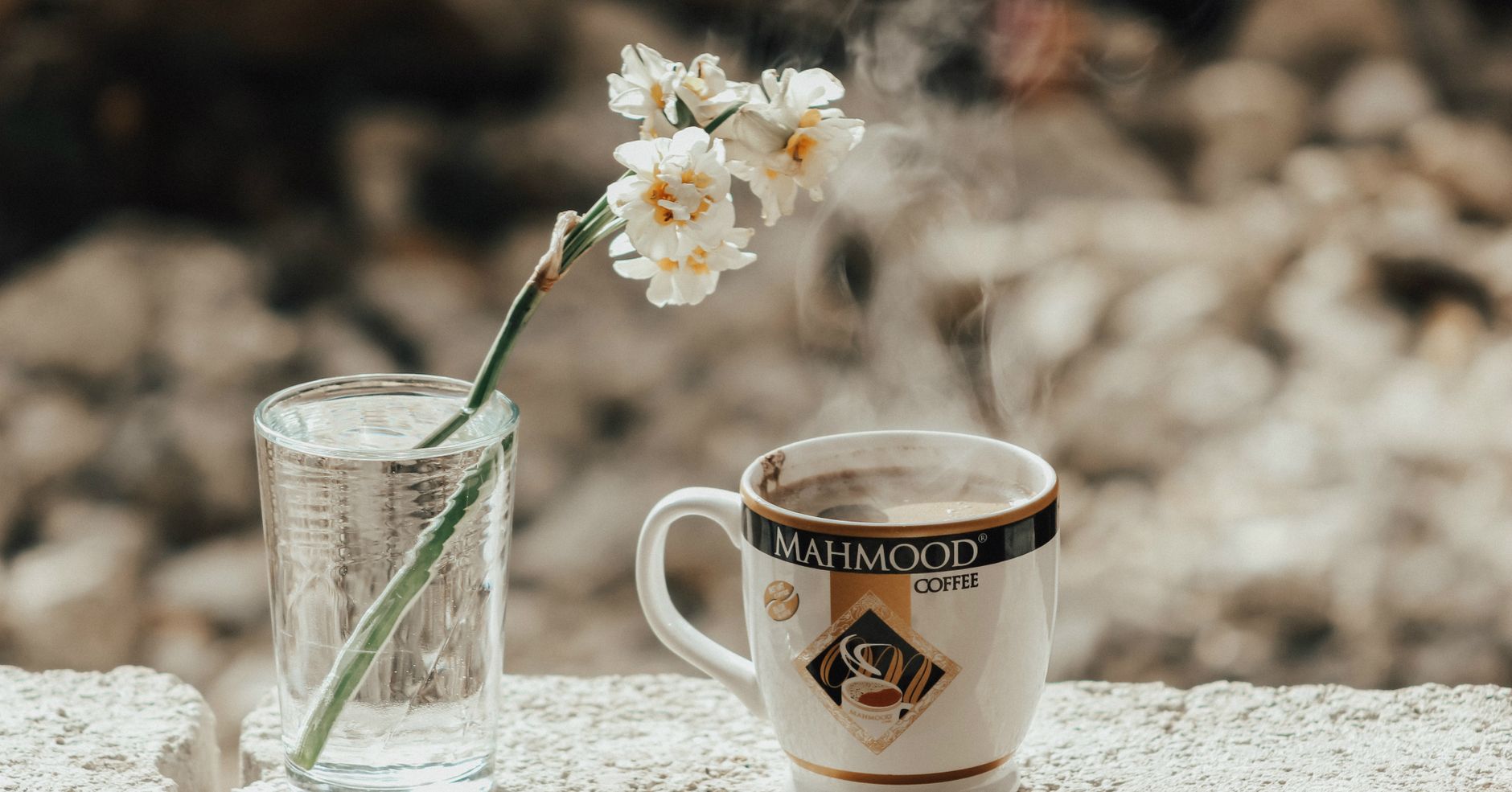
 Photo: Tadeu Gabriel Arcieri via Pexels
Extraction Parameters
| Parameter | Value |
|---|---|
| Dose | 20 g coffee |
| Yield | 320 g water |
| Ratio | 1:16 |
| Total Time | 3:00 – 3:45 min |
| Water Temp | 93°C (199°F) for medium roast / 96°C (205°F) for light roast |
| Grind Size | Medium — finer than drip, coarser than AeroPress (approx. 20–22 clicks on a Comandante) |
| Filter | Kalita Wave 185 (for 20 g dose) |
Grinder Notes
Any flat or conical burr grinder with consistent particle distribution improves Kalita Wave results noticeably. The Comandante C40
Puck Prep and Pour Technique
Rinse the filter, bloom at 2× coffee weight, then pour in controlled pulses. The flat bed is forgiving but not invincible — large, fast pours flood the bed and dilute extraction.
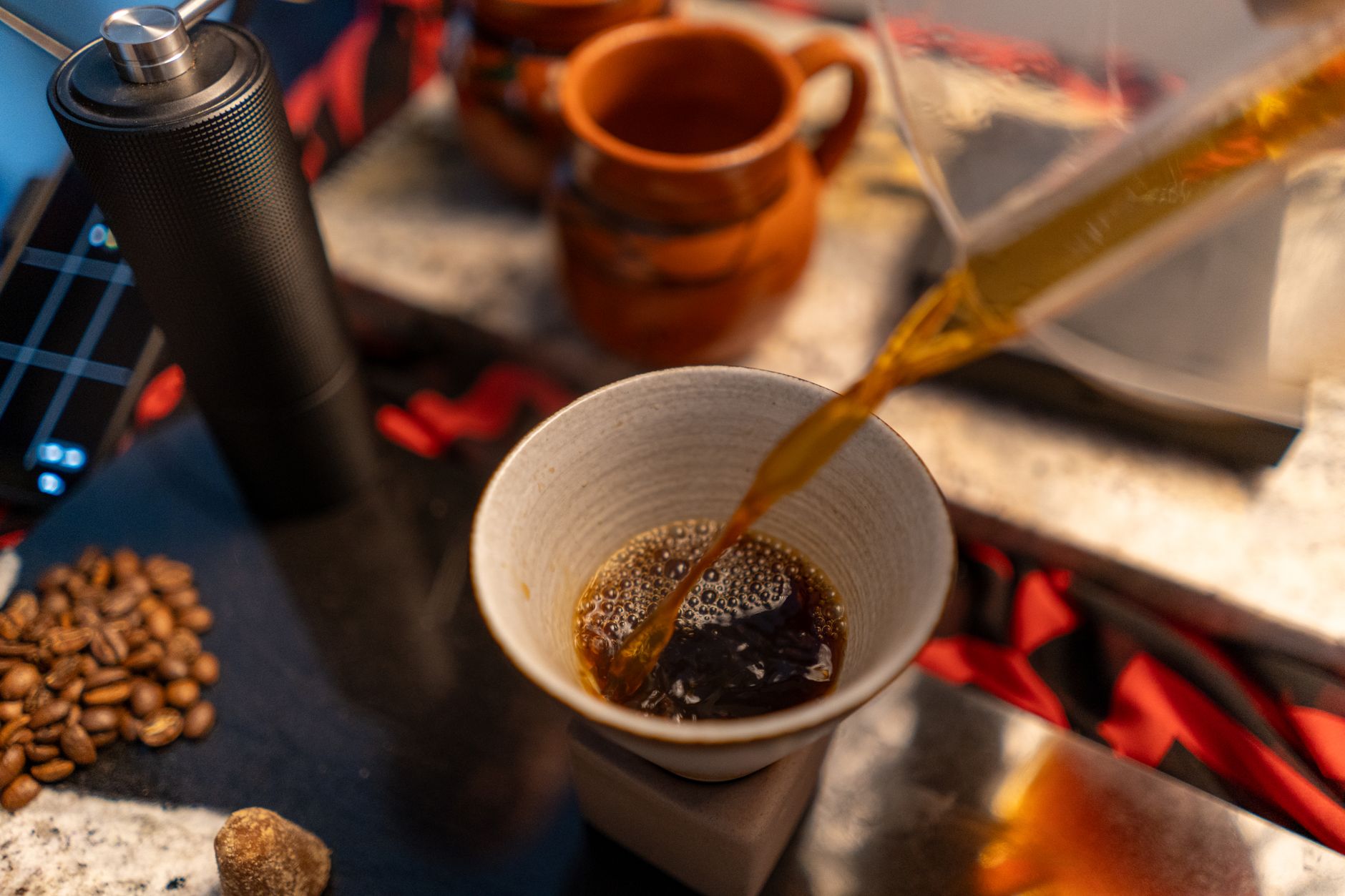
 Photo: Hasan Albari via Pexels
Step-by-Step Method
- Rinse the filter — 100 ml of hot water through the filter, discard. This removes papery taste and preheats the dripper and server.
- Add coffee — level the bed gently. No WDT needed; the flat bed self-levels better than a cone.
- Bloom — pour 40 g of water in 10 seconds, starting at the center and spiraling outward. Wait 30–45 seconds. Light roasts need the full 45 seconds; medium roasts are fine at 30.
- First pour — bring water to 120 g total over 20–25 seconds, maintaining a steady spiral.
- Second pour — at ~1:15, pour to 220 g total.
- Third pour — at ~2:00, pour to 320 g total.
- Drawdown — should finish by 3:30–3:45. Total brew time under 3:00 is too coarse; over 4:00 is too fine.
Pour Control
Use a gooseneck kettle — the Fellow Stagg EKG
Avoid pouring directly on the filter walls. The wave filter is sturdy but pouring on the edges disrupts the even extraction bed you’re relying on.
Troubleshooting the Kalita Wave
| Symptom | Likely Cause | Fix |
|---|---|---|
| Sour, thin, sharp finish | Under-extraction: too coarse, too cold, too fast | Grind finer or raise water temp by 2°C |
| Bitter, dry, harsh | Over-extraction: too fine, too hot, too slow | Grind coarser or reduce water temp |
| Stalled drawdown (bed flooding) | Grind too fine or pour too fast | Coarsen grind one step; slow your pour |
| Weak body, watery | Ratio too high (too much water) | Drop to 1:15, or increase dose to 22 g |
| Papery, flat flavor | Filter not rinsed properly | Rinse thoroughly and discard rinse water |
| Inconsistent cup-to-cup | Grinder producing fines, or uneven bloom | Check burr alignment; extend bloom to 45 s |
Kalita Wave 155 vs 185: Which Size?
 Photo: Deon Black via Pexels
| Wave 155 | Wave 185 | |
|---|---|---|
| Dose range | 10–15 g | 18–25 g |
| Yield | 150–250 ml | 280–380 ml |
| Best for | Single cup, travel | Standard 1–2 cup brewing |
| Material options | Stainless, glass, ceramic | Stainless, glass, ceramic |
| Brew time | ~2:30 – 3:00 | ~3:00 – 3:45 |
For most home brewers, the 185 is the right size. The 155 is faster to brew but more sensitive to technique — the smaller bed has less margin for pour error. The stainless version retains heat slightly less than ceramic but is more durable and travel-friendly. The Kalita Wave 185 Stainless is the most popular entry point.
Coffee Selection for the Kalita Wave
The Wave’s clean, balanced extraction makes it well-suited to washed Ethiopian or Colombian light roasts where floral and citrus notes need clarity to emerge. Medium roasts from Central America (Guatemala, Costa Rica) produce excellent body with caramel sweetness at 1:15.
Avoid dark roasts on the Wave — the flat bed’s even extraction amplifies roasty, bitter compounds that a cone’s faster drain would partially mask. If you’re brewing dark, use French press or a Moka pot instead.
→ See Also
- How to Brew Coffee at Home: Complete Method Guide
- French Press Coffee: Complete Brewing Guide (Ratios + Technique)
- French Press Coffee-to-Water Ratio Calculator
FAQ
What grind size for Kalita Wave? Medium grind — comparable to coarse table salt. On a Comandante C40, this is roughly 20–22 clicks. If your drawdown finishes before 3 minutes, go finer by one or two clicks. If it stalls past 4 minutes, coarsen.
What ratio should I use for Kalita Wave? Start at 1:16 (20 g coffee to 320 g water). Drop to 1:15 for richer body or increase to 1:17 for a lighter, more delicate cup. The flat bed brews consistently across this range — adjust to taste rather than chasing a single “correct” number.
Why is my Kalita Wave stalling? The three drainage holes are small by design. Stalling usually means your grind is too fine, your pour rate is too fast, or fines from an inconsistent grinder are clogging the bed. Coarsen the grind one step first, then evaluate pour speed.
Kalita Wave vs V60 — which is easier? The Kalita Wave is more forgiving. The flat bed means an uneven spiral pour doesn’t create the same channeling risk as on a V60 cone. For beginners or anyone who wants consistent results without perfecting their pour technique, the Wave is the better starting point.
Does water temperature matter for Kalita Wave? Yes, and more than most guides suggest. Light roasts need 95–96°C to fully extract. Medium roasts perform best at 92–93°C. Brewing light roasts at low temperature produces sour, underdeveloped cups regardless of grind or ratio. Use a kettle with temperature control.
Can I use the Kalita Wave for cold brew or iced coffee? Not for cold brew — that requires long immersion, not a dripper. For Japanese-style iced coffee, replace half the brew water with ice in your server and brew concentrated at 1:13. The Wave’s flat bed handles this well; bloom with hot water as normal, then pulse pour the remainder onto ice.
Editorial methodology: Assessments are based on manufacturer specifications, published user reviews, and editorial research. Physical hands-on testing is noted explicitly where it occurred. Rankings reflect our editorial judgment and are not influenced by affiliate commission rates. Full editorial policy · Affiliate disclosure