Contents
Bee House Dripper Guide: Brew Better Pour-Over Coffee
TL;DR: The bee house dripper guide covers everything you need: a 1:15 coffee-to-water ratio, medium-fine grind, 93°C water, and a two-stage pour for clean, balanced cups. The restricted dual-hole outlet slows drainage and forgives minor grind inconsistencies, making it one of the most approachable ceramic drippers for daily use.
What Is a Bee House Dripper?
The Bee House is a ceramic, flat-bottomed dripper with two small outlet holes. Unlike a Hario V60’s single large opening, those restricted holes extend contact time automatically — you get more extraction without precise technique. It sits on standard Melitta-style filters (size 2 for 1–2 cups, size 4 for 3–4 cups) and delivers a sweeter, fuller cup than open-drain designs.
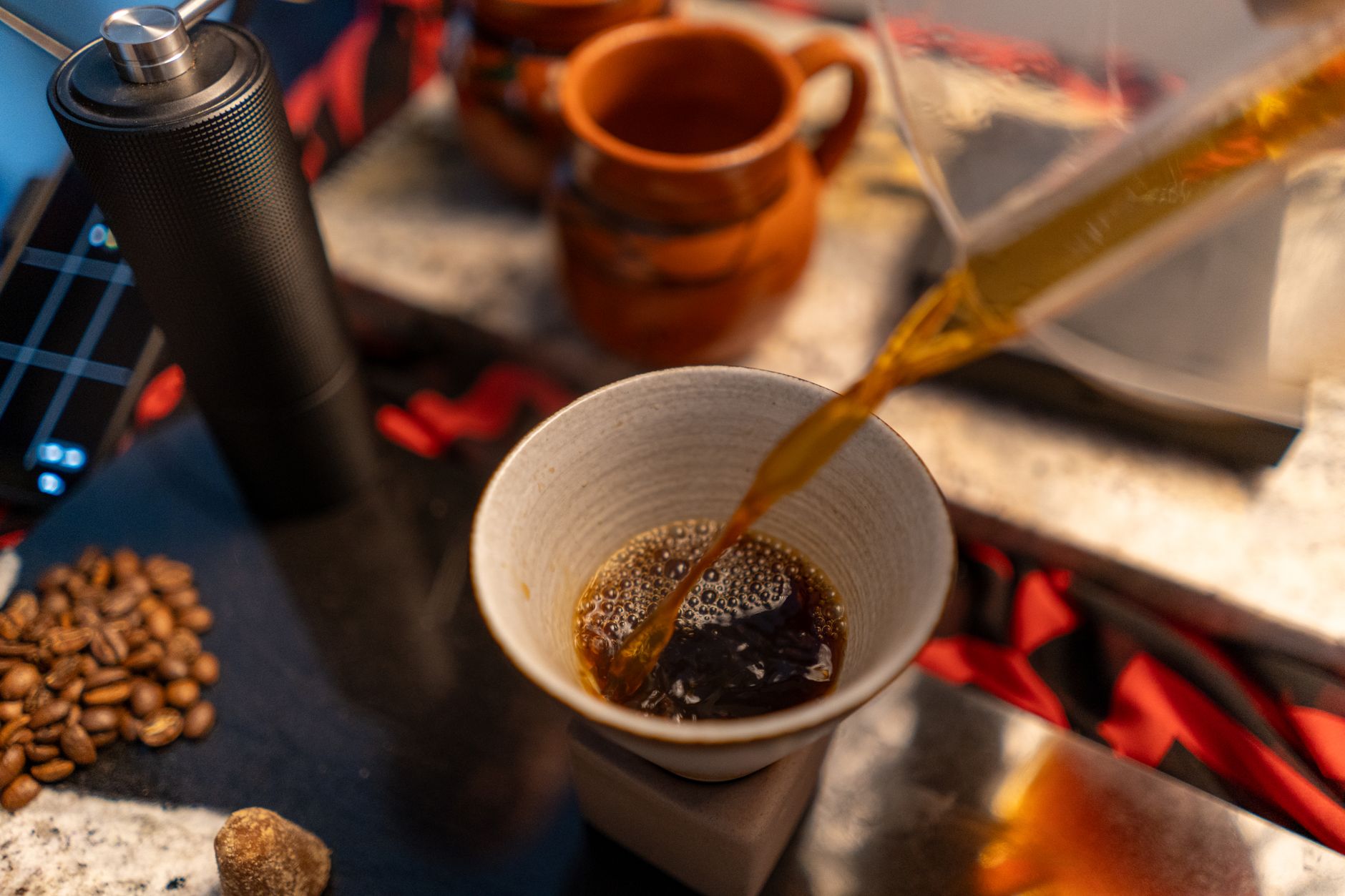
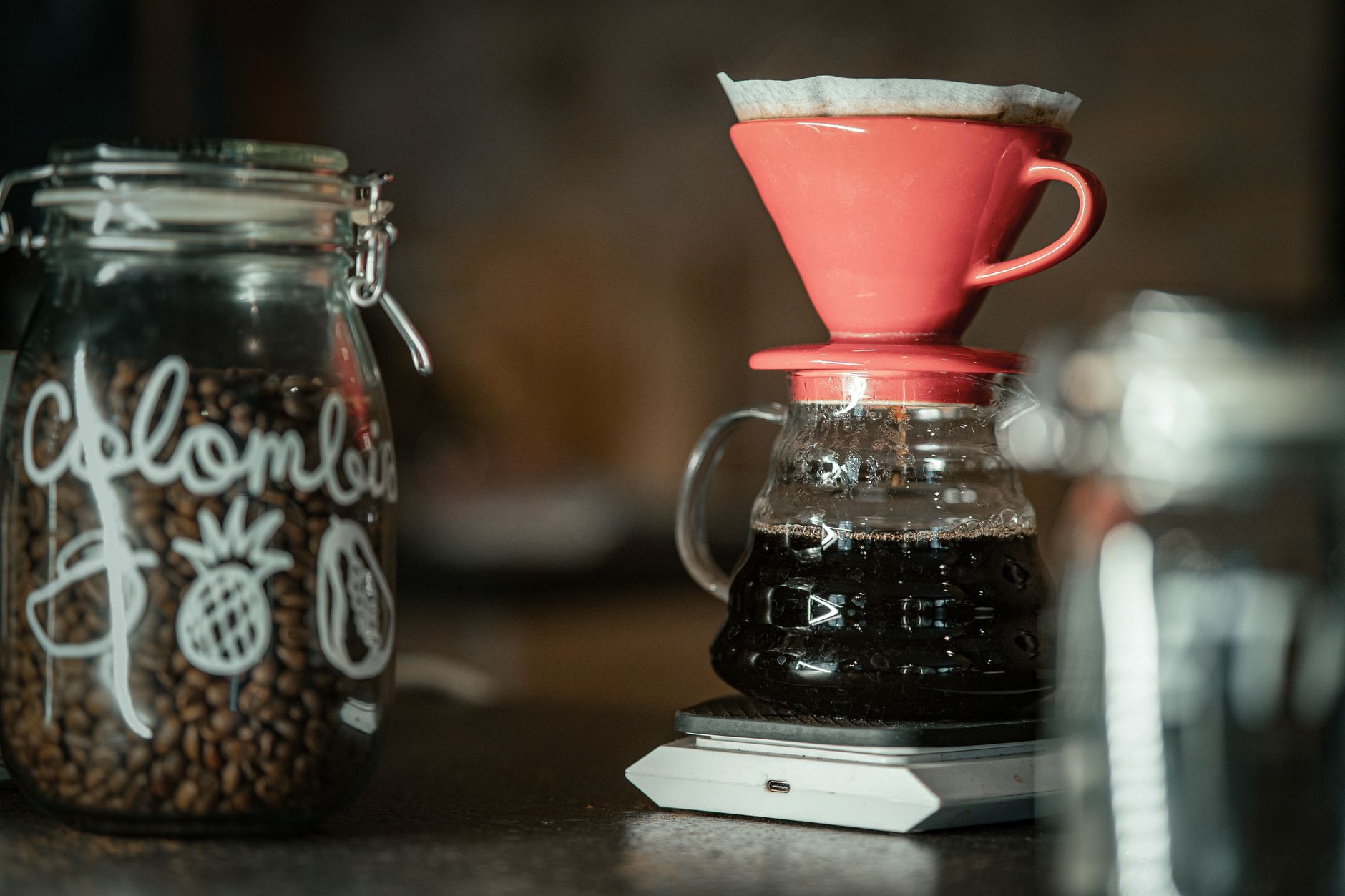 Photo: Ubeydulah Beşir KÖROĞLU via Pexels
The flat bottom and dual holes were originally a Melitta design principle, adopted by Bee House and refined with better ceramic mass. Heavy ceramic retains heat through the brew, which matters: temperature drop during a four-minute pour is measurable with thin plastic drippers and noticeably affects clarity in the final cup.
The tradeoff is reduced control at the top end. Skilled pourers who want to dial in extraction precisely with a wide-open drain (like the V60 or Kalita Wave) will find the Bee House’s restricted flow a ceiling. For everyone else, it’s a feature.
Bee House Dripper Brewing Parameters
Extraction Parameters
| Parameter | Value |
|---|---|
| Dose | 15 g (size 2) / 30 g (size 4) |
| Yield | 225 g / 450 g |
| Ratio | 1:15 |
| Brew time | 3:00–3:45 |
| Water temp | 92–94°C (198–201°F) |
| Grind | Medium-fine (finer than drip, coarser than espresso) |
Puck Prep and Pour Technique
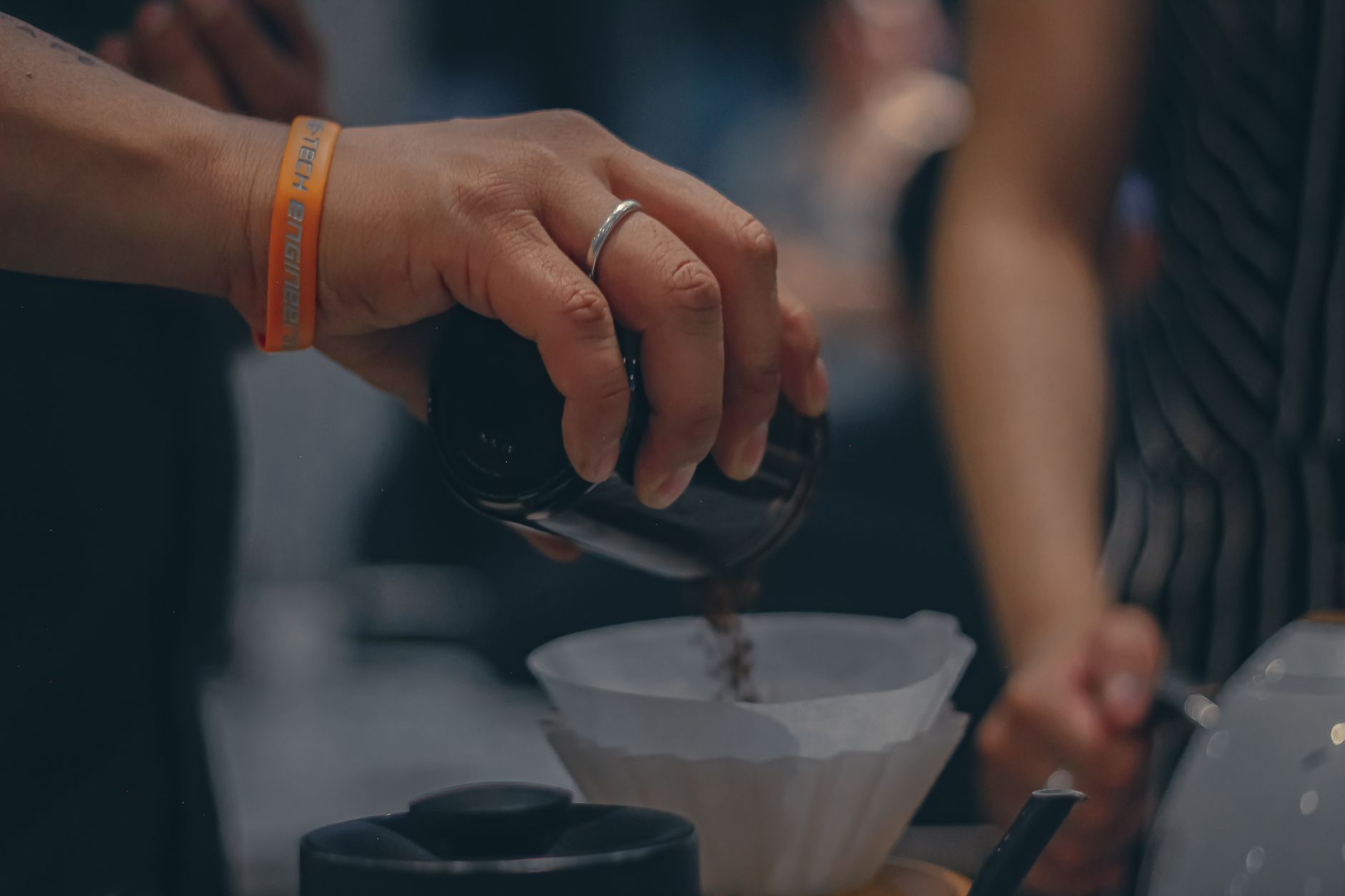
Rinsing the filter matters more with Bee House than with most drippers. The paper sits flush against those two small holes — any unrinsed paper pulp flavor channels directly into the cup. Rinse thoroughly with hot water and discard.
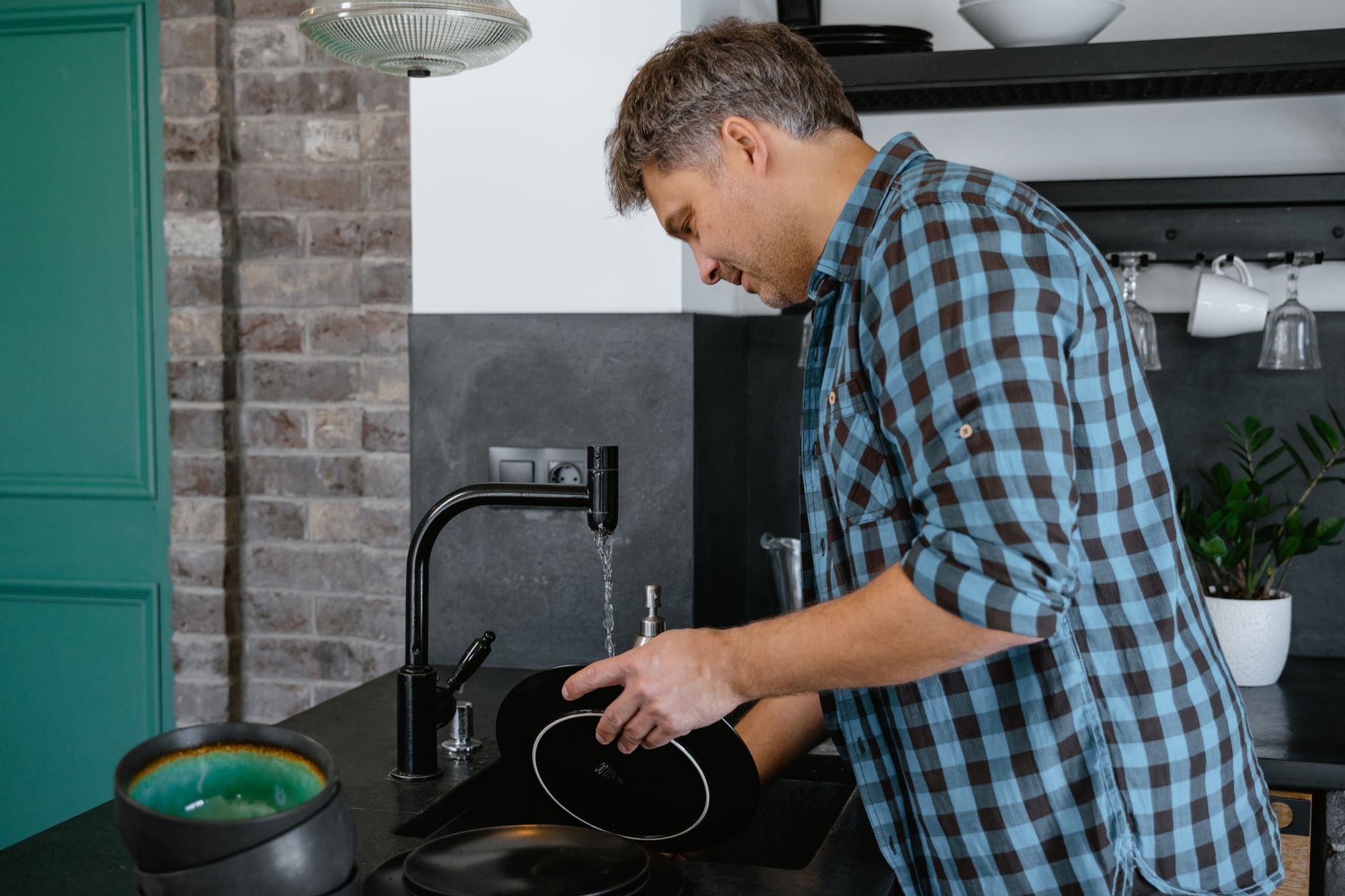 Photo: MART PRODUCTION via Pexels
Bloom (pre-infusion): Pour 2× the coffee weight in water (30 g for a 15 g dose) and wait 30–45 seconds. Robusta blends or fresh-roasted light beans degas aggressively — give them the full 45 seconds. Under-bloomed coffee produces uneven extraction because CO₂ repels water in early contact.
Main pour: Use two or three slow, steady circles. The restricted outlet means you can’t rush — the dripper controls drainage speed. Pour to about 150 g, let it draw down to near the bed surface, then pour the remainder. Total pour time should land you at 3:00–3:30.
Grind adjustment: The dual-hole restriction already extends contact time. If your grind is too fine, you will choke the dripper and stall the bed — expect 4:30+ and a bitter cup. Dial coarser before you expect a dramatic flavor shift.
Bee House vs. Other Drippers
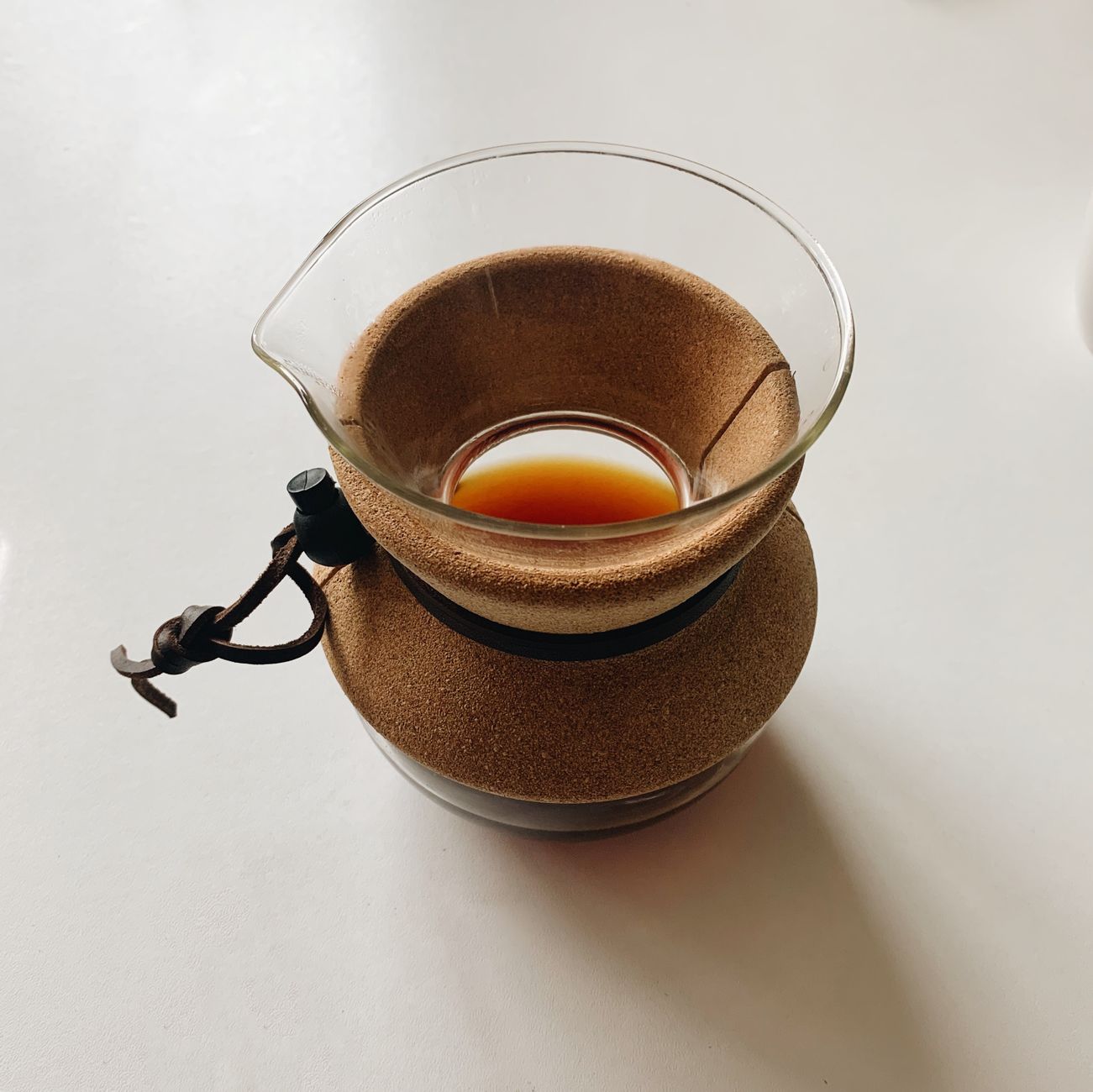 Photo: Gareth Rees via Pexels
| Dripper | Drain | Bottom shape | Forgiveness | Best for |
|---|---|---|---|---|
| Bee House | 2 restricted holes | Flat | High | Daily brewers, beginners |
| Hario V60 | Single large hole | Cone | Low | Technique-focused brewers |
| Kalita Wave | 3 small holes | Flat | Medium-high | Balanced control |
| Chemex | Single pour hole | Cone | Low-medium | Large batches, clarity |
The Bee House sits between Kalita and V60 on the control-vs-forgiveness spectrum. If you want the flattest learning curve without sacrificing cup quality, it’s the strongest pick.
Troubleshooting Matrix
| Symptom | Likely Cause | Fix |
|---|---|---|
| Stalling bed, brew >4:30 | Grind too fine | Coarsen one click at a time |
| Watery, sour cup | Under-extracted — coarse grind or short bloom | Fine up slightly, extend bloom to 45 s |
| Bitter finish | Over-extraction or water too hot | Coarsen grind or drop temp to 91°C |
| Papery aftertaste | Filter not rinsed | Rinse filter with 100 mL hot water, discard |
| Uneven drawdown | Grounds disturbed in pour | Slow pour speed, maintain steady spiral |
| Channeling visible in bed | Grounds not level before bloom | Tap dripper to settle bed before pouring |
Grind Size Reference
Medium-fine is the target — think table salt, not powdered sugar. On a Baratza Encore, that’s roughly 15–18. On a 1Zpresso JX-Pro
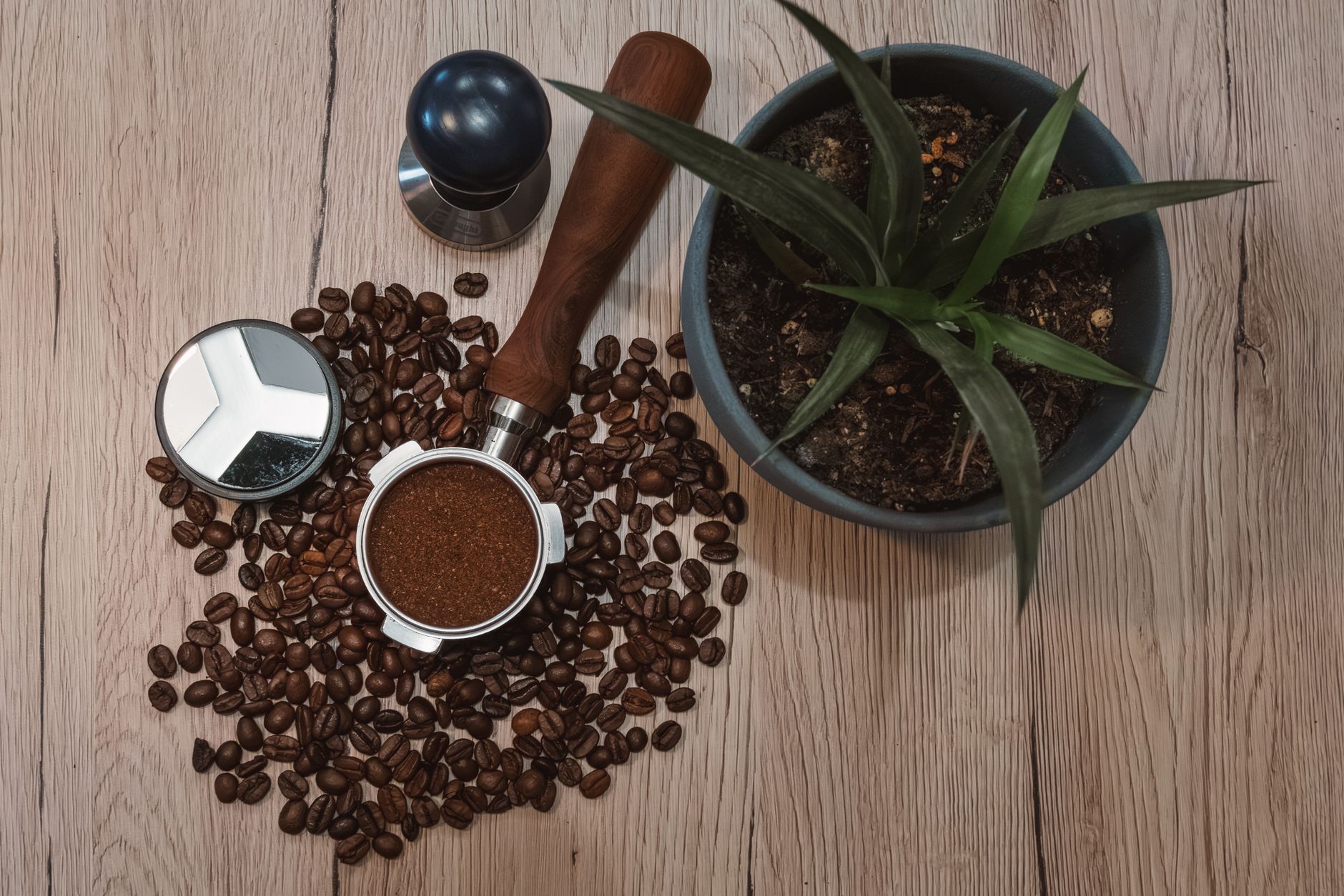 Photo: Ahmet Yüksek ✪ via Pexels
The Bee House’s restricted drain forgives a click or two of grind inconsistency, but it won’t save you from a grinder producing an unacceptable fines percentage. Blade grinders produce enough fines to choke the holes — use a burr grinder.
→ See Also
- How to Brew Coffee at Home: Complete Method Guide
- French Press Coffee: Complete Brewing Guide (Ratios + Technique)
- French Press Coffee-to-Water Ratio Calculator
FAQ
Q: What filters does the Bee House dripper use? The Bee House takes standard Melitta-style #2 filters (for the small dripper) or #4 filters (for the large). These are widely available in supermarkets. Avoid generic cone filters — they won’t sit correctly and will collapse against the holes.
Q: How is the Bee House different from a V60? The V60 has a single large drain hole that puts full control of flow rate in your hands — grind, pour speed, and technique all directly affect extraction. The Bee House’s two restricted holes meter the flow for you, reducing technique sensitivity and producing a fuller-bodied cup with less effort.
Q: Can I use the Bee House for iced coffee? Yes. Brew at a 1:10 ratio over a glass filled with ice (e.g., 20 g coffee to 200 g hot water, 150 g ice in the vessel). The restricted outlet actually helps here because slow, concentrated flow melts ice evenly without diluting extraction. Adjust grind slightly finer to compensate for the reduced water volume.
Q: Why does my Bee House take so long to drain? A stalled bed almost always means the grind is too fine, clogging the two small holes. Coarsen your grind in small increments until drawdown completes within 3:30. If your grind is already coarse and it’s still stalling, check that the filter is seated flat and the holes aren’t blocked by a folded filter seam.
Editorial methodology: Assessments are based on manufacturer specifications, published user reviews, and editorial research. Physical hands-on testing is noted explicitly where it occurred. Rankings reflect our editorial judgment and are not influenced by affiliate commission rates. Full editorial policy · Affiliate disclosure