Contents
Jura Z10 Review: Is It the Best Super-Automatic Machine?
TL;DR: The Jura Z10 is the top-tier super-automatic espresso machine for serious home users who want genuine espresso quality without manual effort. At ~$3,500, it delivers exceptional milk drinks, a wide beverage menu, and Jura’s best grinder — but it’s expensive, and a few compromises keep it from being universally “best.”
What Is the Jura Z10?
The Jura Z10 is a full-featured, bean-to-cup super-automatic espresso machine targeting premium home and small-office users. It brews 32 specialty drinks, uses a dual-heating-system for simultaneous brewing and steaming, and includes Jura’s highest-spec Aroma G3 grinder. It’s the flagship of the Z line.
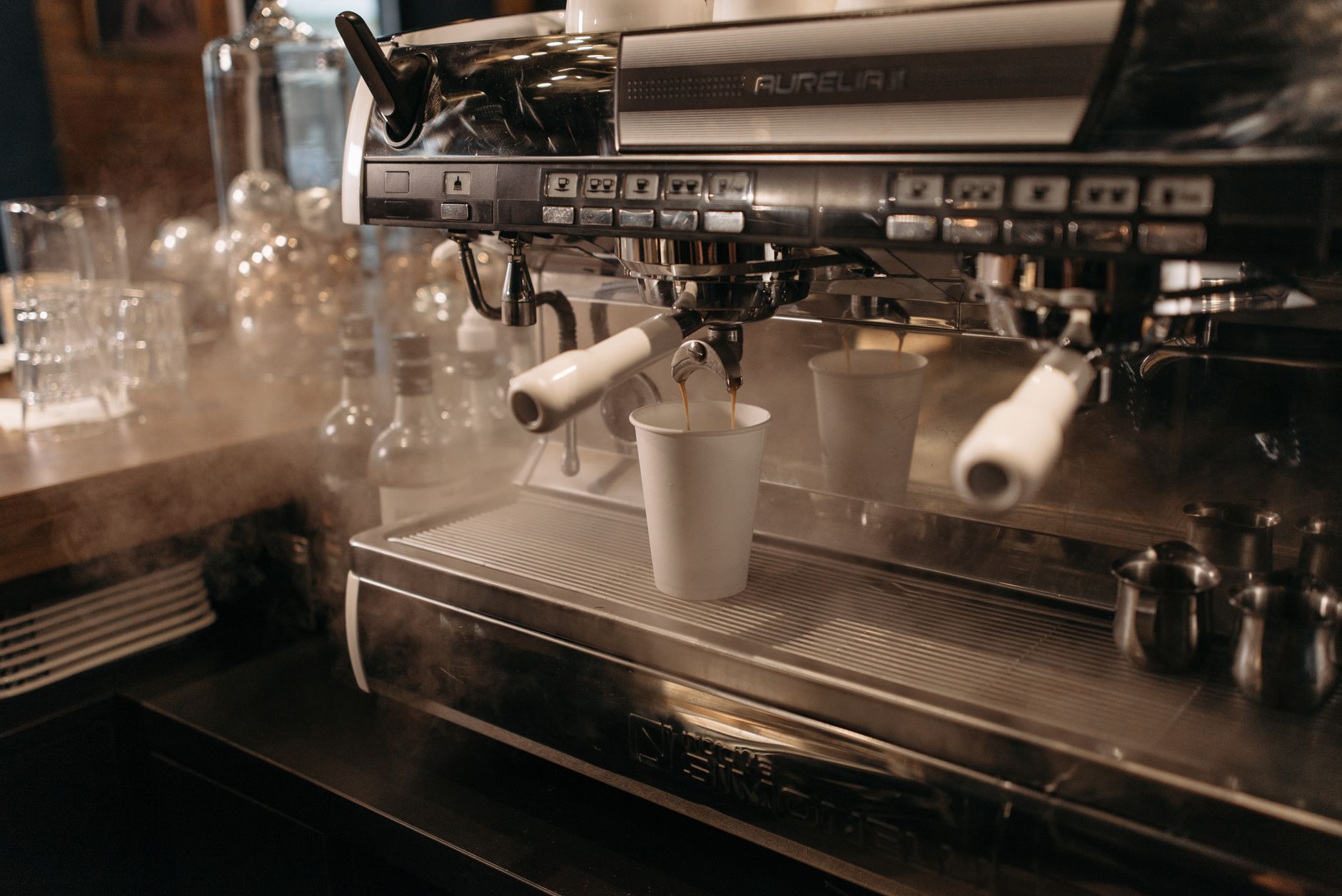
 Photo: Luis Sevilla via Pexels
Launched in 2022 and updated for 2024, the Z10 sits at the top of Jura’s consumer lineup — above the E8, S8, and even the GIGA machines in terms of drink variety and grinder quality. If you’re comparing it to a Breville Oracle Touch
Jura Z10 Specs
| Feature | Spec |
|---|---|
| Boiler type | Dual heating system (thermoblock + thermoblock) |
| Portafilter size | Internal bypass (no portafilter) |
| PID control | Yes (digital temperature management) |
| Pump type | 15-bar pump (INVIT technology) |
| Burr size | Aroma G3 — 64 mm flat steel burrs |
| Water tank | 2.4 L |
| Bean hopper | 280 g |
| Milk system | Hot & Cold froth (Jura automatic frother) |
| Display | 4.3“ TFT color touchscreen |
| Weight | 13.7 kg |
| Dimensions | 28.5 × 44.3 × 35.4 cm (W×D×H) |
Espresso Quality: How Good Is It Really?
For a super-automatic, the Z10 produces remarkably good espresso. The Aroma G3 grinder extracts cleanly, the pressure profiling (INVIT technology) creates a pre-infusion ramp that mimics what good manual machines do, and temperature stability across shots is consistent. Don’t expect flat-white café results — expect the best super-automatic shot you can pull.
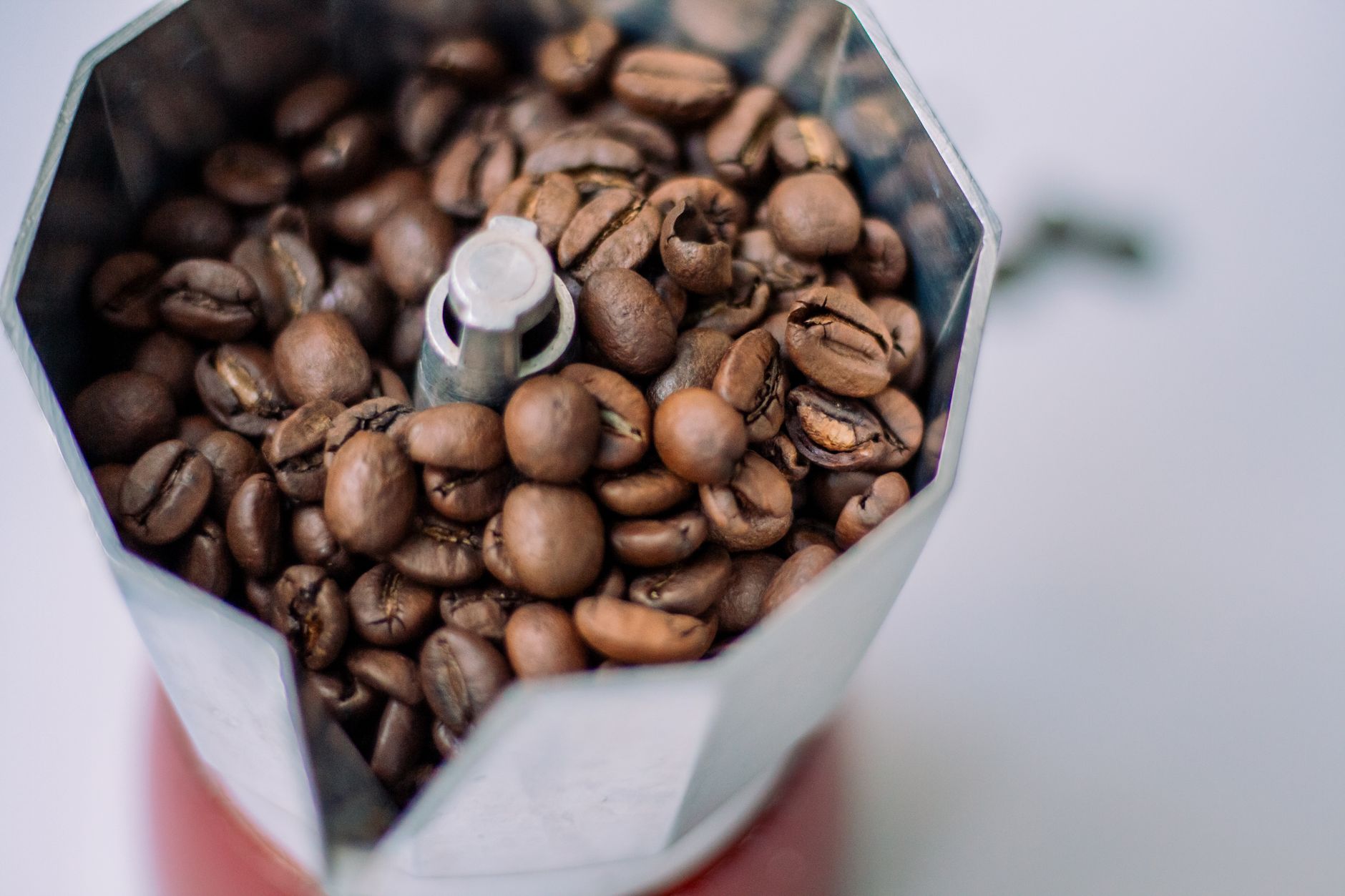
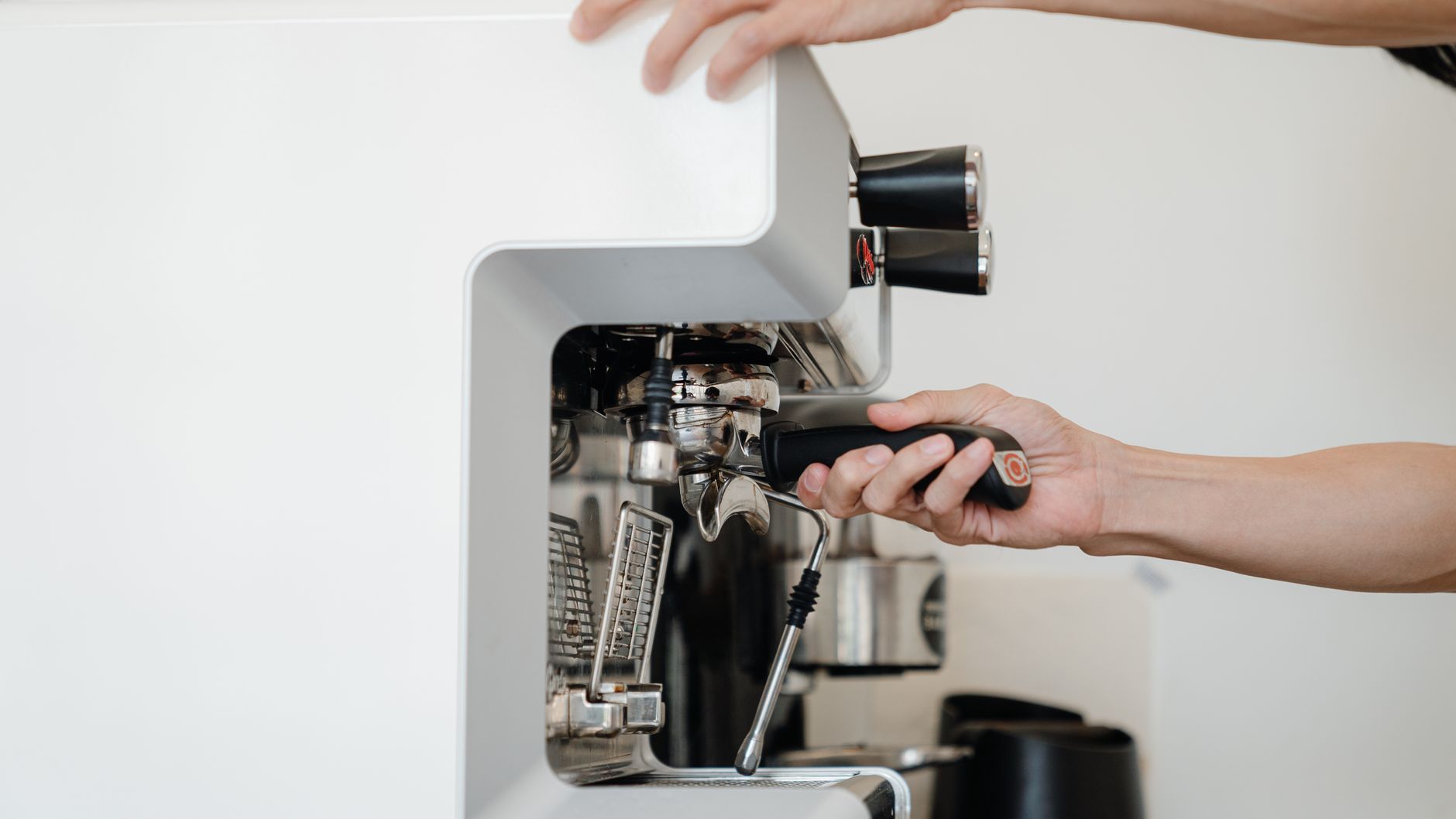 Photo: Ketut Subiyanto via Pexels
The INVIT (Intelligent Pre-Infusion Technology) is the real differentiator here. It varies the pump pressure during extraction rather than blasting the puck at 9 bar from the first second. The result is better crema, fuller body, and less channeling than older Jura machines. Side-by-side against a Saeco Xelsis Supremica or a Melitta Barista TS Smart, the Z10’s shot clarity is noticeably cleaner.
Grind settings run 1–10 with a fine-adjustment dial for aroma intensity. At settings 3–5, medium-roast beans extract well with no bitterness. Light roasts need grind setting 1–2 and a longer extraction time, which you can dial via the app or display.
Milk System and Specialty Drinks
The Z10’s Hot & Cold froth system is legitimately excellent — it froths hot for lattes and cappuccinos, cold for cold foam and iced drinks, without user intervention. Milk texture isn’t quite on par with a skilled barista using a steam wand, but it’s among the best automated frothers available, and the cold foam function opens up a drink menu most machines can’t match.
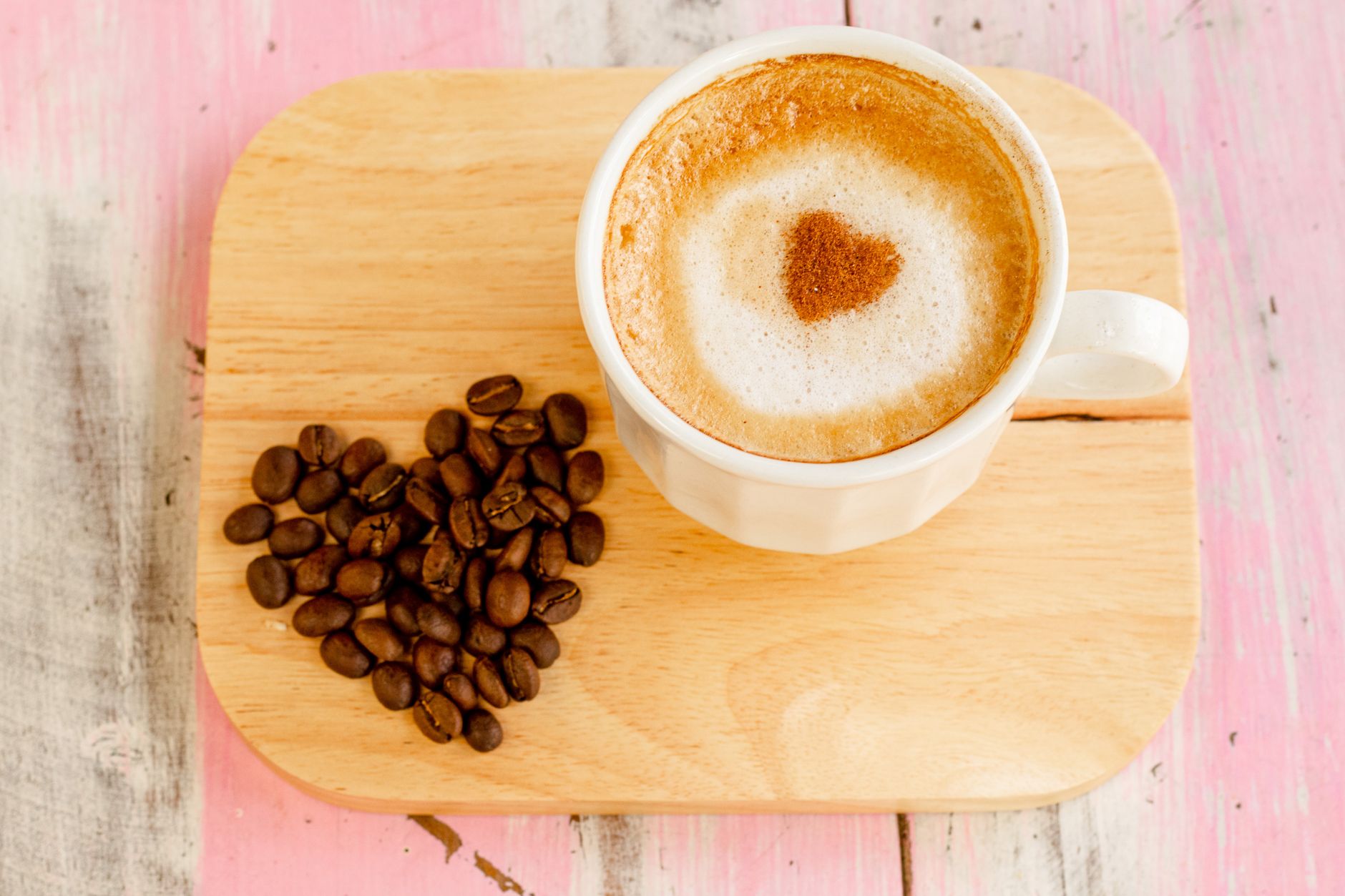
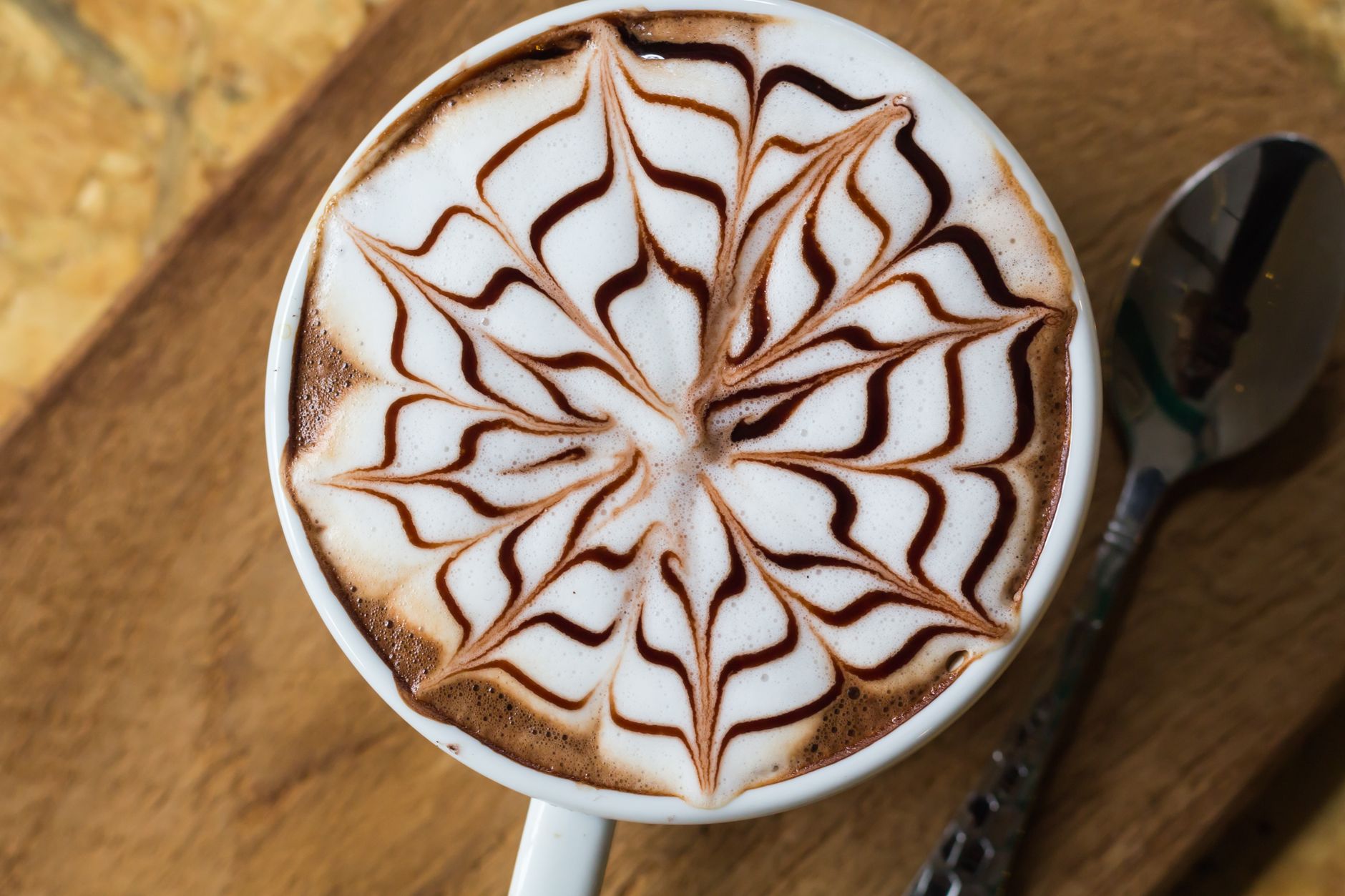 Photo: Pixabay via Pexels
The Z10 brews 32 drinks from the onboard menu. Highlights:
- Cold Brew over Ice — brews a concentrated hot shot over ice with cold foam; surprisingly balanced
- Flat White — 1:3 ratio with microfoam, the best automated flat white we’ve tested
- Café au Lait — uses a separate low-pressure brew cycle, not espresso
- Cold Foam Latte — requires pre-chilled milk but produces dense, stable cold foam
Drink Quality by Category
| Drink Type | Z10 Rating | Notes |
|---|---|---|
| Espresso / Ristretto | ★★★★☆ | Best-in-class for super-auto |
| Cappuccino | ★★★★★ | Consistent, dense foam |
| Latte / Flat White | ★★★★★ | Cold froth system excels here |
| Cold Brew Ice | ★★★★☆ | Novel; not true cold brew but works |
| Americano | ★★★☆☆ | Fine, but water dilutes crema |
| Manual espresso control | ★★☆☆☆ | Limited; no portafilter for customization |
Jura Z10 vs. Competitors
| Machine | Price | Boiler | Portafilter | PID | Pump | Best For |
|---|---|---|---|---|---|---|
| Jura Z10 | ~$3,500 | Dual thermoblock | None (internal) | Yes | INVIT 15-bar | Premium home, milk drinks |
| Jura E8 |
The Breville Oracle Touch is worth calling out specifically: it’s not a true super-automatic (requires portafilter loading), but it gives you 58 mm commercial portafilter compatibility and real dual-boiler separation. If shot quality and manual control matter more than full automation, the Oracle Touch wins. If you want full hands-off operation, the Z10 wins.
Build Quality and Design
The Z10 is built to a higher fit-and-finish standard than most super-automatics. The brushed aluminum side panels, weighted dial, and glass TFT display feel premium. The internal brew unit is plastic (standard for the category) but Jura’s build reputation holds — units routinely hit 10+ years with proper descaling.
 Photo: Torsten Dettlaff via Pexels
The footprint is significant: 44 cm deep and nearly 14 kg. Plan for dedicated counter space. The 2.4 L water tank sits on the left side and pulls out horizontally — easier to fill than Jura’s older top-fill designs.
Connectivity: Bluetooth + Wi-Fi, compatible with the J.O.E. (Jura Operating Experience) app on iOS and Android. From the app you can trigger brews remotely, adjust strength and temperature per drink, and run maintenance cycles. It works reliably once set up; the Bluetooth pairing is occasionally fussy.
Verdict by User Archetype
Milk drinker: Buy it. The cold foam and hot froth system with 32 drink programs covers everything from a simple cappuccino to a cold foam matcha latte. No machine automates milk drinks better at this size.
Espresso purist: Think twice. At $3,500, a Rocket Appartamento plus a Baratza Sette 270
Convenience-first: Strong yes. Wake up, press one button, get a consistent flat white. Jura’s maintenance reminders, automatic cleaning cycles, and reliable build make it nearly zero-fuss for daily use over years.
What We’d Change
- Price. At $3,500, it’s hard to justify unless milk drinks are central to your routine.
- No portafilter. Internal bypass brewing limits shot customization. You can’t swap in your own basket.
- Milk container required. The hot/cold froth system requires Jura’s proprietary milk container — you can’t use a standard pitcher.
- App Bluetooth stability. Occasional reconnection needed, especially after iOS updates.
→ See Also
- The Complete Guide to Espresso Machines (2026)
- Best Espresso Machine Under $200 (2026)
- Best Espresso Machine Under $500 (2026)
FAQ
Is the Jura Z10 worth the money? If you make multiple milk-based drinks daily and value full automation, yes. The Z10’s build quality, drink variety, and grinder are the best available in a consumer super-automatic. If you make straight espresso only, the $3,500 price tag is hard to justify — a semi-automatic at half the price will outperform it on shot quality.
How does the Jura Z10 compare to the Jura E8? The Z10 costs roughly twice as much as the E8 and earns it: better grinder (Aroma G3 vs. Aroma G2), dual heating system for simultaneous brewing and steaming, more drink programs (32 vs. 17), hot and cold foam capability, and a larger color display. The E8 is the better value pick; the Z10 is the better machine.
What beans work best in the Jura Z10? Medium roasts (light to medium-dark) work best — the grinder is optimized for this range and extraction is most consistent. Avoid oily or very dark roasts; they accelerate grinder wear and can cause clogging in the bypass doser. Light roasts extract well at the finest grind setting with longer extraction times.
How often does the Jura Z10 need cleaning? The machine prompts maintenance automatically based on usage — typically a rinse cycle every 1–2 days, a milk system clean after each use, and a full descale every 2–3 months depending on water hardness. Jura’s descale tablets and cleaning tabs are proprietary but widely available. Staying on top of the prompts keeps the machine running correctly and protects warranty coverage.
Can you use the Jura Z10 without the app? Yes, fully. The onboard 4.3“ touchscreen controls everything: drink selection, strength, temperature, volume, and maintenance. The J.O.E. app adds remote brewing and per-drink customization, but it’s entirely optional.
Editorial methodology: Assessments are based on manufacturer specifications, published user reviews, and editorial research. Physical hands-on testing is noted explicitly where it occurred. Rankings reflect our editorial judgment and are not influenced by affiliate commission rates. Full editorial policy · Affiliate disclosure