Contents
DeLonghi Magnifica Evo vs Dinamica: Which Wins?
TL;DR: The DeLonghi Magnifica Evo vs Dinamica comparison comes down to budget and milk drinks. The Evo is cheaper and handles basics well; the Dinamica adds a more refined grinder, LatteCrema milk system, and better build quality. If you drink lattes or cappuccinos daily, the Dinamica justifies the price gap.
What’s the Core Difference?
The Dinamica is the step-up machine. It has a more consistent grinder, the LatteCrema automatic milk frother, and a more polished interface. The Evo is a capable entry-level super-automatic that covers espresso and manual steam well — but it asks more of you on milk drinks and shows its budget origins in the grinder consistency.
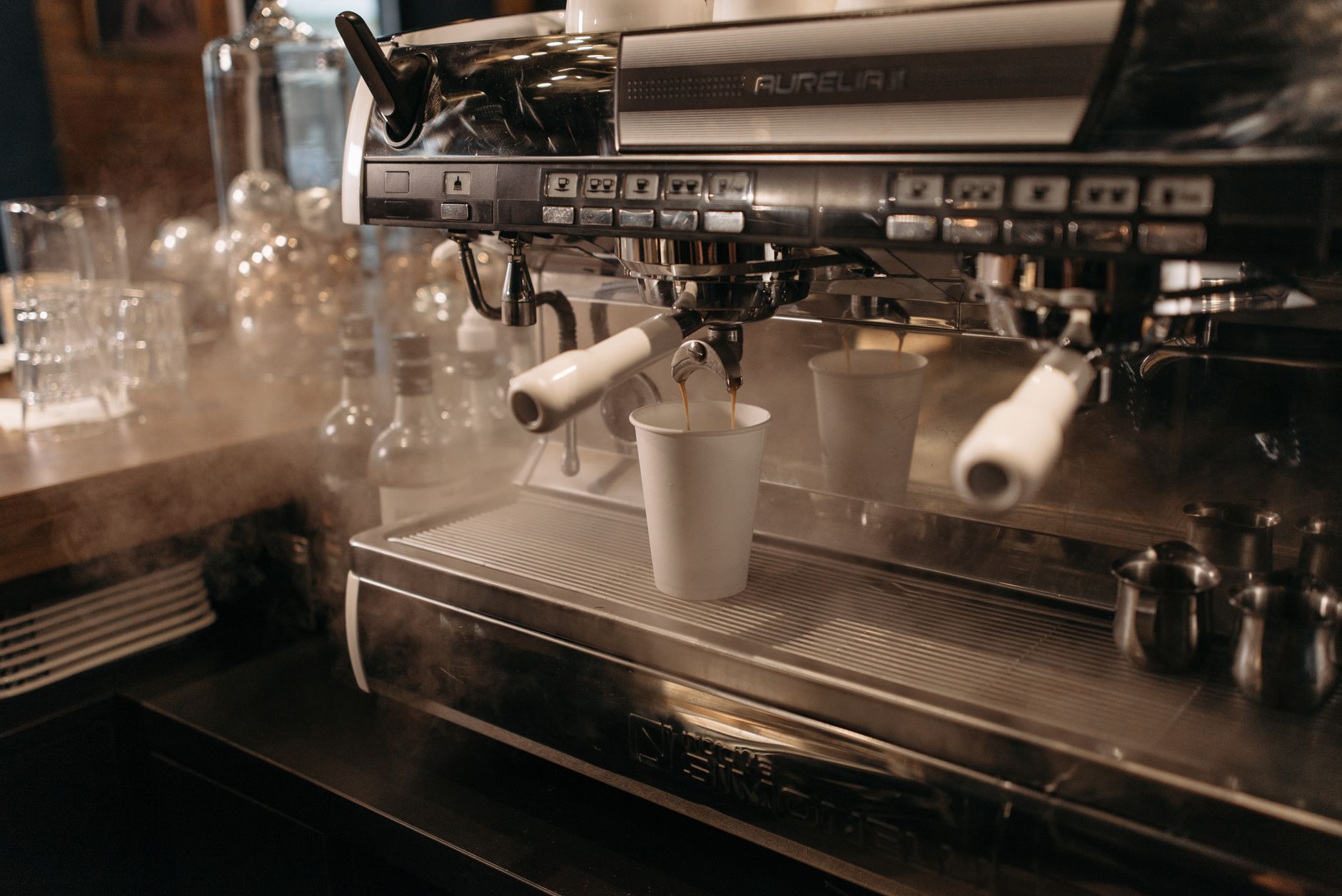
 Photo: Ylanite Koppens via Pexels
Both are 15-bar pump super-automatics with integrated conical burr grinders and single boilers. The differences that matter are in the grinder precision, milk system, and long-term reliability.
DeLonghi Magnifica Evo: What You Get
The Evo delivers solid espresso at an accessible price. Its LatteCrema System is present on some Evo variants but uses a simpler design than the Dinamica’s. The grinder is a smaller conical burr that works but can struggle with consistency at finer settings. Best for: solo espresso drinkers or those on a budget.
 Photo: Amar Preciado via Pexels
| Spec | DeLonghi Magnifica Evo |
|---|---|
| Boiler type | Single thermoblock |
| Portafilter | Integrated brew unit |
| PID | No (thermoblock-regulated) |
| Pump type | 15-bar ULKA vibratory |
| Burr size | ~51mm conical |
The Evo’s interface is straightforward — physical buttons, a simple display. Bean-to-cup in under a minute. The steam wand on the base model requires manual technique; upgrade to the Evo with LatteCrema if milk drinks matter.
Grind settings run 13 steps. It’s functional but lacks the micro-adjustment control that espresso obsessives want. For a daily driver at the $400–$500 price point
DeLonghi Dinamica: What You Get
The Dinamica sits a clear tier above. Its grinder is more consistent, the LatteCrema milk system is automatic and genuinely good, and the overall construction feels more substantial. This is the right machine if milk-based drinks are your daily order.
 Photo: Pavel Danilyuk via Pexels
| Spec | DeLonghi Dinamica |
|---|---|
| Boiler type | Single thermoblock |
| Portafilter | Integrated brew unit |
| PID | No (thermoblock-regulated) |
| Pump type | 15-bar ULKA vibratory |
| Burr size | ~51mm conical |
The hardware specs look nearly identical on paper — which is why the real-world gap surprises people. The Dinamica’s grinder tuning and calibration from the factory is tighter. Espresso extraction is more repeatable cup to cup.
The LatteCrema system on the Dinamica connects a separate milk carafe, froths automatically to the right temperature, and self-rinses. That last part matters: the Evo’s steam wand leaves more cleaning work.
The Dinamica also has a touchscreen interface on most variants, and the My DeLonghi app connectivity on the Dinamica Plus adds recipe customization — though that’s a premium you can skip unless you want it.
Head-to-Head Comparison
| Feature | Magnifica Evo | Dinamica |
|---|---|---|
| Price range | ~$400–$500 | ~$600–$750 |
| Grinder consistency | Adequate | Better |
| Milk system | Manual wand / basic LatteCrema | Full LatteCrema auto |
| Interface | Physical buttons | Touchscreen |
| App connectivity | No | Dinamica Plus only |
| Build quality feel | Plastic-forward | More substantial |
| Ease of cleaning | Moderate | Easier (auto milk rinse) |
| Best for | Budget espresso, occasional milk | Daily lattes, cappuccinos |
Espresso Quality: Is There a Real Difference?
Grinder Performance
 Photo: Kampus Production via Pexels
The Evo’s grinder works. At medium-coarse settings it extracts a decent shot with crema. Push it finer and you’ll notice inconsistency — channeling, uneven extraction, shots that vary more than they should. For a super-automatic at this price, that’s expected.
The Dinamica’s grinder is measurably tighter. The burrs are the same nominal size, but the tolerances and motor speed regulation produce a more uniform grind distribution. The result is a more consistent espresso — not barista-level, but noticeably better than the Evo across a week of shots.
Shot Temperature
Neither machine uses a true PID. Both use thermoblock heating, which reaches temperature quickly but fluctuates more than a dedicated heat exchanger or dual-boiler. The Dinamica manages this slightly better in practice, but it’s not the main differentiator.
Milk Drinks: Where the Gap Is Widest
If you make one latte a day, the Dinamica’s LatteCrema system is a genuine quality-of-life upgrade over the Evo’s manual steam wand. You load the carafe, press a button, and get consistently textured microfoam without technique.
The Evo’s steam wand produces good results when you know what you’re doing. If you’re new to steaming milk, the learning curve is real. If you’re experienced, you might actually prefer manual control.
For households making multiple milk drinks daily, the Dinamica’s auto-rinse cycle also prevents the sour milk smell that plagues neglected steam wands.
Specs Comparison Table
| Machine | Price | Boiler | Brew Unit | PID | Pump | Best For |
|---|---|---|---|---|---|---|
| Magnifica Evo | ~$450 | Thermoblock | Integrated | No | 15-bar vib. | Budget espresso |
| Magnifica Evo + LatteCrema | ~$500 | Thermoblock | Integrated | No | 15-bar vib. | Entry milk drinks |
| Dinamica | ~$650 | Thermoblock | Integrated | No | 15-bar vib. | Daily lattes |
| Dinamica Plus | ~$750 | Thermoblock | Integrated | No | 15-bar vib. | App control + lattes |
Verdict by User Type
Espresso purist: Neither is the right tool — you want a semi-automatic with manual grinder control. If you must choose, the Dinamica’s grinder consistency gives better results. But consider a Breville Barista Express instead.
Milk drinker: Dinamica, clearly. The automatic LatteCrema system and auto-rinse justify the price premium if you’re making lattes or cappuccinos daily. The Evo asks more effort for a less consistent result.
Convenience-first: Dinamica again. One-touch drinks, automatic cleaning cycles, and the touchscreen interface make the morning routine faster. The Evo works, but it demands more attention.
Budget-constrained: Evo is a reasonable compromise. At $400–$450 it delivers genuine bean-to-cup espresso without the complexity of a semi-auto. Skip the Evo variants bundled with poor frothers; hold out for the LatteCrema version.
→ See also
- The Complete Guide to Espresso Machines (2026)
- Best Espresso Machine Under $200 (2026)
- Best Espresso Machine Under $500 (2026)
FAQ
Is the DeLonghi Dinamica worth the extra money over the Magnifica Evo? Yes, if milk drinks are a daily habit. The automatic LatteCrema system, better grinder consistency, and easier cleaning make the $150–$200 price gap feel small over two or three years of daily use. For espresso-only households, the gap narrows.
Does the Magnifica Evo have a LatteCrema system? Some variants do, some don’t. The base Evo uses a manual steam wand. The Evo with LatteCrema adds an automatic frother, but it’s a simpler implementation than the Dinamica’s. Check the specific model code before buying.
Can you adjust grind size on both machines? Yes. Both offer 13 grind settings via a dial inside the bean hopper. Neither allows adjustment while the machine is grinding (you must make adjustments between doses). The Dinamica’s grinder produces more consistent results across those settings.
Which is easier to clean? The Dinamica. Its LatteCrema milk carafe and circuit auto-rinse after each milk drink. The Evo’s steam wand needs manual purging and wiping each time. Both machines have removable brew units that should be rinsed weekly.
How long do these machines last? DeLonghi super-automatics typically run 5–8 years with regular descaling and brew unit maintenance. The Dinamica’s slightly more robust build may edge the Evo on longevity, but both require descaling every 2–3 months depending on water hardness. Skipping descaling is the most common cause of early failure on either machine.
Is the Dinamica Plus worth it over the standard Dinamica? Only if you want app connectivity and the ability to create custom drink recipes via your phone. The core espresso and milk quality is identical between Plus and standard. Most buyers can save $100 and skip it.
Editorial methodology: Assessments are based on manufacturer specifications, published user reviews, and editorial research. Physical hands-on testing is noted explicitly where it occurred. Rankings reflect our editorial judgment and are not influenced by affiliate commission rates. Full editorial policy · Affiliate disclosure