Contents
Iced Latte vs Cold Brew: Which Is Right for You?
TL;DR: An iced latte is espresso poured over milk and ice — bright, creamy, ready in minutes. Cold brew is coarsely ground coffee steeped in cold water for 12–24 hours — smooth, low-acid, and intensely caffeinated. Your pick depends on whether you want espresso’s vibrancy or cold brew’s mellow depth.
What Is an Iced Latte?
An iced latte is 1–2 shots of espresso combined with cold milk over ice. It’s the cold counterpart to a hot latte — same ratio, no heat. The espresso gives you bright acidity and aroma; the milk softens it. Total brew time: under 3 minutes if you have an espresso machine.
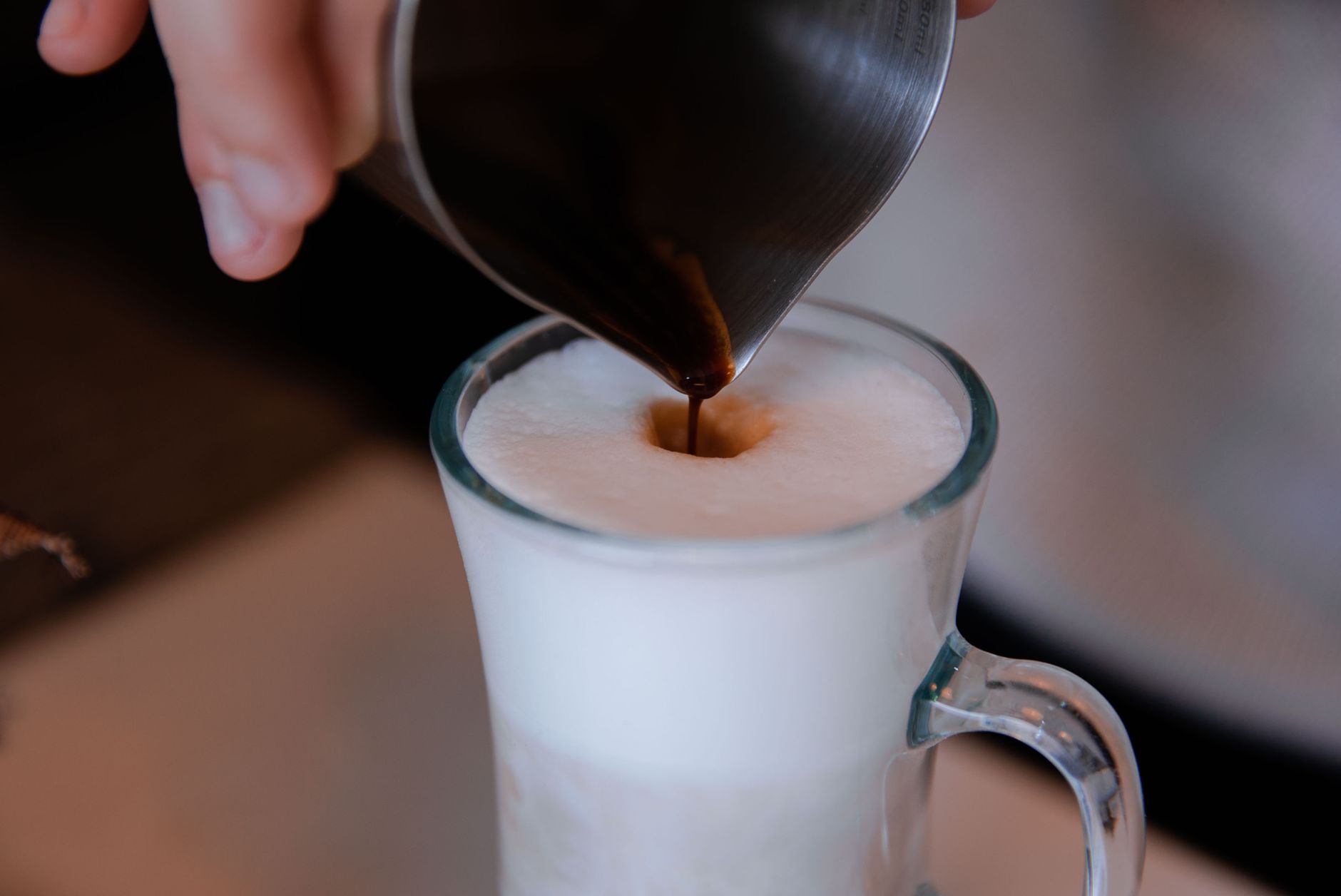 Photo: Casa Norte via Pexels
The drink lives or dies on espresso quality. Weak extraction tastes watery once diluted by milk and ice. A proper double shot (18–20g in, 36–40g out) holds its flavor even as the ice melts. Whole milk creates the richest texture; oat milk adds a subtle sweetness and froths reasonably well.
Espresso Machine Required?
Technically yes — but a Moka pot or AeroPress produces espresso-adjacent concentrate that works. It won’t have crema, and the flavor profile differs, but it’s a workable substitute for home use without a machine.
 Photo: Adventure Studio via Pexels
What Is Cold Brew?
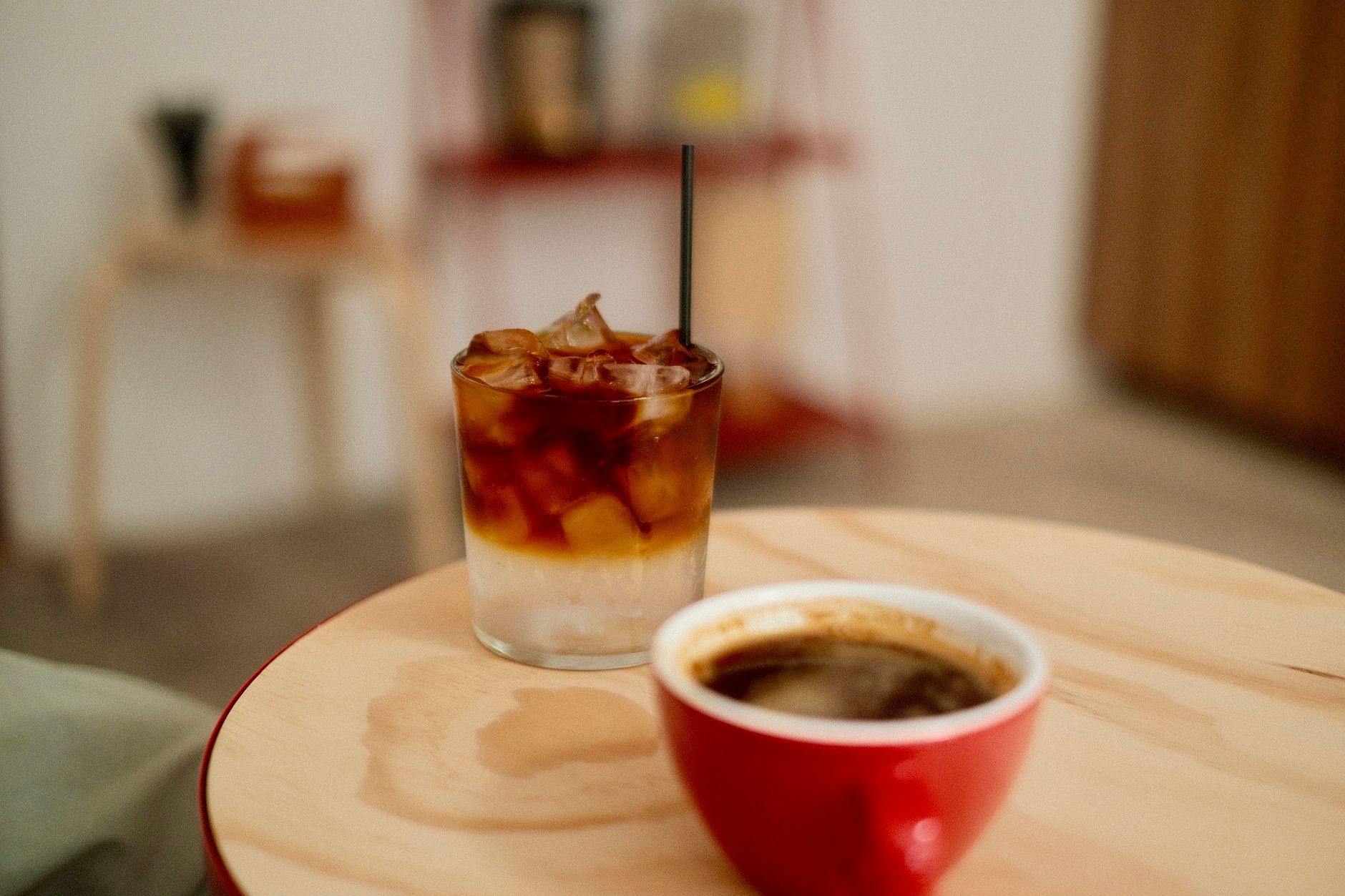
Cold brew is coarsely ground coffee steeped in room-temperature or refrigerated water for 12–24 hours, then filtered. No heat is ever involved. The result is a concentrate — typically diluted 1:1 before serving — with low acidity, a round mouthfeel, and caffeine levels that run significantly higher than drip or espresso.
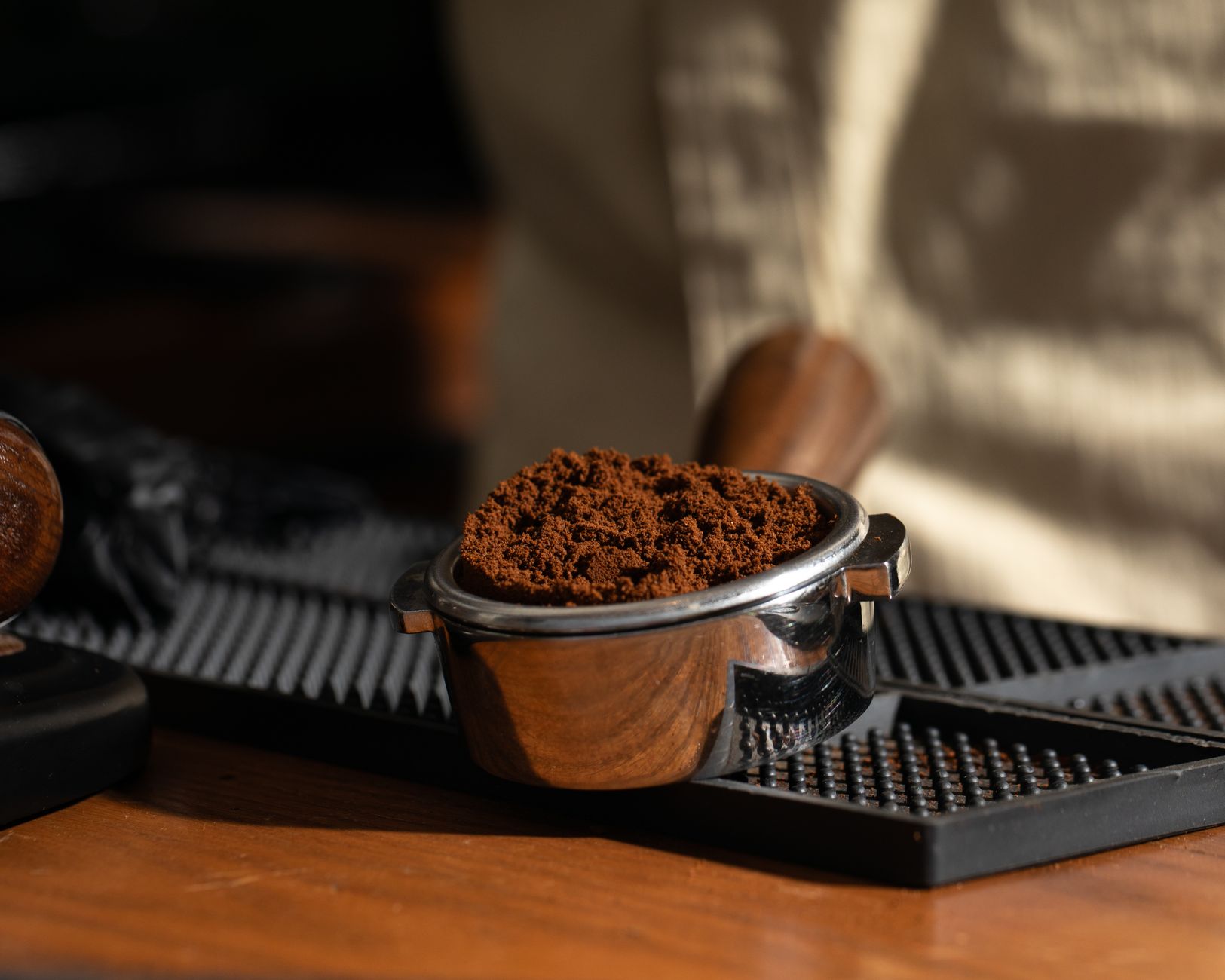 Photo: Badah Q via Pexels
The cold extraction process leaves behind many of the acidic compounds that hot water pulls out quickly. That’s why cold brew tastes smoother and less bitter than iced coffee (which is just hot-brewed coffee cooled down). If acidity bothers your stomach or you find espresso too sharp, cold brew is the better choice.
Cold Brew Concentrate vs. Ready-to-Drink
Most homemade cold brew is a concentrate. Drink it straight and it’s overpowering — dilute with water, milk, or both at roughly a 1:1 ratio. Commercial ready-to-drink cold brews like Stumptown and Chameleon are pre-diluted and bottled for convenience.
Iced Latte vs Cold Brew: Head-to-Head
| Factor | Iced Latte | Cold Brew |
|---|---|---|
| Base | Espresso (30ml double shot) | Cold-steeped concentrate |
| Brew time | 2–3 minutes | 12–24 hours |
| Acidity | Medium–high | Low |
| Caffeine (12oz serving) | ~120–150mg | ~200–300mg |
| Milk content | Yes (typically 6–8oz) | Optional |
| Flavor | Bright, complex, slightly bitter | Smooth, chocolatey, mellow |
| Equipment | Espresso machine or AeroPress | Jar + coarse grinder + filter |
| Cost to make at home | Higher (machine required) | Low |
| Shelf life (made) | Drink immediately | 1–2 weeks refrigerated |
Caffeine: Cold Brew Wins by a Wide Margin
Cold brew concentrate contains significantly more caffeine than a standard iced latte. A 12oz cold brew averages 200–300mg; a 12oz iced latte with a double shot averages 120–150mg. If you need a functional caffeine hit, cold brew is the more efficient vehicle.
That gap exists because cold brew is a concentrate steeped over many hours, extracting more total caffeine from a higher coffee-to-water ratio (typically 1:4 to 1:8 by weight). An iced latte’s caffeine comes entirely from 30–60ml of espresso — potent per ounce, but small in volume.
Flavor Differences Worth Understanding
Espresso extraction at high pressure and ~93°C pulls out volatile aromatics that cold water never captures. That means an iced latte has more of the floral, fruity, and sharp notes characteristic of a good espresso bean. Light roast single-origins shine in an iced latte in a way they rarely do in cold brew.
Cold brew smooths out those edges. Medium and dark roasts dominate cold brew because their chocolatey, nutty, and caramel notes translate well to cold extraction. A light roast cold brew tends to taste flat and underwhelming compared to the same bean pulled as espresso.
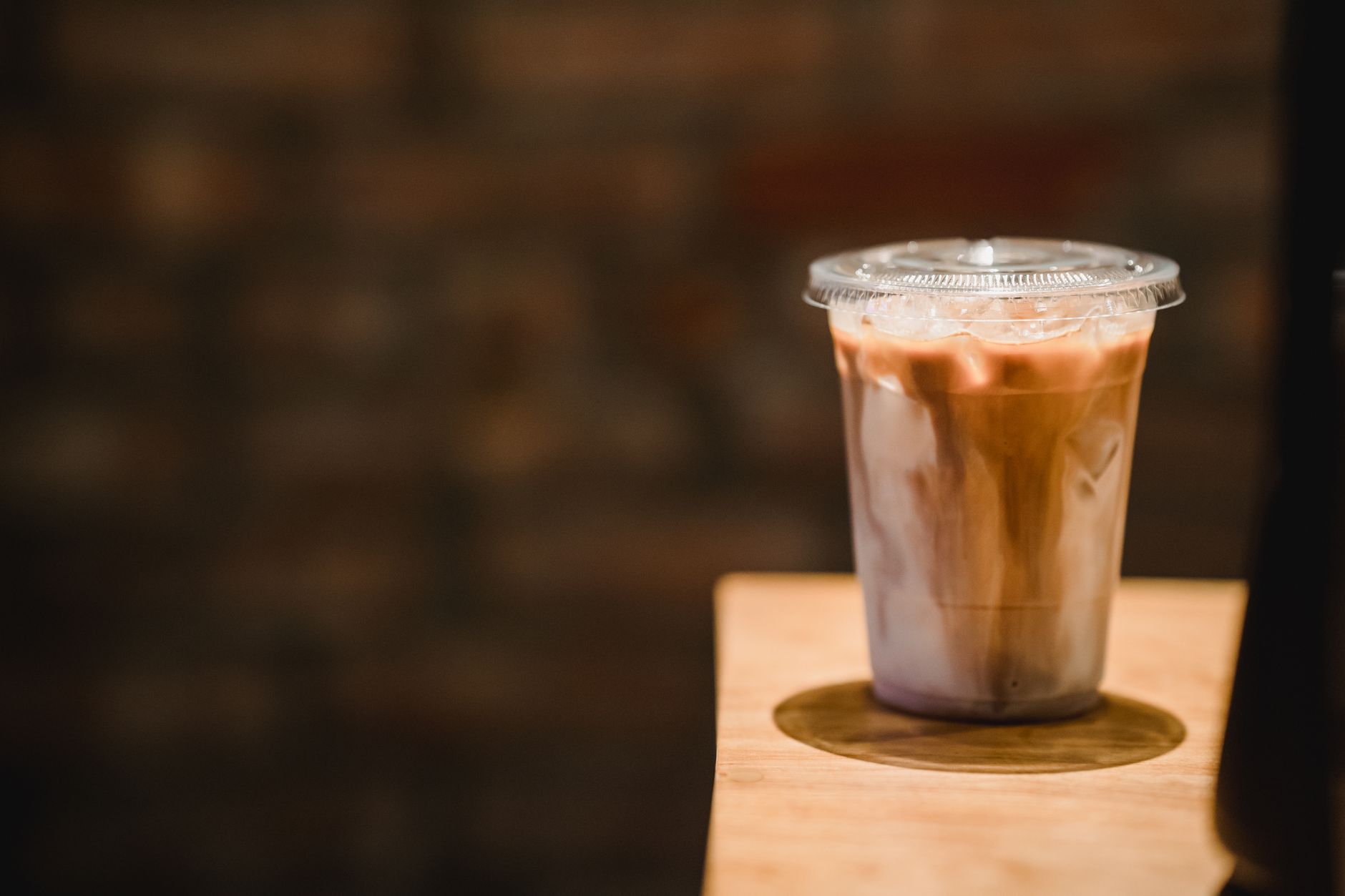 Photo: Mizuno K via Pexels
Which One Should You Make at Home?
If you already own an espresso machine or AeroPress, an iced latte is faster and cheaper per serving — you’re just adding ice and milk to what you already do. If you want low-effort batch prep for the whole week, cold brew wins: 10 minutes of setup on Sunday night, coffee ready through Friday.
Equipment cost shapes the decision too. A capable espresso machine starts at $300–400. Cold brew requires nothing more than a coarse grinder, a jar, and a filter — total outlay under $50 if you’re starting from scratch.
→ See Also
- Espresso Drinks: The Complete Guide to Every Type
- What Is a Cortado? (And How It Differs From a Macchiato)
- Cortado vs Flat White vs Macchiato: Full Comparison
FAQ
Is cold brew stronger than an iced latte? Yes, in most cases. Cold brew concentrate averages 200–300mg of caffeine per 12oz serving compared to 120–150mg in an iced latte with a double shot. The higher ratio of coffee to water during the long steep is what drives that difference.
Can I make an iced latte without an espresso machine? Yes. A Moka pot or AeroPress produces a strong, concentrated coffee that works as a substitute. It won’t have the same pressure-extracted flavor profile or crema, but it’s close enough for a home iced latte that tastes genuinely good.
Why does cold brew taste less bitter than iced coffee? Cold water extracts at a much slower rate than hot water and doesn’t pull out many of the acidic and bitter compounds that come out quickly at high temperatures. The result is a naturally sweeter, rounder flavor even without any added sugar.
What milk works best in an iced latte? Whole milk gives the richest texture and best flavor balance with espresso. For non-dairy, oat milk is the most popular choice — its natural sweetness complements espresso without overpowering it, and it holds up well over ice.
How long does homemade cold brew last? Up to two weeks in the refrigerator when stored in a sealed container. Cold brew concentrate lasts longer than diluted cold brew because there’s less water activity to promote spoilage. Once you dilute it, aim to drink it within 3–4 days.
Can I use any coffee for cold brew? Any coffee works, but coarsely ground medium or dark roast produces the best results. Fine grinds over-extract and turn bitter; light roasts often taste thin and underwhelming because cold water doesn’t unlock their brighter flavor compounds the way heat does.
Editorial methodology: Assessments are based on manufacturer specifications, published user reviews, and editorial research. Physical hands-on testing is noted explicitly where it occurred. Rankings reflect our editorial judgment and are not influenced by affiliate commission rates. Full editorial policy · Affiliate disclosure