Contents
Iced Caramel Macchiato Recipe (Better Than Starbucks)
TL;DR: An iced caramel macchiato recipe is built in layers — vanilla syrup, milk, ice, espresso, caramel drizzle. The key difference from a generic iced latte is the layered pour and the drizzle on top, not mixed in. Make it at home in under 5 minutes with better ingredients than any chain.
What Actually Goes Into an Iced Caramel Macchiato
Direct Answer: Four components — vanilla syrup, cold milk, double espresso, caramel sauce. The espresso goes in last, poured over ice and milk so it sinks and stains through the layers. That’s the macchiato effect. Starbucks adds foam; skip it unless you want extra steps.
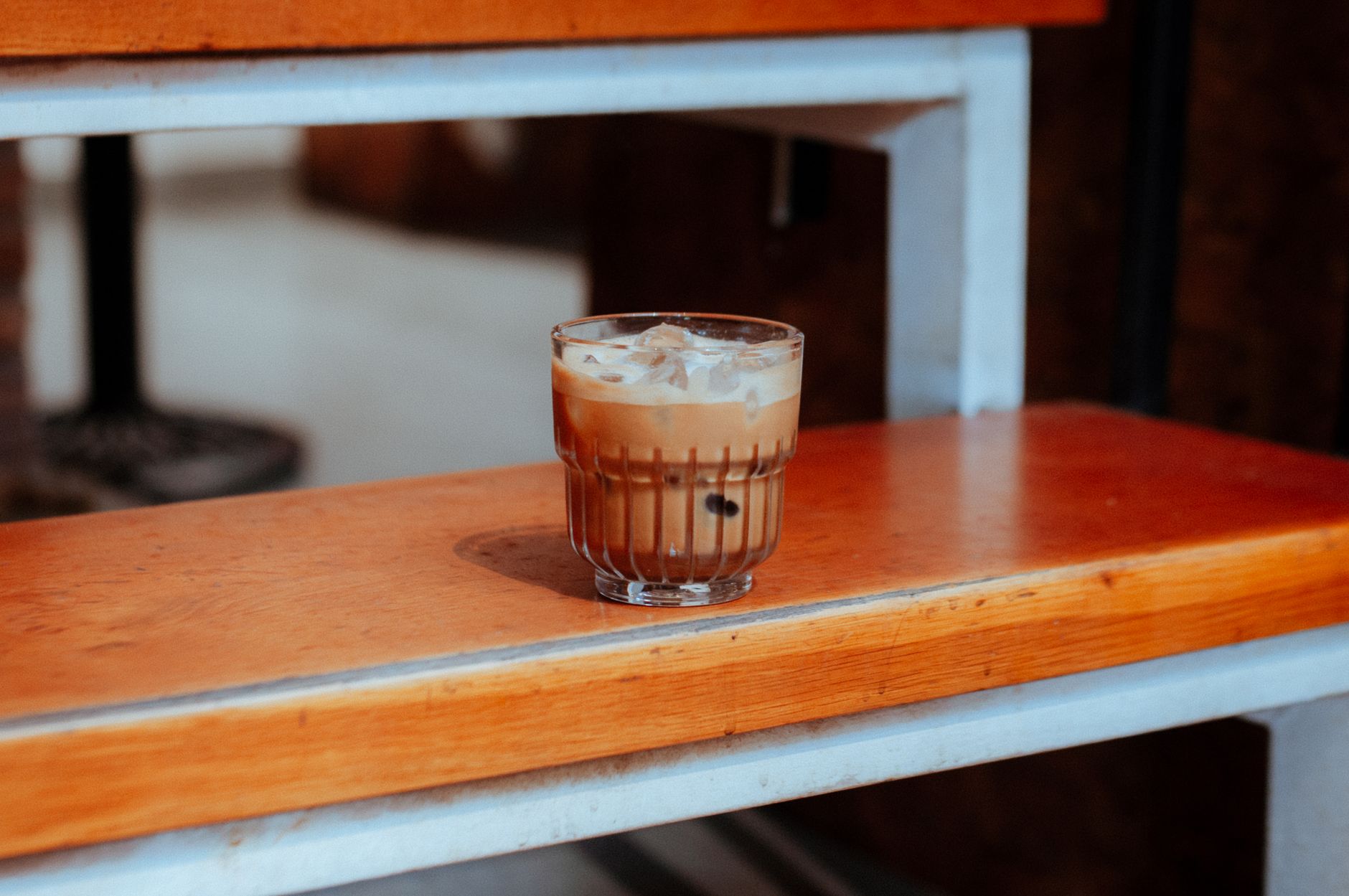
 Photo: onur çağlar yılmaz via Pexels
The word “macchiato” means marked or stained. In this drink, the milk is marked by the espresso poured over the top — the opposite of a latte, where espresso goes in first. Keep that sequence and the drink makes sense structurally and visually.
Starbucks uses their own vanilla syrup and Fontana caramel sauce. At home, you can use any quality vanilla syrup and a good caramel drizzle — the flavor difference is significant when you use real ingredients.
The Iced Caramel Macchiato Recipe
Direct Answer: 2 shots espresso, 1 cup whole milk, 1–2 tbsp vanilla syrup, ice, caramel sauce drizzle. Takes under 5 minutes. Scale the syrup to your sweetness preference — 1 tbsp is moderate, 2 tbsp is Starbucks-sweet.
 Photo: Terje Sollie via Pexels
Ingredients (1 serving)
| Component | Amount | Notes |
|---|---|---|
| Espresso | 2 shots (60ml) | Or 90ml strong moka pot brew |
| Whole milk | 240ml (1 cup) | Oat milk works well; 2% is fine |
| Vanilla syrup | 1–2 tbsp | Monin or homemade |
| Ice | 1 cup | Large cubes melt slower |
| Caramel sauce | 1–2 tbsp | Drizzle only — don’t stir |
Steps
- Add vanilla syrup to the bottom of a tall glass.
- Pour cold milk over the syrup.
- Fill with ice.
- Pull 2 shots of espresso directly over the ice — pour slowly.
- Drizzle caramel sauce on top. Serve immediately.
The layered look holds for about 2–3 minutes before it blends. Drink it through a straw that hits the bottom — you get the full flavor gradient from sweet vanilla base to bitter espresso top.
Espresso Equipment That Makes a Difference
Direct Answer: Any machine that pulls consistent pressure (around 9 bar) produces espresso worthy of this drink. A dedicated home espresso machine and a quality burr grinder are the two purchases that separate café-quality results from passable ones.
 Photo: Jakub Zerdzicki via Pexels
Machine vs. Alternative Brew Methods
| Method | Result Quality | Cost |
|---|---|---|
| Espresso machine | Best — true crema, concentrated flavor | $$$–$$$$ |
| Moka pot | Solid, bolder — not true espresso but close | $ |
| AeroPress | Clean, low acid — works well iced | $ |
| Nespresso pod | Convenient, consistent — not freshly ground | $$ |
A moka pot produces roughly 3× the concentration of drip coffee. Use 90ml from a moka pot where the recipe calls for 60ml of espresso — the extra volume balances the slightly lower concentration.
Making Vanilla Syrup From Scratch
Direct Answer: Equal parts sugar and water, heated until dissolved, with a vanilla bean or 1 tsp extract. Lasts 2–3 weeks refrigerated. Costs a fraction of store-bought and tastes noticeably better in cold drinks.
Simple syrup ratio: 200g sugar + 200ml water + 1 tsp vanilla extract. Heat on low until sugar dissolves (3–4 minutes), cool completely, bottle. Done.
Brown sugar version adds a slight molasses note that pairs exceptionally well with caramel — worth trying once you’ve made the standard version.
Milk Options and How They Change the Drink
Whole milk gives the richest mouthfeel and the most satisfying contrast with espresso. Oat milk is the best non-dairy swap — its natural sweetness and body hold up in layered drinks better than almond or soy. If you use oat milk, you may want to reduce the vanilla syrup by half since oat milk is already mildly sweet.
Cold foam on top (frothed cold milk) replicates the Starbucks version exactly. Use a handheld frother for 20 seconds on 2–3 tbsp cold milk — pour it gently over the back of a spoon to keep it floating.
 Photo: 🇻🇳🇻🇳Nguyễn Tiến Thịnh 🇻🇳🇻🇳 via Pexels
→ See also:
- Espresso Drinks: The Complete Guide to Every Type
- What Is a Cortado? (And How It Differs From a Macchiato)
- Cortado vs Flat White vs Macchiato: Full Comparison
FAQ
What’s the difference between an iced caramel macchiato and an iced latte? The build order is reversed. An iced latte puts espresso in first, milk on top, and is usually stirred. An iced caramel macchiato layers vanilla syrup and milk first, then pours espresso over the ice so it visually marks the milk from above. The result is sweeter at the base and more bitter at the top.
Can I make an iced caramel macchiato without an espresso machine? Yes — a moka pot or AeroPress produces a concentrated brew that works well. Use a 3:1 coffee-to-water ratio in an AeroPress (about 15g coffee to 50ml water) or brew a full moka pot and use 90ml instead of 60ml. Instant espresso powder dissolved in hot water is a functional last resort.
Why does my iced caramel macchiato taste watery? Two likely causes: too much ice diluting before you drink it, or espresso that’s too weak. Use large ice cubes (they melt slower) and brew your espresso at full concentration — don’t add water to cool it down before pouring. Let it cool for 30 seconds off the machine, then pour directly over the ice.
Does the caramel get mixed in or stay on top? It stays on top if you don’t stir — that’s intentional. Each sip should evolve from sweet caramel to creamy milk to bitter espresso as you drink it down. If you want uniform sweetness throughout, stir once before drinking, but you lose the layered presentation.
Is an iced caramel macchiato the same as an iced caramel latte? No. An iced caramel latte replaces the vanilla syrup with caramel syrup stirred into the espresso and milk — it’s a uniform drink. An iced caramel macchiato uses vanilla syrup at the base and caramel drizzle on top, with the espresso layered over the milk. The flavor profile and texture are meaningfully different.
Editorial methodology: Assessments are based on manufacturer specifications, published user reviews, and editorial research. Physical hands-on testing is noted explicitly where it occurred. Rankings reflect our editorial judgment and are not influenced by affiliate commission rates. Full editorial policy · Affiliate disclosure