Contents
How to Store Green Coffee Beans
TL;DR: Store green coffee beans in a breathable container — burlap, GrainPro, or a cardboard box with good airflow — at stable room temperature (60–75°F / 15–24°C), away from light, heat, and moisture. Unlike roasted coffee, green beans need to breathe; airtight seals trap CO₂ and off-gases that degrade flavor over time. Stored correctly, green beans stay fresh for 12–24 months.
Why Green Bean Storage Is Different from Roasted Coffee
Green (unroasted) coffee beans are living seeds with roughly 10–12% moisture content. They respire slowly and release CO₂ and volatile compounds over time. Trap those gases and you accelerate staleness. The goal is controlled airflow — not a hermetic seal — while keeping humidity, heat, and light out.
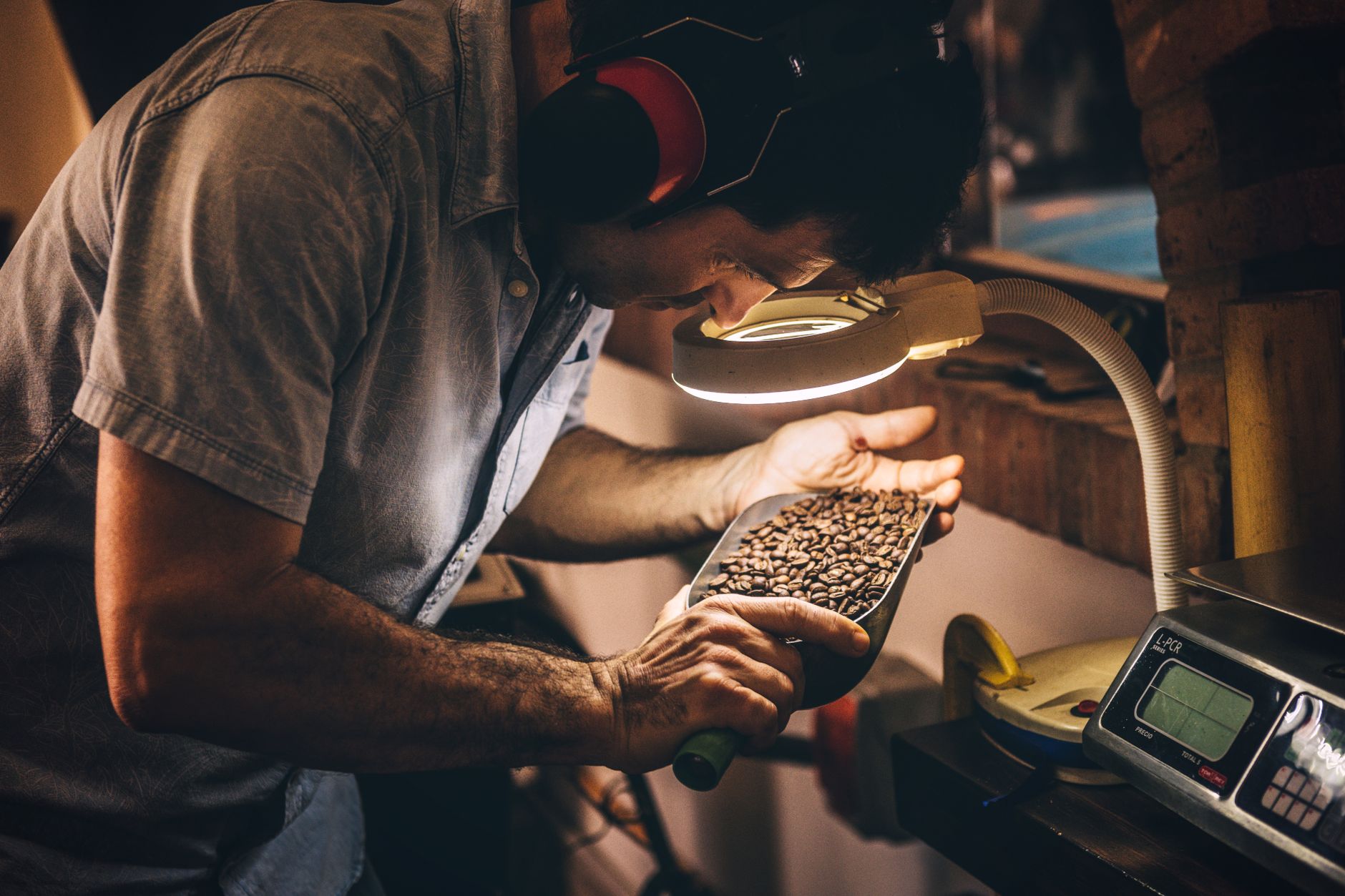
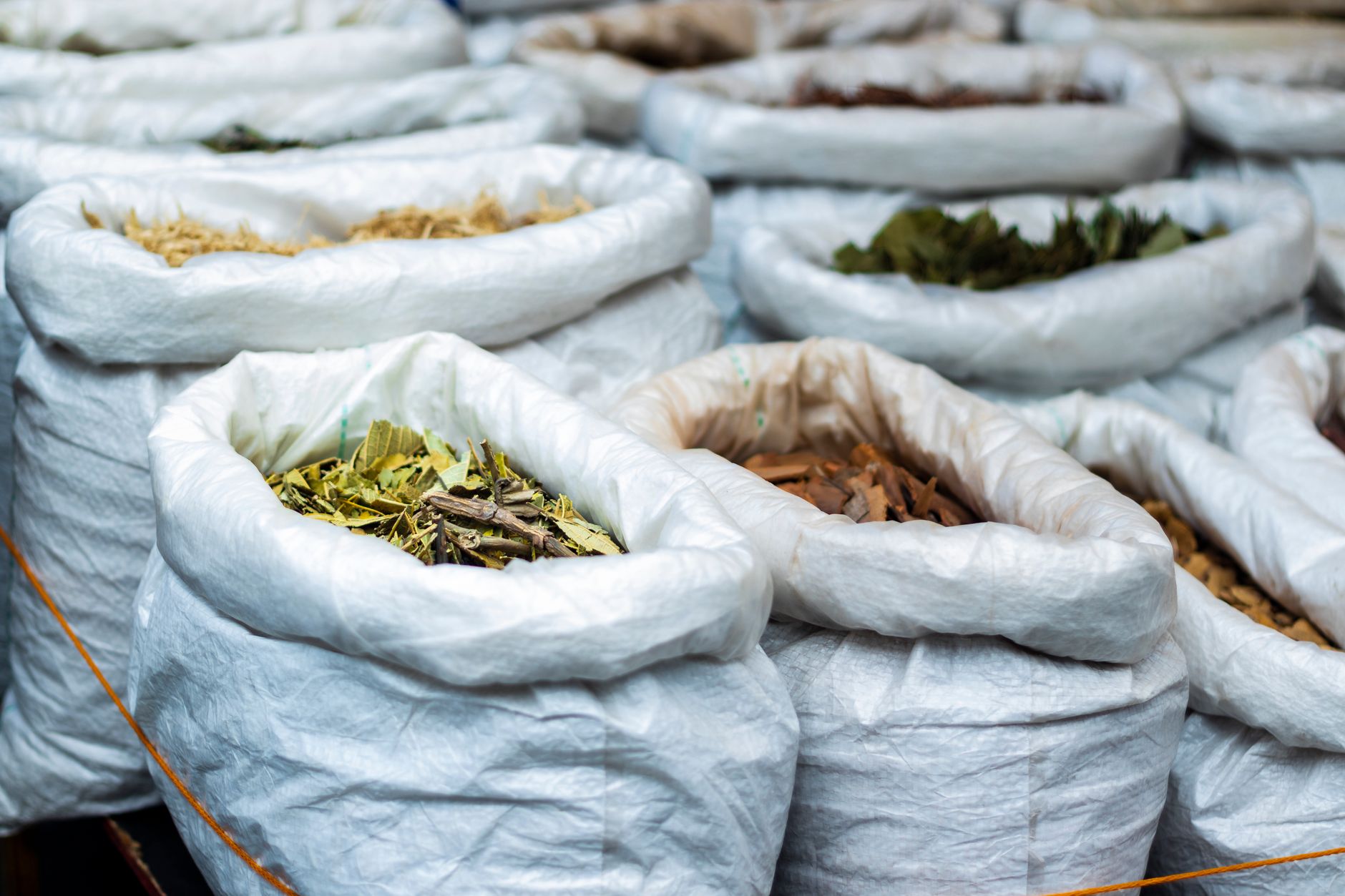 Photo: Evandro Paula Alves via Pexels
Roasted coffee degasses aggressively in the first 72 hours and then oxidizes — that’s why one-way valve bags and airtight jars work well post-roast. Green beans work the opposite way. Sealing them speeds up moisture buildup and off-gassing that produces a “woody” or “papery” cup after roasting.
The three enemies of green bean storage, in order of damage done:
| Threat | Safe Range | What Goes Wrong Outside It |
|---|---|---|
| Humidity | 50–65% RH | Mold, musty flavors, rot |
| Temperature | 60–75°F (15–24°C) | Accelerated aging, moisture swings |
| Light (UV) | No direct sunlight | Oxidation, bleached aromatics |
Best Containers for Green Coffee Storage
The ideal container is breathable but protective: burlap sacks, GrainPro SuperGrain bags , or sturdy cardboard boxes lined with kraft paper. For smaller home quantities (under 10 lbs), a clean paper bag inside a lidded cardboard box works well. Avoid plastic bags or airtight containers unless you’re using purpose-built humidity-regulating systems.
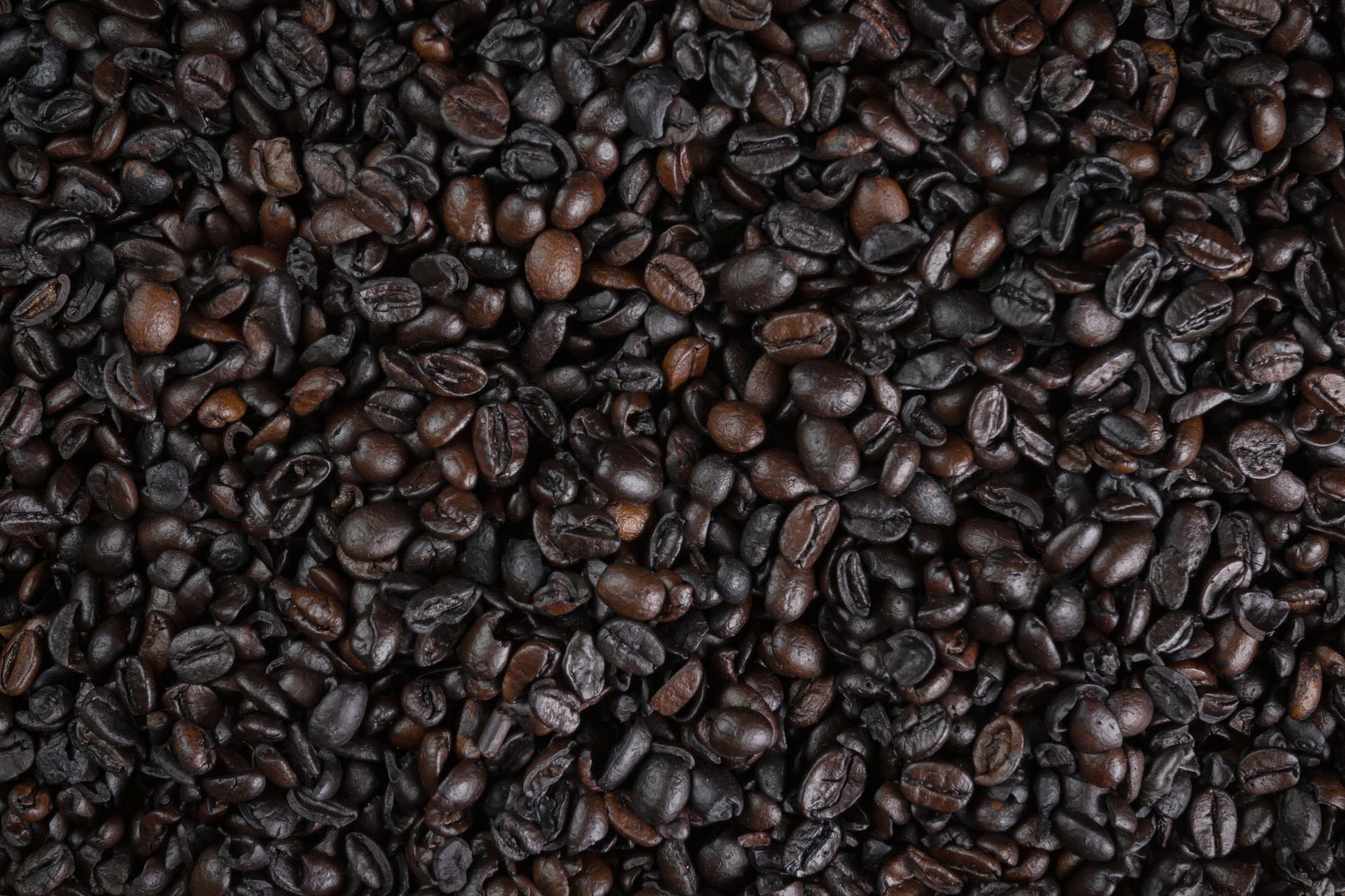
 Photo: Fatih Kopcal via Pexels
Burlap or Jute Sacks
The traditional choice. Natural fiber allows gas exchange while buffering minor humidity swings. Best for quantities of 10 lbs and above. Keep them off concrete floors (moisture wicks up); use a wooden pallet or shelf.
GrainPro Bags
The step up from burlap. GrainPro bags are hermetic when sealed but designed to be used partially open or with a slow-release valve for green coffee. They’re popular with importers for a reason — excellent moisture and pest barrier without the humidity trap of standard plastic. Overkill for a 5-lb home stash; worth it for 25+ lbs or humid climates.
Cardboard Boxes
Underrated for home roasters. A double-walled cardboard box in a cool, dark pantry is genuinely one of the better options for 5–20 lbs of green beans. Cardboard breathes, buffers, and doesn’t introduce off-flavors. Label clearly and rotate stock.
What to Avoid
- Plastic zipper bags: No airflow, trap humidity
- Mason jars sealed tight: Same problem — fine short-term (under 4 weeks), poor long-term
- Freezer bags or vacuum-sealed: The freezer debate is covered below; vacuum sealing removes the gas cushion beans need
Temperature and Humidity Control
Aim for 60–70°F (15–21°C) with 55–65% relative humidity. A basement, pantry, or climate-controlled room works well. Garages and attics are the worst locations — temperature swings cause condensation cycles that raise the effective moisture content of the beans.
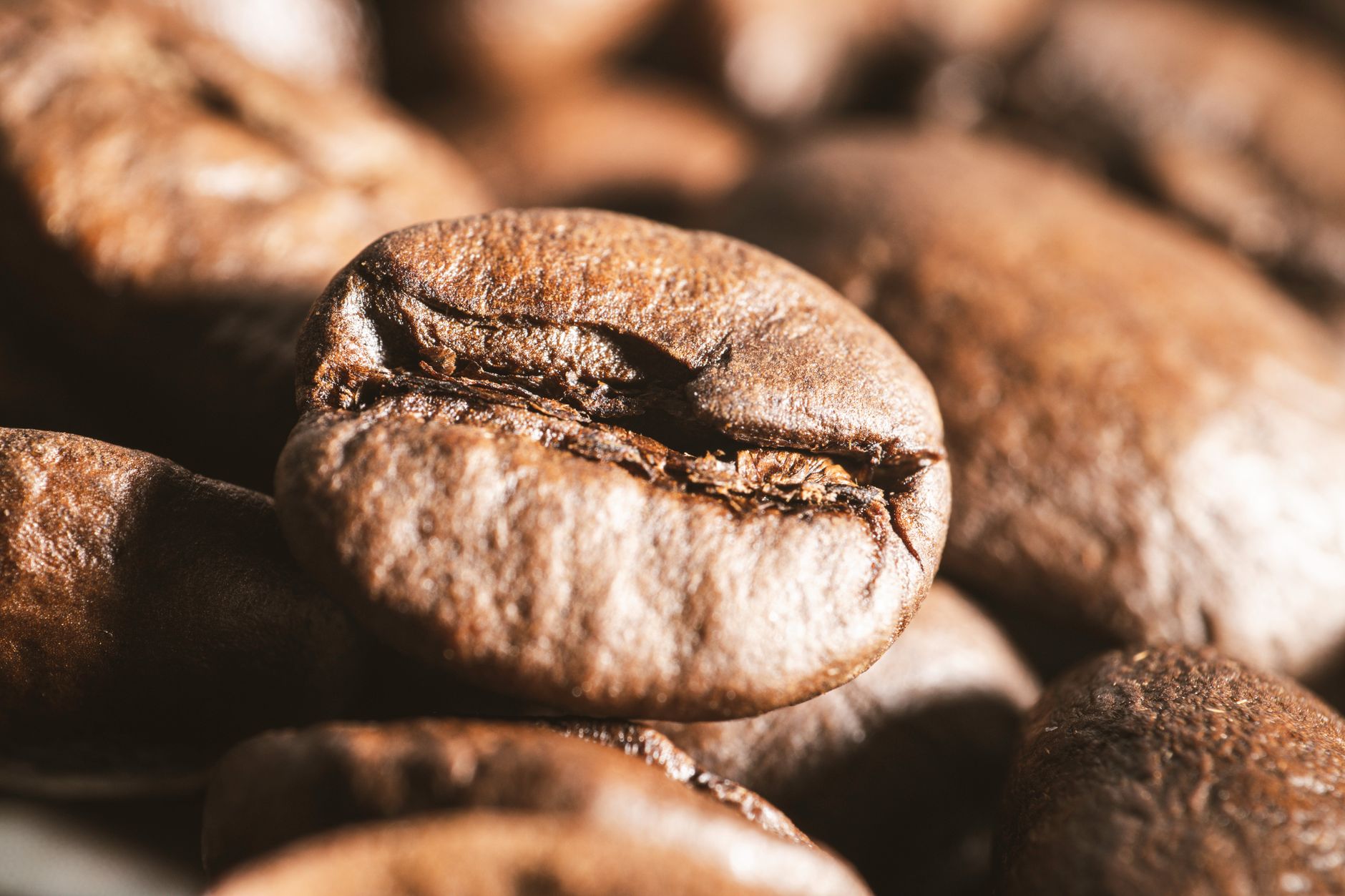
 Photo: ATBO via Pexels
The Freezer Question
Freezing green coffee is controversial but legitimate when done correctly:
- Freeze only once — freeze/thaw cycles introduce moisture and cause cellular damage
- Portion into single-session quantities before freezing (e.g., 100g bags per roast session)
- Use vacuum-sealed bags if freezing, to prevent freezer burn and odor absorption
- Thaw fully at room temperature (30–60 min) before opening the bag, to avoid condensation on the beans
For most home roasters with 1–3 origins in rotation, freezing adds complexity without meaningful benefit. If you’re bulk-buying a single-origin harvest lot to roast over 18 months, freezing makes sense.
How Long Do Green Coffee Beans Last?
Well-stored green beans are roastable for 12–24 months. Quality degrades gradually — you won’t get a sharp “off” date, just a slow fade toward flat, muted cups. Ethiopian naturals and washed Kenyas tend to hold brightness longer than lower-grown Robustas.
| Storage Condition | Realistic Shelf Life |
|---|---|
| Optimal (controlled temp/humidity, burlap or GrainPro) | 18–24 months |
| Good (cool pantry, cardboard box) | 12–18 months |
| Marginal (room temp, plastic bag) | 6–10 months |
| Poor (garage, humidity fluctuations) | 3–6 months |
Beans past their prime aren’t unroastable — they often just need a slightly higher charge temperature and benefit from a longer development phase to coax out what’s left.
Checking Green Bean Freshness Before Roasting
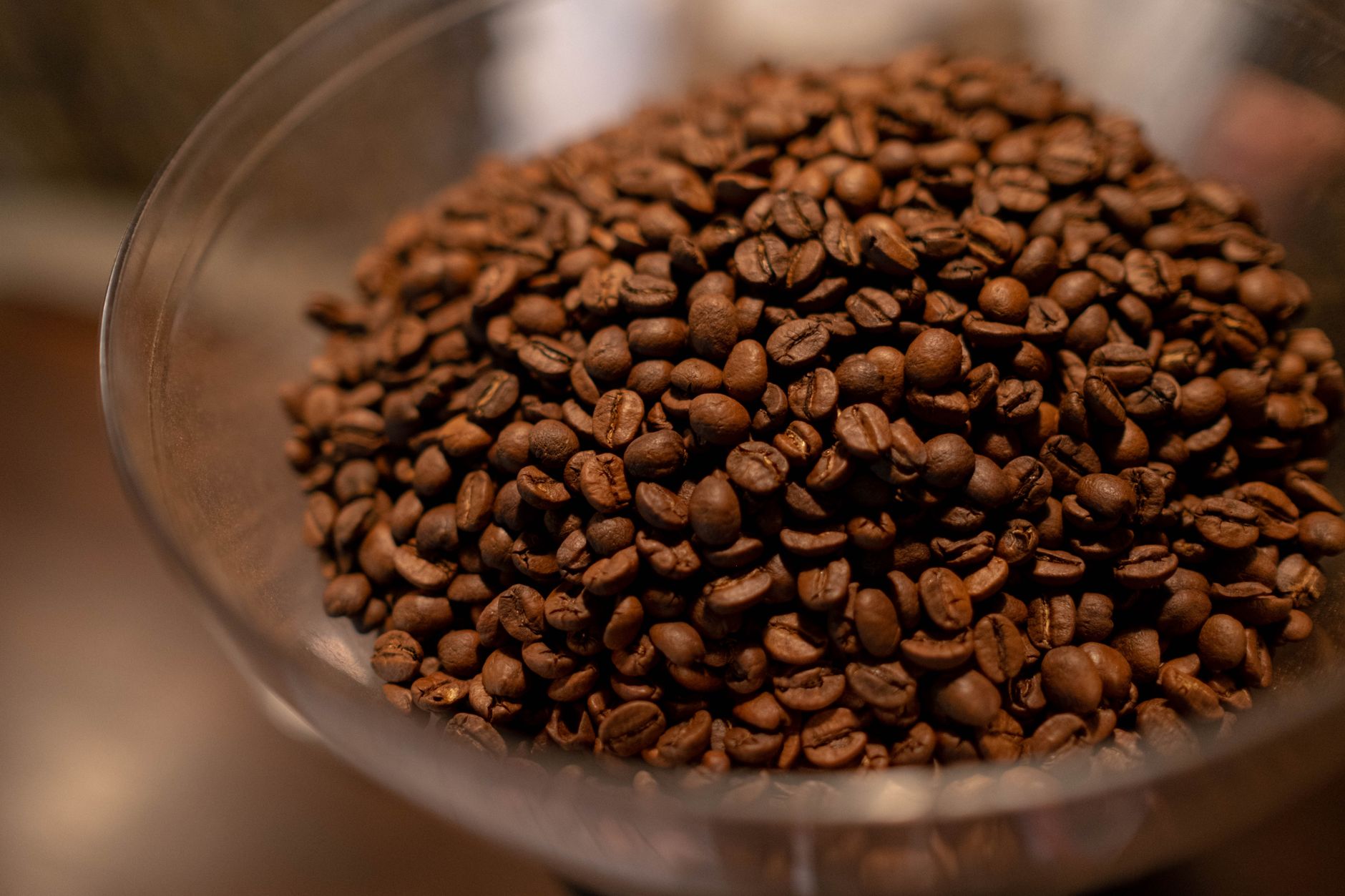
Fresh green beans smell grassy, vegetal, or faintly sweet depending on origin. A sour, musty, or “woody” smell signals moisture damage or age. Inspect visually: uniform color, no visible mold, no cracked or chipped beans in excess.
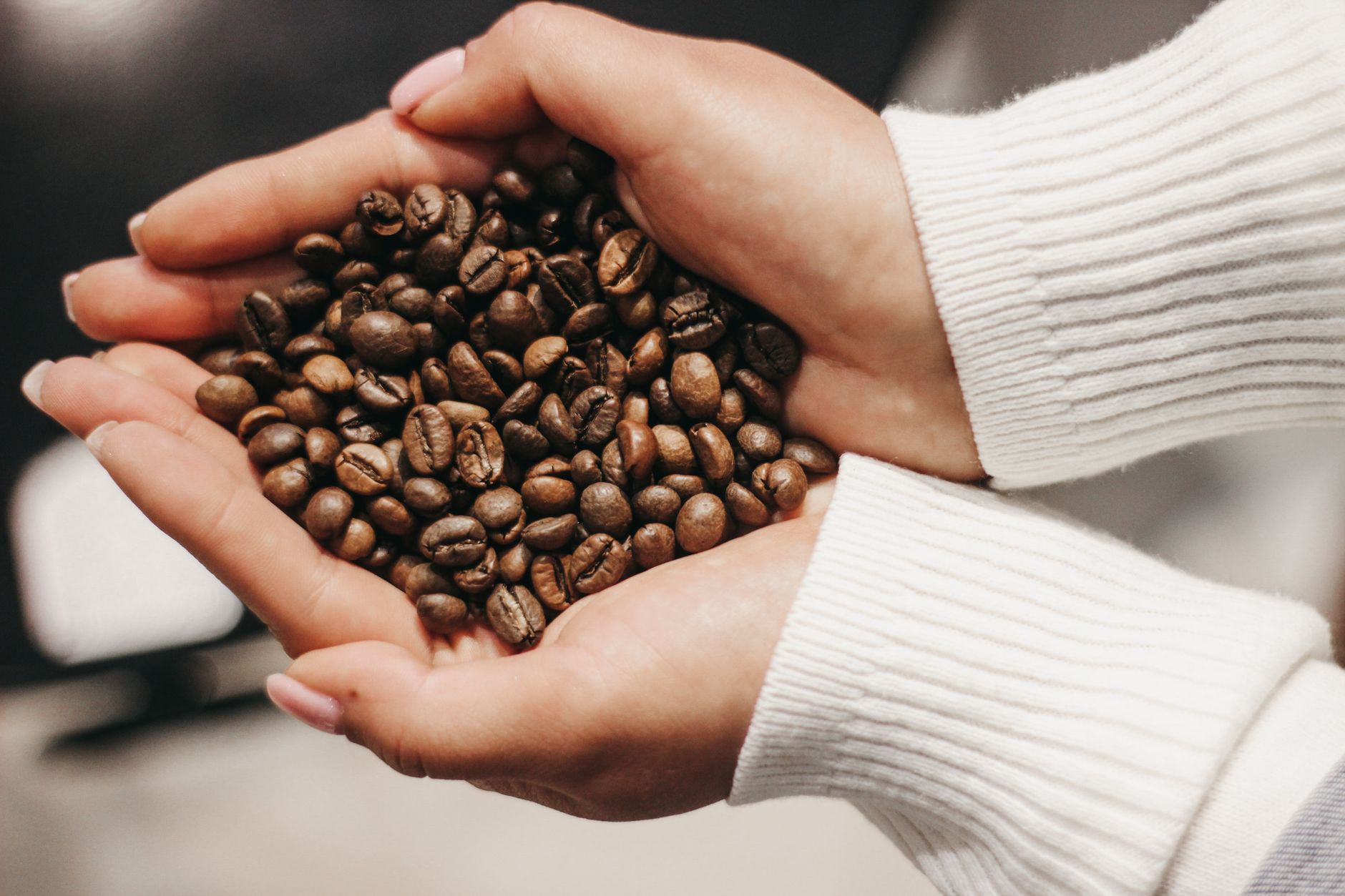 Photo: Doğu Tuncer via Pexels
A simple freshness check before a roast session:
- Smell the bag when you first open it — sharp, vegetal = good; musty = investigate
- Look for color uniformity — a gray or faded cast suggests age
- Feel a handful — beans should feel dry and slightly waxy, not chalky or brittle
- Check density — fresh beans are heavier; aged beans lose moisture and feel lighter
→ See also:
- Home Coffee Roasting: The Complete Beginner’s Guide
- Best Home Coffee Roasters (2026 Reviewed)
- Fresh Roast SR800 Review: Best Entry-Level Roaster?
FAQ
Can I store green coffee beans in a mason jar? Short-term, yes — up to four weeks in a sealed mason jar is fine. For anything longer, the lack of airflow traps off-gases and moisture, which accelerates the woody, flat flavors that indicate stale green coffee. Use breathable storage for anything beyond a month.
Should I refrigerate green coffee beans? No. Refrigerators introduce humidity and odor absorption, and temperature cycling as you open and close the door causes condensation on the beans. A cool, dark pantry at stable room temperature is consistently better than refrigerator storage.
How do I know if my green beans have gone bad? The clearest sign is a musty or sour smell when you open the bag — that indicates moisture damage or mold. Visually, look for gray or uneven coloration, excessive cracking, or visible white specks (mold). Bad green beans won’t roast evenly and produce flat, papery cups.
Does the origin or processing method affect storage life? Yes, to a degree. Washed coffees tend to age more gracefully because they have lower residual moisture from processing. Natural and honey-processed coffees can be more volatile — their fruit-forward character fades faster. High-altitude origins with denser beans also tend to hold quality longer in storage.
What’s the best way to store green coffee long-term (12+ months)? For long-term storage, GrainPro bags in a temperature-controlled environment (60–70°F, 55–65% RH) is the gold standard for home use. If you’re buying a full harvest lot (50+ lbs), single-portion vacuum-sealed freezer bags, frozen once and thawed before roasting, preserves quality well past the 18-month mark.
Editorial methodology: Assessments are based on manufacturer specifications, published user reviews, and editorial research. Physical hands-on testing is noted explicitly where it occurred. Rankings reflect our editorial judgment and are not influenced by affiliate commission rates. Full editorial policy · Affiliate disclosure