Contents
How to Season a New Coffee Grinder
TL;DR: Seasoning a new coffee grinder means running a small amount of sacrificial coffee through it before you grind your first real batch. This coats the burrs with coffee oils, neutralizes any manufacturing residue, and dials in consistent particle distribution. Most grinders need 50–100g of cheap beans to fully season.
Why You Need to Season Your Coffee Grinder
New burrs — whether steel or ceramic — have microscopic sharp edges from machining. These create inconsistent particle sizes and can carry metallic or chemical taste from factory coatings, lubricants, and packaging. Seasoning rounds off those edges and primes the burr chamber with a thin oil film that stabilizes grind consistency from shot one.
 Photo: Raphael Loquellano via Pexels
Fresh-from-the-box burrs behave differently than broken-in ones. You’ll notice clumping, static, and a grind profile that shifts noticeably over the first few hundred grams. That’s not a defect — it’s physics. The good news: seasoning compresses that break-in period from weeks of daily use down to a single session.
What Happens Inside the Burr Chamber
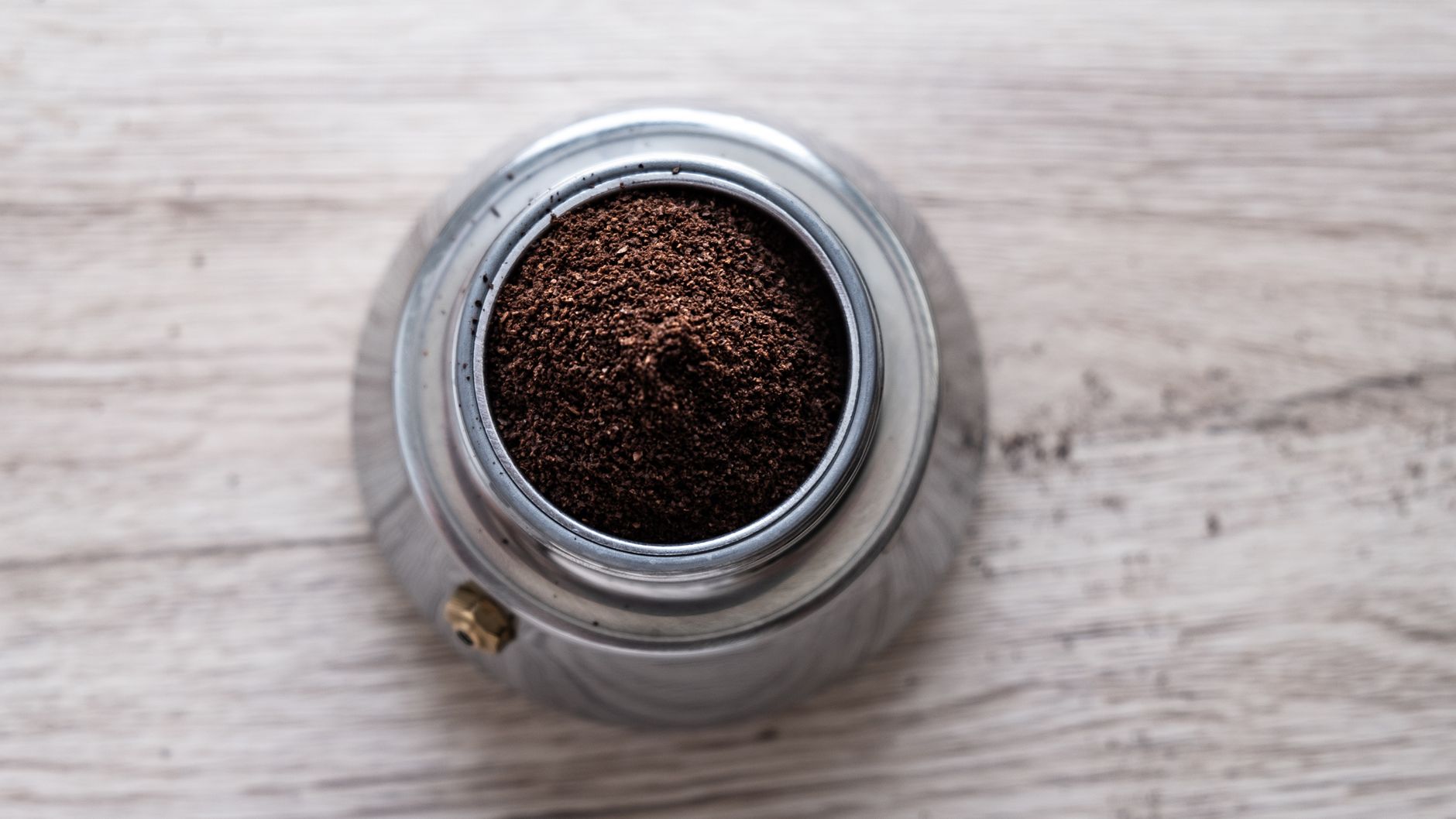
The burr carrier tolerances also need to settle. Flat burrs in particular have very tight clearances; the carrier rings micro-adjust under load over the first few uses. Conical burrs are more forgiving but still benefit from a seasoning run.
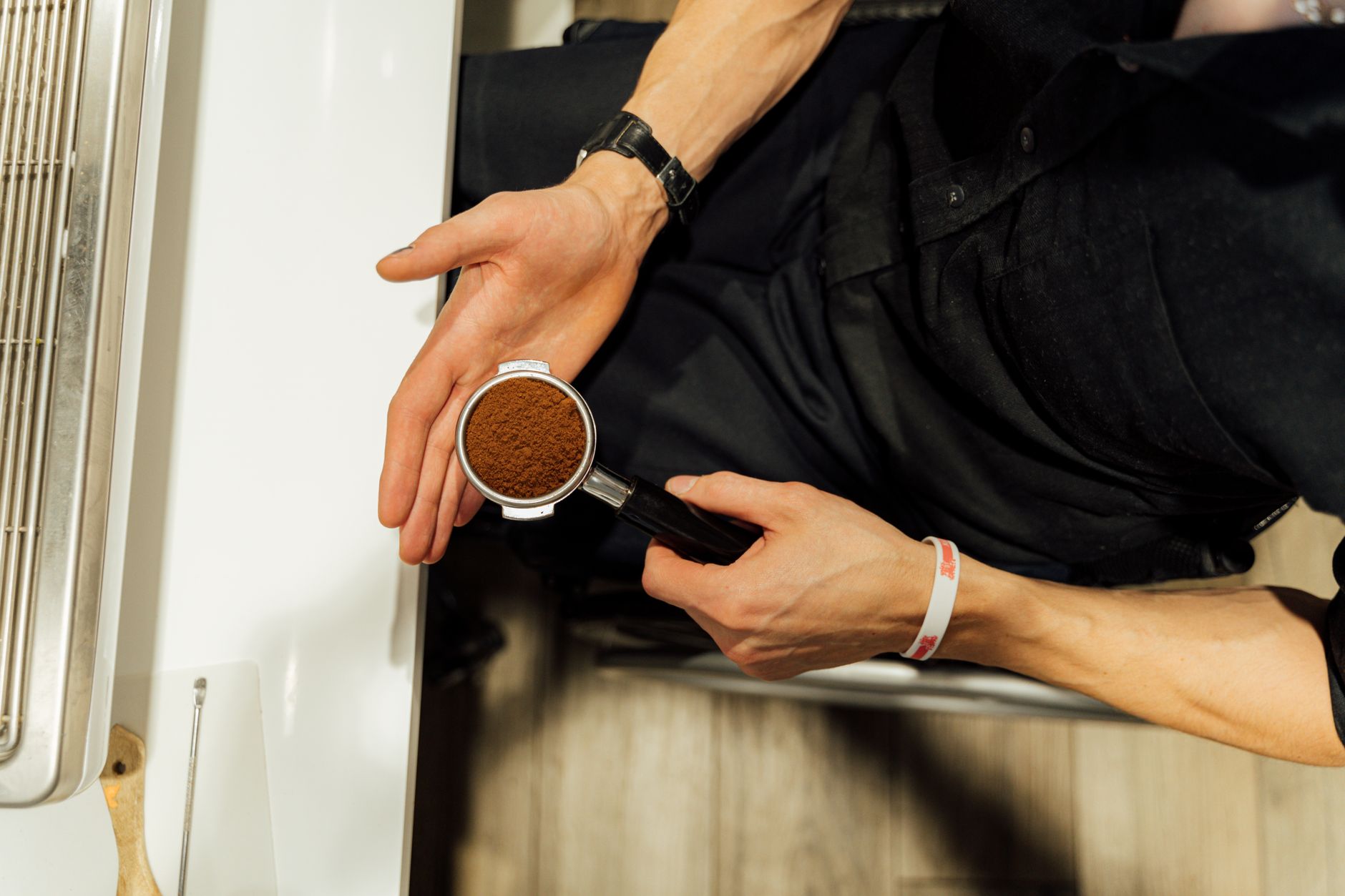 Photo: Adventure Studio via Pexels
How to Season a New Coffee Grinder: Step-by-Step
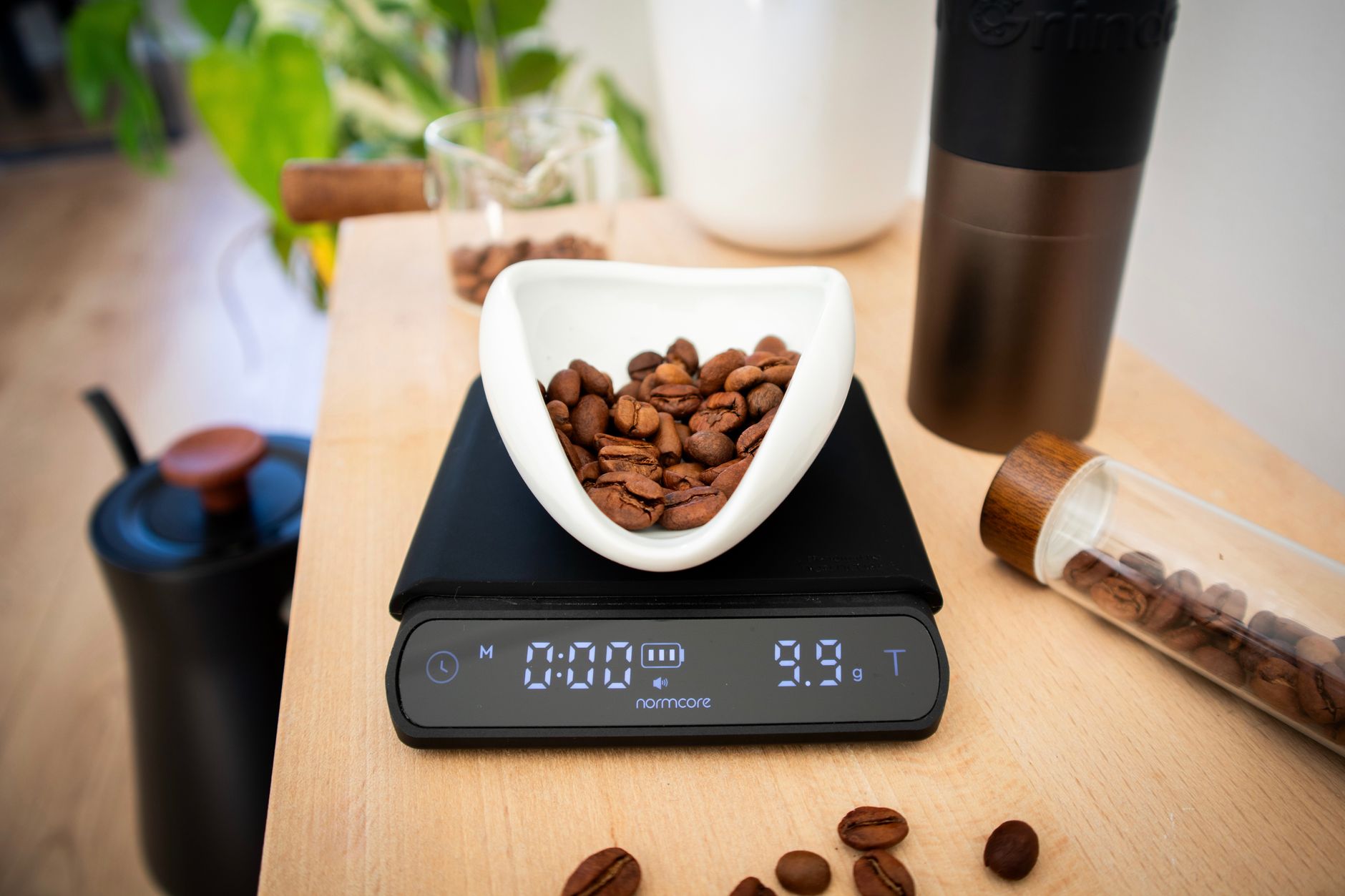
Use 50–100g of inexpensive coffee — anything cheap and expendable. Set a medium grind, run it through, discard the output, then grind your actual beans. That’s the whole process. The steps below just make sure you’re not wasting good coffee or making avoidable mistakes.
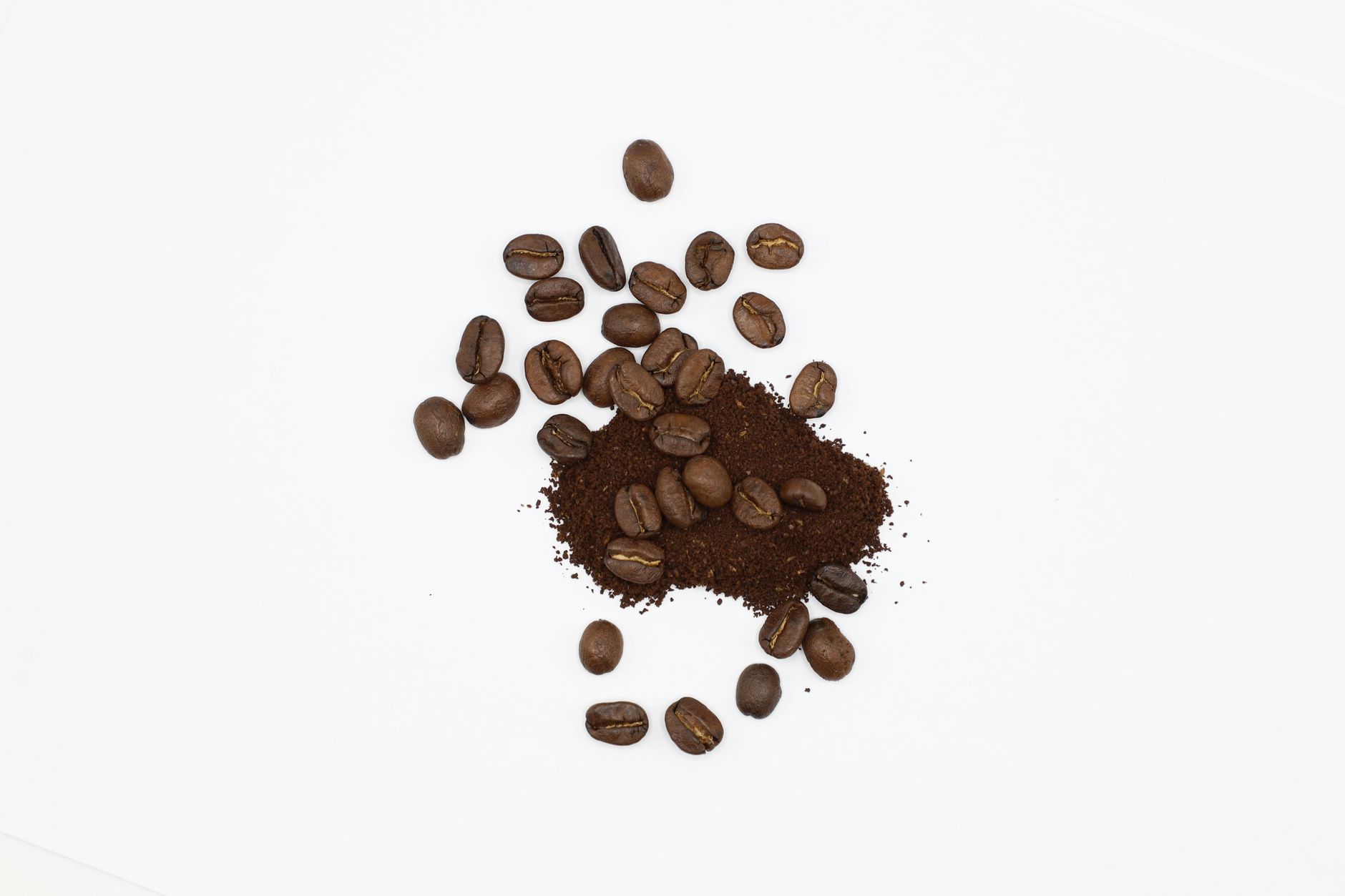 Photo: Tony Wu via Pexels
What you need:
- 50–100g of cheap coffee (grocery store drip blend works)
- Your new grinder
- A scale
Steps:
-
Set the grind to medium. Don’t start at espresso fine — extreme settings on fresh burrs accelerate uneven wear. Medium gives full coverage across the burr face.
-
Grind the first 30–50g, discard everything. This first pass removes residue and starts coating the burrs with oils.
-
Grind another 20–50g. Burrs are now primed. Toss this too.
-
Purge briefly before your first real grind. Run 5–10g of your actual coffee through to flush out any remaining cheap-coffee particles.
-
Grind your coffee. Taste it. Dial in from here.
How Much Coffee Does It Take to Season a Grinder?
Entry-level grinders: 50g is enough. Mid-range flat burr grinders (Niche Zero, DF64, Eureka Mignon): plan for 100g. High-end commercial-grade burrs (98mm flat, Mahlkönig E65S): some users run 250–500g before they’re satisfied with consistency.
| Grinder Tier | Burr Size | Recommended Seasoning |
|---|---|---|
| Entry-level (blade replacement, hand grinder) | <38mm | 50g |
| Mid-range conical | 40–50mm | 50–75g |
| Mid-range flat | 54–64mm | 75–100g |
| Prosumer flat | 64–83mm | 150–250g |
| Commercial flat | 83–98mm+ | 250–500g |
Larger burr surface = more area to coat = more seasoning coffee required. This isn’t about frugality — under-seasoning a large-burr grinder means weeks of shifting grind profiles while you chase a moving target.
Does Grinder Seasoning Actually Change the Taste?
Yes, measurably so on espresso. Unseasoned burrs produce a bimodal grind — fine dust mixed with coarser particles — which causes uneven extraction. You’ll taste this as a shot that’s simultaneously sour and bitter. After seasoning, particle distribution tightens and espresso shots become more predictable.
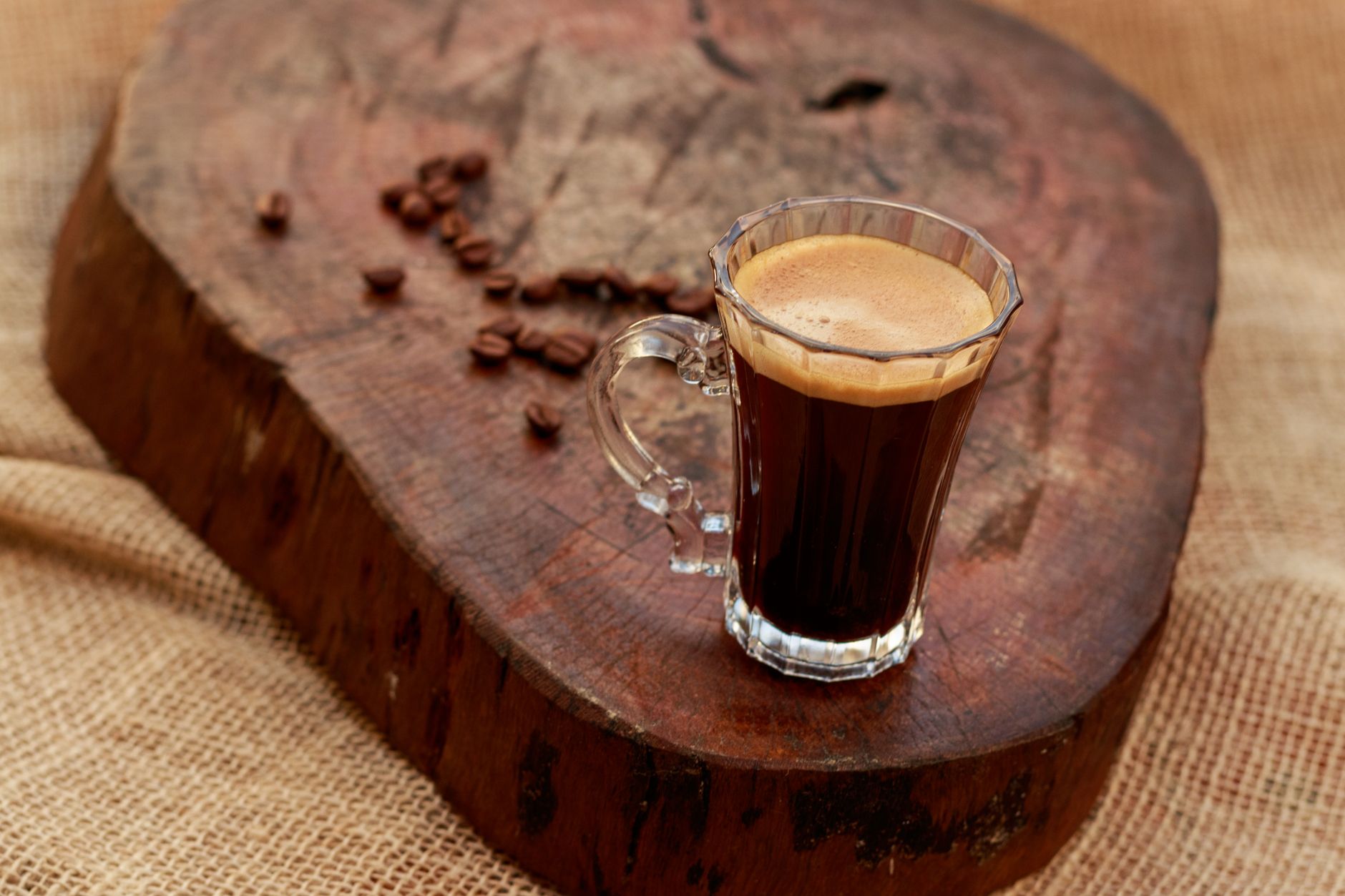 Photo: Victor Cayke via Pexels
For drip and pour-over, the effect is subtler but still present. You may notice slightly astringent or metallic notes in the first few brews from a new grinder that disappear once the burrs are properly conditioned.
→ See Also
- The Complete Coffee Grinder Guide (2026)
- Burr vs Blade Grinder: Why It Matters for Your Coffee
- Burr Grinder Maintenance: Complete Step-by-Step Guide (2026)
- Best Coffee Grinders Under $100 (2026)
FAQ
Do I need to season a hand grinder? Yes. The same burr break-in physics apply regardless of whether the grinder is hand-cranked or motorized. 50g of sacrificial coffee is usually sufficient for the smaller burrs found in hand grinders like the 1Zpresso JX-Pro
Can I season with rice instead of coffee? No. Rice doesn’t deposit coffee oils, which is the point of seasoning. It also generates starch dust that can gum up burr clearances. Use cheap coffee only.
How do I know when seasoning is complete? The grind output becomes visually consistent — no visible clumping, uniform color, and static noticeably reduces. For espresso grinders, a reliable indicator is shot-to-shot yield variance dropping below 0.5g with a fixed grind setting.
Does a pre-seasoned grinder still need seasoning? Some manufacturers (notably Weber Workshops and a few others) ship burrs pre-seasoned from the factory. Check the documentation. If the manual says pre-seasoned, a 30g purge at medium grind is still a good practice — it clears any packaging residue and storage dust.
What grind setting should I use for seasoning? Medium — roughly a drip/filter setting. Avoid fine espresso settings on the first pass; the tighter the gap, the more stress on fresh burrs. Start broad to get oil coverage across the full burr face, then move to your target setting for actual use.
Will unseasoned grinding void my warranty? Not typically, but worth checking your specific brand’s documentation. Skipping seasoning doesn’t damage the grinder — it just means the first weeks of use are the de-facto seasoning period, which shows up as unpredictable grind output.
Editorial methodology: Assessments are based on manufacturer specifications, published user reviews, and editorial research. Physical hands-on testing is noted explicitly where it occurred. Rankings reflect our editorial judgment and are not influenced by affiliate commission rates. Full editorial policy · Affiliate disclosure