Contents
Best Grinder for Home Roasted Coffee (2026)
TL;DR: The best grinder for home roasted coffee handles variable bean density and off-gassing without choking or staling — the Fellow Ode Gen 2 and 1Zpresso JX-Pro lead for most home roasters. Freshly roasted beans are harder, lighter, and gassier than commercial coffee; your grinder needs consistent burr geometry and easy dial-in. Skip blade grinders entirely.
Why Home Roasted Coffee Demands More From Your Grinder
Direct answer: Home roasted beans vary in density by roast level, release CO₂ aggressively for 24–72 hours post-roast, and often arrive in irregular sizes. A grinder needs flat or conical burrs with tight tolerances, a wide grind range, and low retention so yesterday’s grounds don’t contaminate today’s cup.
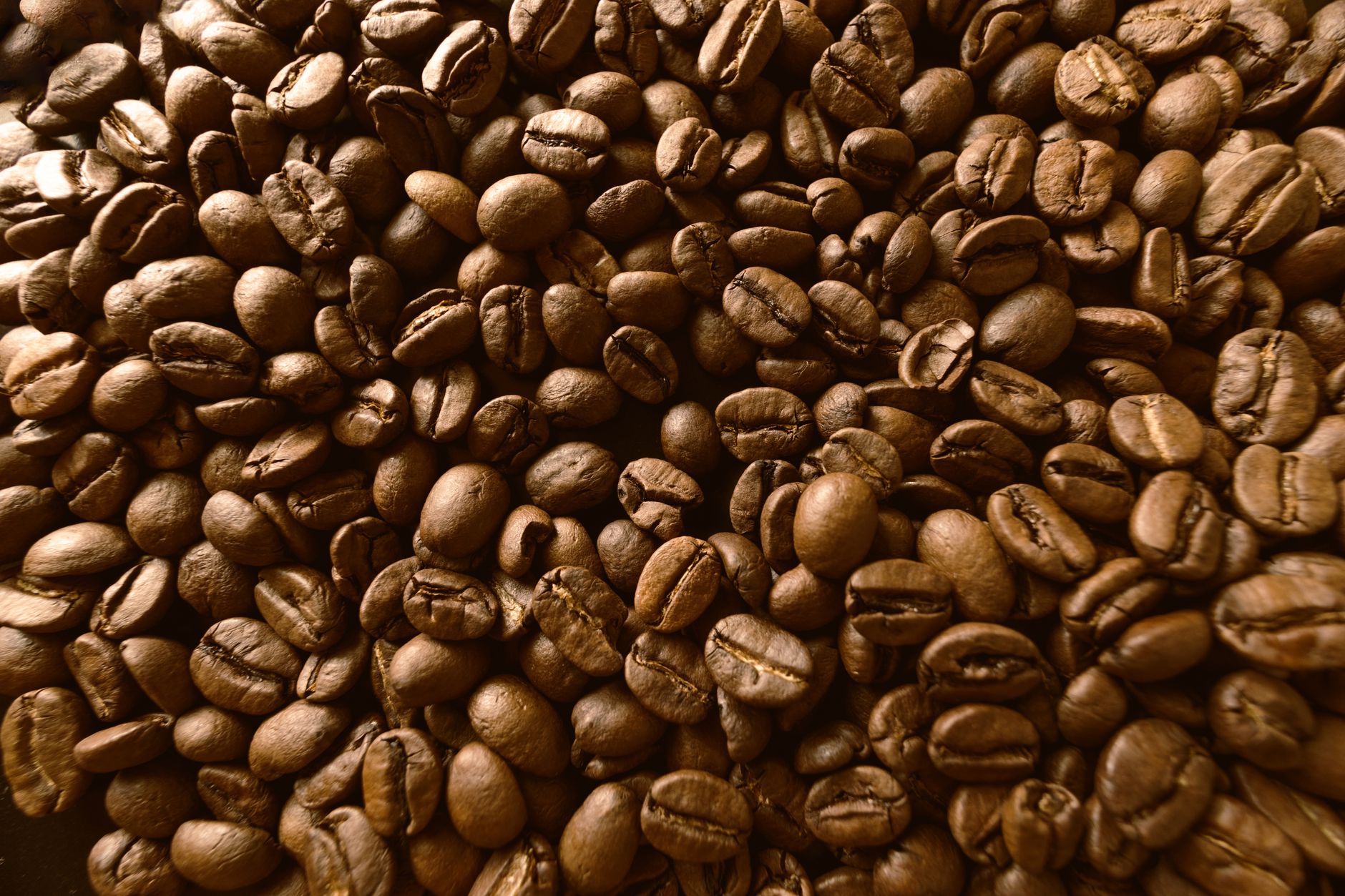 Photo: Patrick via Pexels
When you roast at home — whether on a drum roaster, air roaster, or stovetop — you control roast development in ways commercial roasters don’t hand you. That means your beans will range from dense light-roast Ethiopians that resist grinding to fragile dark Sumatrans that crumble at coarser settings. Most grinders are tuned for commercial coffee rested 10–14 days. Your 48-hour rested single origin is a different animal.
The key variables your grinder must handle:
- Variable hardness: Light roasts are denser; dark roasts are brittle. The same grind setting won’t produce the same particle size across roast levels.
- CO₂ off-gassing: Fresh roasted beans produce CO₂ that can create static and channeling. Low-retention grinders reduce stale grounds contamination.
- Chaff residue: Home roasts often carry more chaff than commercial lots. Burr chambers need to clear easily.
What to Look for in the Best Grinder for Home Roasted Coffee
Direct answer: Prioritize flat burrs (more consistent particle size) or quality conical burrs (better for light roasts), low grind retention under 0.5g, stepless or micro-stepped adjustment, and a grind range wide enough to cover filter through espresso if you experiment.
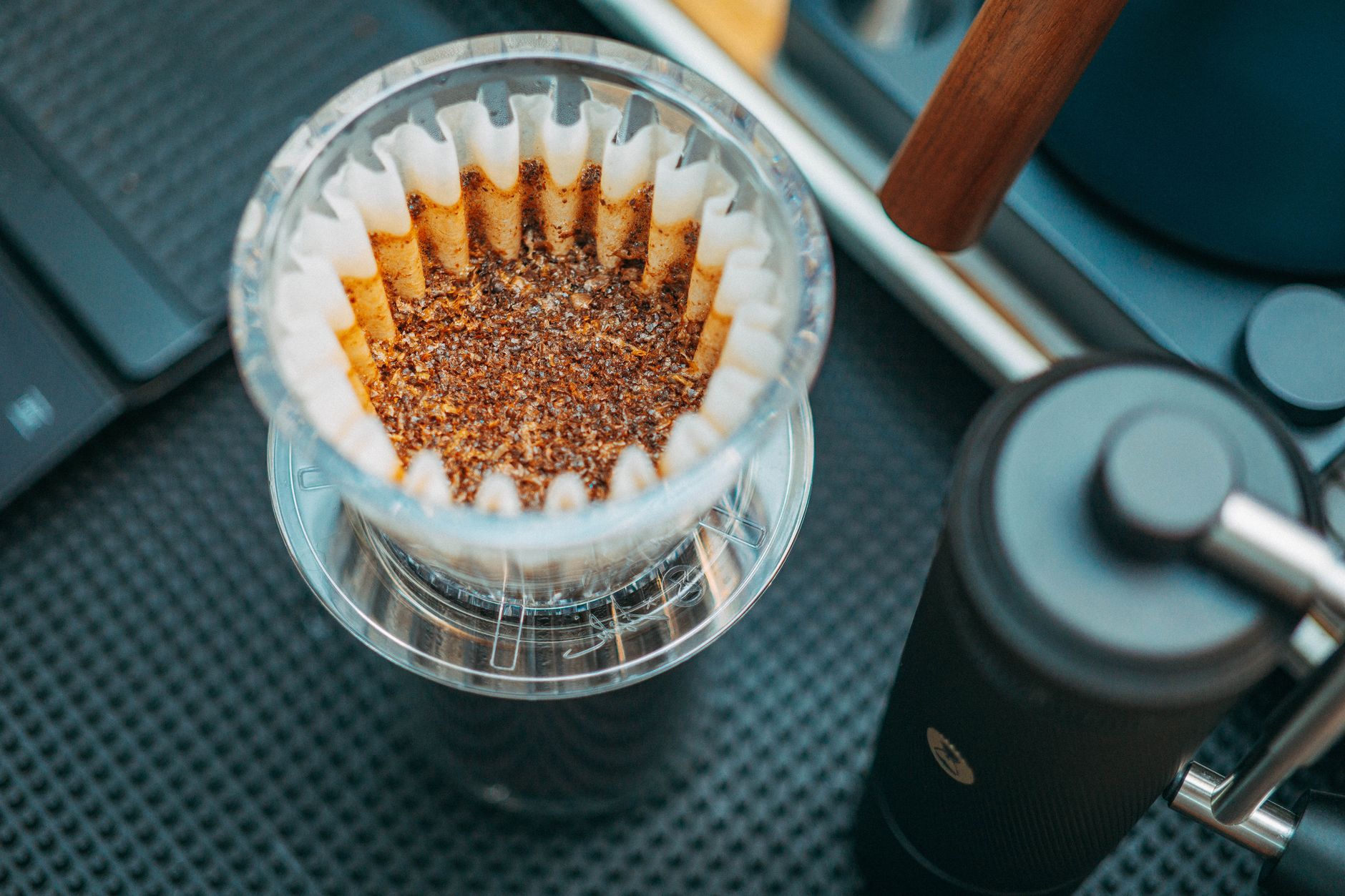 Photo: FOX ^.ᆽ.^= ∫ via Pexels
Burr Type and Size
Flat burrs produce a narrower particle distribution — critical when you’re dialing in a roast profile you’ve never tasted before. 64mm+ flat burrs (Ode Gen 2, Niche Zero) give you the control to distinguish your roast variables from your grind variables.
Conical burrs tolerate oils and softness better, which suits darker home roasts and pourover without channeling risk. The 1Zpresso JX-Pro uses a 48mm stainless conical that punches above its price point.
Grind Retention
Every gram of stale grounds left in the burr chamber adds noise to your brewing. Home roasters are already iterating on roast variables — you don’t need grind retention adding another. Under 0.5g retention is the benchmark; under 0.3g is excellent.
Adjustment Range
Home roasters frequently brew across methods as they dial in a roast — a natural processed Ethiopian might start as pourover and graduate to espresso once you’ve nailed the development. A grinder with stepless or micro-stepped adjustment and enough range to cover both saves you buying two.
Top Grinders for Home Roasted Coffee
Fellow Ode Gen 2 — Best Flat Burr for Filter
Direct answer: The Ode Gen 2 is the best flat-burr filter grinder for home roasters under $400. The 64mm SSP-compatible burrs, 0.1g retention, and single-dose design make it ideal for iterating on fresh roasts without cross-contamination.
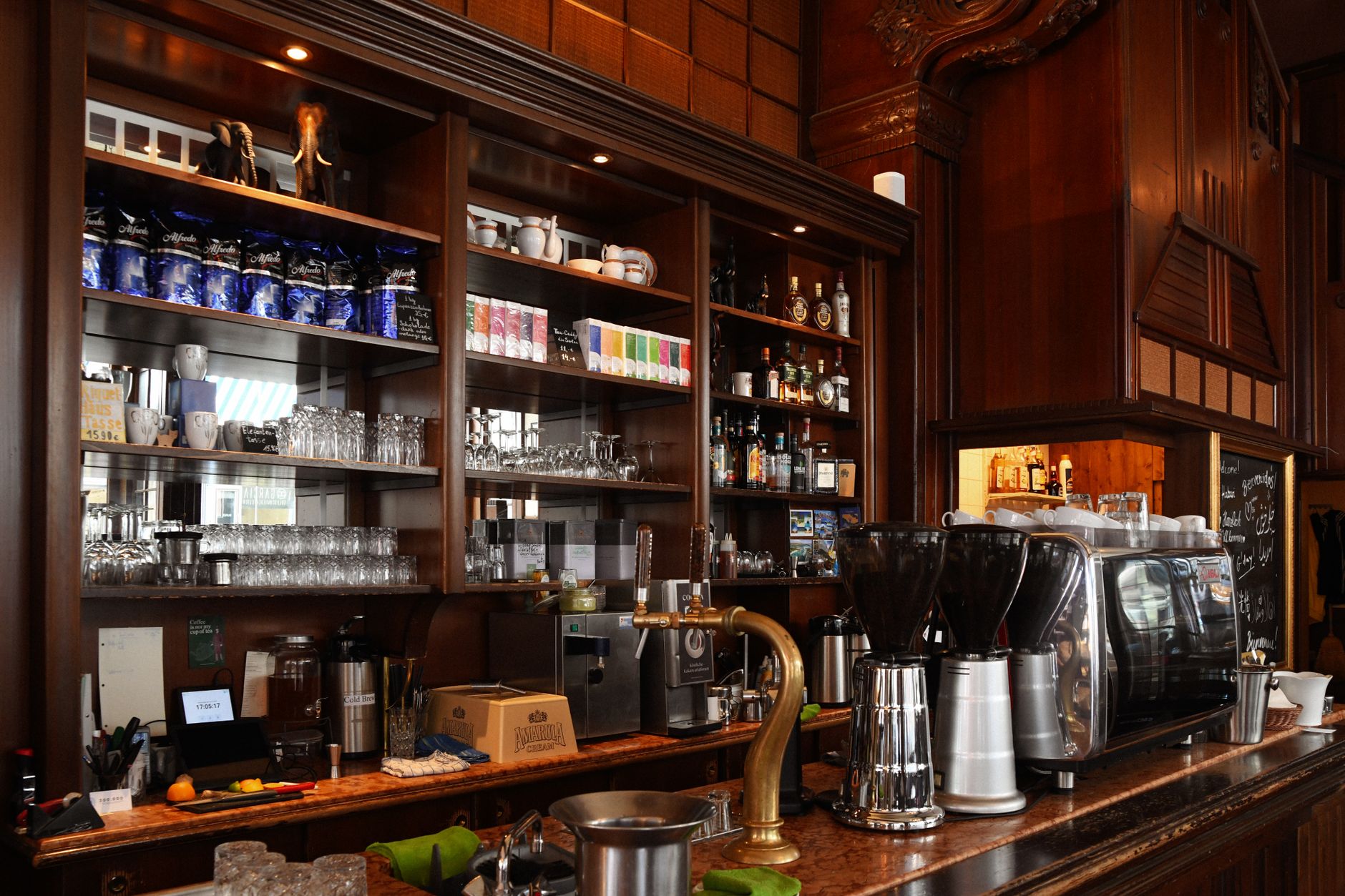 Photo: Züleyha Gül via Pexels
| Spec | Detail |
|---|---|
| Burr size | 64mm flat |
| Burr material | Stainless steel (SSP upgrade available) |
| Grind retention | ~0.1g |
| Adjustment | 11-step (31 micro-steps with Gen 2 click) |
| Best for | Filter, pourover, batch brew |
| Price | ~$365 |
The Gen 2’s upgraded burr geometry solves the Gen 1’s bimodal distribution problem. For home roasters brewing V60 or Chemex, it delivers a clarity of cup that lets you hear your roast decisions, not your grinder’s limitations. Single-dosing aligns perfectly with the home roaster workflow: roast, rest 48 hours, dose exactly what you need.
The limitation: no espresso. The Ode tops out around medium-coarse — if you want to pull shots with your home roasts, look elsewhere.
1Zpresso JX-Pro — Best Hand Grinder for Home Roasters
Direct answer: The JX-Pro is the best value grinder for home roasters who brew filter. At under $180, its 48mm stainless conical burrs, 0.3g retention, and 90-click stepless ring produce filter grinds that rival grinders twice the price.
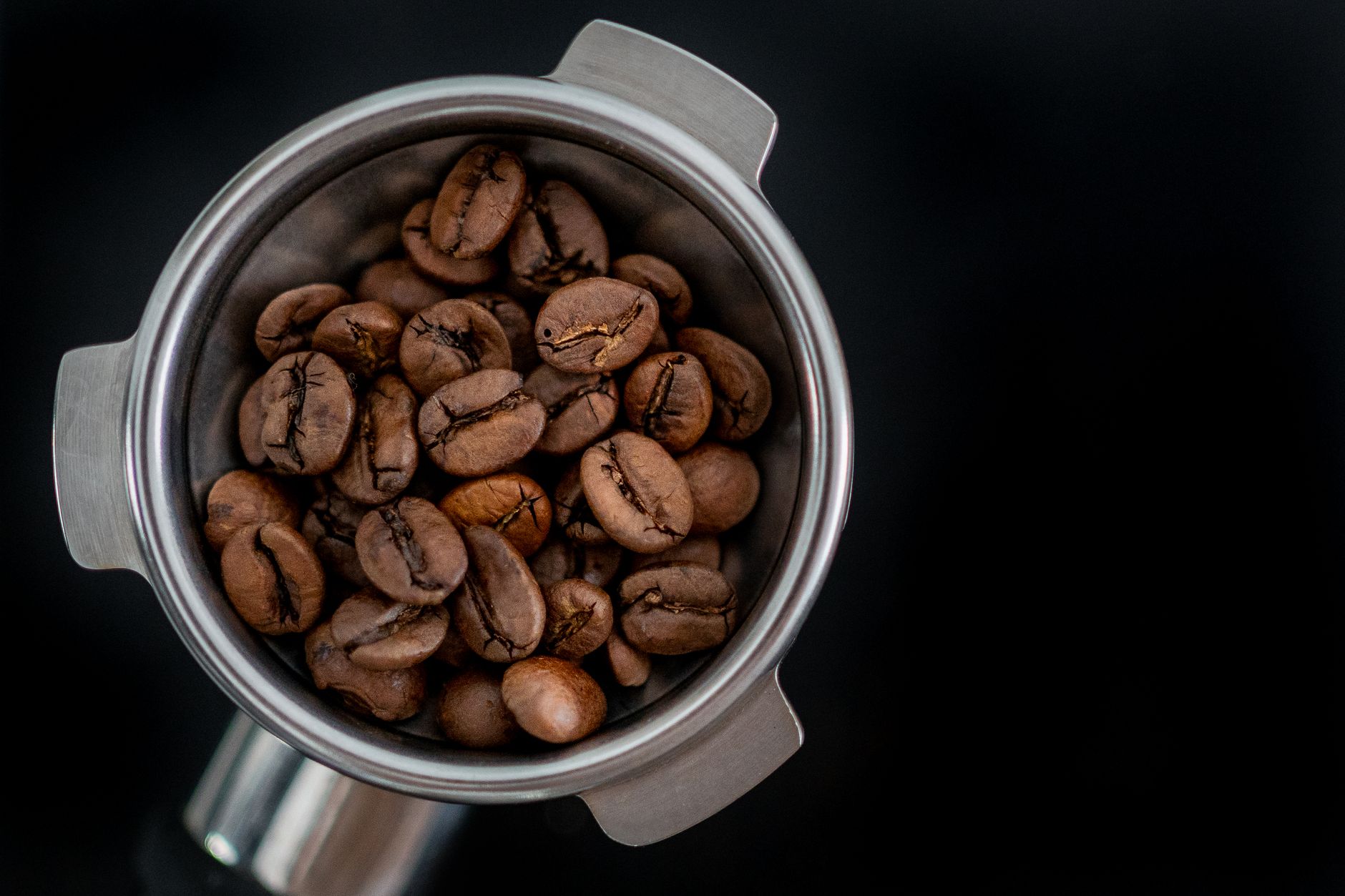 Photo: Jonas Von Werne via Pexels
| Spec | Detail |
|---|---|
| Burr size | 48mm stainless conical |
| Grind retention | ~0.3g |
| Adjustment | 90 clicks per rotation (stepless feel) |
| Best for | Filter, AeroPress, light-medium roasts |
| Price | ~$170 |
Hand grinders suit home roasters for a practical reason: you’re already patient enough to roast your own coffee. The JX-Pro rewards that patience with exceptional particle consistency for a conical. It handles light roast density well — harder beans that choke cheaper hand grinders move through the 48mm burrs without stalling.
The downside is throughput: 20g takes ~45 seconds, which is acceptable for a V60 but tedious for batch brewing.
Niche Zero — Best for Espresso with Home Roasts
Direct answer: The Niche Zero is the top choice for home roasters pulling espresso shots. Single-dose design, 0.0g retention in practice, and 63mm conical burrs let you dial in each roast fresh without any purge waste.
 Photo: Curtis Adams via Pexels
| Spec | Detail |
|---|---|
| Burr size | 63mm conical (Mazzer-derived) |
| Grind retention | ~0.0g (single-dose optimized) |
| Adjustment | Stepless |
| Best for | Espresso, dual-use espresso/filter |
| Price | ~$700 |
The Niche is built for exactly the home roaster use case: you have 50g left of a natural washed Kenya, you want to pull two shots, and you cannot afford 3–4g of purge waste. Zero retention means zero waste, zero staling.
The stepped-down conical burrs aren’t the last word in espresso particle consistency compared to flat-burr machines at similar prices, but for single-origin home roasts where flavor clarity matters more than texture density, it competes easily.
Eureka Mignon Specialita — Best Mid-Range Espresso Grinder
Direct answer: For home roasters primarily pulling espresso, the Specialita delivers 55mm flat burrs, stepless adjustment, and quiet operation at ~$450 — a strong flat-burr espresso option before you hit Niche Zero territory.
Grinder Comparison Table
| Machine | Price | Burr | Burr Size | Retention | Best For |
|---|---|---|---|---|---|
| Fellow Ode Gen 2 | ~$365 | Flat | 64mm | ~0.1g | Filter, pourover |
| 1Zpresso JX-Pro | ~$170 | Conical | 48mm | ~0.3g | Filter, hand grind |
| Niche Zero | ~$700 | Conical | 63mm | ~0.0g | Espresso, dual-use |
| Eureka Mignon Specialita | ~$450 | Flat | 55mm | ~0.5g | Espresso |
| Baratza Encore ESP | ~$250 | Conical | 40mm | ~0.5g | Budget espresso/filter |
Verdict by User Archetype
Filter-first home roaster → Fellow Ode Gen 2. The 64mm flat burrs and negligible retention give you the cleanest read on your roast decisions. You’ll dial in a new roast in 2–3 brews.
Espresso-focused home roaster → Niche Zero. The zero-retention design is purpose-built for single-dose workflows. Worth the price premium if you’re pulling shots from small roast batches.
Budget-conscious / travel roaster → 1Zpresso JX-Pro. Best grind quality per dollar for filter. Handles light roast density better than any hand grinder near its price.
Dual-use (filter + espresso) → Niche Zero or the Eureka Mignon Specialita depending on whether you value zero retention or flat-burr particle distribution more.
→ See also:
- The Complete Coffee Grinder Guide (2026)
- Burr vs Blade Grinder: Why It Matters for Your Coffee
- Best Coffee Grinders Under $100 (2026)
FAQ
Does resting home roasted coffee before grinding make a difference? Yes — beans need 24–72 hours minimum post-roast to off-gas CO₂, with light roasts often benefiting from 5–7 days. Grinding too early produces gassy, uneven extraction and muted flavor. Home roasters who rest properly report dramatic clarity improvements at the same grind setting.
Can I use a blade grinder for home roasted coffee? No. Blade grinders produce random particle sizes that make even extraction impossible, and they generate heat that degrades the aromatic compounds you just developed in your roast. The minimum viable entry point is a burr grinder — even a $50 Timemore C2 outperforms any blade grinder.
Do I need a different grinder for light versus dark home roasts? Not necessarily, but your dial setting will shift noticeably. Light roasts are denser and require finer settings to achieve the same extraction; dark roasts need coarser settings to avoid over-extraction. A grinder with micro-stepped or stepless adjustment handles this more precisely than coarse-stepped clicks.
Why does my freshly roasted coffee taste different when I grind it versus store-bought? Several reasons: CO₂ off-gassing interferes with extraction, your roast development may differ from commercial profiles, and fresh-roasted beans are often ground at a setting calibrated for rested beans. Dial in for your specific roast age and bean density rather than copying a recipe designed for commercial coffee.
How much should I spend on a grinder as a home roaster? Match your investment to your brewing method. For filter brewing, $150–$400 gets you excellent results (JX-Pro to Ode Gen 2). For espresso, expect $450–$750 for grinders that won’t limit you (Specialita to Niche Zero). Spending more on green beans and less on a grinder is the wrong trade-off — the grinder is the highest-leverage tool in the chain.
What does “grind retention” mean and why does it matter for home roasters? Retention is the stale ground coffee left in the burr chamber after grinding. For home roasters with small batch sizes — often 150–250g per roast — even 2–3g of retention represents a meaningful percentage of your roast lost to staling or contamination. Low-retention grinders (under 0.5g) let you single-dose without purging.
Editorial methodology: Assessments are based on manufacturer specifications, published user reviews, and editorial research. Physical hands-on testing is noted explicitly where it occurred. Rankings reflect our editorial judgment and are not influenced by affiliate commission rates. Full editorial policy · Affiliate disclosure