Contents
How to Make a Latte at Home (Without a Machine)
TL;DR: You can make a latte at home without an espresso machine using a Moka pot or AeroPress for the coffee base, and a frother or jar for the milk. The result won’t be identical to a café shot, but it’s genuinely good — and costs a fraction of the price.
What You Actually Need
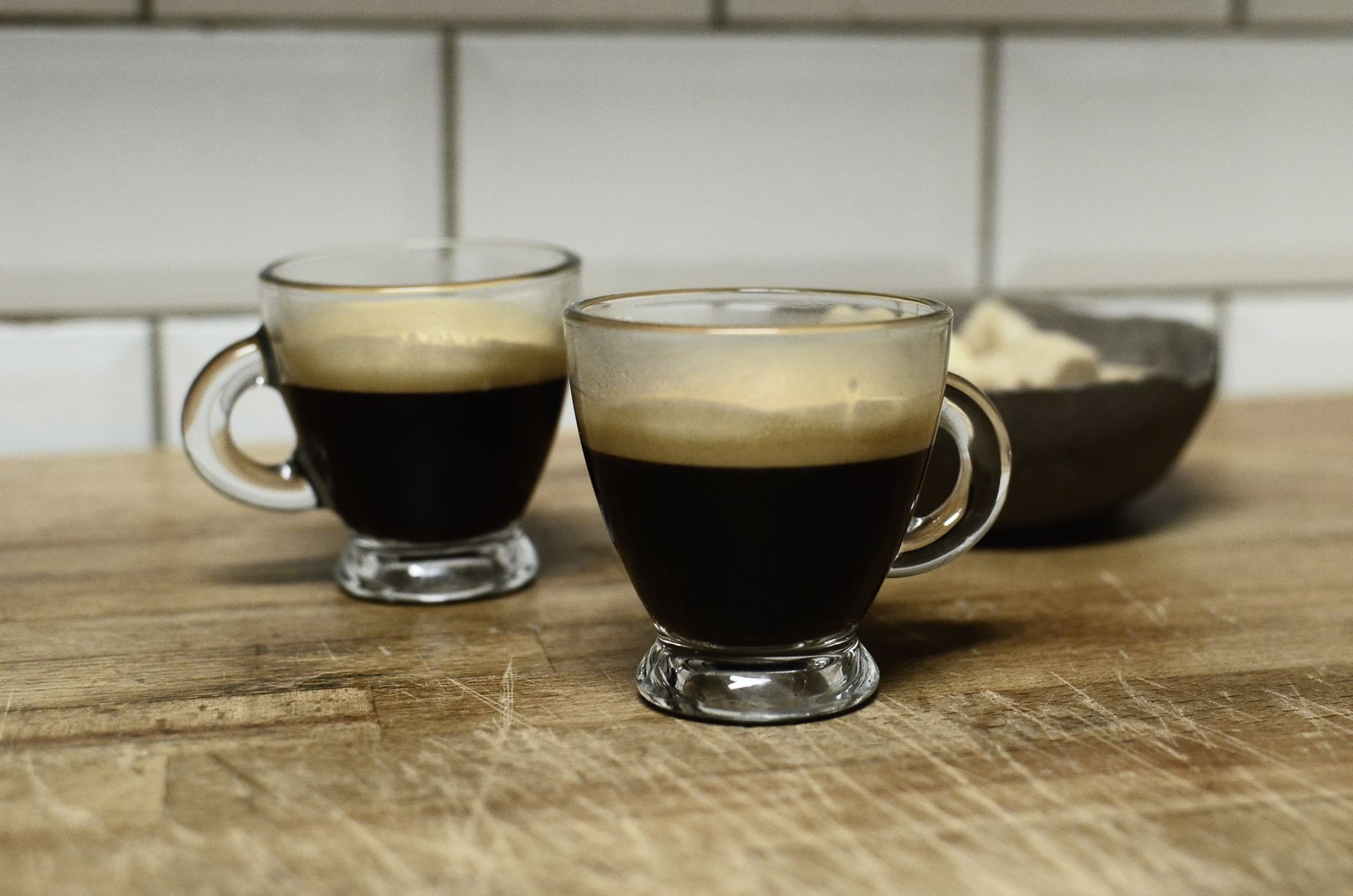
You need strong, concentrated coffee and frothed milk. That’s it. The “machine” question is just about which tool makes the concentrated coffee — and you have at least three solid options that cost under $50.
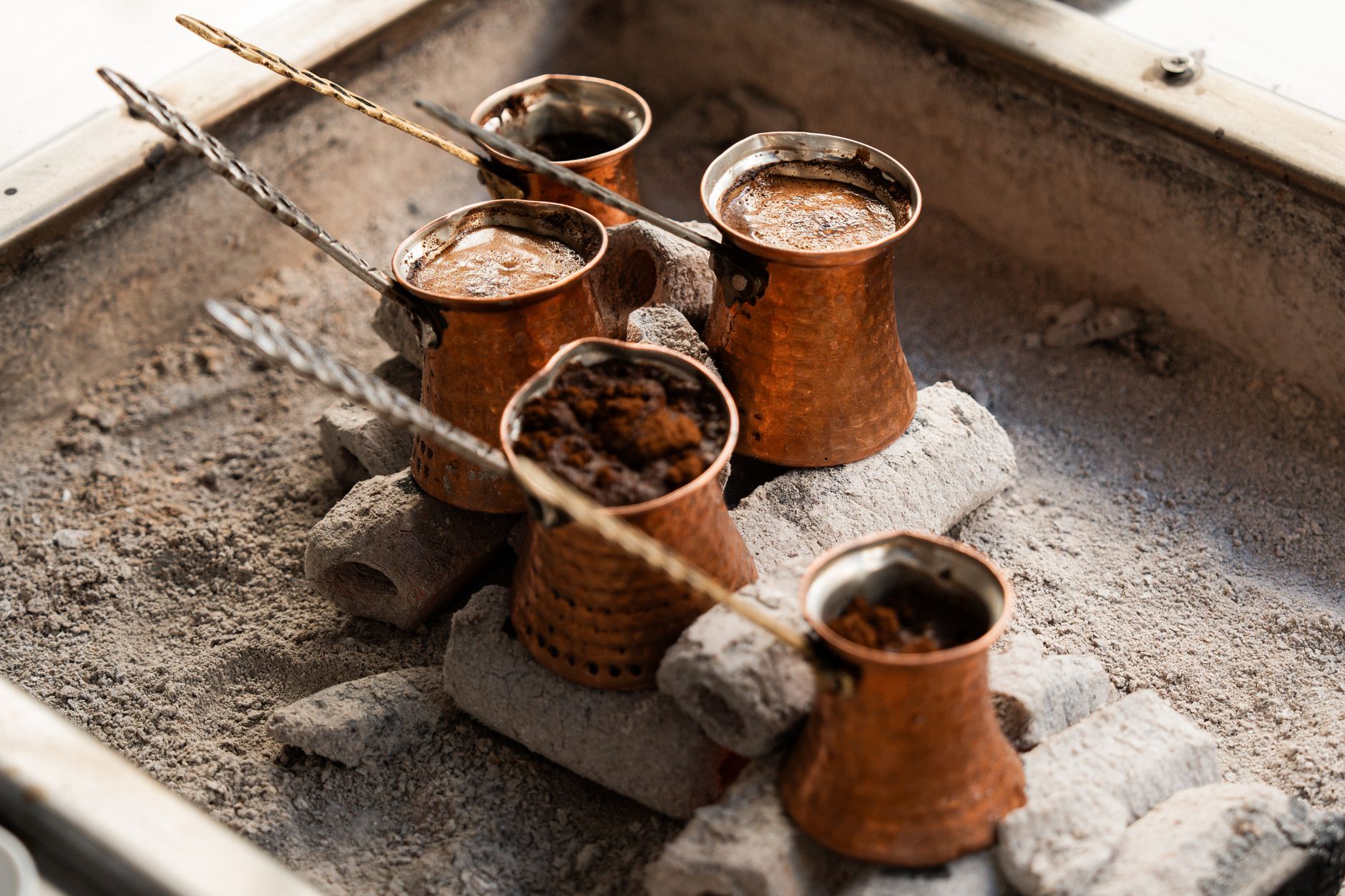 Photo: Ahmed via Pexels
The latte ratio is roughly 1 part strong coffee to 3–4 parts steamed milk. A standard café latte uses a 1–2 oz espresso shot topped with 6–8 oz of milk. Replicate that ratio and you’ve replicated the drink.
Your Coffee Options
Moka Pot — The closest thing to espresso pressure you’ll get without a machine. Brews 2–4 oz of concentrated, bold coffee in under 5 minutes on a stovetop. A 3-cup Bialetti Moka Express is the standard recommendation and runs about $35.
AeroPress — Highly versatile. Use the inverted method with a fine grind and short steep (under 1 minute) to produce a concentrated shot-like brew. The AeroPress Go is compact and easy to clean.
Strong Drip or French Press — Works in a pinch but produces a thinner, less coffee-forward base. Use double the grounds and cut the water by half. The latte will be milder, not weaker in a bad way — just adjust your milk ratio.
How to Froth Milk Without a Steam Wand
The jar method, a handheld frother, or a French press will all produce usable foam. A handheld frother is the fastest and cheapest option — $10 at most kitchen stores — and makes foam that’s genuinely close to café quality.
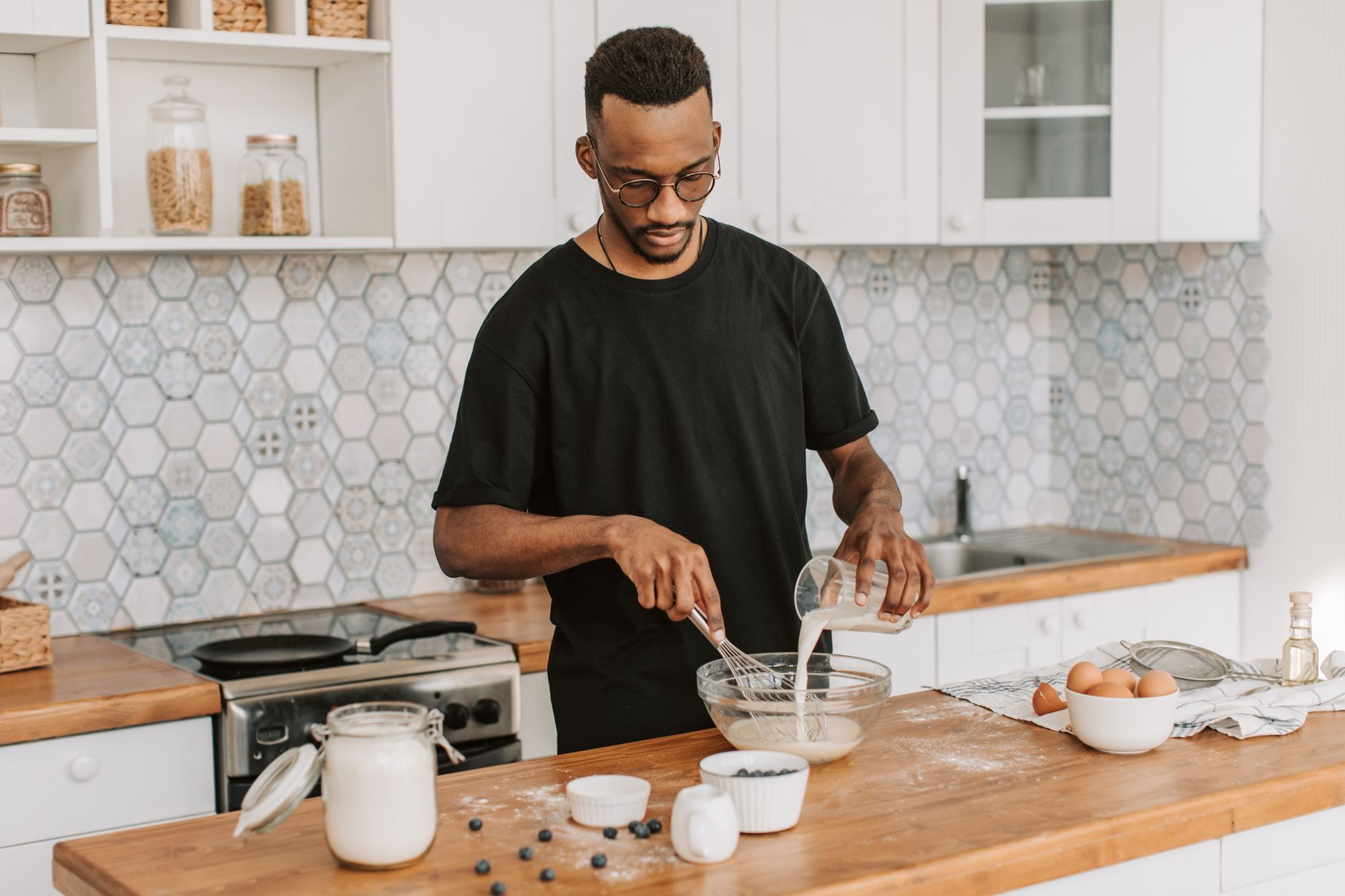 Photo: Vlada Karpovich via Pexels
Handheld Frother (Recommended)
- Heat milk in a small saucepan or microwave to 140–150°F (60–65°C) — hot but not scalding, no steam rising
- Pour into a tall mug or pitcher (milk expands 2–3x)
- Submerge the frother coil just below the surface, run for 20–30 seconds
- Tilt the container slightly and move the frother up and down to incorporate air
Whole milk froths best. Oat milk (barista edition) is the best non-dairy option — standard oat milk splits.
Jar Method (Zero Equipment)
- Fill a jar one-third full with warm milk
- Seal the lid tightly
- Shake vigorously for 30–60 seconds
- Microwave uncovered for 20–30 seconds to stabilize the foam
The foam from the jar method is coarser and collapses faster — fine for home use, less impressive on top.
French Press Method
Pour warm milk into the French press, submerge the plunger, and pump rapidly 20–30 times. This produces smooth, velvety microfoam that rivals a steam wand.
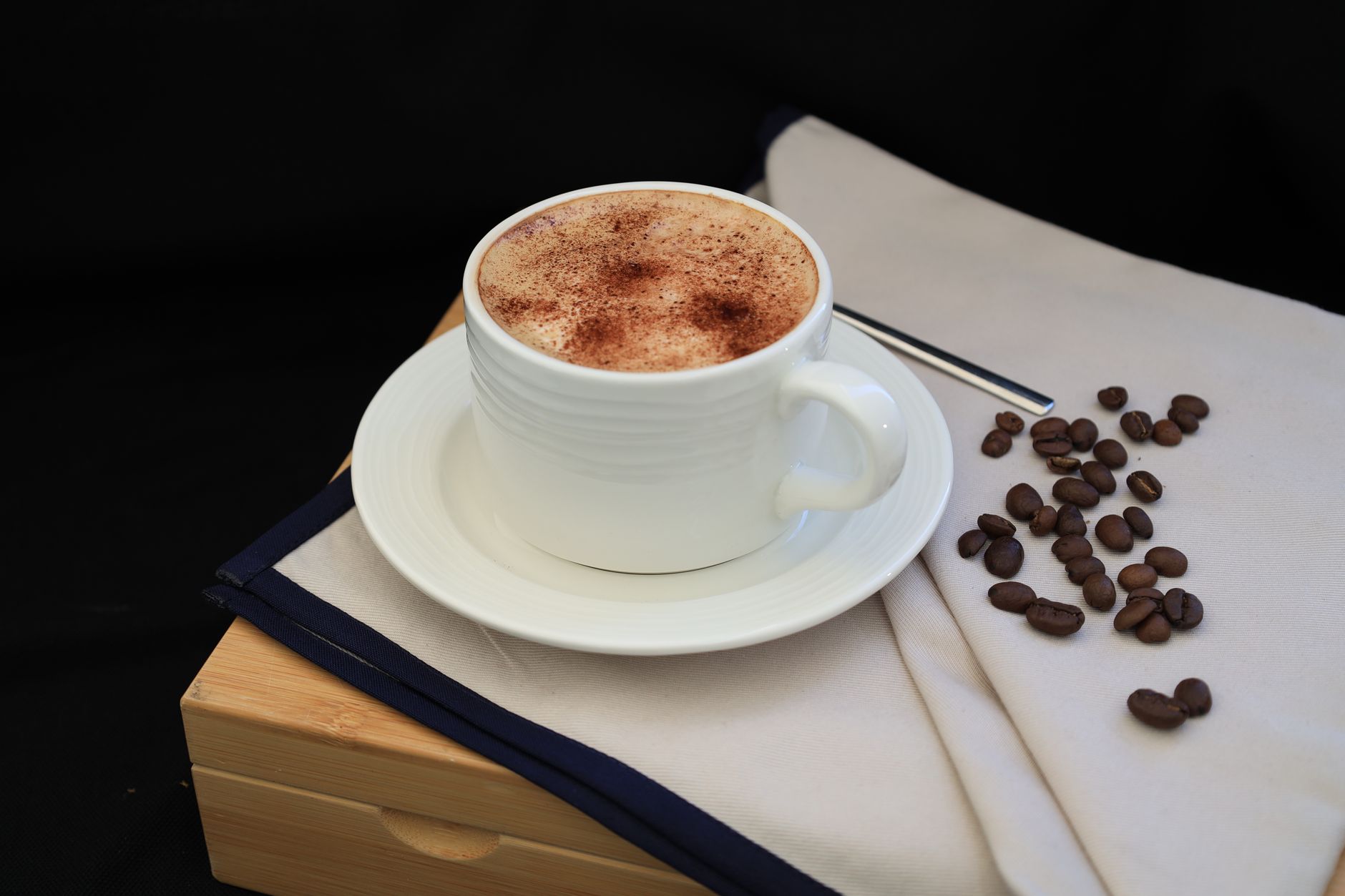 Photo: Shameel mukkath via Pexels
Step-by-Step: The Full Process
Make the coffee first, froth while it brews or immediately after. The whole process takes under 10 minutes.
Ingredients (1 latte)
| Ingredient | Amount | Notes |
|---|---|---|
| Ground coffee | 2–3 tbsp | Medium-fine for Moka; fine-medium for AeroPress |
| Water (for coffee) | 3–4 oz | Cold, filtered if possible |
| Milk | 6–8 oz | Whole or barista oat |
Steps
-
Brew your coffee base. Moka pot: fill the bottom chamber below the valve, pack grounds firmly in the basket, assemble, place on medium heat. AeroPress: add grounds, pour 3 oz of 175–185°F water, steep 45 seconds, press slowly.
-
Froth your milk. While the Moka pot is on the stove, heat and froth your milk using whichever method you chose. Aim to finish frothing within 30 seconds of your coffee being ready — foam degrades quickly.
-
Pour. Add your coffee to a prewarmed mug. Pour the frothed milk from a height of 3–4 inches, holding back the foam with a spoon, then spoon the foam on top.
-
Taste and adjust. Too bitter? Use slightly coarser grounds next time or reduce brew time. Too weak? Use more coffee, not less water.
 Photo: Andrea Piacquadio via Pexels
Milk Temperature and Why It Matters
Milk proteins denature properly between 140–155°F (60–68°C). Above 165°F, the lactose starts to scorch and the sweetness disappears — the milk tastes flat. Below 130°F, the foam is unstable and the drink goes cold fast.
Use a cheap instant-read thermometer the first few times until you develop an eye for it. The visual tell: small wisps of steam, milk feels hot but not painful to touch through the mug.
Flavored Lattes
Vanilla, caramel, hazelnut — add 1–2 tsp of simple syrup directly to the mug before pouring the coffee. Ratio: 1:1 sugar to water, simmered 1 minute, cooled. Flavored syrups like Monin work well and keep for months.
Avoid adding syrup to the milk — it interferes with frothing.
→ See Also
- Espresso Drinks: The Complete Guide to Every Type
- What Is a Cortado? (And How It Differs From a Macchiato)
- Cortado vs Flat White vs Macchiato: Full Comparison
FAQ
Can I make a latte with regular drip coffee? Yes, but use a strong brew — double the grounds, halve the water. The result is less concentrated than a Moka pot shot, so use less milk (4–5 oz instead of 6–8 oz) to keep the coffee flavor from disappearing.
What’s the best milk for a homemade latte? Whole milk produces the richest foam and the most balanced flavor. Among non-dairy options, barista-edition oat milk (Oatly Barista, Califia Barista) is specifically formulated to froth and won’t split when it hits hot coffee.
Why does my foam collapse immediately? Milk was either too hot (over 160°F), not frothed long enough, or the container wasn’t prewarmed. Cold foam drops fast — warm your mug with hot water before pouring.
Can I make a latte without any frothing tools? Yes. The jar shake method requires nothing but a mason jar. The foam is coarser than a frother produces, but it works and adds the textural contrast that separates a latte from a flat cup of coffee with milk.
Is a Moka pot the same as espresso? Not technically — Moka pots brew at 1–2 bar of pressure versus 9 bar for espresso machines. The result is strong and concentrated but lacks the thick crema of true espresso. For a home latte, the difference is minor; for latte art or a precise espresso recipe, it matters.
How do I make a cold latte at home? Brew your coffee strong and let it cool, or brew directly over ice (reduce water by 25% to compensate for dilution). Shake frothed milk with ice instead of heating it. Pour cold coffee over ice, add the milk.
Editorial methodology: Assessments are based on manufacturer specifications, published user reviews, and editorial research. Physical hands-on testing is noted explicitly where it occurred. Rankings reflect our editorial judgment and are not influenced by affiliate commission rates. Full editorial policy · Affiliate disclosure