Contents
Iced Espresso at Home: The No-Fuss Method That Actually Works
TL;DR: To make iced espresso at home, pull a double shot (or two) directly over ice, or use the flash-brew method for less dilution. Use a slightly finer grind, dose up 1–2g, and drink immediately. The whole process takes under five minutes with any espresso machine or Moka pot.
What You Actually Need to Make Iced Espresso
Direct Answer: You need an espresso machine (or Moka pot), fresh beans, ice, and a glass. That’s it. No cold brew, no overnight steeping, no special equipment beyond what makes hot espresso.
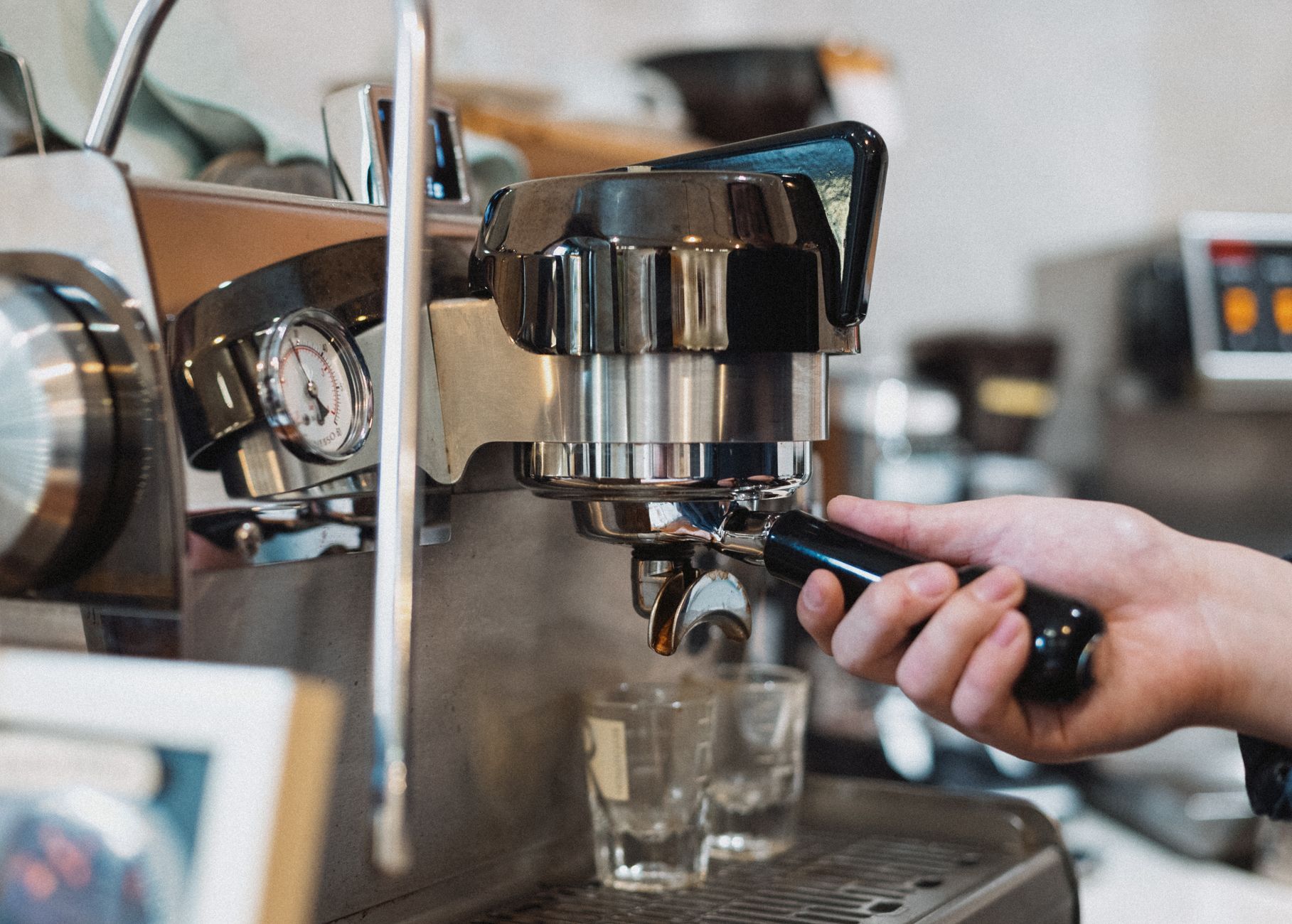 Photo: Gu Ko via Pexels
Any machine that produces real espresso — 9 bars of pressure — works here. AeroPress can get close with the right technique, but it won’t give you the same crema or intensity.
Equipment checklist:
- Espresso machine or Moka pot
- Burr grinder (blade grinders produce inconsistent extraction)
- Digital scale (optional but useful)
- Glass with ice
If you’re pulling shots on a Breville Barista Express
How to Make Iced Espresso: Step by Step
Direct Answer: Pull a double shot (18–20g in, 36–40g out) over a glass already packed with ice. Drink within two minutes or it over-dilutes. Adjust your grind slightly finer to compensate for the cooling effect on extraction.
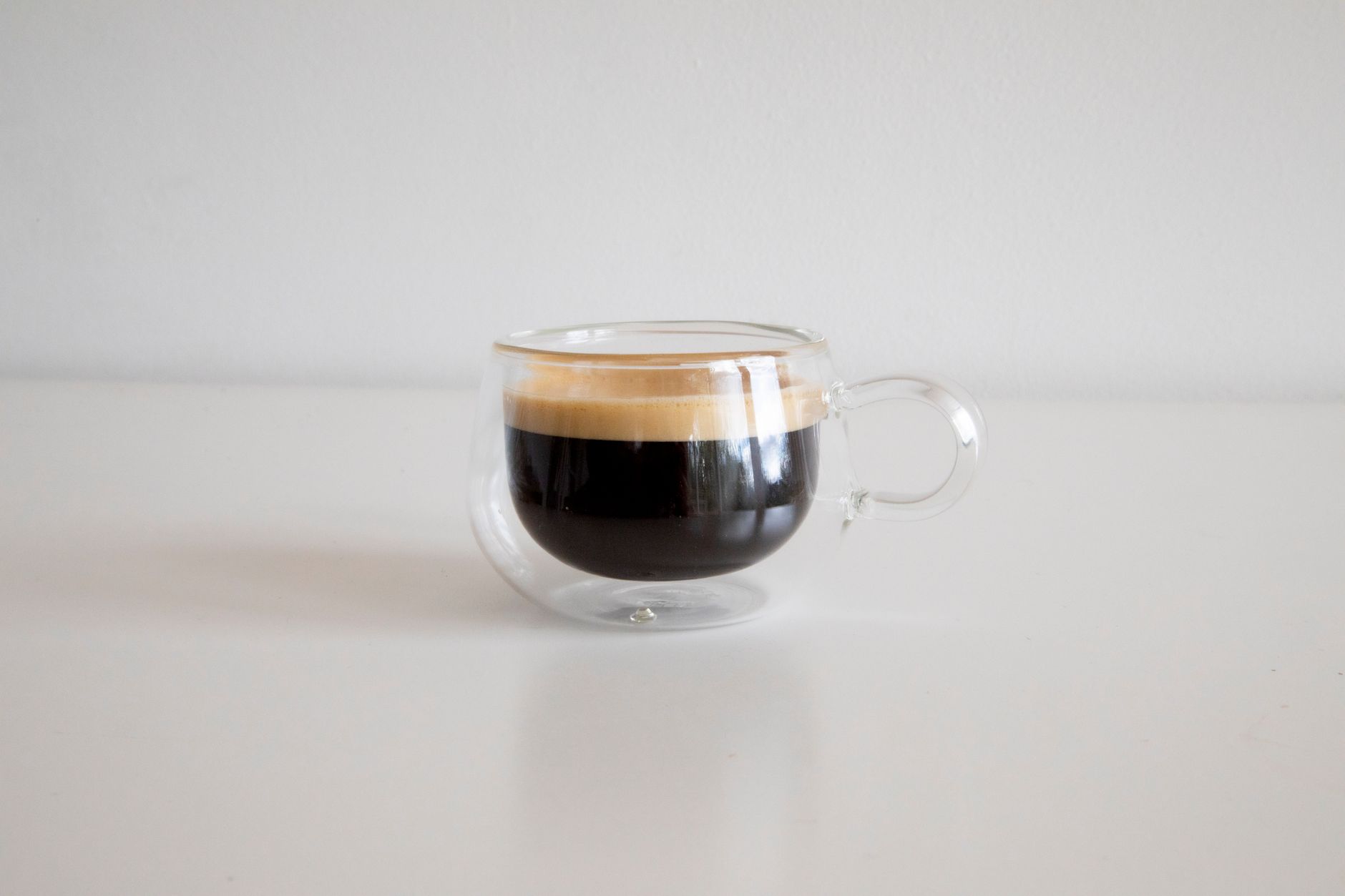 Photo: Jean-Paul Wright via Pexels
Grind and Dose Adjustments for Iced Espresso
Hot espresso pulled for an iced drink needs a small tweak — ice cools the liquid instantly, which can make the shot taste flat or sour if you don’t compensate.
What to change:
- Grind 1–2 clicks finer than your normal hot espresso setting
- Increase dose by 1–2g (e.g., 18g → 19–20g)
- Keep your target yield the same (1:2 ratio)
The finer grind slows the shot slightly and extracts more soluble compounds, which survive dilution better once the ice hits.
The Flash-Brew Method (Less Dilution)
If you want full espresso intensity without ice melt ruining it, use flash-brew:
- Fill your glass with ice cubes — large ones melt slower
- Pull your shot directly into the ice-filled glass
- Give it one quick stir and drink immediately
The ice chills the espresso in seconds. Some dilution is unavoidable and actually desirable — it opens up the flavor. The problem only starts when you let it sit.
Making Iced Espresso Without a Machine
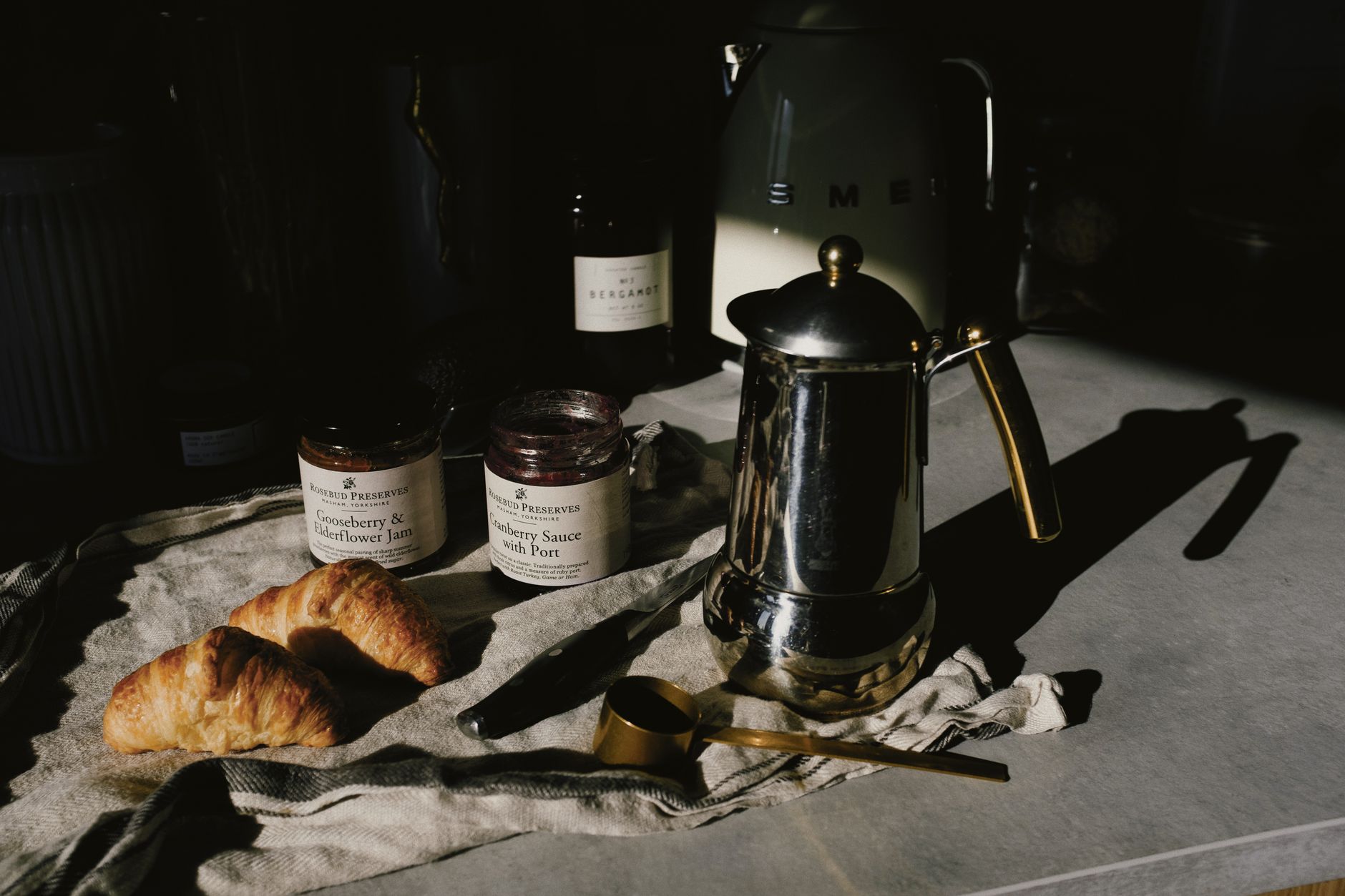 Photo: ready made via Pexels
A Moka pot produces strong, espresso-style coffee — not true espresso, but concentrated enough to hold up over ice.
Moka pot method:
- Use the finest grind your Moka pot tolerates without choking
- Fill the basket to the top without tamping
- Brew on medium-low heat, stop before the gurgling stage
- Pour directly over ice
The result is slightly less intense than machine espresso but works well for iced drinks and costs a fraction of the price.
Iced Espresso vs. Cold Brew: Key Differences
| Iced Espresso | Cold Brew | |
|---|---|---|
| Brew time | 25–30 seconds | 12–24 hours |
| Flavor | Bright, acidic, complex | Smooth, low-acid, muted |
| Caffeine | ~60–80mg per shot | ~100–150mg per 8oz |
| Equipment | Espresso machine | Mason jar or cold brew maker |
| Best for | Quick, intense drinks | Batch prep, mellower flavor |
Neither is better — they’re different drinks. Iced espresso is sharper and more expressive of the bean’s origin character. Cold brew smooths all of that out.
Common Mistakes (and How to Fix Them)
Watery, flat shot: Ice melted before you drank it. Use more ice, larger cubes, or pre-chill your glass in the freezer for 5 minutes.
Sour or under-extracted: Grind finer. Cold suppresses sweetness perception, so shots that taste fine hot can taste sour over ice.
Bitter or over-extracted: You over-compensated — back off the grind one click.
No crema: Crema disappears fast when it hits cold liquid. This is normal and doesn’t affect flavor.
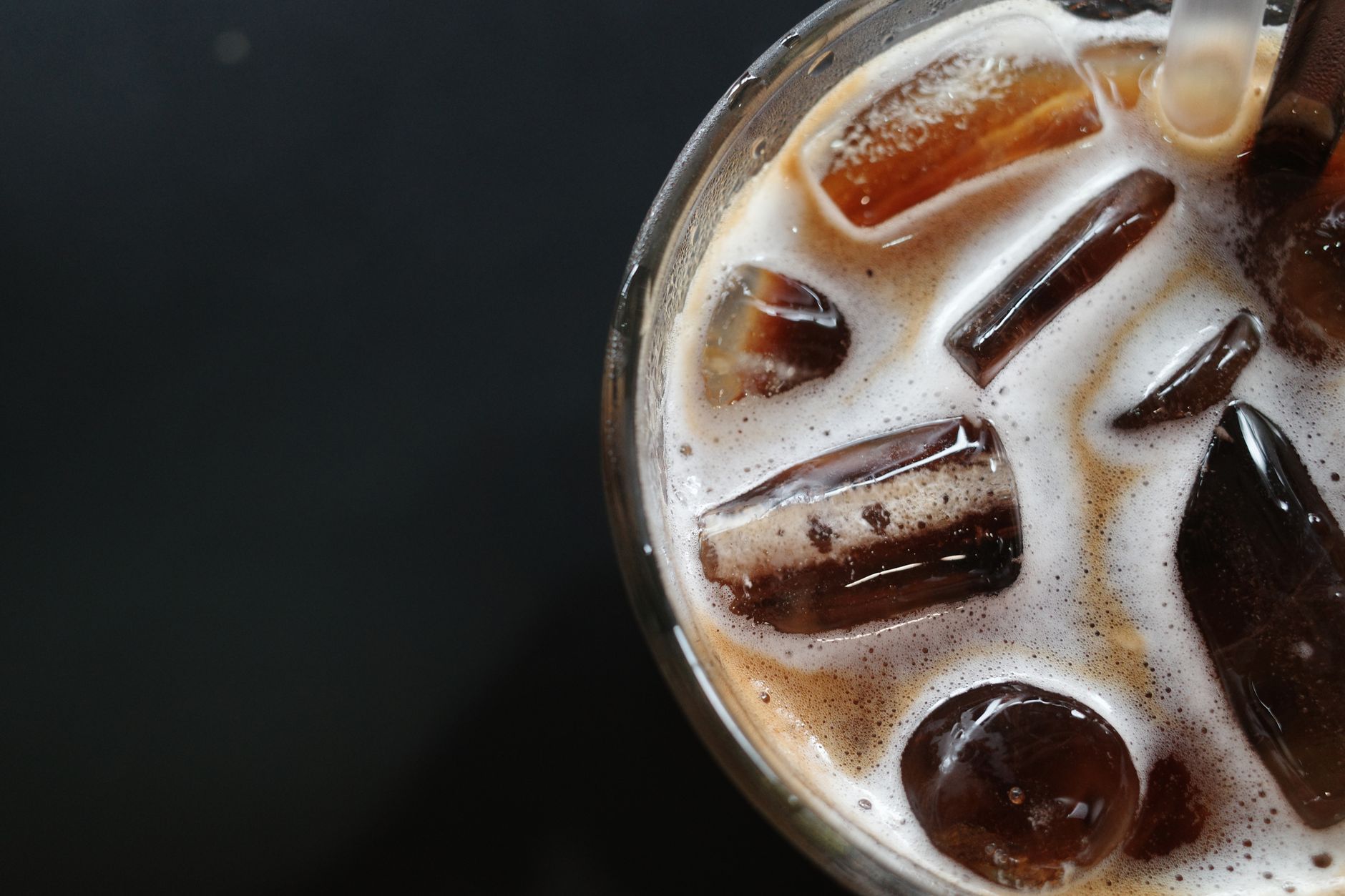 Photo: Bao Le-Dinh via Pexels
Building Iced Espresso Drinks
Once you have the base shot down, iced espresso is the starting point for several drinks:
Iced Americano: Add 3–4oz cold water after pulling the shot over ice. Lighter than iced espresso, good for longer sipping.
Iced Latte: Add 4–6oz cold milk (whole or oat) over the ice and shot. Stir gently.
Iced Cortado: Equal parts espresso and cold milk over ice. Creamier than a latte, more coffee-forward.
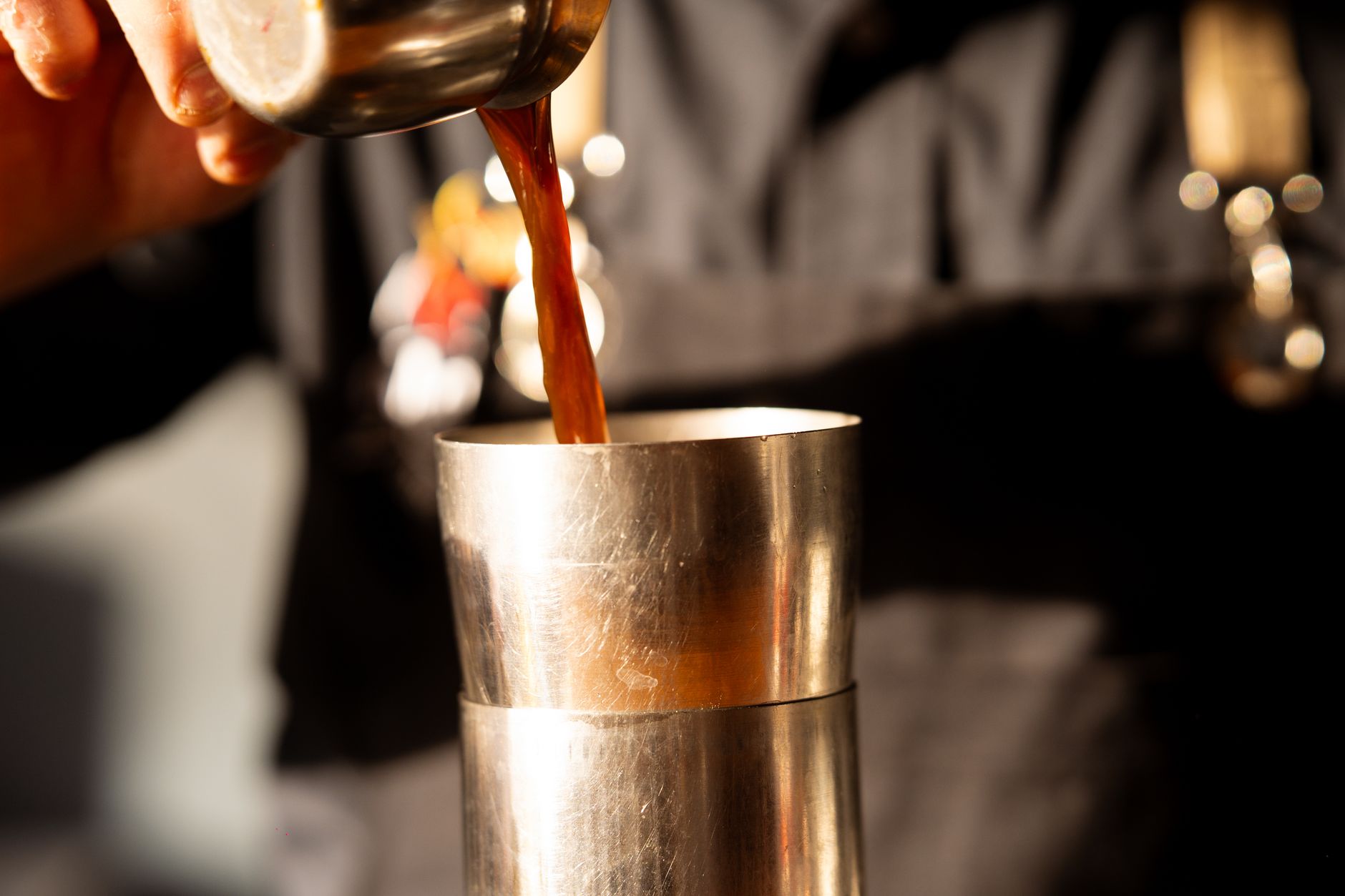
Shaken Espresso (Oleato-style): Pull the shot, add to a cocktail shaker with ice, shake 10 seconds, strain over fresh ice. Creates a foamy, slightly aerated texture.
→ See also:
- Espresso Drinks: The Complete Guide to Every Type
- What Is a Cortado? (And How It Differs From a Macchiato)
- Cortado vs Flat White vs Macchiato: Full Comparison
FAQ
Can I make iced espresso without an espresso machine? Yes — a Moka pot is the closest substitute and produces coffee concentrated enough to hold up over ice. An AeroPress with a fine grind and low water ratio also works, though the flavor profile differs from pressure-extracted espresso.
Why does my iced espresso taste bitter? Cold amplifies bitterness and suppresses sweetness, so over-extracted shots are more noticeable over ice. Coarsen your grind one step and check your brew ratio — 1:2 (18g in, 36g out) is the standard starting point.
How many shots should I use for iced espresso? Two shots (a double) is standard for how to make iced espresso as a standalone drink. One shot gets overwhelmed by ice and dilution; three is excessive unless you’re making a large iced latte.
Does iced espresso have more caffeine than cold brew? Per ounce, espresso has significantly more caffeine. But a typical cold brew serving (8–12oz) usually contains more total caffeine than a double shot. It depends entirely on serving size.
Can I make iced espresso ahead of time? Not really. Espresso degrades fast — it starts losing flavor within minutes of pulling. Brew it, pour it over ice, and drink it. If you need to batch ahead, cold brew is the better tool for that job.
What’s the difference between iced espresso and an iced Americano? Iced espresso is just espresso poured over ice. An iced Americano adds cold water after the shot, diluting it to roughly drip coffee strength. The Americano is longer, lighter, and less intense.
Editorial methodology: Assessments are based on manufacturer specifications, published user reviews, and editorial research. Physical hands-on testing is noted explicitly where it occurred. Rankings reflect our editorial judgment and are not influenced by affiliate commission rates. Full editorial policy · Affiliate disclosure