Contents
How to Make Affogato (Classic Recipe + Variations)
TL;DR: An affogato is a shot of hot espresso poured over a scoop of vanilla gelato or ice cream. It takes under 5 minutes, requires no special technique, and the contrast between bitter espresso and cold, creamy gelato is the whole point. Master the ratio and the rest is variations.
What Is an Affogato?
Direct Answer: Affogato al caffè is an Italian dessert-drink: one or two shots of freshly pulled espresso poured directly over a single scoop of vanilla gelato. The espresso partially melts the gelato, creating a bittersweet, creamy pool you eat and drink at the same time.
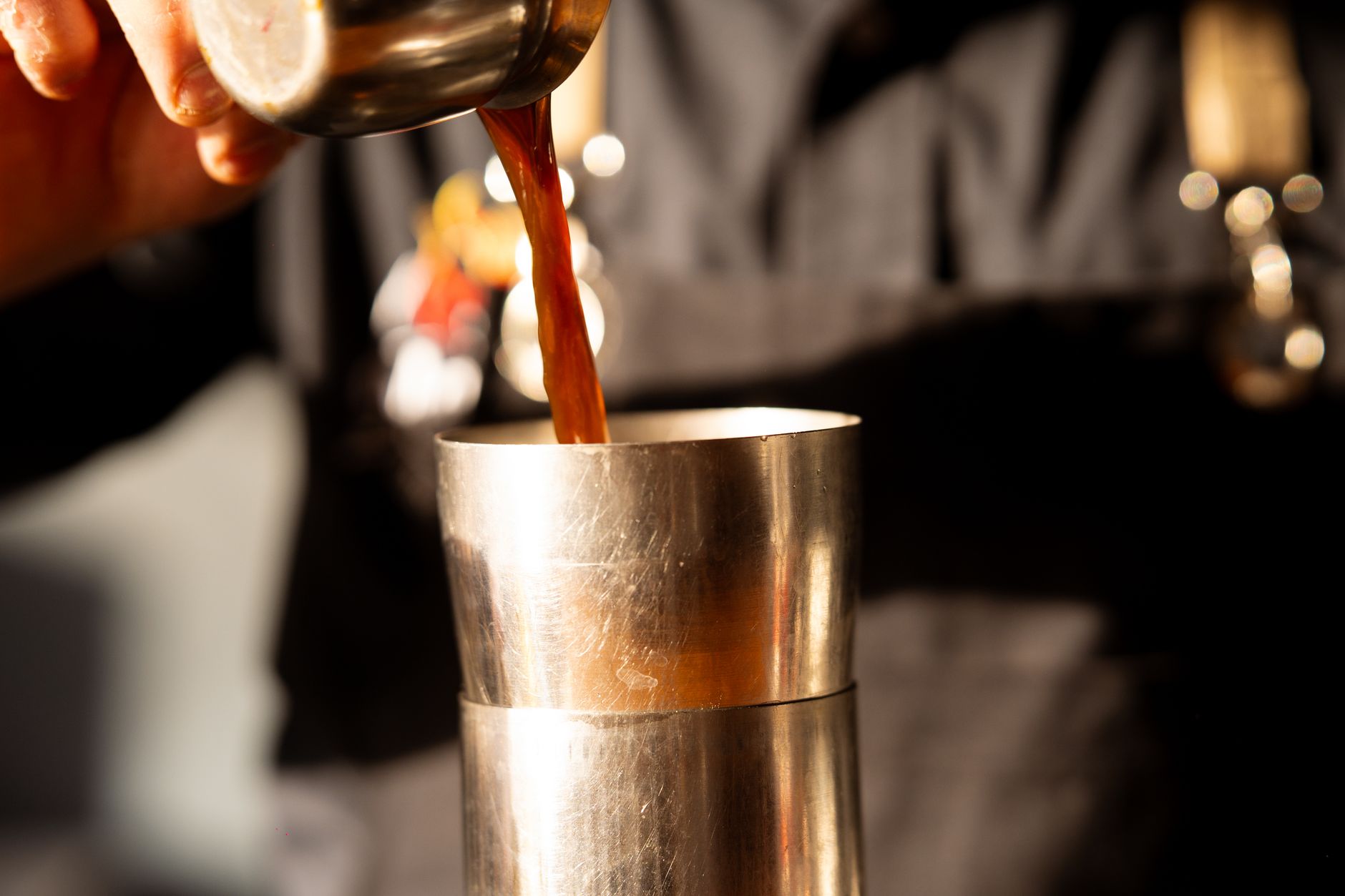
 Photo: Gera Cejas via Pexels
“Affogato” means “drowned” in Italian — the gelato is drowned in espresso. It’s one of the few items that legitimately qualifies as both a dessert and a coffee drink, which is why it appears on both menus in Italian bars.
The ratio that works: 1 double espresso (60 ml) to 1 generous scoop of gelato (roughly 100–120 g). Too little espresso and you just have cold gelato with a coffee smell. Too much and the gelato vanishes before you lift a spoon.
How to Make Affogato: Step-by-Step
Direct Answer: Pull a fresh double espresso. Place one cold scoop of vanilla gelato in a chilled glass or cup. Pour the espresso over immediately, serve at once. That is the complete recipe — speed matters more than technique here.
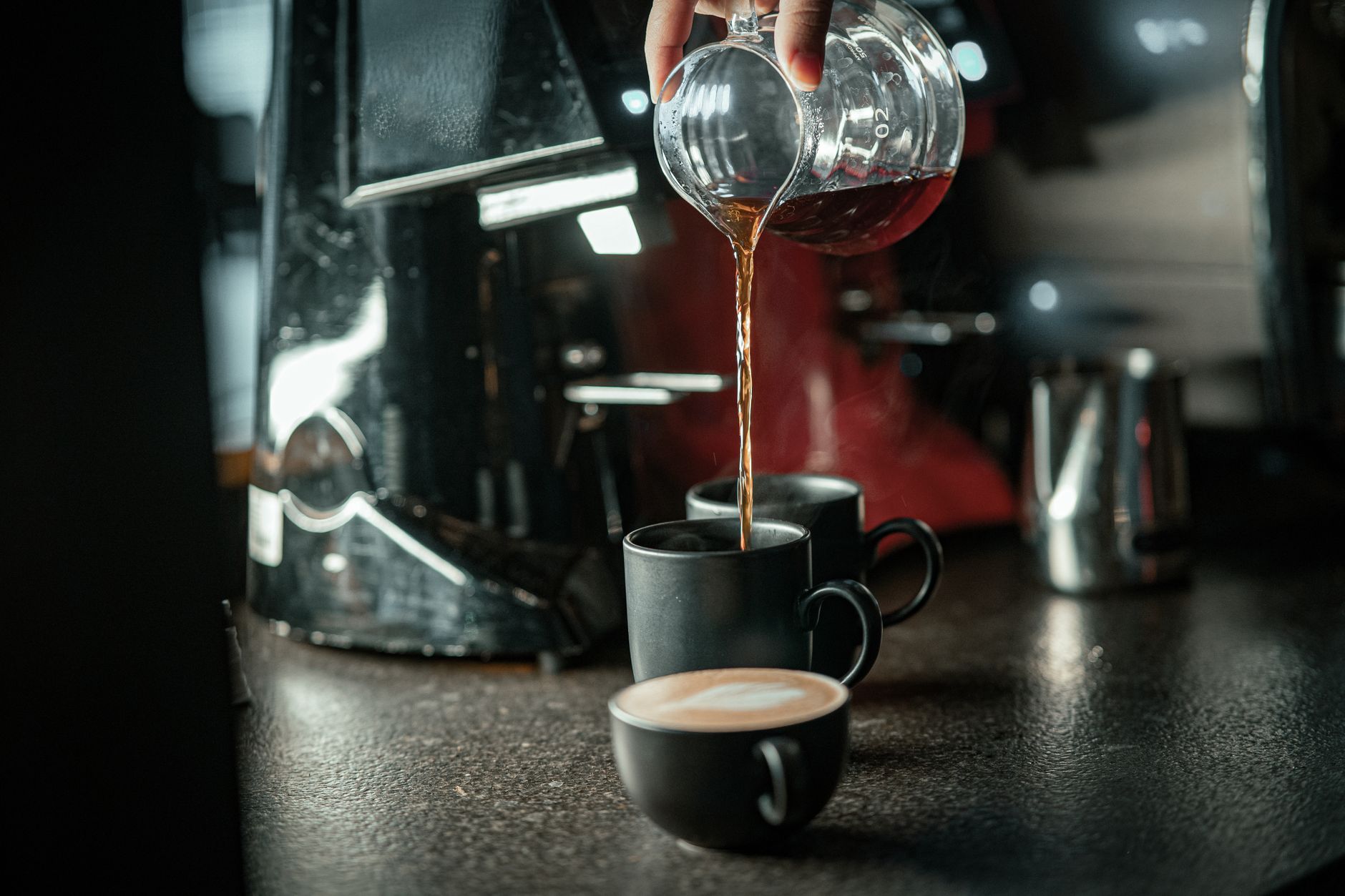 Photo: Ubeydulah Beşir KÖROĞLU via Pexels
Equipment
- Espresso machine (or a stovetop moka pot as a fallback)
- Small glass, ceramic cup, or rocks glass — something narrow enough that the espresso pools around the scoop rather than spreading flat
- A cold scoop of gelato, not pre-scooped and sitting out
If you don’t have an espresso machine, a moka pot produces a concentrated brew close enough to work. Drip coffee is too thin and too much volume — it waterlogs the dessert rather than glazing it.
Ingredients (serves 1)
| Ingredient | Amount | Notes |
|---|---|---|
| Espresso | 1 double shot (≈60 ml) | Pulled fresh, not sitting |
| Vanilla gelato | 1 scoop (≈100 g) | Gelato preferred over ice cream |
| Liqueur (optional) | 15–30 ml | Amaretto, Frangelico, or grappa |
Method
- Chill your serving glass in the freezer for 5 minutes. This slows the melt slightly — you want controlled, not instant.
- Scoop the gelato directly into the glass. Don’t pre-scoop; gelato sitting at room temperature loses its texture.
- Pull your double espresso immediately before pouring. Espresso oxidizes fast — stale espresso makes a stale affogato.
- Pour the espresso over the gelato in one motion. Serve immediately with a long spoon.
The window between perfect and soupy is about 90 seconds. Serve it, then eat it.
Gelato vs Ice Cream: Does It Matter?
Direct Answer: Yes. Gelato is denser, lower in fat, and melts slower than American-style ice cream. It holds its shape longer against hot espresso, giving you more time to eat it before it collapses into soup. Ice cream works — it’s just faster.
 Photo: DS stories via Pexels
The lower air content (overrun) in gelato is what makes the difference. A high-overrun ice cream turns to liquid almost on contact with espresso. If using supermarket ice cream, keep it well-frozen and serve fast.
Flavor: Vanilla (fior di latte) is the classic, but hazelnut (nocciola) gelato with espresso is arguably better — the nuttiness amplifies the coffee without fighting it.
Affogato Variations
Direct Answer: The classic is vanilla gelato plus espresso, full stop. Variations add a liqueur, swap the gelato flavor, or substitute cold brew concentrate in summer. Every variation keeps the same ratio and the same serve-immediately rule.
| Variation | Change | Notes |
|---|---|---|
| Classic | Vanilla gelato + double espresso | The benchmark |
| Spiked | Add 20 ml amaretto before espresso | Amaretto amplifies almond notes |
| Hazelnut | Nocciola gelato + espresso | Richer, nuttier profile |
| Summer | Vanilla gelato + cold brew concentrate | Less heat shock, slower melt |
| Chocolate | Chocolate gelato + espresso + pinch sea salt | Salt cuts bitterness |
| Mocha | Vanilla gelato + espresso + 10 ml dark chocolate sauce | Dessert-forward |
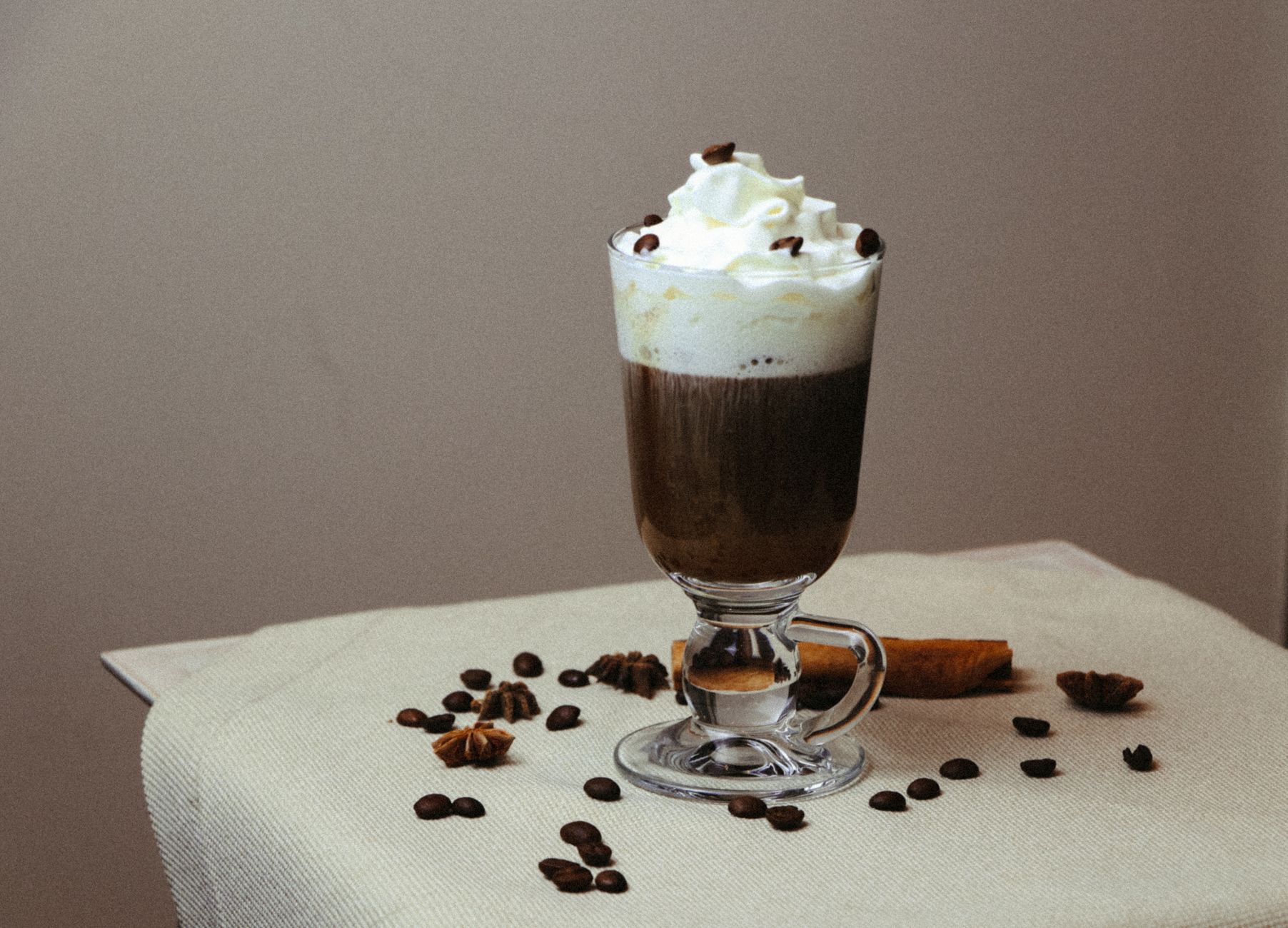 Photo: Rahib Yaqubov via Pexels
For the spiked version: pour the liqueur over the gelato first, then the espresso on top. The espresso carries the alcohol aroma up with the crema.
Common Mistakes
- Waiting to pour: Espresso sitting for 30+ seconds loses crema and gains bitterness. Pull and pour.
- Warm glass: A room-temperature glass accelerates melt. Chill it.
- Too much espresso: More than 90 ml on one scoop and you have espresso soup with a gelato memory.
- Pre-scooped gelato: Soft gelato melts in seconds. Scoop from frozen, directly into the glass.
→ See also:
- Espresso Drinks: The Complete Guide to Every Type
- What Is a Cortado? (And How It Differs From a Macchiato)
- Cortado vs Flat White vs Macchiato: Full Comparison
FAQ
Can I make affogato without an espresso machine? Yes. A stovetop moka pot produces coffee concentrated enough to work. AeroPress with a fine grind and minimal water (60 ml output) also comes close. Drip or pour-over are too dilute — they flood the gelato instead of glazing it.
What’s the best gelato flavor for affogato? Vanilla (fior di latte) is traditional and safe. Hazelnut (nocciola) is the upgrade — it pairs with espresso the way peanut butter pairs with chocolate. Pistachio works well. Avoid fruit sorbets; the acid clashes with the coffee.
Can you make affogato ahead of time? No. It’s a 90-second dessert by design. Any prep beyond having your espresso machine ready and your gelato in the freezer defeats the point — you’d just have cold coffee and melted ice cream.
Is affogato a drink or a dessert? Both, which is why Italian bars categorize it their own way. Eat it with a spoon until the gelato is half gone, then drink the rest. There’s no wrong order.
How much caffeine is in an affogato? A standard double espresso contains roughly 120–140 mg of caffeine. The gelato adds none. If caffeine is a concern, a single shot (60–70 mg) still produces a proper affogato — just reduce the gelato scoop proportionally.
Editorial methodology: Assessments are based on manufacturer specifications, published user reviews, and editorial research. Physical hands-on testing is noted explicitly where it occurred. Rankings reflect our editorial judgment and are not influenced by affiliate commission rates. Full editorial policy · Affiliate disclosure