Contents
How Much Caffeine Is in a Cup of Coffee? (All Brew Methods)
TL;DR: A standard 8 oz drip coffee contains 80–120 mg of caffeine. How much caffeine in coffee depends heavily on brew method, bean variety, and grind size — espresso has more per ounce but less per serving than drip. Robusta beans nearly double the caffeine of Arabica.
How Much Caffeine Is in Coffee, by Brew Method
The range is wide: 40 mg to over 300 mg per serving, depending on how you brew. Drip coffee averages 95 mg per 8 oz cup. Cold brew concentrate sits at 150–200 mg. Espresso delivers 60–75 mg per 1 oz shot — high per-ounce, but modest per serving unless you’re pulling doubles.
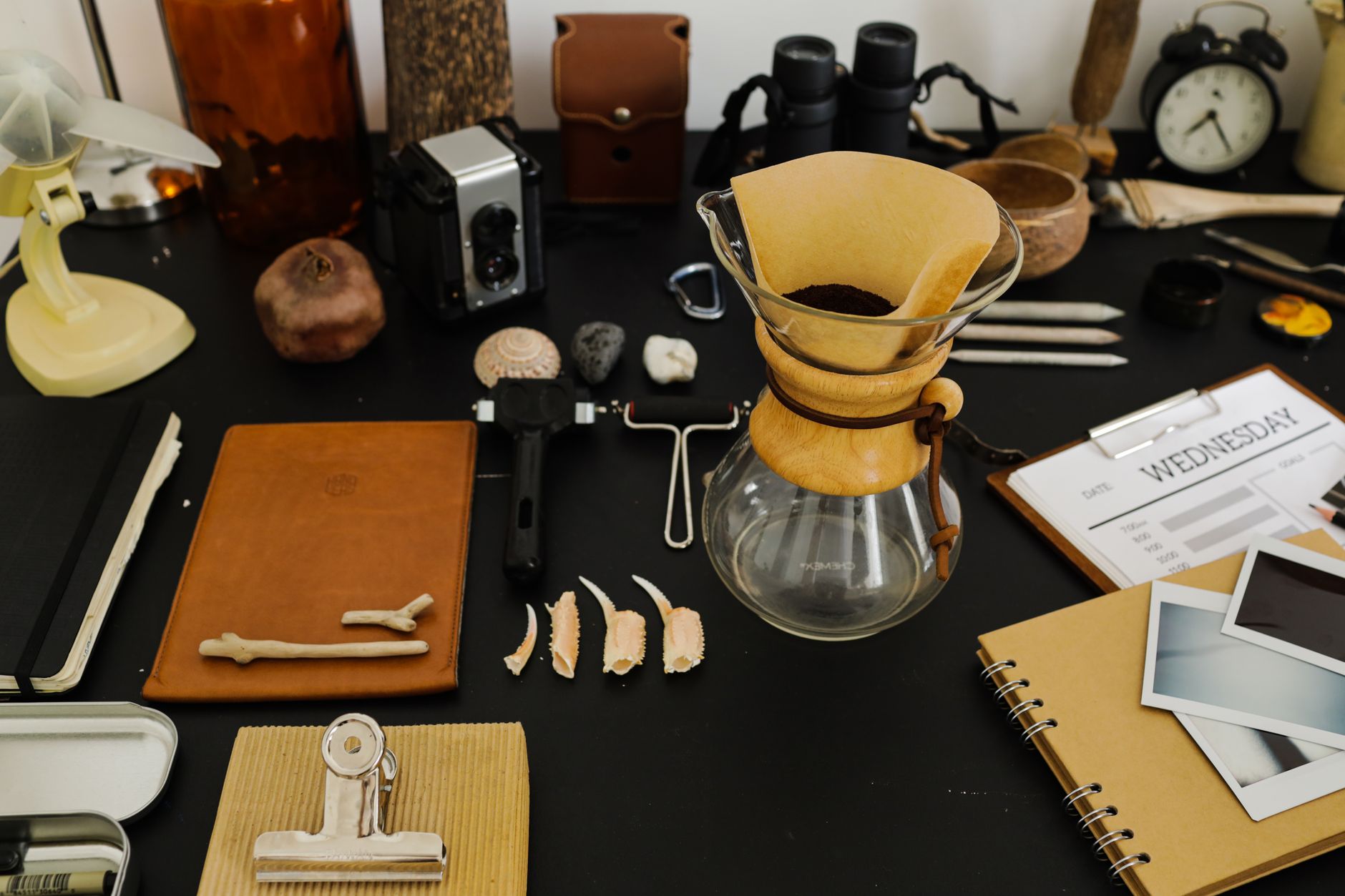 Photo: Ron Lach via Pexels
| Brew Method | Serving Size | Caffeine (mg) |
|---|---|---|
| Drip / Filter | 8 oz | 80–120 mg |
| Pour Over (V60, Chemex) | 8 oz | 80–110 mg |
| French Press | 8 oz | 80–100 mg |
| Cold Brew Concentrate | 2 oz | 100–200 mg |
| Cold Brew (ready-to-drink) | 8 oz | 100–165 mg |
| Espresso (single shot) | 1 oz | 60–75 mg |
| Espresso (double shot) | 2 oz | 120–150 mg |
| AeroPress | 8 oz | 50–100 mg |
| Moka Pot | 2 oz | 60–130 mg |
| Instant Coffee | 8 oz | 30–90 mg |
| Decaf | 8 oz | 2–15 mg |
Sources: FDA, USDA FoodData Central, NIH caffeine studies.
Espresso vs. Drip: The Per-Ounce Trap
Espresso has roughly 60–75 mg per ounce — about 6× more concentrated than drip coffee at 10–15 mg/oz. But a single espresso is only 1 oz. An 8 oz drip coffee still delivers more total caffeine per sitting. The confusion comes from conflating concentration with dose.
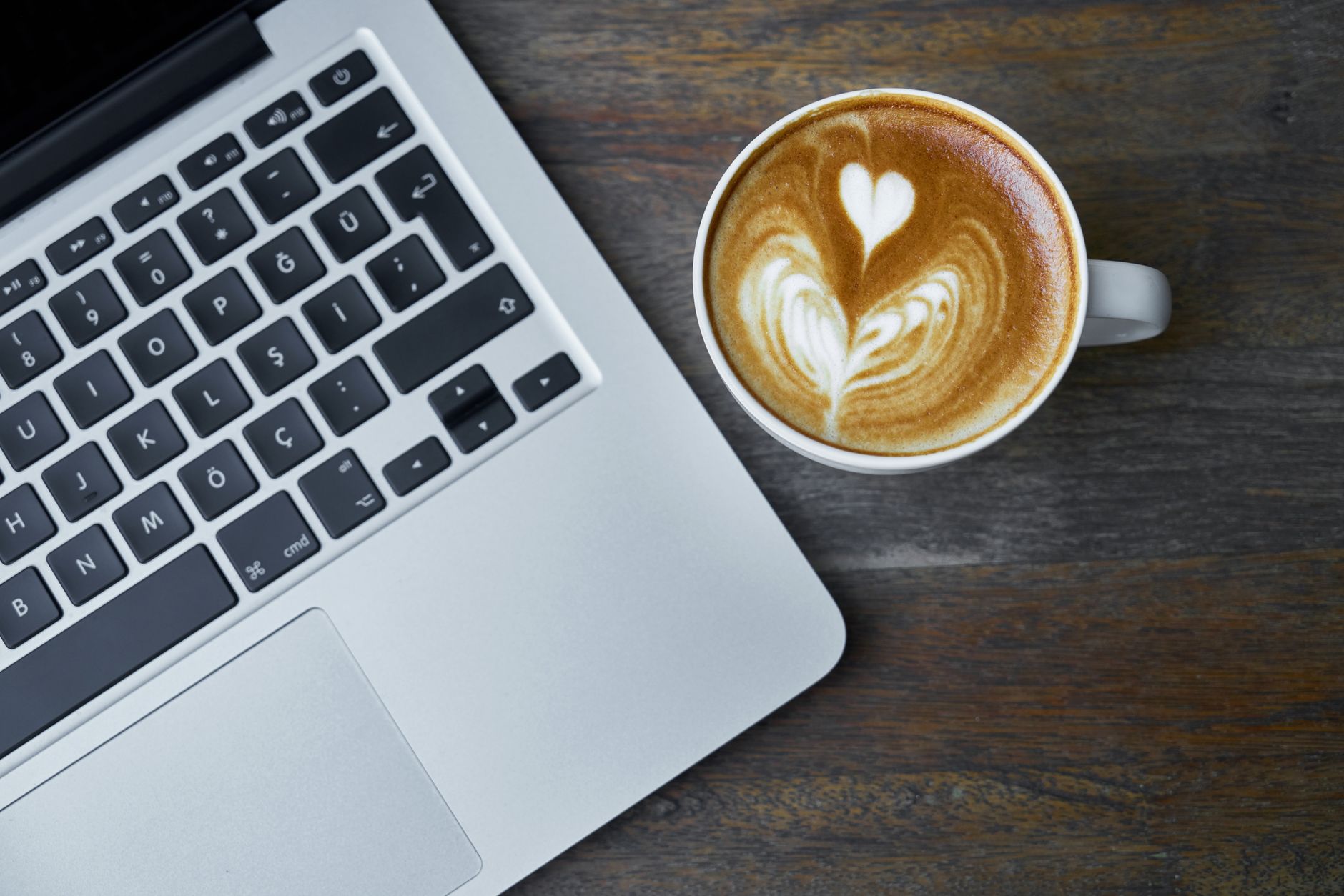 Photo: Pixabay via Pexels
If you’re tracking intake by milligrams (as recommended by health authorities), count the whole serving, not the per-ounce figure. A double espresso latte uses 2 shots — roughly 120–150 mg — comparable to a standard mug of drip.
What Actually Controls Caffeine Content
Bean Variety: Arabica vs. Robusta
Arabica beans, which dominate specialty coffee, contain roughly 1.2–1.5% caffeine by dry weight. Robusta — used in most espresso blends and instant coffee — runs 2.0–2.7%, nearly double.
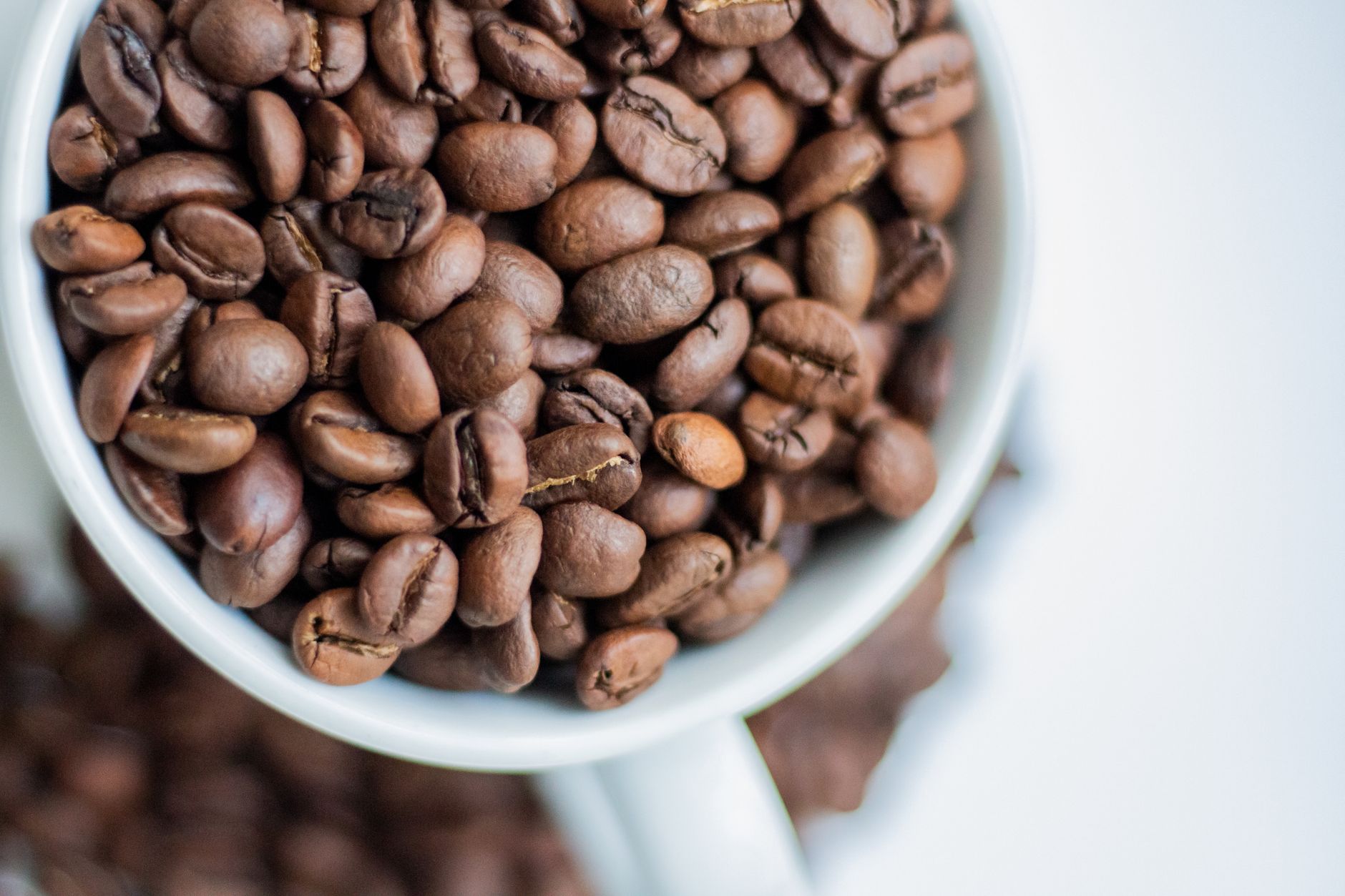 Photo: Sedanur Kunuk via Pexels
If your espresso blend contains Robusta (common in Italian-style blends), caffeine per shot can exceed 80 mg. Pure Arabica single-origins may land closer to 55–65 mg.
Roast Level
Darker roasts are slightly lower in caffeine by weight — roasting degrades caffeine marginally — but the difference is small (less than 5%). A more practical factor: dark roast beans are less dense, so scooping by volume gives you more beans and thus more caffeine. Weigh your doses rather than scooping.
Grind Size and Extraction
Finer grinds extract more caffeine. An over-extracted AeroPress with fine grind and 4-minute steep will push 100+ mg. A coarser French press grind with a 3-minute brew may come in under 80 mg even at the same dose.
Cold Brew: Why It’s Stronger Than It Looks
Cold brew is brewed at 1:4 to 1:8 concentrate ratios and steeped 12–24 hours, extracting significantly more caffeine than hot brew. A 2 oz serve of concentrate contains 100–200 mg. Most ready-to-drink cold brews dilute before bottling, but you should check the label — per-can caffeine varies from 100 to 300 mg.
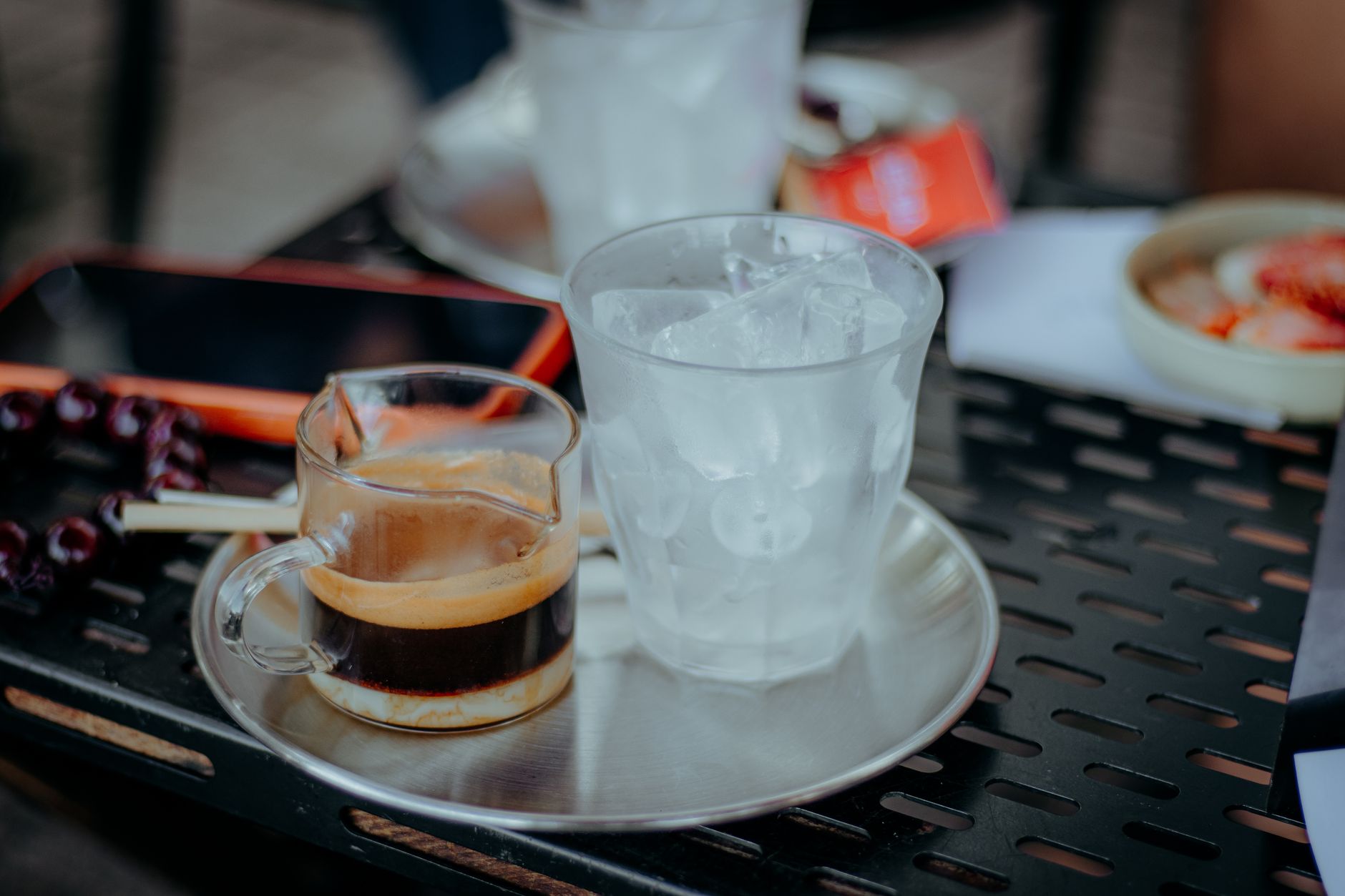 Photo: 🇻🇳🇻🇳Nguyễn Tiến Thịnh 🇻🇳🇻🇳 via Pexels
Ready-to-drink cold brews from brands like Stumptown, Chameleon, or Grady’s cold brew concentrate are among the highest-caffeine retail coffee products available. Some 12 oz cans exceed 200 mg.
Moka Pot and AeroPress: High Variance Methods
Moka Pot
The moka pot forces pressurized water through grounds in a way that resembles espresso but at lower pressure (1–2 bar vs. 9 bar). Caffeine output ranges from 60–130 mg per 2 oz serving, depending heavily on grind size and fill level. It’s not espresso, but it’s denser than drip.
AeroPress
The AeroPress is uniquely variable: brew time, water temperature, grind size, and dose all shift caffeine extraction dramatically. A 1-minute inverted steep at fine grind approaches espresso concentration. A 30-second standard brew with coarse grind lands closer to weak drip.
Decaf: Not Zero Caffeine
Decaf isn’t caffeine-free — it’s caffeine-reduced. FDA standards require 97% caffeine removal, leaving 2–15 mg per 8 oz cup. Swiss Water Process and CO₂ decaffeination are the most thorough methods, typically under 5 mg. Solvent-processed decaf may retain slightly more.
For those with extreme caffeine sensitivity, heart conditions, or pregnancy, even decaf caffeine adds up across multiple cups.
Daily Limits and Safe Intake
The FDA cites 400 mg/day as the safe ceiling for healthy adults. That’s roughly 3–4 standard cups of drip coffee. Pregnant individuals are typically advised to stay under 200 mg/day.
Single-origin pour overs from a light-roast washed Ethiopian, steeped long, can easily hit 120 mg per 8 oz. Two cups puts you at 240 mg before 10am. Know your brew.
→ See also:
- Caffeine in Espresso vs Coffee: Which Has More?
- Is Coffee Good or Bad for You? (What the Science Says)
- Coffee Science: The Complete Guide to Extraction, Chemistry & Flavor
FAQ
How much caffeine is in a cup of coffee on average? An average 8 oz cup of drip coffee contains about 95 mg of caffeine, per the FDA. The range is 80–120 mg depending on bean type, roast, and brewing method. Specialty light roasts with high extraction can push toward 140 mg.
Does darker roast coffee have more caffeine? No — slightly less, actually. Roasting breaks down caffeine marginally, so dark roasts are fractionally lower per gram. The bigger variable is whether you’re measuring by weight or volume; dark beans are less dense, so volumetric doses (scoops) can inadvertently add more beans and more caffeine.
How much caffeine is in a shot of espresso compared to a full cup of coffee? A single 1 oz espresso shot has 60–75 mg. An 8 oz drip coffee has 80–120 mg. Espresso is more concentrated per ounce, but a full cup of drip coffee delivers more total caffeine per sitting. Two espresso shots (a standard double) are roughly equivalent to one drip coffee.
Is cold brew coffee higher in caffeine than hot coffee? Yes, typically. Cold brew is brewed as a concentrate and steeped far longer than hot coffee, extracting more caffeine in the process. A ready-to-drink 12 oz can averages 150–200 mg; a diluted serving of homemade cold brew can still reach 100–165 mg per 8 oz.
How much caffeine is in decaf coffee? Decaf contains 2–15 mg per 8 oz cup. It’s not caffeine-free — the FDA only requires that 97% of caffeine be removed. Swiss Water Process decafs are typically at the low end (under 5 mg). Multiple cups per day still add up for people managing strict caffeine limits.
Does AeroPress have more or less caffeine than drip coffee? It depends entirely on how you brew it. A short extraction with coarse grind produces less caffeine than drip; a long inverted steep at fine grind can match or exceed it. AeroPress is the highest-variance brew method for caffeine, making dose and grind size particularly important if you’re tracking intake.
Editorial methodology: Assessments are based on manufacturer specifications, published user reviews, and editorial research. Physical hands-on testing is noted explicitly where it occurred. Rankings reflect our editorial judgment and are not influenced by affiliate commission rates. Full editorial policy · Affiliate disclosure