Contents
Decaf Coffee Explained: How It’s Made and Is It Bad for You?
TL;DR: Decaf coffee is regular coffee with most of its caffeine removed — typically 97% or more — using water, solvents, or CO₂ extraction. It retains nearly all the flavor compounds of regular coffee, contains a small residual amount of caffeine (2–15mg per cup), and the health evidence shows no meaningful harm to most people.
How Decaf Coffee Is Made
Decaffeination happens before roasting, while beans are still green. There are four main processes: Swiss Water, supercritical CO₂, methylene chloride (DCM), and ethyl acetate. Each removes caffeine selectively — but they differ in solvent safety, flavor impact, and cost.
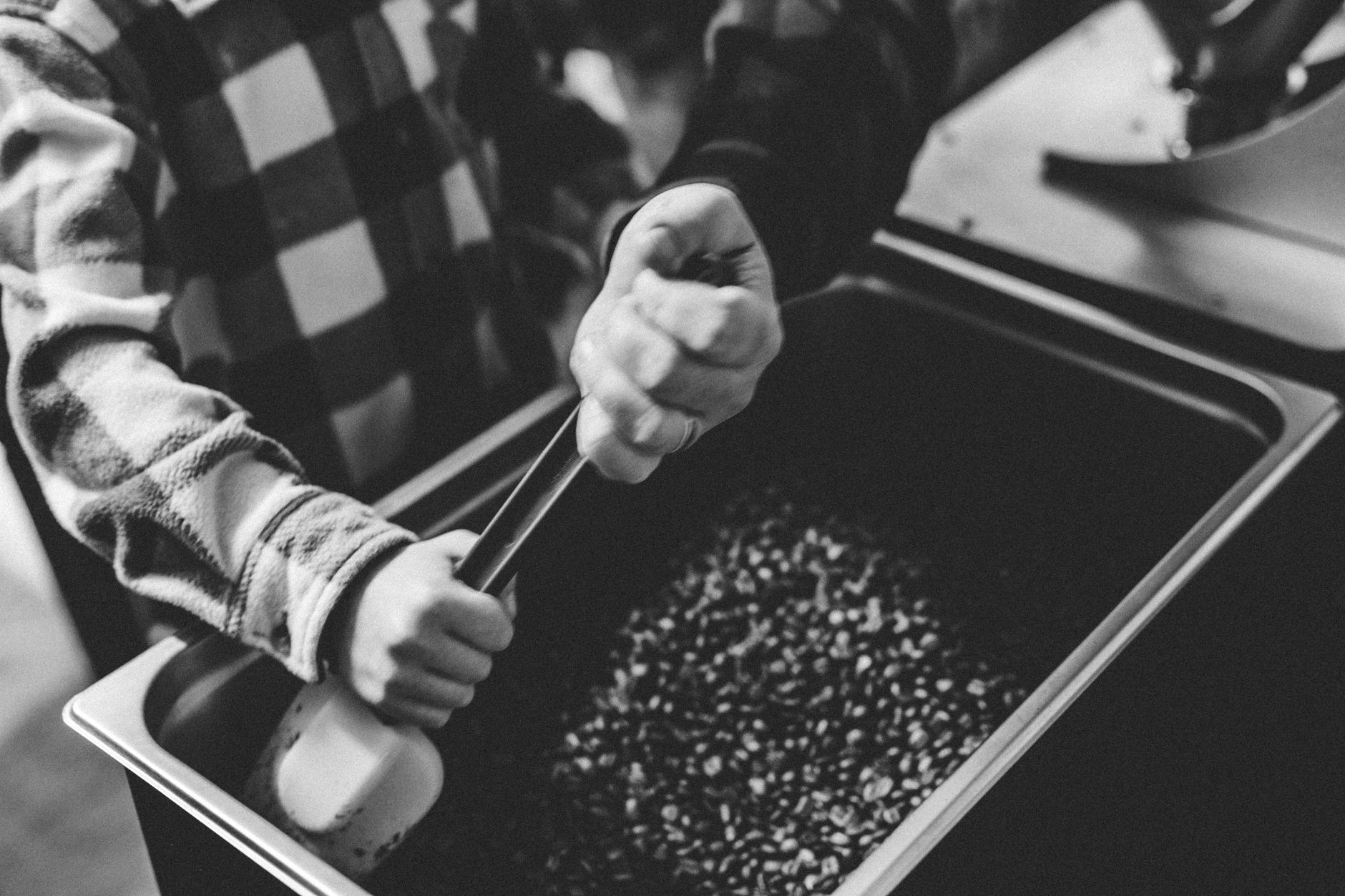 Photo: Steph Quernemoen via Pexels
All four processes share the same basic mechanism: green beans are moistened to swell the caffeine molecules, the caffeine is extracted, and the beans are dried and shipped for roasting. What differs is what does the extracting.
Swiss Water Process
No chemicals — just water and activated charcoal. Green beans soak in hot water that’s already caffeine-saturated with all other coffee solubles, so only caffeine migrates out. The caffeine-laden water passes through a carbon filter that traps caffeine molecules (larger than flavor compounds) and the filtered water recirculates.
Result: clean, solvent-free, certified organic-compatible. Slight flavor softening is the trade-off, since some delicate aromatics still leach out. This process dominates the specialty coffee market.
Supercritical CO₂ Process
CO₂ at high pressure and temperature becomes a “supercritical fluid” — part liquid, part gas — that dissolves caffeine with remarkable selectivity, leaving most flavor compounds intact. It’s the most expensive process and produces the cleanest cup.
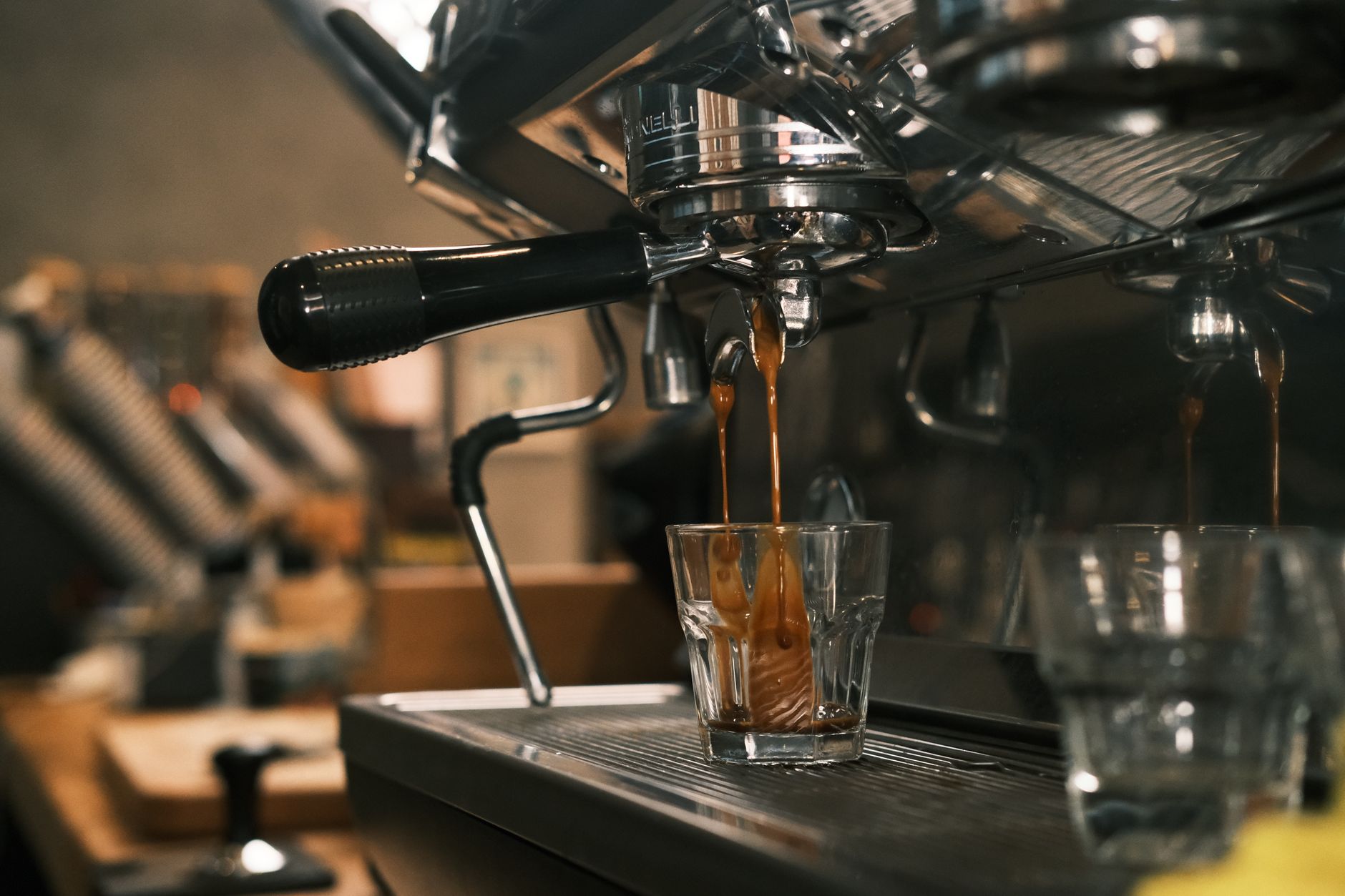 Photo: Cemrecan Yurtman via Pexels
This is the gold standard for high-end specialty decaf. If a roaster doesn’t specify, it’s almost certainly not CO₂.
Methylene Chloride (DCM) / Ethyl Acetate
These solvent-based methods are common in commercial decaf. Beans are either steamed open then rinsed with solvent (direct contact), or the solvent strips caffeine from the extract water (indirect). Both solvents evaporate at low temperatures, and roasting at 200°C+ destroys any residual traces.
The FDA limits DCM residue to 10 ppm in finished decaf; actual levels average under 1 ppm. Ethyl acetate is sometimes marketed as “natural” because it occurs in fruit — but commercial-grade EA is synthesized from ethanol and acetic acid regardless.
How Much Caffeine Is Actually in Decaf?
Not zero. Decaf coffee typically contains 2–15mg of caffeine per 8oz cup. The FDA standard requires 97% caffeine removal, which still leaves a meaningful amount for people with extreme caffeine sensitivity.
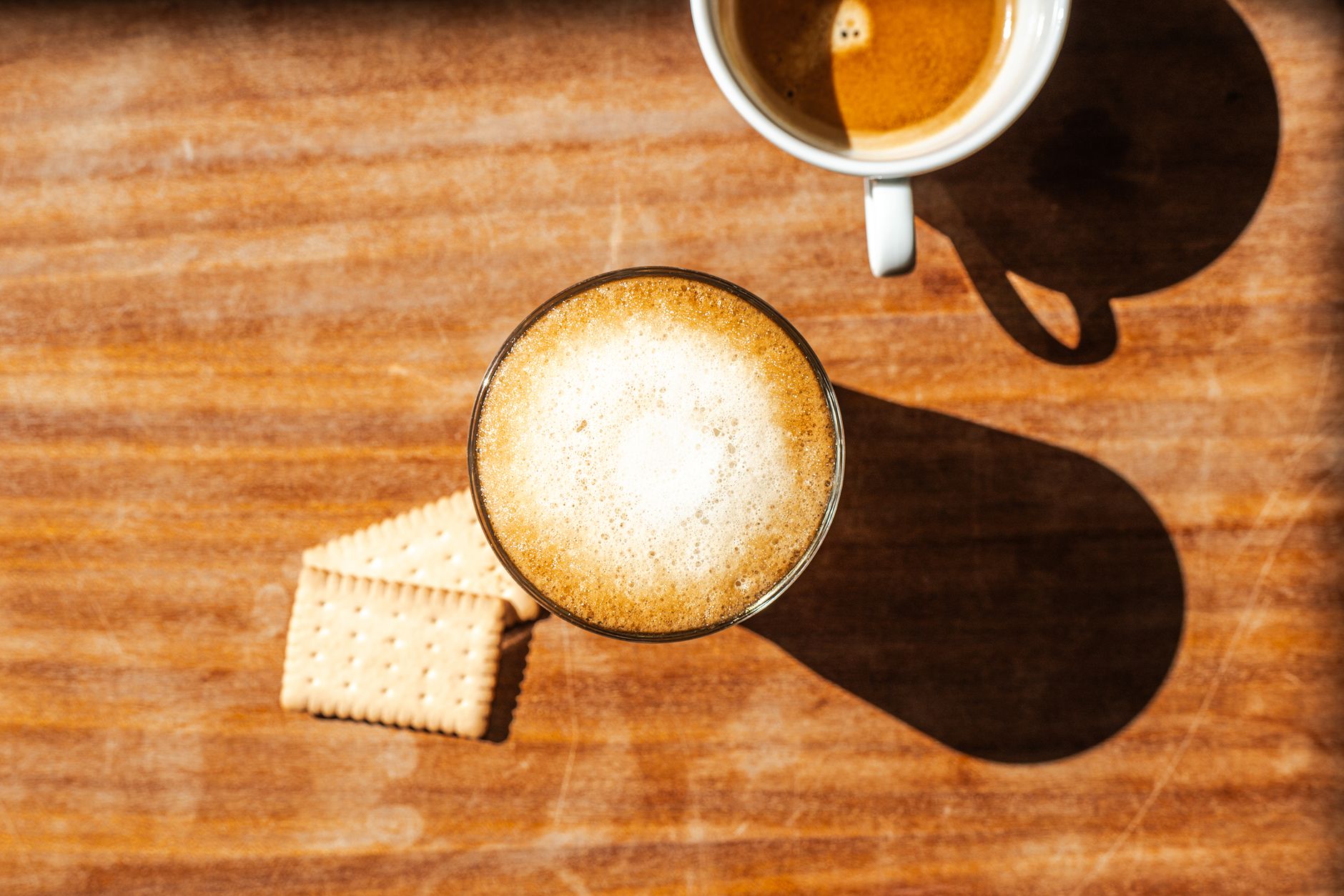 Photo: Jakub Zerdzicki via Pexels
A regular drip coffee has roughly 80–100mg of caffeine. That 97% removal leaves 2–5mg in a good decaf. But “up to 97%” is the floor, not the ceiling — some commercial decaf tests show 10–15mg per cup, and espresso-based decaf can run higher due to concentration.
For context: a 12oz can of Coca-Cola has about 34mg. So a weak decaf is genuinely near-zero; a poorly processed commercial decaf is closer to a very diluted soda.
If you’re highly caffeine-sensitive or avoiding it for medical reasons, limit yourself to Swiss Water or CO₂-processed decafs from specialty roasters who publish their caffeine data.
Is Decaf Coffee Bad for You?
No, for the vast majority of people. Decades of research show no harmful effects from decaf at normal consumption levels. Some studies suggest it retains most of coffee’s antioxidant benefits with fewer cardiovascular stimulation effects.
The concern that surfaces most often is the DCM solvent. Methylene chloride at high industrial doses is a carcinogen. At the sub-1 ppm residue levels in finished decaf, no epidemiological evidence links it to harm — but if it bothers you, Swiss Water and CO₂ are the easy workaround.
Antioxidants and Polyphenols
Coffee’s main health story is its chlorogenic acid content — a class of polyphenols linked to reduced inflammation and improved insulin sensitivity. Decaffeination removes some of these compounds, but 60–80% survive the process depending on method. CO₂ and Swiss Water preserve the most; solvent methods lose slightly more.
Acid and the GI Tract
Some people find decaf gentler on the stomach. Caffeine stimulates gastric acid secretion, so removing it does reduce that particular irritant. However, coffee’s other acidic compounds remain, so decaf isn’t a fix for acid reflux — it’s just less of a trigger for some people.
Cardiovascular Effects
Regular coffee raises heart rate and blood pressure transiently via caffeine. Decaf does not, which is why it’s recommended for people with arrhythmias, hypertension, or anxiety disorders who still want coffee in their routine. A 2005 study in Annals of Internal Medicine flagged a possible association between decaf and LDL cholesterol — but this was linked to the robusta beans commonly used in commercial decaf (which contain higher diterpene concentrations), not decaffeination itself.
 Photo: Cup of Couple via Pexels
Swiss Water vs CO₂ vs Solvent: Which Should You Buy?
| Process | Flavor Retention | Solvent-Free | Cost | Best For |
|---|---|---|---|---|
| Swiss Water | Good | Yes | Medium | Specialty, organic buyers |
| Supercritical CO₂ | Excellent | Yes | High | Best cup quality |
| Methylene Chloride | Good | No | Low | Commercial/budget |
| Ethyl Acetate | Moderate | Technically no | Low | “Natural” marketing |
If you’re buying specialty decaf from a quality roaster, Swiss Water or CO₂ is the default. For supermarket decaf, you’re almost certainly getting a solvent process — fine for most people, just know what you’re buying.
→ See also:
- Coffee Science: The Complete Guide to Extraction, Chemistry & Flavor
- How Much Caffeine Is in a Cup of Coffee? (All Brew Methods)
- Caffeine in Espresso vs Coffee: Which Has More?
FAQ
Does decaf coffee have any caffeine? Yes — typically 2–15mg per 8oz cup, depending on the decaffeination process and bean quality. The FDA requires at least 97% caffeine removal, but residual amounts vary by brand and method. Swiss Water and CO₂ processes tend to produce the lowest residual levels.
Is decaf coffee safe during pregnancy? Most guidelines (including ACOG) recommend pregnant people stay under 200mg of caffeine per day. Decaf’s 2–15mg per cup fits well within that range, making it a reasonable choice. Always check with your OB, especially if you’re drinking multiple cups daily.
Does decaf taste different from regular coffee? Slightly — the decaffeination process removes some flavor-active compounds along with the caffeine. CO₂-processed decaf from quality beans is often indistinguishable in a blind taste test. The bigger flavor variable is bean quality and roast: a mediocre bean decaffeinated perfectly will still taste mediocre.
Why does decaf often use robusta beans? Robusta has a thicker cell wall and higher caffeine content, which paradoxically makes it easier to decaffeinate cost-effectively — the caffeine extraction is more efficient. This is why cheap supermarket decaf can taste harsher. Specialty decafs use arabica, which produces cleaner, more nuanced results.
Can decaf coffee still affect sleep? For most people, the residual caffeine in decaf is too low to disrupt sleep. However, people with very high caffeine sensitivity, genetic slow-metabolizer variants (CYP1A2), or anxiety disorders may still notice effects from even small amounts. Timing matters too — coffee’s other compounds (theobromine, small amounts of theophylline) have mild stimulant properties independent of caffeine.
Editorial methodology: Assessments are based on manufacturer specifications, published user reviews, and editorial research. Physical hands-on testing is noted explicitly where it occurred. Rankings reflect our editorial judgment and are not influenced by affiliate commission rates. Full editorial policy · Affiliate disclosure