Contents
How Does Altitude Affect Coffee Flavor?
TL;DR: Altitude and coffee flavor are directly linked — higher elevation means cooler temperatures, slower cherry maturation, and denser beans that develop more complex acids and sugars. The result is brighter acidity, floral aromatics, and fruit-forward notes. Most specialty coffee grows between 1,200–2,200 meters above sea level.
Why Altitude Changes the Way Coffee Tastes
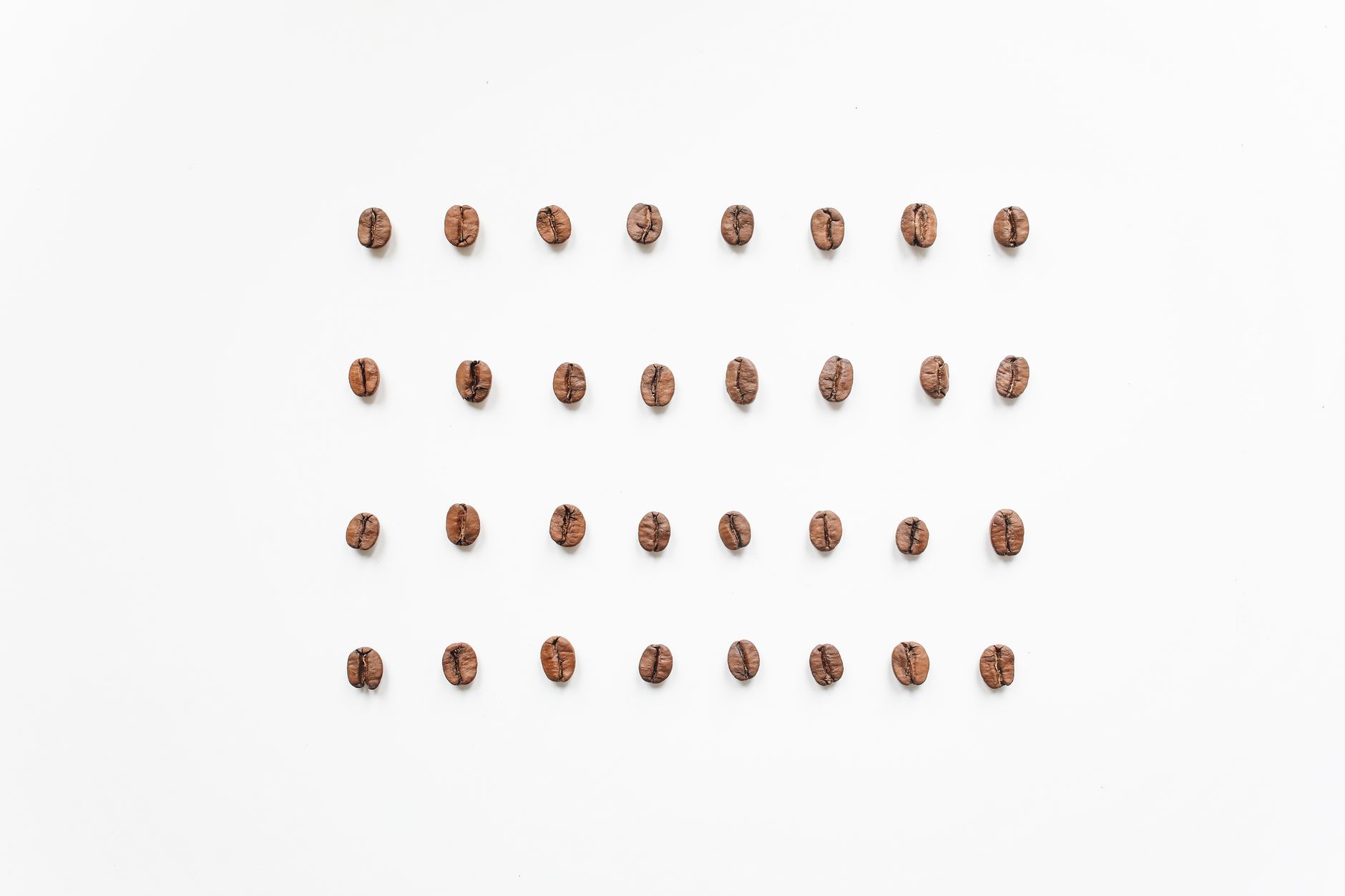
Higher altitude slows the coffee plant’s metabolism. Cooler temperatures stretch the cherry’s maturation period from a few months to close to a year, giving the seed more time to accumulate sugars, organic acids, and aromatic precursors. The outcome is a denser bean with more raw material for the roaster to work with.
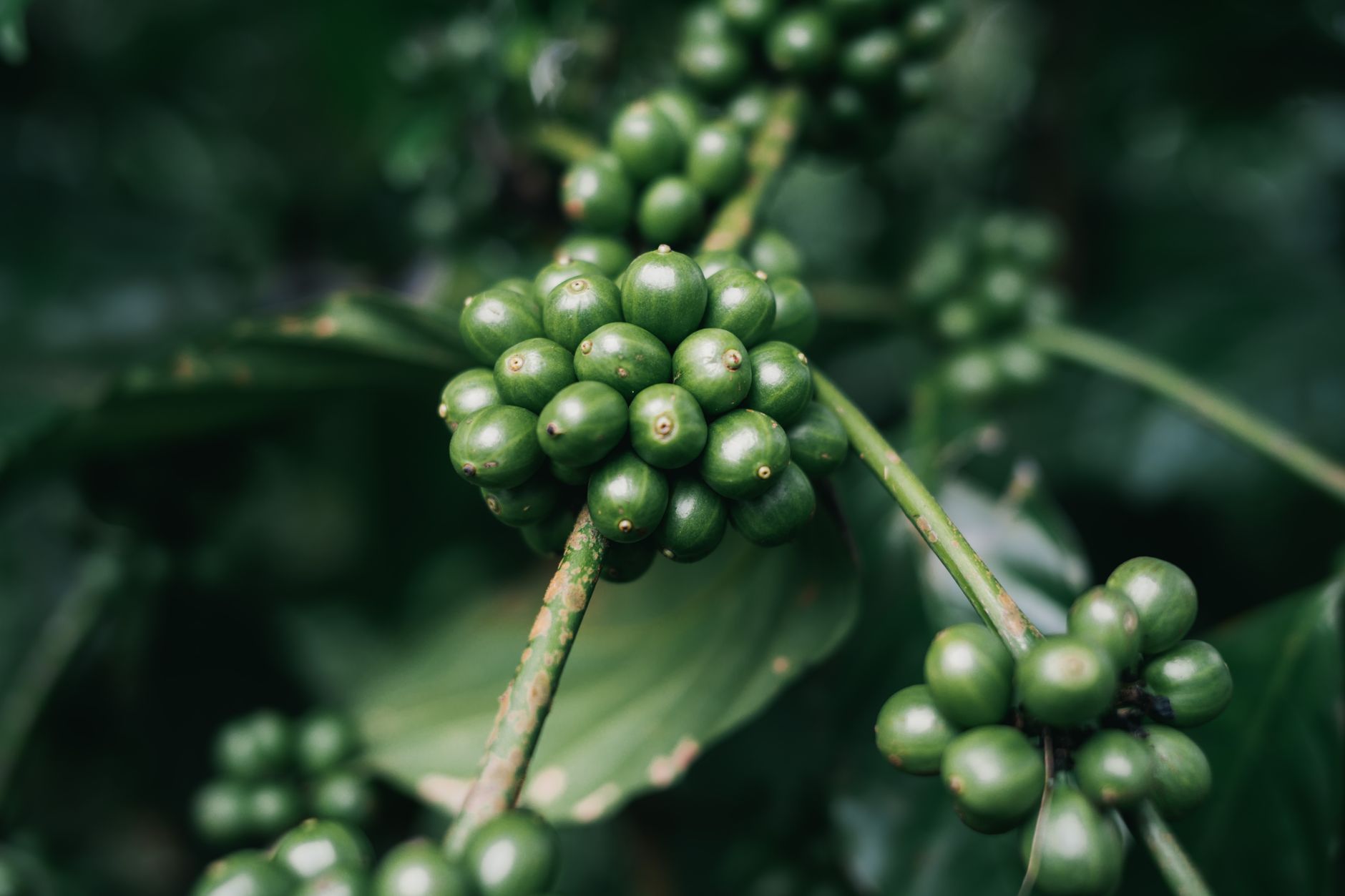 Photo: Long Bà Mùi via Pexels
The chemistry behind it is straightforward: sucrose and chlorogenic acids build up in the seed as it develops. A bean that matures slowly retains more sucrose, which caramelizes cleanly during roasting and produces the clean sweetness and brightness associated with high-grown lots. A bean that rushes to maturity in warm lowland heat converts those sugars faster than they accumulate, leaving less to work with.
Atmospheric pressure drops roughly 1.2% for every 100 meters of gain. Lower pressure means lower boiling points — relevant for farmers and wet mill operators who process cherry at altitude, and for home brewers who travel to elevation and find their extractions running weak.
The Altitude Zones and What They Produce
The industry uses informal tiers — Strictly High Grown (SHG) and Strictly Hard Bean (SHB) being the most recognized — but the flavor transitions across those tiers are gradual, not binary. Think of it as a dial, not a switch.
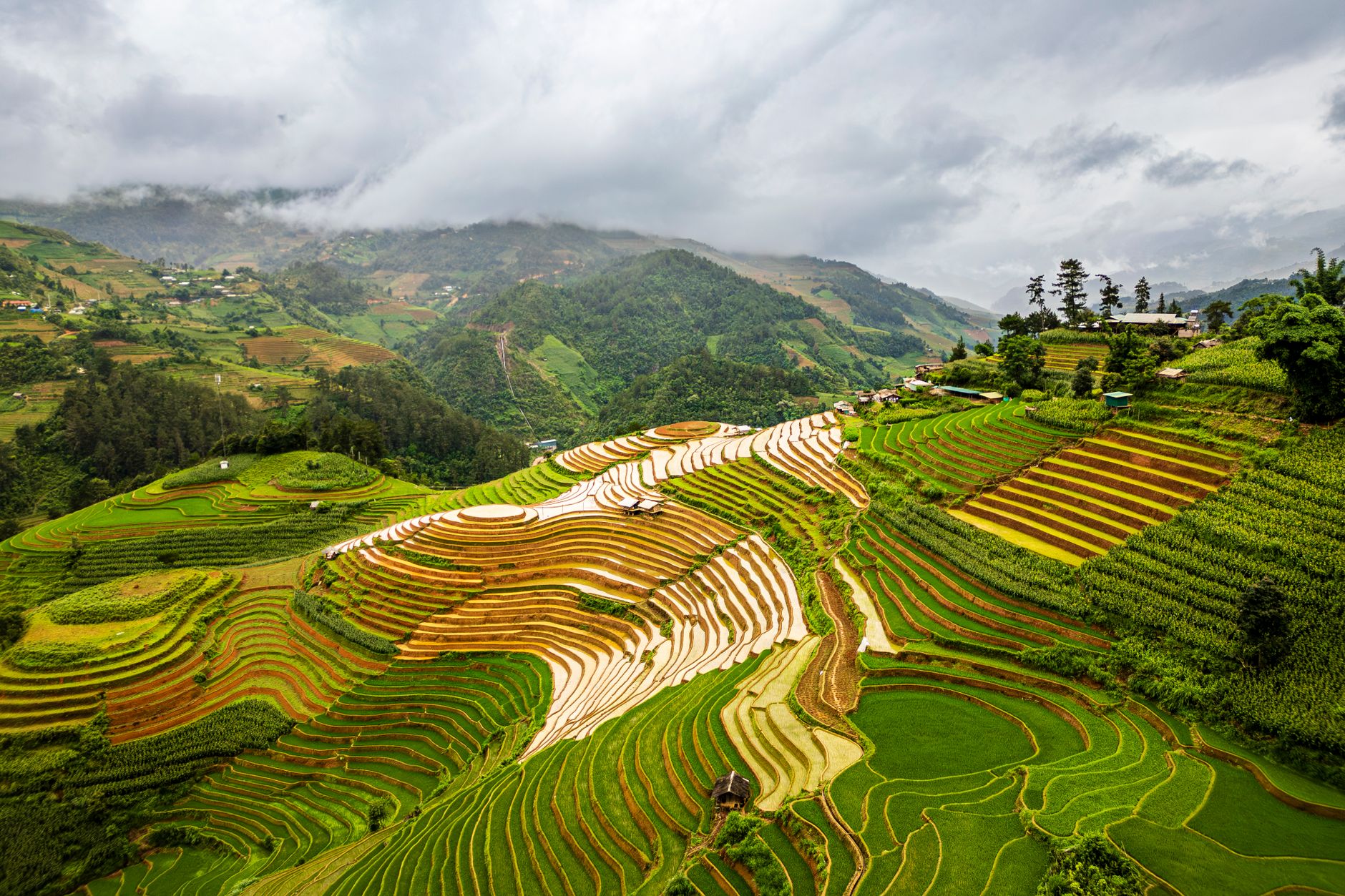 Photo: Tom De Decker via Pexels
Below 900m
Robusta thrives here. Coffea canephora is heat-tolerant and produces beans with high caffeine, low acidity, and pronounced bitterness. Useful for blends and instant coffee; rarely interesting on its own in specialty contexts.
900–1,200m
Arabica grows, but the results are mild and undifferentiated — nutty, low-acid, often thin in the cup. These beans are the commodity end of the Arabica range and rarely appear in single-origin roasts.
1,200–1,800m
The middle ground. Beans here develop decent structure, stone fruit notes (plum, peach, dried apricot), and balanced acidity. Medium body. This is where Central American “good commercial” lots live. Guatemala SHB and Honduras HG typically come from this band.
1,800–2,200m+
Complexity spikes here. Ethiopian Yirgacheffe, Kenyan SL28 and SL34, Panamanian Geisha — all grown above 1,800m. Expect jasmine, bergamot, berry, and citrus top notes with a tea-like clarity in the cup. The acids are malic and citric, which read as apple and lemon rather than the harsher phosphoric notes you get from robusta.
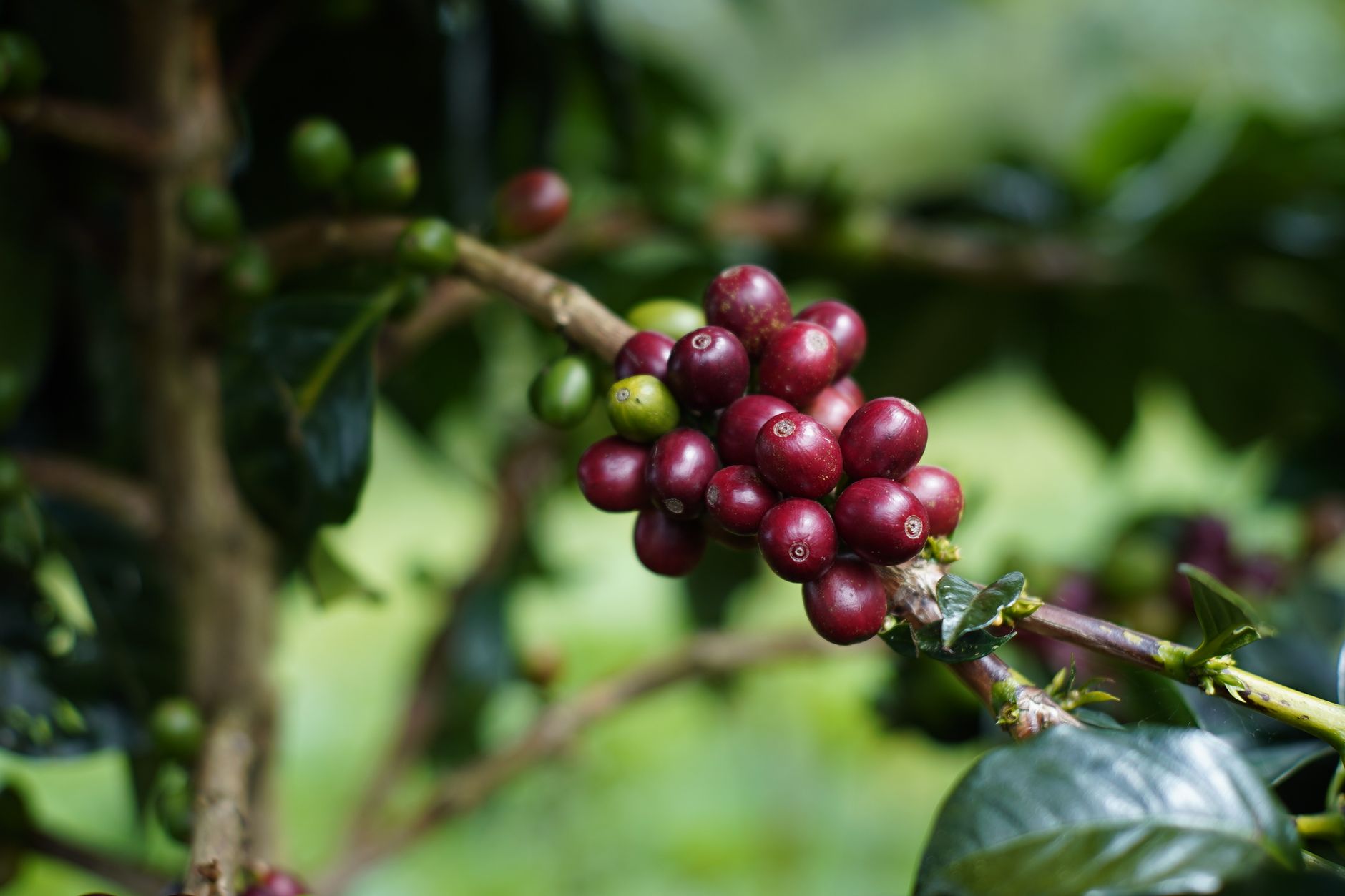 Photo: Frame pixeel via Pexels
How Density Connects Altitude to the Roaster
A denser bean stores more energy and transfers heat more slowly. Roasters treat high-grown beans differently — longer drying phases, more controlled development — because a mistake that would be minor on a soft lowland bean shows up clearly in a dense high-altitude lot.
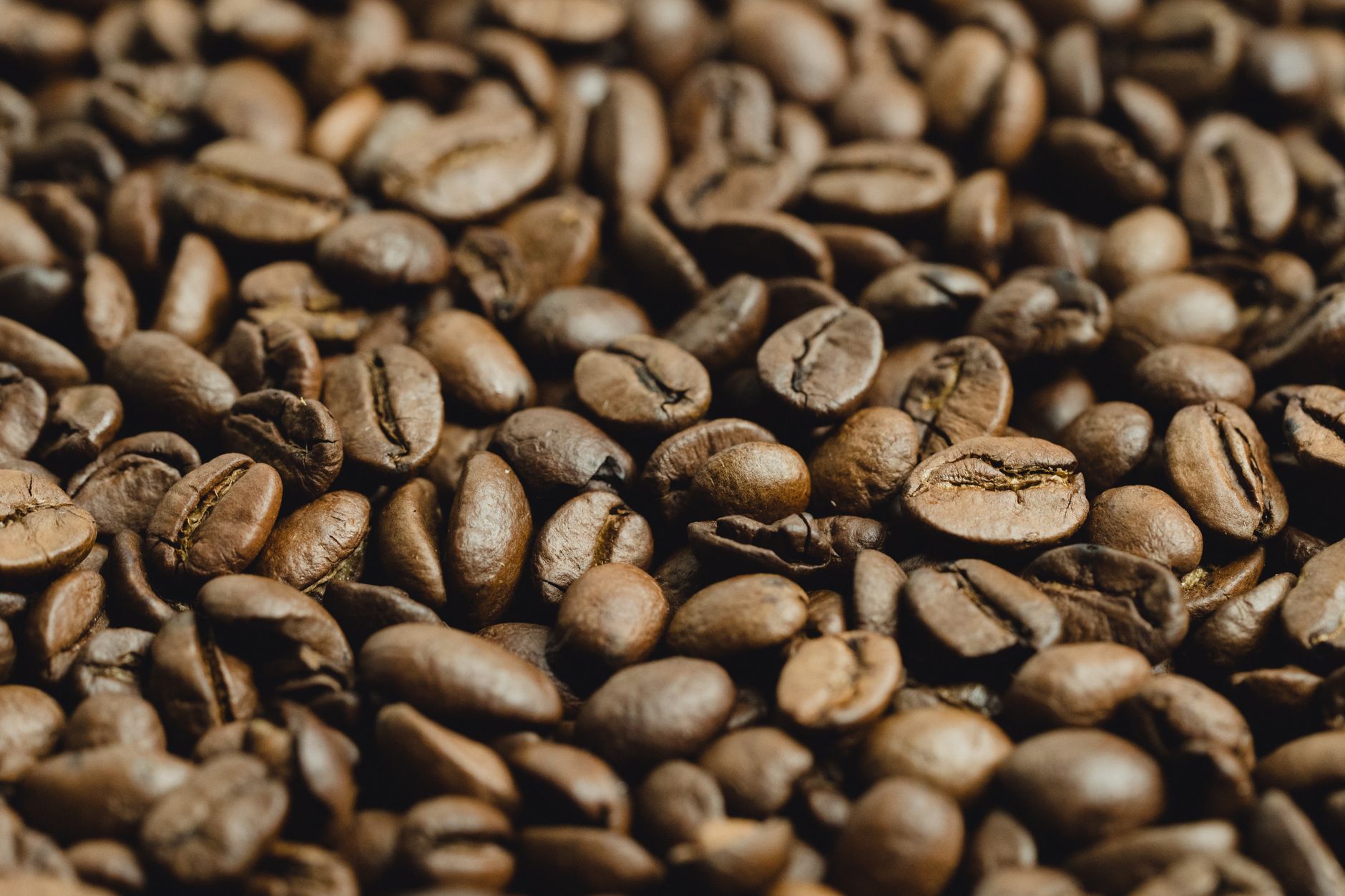 Photo: Joffrey Lartigaud via Pexels
Bean density is the physical record of slow maturation. You can measure it by water displacement or simply feel it: drop a Kenyan AA and a commercial Brazilian natural on a hard surface and the difference in sound and heft is immediate.
For home roasters, dense beans need more energy input to develop. If you roast by profile, extend the drying phase by 30–60 seconds before dropping into the Maillard reaction. Under-developing a dense high-altitude bean produces grassy, underdeveloped character that wastes the terroir advantage entirely.
Altitude vs. Processing: Which Matters More?
Altitude sets the ceiling; processing determines how much of that ceiling you reach. A washed high-altitude Ethiopian and a natural from the same farm are recognizably different coffees — altitude gave them both the raw complexity, but processing distributed it differently.
Washed (wet) processing removes the cherry fruit before drying, so the cup reflects bean chemistry directly — the cleaner expression of altitude-driven acids and florals. Natural (dry) processing lets the cherry ferment around the bean, adding berry, wine, and funk on top of whatever the altitude contributed.
Neither is superior. But when evaluating altitude’s specific contribution, washed processing is the cleaner variable. If you want to taste what 2,000m does to a coffee, start with a washed lot.
→ See also:
- Coffee Science: The Complete Guide to Extraction, Chemistry & Flavor
- How Much Caffeine Is in a Cup of Coffee? (All Brew Methods)
- Caffeine in Espresso vs Coffee: Which Has More?
FAQ
Does higher altitude always mean better coffee? Not automatically, but there’s a strong correlation in Arabica. Altitude is one of several variables — variety, soil, processing, and roasting all shape the final cup. A poorly processed 2,000m lot can taste worse than a well-handled 1,200m lot. Altitude raises the potential; everything else determines whether that potential is realized.
What does “Strictly Hard Bean” (SHB) mean on a coffee label? SHB is a Central American grading designation indicating the coffee was grown above approximately 1,350m (the exact cutoff varies by country). It’s primarily a density grade — “hard bean” refers to the denser physical structure that results from slower, high-altitude maturation. Higher density generally correlates with more complex flavor, though the grade doesn’t guarantee it.
Why does coffee taste different when brewed at altitude? Water boils at lower temperatures as elevation increases — about 1°C lower for every 300m gained. At 2,000m, water boils around 94°C instead of 100°C. Since brewing temperature directly affects extraction, coffee brewed at altitude in equipment calibrated at sea level (electric kettles with fixed targets, some espresso machines) may extract less efficiently, producing a thinner, more sour cup.
Which coffee-growing countries have the highest average growing altitude? Ethiopia, Colombia, and Guatemala consistently produce lots from the highest elevations. Yirgacheffe and Guji zones in Ethiopia reach 1,800–2,200m. Colombia’s Huila and Nariño departments grow above 1,700–2,000m. Panama’s Chiriquí highlands, where Geisha variety gained international attention, sit above 1,600m. Kenya’s Central Province grows between 1,400–2,000m.
Does altitude affect caffeine content? Marginally. Caffeine is partly a pest deterrent, and higher-altitude plants face fewer insect pressures, so some high-altitude Arabica lots test slightly lower in caffeine than lowland varieties. The effect is small and overwhelmed by variety differences — robusta contains roughly double the caffeine of Arabica regardless of altitude.
Editorial methodology: Assessments are based on manufacturer specifications, published user reviews, and editorial research. Physical hands-on testing is noted explicitly where it occurred. Rankings reflect our editorial judgment and are not influenced by affiliate commission rates. Full editorial policy · Affiliate disclosure