Contents
Hazelnut Latte Recipe: Homemade Syrup Included
TL;DR: A hazelnut latte recipe combines 1–2 shots of espresso with 1–2 tablespoons of hazelnut syrup and 6–8 oz of steamed milk. Make the syrup yourself in 10 minutes with equal parts sugar and water plus roasted hazelnuts — the homemade version tastes cleaner and nuttier than any bottle from a coffee chain.
How to Make a Hazelnut Latte
The hazelnut latte recipe in full: pull your espresso, add 1–2 tbsp hazelnut syrup to your cup, pour the espresso over the syrup, then top with steamed milk and a thin layer of foam. Total time: under 5 minutes if you have the syrup ready. The syrup keeps in the fridge for two weeks.
 Photo: Elle Hughes via Pexels
You need four things: espresso, hazelnut syrup, milk, and a way to steam it. An espresso machine handles all three, but a stovetop moka pot plus a handheld frother gets you 90% of the way there.
Ingredients (1 serving)
| Component | Amount | Notes |
|---|---|---|
| Espresso | 1–2 shots (30–60 ml) | Double shot recommended |
| Hazelnut syrup | 1–2 tbsp | Adjust to taste |
| Milk | 6–8 oz (180–240 ml) | Whole milk steams best |
| Optional: vanilla | ½ tsp | Rounds out the hazelnut |
Steps
- Pull your espresso shot(s) directly into a prewarmed 12 oz cup.
- Add hazelnut syrup to the cup and stir once to combine with the espresso.
- Steam milk to 140–150°F (60–65°C), aiming for a glossy microfoam with no large bubbles.
- Pour steamed milk over the espresso, holding back foam with a spoon, then spoon foam on top.
Syrup goes in before the milk, not after — it blends more evenly with the hot espresso rather than sitting under cold foam.
Homemade Hazelnut Syrup Recipe
Equal parts sugar and water, plus a cup of roasted hazelnuts, simmered for 5 minutes and steeped for 20. That’s the whole syrup. No extracts, no artificial flavor. One batch makes enough for 8–10 lattes and costs less than a single pump of syrup at a coffee shop.
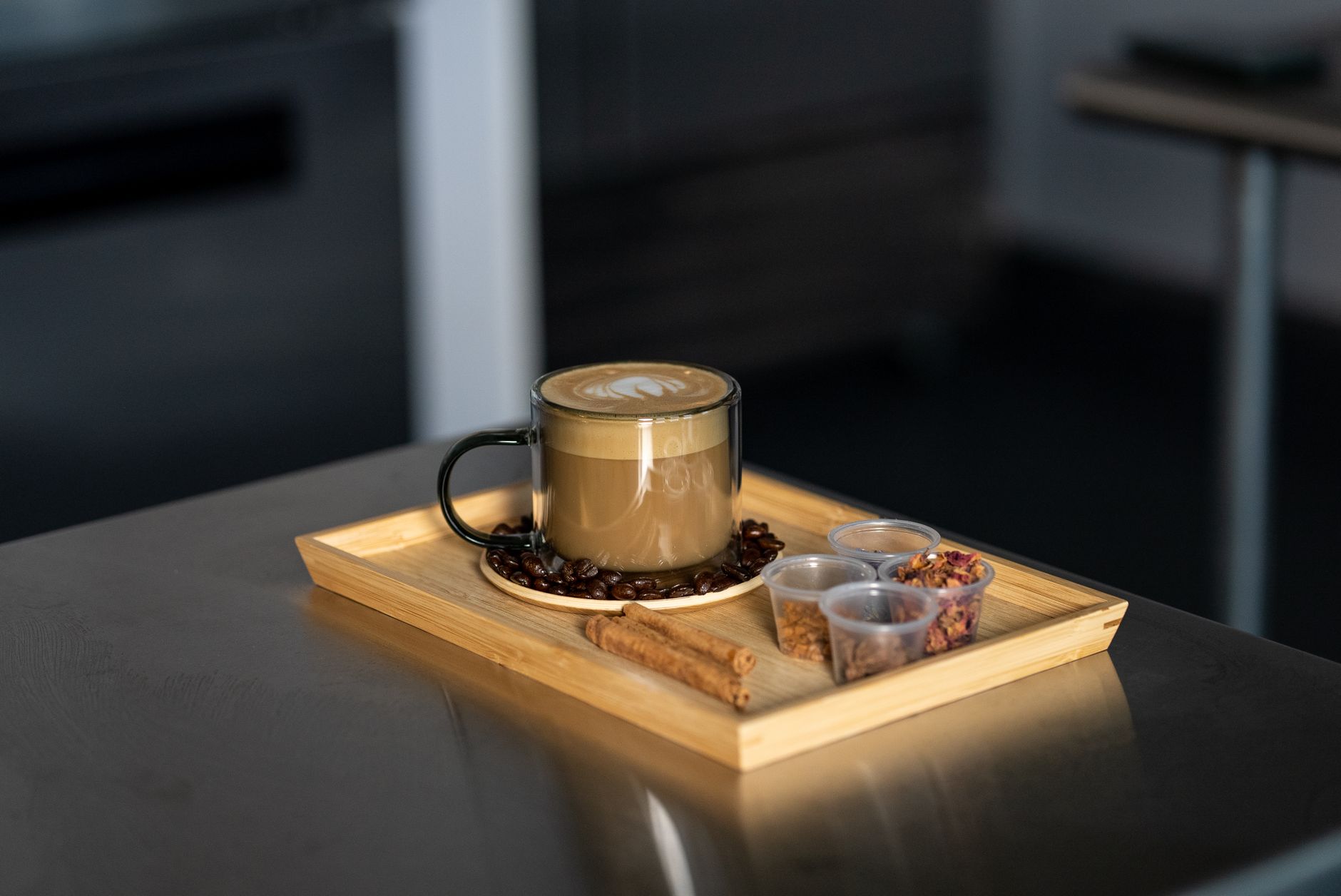 Photo: Kraken Media via Pexels
Ingredients
- 1 cup (200 g) granulated sugar
- 1 cup (240 ml) water
- 1 cup (130 g) raw or roasted hazelnuts
Method
- If using raw hazelnuts, roast them at 350°F (175°C) for 10–12 minutes until golden and fragrant. Let cool slightly.
- Combine sugar and water in a small saucepan over medium heat. Stir until sugar dissolves.
- Add hazelnuts. Bring to a gentle simmer, then reduce heat and cook for 5 minutes.
- Remove from heat. Steep for 20–30 minutes (longer = stronger hazelnut flavor).
- Strain through a fine-mesh sieve or cheesecloth. Discard solids.
- Cool completely, then transfer to an airtight jar. Refrigerate for up to 2 weeks.
The color should be a pale amber — noticeably darker than plain simple syrup. If it looks like water, your hazelnuts weren’t roasted enough.
Equipment You Actually Need
You don’t need a $1,000 machine to make a solid hazelnut latte at home. A moka pot, a handheld frother, and a thermometer will get the job done. An espresso machine with a steam wand produces better microfoam, but it isn’t the limiting factor in this recipe.
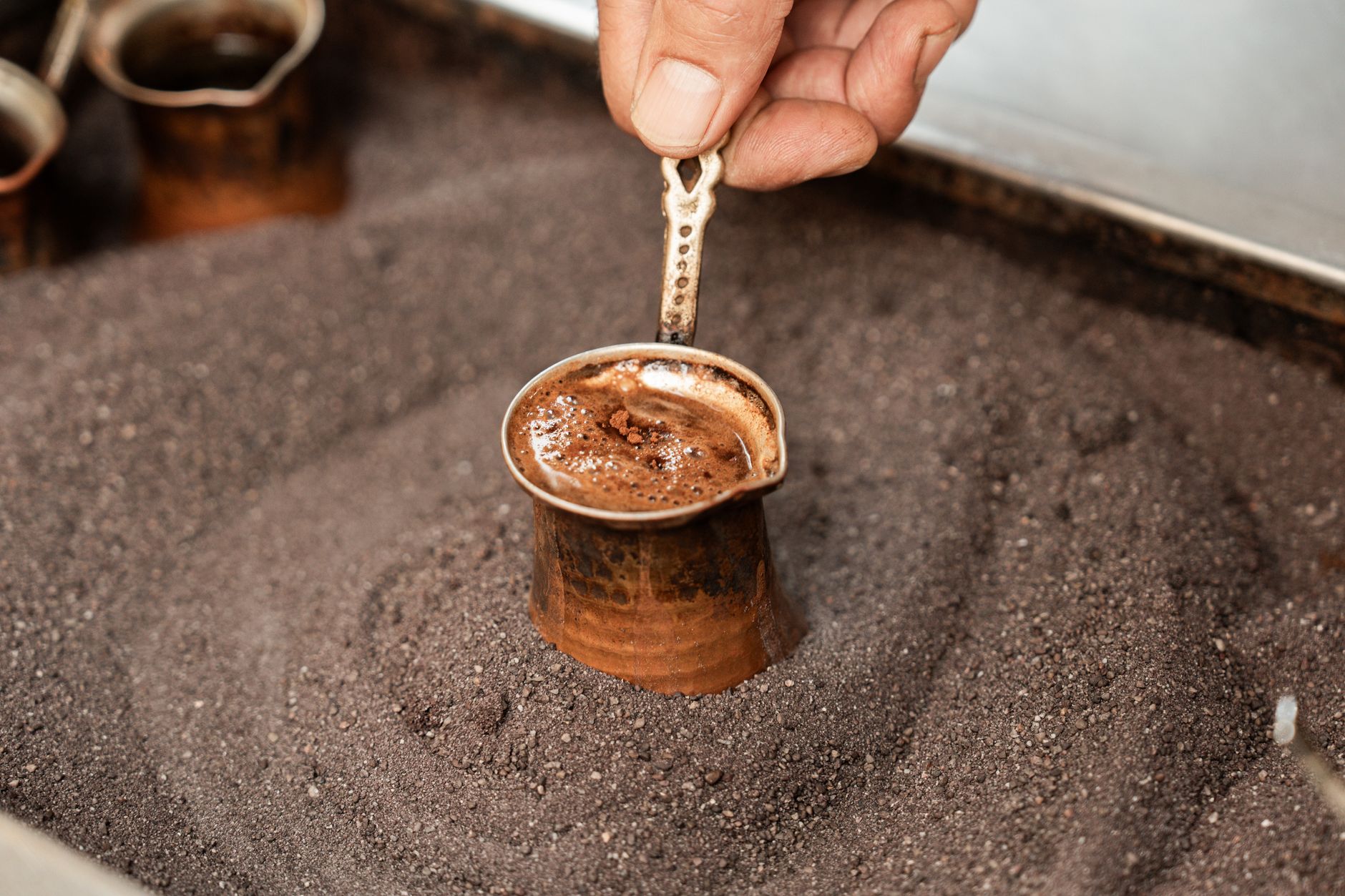 Photo: Ahmed via Pexels
Espresso Options
| Method | Result | Cost |
|---|---|---|
| Espresso machine | Best extraction, steam wand included | $300–$2,000+ |
| Moka pot | Strong, concentrated — not true espresso but works well | $30–$80 |
| AeroPress | Clean, versatile, no crema | $35–$45 |
| Nespresso / pod machine | Convenient, consistent | $100–$250 |
Milk Frothing Options
| Method | Foam Quality | Skill Required |
|---|---|---|
| Steam wand (espresso machine) | Microfoam, café-quality | Medium–high |
| Automatic milk frother | Thick foam, no texture control | Low |
| Handheld frother | Decent foam, thin microfoam | Low |
| French press pump | Passable | Low |
For latte art, you need a steam wand. For a good-tasting hazelnut latte at home, a handheld frother is enough.
Hazelnut Latte Variations
Iced Hazelnut Latte
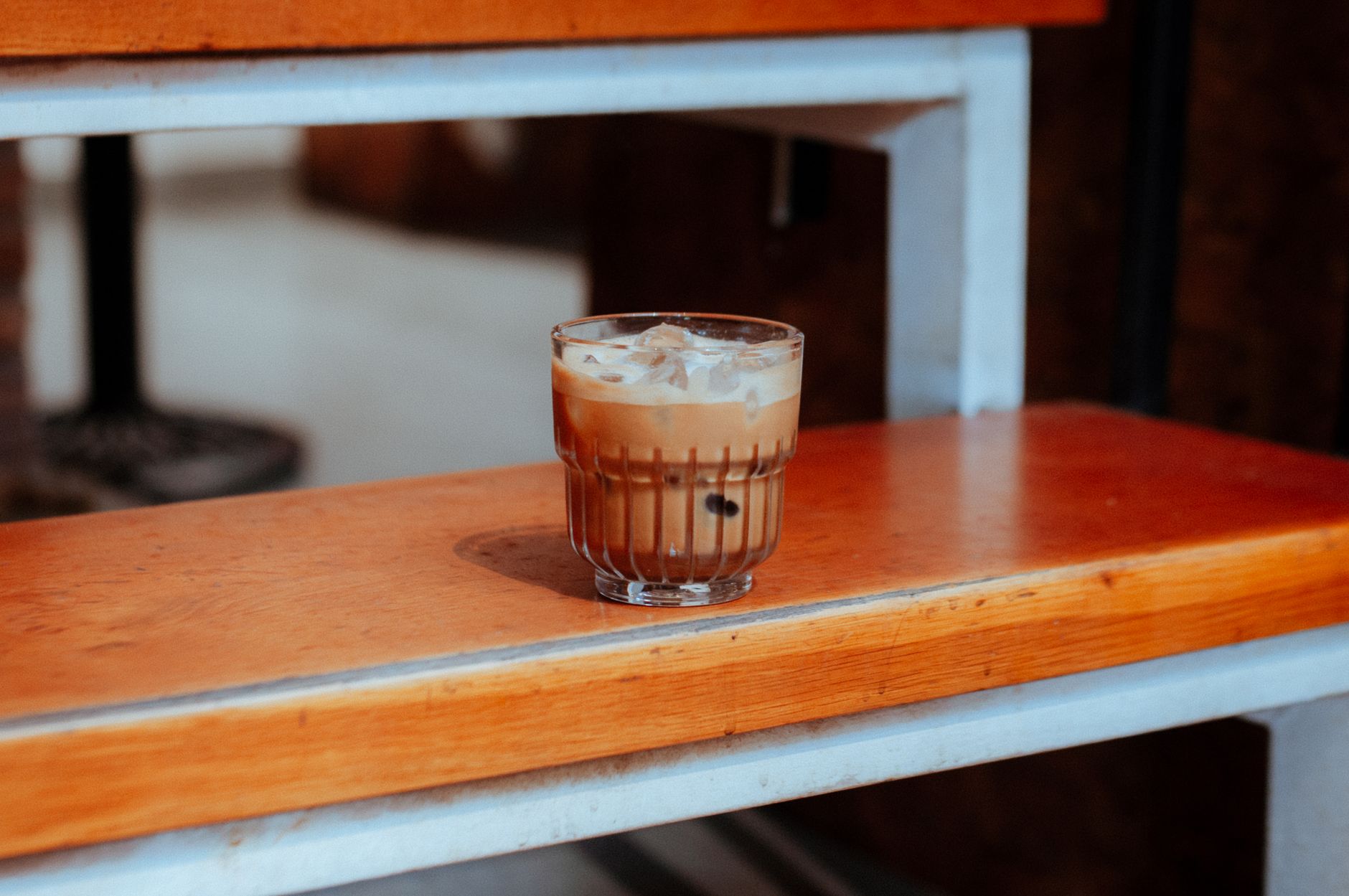
Pull a double shot, stir in syrup while hot, then pour over a glass packed with ice. Add cold milk — no frothing needed. For best results, use cold brew concentrate instead of espresso if you don’t have a machine.
 Photo: Jonathan Borba via Pexels
Hazelnut Oat Milk Latte
Swap dairy for oat milk. Oat milk steams well and its natural sweetness pairs cleanly with hazelnut — less competing fat than whole milk, which lets the nut flavor come through more clearly. Barista-edition oat milk specifically is formulated to steam without separating.
Hazelnut Mocha
Add ½ tbsp of cocoa powder or a square of dark chocolate to the syrup-espresso mixture before adding milk. Hazelnut and chocolate is a combination that doesn’t need justification.
→ See also
- Espresso Drinks: The Complete Guide to Every Type
- What Is a Cortado? (And How It Differs From a Macchiato)
- Cortado vs Flat White vs Macchiato: Full Comparison
FAQ
How much hazelnut syrup goes in a latte? Start with 1 tablespoon (about 15 ml) for a 12 oz latte and adjust from there. Most coffee shops use 2–3 pumps, which is roughly 1.5–2 tablespoons. Sweetness tolerance varies widely, so taste before you pour the milk.
Can I use hazelnut extract instead of syrup? Yes, but use far less — ¼ teaspoon of hazelnut extract per serving is enough. Extract is concentrated and can taste artificial if you overdo it. The homemade syrup produces a noticeably rounder, more natural flavor.
What espresso roast works best in a hazelnut latte recipe? Medium to medium-dark roasts. They have enough body to hold up against the sweetness of the syrup without the bitterness of a dark roast fighting with the hazelnut. Avoid very light roasts — their brightness tends to clash with sweet syrups.
How do I keep homemade hazelnut syrup from going cloudy? Strain it well through cheesecloth, not just a mesh sieve. Cloudiness is usually residual hazelnut oil or fine particles. It doesn’t affect flavor, but if you want a clear syrup, a double strain solves it. Store it in the fridge and use within two weeks.
Does a hazelnut latte have a lot of caffeine? A single-shot hazelnut latte has roughly 63 mg of caffeine; a double shot, around 126 mg. The syrup and milk add no caffeine. That puts it in the same range as a standard cup of drip coffee.
Editorial methodology: Assessments are based on manufacturer specifications, published user reviews, and editorial research. Physical hands-on testing is noted explicitly where it occurred. Rankings reflect our editorial judgment and are not influenced by affiliate commission rates. Full editorial policy · Affiliate disclosure