Contents
Green Coffee Beans: Where to Buy and What to Look For
TL;DR: The best places to buy green coffee beans are specialty importers like Sweet Maria’s, Burman Coffee Traders, and Coffee Bean Corral — they offer cupped, scored lots with full traceability. Look for beans with a harvest date (not just a roast date), a processing method, and a moisture content around 10–12%. Freshness and sourcing transparency matter as much as price.
Where to Buy Green Coffee Beans
The short answer: Sweet Maria’s is the default recommendation for most home roasters. For higher volume, Burman Coffee Traders and Coffee Bean Corral offer competitive pricing and wide selection. All three publish cupping notes, moisture data, and harvest dates — the minimum you need to buy with confidence.
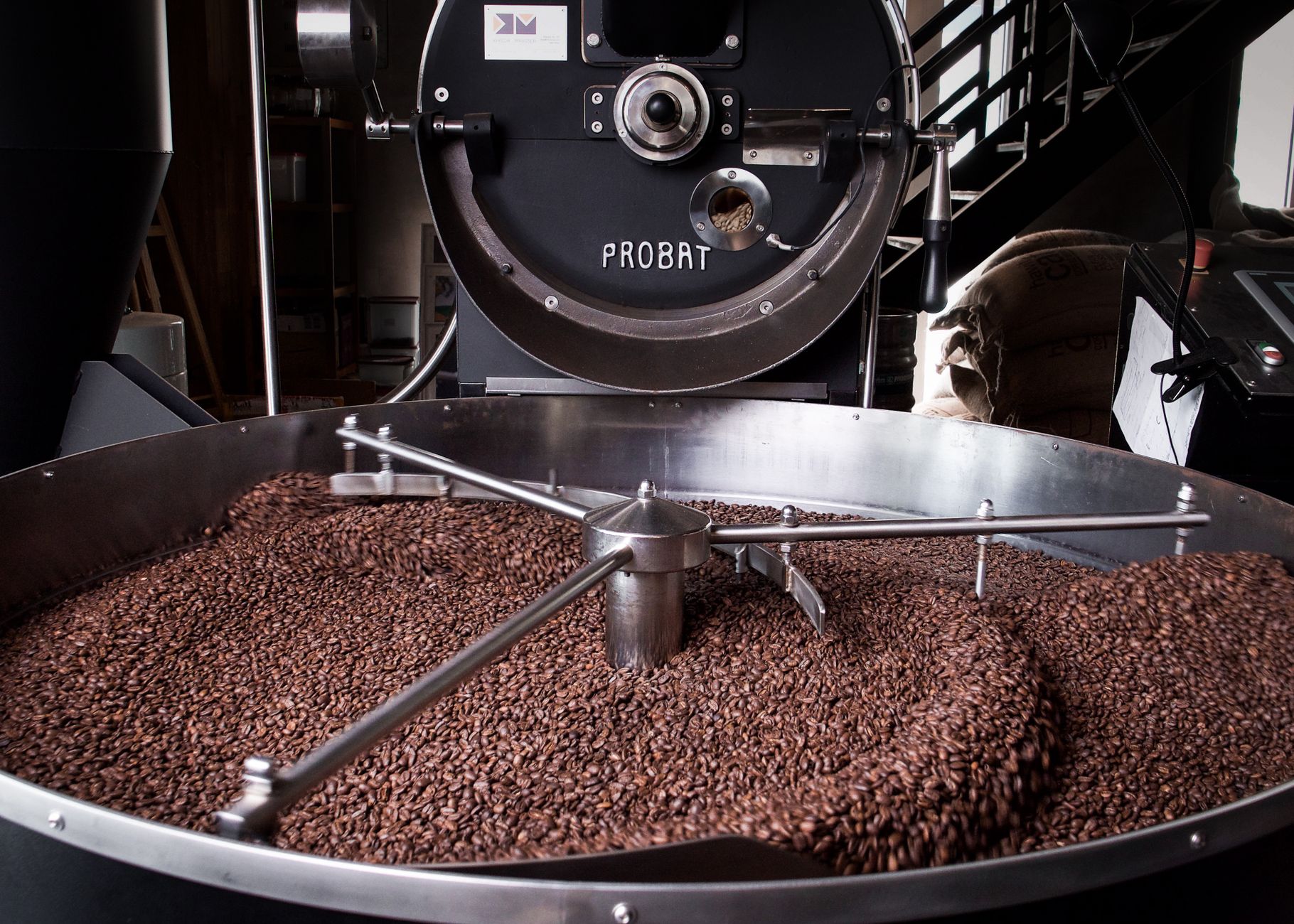 Photo: Hannoversche Kaffeemanufaktur via Pexels
Sweet Maria’s
Sweet Maria’s has been the home roasting community’s go-to source since 1997. Their catalog is smaller than some competitors but every lot is cupped in-house, and they publish moisture content, arrival date, and detailed tasting notes. Their educational resources are unmatched — if you’re just getting started with the Home Coffee Roasting: The Complete Beginner’s Guide, their library is worth reading alongside it.
Prices run $6–$9/lb depending on the lot. Minimum order is typically 1 lb, which means you can buy four single-origin samples without committing to a large bag.
Burman Coffee Traders
Burman carries one of the broadest catalogs available to home roasters — routinely 150+ origins. Pricing is aggressive, especially on 10 lb+ orders. Quality is generally good, though their cupping notes are less detailed than Sweet Maria’s. Best suited for roasters who already know what they want and are optimizing for cost.
Coffee Bean Corral
Coffee Bean Corral sits between the two above in terms of catalog depth and price. They stock a solid range of naturals, washed, and honey-processed lots, and frequently carry experimental or rare varieties. Their customer service is responsive, which matters when you receive a bag that doesn’t match expectations.
Other Sources Worth Knowing
- Genuine Origin — works with importers to sell directly to small buyers; lot traceability is excellent
- Bodhi Leaf — strong on Ethiopian and Central American lots; ships quickly
- Raw Coffee Company (UK) — best option for European buyers; avoids the import cost and customs overhead
What to Look For When Buying Green Beans
Check for: harvest year, moisture content (10–12%), processing method, and whether the seller has actually cupped the lot. Anything listed without those four data points is being sold blind — and you’re roasting blind too.
 Photo: Georgie Devlin via Pexels
Harvest Date and Crop Year
Green coffee degrades. A current-crop bean (harvested within the last 12 months) roasts predictably and delivers the flavors on the tin. Past-crop (1–2 years out) beans go flat — acids dull, sweetness fades, and you get a hay-like note no roast profile will fix. Old crop (2+ years) is largely unroastable for quality work.
Always look for the harvest year, not just a “freshness” claim. The two are not the same.
Moisture Content
The spec to know: 10–12% moisture. Below 10% and the bean is brittle, prone to uneven roasting, and has usually lost volatile aromatics. Above 12.5% risks mold and mildew in storage. Reputable sellers publish this figure. If it’s missing, ask — or buy elsewhere.
Processing Method
Processing determines the flavor baseline before you ever touch a roaster.
| Processing | Flavor Profile | Roast Behavior |
|---|---|---|
| Washed | Clean, bright, acidic | Predictable, even development |
| Natural | Fruity, heavy, complex | Uneven; first crack can be muted |
| Honey | Balanced, sweet, mild fruit | More forgiving than natural |
| Anaerobic | Fermented, funky, intense | Sensitive to temp; stalls easily |
| Wet-hulled (Giling Basah) | Earthy, low acid, full body | Dark roast territory, fast first crack |
For your first bags, start with washed Central Americans. They roast forgiving and give you an accurate read on your equipment before you try a natural Ethiopian.
Cupping Score and Notes
Specialty coffee is scored on the SCA scale. Anything 80+ is specialty grade. Most reputable green bean retailers only stock 80–89 point lots; microlot and competition-grade material occasionally hits 90+. The score itself matters less than whether the seller actually cupped the lot — a published score means someone verified what they’re selling.
Origins Module: Beans and Where They Come From
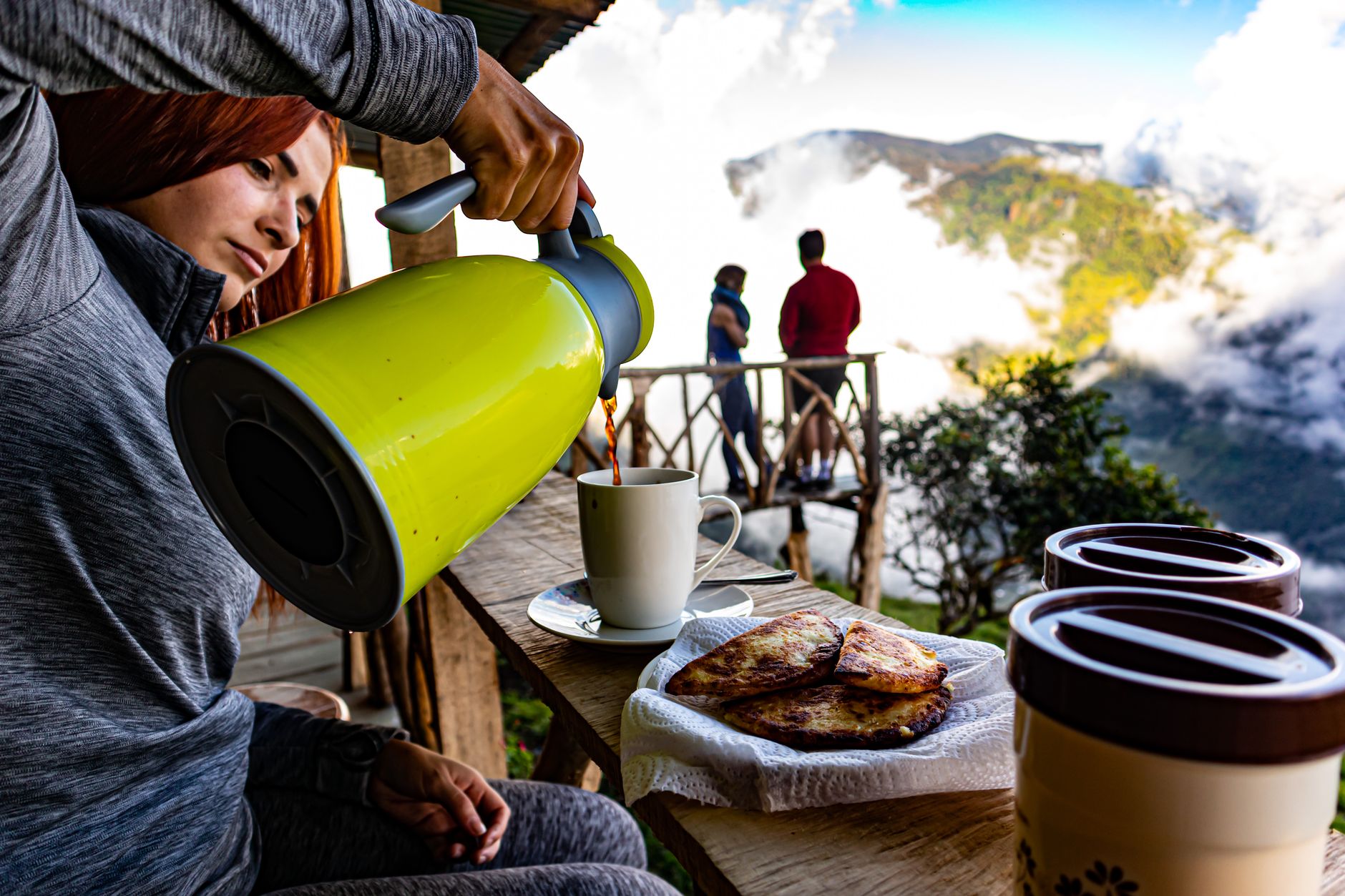 Photo: Jean Paul Montanaro via Pexels
Origin Reference Table
| Country | Altitude (MASL) | Processing | Common Roast | Tasting Notes |
|---|---|---|---|---|
| Ethiopia (Yirgacheffe) | 1,800–2,200 | Washed / Natural | Light–Medium | Jasmine, bergamot, blueberry, citrus |
| Ethiopia (Sidama) | 1,500–2,200 | Washed | Light–Medium | Stone fruit, chocolate, clean finish |
| Colombia (Huila) | 1,500–2,000 | Washed | Medium | Red apple, caramel, mild citrus |
| Guatemala (Antigua) | 1,500–1,700 | Washed | Medium–Dark | Brown sugar, cocoa, mild smoke |
| Honduras | 1,200–1,600 | Washed | Medium | Nutty, mild fruit, balanced |
| Brazil (Cerrado) | 900–1,200 | Natural / Pulped Natural | Medium–Dark | Chocolate, nut, low acid |
| Kenya (AA) | 1,500–2,100 | Washed (double-ferment) | Light–Medium | Blackcurrant, grapefruit, wine |
| Indonesia (Sumatra) | 1,000–1,600 | Wet-hulled | Dark | Earth, cedar, tobacco, low acid |
| Yemen | 1,500–2,500 | Natural (dry) | Light–Medium | Wild berry, spice, wine, tobacco |
Brew Method Pairing and Grind Adjustments
- Light roasted washed beans (Ethiopia, Kenya): Grind finer than you think for pour-over; target 92–96°C. Espresso: 93–94°C, 18–19g dose, longer preinfusion.
- Medium roast naturals (Brazil, Ethiopia natural): Standard pour-over grind; drop water temp 1–2°C if getting jammy sweetness. Espresso pulls sweet and fast — watch for short shots.
- Dark roast wet-hulled (Sumatra): Coarser grind, 90–92°C. Espresso: 17–18g, standard 9-bar, 28–32 second pull.
Freshness, Degassing, and Storage
Green beans don’t degas like roasted coffee — that’s a post-roast phenomenon. But they do age:
- Degassing after roasting: 12–24 hours for light roasts, 8–12 for dark before brewing. Espresso benefits from 3–5 days rest.
- Storage for green beans: Cool, dark, low humidity. Paper grain bags are fine for 1–3 months. Vacuum-sealed mylar adds 12–18 months. Avoid plastic bins — they trap humidity.
- Shelf life after opening: Roasted coffee: 2–4 weeks for optimal flavor. Green: 6–12 months in proper storage, longer vacuum-sealed.
 Photo: Engin Akyurt via Pexels
Pricing: What’s Normal, What’s a Red Flag
Expect to pay $5–$8/lb for good specialty green beans. Anything under $4/lb is likely past-crop, low-grade, or both. Prices above $15/lb usually indicate microlot, competition-grade, or rare variety (Gesha, SL28, Bourbon Pointu) — legitimate, but verify the sourcing story is specific before paying premium.
Bulk pricing (10 lb+) typically cuts 10–20% off per-pound cost. If you’ve confirmed you like a variety, buying in volume is almost always worth it — green beans store far better than roasted.
→ See Also
- Home Coffee Roasting: The Complete Beginner’s Guide
- Best Home Coffee Roasters (2026 Reviewed)
- Fresh Roast SR800 Review: Best Entry-Level Roaster?
FAQ
Where can I buy green coffee beans in small quantities? Sweet Maria’s sells in 1 lb minimums, making it the easiest entry point for first-time buyers. Coffee Bean Corral and Bodhi Leaf also allow small orders. Avoid buying in bulk until you’ve roasted a sample of any given origin — flavor on the cupping sheet doesn’t always match what your roaster produces.
How do I know if green coffee beans are fresh? Look for the harvest year (crop year) on the listing — not a “fresh stock” marketing claim. A 2024/2025 harvest arriving in 2025–2026 is current crop. If the seller can’t provide a harvest date, treat it as past-crop. Moisture content of 10–12% is a secondary freshness indicator; ask for it if it’s not published.
Are green coffee beans cheaper than roasted? Significantly. Specialty roasted coffee runs $18–$30/lb at retail. Green beans of comparable quality cost $5–$9/lb. Even accounting for 15–20% weight loss during roasting, home roasting cuts your per-cup cost by 50–70%.
What’s the difference between specialty grade and commodity green beans? Specialty grade (SCA score 80+) is traceable to a specific farm or cooperative, cupped and scored, and free of primary defects. Commodity beans are blended, untraceable, and priced at market. The quality gap is enormous — commodity beans are what goes into sub-$10 grocery store coffee. For home roasting, only buy specialty grade.
Can I buy green coffee beans at a grocery store? Rarely. Some health food stores carry raw green beans marketed as a weight-loss supplement — avoid these for roasting, they’re typically commodity grade with no roast data. Buy from a dedicated green coffee retailer for anything you intend to roast and drink.
Editorial methodology: Assessments are based on manufacturer specifications, published user reviews, and editorial research. Physical hands-on testing is noted explicitly where it occurred. Rankings reflect our editorial judgment and are not influenced by affiliate commission rates. Full editorial policy · Affiliate disclosure