Contents
First Crack vs Second Crack: What Coffee Roasters Listen For
TL;DR: First crack is the loud, popcorn-like snap that marks the start of light-to-medium roast territory; second crack is a quieter, crackling sound that signals you’ve entered dark roast. Understanding both cracks in first crack second crack coffee roasting is the single most reliable way to time your drops and hit consistent roast levels batch after batch.
What Is First Crack?
First crack is an audible event — a series of sharp, popping sounds — that happens when moisture and CO₂ trapped inside the bean create enough internal pressure to fracture the bean’s cell structure. It begins around 385–410°F (196–210°C) and lasts 1–3 minutes. Every coffee roaster, from a Behmor to a drum roaster, produces this crack. It is not subtle.
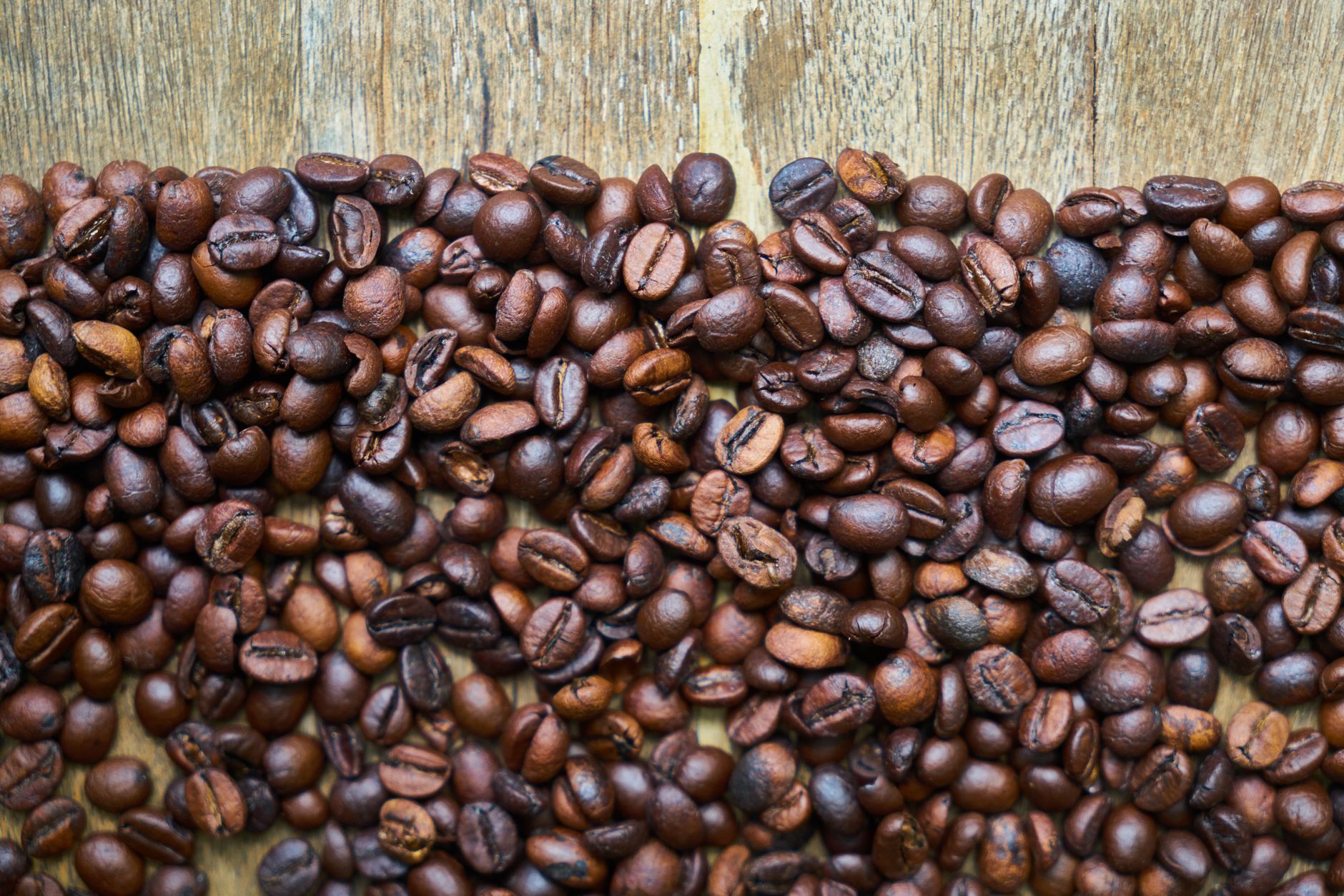 Photo: Pixabay via Pexels
At the start of first crack, beans have shed most of their moisture and are rapidly entering an exothermic phase — meaning the beans generate their own heat. This is the moment the roast accelerates. Inexperienced roasters who don’t account for this often overshoot their target by 10–15°F before they can react.
The timing of first crack relative to your total roast time matters as much as the crack itself. A crack that arrives too early (under 7–8 minutes in most home roasters) indicates too much applied heat — flavor development will be underdeveloped and grassy. Too late, and you’ve baked the beans, producing a flat, hollow cup.
What the Roast Looks Like at First Crack
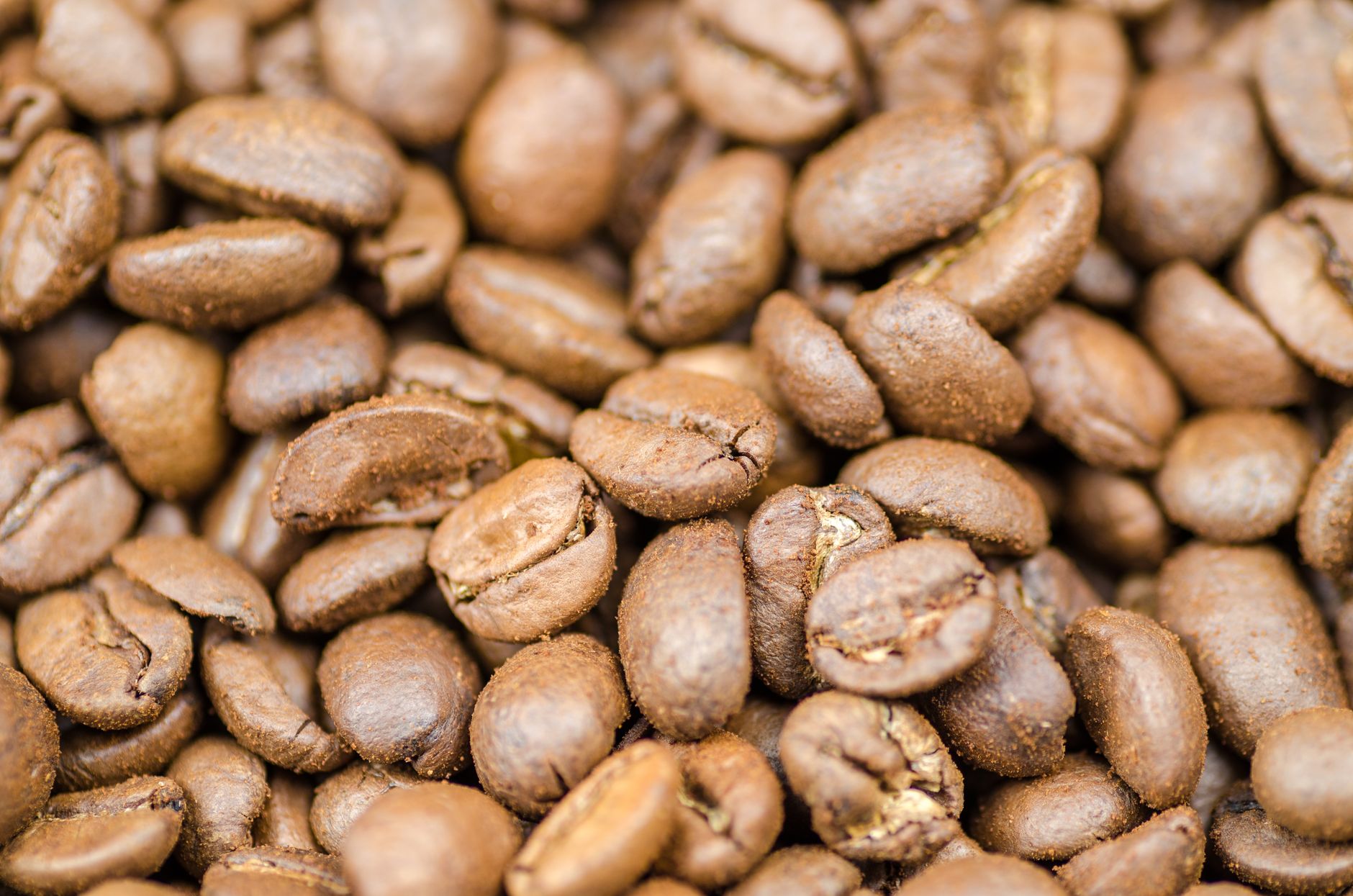
Beans entering first crack have turned from yellowish to light brown. The chaff (silver skin) has mostly blown off. Surface texture starts smooth but isn’t oily — that comes much later. Drop the beans here and you have a City or City+ roast: bright acidity, clear origin character, and distinctly floral or fruity notes depending on the bean.
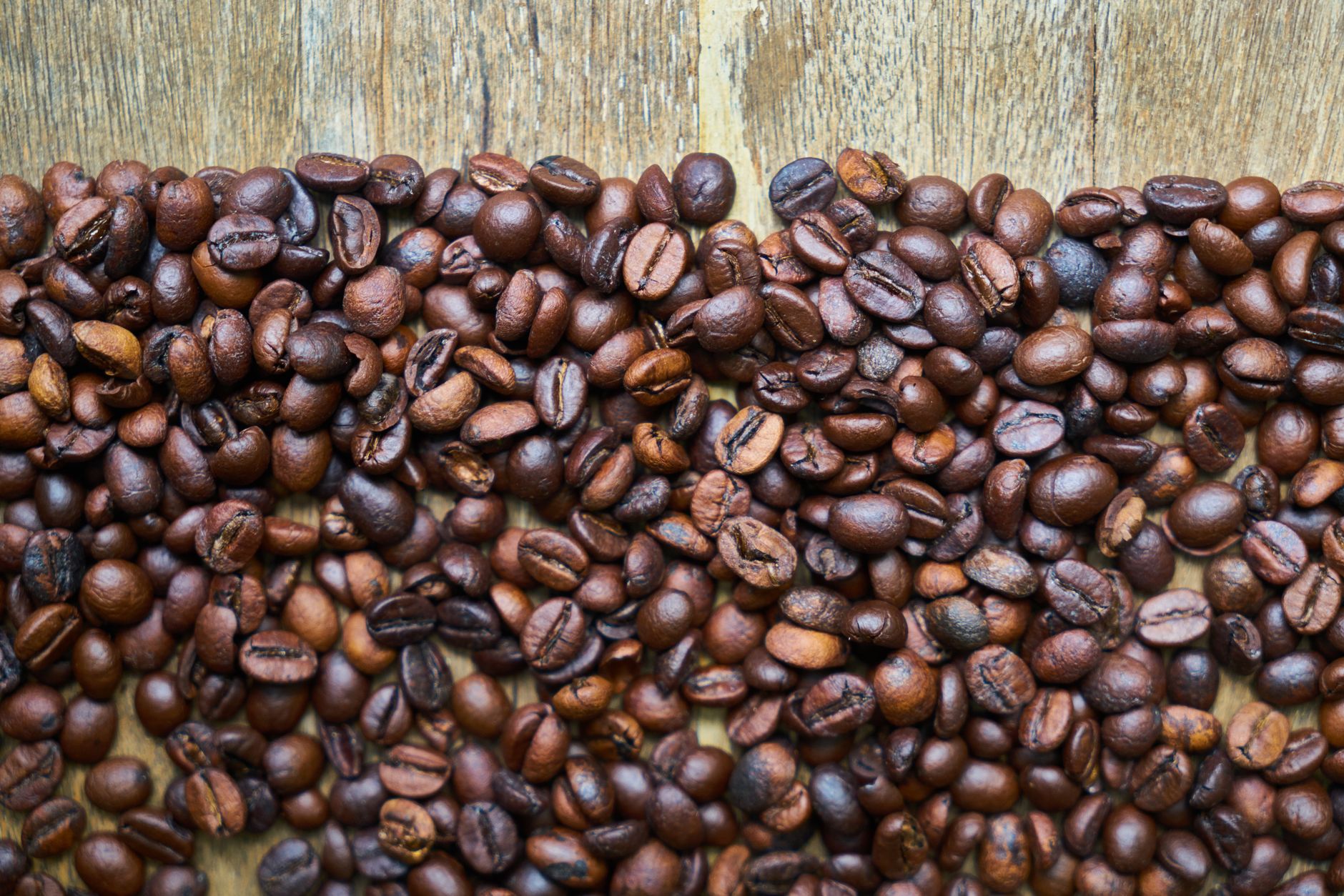 Photo: Pixabay via Pexels
What Is Second Crack?
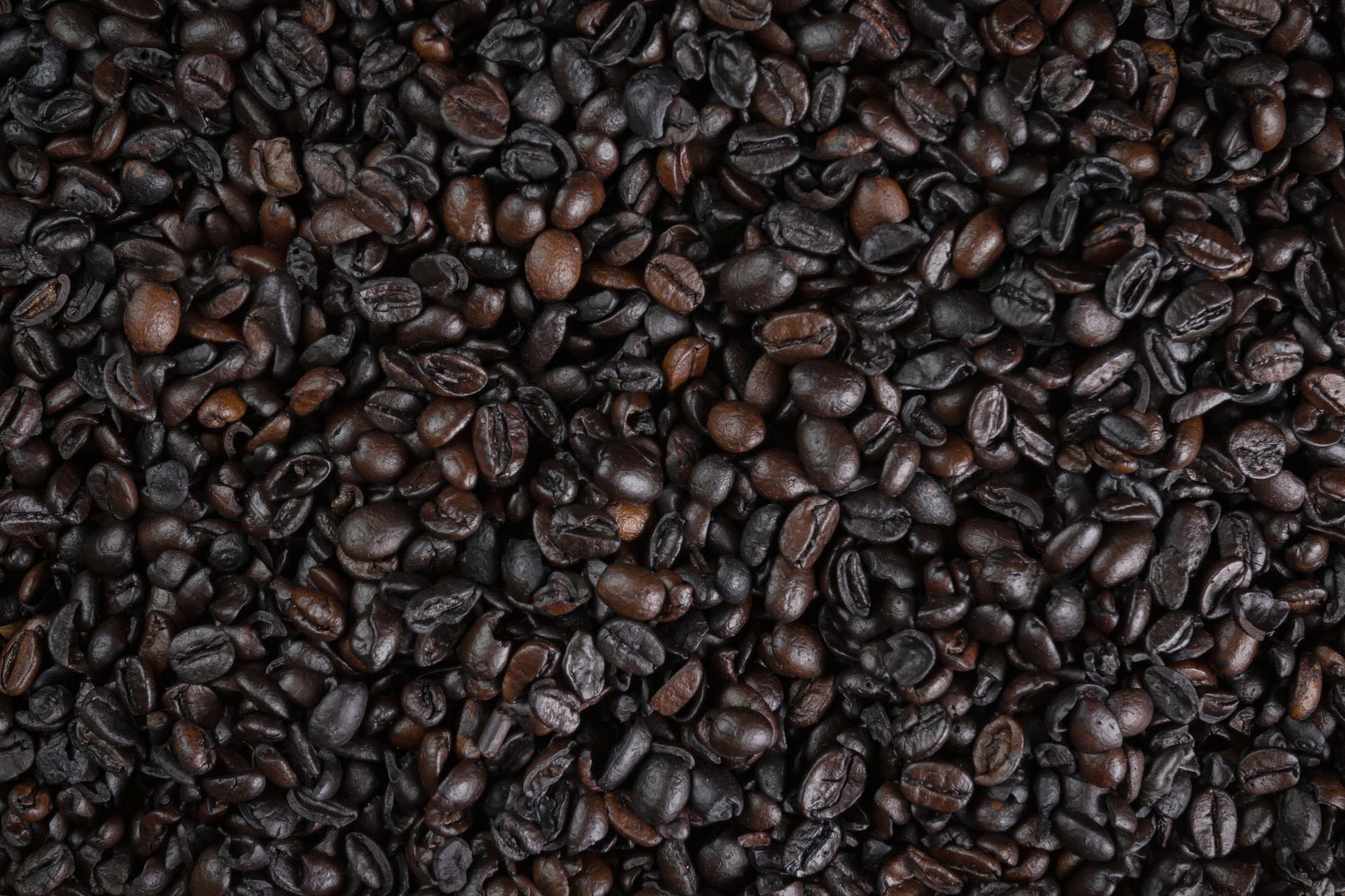
Second crack is a faster, higher-pitched crackling — think Rice Krispies rather than popcorn. It starts around 435–450°F (224–232°C) and signals that the cellulose structure of the bean itself is fracturing. This is the entry point to Full City+, Vienna, and French roast territory. Once second crack begins, the roast develops fast and the margin for error shrinks dramatically.
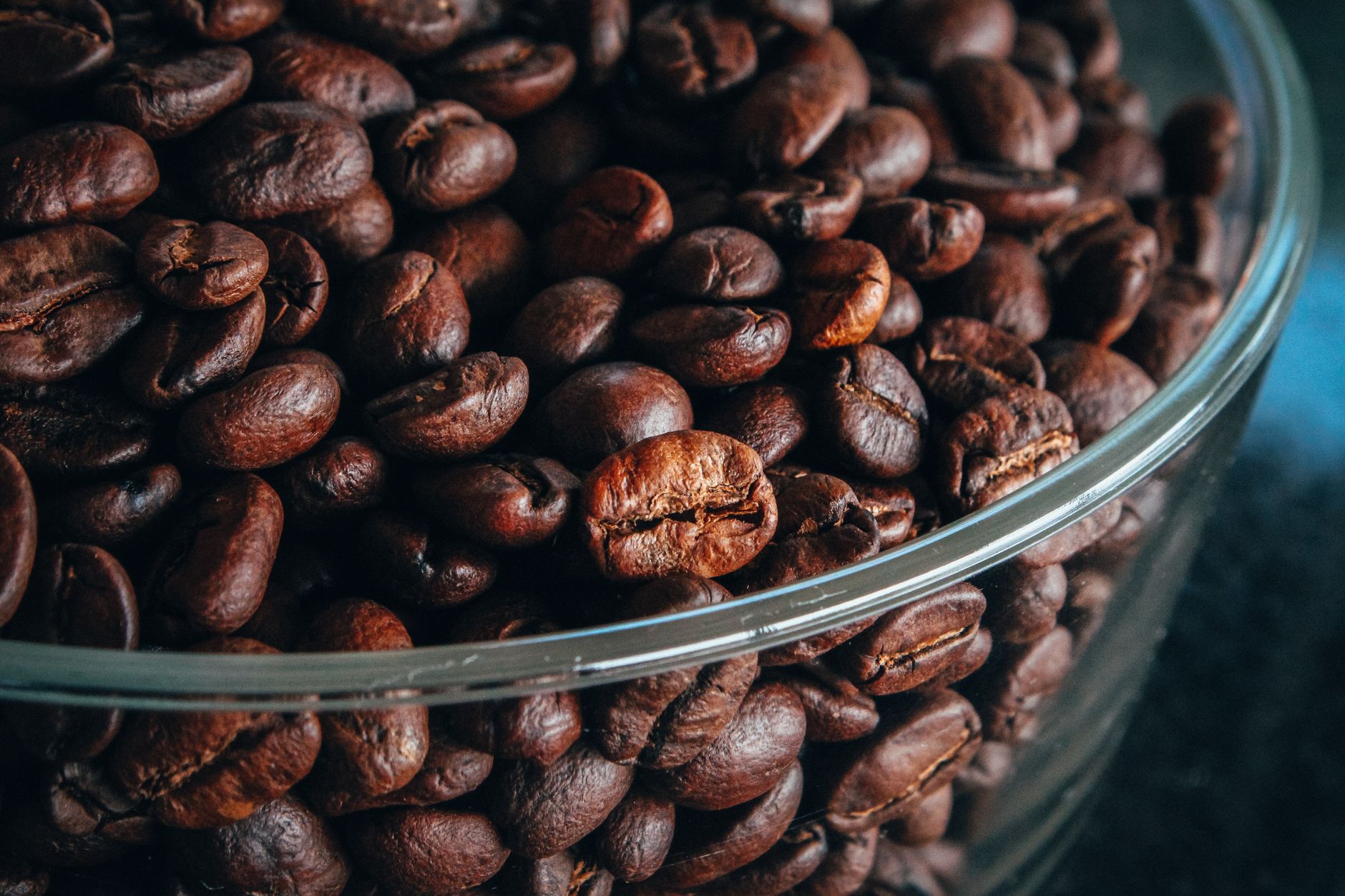 Photo: Harold Mendoza via Pexels
The sound difference is meaningful: first crack is loud and spaced out; second crack is quieter, more rapid, and continuous. On a loud fluid-bed roaster like the Fresh Roast SR800 you may need to reduce fan noise briefly to hear second crack clearly — it’s easy to miss, and missing it means you may not realize you’re heading toward a charred roast.
Beyond second crack, the roast enters Italian or Espresso roast territory. Origin character is almost entirely gone, replaced by roast-derived flavors: dark chocolate, tobacco, carbon. For most specialty coffee, this is well past optimal.
The Window Between First and Second Crack
This window — anywhere from 30 seconds to over 3 minutes depending on your ROR (Rate of Rise) — is where most roast profiles live. Full City sits just after first crack ends. Full City+ enters just before second crack. Vienna begins at the start of second crack.
| Drop Point | Timing | Flavor Profile |
|---|---|---|
| City | During first crack | Bright, fruity, high acidity |
| City+ | Just after first crack ends | Balanced, sweet, nuanced |
| Full City | 30–60s after first crack | Deeper sweetness, reduced acidity |
| Full City+ | Just before second crack | Bittersweet, caramelized |
| Vienna | Start of second crack | Bold, lower acidity, roasty |
| French | Mid second crack | Dark chocolate, heavy body |
| Italian | Past second crack | Smoky, oily, carbon notes |
How to Use Crack Timing in Your Roast Profile
The cracks are milestones, not endpoints. What you’re managing is development time — the interval from first crack to drop — which drives sweetness, body, and the degree to which Maillard reactions have completed. A good rule of thumb: development time should be 20–25% of your total roast time for most origins.
A typical target for a light-medium roast on a home roaster:
- Total roast time: 10–12 minutes
- First crack arrives: 8–9 minutes in
- Drop time: 1.5–2 minutes after first crack begins
- Development time: ~18–20% of total
If you’re using the Fresh Roast SR800 or a similar entry-level roaster, log every batch. Write down when first crack starts, when it ends, and when you drop. Within 5–6 batches you’ll see the pattern and start adjusting fan speed and temperature to move the crack earlier or later.
 Photo: Eden FC via Pexels
Adjusting for Different Origins
Different origins and processing methods respond differently around the cracks:
| Origin | Processing | First Crack Behavior | Suggested Drop |
|---|---|---|---|
| Ethiopia Yirgacheffe | Washed | Clean, distinct crack | 45–60s after crack starts |
| Brazil Santos | Natural | Softer, less defined crack | 60–90s after crack starts |
| Sumatra Mandheling | Wet-hulled | Muted crack, uneven | At or just after crack |
| Colombia Huila | Washed | Loud, reliable crack | 50–75s after crack starts |
| Yemen Mocha | Natural | Irregular, watch carefully | 40–60s after crack starts |
Wet-hulled coffees from Indonesia carry more residual moisture and can have a deceptive first crack. Don’t rush the drop — these beans benefit from a longer development window despite an early-sounding crack.
Common Mistakes Around First and Second Crack
Most roast failures trace back to one of three errors: dropping too early in first crack, losing track of time between cracks, or letting momentum carry the roast past second crack unintentionally.
Dropping mid-first-crack leaves underdeveloped beans — sour, grassy, and harsh. The crack isn’t done; the interior of the bean is still transforming. Wait for the crack to slow or stop before evaluating your drop point.
Losing the window between cracks happens when your Rate of Rise is too steep. If first crack ends and second crack begins within 60 seconds, you’ve accelerated too aggressively. Drop your heat input earlier — during the yellowing phase — to slow the approach.
Coasting into second crack by accident is the easiest way to ruin an expensive bag of beans. Once you hear the first signs of second crack, you have maybe 30–45 seconds before you’re in French roast territory. Have your cooling cycle ready before second crack arrives.
→ See Also
- Home Coffee Roasting: The Complete Beginner’s Guide
- Best Home Coffee Roasters (2026 Reviewed)
- Fresh Roast SR800 Review: Best Entry-Level Roaster?
FAQ
What temperature does first crack occur at? First crack typically begins between 385–410°F (196–210°C), but exact temperature varies by bean density, moisture content, and roaster type. Use temperature as a rough guide only — the sound is the reliable indicator, especially on home roasters where probe placement is inconsistent.
Can you roast between first and second crack? Yes — this is actually where most specialty roasters target their drops. The window between the end of first crack and the start of second crack covers City+, Full City, and Full City+ roast levels, all of which preserve significant origin character while developing sweetness and body.
Why does second crack sound different from first crack? First crack is caused by steam pressure fracturing the bean’s outer cell structure — a loud, spaced pop. Second crack happens when the cellulose matrix inside the bean breaks down under heat, producing a faster, higher-pitched crackle. Two different physical events, two distinct sounds.
What happens if you keep roasting past second crack? The roast enters Italian or Espresso territory. Oils migrate fully to the surface, origin character disappears, and pyrolysis produces smoky, carbonized flavors. Beyond this point, beans can ignite — a real fire hazard on home roasters. Always have a fire extinguisher nearby and never leave a roast unattended.
Does first crack sound the same on all roasters? No. Drum roasters produce a clear, distinct pop; fluid-bed roasters (like the Fresh Roast SR800) can mask first crack under fan noise. On fluid-bed roasters, many roasters briefly reduce fan speed around the expected crack window to hear it more clearly.
Editorial methodology: Assessments are based on manufacturer specifications, published user reviews, and editorial research. Physical hands-on testing is noted explicitly where it occurred. Rankings reflect our editorial judgment and are not influenced by affiliate commission rates. Full editorial policy · Affiliate disclosure