Contents
Fellow Ode Grinder Review (2026): Still Worth It?
TL;DR: The Fellow Ode Gen 2 is the best single-dose grinder for filter coffee under $400. It produces exceptional grind uniformity for pour-over, French press, and batch brew — but it’s deliberately not built for espresso. If you want one grinder for both, look elsewhere.
What Is the Fellow Ode and Who Is It For?
The Fellow Ode is a 64mm flat burr, single-dose electric grinder purpose-built for filter coffee. It grinds cleanly, retains almost nothing, and fits on a small counter. The Gen 2 upgrade added improved burrs and a more linear grind adjustment dial. Price sits around $345.
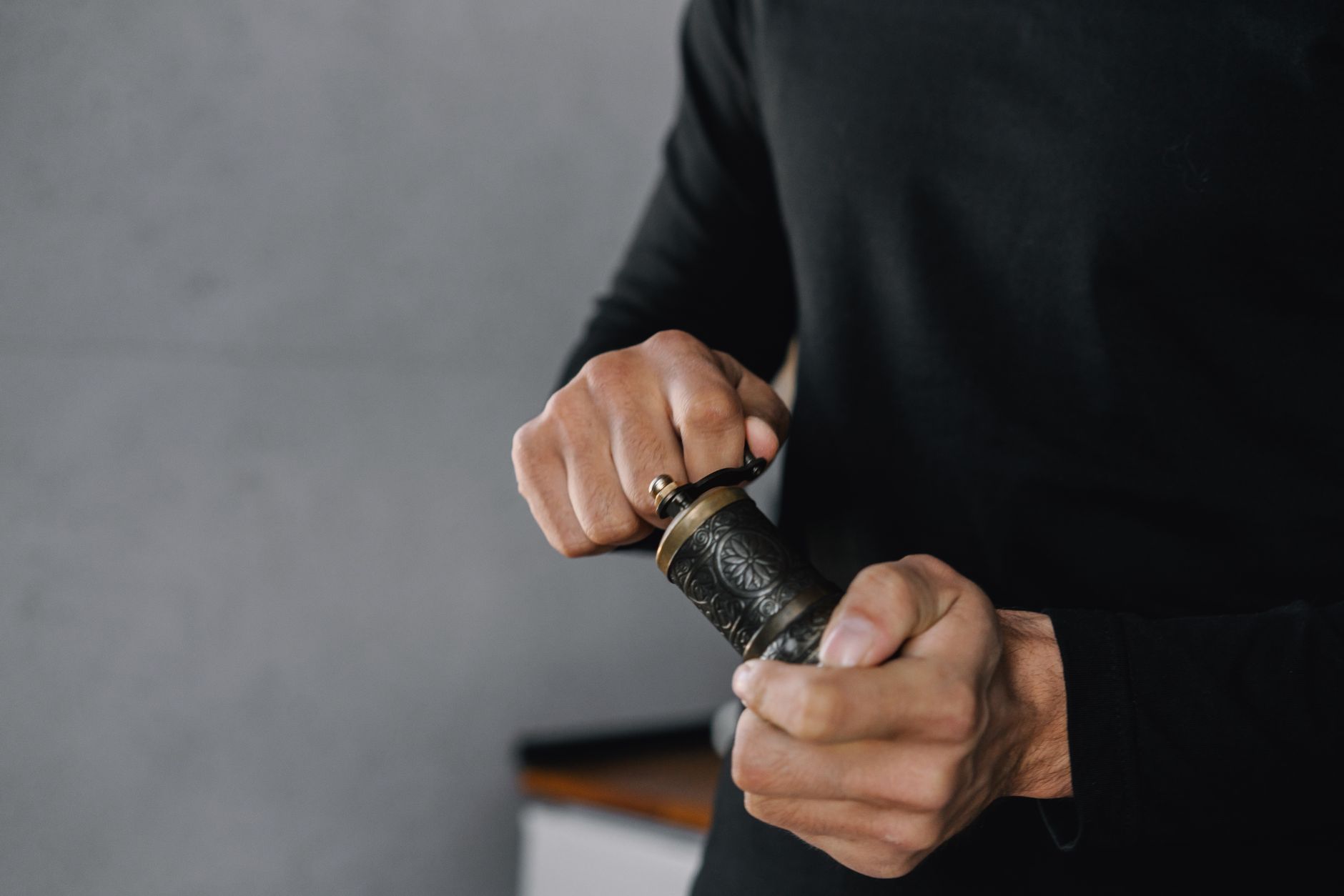
 Photo: Nikita Grimovich via Pexels
Fellow released the original Ode in 2021 to fix a specific problem: most home grinders either waste a tablespoon of coffee in retention, or they’re built for espresso and mediocre at filter. The Ode does filter extremely well and wastes almost nothing — typically under 0.1g retention with the Gen 2 burrs.
The target buyer is someone brewing 1–3 cups a day via pour-over, AeroPress, or batch drip, who has $300+ to spend and wants results that rival café quality without commercial equipment.
Fellow Ode Gen 2 Specs
| Feature | Spec |
|---|---|
| Burr type | 64mm stainless flat burr |
| Burr set | Gen 2 (upgraded from Gen 1) |
| Grind settings | 31-step dial (1–11 per major step) |
| Motor | 1450 RPM direct-drive AC |
| Retention | ~0.1g |
| Capacity (hopper) | Single-dose — no hopper |
| Catch cup | Magnetic, included |
| Noise | ~75 dB |
| Dimensions | 6“ × 4“ × 9.6“ |
| Weight | 5.5 lbs |
| Price | ~$345 |
Grind Quality: Filter Coffee
The Gen 2 burrs produce a particle size distribution that’s tight enough to be competitive with grinders at twice the price. Shots are cleaner and more transparent than anything with 40mm burrs. For pour-over specifically, you will taste the difference.
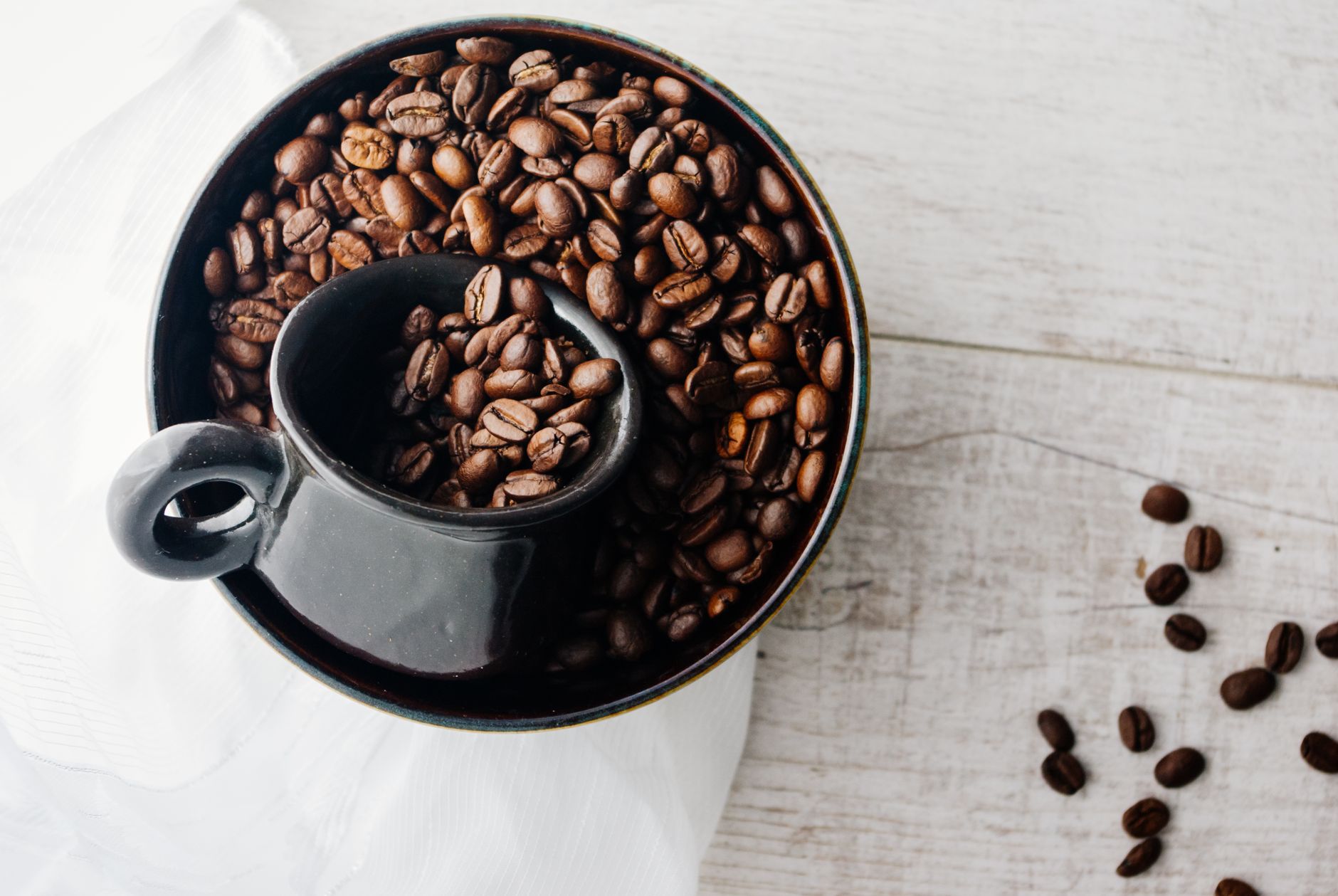
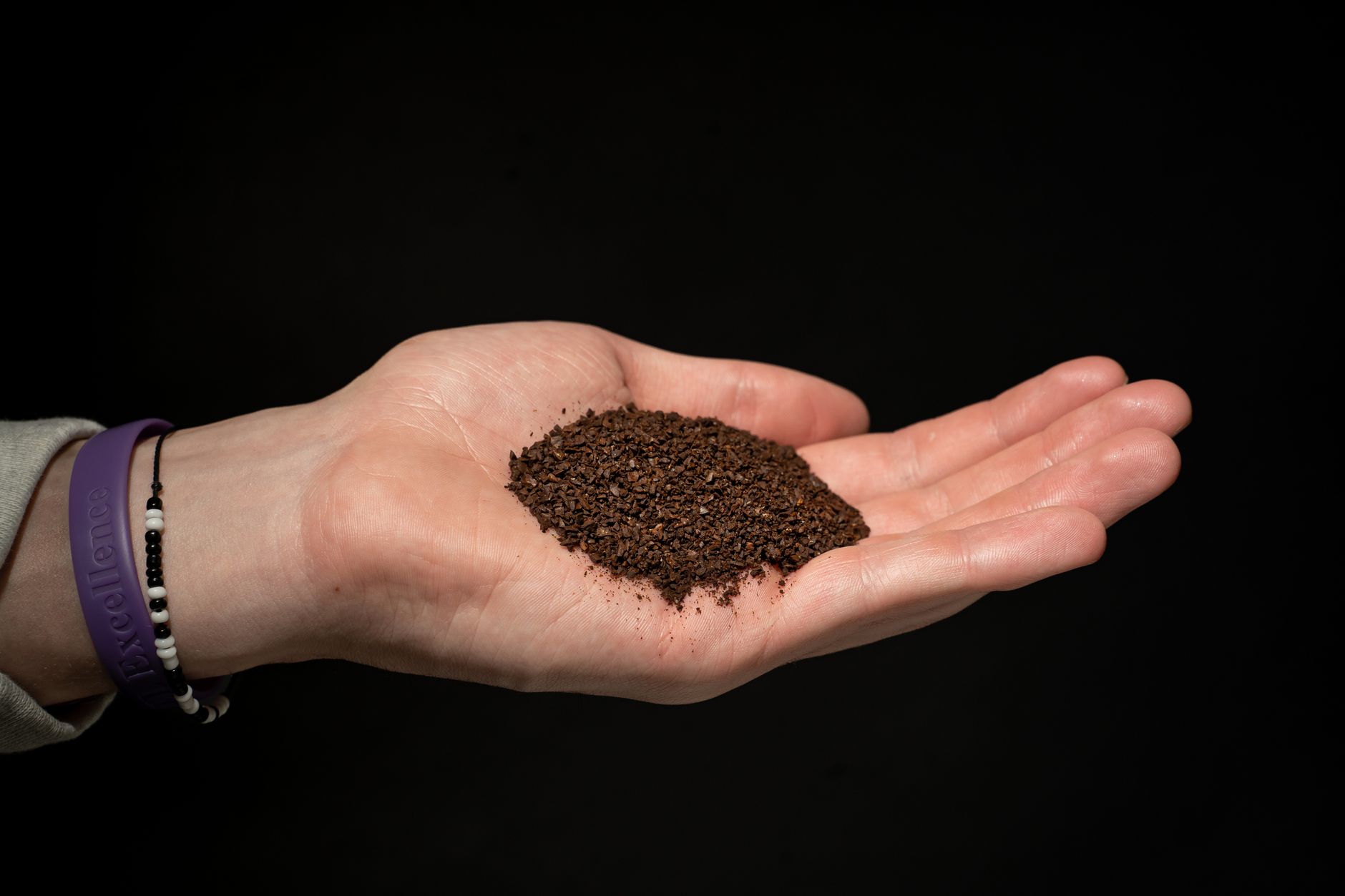 Photo: Kirk Thornton via Pexels
Side-by-side against the Baratza Encore ESP and the Timemore C3 Pro, the Ode consistently produces fewer fines — the tiny particles that cause over-extraction and muddy flavor. The result is brighter, more articulate cups with clearer origin character.
The 31-step adjustment is wide enough to cover coarse French press through medium-fine AeroPress. Dial positions 3–5 suit most pour-over recipes. Each click produces a meaningful, repeatable change — you can log a grind number and come back to it a week later.
What About Grind Consistency at Finer Settings?
The Ode Gen 2 will grind fine enough for a moka pot at its finest setting. However, the particle distribution gets less even below roughly dial position 2, and bimodal distribution increases noticeably. This is expected behavior for a flat burr grinder optimized for filter range — it’s not a defect, it’s a design boundary.
If you try to pull espresso, you’ll face three problems: the dial has no espresso range, the RPM is too high for ideal espresso extraction, and retention is actually so low that you need to grind-to-order every shot with no buffer. Some users add the SSP Brew burrs as an upgrade to extend the range, but this is a $150+ modification that voids the warranty.
Build Quality and Design
The Ode feels premium at $345. The anodized aluminum body, magnetic catch cup, and single-dose workflow are well-executed. The footprint is small. The only build criticism worth noting is that the grounds can static-cling to the catch cup in dry climates.
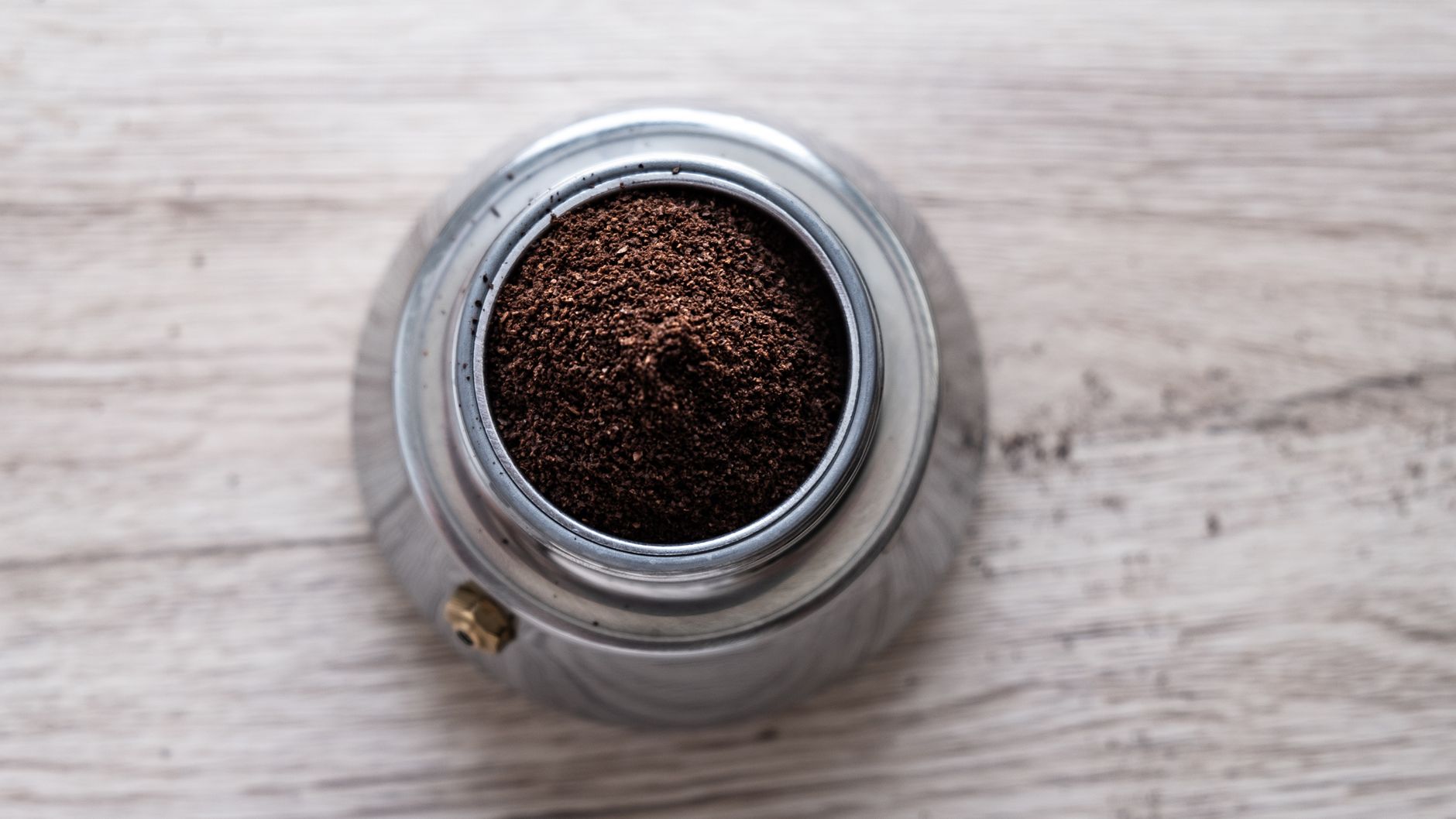
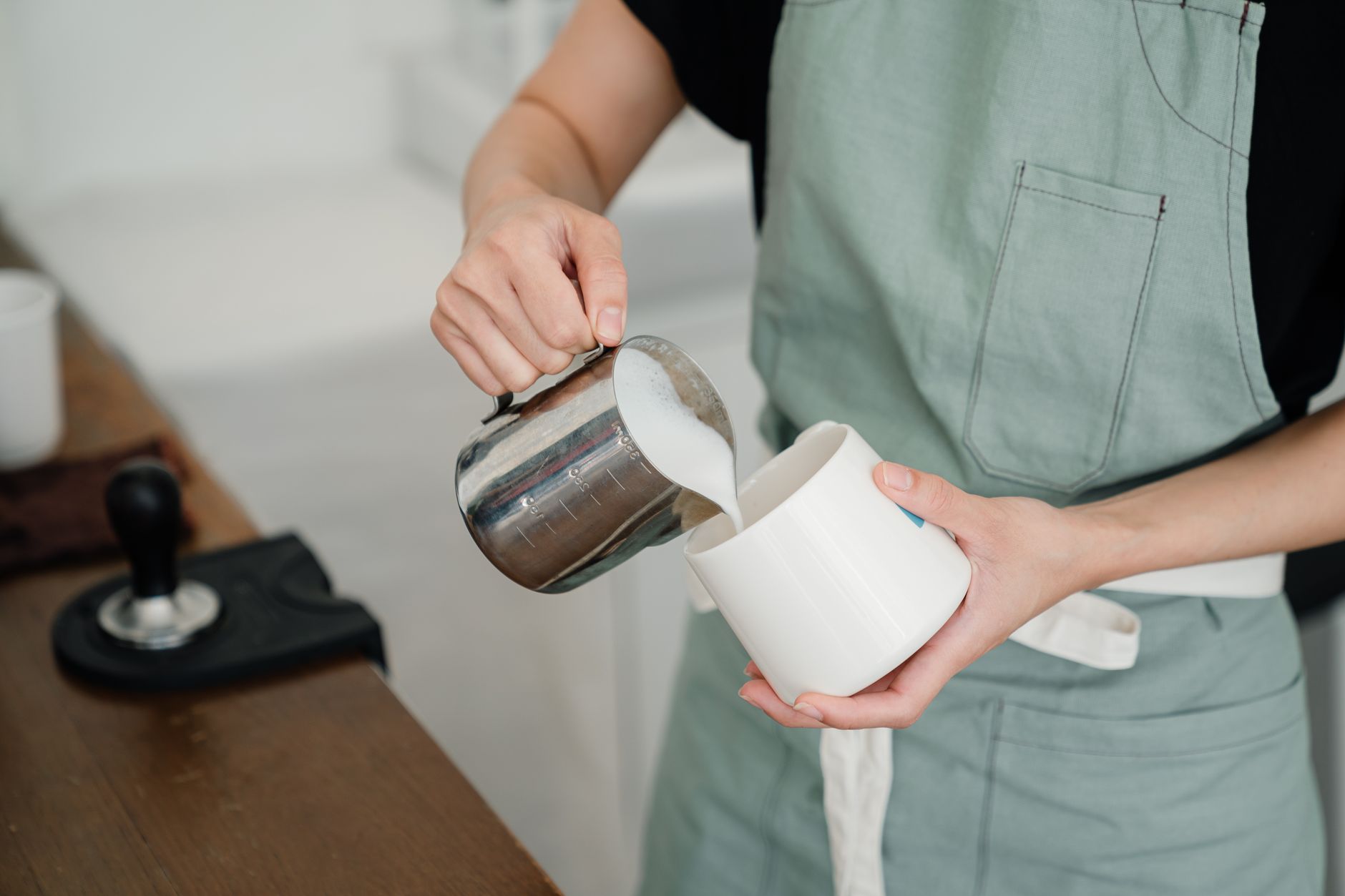 Photo: Ketut Subiyanto via Pexels
The magnetic catch cup is genuinely useful — you weigh your dose into it, dump it in the chute, and the cup re-mounts underneath to catch the grinds. No funnels, no adapter rings. This workflow is faster than any hopper grinder for single-dose use.
Static is the Ode’s most complained-about trait. A light RDT (Ross Droplet Technique — one drop of water on the beans before grinding) solves it almost entirely. Fellow has acknowledged this and redesigned the Gen 2 internals to reduce it, with partial success.
The power button is the only true ergonomic miss: it’s a capacitive touch button that occasionally triggers accidentally. This is a minor annoyance, not a dealbreaker.
Fellow Ode Gen 2 vs. Competitors
| Machine | Price | Burr | Best For | Espresso? |
|---|---|---|---|---|
| Fellow Ode Gen 2 | ~$345 | 64mm flat | Filter, AeroPress | No |
| Baratza Encore ESP | ~$215 | 40mm conical | Filter + light espresso | Limited |
| Eureka Mignon Filtro | ~$350 | 50mm flat | Filter | No |
| Niche Zero |
The DF64 Gen 2 is the Ode’s closest competitor for the money. It uses a similar burr diameter, costs slightly less, and grinds espresso. The Ode wins on build quality, user experience, and dial precision. The DF64 wins on versatility.
If you already own a dedicated espresso grinder and want a filter companion, the Ode is the obvious choice. If you want one grinder for everything, the Niche Zero or DF64 Gen 2 makes more sense.
Verdict by User Type
Espresso purist: Skip the Ode. It won’t reach true espresso range without aftermarket burrs. Get the Niche Zero or a dedicated espresso grinder.
Filter coffee obsessive: Buy the Ode Gen 2. It’s the best single-dose filter grinder you can get without going into Lagom P64 territory ($700+).
Convenience-first home brewer: The Ode is low-retention, fast to clean, and takes 30 seconds to dial in. If you’re brewing one or two pour-overs a day and don’t want the fuss of a hopper grinder, this is purpose-built for you.
Milk drinker / latte person: This category depends entirely on your espresso machine. The Ode doesn’t serve espresso workflows, so your milk drinks depend on what’s paired with it. For batch drip + milk drinks, the Encore ESP is the practical answer.
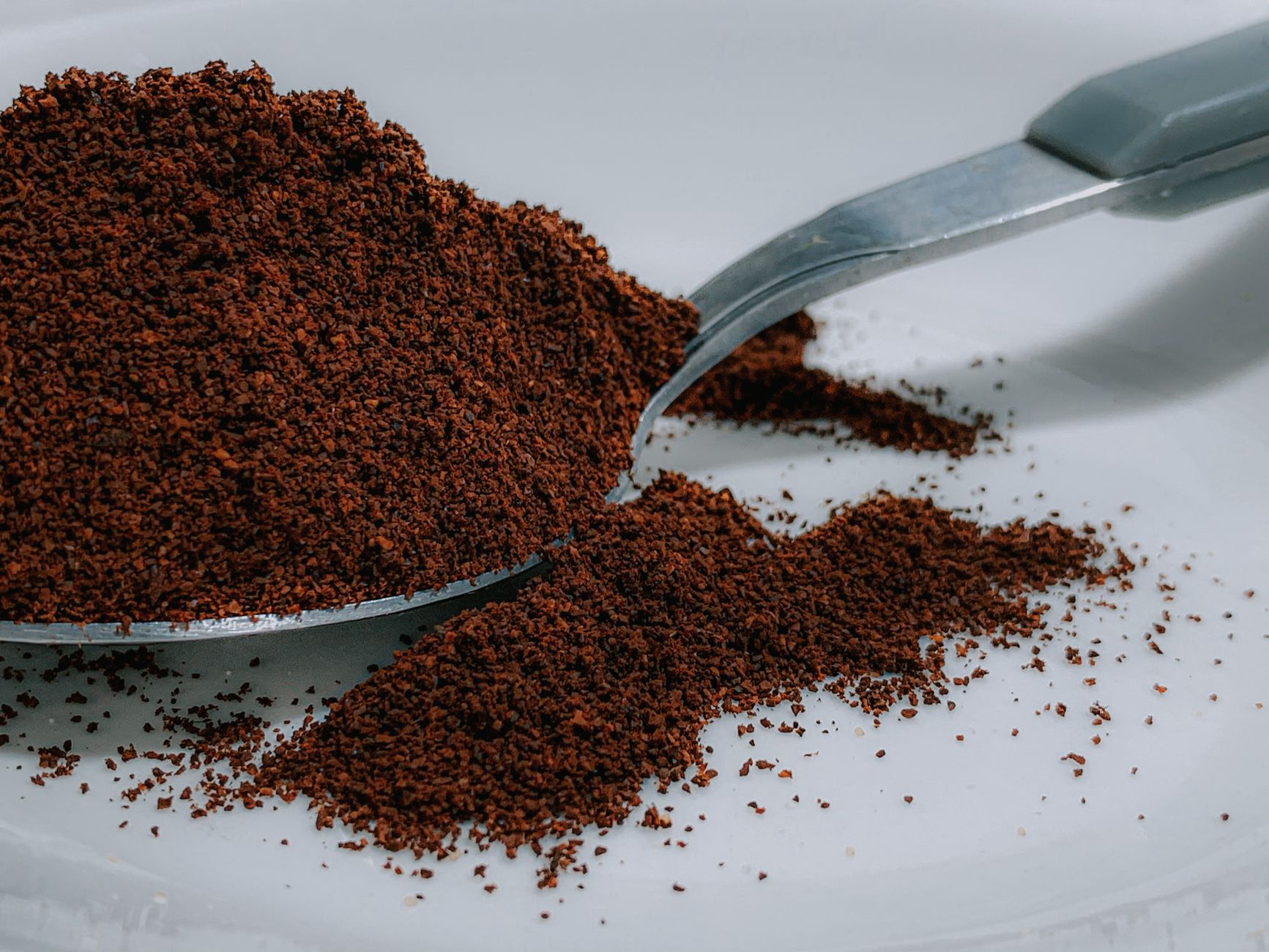
 Photo: Eric Steinhauer via Pexels
Gen 1 vs. Gen 2: Is the Upgrade Worth It?
If you own a Gen 1 Ode, the Gen 2 burrs are available as a standalone upgrade kit for ~$100. The improvement in grind uniformity and reduction in fines is measurable in the cup — cleaner finish, less astringency. If you’re buying new, always buy Gen 2.
The Gen 1 had a notoriously high fine percentage that made it polarizing on coffee forums. Fellow’s response was to replace the burr geometry entirely rather than iterate incrementally. That’s the right call and the Gen 2 burrs are genuinely better.
→ See Also
- The Complete Coffee Grinder Guide (2026) — where the Ode fits in the full grinder landscape
- Burr vs Blade Grinder: Why It Matters for Your Coffee — why burr size and geometry determines cup quality
- Best Coffee Grinders Under $100 (2026) — if the Ode is out of budget
FAQ
Is the Fellow Ode good for espresso? No — and Fellow says so explicitly. The Ode’s grind range stops before espresso territory, and its high RPM motor isn’t suited to the fine, slow grind espresso requires. Use it for filter methods only, or budget an additional $100–150 for aftermarket SSP burrs if you want to push it.
What’s the difference between Fellow Ode Gen 1 and Gen 2? The Gen 2 uses redesigned burrs with a different cutting geometry that produces fewer fines and better particle uniformity. The body and motor are unchanged. You can upgrade a Gen 1 unit to Gen 2 burrs for around $100 — it’s worth doing.
Does the Fellow Ode have static problems? Yes, in low-humidity environments especially. The fix is RDT: add one drop of water to your beans before grinding. This dissipates the static charge and keeps grounds from clinging to the catch cup. Takes five seconds and works almost perfectly.
How does the Fellow Ode compare to the Niche Zero? The Niche Zero
Can I use the Fellow Ode for French press? Yes — the coarsest settings (dial position 8–10) produce an appropriate grind for French press and cold brew. The low retention keeps your dose accurate, which matters more for immersion methods than people expect.
Editorial methodology: Assessments are based on manufacturer specifications, published user reviews, and editorial research. Physical hands-on testing is noted explicitly where it occurred. Rankings reflect our editorial judgment and are not influenced by affiliate commission rates. Full editorial policy · Affiliate disclosure