Contents
Espresso Tonic Recipe (The Right Way to Make It)
TL;DR: An espresso tonic recipe combines a double shot of chilled espresso poured over tonic water and ice. The ratio is 2:1 tonic to espresso — typically 60ml tonic, 30ml double shot. Pull the shot first, let it cool briefly, pour tonic over ice, then add espresso. Carbonation and clarity depend entirely on that order.
What Is an Espresso Tonic?
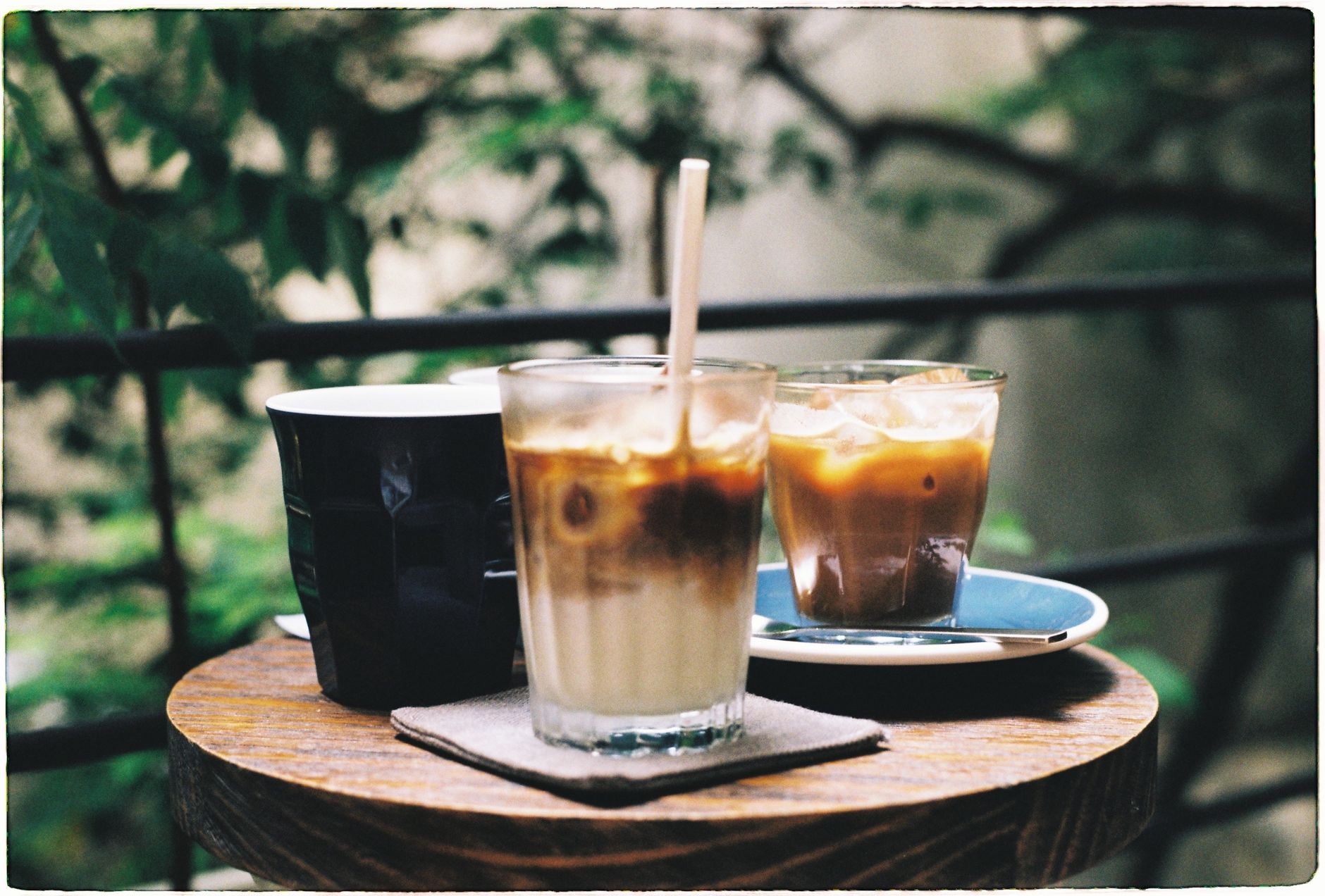
An espresso tonic is a cold espresso drink built on tonic water instead of milk or still water. The quinine in tonic creates a bitter-sweet contrast that amplifies espresso’s fruit and floral notes — particularly effective with light-roast single origins. It takes 5 minutes and no equipment beyond an espresso machine.
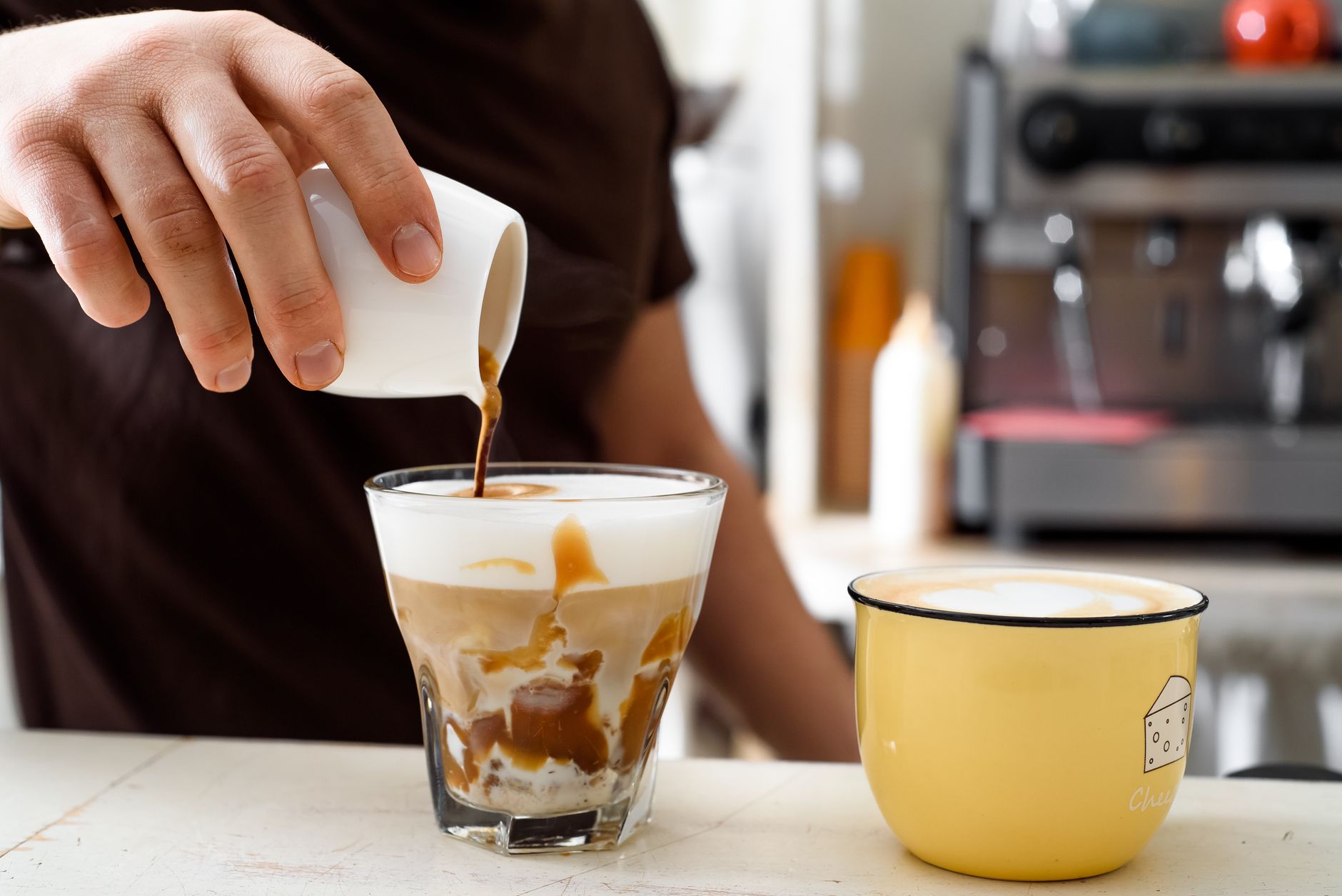 Photo: Kiro Wang via Pexels
The drink originated in Scandinavian specialty cafés around 2010 and spread fast once baristas realized that tonic’s bitterness doesn’t fight espresso — it frames it. A well-roasted Ethiopian Yirgacheffe over Fever-Tree shows citrus and jasmine in a way a flat white never could.
Dark roasts work against the recipe. Their heavy body muddies tonic’s clarity, and the result tastes medicinal. Save the dark roast for your Americano.
Ingredients
| Component | Amount | Notes |
|---|---|---|
| Double espresso | 30–40ml | Light or medium-light roast preferred |
| Tonic water | 60–80ml | High-quality, bitter style (see below) |
| Ice | Generous | Large cubes melt slower, preserve carbonation |
| Citrus garnish (optional) | 1 thin slice | Orange or lemon, expressed over the glass |
Tonic water choice matters more than most people expect. Supermarket tonic is high-sugar and low-quinine — it reads as sweet soda, not bitter tonic. Fever-Tree Indian Tonic, Q Tonic, or East Imperial are the three worth buying.
Step-by-Step Espresso Tonic Recipe
1. Pull Your Espresso First
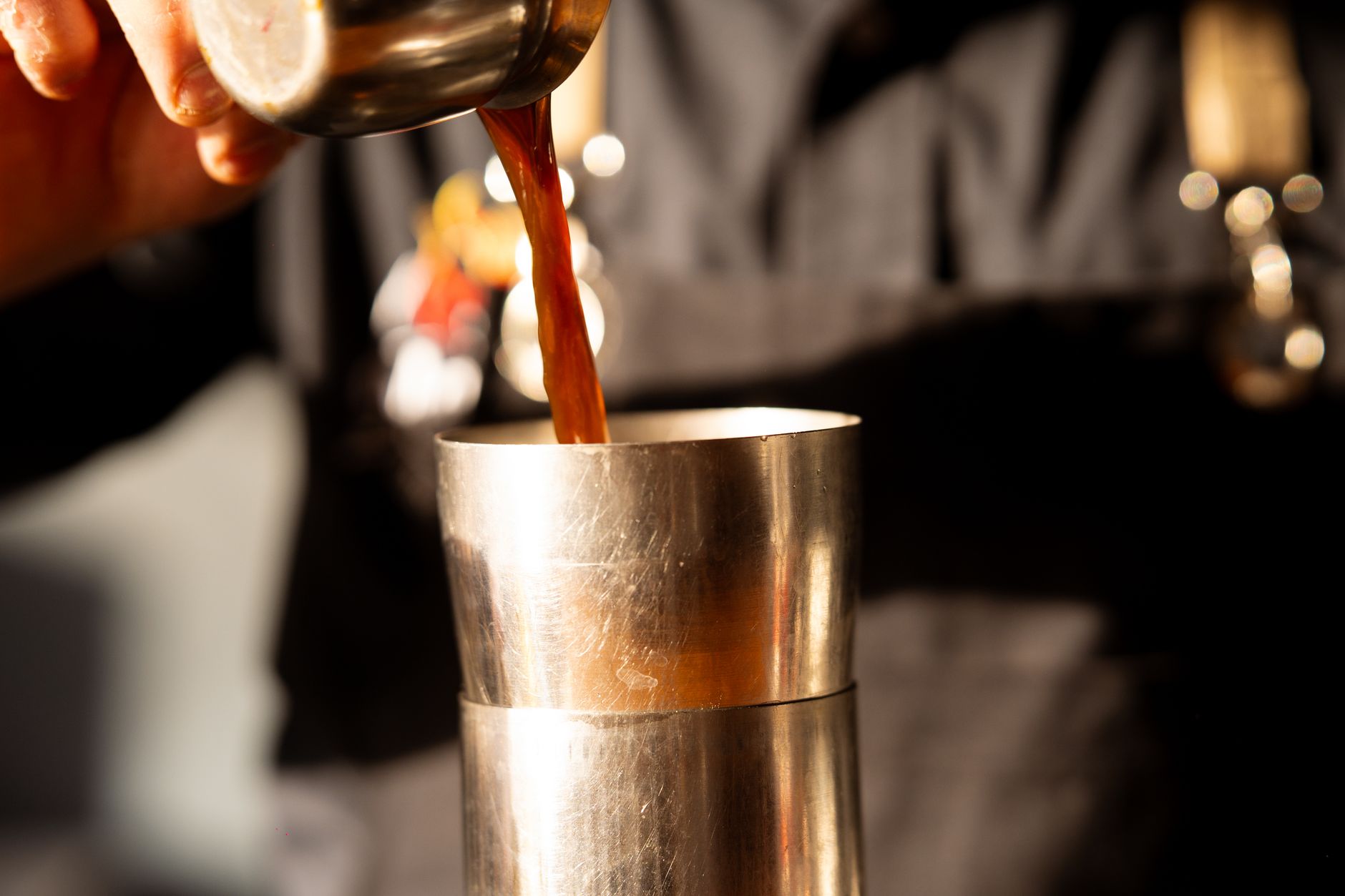
Pull a double shot — 18g in, targeting 36–40g out in 25–30 seconds. Use a light-roast single origin if you have one. Let the shot rest 30–60 seconds before pouring; this drops the temperature enough to prevent the tonic from going flat on contact.
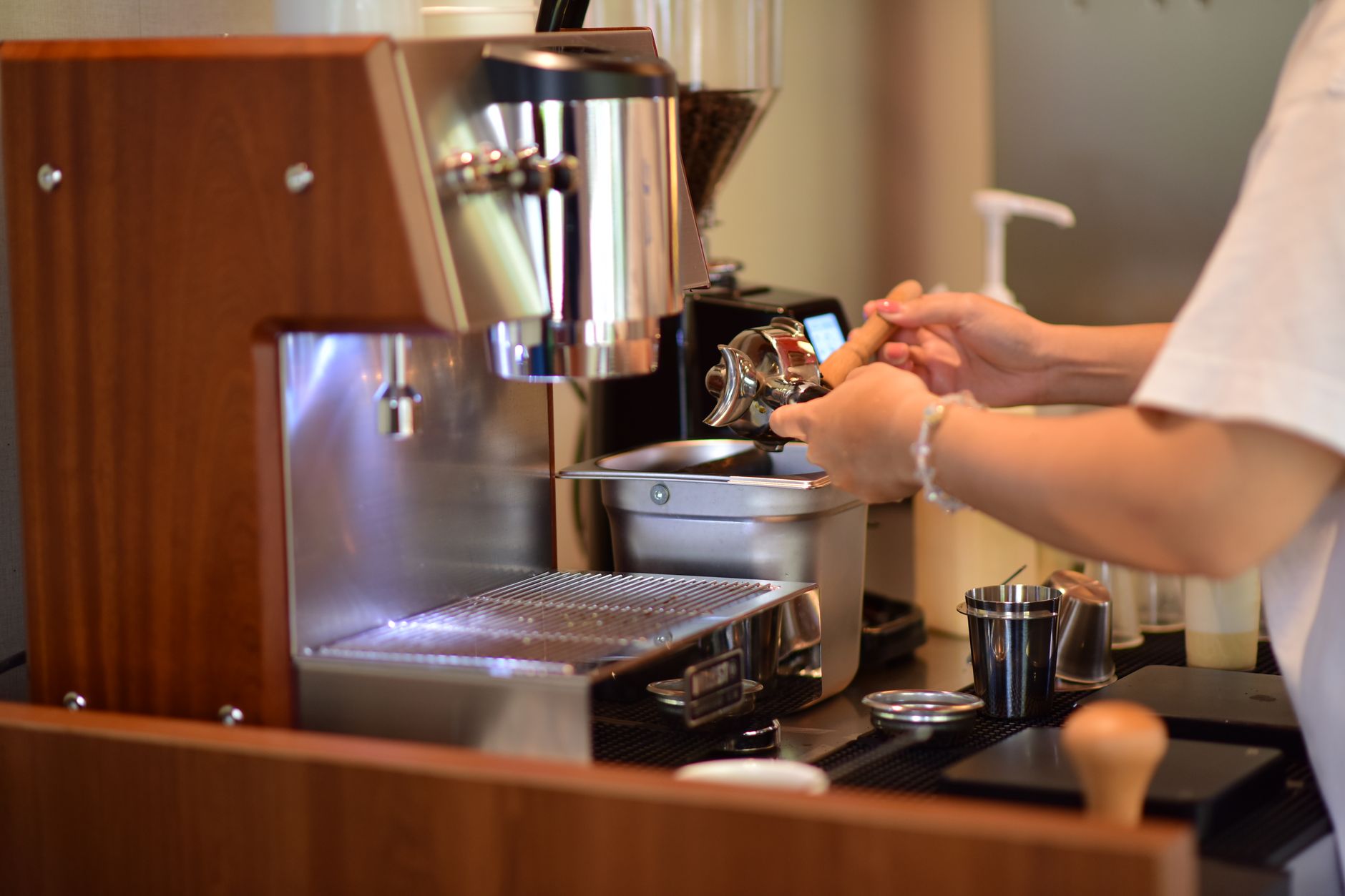 Photo: Sóc Năng Động via Pexels
Don’t refrigerate the shot to speed cooling — you’ll stall extraction chemistry and flatten the aromatics. Room temperature rest is enough.
2. Build the Glass
Fill a tall glass or rocks glass with ice. Large clear ice cubes are ideal — they melt slowly and keep dilution predictable. Pour in your tonic water first, not the espresso.
Why tonic first? When you pour carbonated liquid onto ice without disturbance, it stays charged. Adding espresso on top creates a layered visual effect and preserves the fizz. Reverse the order and you lose half your carbonation immediately.
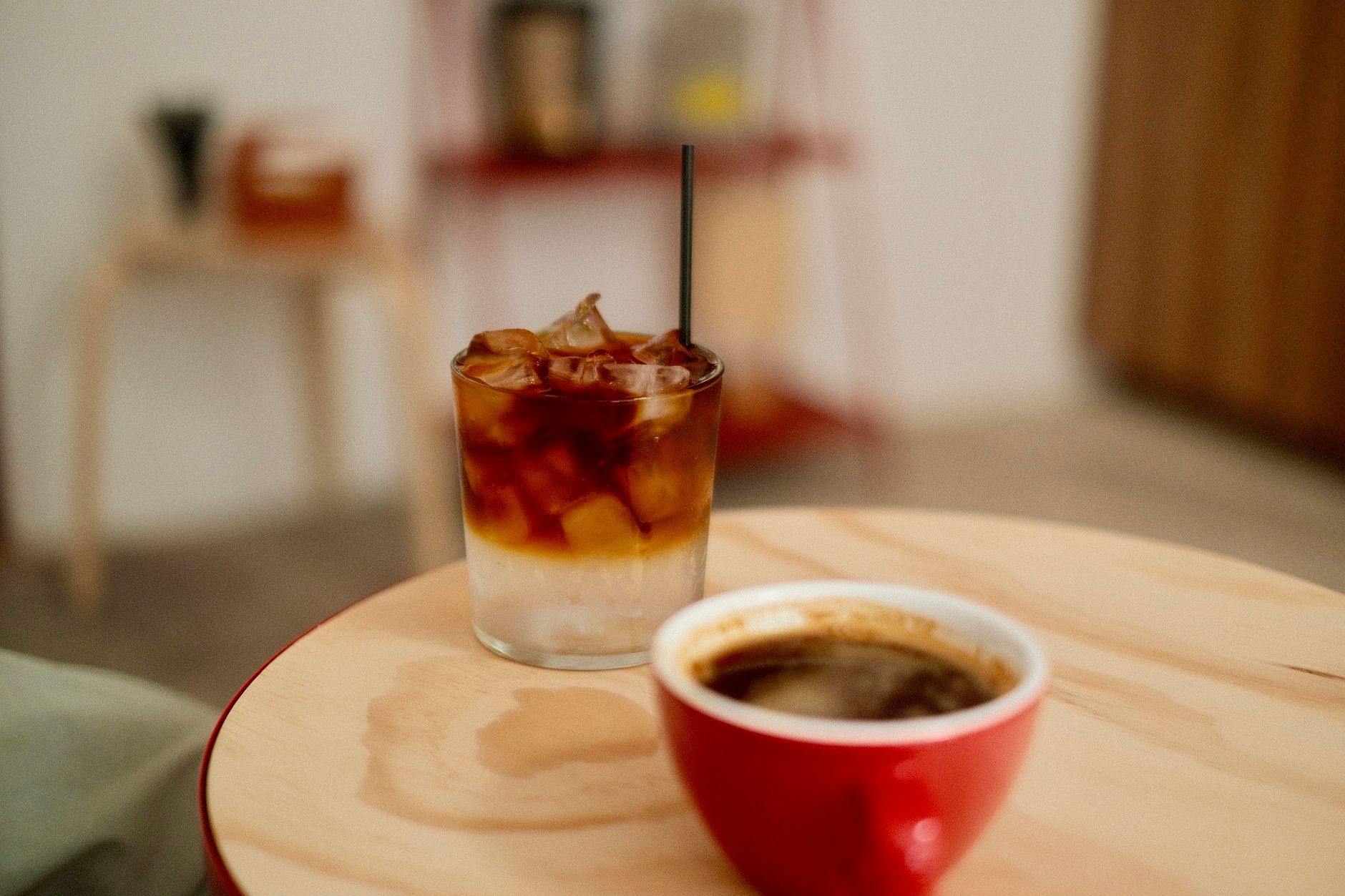
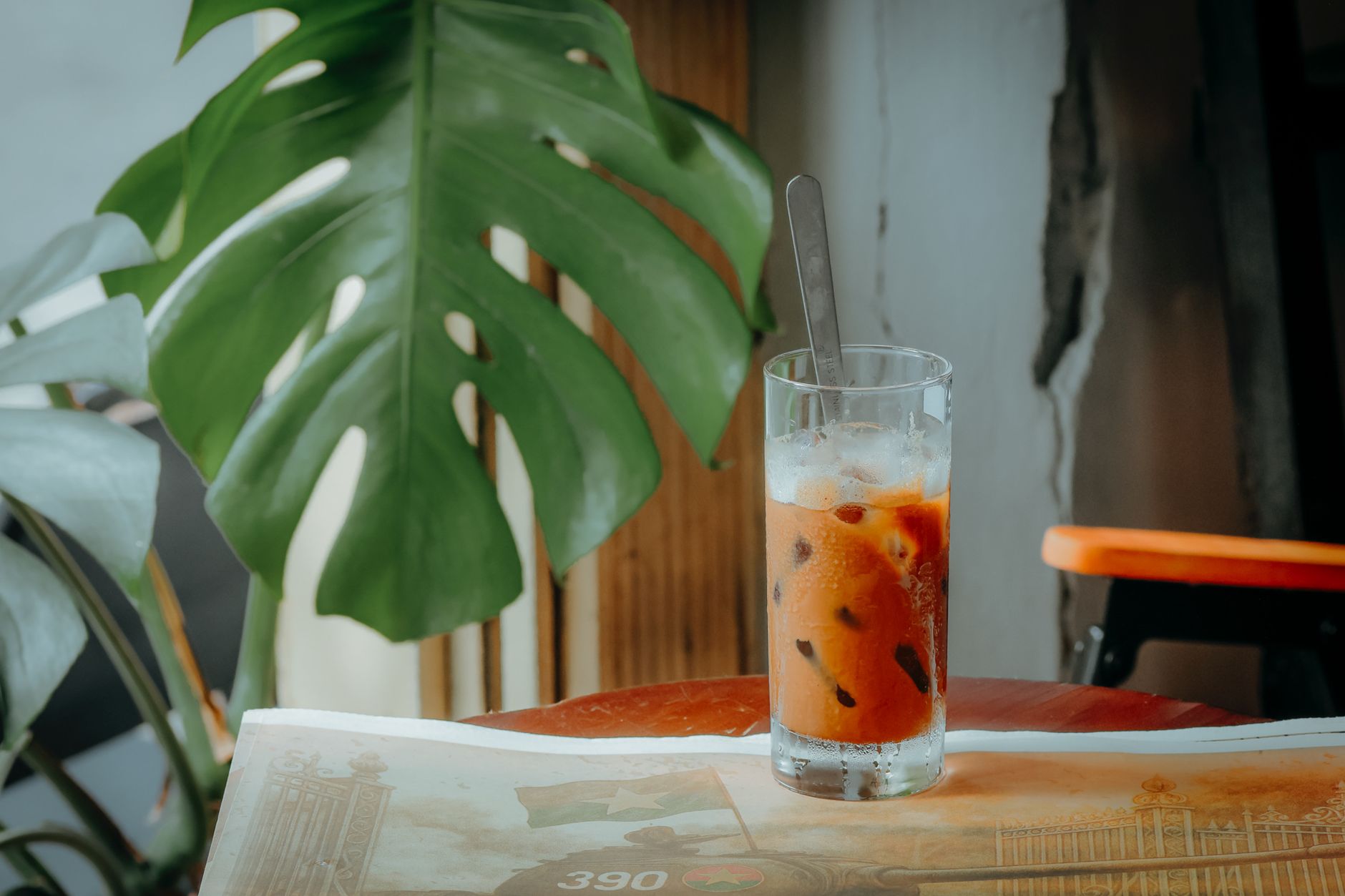 Photo: 🇻🇳🇻🇳Nguyễn Tiến Thịnh 🇻🇳🇻🇳 via Pexels
3. Add the Espresso
Pour the cooled espresso shot slowly over the back of a spoon or directly down the side of the glass. It will float briefly before integrating — that gradient from dark espresso to pale tonic is the visual signature of a well-built drink.
Don’t stir. The flavors will integrate naturally as you drink it.
4. Garnish (Optional)
A thin orange or lemon wheel adds aromatics that complement light-roast espresso’s citrus profile. Express the oils over the glass before placing it on the rim. Skip this if you’re using a more chocolatey medium roast — the citrus will clash.
Espresso Tonic Variations
| Variation | Change | Effect |
|---|---|---|
| Sparkling water base | Swap tonic for sparkling mineral water | Cleaner, less bitter — closer to a sparkling Americano |
| Flavored tonic | Use elderflower or cucumber tonic | Adds complexity; works with floral Ethiopian or Kenyan roasts |
| Sweetened version | Add 5ml simple syrup before tonic | Rounds the quinine bite; useful with high-acidity roasts |
| Cold brew base | Replace espresso with 60ml cold brew concentrate | Longer, less intense; better for hot days when you want something easy |
Choosing the Right Espresso
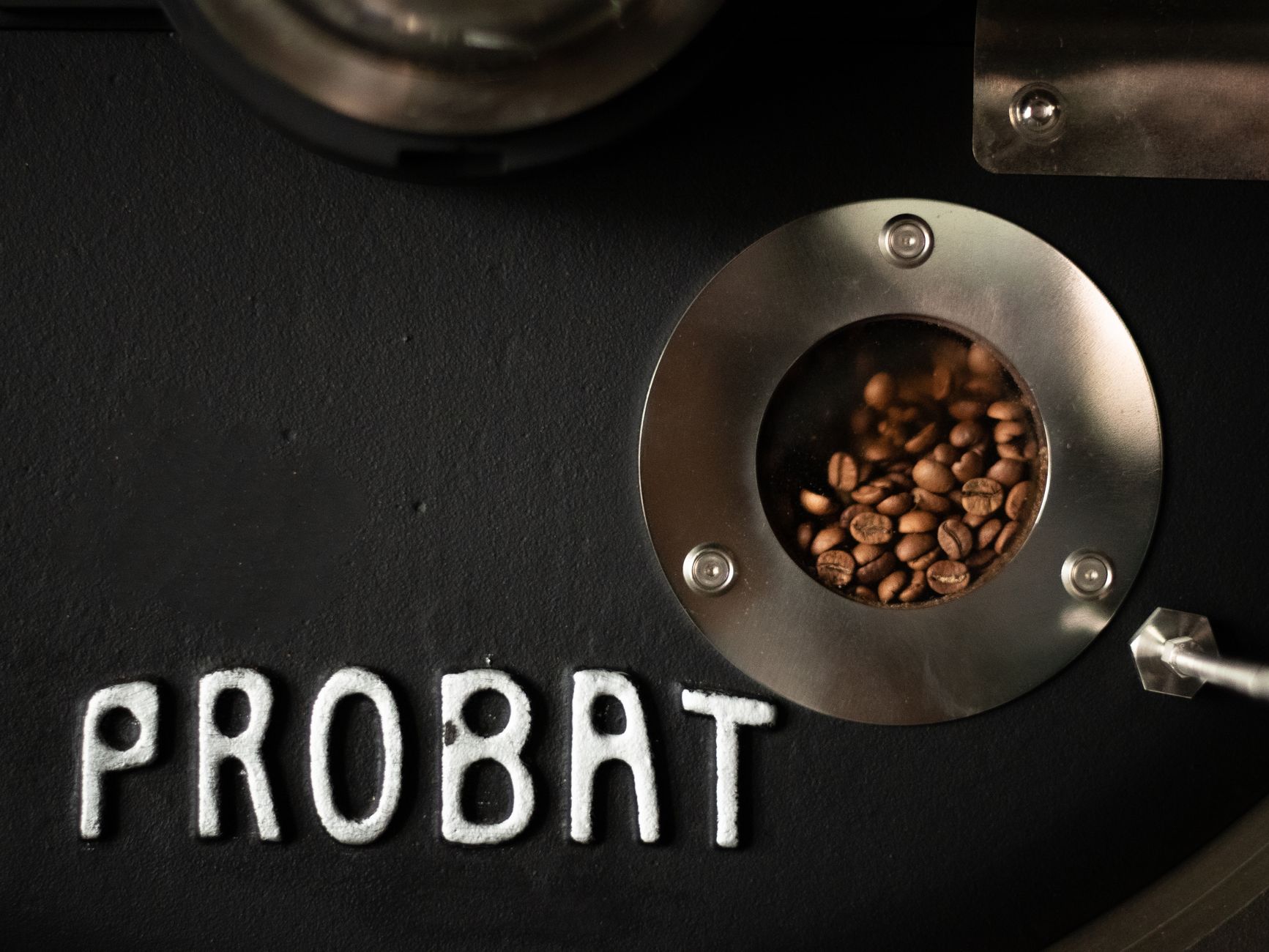 Photo: Hannoversche Kaffeemanufaktur via Pexels
Origin matters more in an espresso tonic than in any milk-based drink because nothing is masked. The tonic amplifies brightness:
- Ethiopian (Yirgacheffe, Sidama): Blueberry, jasmine, lemon. Exceptional choice.
- Kenyan AA: Blackcurrant, tomato acidity. Complex and divisive — worth trying.
- Colombian: Caramel, red apple. Approachable; good starting point.
- Brazilian or Robusta blends: Avoid. Heavy body + tonic = murky bitterness without clarity.
Common Mistakes
Pouring hot espresso directly onto tonic. The heat collapses the carbonation instantly. Always rest the shot or cool it briefly.
Using cheap tonic. High-fructose corn syrup tonic tastes like a mixer, not a beverage. The quinine level in premium tonic is three to four times higher — that’s where the contrast comes from.
Stirring the drink. Let it integrate naturally. Stirring kills carbonation and ruins the layered appearance.
Over-icing. Pack too much ice and you’re drinking a watered-down mess inside three minutes. One-third to half the glass is enough.
→ See also:
- Espresso Drinks: The Complete Guide to Every Type
- What Is a Cortado? (And How It Differs From a Macchiato)
- Cortado vs Flat White vs Macchiato: Full Comparison
FAQ
Can I use any espresso roast for an espresso tonic recipe? Light to medium-light roasts work best. They have the acidity and brightness that tonic water complements. Dark roasts produce a heavy, medicinal result because their bitterness stacks on top of the quinine without any fruit or floral notes to balance it.
Does the espresso have to be cold before adding it to tonic? It doesn’t have to be ice-cold, but it should be at or below room temperature — let it rest 30–60 seconds off the machine. A very hot shot flash-expels the carbonation in the tonic water, leaving you with a flat drink within seconds.
What’s the best tonic water for an espresso tonic? Fever-Tree Indian Tonic Water is the most widely available high-quality option. Q Tonic and East Imperial are slightly more bitter and work particularly well with fruitier single origins. Avoid store-brand tonics — they have minimal quinine and excessive sugar.
How is an espresso tonic different from a sparkling Americano? The quinine in tonic water adds a distinct bitter-herbal note that sparkling water doesn’t have. A sparkling Americano tastes like diluted espresso with bubbles; an espresso tonic has a structured contrast where the tonic’s bitterness and the espresso’s fruit play off each other.
Can I make an espresso tonic without an espresso machine? Yes, with caveats. Moka pot produces a strong, concentrated brew that can substitute — use the same volume. AeroPress on a fine grind and high pressure gets reasonably close. Nespresso works if you use a lungo setting to hit the right volume. Cold brew concentrate is a valid alternative for a different but excellent result.
Editorial methodology: Assessments are based on manufacturer specifications, published user reviews, and editorial research. Physical hands-on testing is noted explicitly where it occurred. Rankings reflect our editorial judgment and are not influenced by affiliate commission rates. Full editorial policy · Affiliate disclosure