Contents
Espresso Machine Buying Guide: 8 Things to Check Before Buying
TL;DR: An espresso machine buying guide should start with one question: what actually matters to you? Boiler type, grinder compatibility, and build quality determine whether a machine makes great espresso for years — or frustrates you into drip coffee. This guide covers the eight factors worth checking before you spend a dollar. For a full breakdown of every machine type and category, see the complete espresso machine guide.
1. Boiler Type: It Determines Everything Downstream
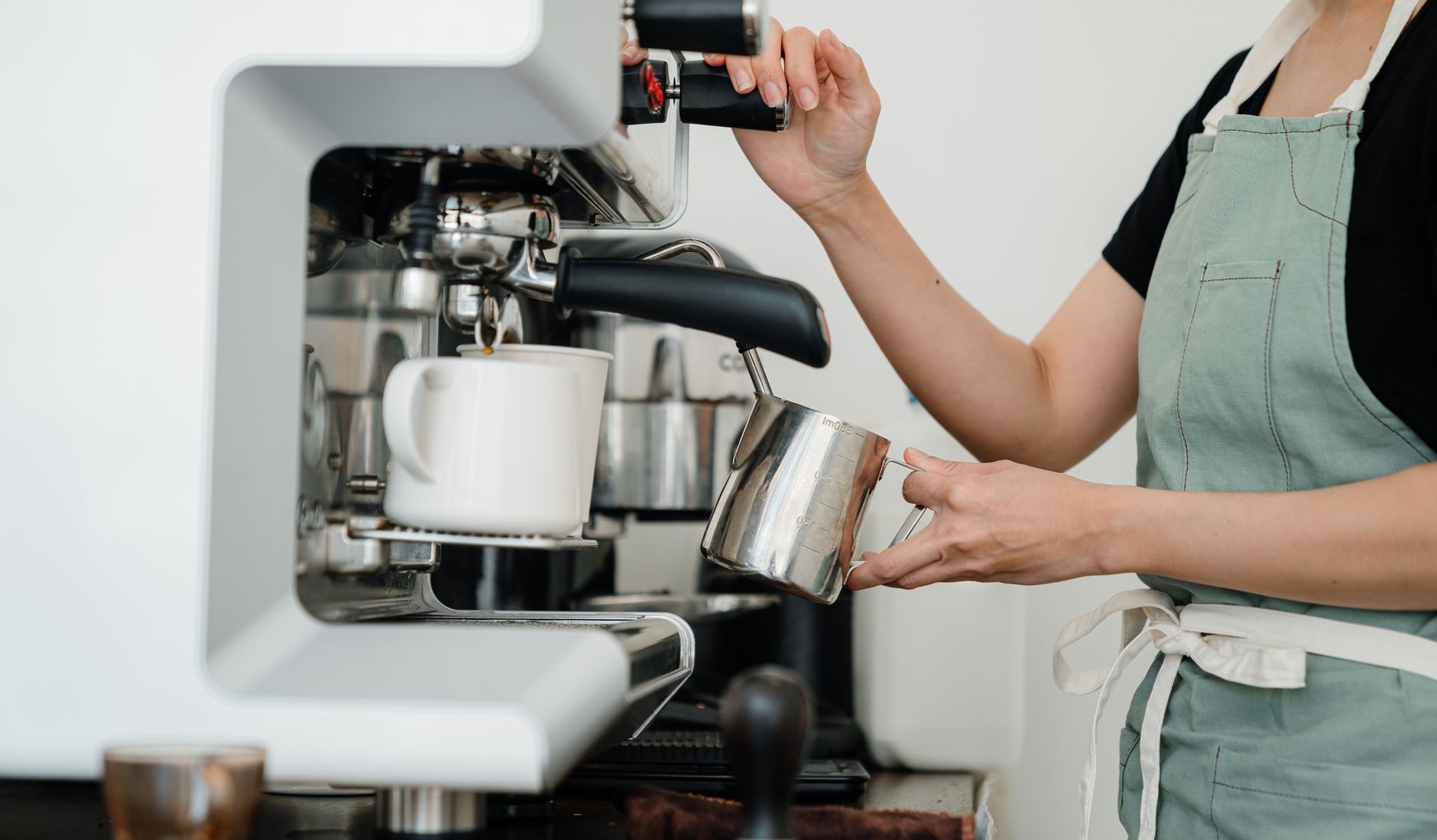
Single-boiler machines force you to choose between steaming milk and pulling shots — not both simultaneously. Dual-boiler and heat-exchange machines eliminate that tradeoff. If you drink milk drinks daily, a single-boiler is the wrong machine regardless of price.
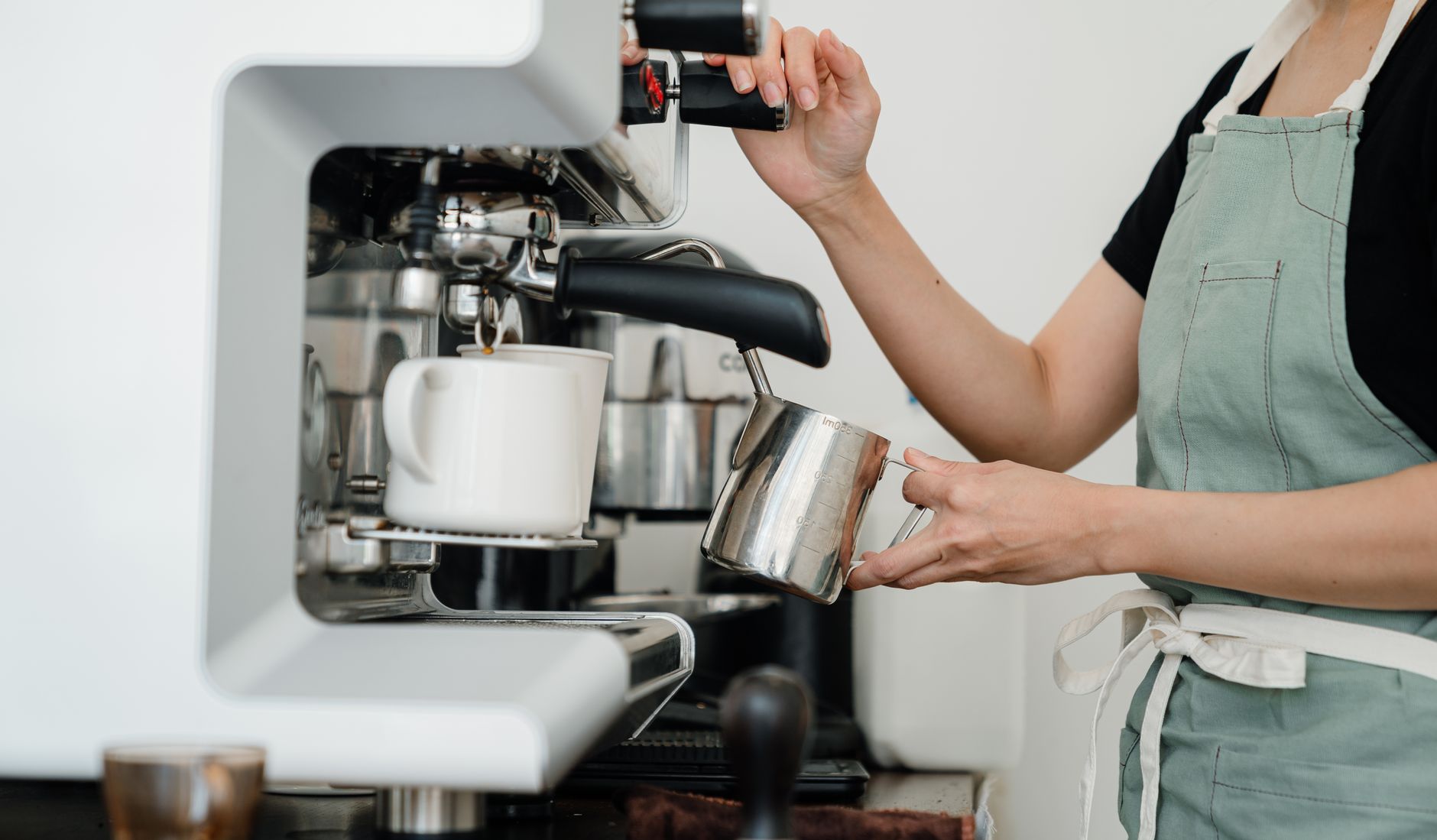 Photo: Ketut Subiyanto via Pexels
Most machines under $500 use a single boiler or thermocoil. That’s fine for black espresso. But for cappuccinos and lattes, you’ll wait 30–90 seconds between pulling a shot and steaming milk while the boiler reheats. Heat-exchange (HX) machines run both at once from one boiler. Dual-boiler machines give each function its own independent boiler — better temperature stability, more expensive.
| Boiler Type | Simultaneous Steam + Shot | Temp Stability | Price Range |
|---|---|---|---|
| Single boiler | No | Low–Medium | $100–$600 |
| Thermocoil | No | Medium | $200–$700 |
| Heat Exchange | Yes | Medium–High | $600–$2,000 |
| Dual Boiler | Yes | High | $800–$5,000+ |
2. Built-in Grinder vs. Separate Grinder
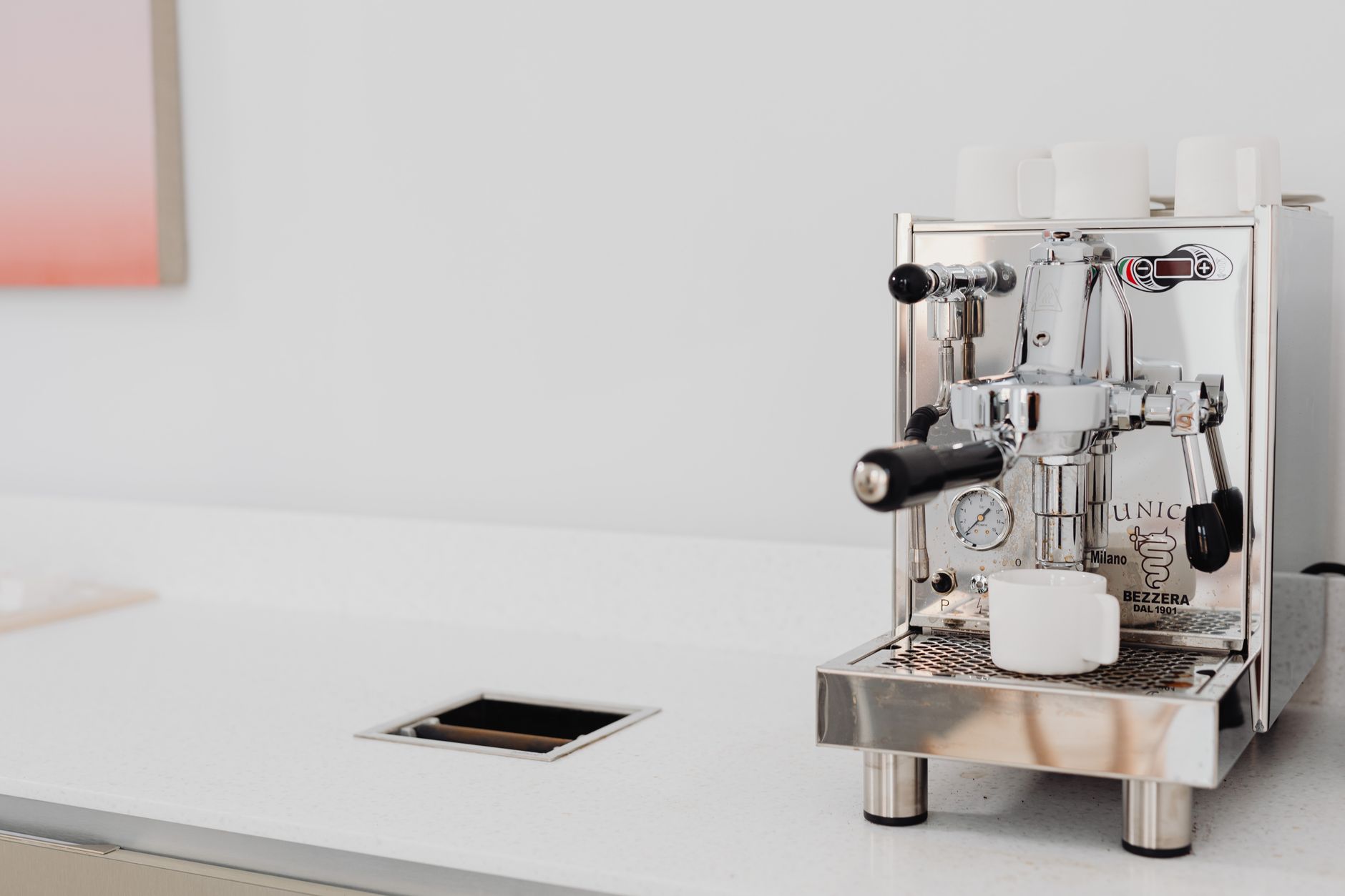
Skip the built-in grinder unless you have zero counter space. A dedicated burr grinder at $100–$150 will outperform the grinder inside a $700 combo machine — fresher grinds, finer adjustment, less heat transfer to beans.
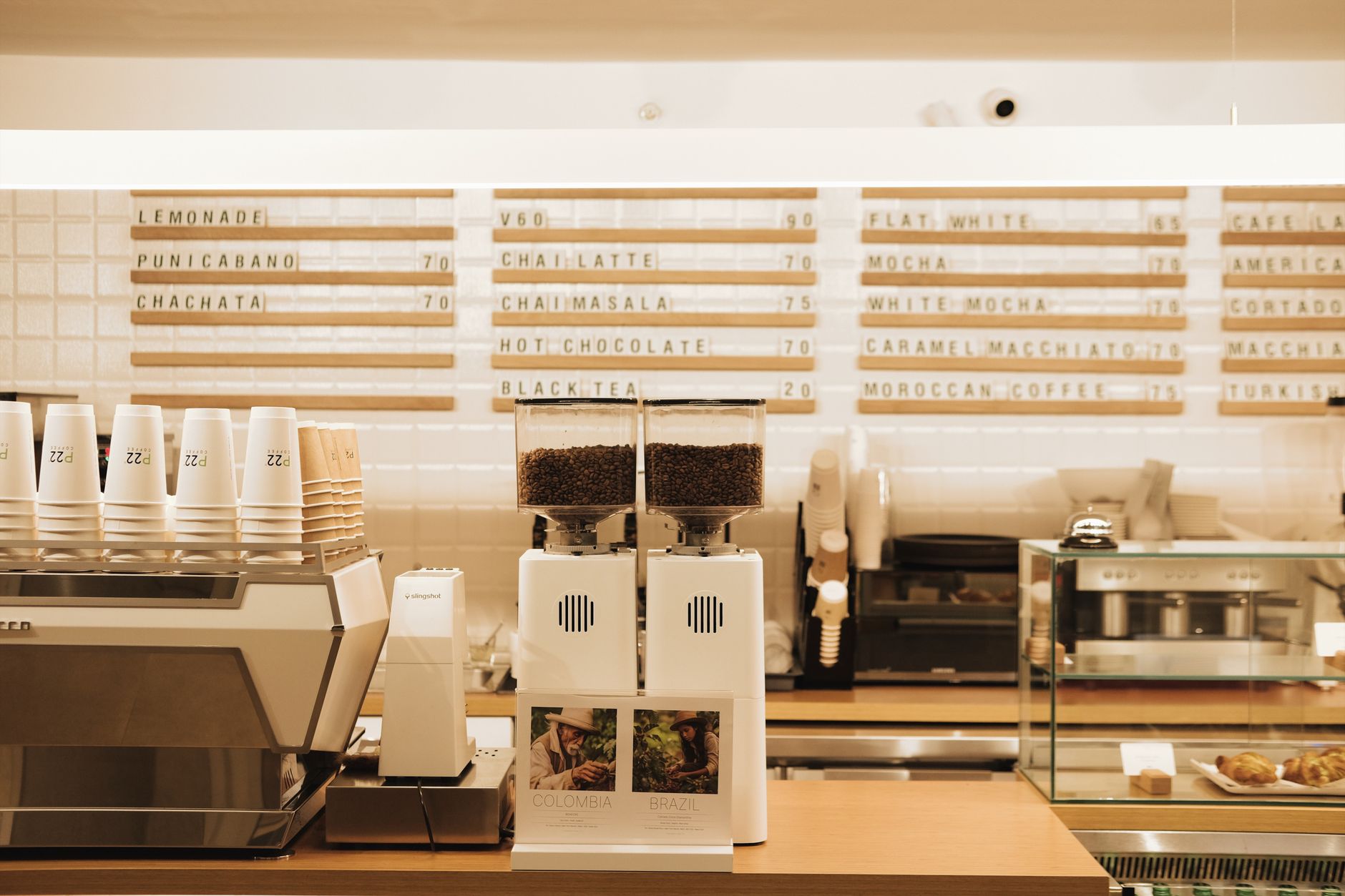 Photo: Beyzaa Yurtkuran via Pexels
Combo machines (grinder + espresso) like the Breville Barista Express
If you go separate, match grinder burr size to your output. A 58mm flat burr grinder produces more consistent particle distribution than a 38mm conical at the same price point.
3. Portafilter Size and Compatibility
58mm is the industry standard. Anything smaller — 51mm or 54mm — limits your basket options, tamper choices, and accessory ecosystem. For serious espresso, 58mm is the only size worth buying into.
Breville uses 54mm across most of their consumer lineup. It works well, but you’re locked into their ecosystem for baskets and accessories. La Marzocco, ECM, Rocket, and most prosumer Italian machines use 58mm.
Commercial-grade portafilter material also matters: chrome-plated brass retains heat better than aluminum. Check this spec — it’s rarely advertised prominently.
4. Pump Type: Vibration vs. Rotary
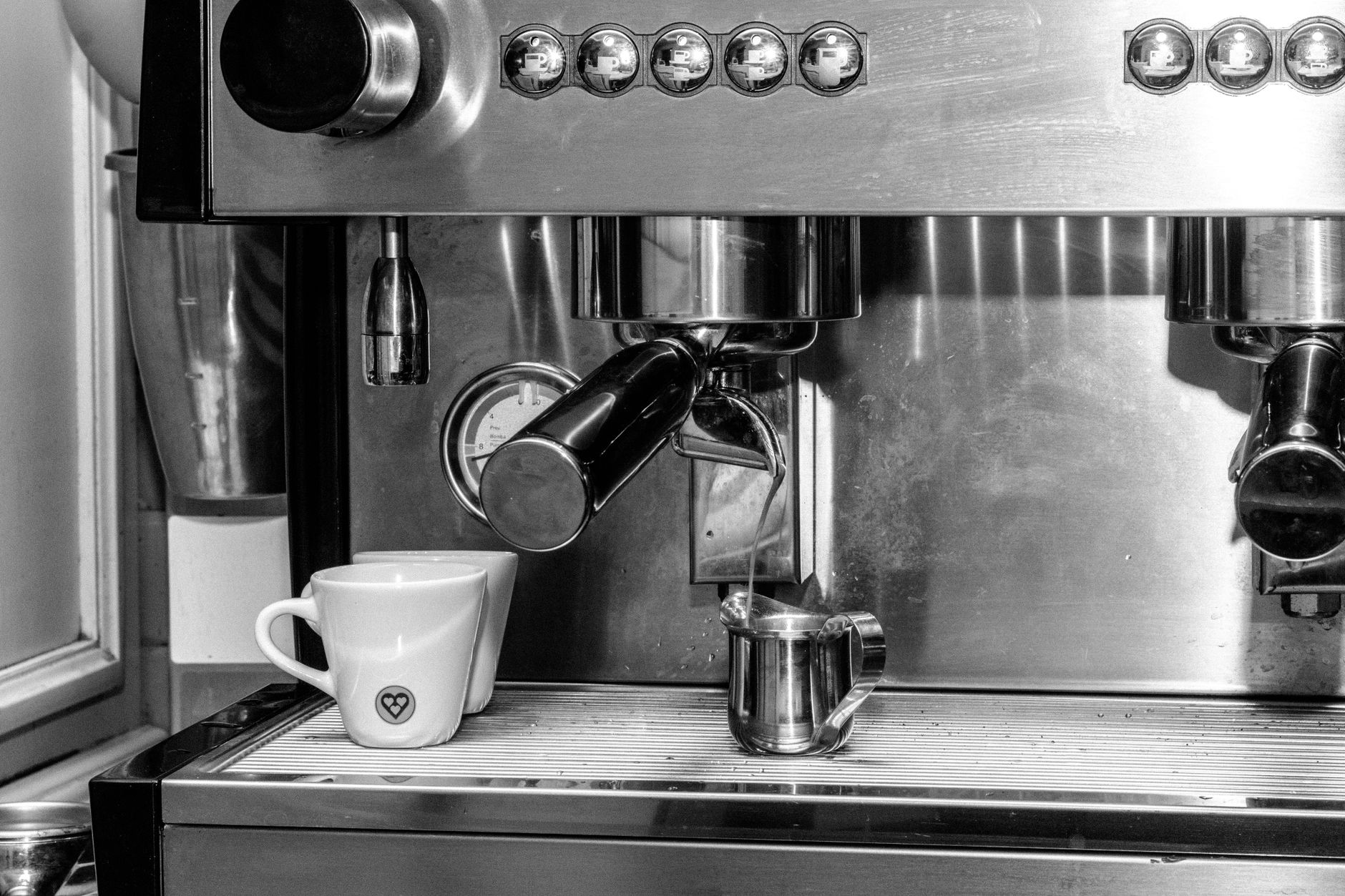
For home use, a vibratory pump is fine. Rotary pumps are quieter, longer-lasting, and plumb-line-ready — but they add $300–$800 to the price. Only worth it if you run high volume or prioritize noise levels.
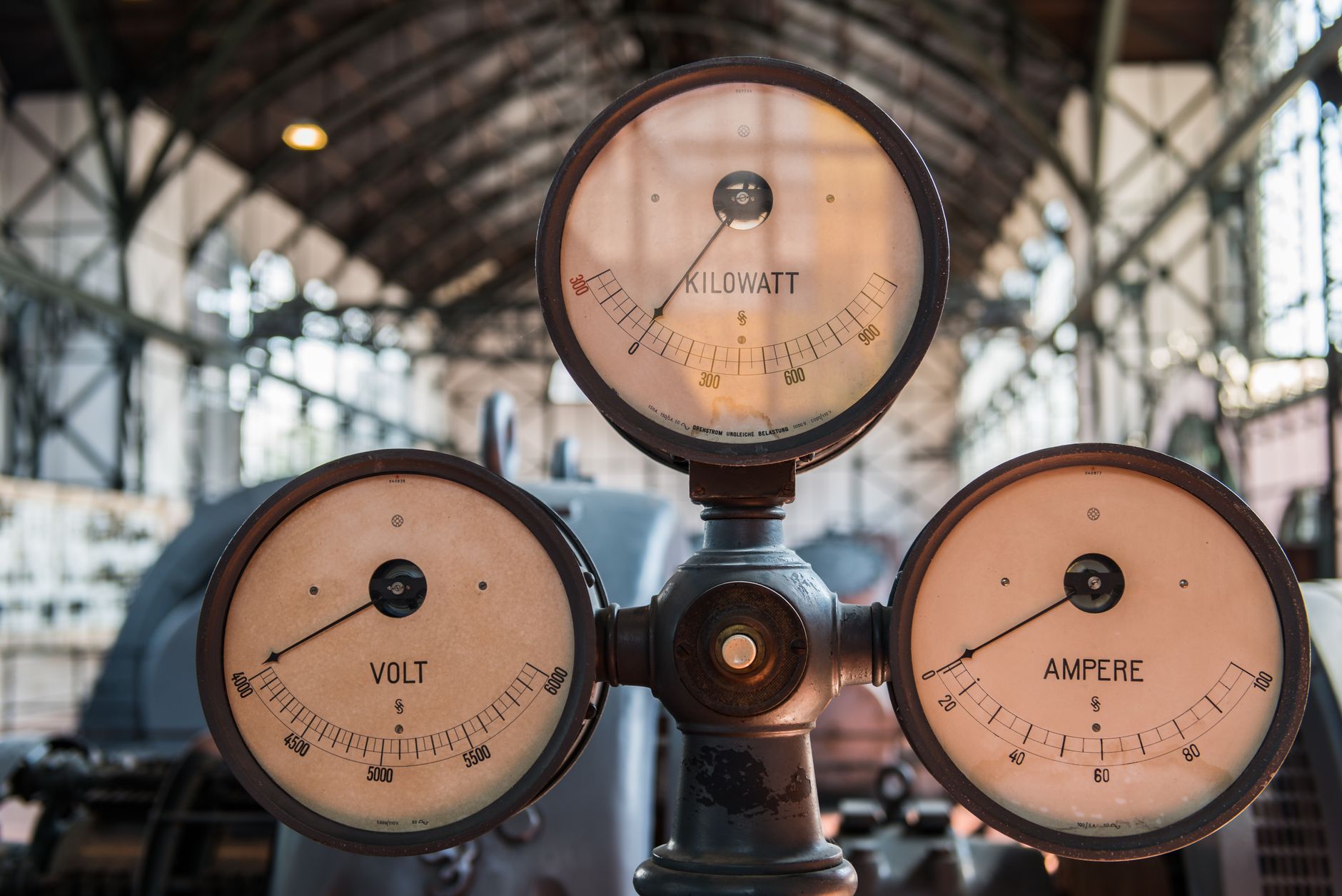 Photo: Wolfgang Weiser via Pexels
Vibratory pumps are standard in consumer machines. They’re loud, they pulse rather than deliver constant pressure, and they wear out faster — but typical home use (2–3 shots/day) means they’ll outlast most people’s interest in the machine. Rotary pumps run at a steady 9 bar with near-silent operation. Expect them in prosumer machines at $1,500+.
5. PID Temperature Control
A PID controller holds brew temperature within ±0.5°C. Without one, brew temperature drifts shot to shot — lighter roasts especially suffer. On any machine above $300, the absence of a PID is a red flag.
Temperature accuracy is the single variable that separates decent espresso from genuinely great espresso more than any other spec. Many budget machines use a pressurestat instead of a PID — this gives you a broader temperature range (often ±5°C or worse), which means your 92°C shot might actually land at 88°C or 96°C.
Some machines (Gaggia Classic Pro
6. Pressure Profiling and Pre-infusion
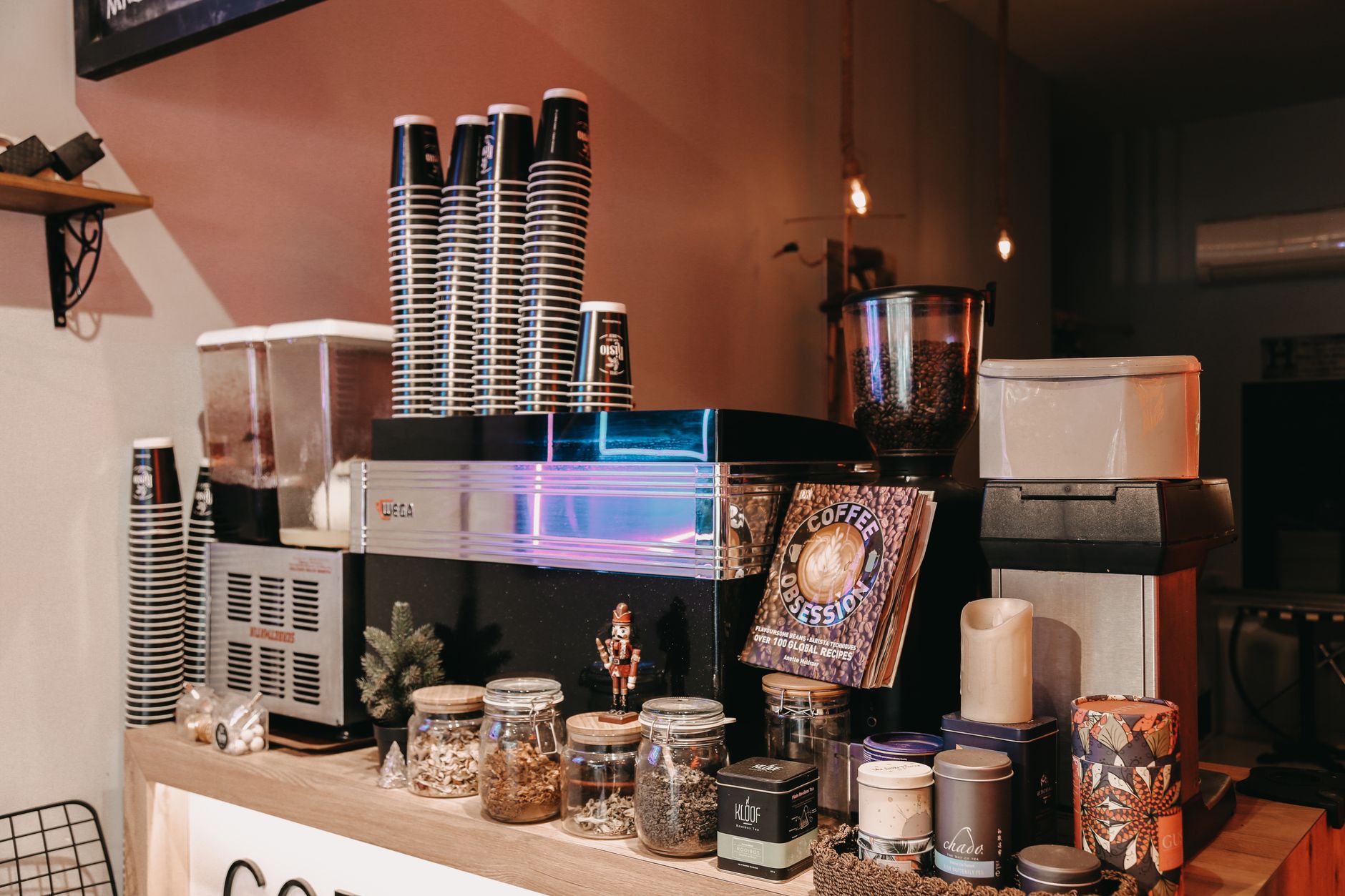
Pre-infusion (wetting the puck before full pressure) is worth having. Full pressure profiling is a bonus for enthusiasts, not a requirement. Don’t overpay for profiling if you’re still dialing in your grind.
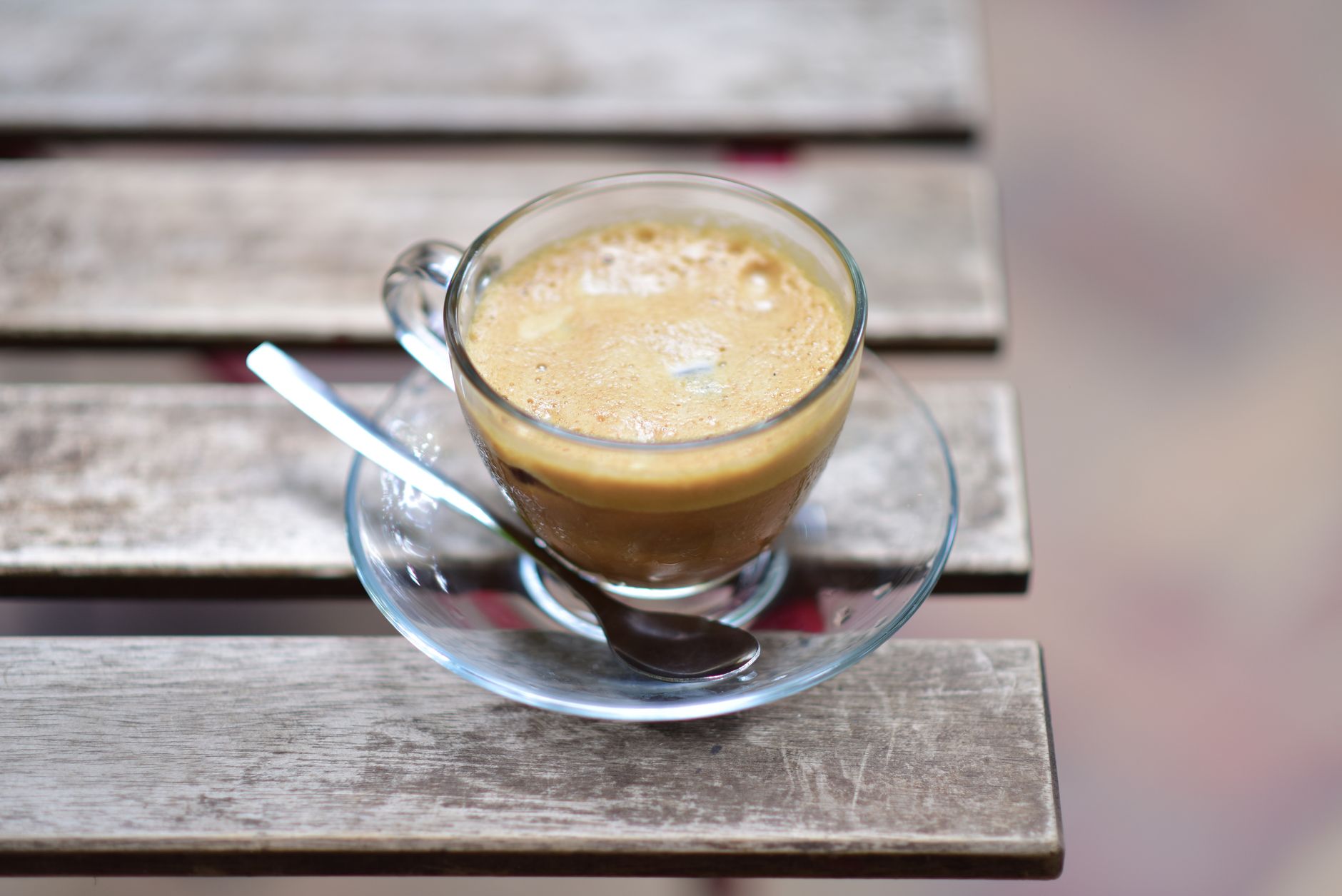 Photo: Sóc Năng Động via Pexels
Pre-infusion reduces channeling — the most common cause of sour, uneven shots. Most machines above $400 offer some form of it, either mechanical or electronic. Full pressure profiling (adjusting pressure curves mid-shot) is a feature of machines like the La Marzocco Linea Micra and Decent Espresso DE1 — genuinely useful once your technique is solid.
7. Build Quality and Serviceability
Stainless steel boilers last longer than aluminum. Machines with accessible group heads and user-serviceable parts are worth paying more for. Check if spare parts and group head gaskets are available before buying.
Italian-made machines (ECM, Rocket, Bezzera, Jura’s commercial line) generally use better materials and have longer service lives. Many Chinese-made budget machines use aluminum boilers that corrode and become difficult to descale over time.
Questions to ask before buying:
- Are group head gaskets and shower screens user-replaceable?
- Is the boiler stainless or aluminum?
- Does the brand have a service network or authorized repair centers?
- Are parts available on third-party sites?
8. Water System: Tank vs. Plumbed
For 95% of home users, a removable water tank is the right choice. Plumbing in makes sense only if the machine sits in a fixed position and you’re pulling 6+ shots daily.
Tank size matters more than people expect. A 1.5L tank sounds adequate — until you realize steaming milk for four lattes drains it. Machines with 2L+ tanks (Breville Dual Boiler , ECM Synchronika ) are meaningfully more convenient for households with multiple coffee drinkers.
Also check: does the machine accept a water softener filter? Limescale kills boilers. If your tap water is hard, a built-in filter slot or compatibility with BWT/Everpure cartridges extends machine life considerably.
Quick-Reference Comparison
| Machine | Price | Boiler | Portafilter | PID | Pump | Best For |
|---|---|---|---|---|---|---|
| Gaggia Classic Pro | ~$450 | Single, SS | 58mm | No (moddable) | Vibratory | Espresso purists on a budget |
| Breville Barista Express | ~$700 | Single, SS | 54mm | Yes | Vibratory | Beginners wanting built-in grinder |
| Rancilio Silvia Pro X | ~$900 | Dual, SS | 58mm | Yes | Vibratory | Milk drinkers upgrading from single boiler |
| Breville Dual Boiler | ~$1,400 | Dual, SS | 58mm | Yes | Vibratory | Home baristas wanting prosumer features |
| ECM Synchronika | ~$2,800 | Dual, SS | 58mm | Yes | Rotary | Serious espresso enthusiasts, long-term investment |
Verdict by archetype:
- Milk drinker: Rancilio Silvia Pro X or Breville Dual Boiler — dual boiler eliminates the steam-wait problem.
- Espresso purist: Gaggia Classic Pro with a PID mod and a quality 58mm grinder. Outperforms machines twice its price with the right setup.
- Convenience-first: Breville Barista Express — integrated grinder, PID, and one-device workflow. Accept the 54mm ecosystem tradeoff.
→ See Also
- The Complete Guide to Espresso Machines (2026)
- Best Espresso Machine Under $200 (2026)
- Best Espresso Machine Under $500 (2026)
FAQ
What’s the most important thing to check in an espresso machine buying guide? Boiler type. It determines whether you can pull shots and steam milk simultaneously, and it sets the ceiling on temperature stability. Every other spec is secondary. Start here before you look at price or brand.
Does an espresso machine need a PID to make good espresso? No, but it makes consistency much easier. Without a PID, you’re relying on shot timing and machine warm-up rituals to hit the right brew temperature. With a PID, the machine holds temperature precisely — you have one fewer variable to manage.
Is a $200 espresso machine worth buying? For black espresso only, yes — if you pair it with a good grinder. The machine itself contributes less to shot quality than the grinder does. A $150 grinder + $200 machine often outperforms a $500 combo unit with a mediocre built-in grinder.
How long do home espresso machines last? A well-maintained machine with a stainless steel boiler lasts 10–20 years. Aluminum boiler machines typically last 5–8 years before corrosion or scale damage becomes problematic. Regular descaling and using filtered water are the two biggest factors in longevity.
What’s the difference between 9-bar and 15-bar espresso machines? Ignore the 15-bar rating on most budget machines — it’s a peak pump pressure rating, not brew pressure. Espresso extracts properly at 9 bar. Budget machines with “15-bar” labels simply have vibratory pumps rated to 15 bar max; a pressure regulator (OPV) limits actual brew pressure. On a well-set-up machine, OPV should be adjusted to 9 bar.
Editorial methodology: Assessments are based on manufacturer specifications, published user reviews, and editorial research. Physical hands-on testing is noted explicitly where it occurred. Rankings reflect our editorial judgment and are not influenced by affiliate commission rates. Full editorial policy · Affiliate disclosure