Contents
Coffee and Intermittent Fasting: Does It Break Your Fast?
TL;DR: Plain black coffee does not break intermittent fasting. It contains near-zero calories, does not raise insulin in a meaningful way, and is widely accepted as fast-safe. Any addition — milk, cream, sugar, or sweeteners — changes that answer depending on the fasting protocol you follow.
Does Coffee Break Intermittent Fasting?
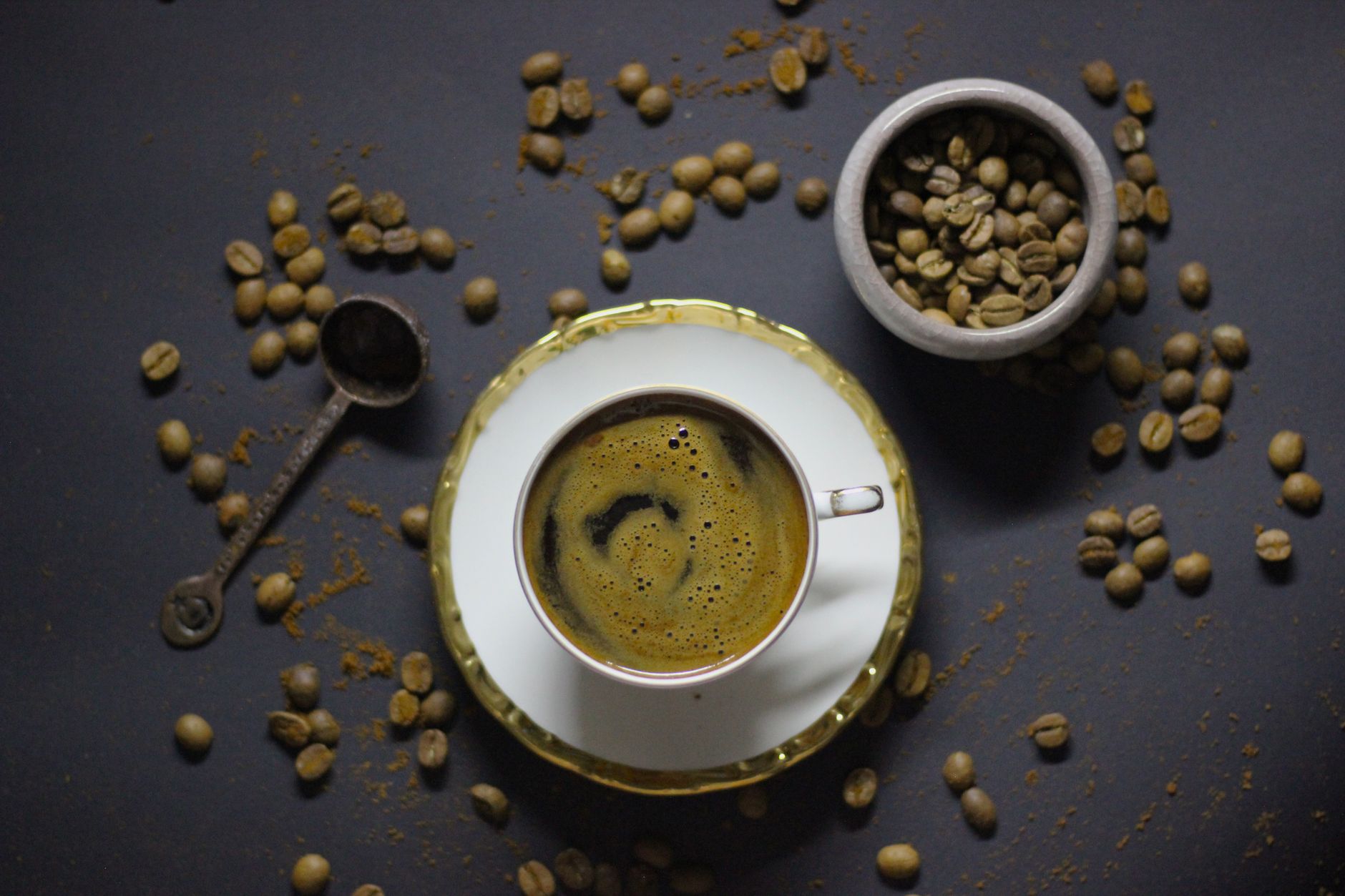
No — plain black coffee does not break a fast. A standard 8 oz brewed coffee contains roughly 2–5 calories and no carbohydrates or protein. These amounts are too small to trigger a digestive insulin response or interrupt ketosis. Most fasting protocols explicitly allow black coffee, and research supports that caffeine may actually enhance fasting benefits by suppressing appetite and boosting fat oxidation.
 Photo: caffeine via Pexels
The short answer holds across virtually every intermittent fasting protocol — 16:8, 5:2, OMAD, and time-restricted eating. Where it gets complicated is when you start asking about what you put in it.
Fasting has two distinct goals that are worth separating:
- Metabolic fasting (fat burning, ketosis, autophagy): triggered by caloric restriction and low insulin
- Religious or therapeutic fasting: defined by the protocol itself — some allow nothing but water
For metabolic purposes, black coffee is effectively neutral. Its caffeine stimulates the sympathetic nervous system and elevates catecholamines, which promotes lipolysis — the breakdown of stored fat. If anything, it nudges the fasting state slightly forward.
What Happens When You Add Cream, Milk, or Sugar?
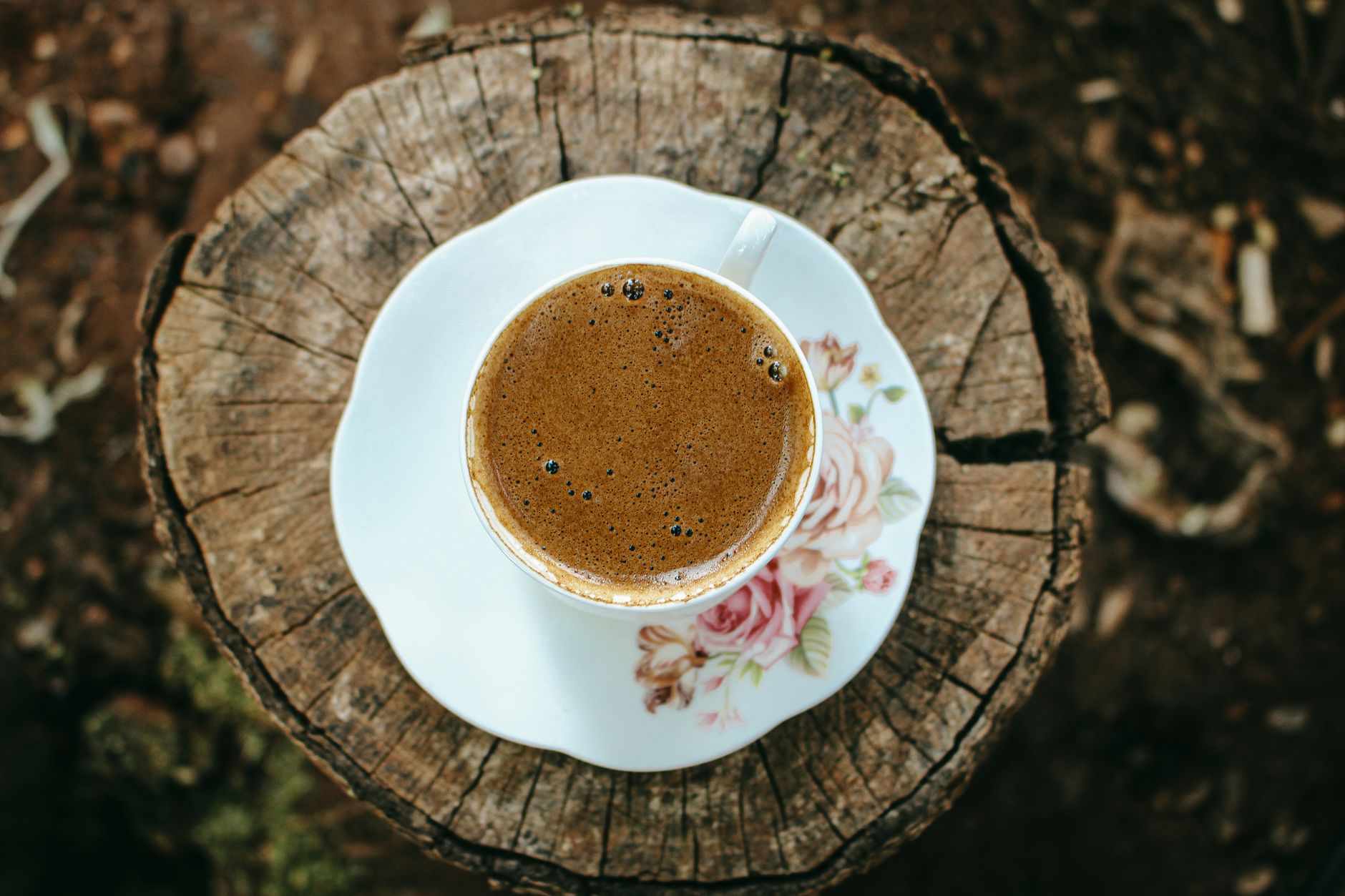
Adding dairy, sugar, or syrups introduces calories and macronutrients that directly raise insulin. A tablespoon of heavy cream adds ~50 kcal and ~5 g fat; whole milk adds lactose (a sugar) and protein. Either can be enough to exit a strict metabolic fast. A teaspoon of sugar or flavored syrup is an outright fast-breaker for any calorie-based protocol.
 Photo: 🇻🇳🇻🇳Nguyễn Tiến Thịnh 🇻🇳🇻🇳 via Pexels
Here’s how common additions stack up:
| Addition | Calories | Breaks a strict fast? |
|---|---|---|
| Black coffee | 2–5 kcal | No |
| Heavy cream (1 tbsp) | ~50 kcal | Likely yes |
| Whole milk (2 oz) | ~35 kcal | Yes |
| Oat milk (2 oz) | ~25 kcal | Yes |
| MCT oil (1 tbsp) | ~130 kcal | Technically yes, but ketosis-neutral |
| White sugar (1 tsp) | ~16 kcal | Yes |
| Artificial sweetener | 0–4 kcal | Contested |
The “bulletproof coffee” approach — black coffee with MCT oil and butter — is caloric enough to end a metabolic fast by any calorie-counting standard, but proponents argue it sustains ketosis without spiking blood glucose. That’s a specific dietary strategy, not fasting per se.
Does Bulletproof Coffee or MCT Oil Break a Fast?
Yes, by calorie count. No, by ketosis metrics. Bulletproof coffee (typically 200–500 kcal from butter and MCT oil) interrupts a true caloric fast and will suppress autophagy. But it maintains low blood glucose and elevated ketones, which is why some keto practitioners treat it as fast-compatible. It depends entirely on what outcome you’re optimizing for.
 Photo: Cup of Couple via Pexels
If autophagy activation is your goal — a process associated with cellular repair and increasingly studied in longevity research — any significant caloric intake interrupts it. Autophagy is suppressed by mTOR and insulin signaling, both of which respond to calories and amino acids. Heavy cream and MCT oil don’t spike insulin hard, but they are not calorie-free.
If your goal is fat adaptation or simply avoiding blood sugar swings, MCT-enriched coffee occupies a genuine gray zone.
Do Artificial Sweeteners Break Intermittent Fasting?
The evidence is split and protocol-dependent. Zero-calorie sweeteners like stevia, erythritol, and sucralose don’t raise blood glucose in most people, and they contribute negligible calories. However, some research suggests cephalic-phase insulin responses — insulin release triggered by sweetness perception alone — may occur in certain individuals. For most metabolic fasting goals, occasional zero-calorie sweeteners are low-risk.
 Photo: Tara Winstead via Pexels
The concern with artificial sweeteners is largely theoretical at typical doses. Human studies on cephalic-phase insulin response show highly variable individual results, and the magnitude observed is small compared to actual carbohydrate consumption. If you’re doing a strict therapeutic fast or monitoring CGM data, it’s worth testing your personal response. Otherwise, a sweetener packet is not meaningfully breaking your fast.
Sweeteners to approach more cautiously:
- Sucrose, HFCS, honey, maple syrup: caloric, insulin-spiking — clear fast-breakers
- Sucralose (Splenda): 0 kcal, minimal glycemic effect, safe for most
- Stevia / monk fruit: 0 kcal, no insulin response in controlled studies
- Erythritol: 0.2 kcal/g, minimal glycemic impact
- Aspartame / acesulfame K: 0 kcal, no direct insulin evidence, still debated
How Much Coffee Is Too Much While Fasting?
Caffeine on an empty stomach amplifies its effects — both the benefits and the downsides. 1–3 cups of black coffee during a fast is reasonable for most people. Beyond that, cortisol elevation from excessive caffeine can increase insulin resistance and counteract fasting benefits. High intake also worsens anxiety, disrupts sleep, and accelerates dehydration.
Fasting already elevates cortisol modestly as part of the metabolic shift. Caffeine adds to that load. If you’re noticing jitteriness, heart palpitations, or difficulty sleeping despite fasting for other reasons, the dose is too high — not the coffee itself.
Practical ceiling: 400 mg caffeine per day (roughly 4 standard 8 oz cups), with most of it consumed in the first half of the fasting window. Chasing cups through the afternoon impairs sleep quality, which impairs metabolic health — exactly what you’re fasting to improve.
→ See also:
- Coffee Science: The Complete Guide to Extraction, Chemistry & Flavor
- How Much Caffeine Is in a Cup of Coffee? (All Brew Methods)
- Caffeine in Espresso vs Coffee: Which Has More?
FAQ
Does espresso break intermittent fasting? No. A single shot of espresso contains approximately 3 calories and zero carbohydrates. It’s one of the most fast-friendly coffee formats available. The concentrated caffeine may provide stronger appetite suppression than a larger brewed cup, which some people find helpful during longer fasting windows.
Can I drink coffee during a 16:8 fast? Yes, black coffee is explicitly allowed in virtually every 16:8 protocol. It won’t spike insulin, won’t add meaningful calories, and many practitioners find it helps maintain energy and mental clarity during the fasting hours. Avoid adding dairy or sugar if you want to stay strictly fasted.
Does coffee affect autophagy during fasting? Black coffee appears to be autophagy-neutral or mildly autophagy-promoting. Some research on polyphenols found in coffee — particularly chlorogenic acids — suggests they may stimulate autophagy pathways independently of caloric restriction. Caloric additives like cream or MCT oil do suppress autophagy to varying degrees.
Is decaf coffee OK during intermittent fasting? Yes. Decaf contains the same near-zero calories as regular coffee and poses no metabolic fasting concern. It loses most of the appetite-suppression and fat-oxidation benefits that come from caffeine, but if you’re caffeine-sensitive or fasting in the evening, it’s a safe choice.
Does coffee creamer break a fast? Most commercial coffee creamers do, yes. Even “sugar-free” creamers typically contain 10–30 calories per serving from oils and thickeners, and flavored creamers often contain 30–60 kcal with added sugars. A single serving is usually enough to trigger an insulin response and interrupt a calorie-based fast.
Does coffee raise insulin while fasting? Black coffee has a negligible direct effect on insulin in healthy individuals. Caffeine can modestly increase cortisol, which can indirectly affect insulin sensitivity over time if consumed in large quantities, but a standard 1–2 cup intake during a fast does not produce a clinically meaningful insulin spike.
Editorial methodology: Assessments are based on manufacturer specifications, published user reviews, and editorial research. Physical hands-on testing is noted explicitly where it occurred. Rankings reflect our editorial judgment and are not influenced by affiliate commission rates. Full editorial policy · Affiliate disclosure