Contents
Coffee During Pregnancy: How Much Is Safe?
TL;DR: The safest limit for coffee during pregnancy is 200mg of caffeine per day — roughly one 8oz cup of filter coffee. Most major health organizations agree on this threshold. Exceeding it consistently is linked to increased miscarriage and low birth weight risk, but moderate intake within the limit is generally considered acceptable.
What the Research Actually Says About Coffee During Pregnancy
The 200mg daily caffeine limit is backed by the American College of Obstetricians and Gynecologists (ACOG), the WHO, and the UK’s NHS. That’s approximately one standard 8oz brewed coffee. Some newer studies suggest even lower limits may be safer, but 200mg remains the consensus clinical threshold.
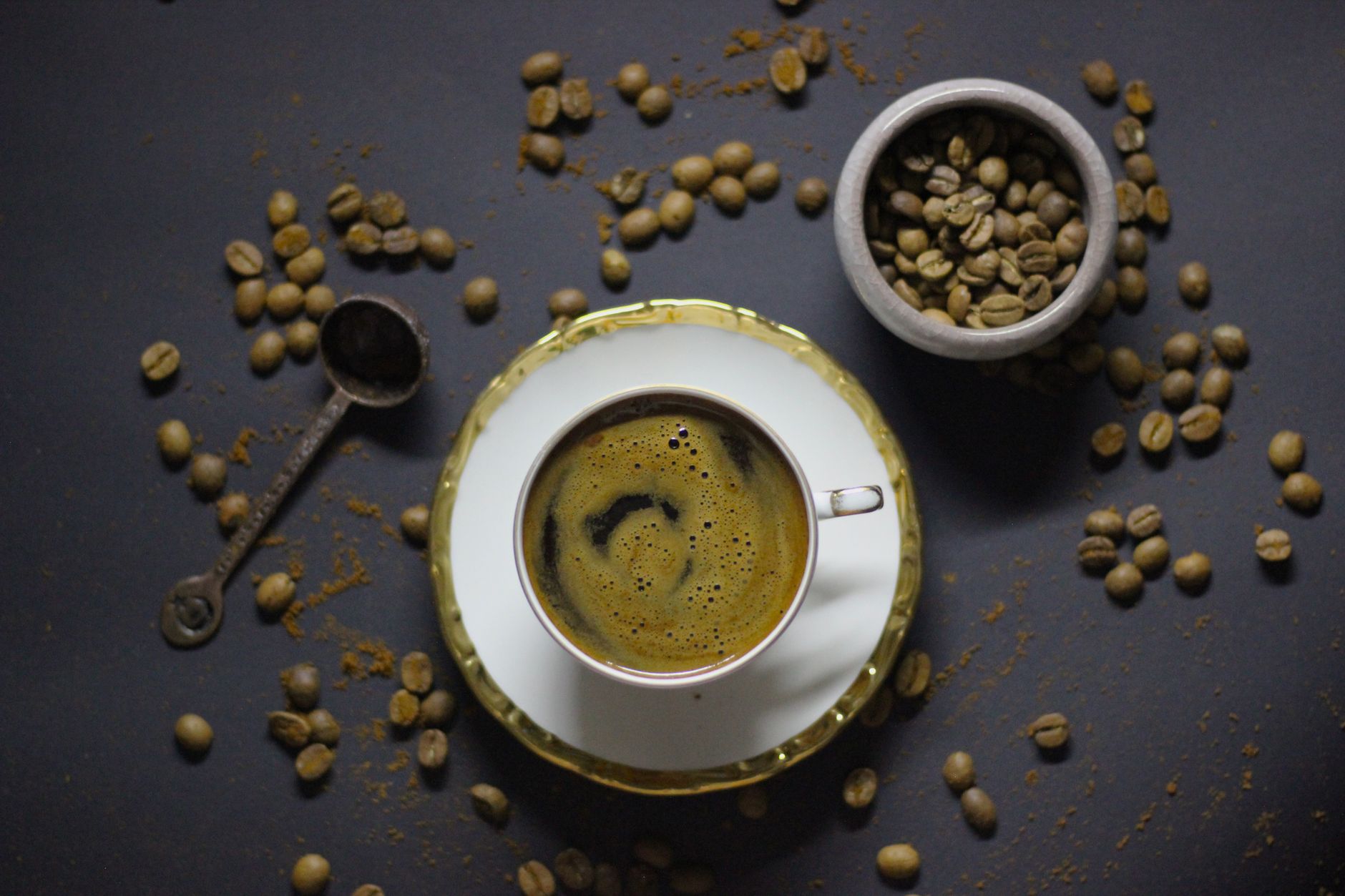
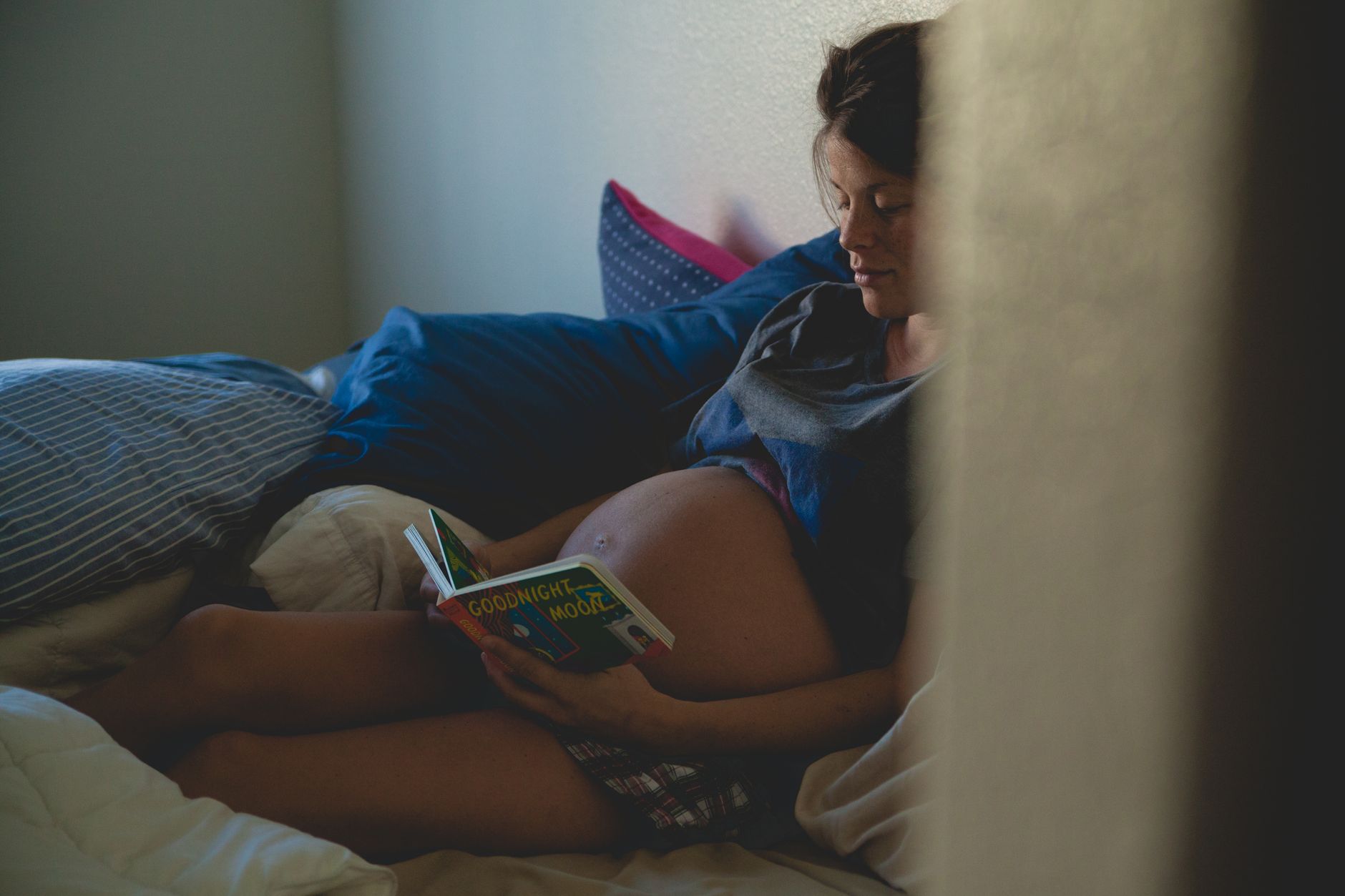 Photo: Josh Willink via Pexels
Caffeine crosses the placenta freely, and a developing fetus lacks the liver enzymes to metabolize it efficiently. This means caffeine accumulates in fetal tissue at higher concentrations than in the mother’s bloodstream — which is the core biological reason for the restriction, not vague precaution.
The research picture is genuinely mixed on precise risk thresholds. A 2020 BMJ meta-analysis of 48 studies found associations between caffeine consumption and adverse outcomes starting at quite low levels, leading some researchers to advocate for total avoidance. However, many of those studies couldn’t fully control for confounders like nausea (which itself reduces coffee consumption in early pregnancy) or smoking.
The practical consensus: 200mg or under is a defensible, evidence-informed limit. Zero caffeine is the most conservative choice and carries no known risk.
How Much Caffeine Is Actually in Your Coffee?
Caffeine content varies dramatically by brew method, bean origin, and serving size. A single espresso shot has around 63mg; a large filter coffee from a café can easily hit 300mg+. Knowing your actual intake requires knowing your brew.
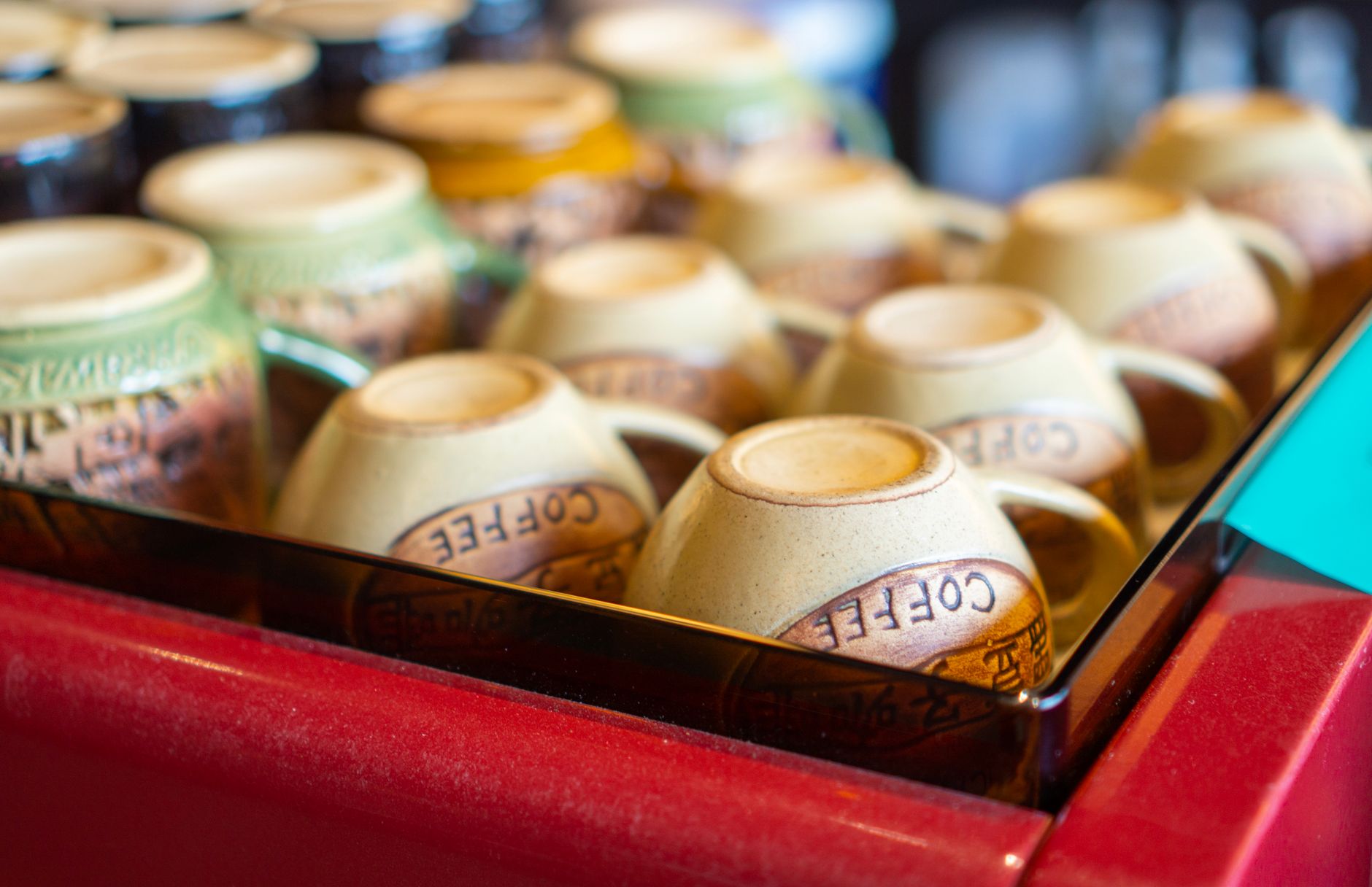 Photo: Komet Flicker via Pexels
Here’s a realistic breakdown of common coffee drinks and their caffeine content:
| Drink | Serving Size | Caffeine (approx.) |
|---|---|---|
| Filter/drip coffee (home) | 8oz (240ml) | 95–140mg |
| Filter coffee (café, large) | 12–16oz | 180–300mg |
| Single espresso | 1oz (30ml) | 55–70mg |
| Double espresso | 2oz (60ml) | 110–140mg |
| Flat white | 6oz | 120–130mg |
| Cappuccino (single shot) | 6oz | 60–70mg |
| Latte (double shot) | 12oz | 110–140mg |
| Cold brew (concentrate) | 4oz | 100–200mg |
| Instant coffee | 8oz | 30–90mg |
| Decaf espresso | 1oz | 2–7mg |
Key takeaway: a single large café filter coffee can already exceed your daily limit on its own. A flat white with a double shot sits right at the edge. If you’re drinking multiple coffees, you’re almost certainly over 200mg.
First Trimester vs. Later Pregnancy: Does Timing Matter?
The first trimester carries the highest risk window for miscarriage, and caffeine metabolism slows significantly during pregnancy — especially in the second and third trimesters. This means the same dose produces a longer-lasting effect as pregnancy progresses.
During the first trimester, many women naturally reduce coffee intake due to nausea and aversion. That’s the body doing something useful. If you’re in the first trimester and can tolerate very little coffee, that’s not a problem to fix.
From the second trimester onward, caffeine half-life roughly doubles — what takes a non-pregnant person 3–5 hours to metabolize may take 10–15 hours during late pregnancy. This accumulation effect is why the daily cap matters more than single-dose amounts, and why an evening espresso deserves more thought than it might otherwise.
Decaf During Pregnancy: Is It Actually Safe?
Decaf is not caffeine-free — it contains 2–15mg per cup depending on method and brand. That’s low enough that two or three decaf coffees still keeps you well under 200mg. For most pregnant people, decaf is a practical and safe swap.
 Photo: Skyler Ewing via Pexels
The Swiss Water Process and CO₂ decaffeination methods are chemical-solvent-free and are the safer options from a purity standpoint, though evidence that trace solvent residues in conventionally decaffeinated coffee cause harm in pregnancy is weak. If you want to be conservative, choose water-process decaf.
Worth noting: decaf still contains all the other compounds in coffee — chlorogenic acids, diterpenes, and other bioactive molecules. The research on non-caffeine coffee components in pregnancy is limited, but no strong evidence of harm has emerged.
Other Caffeine Sources to Count
Coffee isn’t your only caffeine exposure. Tea, chocolate, cola, and some medications add up fast. If you’re budgeting 200mg/day, those sources need to go into your total.
| Source | Serving | Caffeine |
|---|---|---|
| Black tea | 8oz | 40–70mg |
| Green tea | 8oz | 25–45mg |
| Matcha | 8oz (1 tsp) | 60–80mg |
| Cola (diet or regular) | 12oz | 35–45mg |
| Dark chocolate | 1oz (30g) | 20–30mg |
| Milk chocolate | 1oz (30g) | 5–10mg |
| Energy drink | 8oz | 80–150mg |
A latte plus two cups of tea plus a square of dark chocolate can put you close to or over 200mg without a second thought.
Practical Ways to Cut Down Without Quitting Entirely
 Photo: Kampus Production via Pexels
- Half-caf blends — mix regular and decaf grounds at home. A 50/50 blend of a 140mg cup becomes 70mg.
- Drop to single shots — switching from a double to a single espresso base cuts your intake by half.
- Smaller servings — an 8oz filter instead of a 16oz halves the dose. Obvious, but often overlooked.
- Switch afternoon coffee to decaf — keeps the ritual, eliminates late-day caffeine accumulation.
- Herbal alternatives — rooibos, chicory root coffee, and some herbal teas are caffeine-free. Note: not all herbal teas are safe in pregnancy — avoid sage, pennyroyal, and high-dose licorice root.
→ See also:
- How Much Caffeine Is in a Cup of Coffee? (All Brew Methods)
- Caffeine in Espresso vs Coffee: Which Has More?
- Coffee Science: The Complete Guide to Extraction, Chemistry & Flavor
FAQ
Is it safe to drink one cup of coffee per day while pregnant? One standard 8oz cup of home-brewed filter coffee (roughly 95–140mg caffeine) falls within the 200mg daily limit most health organizations recommend. Whether you choose to include that cup is a personal decision, but the clinical consensus doesn’t classify it as unsafe. Discuss with your OB or midwife if you have specific risk factors.
What happens if I accidentally drink too much caffeine while pregnant? A single day over the limit is unlikely to cause measurable harm — the risk associated with caffeine is cumulative, not acute. Don’t panic, but do recalibrate your intake going forward. If you’ve been consistently over 200mg throughout pregnancy, mention it to your healthcare provider.
Does caffeine in coffee cause miscarriage? Some studies show a statistical association between high caffeine intake (generally 300mg+/day) and increased miscarriage risk, but causation hasn’t been cleanly established. Nausea-related confounding makes early-trimester data particularly hard to interpret. The evidence is strong enough to justify limiting intake, not strong enough to say a single coffee caused a loss.
Is decaf coffee safe during pregnancy? Yes, for the vast majority of pregnant people, decaf is safe. It contains trace caffeine (typically 2–15mg per cup), well below any established risk threshold. Opt for Swiss Water Process decaf if you want to avoid chemical solvents in the decaffeination process.
Can I drink espresso during pregnancy? A single espresso shot contains 55–70mg of caffeine — well within the daily limit on its own. The issue arises with multiple shots or large milk drinks built on double espresso bases. A single-shot flat white or cappuccino is generally fine; a triple-shot latte is not.
Does the type of coffee bean affect caffeine content? Yes. Robusta beans contain roughly twice the caffeine of Arabica. Most specialty and supermarket coffees use Arabica, but some blends and cheaper instant coffees include Robusta. If you’re watching your intake carefully, check whether your coffee is 100% Arabica or a blend.
Editorial methodology: Assessments are based on manufacturer specifications, published user reviews, and editorial research. Physical hands-on testing is noted explicitly where it occurred. Rankings reflect our editorial judgment and are not influenced by affiliate commission rates. Full editorial policy · Affiliate disclosure