Contents
Is Coffee Good for the Gut Microbiome?
TL;DR: Coffee is genuinely beneficial for the gut microbiome in most people. It acts as a prebiotic, feeding beneficial bacteria like Bifidobacterium and Lactobacillus, increases microbial diversity, and stimulates gut motility — all linked to better digestive health. The caffeine matters less than the polyphenols.
How Coffee Affects the Gut Microbiome
The short answer: positively, for most people. Coffee is one of the richest dietary sources of polyphenols in the Western diet — chlorogenic acids, melanoidins, and trigonelline — that gut bacteria ferment into bioactive compounds. Multiple observational studies and at least one intervention trial show regular coffee drinkers have measurably higher microbial diversity than non-drinkers.
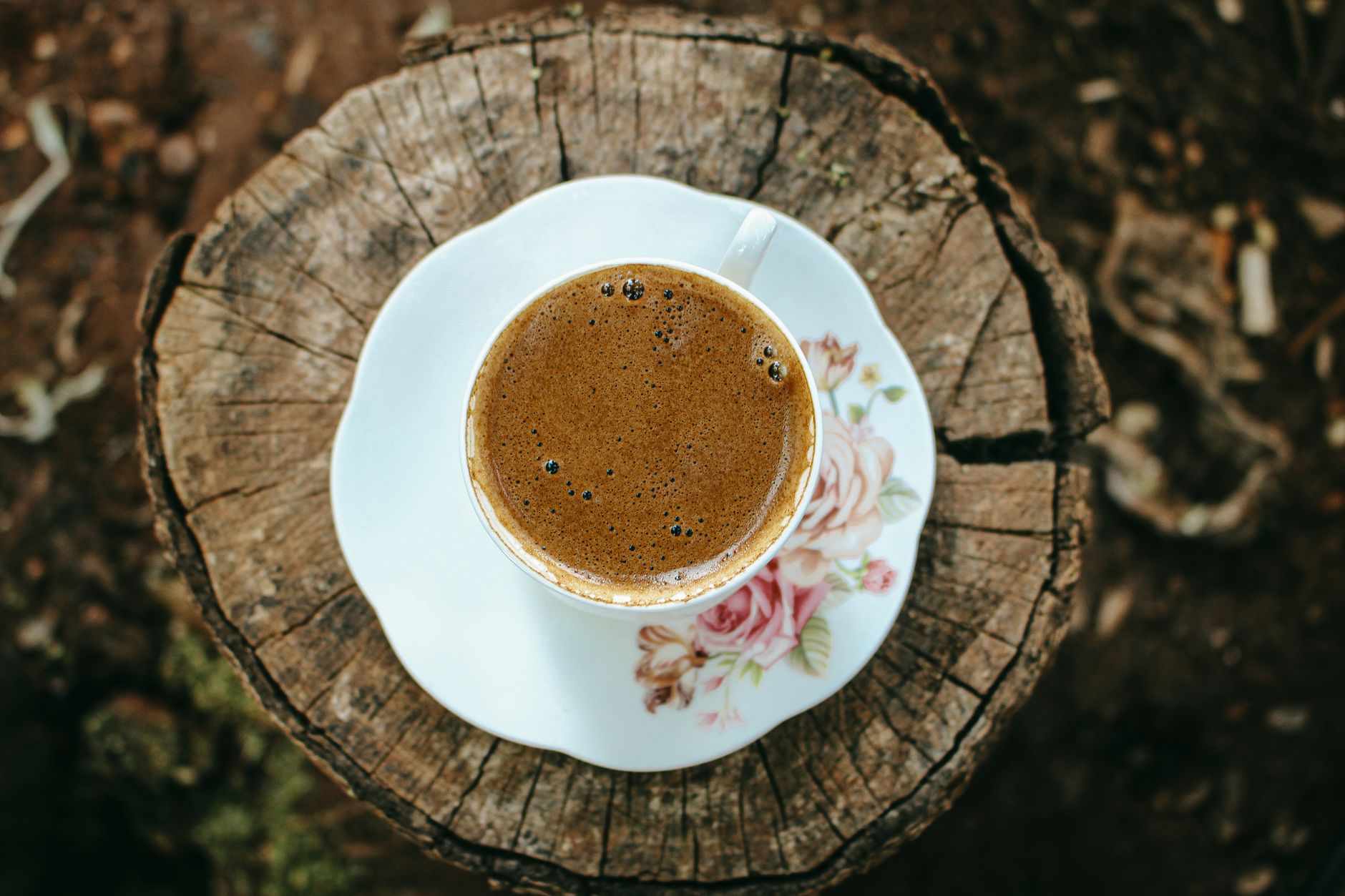
 Photo: Jaspert Anrijs via Pexels
The mechanism isn’t caffeine. Decaf drinkers show similar microbiome shifts, which points squarely at the soluble fiber and polyphenol content. Roughly 1.5–2g of soluble fiber per 200ml cup reaches the colon undigested — modest but consistent across brew methods.
The Prebiotic Effect
Chlorogenic acids (the dominant polyphenols in coffee) aren’t absorbed in the small intestine. They pass intact to the colon, where Bifidobacterium and Lactobacillus strains preferentially ferment them into short-chain fatty acids (SCFAs) — butyrate, propionate, and acetate. Butyrate in particular is the primary energy source for colonocytes (colon lining cells) and has well-established anti-inflammatory effects.
A 2022 study in Nutrients found that 3 weeks of daily coffee consumption significantly increased Bifidobacterium abundance compared to a washout period. This is the same genus targeted by most commercial probiotic supplements.
 Photo: Nikolett Emmert via Pexels
Microbial Diversity and the Diversity Index
Microbial diversity — measured by the Shannon Diversity Index — is consistently higher in coffee drinkers in large cohort studies, including the British Gut Project and the American Gut Project. Higher alpha-diversity is associated with better metabolic health, lower inflammation, and greater resilience against pathogens.
The association holds after controlling for diet quality, BMI, and fiber intake — suggesting coffee contributes independently, not just as a marker of a healthy lifestyle.
Does Roast Level Matter for Gut Health?
Lighter roasts deliver more chlorogenic acids; darker roasts deliver more melanoidins — both benefit the gut through different pathways.
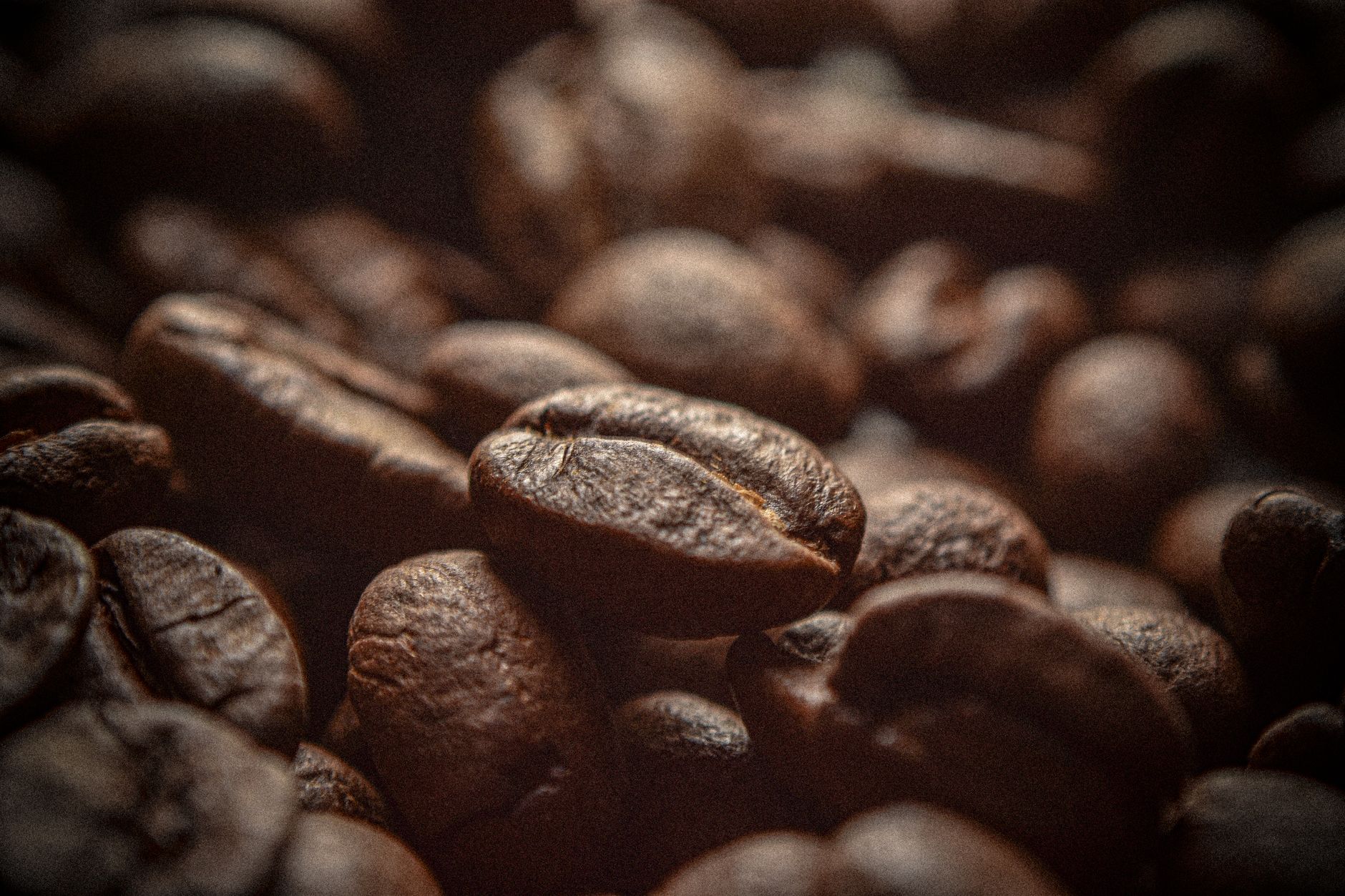 Photo: NADER AYMAN via Pexels
Chlorogenic acids degrade with heat. A light roast retains roughly 4–8% chlorogenic acid content by dry weight; a dark roast may retain less than 1–2%. If the prebiotic effect of polyphenols is your primary goal, lighter roasts are the better choice.
Melanoidins — the brown Maillard reaction products that form during roasting — are resistant to digestion and reach the colon intact. Research from the University of Vienna found melanoidins stimulate growth of Akkermansia muciniphila, a mucin-degrading bacterium associated with gut barrier integrity and reduced metabolic syndrome risk. Dark roasts, counterintuitively, may have an edge here.
Decaf vs. Caffeinated
Decaf shows nearly identical microbiome effects to caffeinated coffee in the studies that compare them directly. The caffeine itself appears to inhibit certain gut bacteria at high concentrations in vitro, but the doses in normal consumption are too low to matter systemically. For people who avoid caffeine for other reasons, the gut health case for decaf is solid.
Who Should Be Cautious
Coffee benefits most people’s gut microbiome, but it can cause issues for a subset — primarily those with IBS, acid reflux, or dysbiosis.
 Photo: MART PRODUCTION via Pexels
Coffee is a known gut motility stimulant — it accelerates gastric emptying and stimulates colonic contractions within 20 minutes of consumption. For most people, that’s neutral or beneficial. For people with IBS-D (diarrhea-predominant IBS) or SIBO, the motility effect can worsen symptoms regardless of the polyphenol benefits.
The acidity question is more complicated. Coffee’s pH is around 5 — mildly acidic — but it also stimulates gastrin and hydrochloric acid secretion. People with reflux or Barrett’s esophagus are usually advised to limit coffee, and that recommendation stands independent of the microbiome data.
Timing and Quantity
The research suggests 2–4 cups per day is the range where microbiome benefits are most consistently observed. Under 1 cup shows weaker associations; data above 4–5 cups/day is sparse and the benefit curve likely plateaus.
Drinking coffee on an empty stomach amplifies the motility effect. If you’re sensitive to gut cramping or loose stools in the morning, eating first and drinking coffee afterward eliminates most of that for most people — without sacrificing the prebiotic benefit.
Brew Method and Gut Health
Filter coffee removes cafestol; French press and espresso retain it — but for the microbiome specifically, brew method matters less than you’d think.
The polyphenol content varies more with roast level and coffee-to-water ratio than with brew method. A standard drip brew and a well-pulled espresso diluted to the same volume deliver comparable chlorogenic acid loads.
| Brew Method | Chlorogenic Acids | Melanoidins | Cafestol | Gut Fiber |
|---|---|---|---|---|
| Filter/Pour-over | High | Moderate | Low | Moderate |
| French Press | High | High | High | High |
| Espresso | High (concentrated) | High | High | Moderate |
| Cold Brew | Moderate | Low | Low | Low |
| Decaf (filter) | Moderate | Moderate | Low | Moderate |
Cold brew extracts fewer polyphenols due to lower extraction temperature and different kinetics — it’s the weakest option from a prebiotic standpoint, though still better than no coffee.
What the Research Actually Shows (and What It Doesn’t)
Most evidence is observational — large cohort studies show associations, not proven causation. The intervention trials (people randomized to drink coffee vs. not) are small, short, and measure surrogate endpoints like bacterial counts rather than clinical outcomes.
What we can say with confidence:
- Coffee consistently increases Bifidobacterium and overall diversity in controlled settings
- The effect is polyphenol-driven, not caffeine-driven
- Two to four cups daily is where the signal is clearest
What we can’t say yet:
- Whether the microbiome changes translate to measurable clinical outcomes (fewer infections, lower IBD risk, better metabolic markers) in the long term
- Whether specific coffee varietals or processing methods (washed vs. natural) produce meaningfully different microbiome effects
→ See also:
- Coffee Science: The Complete Guide to Extraction, Chemistry & Flavor
- How Much Caffeine Is in a Cup of Coffee? (All Brew Methods)
- Caffeine in Espresso vs Coffee: Which Has More?
FAQ
Does coffee feed good gut bacteria? Yes. The chlorogenic acids in coffee are fermented by Bifidobacterium and Lactobacillus in the colon, producing short-chain fatty acids like butyrate. This is a prebiotic effect — the same mechanism as eating onions, garlic, or Jerusalem artichokes. The fiber content of coffee also contributes, though modestly at around 1.5g per cup.
Is decaf coffee good for gut health? Decaf shows nearly the same microbiome benefits as regular coffee because the active compounds are polyphenols, not caffeine. If you can’t tolerate caffeine, decaf is a legitimate option for supporting gut bacterial diversity. Choose a water-process or CO2-process decaf to minimize chemical residues.
Can coffee cause gut dysbiosis? There’s no good evidence that normal coffee consumption (2–4 cups/day) causes dysbiosis. The opposite is more supported by the data. However, if you’re already dealing with SIBO, IBS, or leaky gut, the motility-stimulating and acid-stimulating effects of coffee can worsen symptoms — that’s a different issue from the microbiome effect directly.
Does the roast level affect coffee’s gut health benefits? Yes, meaningfully. Light roasts retain more chlorogenic acids (prebiotic polyphenols); dark roasts produce more melanoidins, which feed Akkermansia muciniphila and support gut lining integrity. Both have benefits — light roast slightly edges out for diversity-boosting polyphenols, dark roast may have an advantage for mucus layer health. For daily gut health, either works; a mix is reasonable.
How quickly does coffee affect the gut microbiome? Changes in bacterial composition have been detected within 3 weeks in intervention studies. The motility effects (faster gastric emptying, colonic contractions) happen within 20–30 minutes of drinking coffee. The microbiome shift is slower and cumulative — it reflects consistent intake over weeks, not a single cup.
Editorial methodology: Assessments are based on manufacturer specifications, published user reviews, and editorial research. Physical hands-on testing is noted explicitly where it occurred. Rankings reflect our editorial judgment and are not influenced by affiliate commission rates. Full editorial policy · Affiliate disclosure