Contents
Dalgona Coffee Recipe: Whipped Iced Coffee at Home
TL;DR: A dalgona coffee recipe combines equal parts instant coffee, sugar, and hot water — whipped until thick and creamy — then spooned over cold milk. The whole thing takes under 5 minutes with no special equipment. The result is a visually striking layered drink with a bittersweet foam that slowly dissolves as you stir.
What Is Dalgona Coffee?
Dalgona coffee is a whipped coffee drink made from instant coffee, sugar, and boiling water beaten into a stiff foam, served over iced milk. It went viral in early 2020 but originates from South Korean street candy called dalgona, which shares the same caramel-bitter flavor profile. The milk sits below, the foam on top — you stir them together before drinking.
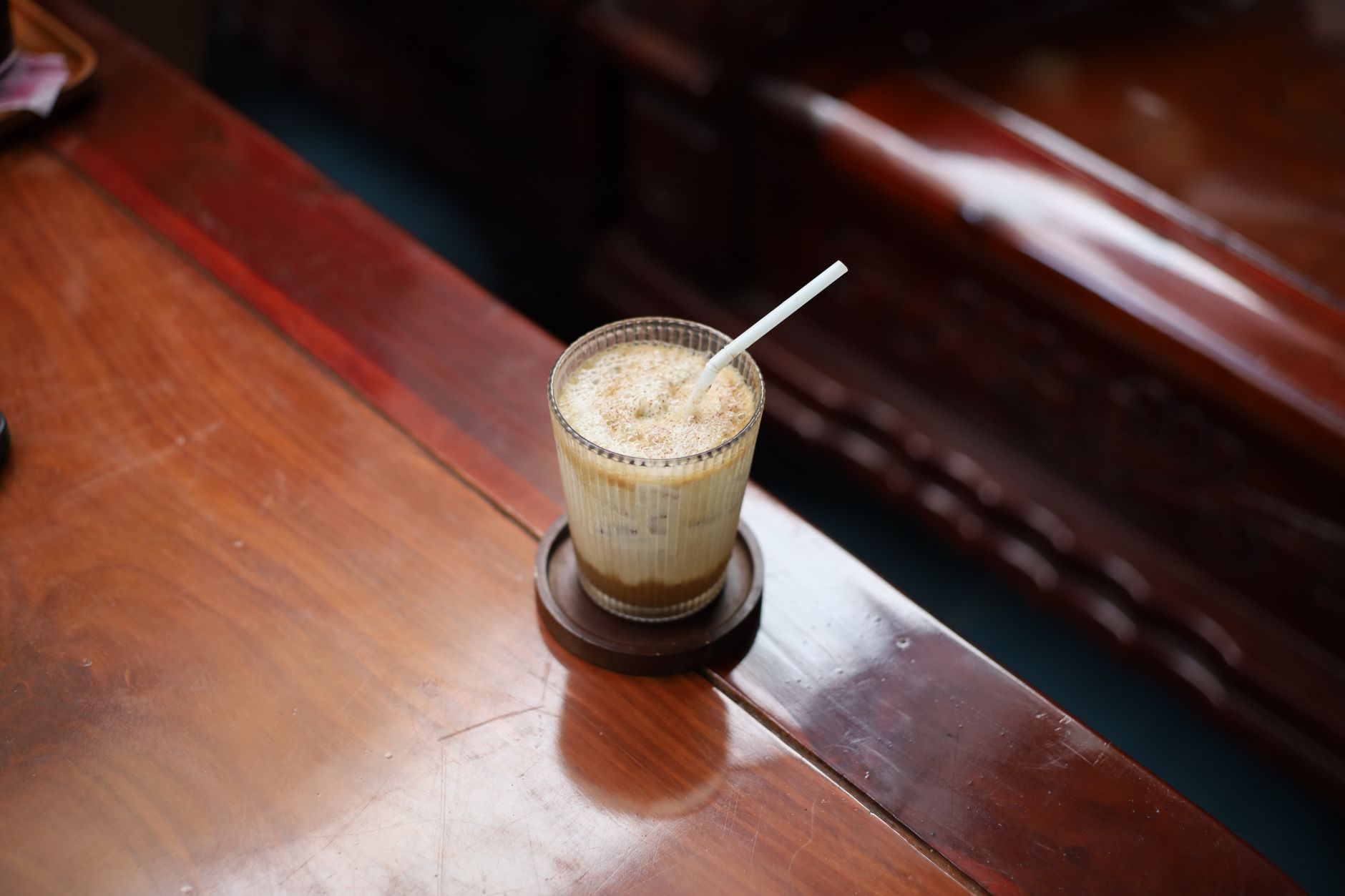 Photo: 🇻🇳🇻🇳Nguyễn Tiến Thịnh 🇻🇳🇻🇳 via Pexels
The name comes from Korean honeycomb toffee sold by street vendors — the flavor resemblance is real. Despite the viral origin, it’s a legitimately satisfying drink: the whipped layer has an almost meringue-like texture that melts into the cold milk below, creating something between a latte and an affogato.
Crucially, this only works with instant coffee. The soluble proteins and fine particles in instant coffee are what allow it to whip into a stable foam. Brewed espresso, pour-over, or cold brew will not whip — the chemistry isn’t there.
The Dalgona Coffee Recipe
The ratio is 1:1:1 — one tablespoon each of instant coffee, white granulated sugar, and boiling water. That’s the entire formula. Scale it up or down, but keep the ratios equal. Whip by hand for 8–12 minutes or with an electric mixer for 2–3 minutes until the mixture holds stiff, glossy peaks.
 Photo: Ines M. via Pexels
Ingredients (1 serving)
| Ingredient | Amount |
|---|---|
| Instant coffee | 1 tbsp (2g) |
| White granulated sugar | 1 tbsp (12g) |
| Boiling water | 1 tbsp (15ml) |
| Cold milk (any kind) | 200–250ml |
| Ice | as needed |
Method
- Add instant coffee, sugar, and boiling water to a clean bowl or tall jar.
- Whip vigorously. By hand whisk: 8–12 minutes. Hand mixer: 2–3 minutes. Milk frother: 1–2 minutes.
- The mixture is ready when it’s pale caramel in color, tripled in volume, and holds a ribbon or soft peak.
- Fill a glass with ice, pour in cold milk.
- Spoon the whipped coffee on top.
- Stir before drinking — the foam is intensely bitter on its own.
What Instant Coffee Works Best?
Any instant coffee works, but the grind and processing affect flavor significantly:
| Type | Result |
|---|---|
| Standard instant granules (Nescafé Classic) | Reliable foam, mild flavor |
| Freeze-dried instant (Nescafé Gold, Jacobs) | Better flavor complexity, same whip |
| Specialty instant (Verve, Cusa, Sudden Coffee) | Best flavor, whips identically |
| Instant espresso powder (Medaglia d’Oro) | Stronger, darker foam — excellent choice |
Avoid flavored instant coffees — the additives can destabilize the foam.
Milk Options and Variations
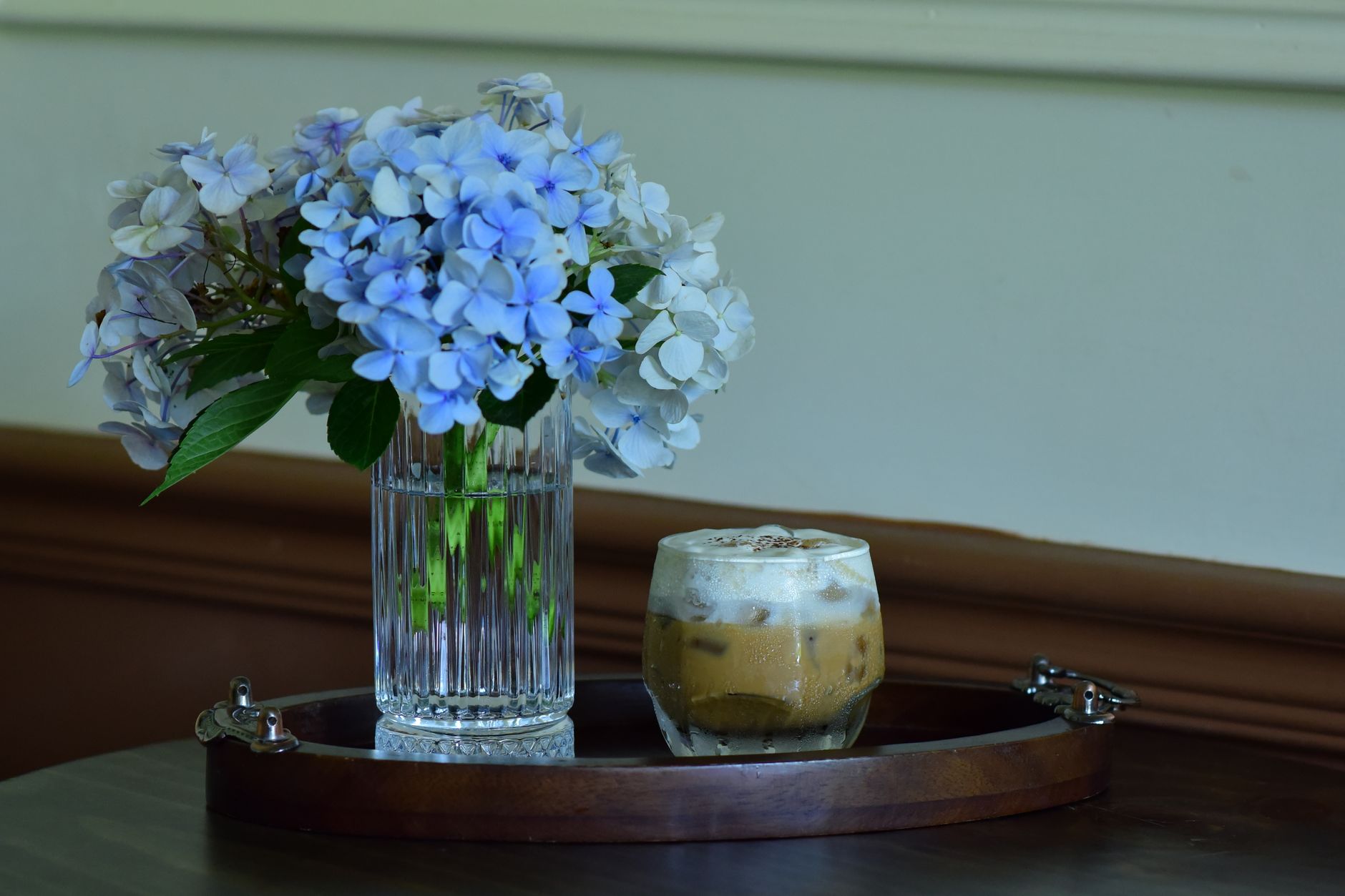
Any milk works. Whole dairy milk gives the richest mouthfeel under the foam. Oat milk is the best non-dairy option — its texture complements the bitter foam without competing. Avoid thin, watery milks like rice milk; they make the drink feel flat.
 Photo: Sóc Năng Động via Pexels
Hot Dalgona Coffee
Swap the iced milk for hot steamed milk. Spoon the foam on top the same way. The foam dissolves faster in heat, so drink it quickly.
Matcha Dalgona
Replace the instant coffee with ceremonial-grade matcha. The whipping process is identical — same ratios, same technique. Results in a green, grassy foam over milk.
Dalgona Without Sugar
Sugar is structural in this recipe, not just for sweetness. It helps stabilize the foam. You can reduce it by half — expect a softer, less stable result. Zero sugar is technically possible with a very strong electric mixer but the foam collapses within minutes.
Troubleshooting
If your foam isn’t stiffening, check three things: water temperature (must be boiling, not warm), bowl cleanliness (any fat residue kills the foam), and coffee type (brewed coffee will never whip). The most common failure is using too little coffee relative to water.
 Photo: Feyza Tuğba via Pexels
| Problem | Cause | Fix |
|---|---|---|
| Foam is liquid, won’t thicken | Water too cool / brewed coffee used | Use boiling water, switch to instant |
| Foam collapses quickly | Greasy bowl / under-whipped | Clean bowl, whip longer |
| Foam is too bitter | Used too much coffee | Add a pinch more sugar |
| Foam is grainy | Sugar didn’t dissolve | Use caster/fine sugar, or stir before whipping |
→ See also
- Espresso Drinks: The Complete Guide to Every Type
- What Is a Cortado? (And How It Differs From a Macchiato)
- Cortado vs Flat White vs Macchiato: Full Comparison
FAQ
Can you make dalgona coffee without instant coffee? No — not with the same result. Only instant coffee contains the soluble solids that trap air and hold a stable foam. Brewed espresso, aeropress, or cold brew concentrate will not whip no matter how long you try. If you want a whipped coffee effect without instant, matcha or cocoa powder work using the same method.
How long does dalgona coffee foam last? At room temperature, a well-whipped foam holds for 30–60 minutes before softening. Refrigerated in an airtight container it lasts 24–48 hours, though it may weep slightly — a quick re-stir brings it back. Don’t freeze it.
Does dalgona coffee taste like regular coffee? It’s noticeably sweeter and more intense than a standard latte or Americano. The foam is concentrated — you’re essentially eating undiluted instant coffee — so the bitterness hits first. Once stirred into the milk it mellows into something closer to a sweet iced coffee.
Is dalgona coffee high in caffeine? One serving uses about 2g of instant coffee, which contains roughly 60–80mg of caffeine — comparable to a single shot of espresso. It’s less caffeinated than most iced lattes made with two shots. The sugar content (12g per serving before milk) is the more notable number for anyone watching intake.
Editorial methodology: Assessments are based on manufacturer specifications, published user reviews, and editorial research. Physical hands-on testing is noted explicitly where it occurred. Rankings reflect our editorial judgment and are not influenced by affiliate commission rates. Full editorial policy · Affiliate disclosure