Contents
Cappuccino vs Latte: What’s the Difference?
TL;DR: The cappuccino vs latte difference comes down to milk ratio and texture. A cappuccino is one part espresso, one part steamed milk, one part dense foam — bold and thick. A latte is one part espresso to roughly four parts steamed milk with only a thin foam layer — smooth and mild. Same base ingredients, completely different drinks.
Cappuccino vs Latte: The Core Difference
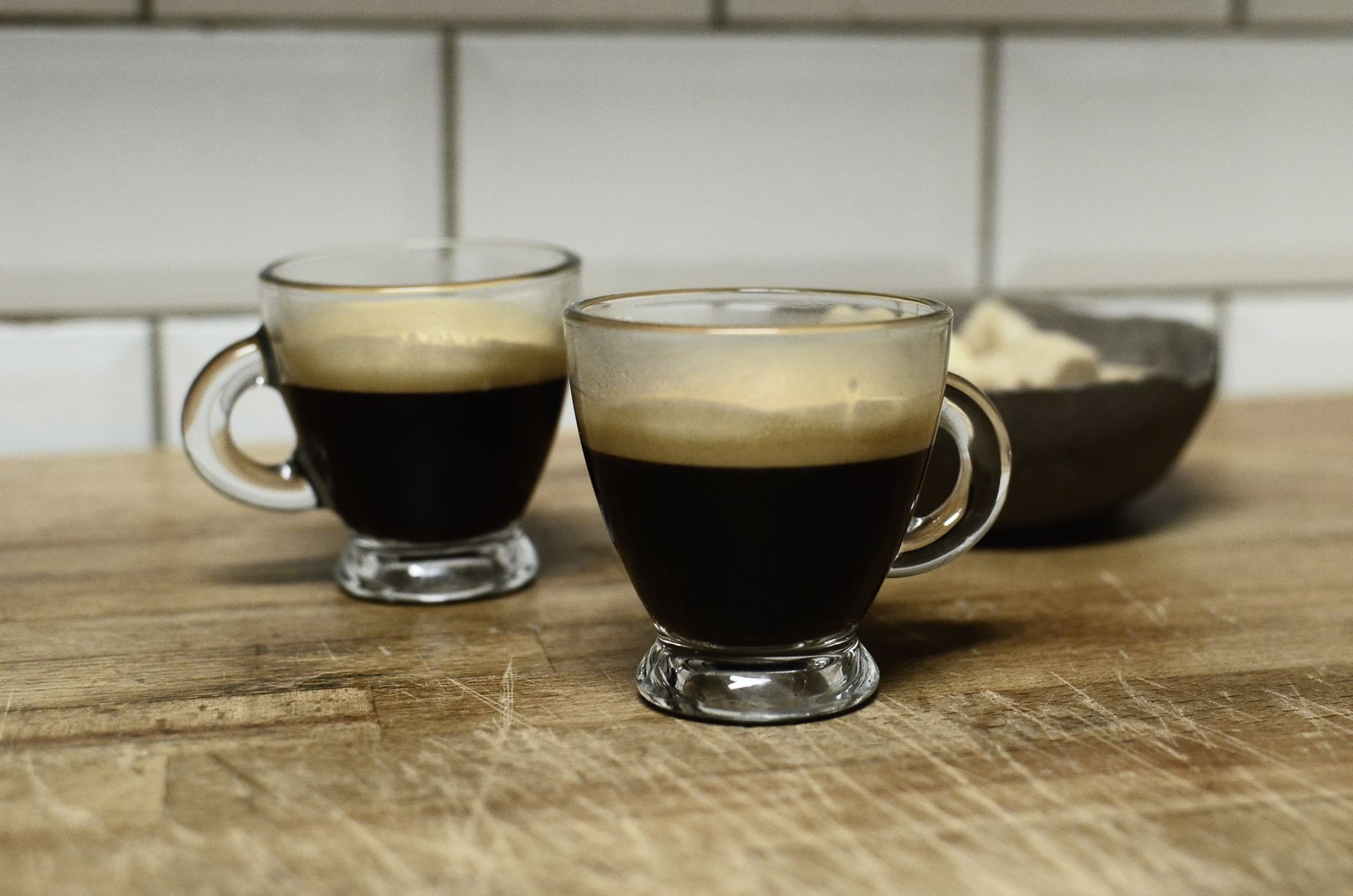
The cappuccino uses equal thirds: espresso, steamed milk, and thick microfoam. The latte uses a 1:4 espresso-to-milk ratio with minimal foam. The cappuccino is stronger, smaller (5–6 oz), and texturally distinct. The latte is larger (8–12 oz), creamier, and lets the milk dominate. Both start with a double shot.
 Photo: The Lazy Artist Gallery via Pexels
The difference shows up immediately in the cup. Pick up a cappuccino — it’s light, almost airy, because a third of its volume is foam. Pick up a latte — it’s heavy, liquid, dense with steamed milk. That contrast tells you everything before the first sip.
The foam in a cappuccino isn’t decorative. It insulates the espresso from the milk, which means the coffee flavor stays more concentrated even as you drink through the layers. In a latte, the espresso and milk are fully integrated — you taste coffee-flavored milk, not espresso punctuated by foam.
Espresso: The Foundation Both Drinks Share
Both drinks use a double shot (roughly 18–20g of ground coffee yielding 36–40g of espresso). The machine, the grind, the extraction — identical. The only divergence happens when the portafilter comes out and you reach for the steam wand.
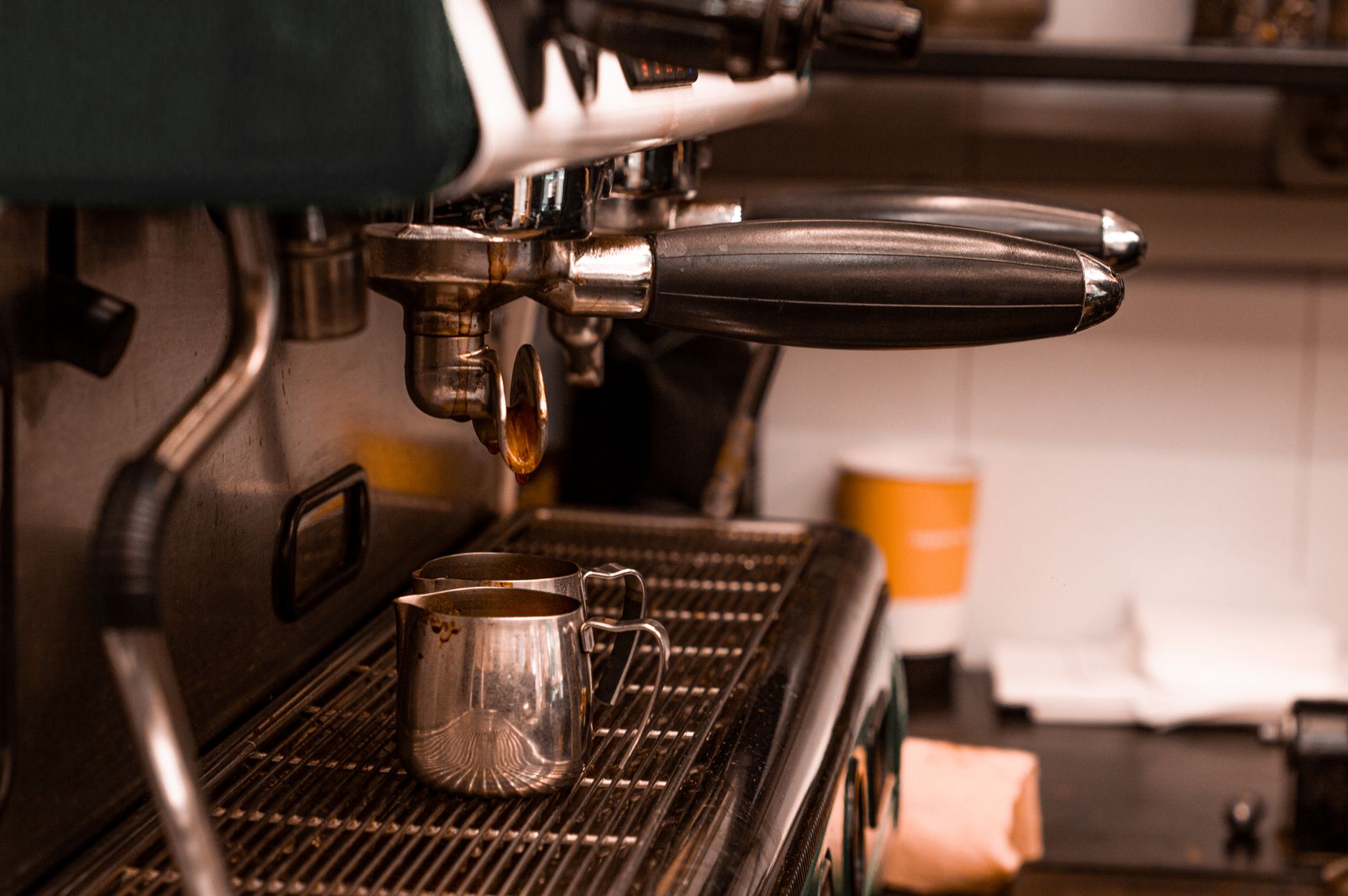 Photo: Pavel Sharko via Pexels
This matters for buying decisions. If you want either drink at home, you need the same equipment: an espresso machine with a steam wand. A good entry point is the Breville Barista Express
Espresso quality is the ceiling for both drinks. Weak, over-extracted, or channeled espresso will show in a cappuccino (where it’s more exposed) more than in a latte (where milk masks defects). That’s not an argument for lattes — it’s an argument for dialing in your espresso.
Milk Ratios and Texture: Where the Drinks Diverge
Cappuccino: ~60ml espresso, ~60ml steamed milk, ~60ml dense foam (1:1:1). Latte: ~60ml espresso, ~240ml steamed milk, thin foam cap (roughly 1:4). The latte’s milk is steamed to a silkier, wetter microfoam — almost no air incorporated. The cappuccino’s foam is thicker, stiffer, and holds its shape.
| Cappuccino | Latte | |
|---|---|---|
| Volume | 150–180ml (5–6 oz) | 240–360ml (8–12 oz) |
| Espresso | Double shot | Double shot |
| Milk | ~60ml steamed | ~180–240ml steamed |
| Foam | Thick, dense (1–2 cm) | Thin (2–4mm) |
| Strength (perceived) | Strong | Mild |
| Calories (whole milk) | ~80 kcal | ~150–200 kcal |
Steaming technique changes the drink more than most people realize. For a cappuccino, you introduce more air early in the steam — the wand tip near the surface, creating a vortex with more foam volume. For a latte, you keep the wand submerged longer, building heat with less air, producing that glossy, paint-like microfoam used for latte art.
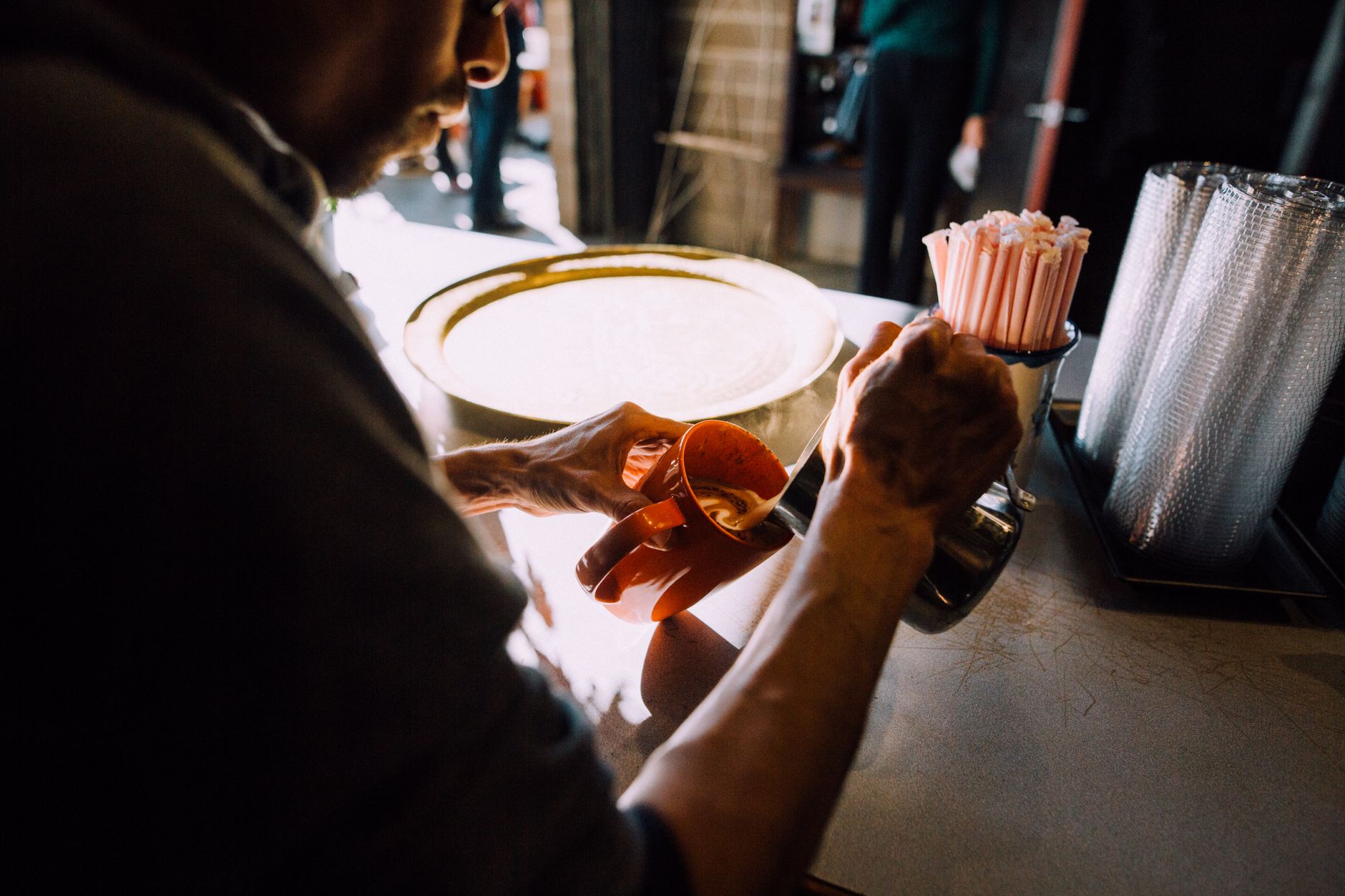 Photo: K via Pexels
If you’re steaming at home and your cappuccino tastes flat or your latte has too much foam, the wand angle and depth are the first things to adjust — not the espresso dose or the milk volume.
Flavor Profile: What You Actually Taste
In a cappuccino, you taste espresso first — the foam creates a physical barrier that slows milk integration, so each sip delivers more concentrated coffee flavor. In a latte, you taste a balanced coffee-milk blend throughout; the espresso is present but not dominant. Neither is better — they suit different moods and tolerances.
The cappuccino rewards well-developed espresso. A natural-process Ethiopian with fruit-forward notes, or a dark-roasted Brazilian with chocolate and nut — both read clearly in a cappuccino. The same coffees in a latte become subtler, more background.
This is why cappuccinos are traditional as morning drinks in Italy — small, strong, a jolt of coffee with just enough milk to take the edge off. Lattes became the afternoon drink, something you sip slowly, more like a coffee-flavored beverage than a straight espresso format.
For flavored drinks — vanilla, caramel, hazelnut syrups — lattes make more sense. The extra milk volume carries syrups better and the drink stays balanced. Adding syrup to a cappuccino throws off the tight ratio and muddies the foam.
Dry vs Wet Cappuccino (and Why It Matters)
A “dry” cappuccino uses more foam and less steamed milk — drier texture, stronger espresso hit. A “wet” cappuccino uses more steamed milk and less foam, moving it closer to a latte. Standard cappuccino sits in the middle. Knowing this lets you order exactly what you want at any café.
 Photo: Engin Akyurt via Pexels
When ordering, “dry” or “wet” communicates your preference clearly to any competent barista. A dry cap is almost entirely foam with espresso; a wet cap resembles a small latte. Most specialty cafés default to somewhere in the middle — ask if you have a preference.
→ See Also
- Espresso Drinks: The Complete Guide to Every Type
- What Is a Cortado? (And How It Differs From a Macchiato)
- Cortado vs Flat White vs Macchiato: Full Comparison
FAQ
Is a cappuccino stronger than a latte? Both use the same amount of espresso (a double shot), so the actual caffeine is identical. A cappuccino tastes stronger because less milk dilutes the espresso flavor. If you want a bolder coffee taste without more caffeine, order the cappuccino.
What’s the difference between a flat white and a latte? A flat white is smaller (150–165ml vs 240ml+), uses a ristretto-style double shot in some traditions, and has a thinner microfoam layer — closer to a latte in texture but with a higher espresso-to-milk ratio. It’s essentially a smaller, stronger latte.
Can you make a cappuccino without an espresso machine? Not a traditional one. You need pressurized extraction for espresso and a steam wand (or Moka pot approximation) for frothed milk. AeroPress espresso is concentrated but not true espresso — the foam won’t behave the same way. For an at-home cappuccino-style drink, a steam wand machine is the minimum.
Why does my latte art work on a latte but not a cappuccino? Cappuccino foam is too stiff for the surface tension needed to pour latte art. Latte art requires glossy, liquid microfoam that flows and merges with the espresso crema. For a cappuccino, the art form is a rosetted foam top applied with a spoon, not poured through the spout.
Which is better for dairy alternatives? Lattes adapt more easily to oat milk, almond milk, and soy. The higher milk volume means oat milk’s natural sweetness integrates well. Cappuccino foam from oat or almond milk is less stable — it collapses faster, shortening the window between pour and drink. Barista-formula oat milk (Oatly Barista , Califia Farms Barista ) handles frothing better than standard retail versions.
How many calories are in a cappuccino vs a latte? A standard cappuccino with whole milk runs 80–100 calories. A latte with whole milk is 150–250 calories depending on size. The difference is entirely the milk volume — same espresso, same milk type, just more of it in the latte.
Editorial methodology: Assessments are based on manufacturer specifications, published user reviews, and editorial research. Physical hands-on testing is noted explicitly where it occurred. Rankings reflect our editorial judgment and are not influenced by affiliate commission rates. Full editorial policy · Affiliate disclosure